Inland Marine Insurance: What It Covers, Why It Is Called That, and Who Needs It
Riskado
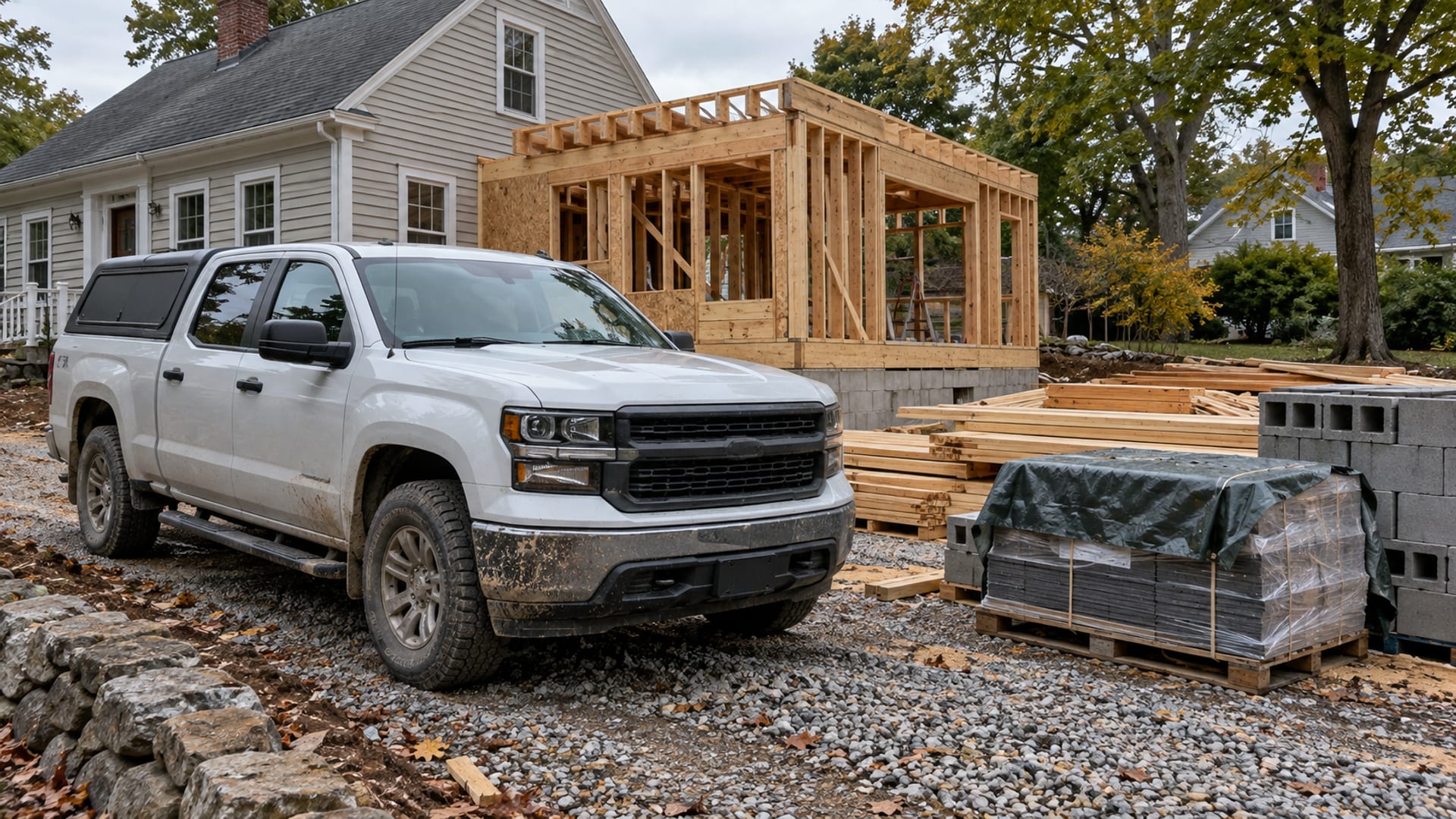
Inland marine insurance is property coverage for business equipment, tools, materials, goods and other property that moves, is in transit, is stored away from the main premises for a time, or is held by the business for someone else, according to the NAIC glossary (opens in a new tab) and the Insurance Information Institute (opens in a new tab). Contractors' equipment, photography gear, construction materials, computers, fine art and customer property in a warehouse or repair shop are common examples. A commercial property policy or business owner's policy (BOP) can cover some of this property, and the location, value, transit exposure and policy wording decide how much. Nothing makes inland marine mandatory for every business; a law, lender, lease or contract may require insurance on certain property.
The first decision is a comparison. Write down where your property actually goes, who owns it and what your contracts ask for, then hold that list up against the policy you already have.
Key takeaways
- What it isProperty coverage for business equipment, tools, materials, goods and other property that moves, is in transit, is stored away from the main premises for a time, or is held for someone else.
- Common examplesContractors' equipment, photography gear, construction materials, computers, fine art and customer property in a warehouse or repair shop.
- Your current policyA commercial property policy or business owner's policy can cover some of this property, and the location, value, transit exposure and policy wording decide how much.
- Is it required?Nothing makes inland marine mandatory for every business. A law, lender, lease or contract may require insurance on certain property.
- The first stepWrite down where your property goes, who owns it and what your contracts ask for, then hold that list up against the policy you already have.
What does inland marine insurance cover?
Inland marine is first-party property coverage, which means it pays for loss to property you own or are responsible for. These kinds of property fall under it, per the Insurance Information Institute and The Hartford (opens in a new tab), an insurer:
- Movable property that is used at changing locations, such as tools and equipment at jobsites.
- Business property in transit over land.
- Property in temporary storage away from the main premises.
- Customer property held by a warehouse, repair shop or processor, which is called bailee coverage.
- Materials and structures during construction or renovation, which builders risk and installation floaters address.
- Specialized equipment such as computers, servers, communications, medical and scientific gear.
Every policy has its own form, declarations and endorsements. Whether a given item is covered at a given place, against a given cause of loss, comes from that wording and not from the name of the coverage.
Why is it called inland marine?
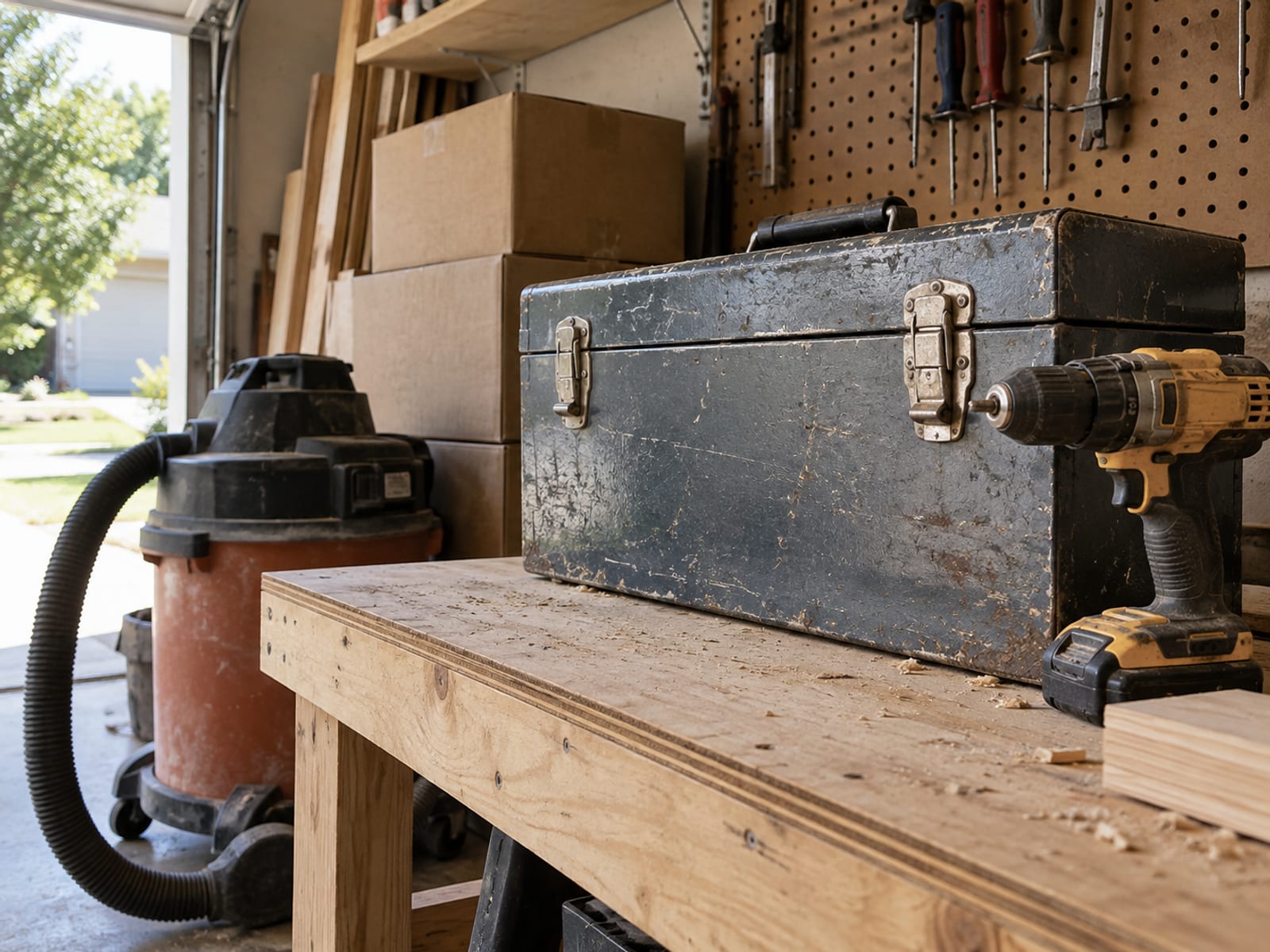
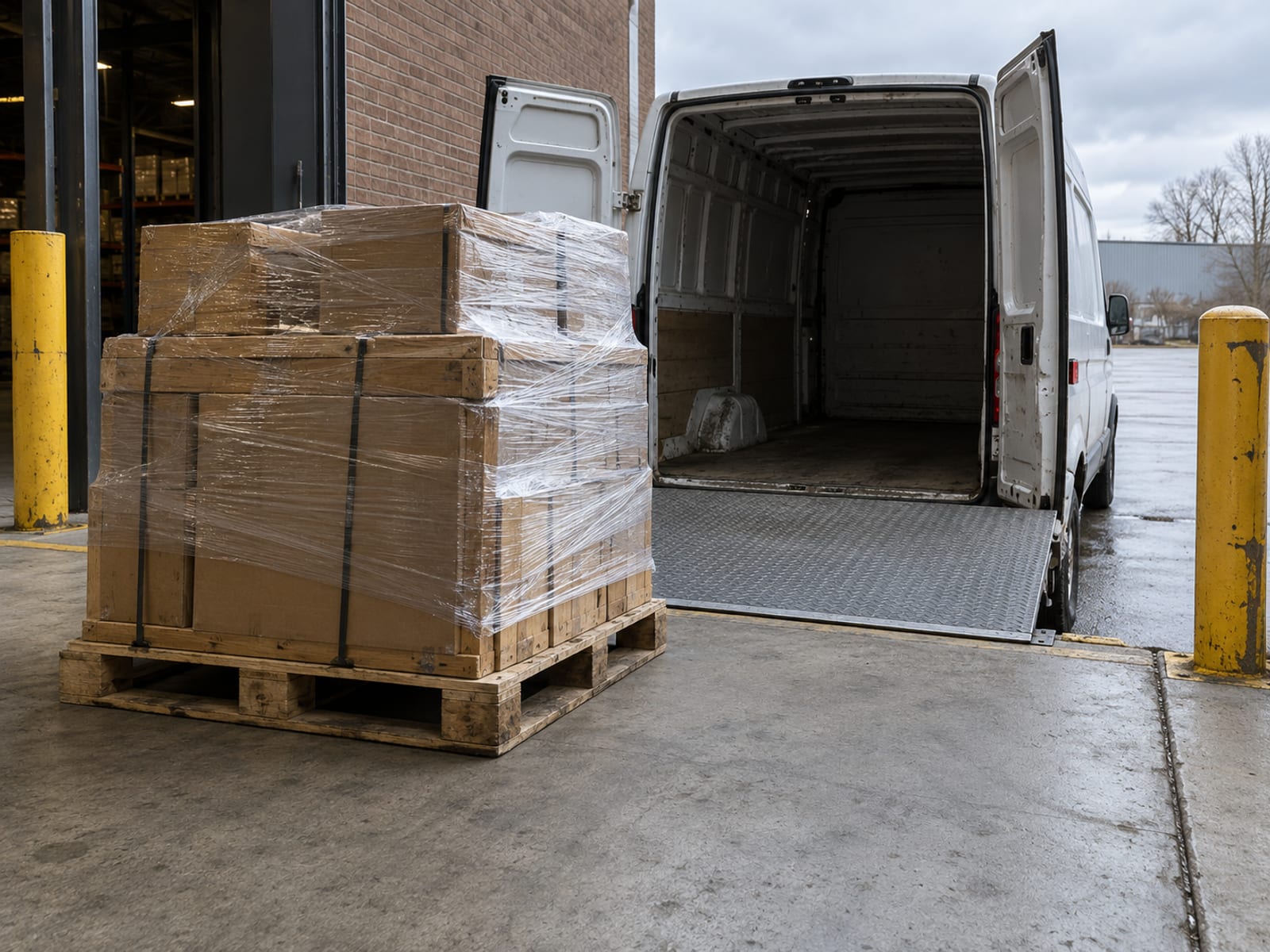
The name comes from ocean marine insurance, which historically covered ships, hulls, cargo and related earnings and liability, per the NAIC glossary. As shipping and business property moved over land, insurers used the same approach for goods in land transit and for property that travels, and that coverage became inland marine. The word "marine" does not mean the policy is for boats. The modern classification traces to the Nationwide Marine Definition (opens in a new tab), and the NAIC's Nationwide Inland Marine Definition (opens in a new tab) includes classes such as domestic shipments, transportation and communication instrumentalities, personal property floaters, exhibition policies, live-animal floaters and builders or installation risks.
Does a BOP or commercial property policy already cover the property?
Commercial property insurance addresses buildings, business personal property, equipment and inventory at a specified business location. Commercial property is coverage for business property and physical assets against events such as fire, smoke, wind, hail and vandalism, and a BOP packages typical property and liability coverages, according to the SBA (opens in a new tab). Inland marine commonly picks up property that moves, is in transit, sits at a jobsite or is otherwise away from the main premises.
That leaves a question for each item you own, not a single yes or no. A BOP may cover tools on your own premises and treat the same tools differently in a truck or at a customer's site, through a lower limit, an exclusion or a condition. Ask your agency to show you the off-premises and transit language in the policy you have now, and to name the items that would fall between the policies.
Which property categories come up most?
These examples appear in the NAIC definition, the Insurance Information Institute and insurer material:
- Contractors' equipment and tools used at changing jobsites.
- Business property in transit.
- Computers, laptops, servers and networking equipment.
- Medical, scientific and photography equipment.
- Fine art and exhibition property, including trade-show booths.
- Customer property held by a warehouse, repair shop or other bailee.
- Builders risk and installation floaters.
- Motor truck cargo.
- Personal property floaters and other scheduled high-value property.
Businesses that discuss this coverage with an agent include contractors and other tradespeople, technology companies, transportation and logistics companies, equipment rental businesses, warehouses, repair shops and photographers. A category on this list is an example, and no single policy includes every category.
What does inland marine usually not cover?
These exclusions or limits can appear in an insurer's forms, per The Hartford, and other insurers' forms differ:
- Buildings and permanently installed property.
- Normal wear and tear.
- Deterioration.
- Mechanical breakdown.
- Employee theft or dishonesty, unless added.
- Intentional damage.
- Illegal acts.
- Vehicles and vehicle-mounted equipment, which commercial auto generally handles.
- High-value or specialized items that are not listed or scheduled.
Theft from an unattended vehicle, flood, earthquake and equipment rented or borrowed from others are questions of policy wording. Put each one to the agency by name and get the answer for your form in writing.
How is it different from general liability and commercial auto?
Each of the three policies answers a different question:
- Inland marine pays for loss to property, such as your own tools, equipment or customer goods.
- General liability pays for your legal liability for bodily injury, damage to other people's property and other third-party claims. It is not primarily coverage for your own tools, equipment or inventory, according to the SBA and the California Department of Insurance (opens in a new tab).
- Commercial auto covers vehicles and vehicle-related exposures. Vehicles and vehicle-mounted equipment generally fall under commercial auto or another form, not inland marine.
Some inland marine forms address property of others in your care, but the coverage is still property coverage. How the policies divide a particular loss depends on the wording, the endorsements and the facts of the loss, so ask how your inland marine terms coordinate with your BOP, commercial property, general liability and commercial auto policies.
Hover or tap a row to highlight it.
| Policy | The question it answers | What it generally covers |
|---|---|---|
| Inland marine | What pays if my property is lost or damaged? | Loss to property you own or are responsible for, such as your own tools, equipment or customer goods |
| General liability | What pays if I am legally responsible for harm to someone else? | Bodily injury, damage to other people's property and other third-party claims, and not primarily your own tools, equipment or inventory |
| Commercial auto | What pays for vehicles and vehicle-related exposures? | Vehicles and vehicle-mounted equipment, which generally fall under commercial auto or another form, not inland marine |
Is inland marine required?
There is no rule that makes every business carry it. A requirement comes from a specific source: a law, a lender, a lease, a customer contract, a project owner or another agreement. If you need to know, ask the lender, landlord or contract counterparty what they require, including whether they want a certificate of insurance, additional insured status, loss-payee status, a particular form or a minimum limit.
How are limits, values and deductibles described?
Policies describe limits in a few ways. Scheduled coverage lists individual items with descriptions and values. Blanket coverage insures a class of property under a shared limit. A policy can pay on replacement cost or actual cash value, and it can add special limits, valuation conditions, coinsurance, reporting requirements or deductibles. A deductible is the amount or percentage you carry before the insurer pays a covered loss.
No single rule sets these numbers for every policy, so ask the agency to state the valuation method, limit structure, deductible and required documentation for each class of property. Equipment, fine art, pairs or sets, newly acquired property, rented equipment and customer property deserve their own answers.

How do states regulate inland marine?
Each state's insurance law and insurance department decide what counts as inland marine and how its forms and rates are reviewed. States can use different versions of the Nationwide Marine Definition (opens in a new tab), which IMUA tracks in a state digest. The definition sorts types of insurance into categories and leaves the actual coverage to each policy.
For example, Connecticut defines inland marine as insurance that statute, a statutory interpretation, an Insurance Commissioner ruling or general business custom treats as inland marine (Conn. Gen. Stat. § 38a-664 (opens in a new tab)), and it uses the 1976 version of the definition, according to the IMUA state digest. For your own state's rules, or to check an agent's license, contact your state insurance department (opens in a new tab).
What should a business owner ask an agent?
Start with a list of your movable, transported, off-site, temporarily stored and customer-owned property, with descriptions, serial numbers, purchase dates, receipts, appraisals and current values. Note every place the property is used, stored, installed, exhibited or carried, and who owns, leases, rents or lends each item. Gather your contracts, leases and lender requirements. Then ask:
- Which property is covered at the main premises, in transit, at a jobsite, in a vehicle and in temporary storage?
- Are tools, equipment, materials, inventory and rented or leased property treated differently?
- Is customer property covered while in our care, custody or control?
- Are newly acquired items covered automatically, and for how long?
- Are vehicles or vehicle-mounted equipment excluded or handled under commercial auto?
- Are theft from an unattended vehicle, mysterious disappearance, collision, flood, earthquake, mechanical breakdown, wear and tear or employee dishonesty excluded?
- Must individual high-value items be scheduled?
- Is coverage scheduled, blanket or both, and is valuation replacement cost, actual cash value, stated value or another basis?
- What deductible applies to each category or cause of loss?
- Are there special limits for property away from the premises or in transit?
- Does coverage extend across state lines or internationally?
- Does a customer, lender, lease or project contract require a certificate, additional insured status, loss-payee status or a specified form?
- Does the policy cover property owned by employees, customers, lenders or lessors?
- What records will the insurer want after a loss?
Check what you know about inland marine insurance
Inland marine insurance FAQ
What is the meaning of inland marine insurance?
It is property coverage for movable, transported, off-site, temporarily stored or customer-owned property in the insured's care, depending on the policy. The "marine" comes from its origin in insurance for transported goods.
What does inland marine not cover?
Forms commonly exclude or limit wear and tear, deterioration, mechanical breakdown, intentional damage, illegal acts, buildings and unlisted specialized items, per The Hartford (opens in a new tab). Vehicles generally go under commercial auto.
Is inland marine the same as general liability?
No. Inland marine is property coverage for your own and entrusted property, while general liability addresses bodily injury and third-party property damage claims against you.
Does inland marine cover tools?
It can cover tools and equipment that move between locations or work away from the main premises, subject to the form and its terms. A scheduled item list and the valuation method decide how a claim is paid.
Your next step
Take your property list, contracts and the questions above to a licensed agency, and confirm the agent or agency with your state insurance department's license lookup (opens in a new tab) before you rely on advice or buy coverage. Ask the agency to compare your current BOP or commercial property policy with your actual property, locations and contract requirements, and to show you any gaps in writing. You can search agencies by state in the Riskado agency directory.
Terms used in this guide
Tap a term to see what it means.
Inland marine. Property coverage for business equipment, tools, materials and goods that move, are in transit, are stored away from the main premises for a time, or are held for someone else.
First-party coverage. Coverage that pays for loss to property you own or are responsible for.
Business owner's policy (BOP). A package that combines typical property and liability coverages.
Bailee coverage. Coverage for customer property held by a warehouse, repair shop or processor.
Builders risk. Coverage for materials and structures during construction or renovation.
Installation floater. Coverage for materials during installation, one of the classes inland marine addresses alongside builders risk.
Scheduled coverage. Coverage that lists individual items with descriptions and values.
Blanket coverage. Coverage that insures a class of property under a shared limit.
Deductible. The amount or percentage you carry before the insurer pays a covered loss.