

RiskadoAuto insurance agency
Abby Dupont at Comparion Insurance Agency
Glastonbury, CTAuto insurance agency
Abby Dupont at Comparion Insurance Agency
95 Glastonbury Blvd #204, Glastonbury, CT 06033
Connecticut
Auto insurance agency
95 Glastonbury Blvd #204, Glastonbury, CT 06033
Insurance broker
40 Stanford Dr 2nd Floor, Farmington, CT 06032

Connecticut homeowners rate filings averaged an 8.7% allowed increase in 2025. See what to check on a renewal notice, what to ask and how to compare quotes.
 Auto
Connecticut ended its SR-22 filing requirement in July 2004. Learn what the DMV asks for instead, from proof of financial responsibility to lapse notices.
 Insurance Terms
A Connecticut umbrella policy is optional excess liability coverage that sits above your auto and home limits. Learn what it covers, excludes and requires.
Connecticut's 2023 combined average premium for personal auto was $1,508.21 a year, per the NAIC. Learn why quotes differ and what moves your own price.
Connecticut requires workers' compensation for employees and insurance on commercial vehicles. See what else depends on leases, contracts and licenses.
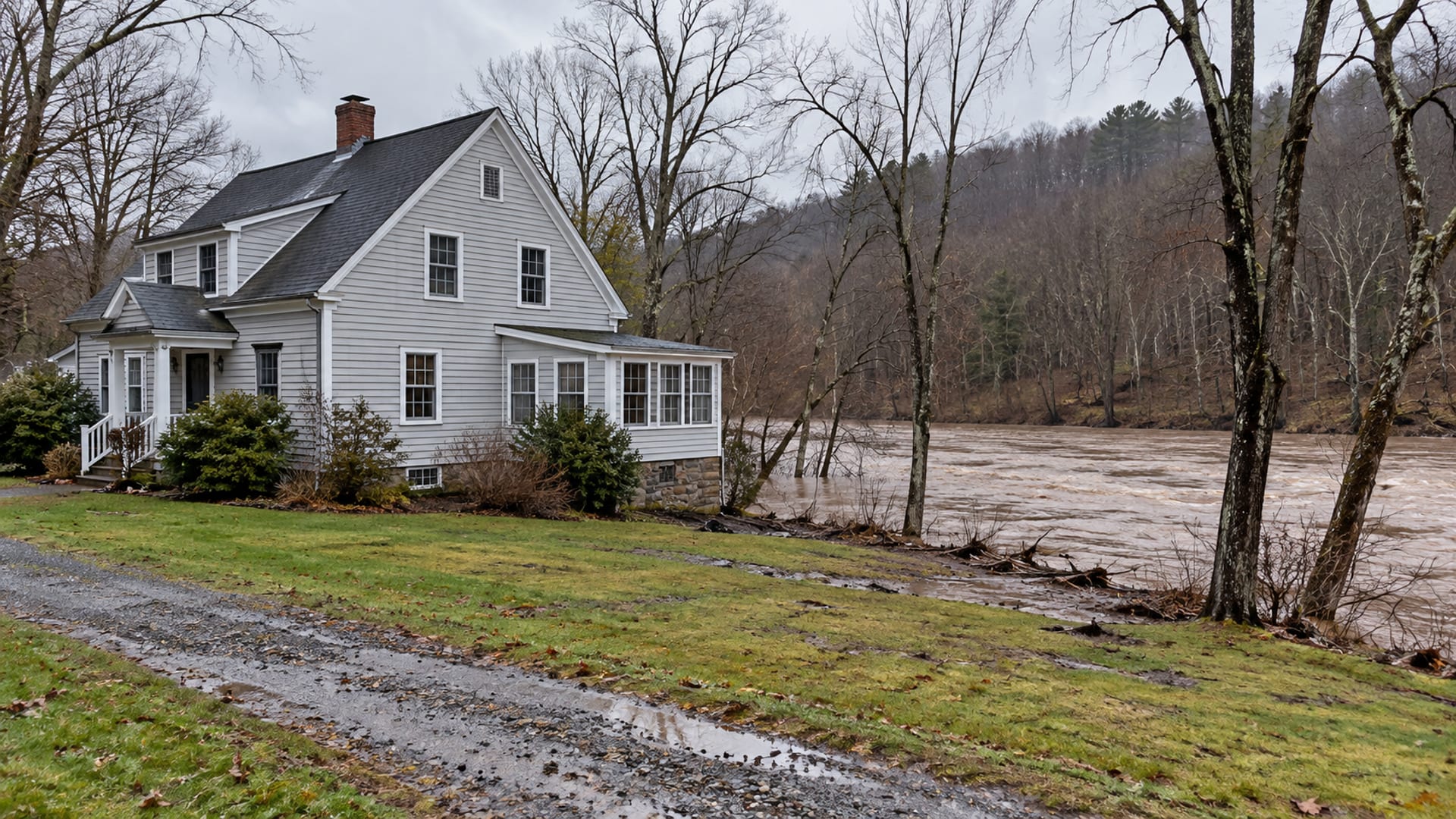
Connecticut homeowners and renters policies generally exclude flood. Learn when a lender requires coverage, what NFIP limits and waiting periods mean, and what changed.

Connecticut requires 25/50/25 liability plus uninsured motorist coverage on a registered motorcycle. See the required coverage, add-ons, discounts and cost ranges.
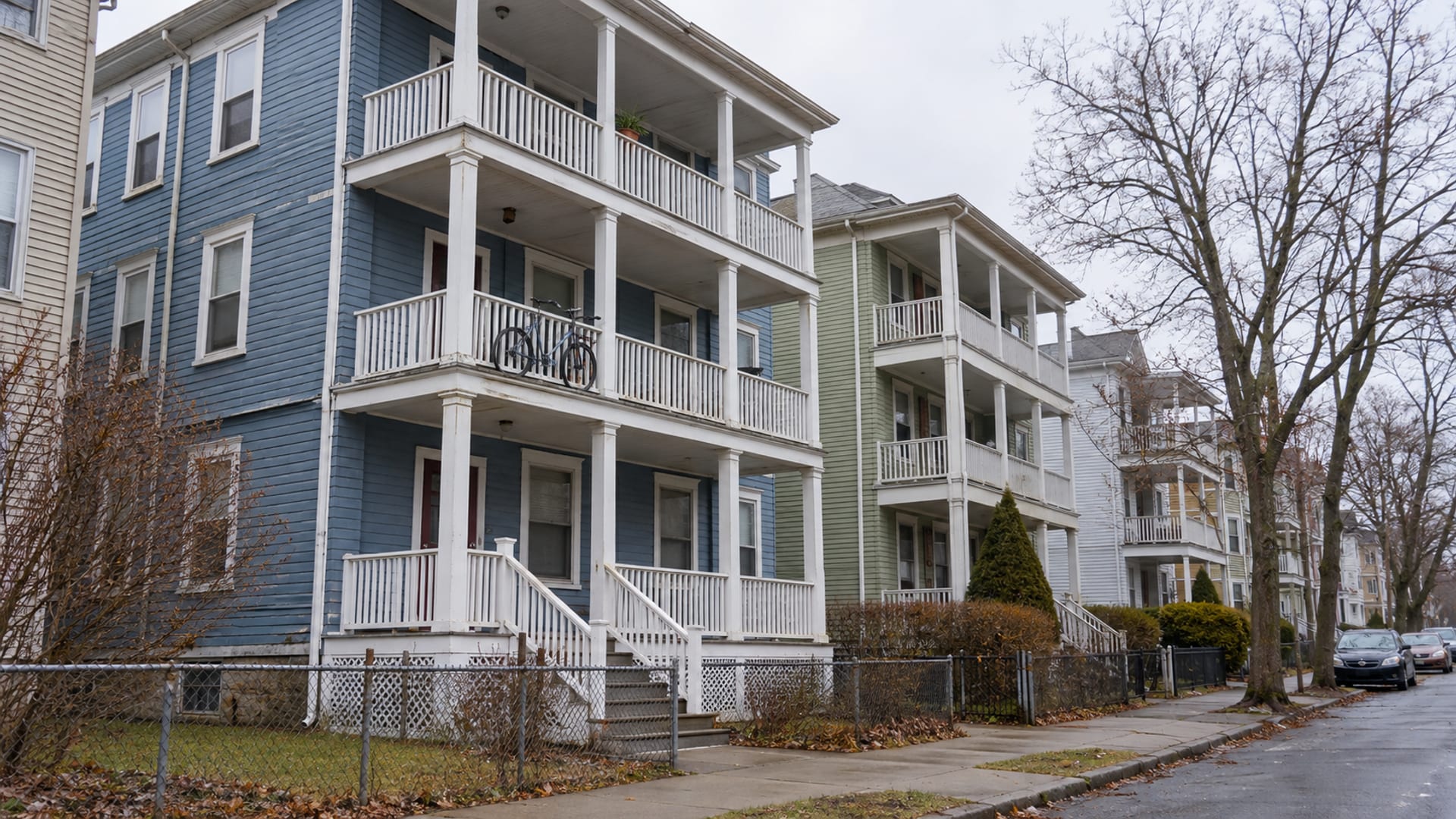
Connecticut law does not require every tenant to buy renters insurance, but a lease can. See what a policy covers, what it excludes and the 2022 average cost.

Connecticut law does not require every homeowner to buy insurance, but lenders generally do. Learn what a policy covers, costs and how to compare quotes.

Connecticut requires 25/50/25 liability, matching uninsured motorist coverage and no lapses on a registered car. See what the DMV checks and what to ask an agent.
Insurance rules depend on where you live. Each state sets its own minimum car insurance, its own rules for injury claims after a crash, its own leave and disability programs, and its own agency for licenses and complaints. Choose your state to open its hub, where you will find the guides for that state and the local insurance agencies in the Riskado directory. Riskado is an independent information site and directory, not an insurer, agency or broker.
If your question applies in every state, such as how a deductible works or how to choose an agent, start with the Riskado insurance guides.
Each state has its own insurance department and its own insurance laws. That is why two neighbors on either side of a state line can buy the same kind of policy and live under different rules about what it must include, how a claim works and where to complain. A national answer tells you how coverage works in general. The state hub tells you what applies at your address.
Every state sets the least amount of auto liability coverage a driver must carry, and the numbers differ. Connecticut is one example. Its minimums are $25,000 per person and $50,000 per accident for bodily injury, and $25,000 per accident for property damage, according to the Connecticut Insurance Department's auto insurance page (opens in a new tab). Liability requirements come from Conn. Gen. Stat. § 14-112 (opens in a new tab), and uninsured and underinsured motorist coverage, at least $25,000 per person and $50,000 per accident, comes from Conn. Gen. Stat. § 38a-336 (opens in a new tab).
Collision and comprehensive coverage are not required by Connecticut law, although a lender or leasing company may require them. Higher limits are worth considering, because the minimums may not provide enough financial protection, according to the same department. The car insurance requirements guide for your state gives its own numbers and the law behind them.
States also differ in how injury claims work after a crash. Some states use a no-fault system, where your own policy pays certain injury costs first no matter who caused the accident. Some let drivers choose how much of the right to sue after an accident they keep.
The state guides explain the version where you live. New York drivers can start with New York no-fault insurance. Pennsylvania drivers choose between limited tort and full tort, and New Jersey drivers face a similar choice in the limitation on lawsuit option. In Maryland, the question is whether to keep personal injury protection or sign a PIP waiver. Read your state's guide before you change these options at renewal, because each one affects what you can recover after an accident.
Several states run their own paid family leave, medical leave or temporary disability programs. New York, for example, has disability and paid family leave insurance, and Rhode Island has temporary disability insurance and paid family leave. Massachusetts, Maine, Vermont, New Hampshire, Maryland, Delaware and New Jersey each have a guide on their own program.
If you run a business, read the state's leave program guide alongside what insurance a small business needs and the small business guide on your state hub.
Standard homeowners policies generally exclude flood damage, so flood coverage is a separate decision in every state. Read the flood insurance guide for your state, such as Connecticut flood insurance.
Property markets also differ. Some states run a last-resort property insurance facility for eligible applicants who cannot get coverage through the normal market. In Connecticut, that is the Connecticut FAIR Plan (opens in a new tab). For local rules, including what to do when a renewal comes back much higher, read the homeowners and renters guides for your state.
Before you buy, you can confirm that an agent or an insurance company is licensed in your state. Each state insurance department runs its own lookup, and the NAIC's list of state insurance departments (opens in a new tab) links to every one. In Connecticut, for example, the lookup starts on the Connecticut Insurance Department's licensing page (opens in a new tab).
The same department takes complaints when a claim, a bill or a cancellation cannot be settled with the insurer. Connecticut residents can use the department's file a complaint or ask a question form (opens in a new tab). Spanish speakers can use the department's Spanish-language insurance information page (opens in a new tab), which explains how to confirm an agent's or company's license. The guides for your state point you to your own department for these steps.
Each state tile below leads to two places: the state's guides and its agencies in the Riskado insurance agency directory. The directory covers insurance agencies across the US, state by state, with whole states live, including the District of Columbia and Virginia, and more added over time. Listings show each agency's address, phone number and hours. A listing is not an endorsement, and Sponsored placements are labelled "Sponsored."
When you call an agency, ask whether it is licensed for the type of insurance you need in your state and which insurers it represents. The guide on how to choose an insurance agent has the full list of questions.
Quick answers about state rules and where to check them.
Tell your insurer or agent about the move before your next renewal. Ask whether your policy meets the new state's requirements, then read the requirements guide on the new state's hub.
Use your state insurance department's license lookup. The NAIC's list of state insurance departments (opens in a new tab) links to each one.
Your state sets the floor, and a lender or leasing company can require more, such as collision and comprehensive coverage. The car insurance requirements guide on your state hub gives the numbers and the law behind them.
Yes. Riskado publishes its guides in English and Spanish.
Choose what you need: understand the insurance rules in your state, or find an agency in your town. Pick your state below to open its guides and its agencies.
Some storage in your browser keeps the site working, like remembering your light or dark theme. With your permission, we would also use Google Analytics and Microsoft Clarity to see how people use Riskado so we can make it better, and show Google Maps on agency pages. None of them loads until you choose. Privacy policy · Cookie policy