

Insurance Guides
Insurance questions usually start with a specific problem: choosing coverage, understanding a bill or a notice, handling a claim, or finding help in your state. Start with that problem, then pick the insurance type, the situation or the state that matches it. Riskado's guides explain insurance terms and next steps in English and Spanish. Riskado is an independent information site and directory, not an insurer, agency, broker or source of quotes.
Where the answer depends on where you live, start with the state insurance guides.
If something just happened
After a crash, a storm, a break-in or a claim that has gone quiet, the first steps matter more than the background. Start with how to file a car insurance claim or how to file a homeowners insurance claim: what to do now, the documents to gather, who to call and how to report the loss.
Delays are a common frustration. In J.D. Power's 2024 U.S. Property Claims Satisfaction Study (opens in a new tab), the average property claim took 23.9 days to complete, more than six days longer than in its 2022 study. Longer repair times and inconvenience also hurt trust in auto claims, according to J.D. Power's 2024 U.S. Auto Claims Satisfaction Study (opens in a new tab).
When talking to the insurer has not worked, your state insurance department takes complaints. Use the language of your policy, and give the type of insurance and the reason you are unhappy, according to the NAIC's guide to filing a complaint (opens in a new tab). Deadlines and appeal rights depend on the state, the policy and the type of insurance, so check the rules with your state insurance department (opens in a new tab).
Auto insurance
The auto guides cover what a policy pays for and the choices that shape it, from comprehensive vs. collision insurance to how much car insurance you need, uninsured motorist coverage, gap insurance and rental cars. They also cover the moments that send people looking: a new car, an accident, a lapse, or a renewal notice with a higher premium.
Price is a leading reason people choose an auto insurer, and rate increases have pushed many customers to shop around, according to J.D. Power's 2025 U.S. Auto Insurance Study (opens in a new tab). When you compare, line up the same limits and deductibles so the price difference reflects the policy. Each state sets its own minimum coverage, and the state guides give the requirement where you live.
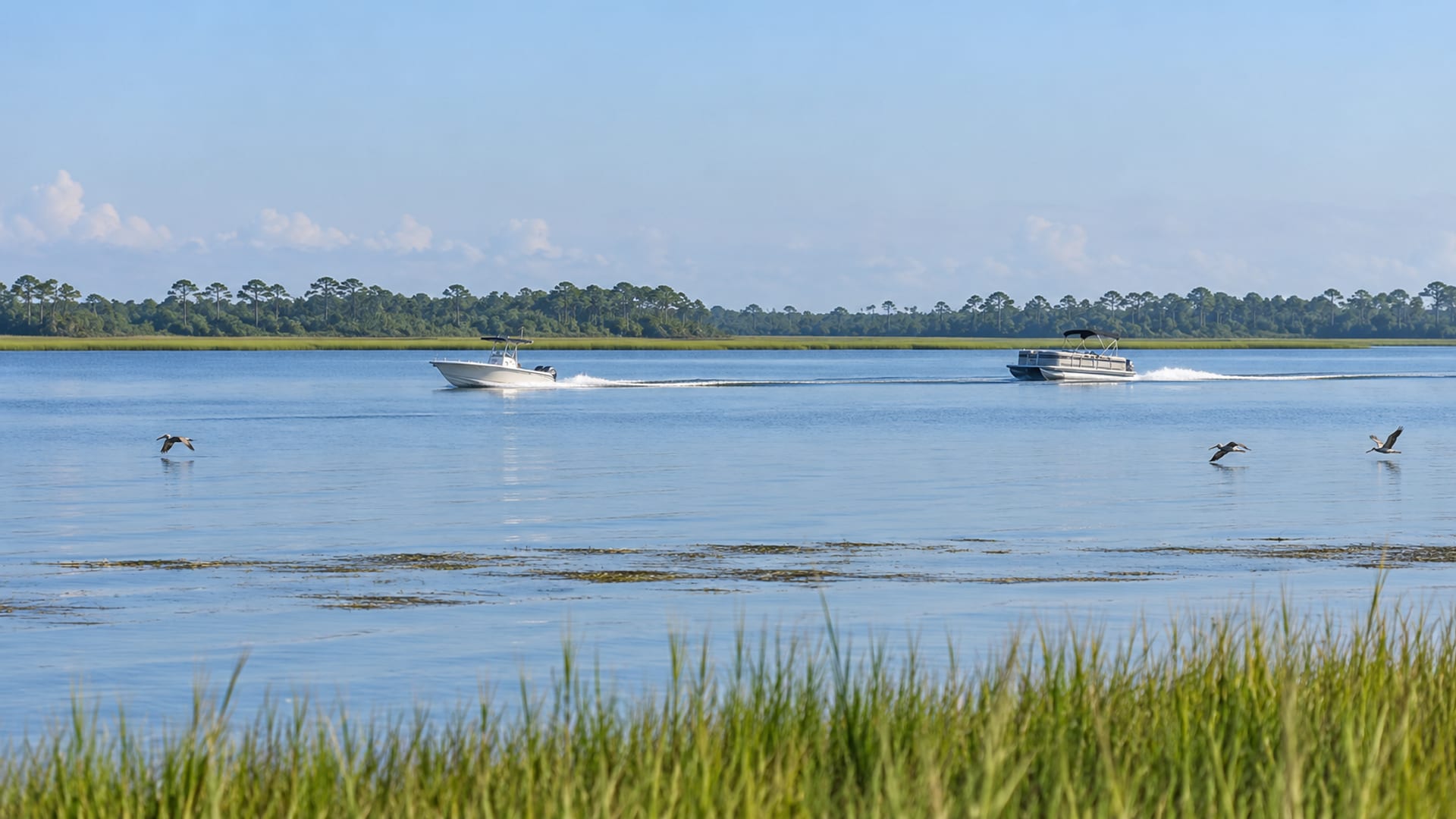
Alabama Boat Insurance: Whether It Is Required, Marina and Lender Requirements, What a Policy Covers, Registration and Marine Patrol Rules
Alabama Car Insurance Requirements: The 25/50/25 Minimums, Proof of Insurance, the Uninsured Motorist Offer and How Alabama Fault Rules Affect a Claim

Alabama Driving Without Insurance: The Ticket and Fine, Whether Jail Is Possible, License and Registration Suspension and What to Do After a Stop
Alabama Insurance Lapse Fine: How the Online Insurance Verification System Finds a Lapse, the Notice, Fees and Reinstatement, Stored Vehicles and How to Pay or Appeal
Home and renters insurance
The home and renters guides answer the questions that come up after damage or before a purchase: whether a policy covers water damage, mold or a roof replacement, how much homeowners insurance you need, and the difference between replacement cost and actual cash value. Renters can start with what renters insurance covers.
Comparing coverage, limits, deductibles and exclusions tells you more than price alone, according to the NAIC's consumer guide to home insurance (opens in a new tab). Flood coverage and renewal increases differ by state, so read the guides for your state.

Alabama Insurance Underwriting Association (the Beach Pool): Who Qualifies on the Coast, Wind and Hail Only Policies and How to Pair Them With Homeowners Coverage
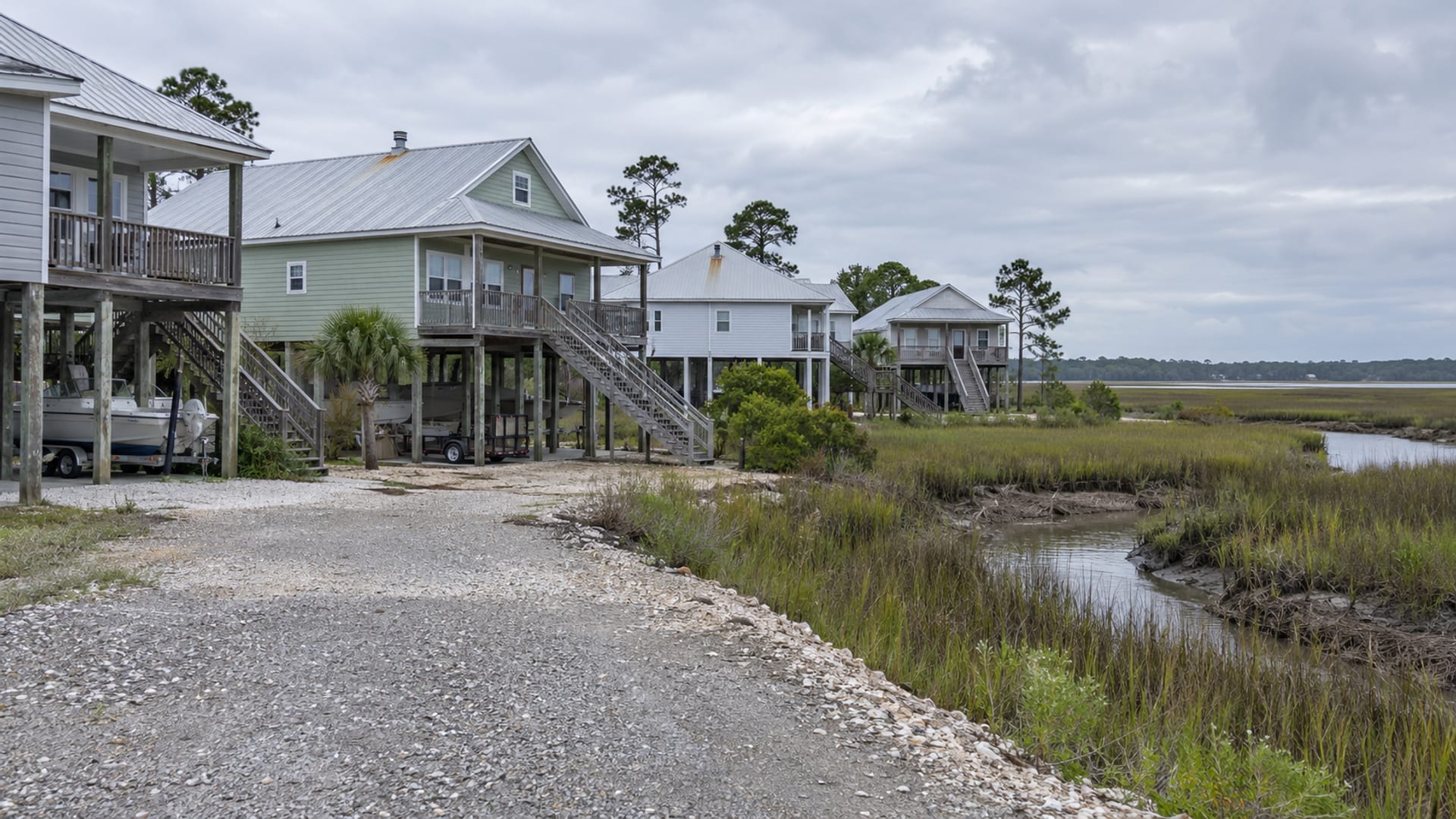
Alabama Flood Insurance: Flood Zones and Maps, What Coverage Costs, the 30-Day Wait, NFIP vs Private Policies and Coastal and River Flooding
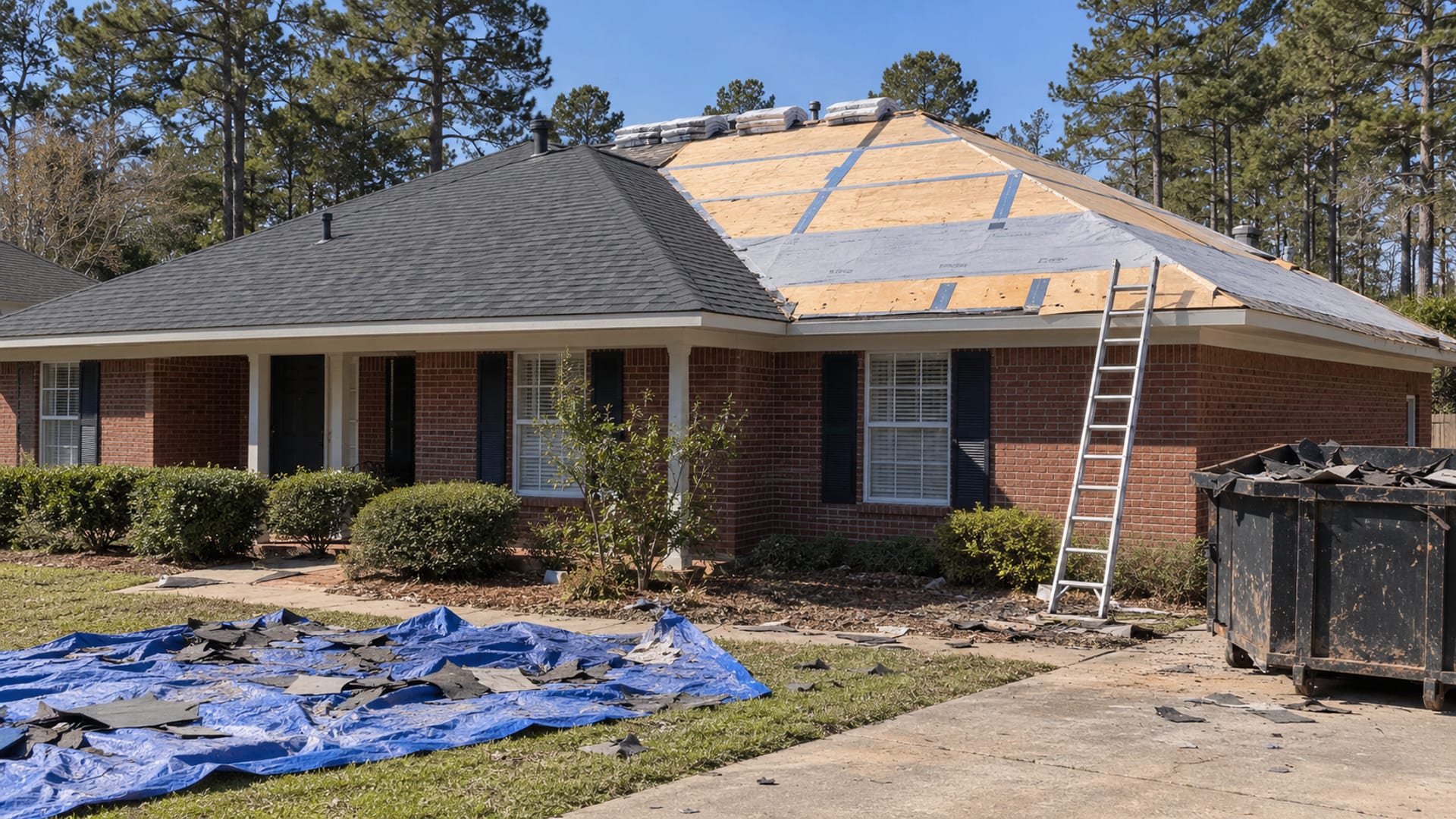
Alabama FORTIFIED Roof: The Insurance Discount Alabama Law Requires, Strengthen Alabama Homes Grants, Roof, Silver and Gold Levels and How to Apply
Alabama Homeowners Insurance: Why Rates Are High and Rising, What Drives Your Price, Coastal and Inland Differences and What to Do at Renewal
Life and health insurance
The life guides start with the decision in front of you: term vs. whole life insurance and how much life insurance you need, explained through the terms you will see on a quote. Health insurance rules depend heavily on the state, so start with the health guides for your state; some states charge a penalty for going without coverage.

Is Pet Insurance Worth It: What It Covers, What It Costs, and When Saving Instead Makes Sense

Massachusetts Health Insurance Penalty: The State Coverage Requirement, the Tax Form and Exemptions

Rhode Island Health Insurance Mandate and Penalty: Who Must Have Coverage and What Happens If You Do Not

Rhode Island Temporary Disability and Caregiver Insurance: Who Pays, Who Is Covered, and What It Provides
Business insurance
The business guides are for owners starting a company, hiring a first employee or taking on a contract that asks for proof of coverage. Start with what insurance a small business needs, then move to specific questions such as general liability vs. professional liability, commercial auto, workers' compensation for one employee and surety bonds. For local rules, read the small business guide for your state.

Additional Insured: What It Means, How It Differs From a Certificate, and What It Costs
Alabama Small Business Insurance: Workers' Compensation Rules, Commercial Auto, What Landlords and Clients Require and What to Ask Your Agent

Certificate of Insurance for a Small Business: What a COI Is, How to Get One, and What It Does Not Do

Cyber Insurance for a Small Business: What It Covers, What It Costs, and What an Insurer Will Ask
Claims
The claims guides walk through reporting a claim, the documents an adjuster asks for, and what happens between the first call and the payment. They separate what to do right away from the later questions about coverage and your rights in your state. If a claim is denied or underpaid, ask the insurer for the reason in writing and the policy wording it relies on, then take it to your state insurance department if you still disagree.
Georgia Diminished Value Claim: Who Can File, What OCI Rule 120-2-52 Says, the 17c Formula Question, How to Negotiate and the Deadlines
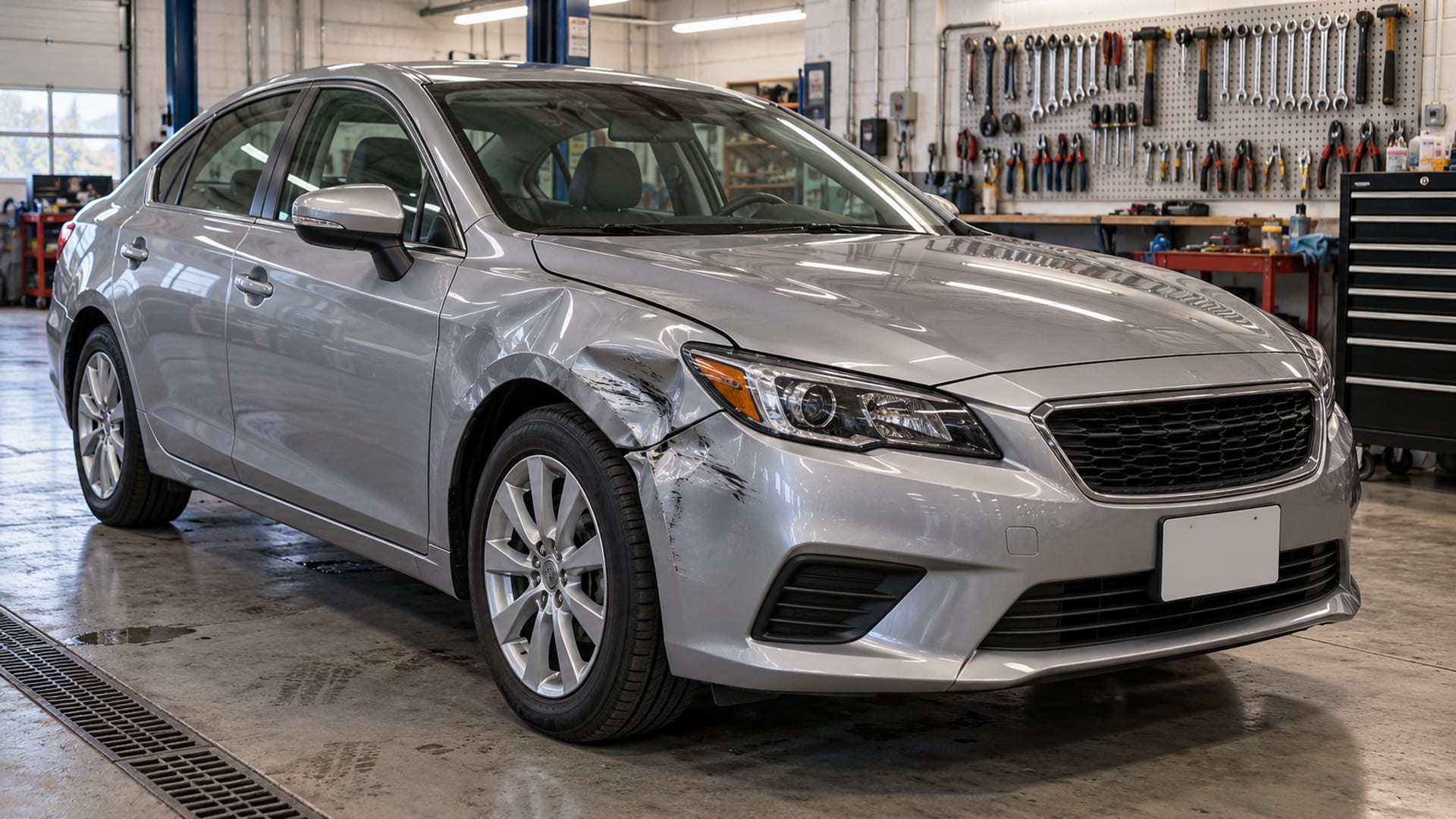
How to File a Car Insurance Claim: Steps, What Not to Say, and Whether It Is Worth Filing

How to File a Homeowners Insurance Claim: The Steps, the Deadlines, and What to Expect
Insurance terms
Insurance has its own vocabulary, and a single word can change what a policy pays. The insurance terms glossary defines words such as premium, deductible, liability, limits, exclusions, endorsement and policyholder, so a quote, a bill or a denial letter reads more clearly.



Choosing an agency
When you want someone to look at your own situation, a licensed agent can quote and explain a specific policy. Start with how to choose an insurance agent, then independent vs. captive insurance agents and insurance broker vs. agent, which cover how agents are paid and the questions to ask on a first call. To find one near you, search the Riskado insurance agency directory by town or ZIP code. A listing gives you the agency's address, phone number and hours, and it is not an endorsement.

Is It Cheaper to Get Insurance Through an Agent: Direct vs Agent Pricing, Fees, and Who Gets Paid
How to Choose an Insurance Agent: License Check, Questions to Ask, and Red Flags

Insurance Broker vs Agent: Who Each One Works For and How to Pick One

Independent vs Captive Insurance Agent: Who They Work For, Who Pays Them, and How to Choose
Frequently asked questions
Quick answers about using the guides.
Can a guide tell me whether my claim is covered?
A guide explains how coverage usually works and the questions to ask. Whether a specific loss is covered depends on the wording of your policy, so ask your insurer or agent to point to the clause that decides it.
Do the guides apply in my state?
Rules such as minimum auto coverage, cancellation notice and complaint procedures vary by state, so check the guides for your state or your state insurance department (opens in a new tab).
Are the guides available in Spanish?
Yes. Riskado publishes its guides in English and Spanish.
Where do I go if my insurer will not respond?
Keep a written record of every contact, then file a complaint with your state insurance department. Give the type of insurance, your policy details and the reason you are unhappy, according to the NAIC's guide to filing a complaint (opens in a new tab).
Start with your question
Choose what you need help with and your state. If you have a claim problem or need help after an accident, start with the claims guides; to plan or compare coverage, start with the insurance type you are shopping for.