Virginia Uninsured Motor Vehicle Fee: What Changed in 2024, What Driving Uninsured Costs Now and What to Do
Riskado

Virginia no longer lets you pay a fee instead of insuring your car. The former $500 uninsured motor vehicle fee ended July 1, 2024, under Senate Bill 951, which became 2023 Acts of Assembly Chapter 538 (opens in a new tab). Today, an insurance violation can lead DMV to suspend the owner's driver's license, registration certificates and license plates, and getting them back requires a $600 noncompliance fee, any reinstatement fee that applies and an SR-22 kept on file for three years, according to Virginia DMV (opens in a new tab). If DMV sent you an insurance verification inquiry, answer by the comply-by date printed on it. The highway use fee on your registration is a separate charge with no insurance role.
Key takeaways
- Fee option endedThe $500 uninsured motor vehicle fee ended July 1, 2024, under Senate Bill 951.
- What a violation costsDMV can suspend the owner's license, registration certificates and plates.
- ReinstatementA $600 noncompliance fee, any applicable reinstatement fee and an SR-22 kept on file for three years.
- DMV noticesAnswer an insurance verification inquiry by the comply-by date printed on it.
- Highway use feeA separate charge on qualifying vehicles with no insurance role.
Is the uninsured motor vehicle fee still available in Virginia?
No. Senate Bill 951 became Chapter 538 of the 2023 Acts of Assembly, and its enactments took effect July 1, 2024 (2023 Chapter 538 (opens in a new tab)). DMV stopped offering the uninsured motor vehicle fee option on that date, and owners who had paid the fee in the past became subject to insurance verification, according to the DMV Insurance Verification Annual Report (opens in a new tab).
The change was phased in through registrations. DMV could keep registering uninsured vehicles under the old rules before the effective date, but those registrations had to expire before July 1, 2024. A registration renewed before that date needed insurance proof or a self-insurance certificate. The Virginia Motor Vehicle Dealer Board told dealers about the repeal and the effective date in its April 2024 Dealer Talk (opens in a new tab).
A Virginia-registered vehicle now needs liability insurance or an applicable self-insurance certificate. If you are reading an older page or a used-car tip that still mentions the $500 option, treat that information as out of date.
What did the old $500 fee actually do?
The fee let an owner register a vehicle without insurance. That was all it did. It did not create liability coverage, it did not pay anyone's injury or property damage claims, and it did not shield the owner from personal responsibility for a crash, according to DMV's historical auto insurance information (opens in a new tab).
Before the repeal, Code § 46.2-707 (opens in a new tab) made it a Class 3 misdemeanor to operate an uninsured vehicle without paying the fee. The current version of that section no longer contains a registration alternative. It now covers operating an uninsured vehicle, false evidence of insurance, plate surrender and suspension.
What does driving uninsured cost in Virginia now?
The current consequences are administrative and criminal. Under Code § 46.2-706 (opens in a new tab), DMV must suspend the owner's driver's license, registration certificates and license plates when the owner does not provide requested liability insurance information within 30 days, or when the insurer reports that coverage was not in effect.
To reinstate after that kind of suspension, the owner pays a $600 noncompliance fee, provides proof of future financial responsibility and pays any reinstatement fee that applies. DMV says the proof, an SR-22 filed by the insurer, is generally kept for three years from the suspension date (DMV Uninsured Vehicle Penalty (opens in a new tab)). If the policy is cancelled during that time, the insurer reports it to DMV with an SR-26 filing. After three years, DMV relieves the owner of the requirement.
The $600 amount is a penalty for a violation. It does not register a car, and it does not let anyone drive uninsured.
On the criminal side, knowingly operating an uninsured vehicle, or letting someone else operate it, is a Class 3 misdemeanor under Code § 46.2-707 (opens in a new tab). The same section reaches a driver who doesn't own the car but knows it is uninsured.
The amount of insurance you need also changed recently. For policies effective January 1, 2025 or later, Virginia's minimum liability limits are $50,000 for injury or death of one person, $100,000 for two or more people and $25,000 for property damage. Policies effective January 1, 2022 through December 31, 2024 used $30,000/$60,000/$20,000, according to DMV's insurance requirements page (opens in a new tab). Our article on Virginia car insurance requirements covers the full list.
Hover or tap a row to highlight it.
| Item | Figure or rule | Source |
|---|---|---|
| Former uninsured motor vehicle fee | $500 a year, ended July 1, 2024 | 2023 Chapter 538 (opens in a new tab) |
| Noncompliance fee after an insurance violation | $600 | Code § 46.2-706 (opens in a new tab) |
| Time to answer a DMV insurance request | 30 days | Code § 46.2-706 (opens in a new tab) |
| SR-22 period | Three years from the suspension date | DMV Uninsured Vehicle Penalty (opens in a new tab) |
| Liability minimums, policies effective January 1, 2025 or later | $50,000/$100,000/$25,000 | DMV Insurance Requirements (opens in a new tab) |
| Liability minimums, policies effective 2022 through 2024 | $30,000/$60,000/$20,000 | DMV Insurance Requirements (opens in a new tab) |
What does a DMV insurance verification notice mean?
A notice means DMV could not match your vehicle to an insurance record. It is a request for information, and it gives you a chance to answer before anything is suspended.
Virginia insurers report policy changes to DMV electronically, including new policies, vehicles added, cancellations and reinstatements. DMV compares those reports with registration records. It also uses law-enforcement notifications, police crash reports, suspected uninsured crash reports and owner responses, according to DMV's insurance monitoring methods (opens in a new tab).
When no match turns up, DMV mails an insurance verification inquiry asking for the insurer's name and the policy number for coverage in effect on a specific date. You have 30 days to respond under Code § 46.2-706 (opens in a new tab), and the letter shows a comply-by date. If you don't respond, or the insurer tells DMV the coverage was not in effect, DMV may issue an order of suspension (DMV Insurance Verification (opens in a new tab)).
A notice can come from a cancellation, a reporting delay, a car you already sold or a policy that lists a different vehicle. Start by comparing the date on the letter with your policy dates and the VIN on your declarations page.

How do you respond before a suspension?
Answer by the comply-by date with the insurer's name and policy number for the date DMV asked about. If you were insured that day, DMV accepts a current declaration page as one form of proof. It should show the owner, the policy dates, the vehicle information including the VIN and the required liability limits (DMV Insurance Verification (opens in a new tab)).
Other situations call for other documents. DMV lists supporting paperwork for an owner who sold the vehicle, moved out of state, was deployed with the military, was hospitalized or was incarcerated. For a sale, that means a bill of sale signed by the buyer and seller showing the sale date and the vehicle information. For a move, it means the out-of-state registration or title.
If your insurer has the dates wrong, ask the insurer to correct its report to DMV and to send you a declaration page for the date in question. Keep a copy of everything you send.
How do you reinstate after an insurance suspension?
Follow the order of suspension and DMV's instructions. The usual steps are:
- Get active liability insurance for the vehicle.
- Have the insurer file an SR-22 with DMV electronically.
- Keep the SR-22 in place for three years from the suspension date.
- Pay the $600 noncompliance fee.
- Pay any reinstatement fee that applies.
- Confirm with DMV that your driving and registration privileges are restored before you drive.
DMV may offer a payment plan to eligible owners. The plan requires at least $25 a month per vehicle, full payment within three years and continued proof of financial responsibility for three years from the suspension, according to the DMV Payment Plan Program (opens in a new tab). A payment plan spreads out the fee, but the SR-22 period stays the same. DMV's financial responsibility certifications (opens in a new tab) page explains how insurers file these certificates.
If you also have a DUI-related conviction, DMV may require an FR-44 with higher limits rather than an SR-22. Our article on Virginia FR-44 insurance explains the difference.
From a DMV insurance notice to reinstatement
- Notice arrivesDMV asks for the insurer name and policy number for coverage on a specific date.
- 30 days to respondSend the policy information or supporting documents by the comply-by date.
- Order of suspensionWith no response, or a report that coverage was not in effect, DMV may suspend the license, registration and plates.
- ReinstatementActive insurance, an SR-22, the $600 noncompliance fee and any reinstatement fee.
- Three yearsKeep the SR-22 on file from the suspension date; DMV then relieves the requirement.
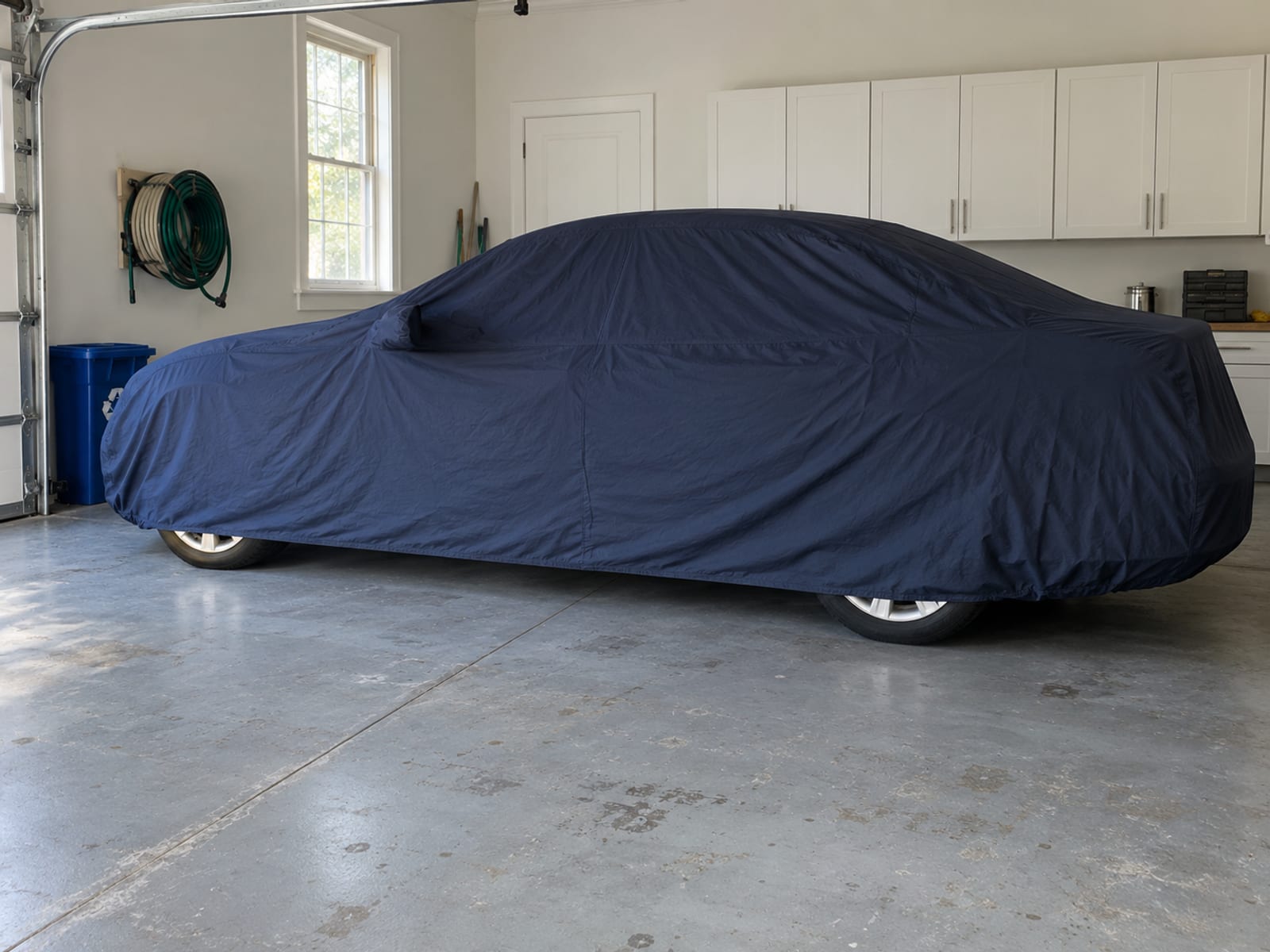
What should you do with a car that is stored, sold or not driven?
Parking a car does not take it out of DMV's insurance monitoring while its Virginia registration and plates are active. When coverage ends during the registration period, DMV says the owner must do one of three things (DMV Insurance Requirements (opens in a new tab)):
- Reinsure the vehicle.
- Temporarily deactivate the license plates.
- Permanently surrender the license plates to DMV.
DMV's verification instructions allow an owner to deactivate or return plates when the vehicle is not being used, has been sold, the owner has moved or the insurance has been cancelled. Handle the plates before the policy ends, not after a notice arrives. If you're changing insurers rather than storing the car, set the new policy's start date before the old one ends; our article on how to switch car insurance walks through the timing.
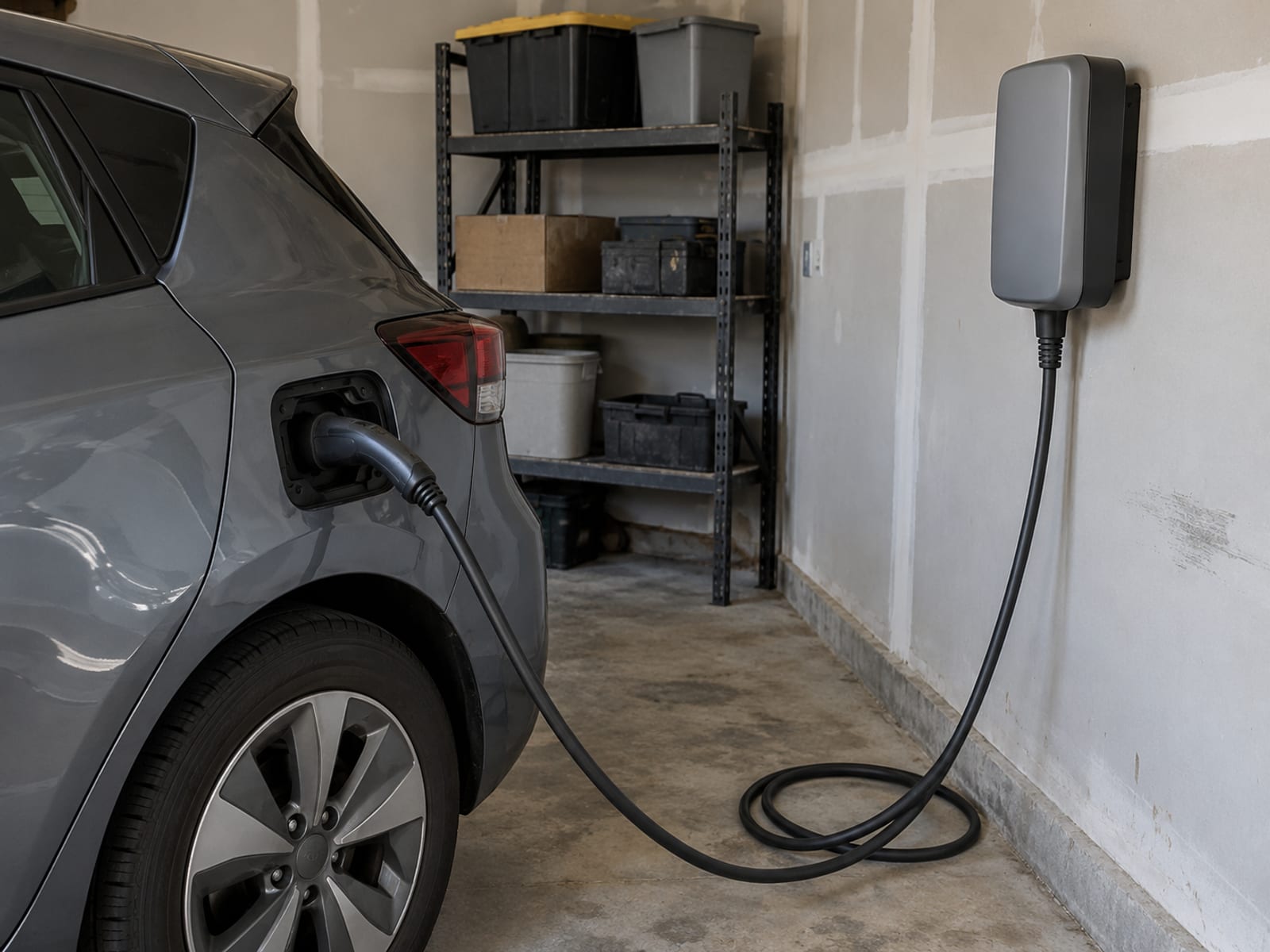
Is the highway use fee related to insurance?
No. The highway use fee helps replace the fuel tax that vehicles using little or no gasoline would otherwise pay. It has no insurance function, it does not answer an insurance verification order and it did not replace the old uninsured motor vehicle fee (DMV Highway Use Fee (opens in a new tab)).
Under Code § 46.2-772 (opens in a new tab), the fee applies each year to registered alternative-fuel, electric and fuel-efficient vehicles, with statutory exemptions. DMV counts a vehicle as fuel-efficient at a combined 25 MPG or more, and low-speed vehicles pay $25 a year.
Hover or tap a row to highlight it.
| Item | Figure | Source |
|---|---|---|
| Fuel-efficient threshold | Combined 25 MPG or more | DMV Highway Use Fee (opens in a new tab) |
| Low-speed vehicle | $25 a year | Code § 46.2-772 (opens in a new tab) |
| Electric vehicle, 2025 chart | $131.88 a year, valid July 1, 2025 through June 30, 2026 | DMV 2025 highway use fee chart (opens in a new tab) |
The amount is recalculated every year. DMV's 2025 highway use fee chart (opens in a new tab) listed $131.88 a year for an electric vehicle, along with MPG-based amounts for fuel-efficient vehicles, valid July 1, 2025 through June 30, 2026. The statute requires an update by July 1 each year, so check DMV's current chart for a later registration period.
What happens after a crash involving an uninsured vehicle?
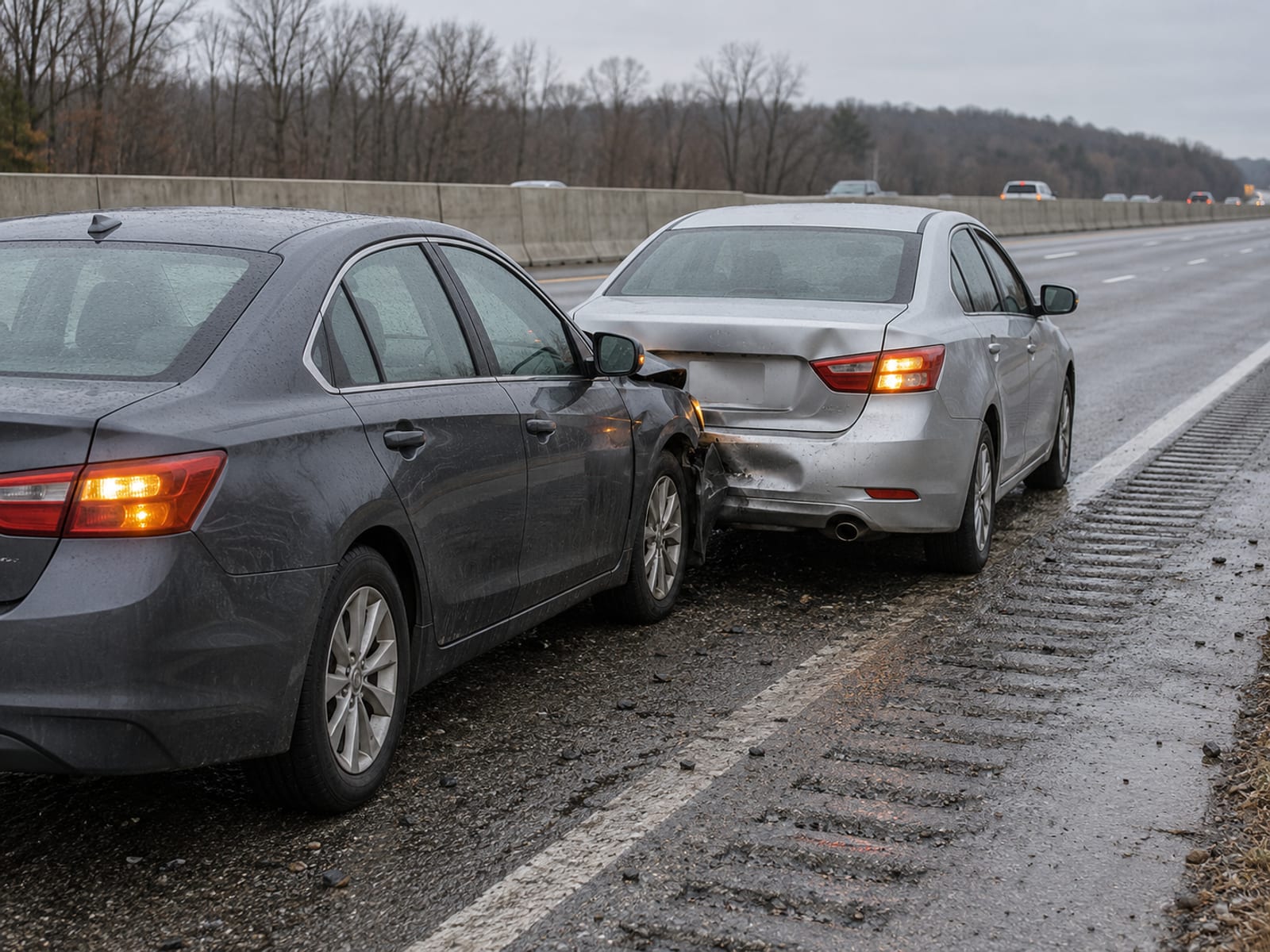
An owner without insurance has no policy to pay the other driver's injuries or property damage, so the owner can be personally exposed to those claims and losses. DMV uses police crash reports and suspected uninsured crash reports to identify vehicles that may be uninsured. If the owner doesn't respond to DMV's request or can't show insurance, DMV may issue an order of suspension (DMV Insurance Monitoring Methods (opens in a new tab)).
Lending the car adds risk on both sides. Under Code § 46.2-707 (opens in a new tab), the owner who permits operation of an uninsured vehicle and a non-owner driver who knows it is uninsured can each face a Class 3 misdemeanor.
If you are the one hit by an uninsured driver, uninsured motorist coverage protects against bodily injury and property damage caused by an uninsured or hit-and-run driver, subject to the policy terms, according to the SCC's Virginia Auto Insurance Guide (opens in a new tab). Our article on whether you need uninsured motorist coverage explains how it works.
What if no insurer will cover you after a lapse?
Accidents and traffic convictions can raise the price of auto insurance, and those increases can apply for 36 months, according to the SCC's Virginia Auto Insurance Guide (opens in a new tab). Ask an agent how your own lapse, notice or suspension would be rated by the insurers they work with.
If you can't get coverage in the voluntary market, any licensed agent can submit an application through the Virginia Automobile Insurance Plan. The SCC describes the Plan as a last-resort market where premiums are often higher than those of private companies. An insurer also can't refuse an auto policy solely because another company refused you before or because you used the assigned-risk plan in the past.
How do you check an agent or file a complaint?
Before you share your information, look up the agent, agency or insurer in the Virginia Bureau of Insurance Producer, Navigator and Company Search Engine (opens in a new tab). It covers agents, agencies and insurers the Bureau regulates.
For a problem with an insurer or agent, ask them for an explanation first. If that doesn't resolve it, file through the SCC Insurance Complaint Portal (opens in a new tab) and upload your documents. The Bureau can help with Virginia-issued policies, contact the insurer or agent, review the response and explain your options. It doesn't recommend insurers, agents or products, and it doesn't act as a lawyer.
DMV notices, insurance verification and registration suspensions go through DMV's own insurance services, not the SCC complaint process.
Questions to ask an agent after a lapse
Bring your DMV letter and your most recent declaration page, and ask:
- What liability limits does my Virginia vehicle need on this policy?
- Was my policy active on the date listed in the DMV notice?
- Will your company file the SR-22 with Virginia DMV electronically?
- When does my SR-22 period start and end?
- How will the insurer tell DMV if the policy is cancelled?
- What documents do you need from me after a lapse?
- Does the policy cover how I use the car, including commuting or business use?
- What happens if someone else drives my car?
- What coverage applies if an uninsured or underinsured driver hits me?
- Are there agency, membership or payment fees, and what are the payment options?
- What happens if the policy is cancelled or not renewed?
- Can you submit an application to the Virginia Automobile Insurance Plan?
The NAIC auto insurance shopping tool (opens in a new tab) lists more questions and the information to have ready when you shop. For help picking someone to work with, see how to choose an insurance agent, and Riskado's directory lists insurance agencies in Virginia by city and by category.
Check what you know about Virginia's uninsured vehicle rules
Frequently asked questions
Can I still pay a fee instead of buying insurance in Virginia?
No. The $500 uninsured motor vehicle fee option ended July 1, 2024, under 2023 Chapter 538 (opens in a new tab). A Virginia-registered vehicle now needs liability insurance or an applicable self-insurance certificate.
Is the $600 fee the same thing as the old $500 fee?
No. The $600 amount is a noncompliance fee charged to reinstate after an insurance violation or suspension under Code § 46.2-706 (opens in a new tab). It doesn't register a car or allow anyone to drive uninsured.
What happens if I miss the comply-by date on a DMV letter?
DMV may suspend your driving and registration privileges if you don't respond within 30 days or your insurer reports that coverage was not active. Reinstating then requires insurance, an SR-22, the $600 noncompliance fee and any reinstatement fee.
Do I need insurance on a car I'm not driving?
Yes, as long as its Virginia registration and plates are active. When coverage ends during the registration period, DMV requires you to reinsure the car, deactivate the plates or permanently surrender them.
Why am I being charged a highway use fee?
DMV charges it each year on qualifying electric, alternative-fuel and fuel-efficient vehicles to make up for lower fuel-tax payments under Code § 46.2-772 (opens in a new tab). It is not an insurance charge and doesn't affect an insurance verification notice.
Your next step
Find the comply-by date or the suspension effective date on your DMV letter, then put it next to your policy dates and your vehicle's VIN. If the dates show you were insured, send DMV the policy information or a declaration page before the deadline. If they show a gap, line up active coverage and an SR-22 filing with a licensed agent, confirm DMV has restored your privileges, and only then drive.
Terms used in this guide
Tap a term to see what it means.
Uninsured motor vehicle fee. Virginia's former $500 annual fee that allowed an uninsured vehicle to be registered; it ended July 1, 2024 and never provided insurance.
Noncompliance fee. The $600 fee charged to reinstate after an insurance violation or suspension.
Insurance verification inquiry. A DMV letter asking for the insurer name and policy number for coverage on a specific date.
Comply-by date. The deadline printed on a DMV insurance notice for your response.
SR-22. A certificate an insurer files with DMV to prove future financial responsibility.
SR-26. The filing an insurer uses to tell DMV an SR-22 policy was cancelled.
Declaration page. The policy page that shows the owner, policy dates, vehicles and limits.
Highway use fee. An annual charge on qualifying electric, alternative-fuel and fuel-efficient vehicles that replaces fuel-tax payments.
Virginia Automobile Insurance Plan. A last-resort market for drivers who cannot get coverage from private insurers, reached through any licensed agent.