Do I Need Uninsured Motorist Coverage: What It Pays, When You Can Reject It, and How It Differs From Collision
Riskado
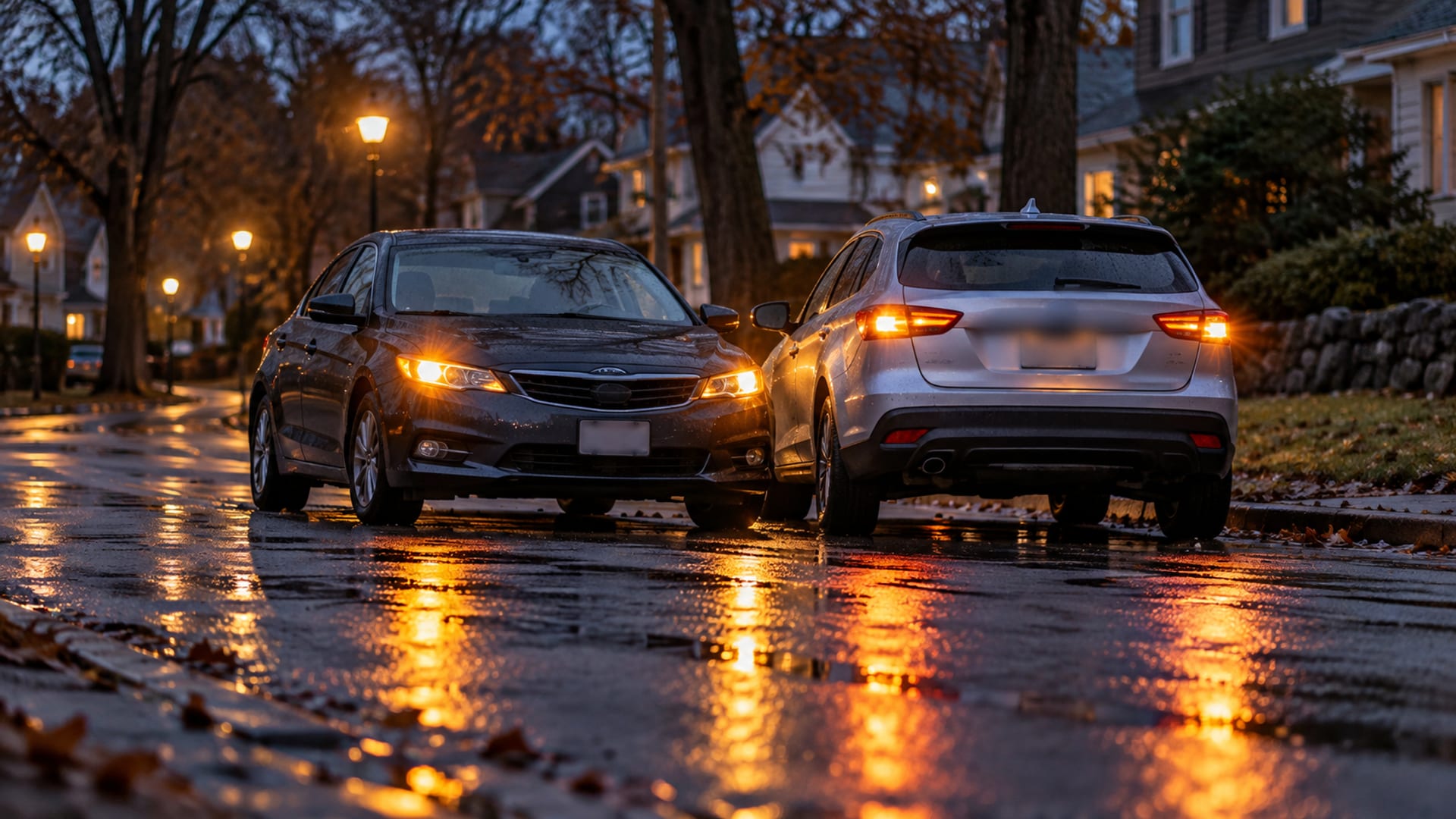
Whether you need uninsured or underinsured motorist (UM/UIM) coverage depends first on your state's law and then on what your other policies already pay. The coverage generally protects you, household relatives and passengers for qualifying injuries caused by an uninsured, underinsured or hit-and-run driver. It is different from collision, which pays for physical damage to your car. Health insurance or medical payments coverage pays covered medical treatment, but not every bodily-injury loss that UM/UIM can address. Whether it is required, and at what minimum, is set by your state's law and published by its insurance department (opens in a new tab), subject to the policy terms.
Key takeaways
- Who it protectsYou, household relatives and passengers, for qualifying injuries caused by an uninsured, underinsured or hit-and-run driver.
- Not collisionCollision pays for physical damage to your car, and UM/UIM is injury coverage.
- Not the same as health insuranceHealth insurance or medical payments coverage pays covered medical treatment, but not every bodily-injury loss that UM/UIM can address.
- State rulesSome states require the coverage, some require insurers to offer it, and some allow rejection only through a set written procedure.
Is uninsured motorist coverage required where you live?
It depends on the state, so the first step is the rule where your vehicle is kept. Three examples show how far the rules differ.
- Connecticut: Auto insurers must provide UM/UIM coverage, and the minimum is $25,000 per person and $50,000 per accident, per the Connecticut Insurance Department (opens in a new tab). A named insured can ask in writing for a lesser amount under Conn. Gen. Stat. § 38a-336 (opens in a new tab), but the request does not take effect without an informed-consent form.
- Maine: Title 24-A, § 2902 (opens in a new tab) requires coverage for bodily injury caused by uninsured, underinsured or hit-and-run vehicles. On covered private-passenger policies the coverage can't fall below the bodily-injury liability amount unless the buyer rejects equal coverage in writing on a signed and dated statutory form, and it can never drop below the statutory minimum.
- California: Insurers must offer UM/UIM coverage, and a driver who declines it signs a waiver, according to the California Department of Insurance (opens in a new tab).
Other states sit somewhere on that spectrum. Some require the coverage, some require insurers to offer it, and some allow rejection or reduction only through a set written procedure. Your state insurance department or your agent can confirm the current rule for where your car is garaged.

What does uninsured and underinsured motorist coverage pay for?
Uninsured motorist bodily-injury coverage protects insured people who are legally entitled to recover damages from an uninsured, underinsured or hit-and-run driver. Medical bills, lost wages, disability, pain and suffering, and loss of enjoyment of life are examples of damages that can be part of an injury claim, according to state insurance department definitions (opens in a new tab).
Underinsured coverage applies when the at-fault driver has liability insurance but not enough of it for the covered damages. What you can collect depends on your policy, state law, payments from other sources and the limits involved.
Some policies also include uninsured motorist property damage (UMPD), which can pay for damage to your vehicle caused by an uninsured driver where your state and policy offer it. California's guide gives a $3,500 UMPD limit that applies only when the uninsured driver is identified. That is a California figure, and other states differ.
Policy limits, vehicle and occupant exclusions, late notice, settling with the at-fault driver without your insurer's consent, workers' compensation offsets and state proof rules can all reduce or block a payment. The policy wording controls, which makes the declarations page and the UM/UIM endorsement worth reading.

How does it differ from collision, health insurance, medical payments and PIP?
The coverages overlap in the accident but pay for different losses.
Hover or tap a row to highlight it.
| Coverage | Main function | Important limitation |
|---|---|---|
| UM/UIM bodily injury | Injury damages caused by an uninsured, underinsured or hit-and-run driver | Policy limits, exclusions, state law and proof requirements apply |
| UM property damage | Vehicle damage caused by an uninsured driver, where the state and policy provide it | Availability, limits, deductibles and identification rules vary |
| Collision | Physical damage to your vehicle from contact with another vehicle or object, or from overturning | Usually carries a deductible and does not replace bodily-injury protection |
| Health insurance | Covered medical treatment under the health plan | Does not necessarily pay vehicle damage, lost wages, pain and suffering or other accident losses |
| Medical payments | Medical expenses for you or passengers, often regardless of fault | Limited to medical expenses and the policy limit |
| PIP or similar no-fault coverage | Medical expenses and, depending on the state, other economic losses regardless of fault | State-specific benefits and limits apply |
Sources for the comparison: the NAIC consumer auto insurance guide (opens in a new tab), the California Department of Insurance (opens in a new tab) and a state insurance department terms guide (opens in a new tab).
For a bodily-injury loss, the practical gap is this: collision pays for the car, and health insurance pays for treatment under its own terms. Damages like lost wages, disability and pain and suffering come from a claim against a responsible driver, and UM/UIM is the coverage that stands in when that driver has no insurance or too little.
What happens in a hit-and-run or uninsured-driver claim?
A typical claim runs in this order:
- Get medical help and call law enforcement when appropriate.
- Get the accident report number, and keep photographs, witness details and vehicle information.
- Notify your insurer promptly, following the policy's notice terms.
- Give the insurer information showing the other driver has no insurance or too little.
- Send medical records, bills and wage-loss documents when they are requested.
- Report vehicle damage under whichever coverage applies, such as collision or UMPD.
- Check the deductible, policy limit, notice deadline, consent-to-settle clause, arbitration provision and hit-and-run identification rules.
- Wait to settle with the at-fault driver or sign a release until you know whether your policy requires your insurer's consent.
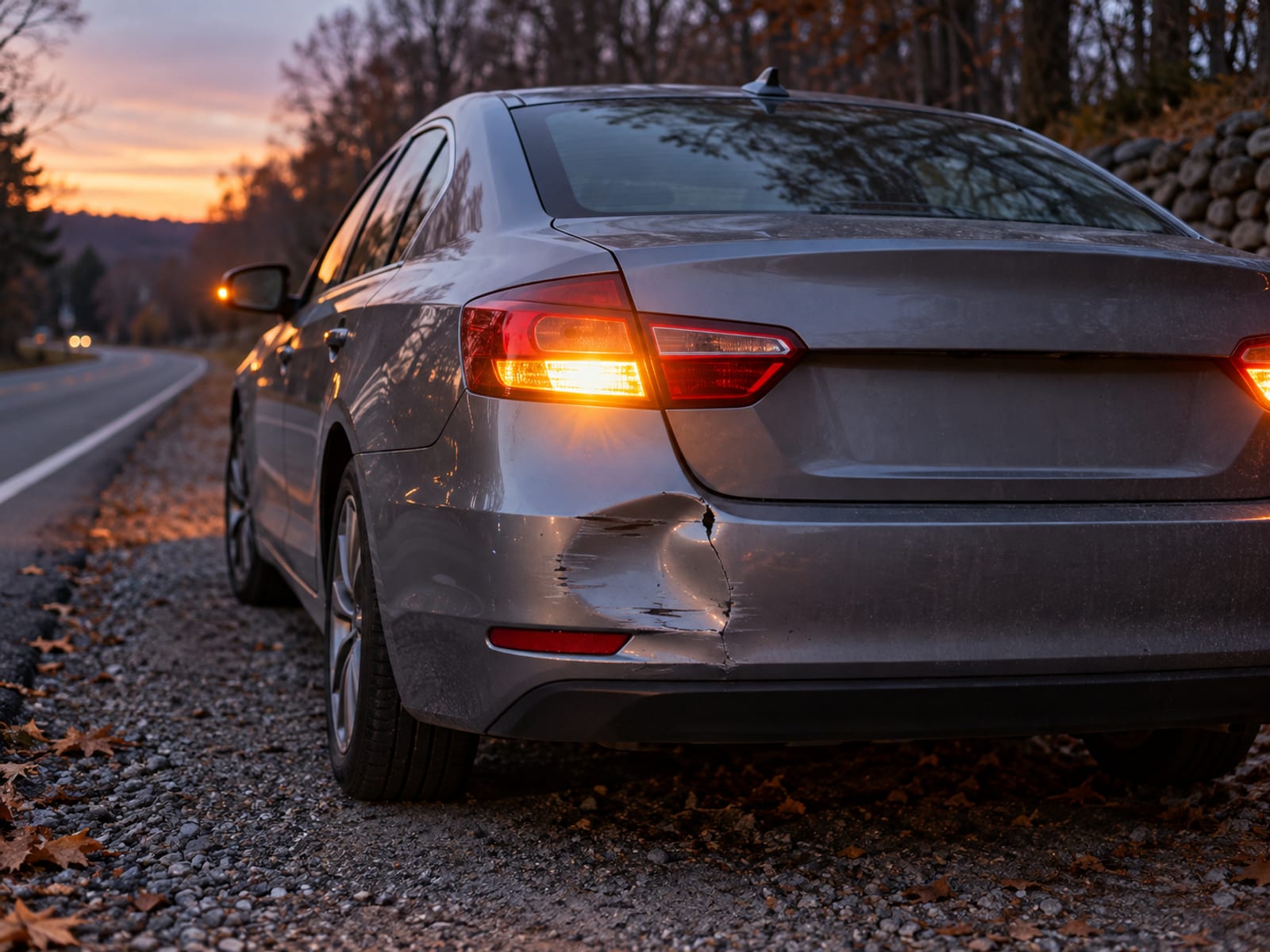
Call the police promptly when a hit-and-run driver damages your car, according to the NAIC consumer auto guide (opens in a new tab). Whether a police report is required, and on what timeline, comes from your policy and state law, so it is a good question for your agent before you need it. Where state rules allow them, policies can also include provisions on settlement with the uninsured motorist, exclusions, arbitration and offsets, so read those sections of yours.
How can you reduce or reject the coverage?
Where a state allows it, the law sets the procedure, and in the states above it is a written one. Maine requires a signed and dated statutory form to reject equal coverage, and California has a driver who declines the coverage sign a waiver. A state can also say what the form must show. In Connecticut, for example, a reduction takes effect only with an informed-consent form that lists the insurer's options, the premium for each and a warning that a lower premium means less coverage (Conn. Gen. Stat. § 38a-336 (opens in a new tab); CID Bulletin PC 65 (opens in a new tab)). Our guide to Connecticut car insurance requirements has the full Connecticut rules.
Before you sign any rejection or reduction form, ask the agent to show every available limit and its premium, and keep a copy of what you sign. Some states also offer related options, such as underinsured motorist conversion coverage, which reimburses injury damages the underinsured driver does not pay without reduction for payments from other sources (Conn. Gen. Stat. § 38a-336a (opens in a new tab) is one example). Ask whether your state and policy offer it.
Hover or tap a row to highlight it.
| State | What the law requires | How to reject or reduce | Source |
|---|---|---|---|
| Connecticut | Insurers must provide UM/UIM; minimum $25,000 per person and $50,000 per accident | A written request from a named insured, not effective without an informed-consent form | Conn. Gen. Stat. § 38a-336 (opens in a new tab) |
| Maine | Coverage required, and on covered private-passenger policies not below the bodily-injury liability amount | A written rejection of equal coverage on a signed and dated statutory form, never below the statutory minimum | Title 24-A, § 2902 (opens in a new tab) |
| California | Insurers must offer UM/UIM | The driver signs a waiver | California Department of Insurance (opens in a new tab) |
For context on why the coverage exists, the Insurance Information Institute, citing the Insurance Research Council, estimates the share of uninsured motorists state by state. The estimate is the ratio of uninsured-motorist claim frequency to bodily-injury claim frequency, not a count of every driver. Its 2023 table (opens in a new tab) shows Rhode Island at 12.4%, Connecticut at 11.8%, New York at 8.6%, Massachusetts at 7.9% and Maine at 5.7%. Those numbers describe a state, and your own decision rests on your circumstances.
Does a financed car change the answer?
A financed car brings the lender's contract into it. Auto finance contracts generally require comprehensive and collision coverage because the vehicle is the lender's collateral, according to the CFPB (opens in a new tab). If required coverage lapses, the lender can buy force-placed insurance that protects the lender and the vehicle.
Comprehensive and collision protect the car. They do not address injury to you or your passengers. Whether your finance or lease contract also asks for UM/UIM is written in the contract, so the contract, together with your state's rule, settles what you must carry.
What should you think through before rejecting or reducing it?
There is no universal yes or no, because the answer turns on your state's rule and on what else you have. These are the factors that decide it for a given driver:
- Whether your state requires the coverage or allows rejection, and what form rejection takes.
- Whether you have health insurance, and what its deductibles and limits are.
- Whether you have disability income coverage.
- Whether you have PIP or medical payments coverage.
- Whether you have collision coverage for your vehicle, and whether your policy includes UMPD.
- How many drivers and regular passengers are in your household, including relatives who may drive or ride in the covered vehicles.
- Whether you own several vehicles, or drive borrowed, rented or non-owned ones.
- Whether you use a vehicle for business, delivery or rideshare.
- Your policy's limits, exclusions, deductibles, notice rules and settlement provisions.
A claim can also show up in claims history. Insurers report claims they pay, claims where they open a file for a potential claim, and formally denied claims to the C.L.U.E. claims-history system (opens in a new tab). Whether a claim changes your renewal price depends on state rating rules, insurer underwriting, who was at fault and the type of claim, so renewal is a question for your agent.
What should you ask an agent?
Bring these questions to a licensed agency:
- Is UM/UIM required in my state, and what are my current bodily-injury limits, per person and per accident?
- Does my policy include uninsured motorist property damage, and what deductible applies to vehicle damage?
- Would collision pay for the car instead?
- Does the coverage apply to passengers and household relatives, and when I am in another vehicle, walking or bicycling?
- Does it apply to business use, rideshare, delivery or a company vehicle?
- What happens if the at-fault driver has some insurance but not enough?
- How are payments from the other driver, health insurance, PIP, medical payments, workers' compensation or disability benefits treated?
- Does my state offer underinsured motorist conversion coverage, and do I have it?
- What notice deadline applies, is a police report required for a hit-and-run claim, and must I get my insurer's consent before settling?
- Is arbitration required or optional?
- Can I reject or reduce the coverage, and what exact form do I sign? Does it show every available limit and its premium?
- Does my loan or lease require UM/UIM, or only comprehensive and collision?
- How could a claim be reported to claims-history databases?
Check what you know about uninsured motorist coverage
Common questions
Should I reject uninsured motorist coverage?
That depends on your state's rule and on the protection you already have. Where rejection is allowed, it usually takes a signed form, and some states require the form to show each option and its premium. Compare the form's options against your health, disability, PIP and medical payments coverage with an agent.
Is having uninsured motorist insurance worth it?
The coverage pays when an uninsured, underinsured or hit-and-run driver injures you or a covered passenger. Estimated 2023 uninsured-motorist shares in the Insurance Information Institute table above ran from 5.7% to 12.4%, and your own answer comes from your limits, your other coverage and your household. An agent can put the premium for each option next to the protection it adds.
Is it better to have uninsured motorist or collision coverage?
They pay for different losses, so one does not stand in for the other. Collision pays for physical damage to your car, while UM/UIM bodily-injury coverage addresses qualifying injury claims.
Do I need uninsured motorist coverage if I have health insurance?
Health insurance pays covered medical treatment under the plan. UM/UIM can address other legally recoverable injury damages, such as lost wages, disability, and pain and suffering, within its limits and terms. Ask your agent how your plan's deductibles and the UM/UIM policy's offset rules fit together.
Your next step
Find the declarations page for your current auto policy, write down your UM/UIM limits, and check whether you signed a rejection or reduction form. Then take the questions above to a licensed insurance agency, which you can find in the Riskado insurance agency directory, and confirm the agency's license on your own state insurance department's license lookup (opens in a new tab) before you share your details.
Terms used in this guide
Tap a term to see what it means.
UM/UIM. Uninsured and underinsured motorist coverage, which protects insured people who are legally entitled to recover damages from an uninsured, underinsured or hit-and-run driver.
UMPD. Uninsured motorist property damage coverage, which can pay for vehicle damage caused by an uninsured driver where the state and policy offer it.
Underinsured driver. An at-fault driver who has liability insurance but not enough of it for the covered damages.
Collision. Coverage for physical damage to your vehicle from contact with another vehicle or object, or from overturning.
Medical payments. Coverage for medical expenses for you or passengers, often regardless of fault.
PIP. Personal injury protection, a no-fault coverage for medical expenses and, depending on the state, other economic losses.
Declarations page. The page of your policy that lists your coverages and limits.
Conversion coverage. Underinsured motorist conversion coverage, offered in some states, which reimburses injury damages the underinsured driver does not pay.
Force-placed insurance. Coverage a lender buys to protect itself and the vehicle when required insurance lapses.