Alabama Uninsured Motorist Coverage: The Required Offer, Rejecting It in Writing, Stacked and Unstacked Limits and What It Pays For
Riskado
Every auto liability policy issued for a vehicle registered or principally garaged in Alabama must include uninsured motorist (UM) coverage for bodily injury, at least at the state's liability minimums, unless the named insured rejects it, under Ala. Code § 32-7-23 (opens in a new tab). Once a named insured rejects it, the same insurer doesn't have to add it back at renewal unless the named insured asks for it in writing. "Stacking" means adding the UM coverage for other vehicles on the same policy to the primary coverage, and Alabama caps that at the primary coverage plus two additional coverages within one contract. Your declarations page, application, rejection or selection form and full policy show what your own policy provides.
Key takeaways
- Included by defaultAlabama auto liability policies must include UM coverage for bodily injury at the state minimums unless the named insured rejects it.
- RenewalsA rejection on an earlier policy from the same insurer carries over unless the named insured asks for UM in writing.
- Stacking capWithin one contract, recovery is limited to the primary coverage plus no more than two additional vehicle coverages.
- What it paysBodily injury damages you're legally entitled to recover from an uninsured or hit-and-run driver; damage to your car may need another coverage.
- Your documentsThe declarations page, application, rejection or selection form and full policy show what you have.
Does Alabama require uninsured motorist coverage?
Alabama has two separate rules, and they're easy to blur together.
The first is the liability requirement. No one may drive, register or keep a registration on a vehicle in Alabama without liability insurance or an allowed substitute, under Ala. Code § 32-7A-4 (opens in a new tab), and the Alabama Department of Revenue (ALDOR) enforces it through registration checks and its mandatory liability insurance program (opens in a new tab). The minimum limits are $25,000 for bodily injury to one person, $50,000 for bodily injury to two or more people in one accident and $25,000 for property damage, under Ala. Code § 32-7-6(c) (opens in a new tab).
The second is the UM rule. Under § 32-7-23 (opens in a new tab), an insurer can't issue an Alabama auto liability policy without UM coverage for bodily injury at those same minimum limits, under provisions approved by the Commissioner of Insurance. The named insured has the right to reject it. So, UM is built into the policy by default, and you're not required to keep it after a valid rejection.
The difference matters when you read a notice. A registration problem with ALDOR is about whether the vehicle had liability insurance. A UM rejection is a coverage choice on your policy. One doesn't answer the other.
How do you reject UM coverage in Alabama?
The right to reject belongs to the named insured, under § 32-7-23 (opens in a new tab). Insurers document that choice on their own rejection or selection forms, so the signed form in your policy file is the record that matters. Ask your agent or insurer for a copy if you aren't sure what you signed.
Renewals follow a specific rule. If the named insured rejected UM on an earlier policy from the same insurer, the insurer doesn't have to include it on the renewal unless the named insured requests it in writing, under § 32-7-23 (opens in a new tab). Switching insurers is a different situation, so expect the new company to present its own form.
Adding a vehicle or making a big change to the policy is where questions come up. Ask the insurer whether your existing selection covers a newly added vehicle or whether it uses a new form.
When you look at a rejection or selection form, check:
- Who signed it, and whether that person is the named insured.
- The date and the policy number.
- Whether it rejects UM, underinsured coverage, or both.
- Whether it rejects all coverage or only a higher limit or the stacking option.
- Whether it applies to every vehicle listed on the policy.
If you want UM back after rejecting it, the statute's path is a written request to the insurer.
What do stacked and unstacked limits mean?
Stacking adds together the UM coverage for more than one vehicle on the same policy when you're figuring out how much is available after a crash. Alabama limits recovery under the uninsured provisions of any one auto insurance contract to the primary coverage plus the coverage for additional vehicles, but not more than two additional coverages within that contract, under § 32-7-23(c) (opens in a new tab).
Take a policy that lists three cars, each with the same UM limit. Under the statute, the most you could stack within that one contract is three coverages: the primary plus two more. The dollar amount comes from the limits written on your policy, and a fourth car on the same policy doesn't add a fourth coverage. Separate policies are a separate question, and the answer depends on how each policy is written and who is claiming under it.
Unstacked coverage applies one vehicle's or the policy's UM limit without adding the others. "Rejecting stacked limits" on a form means choosing that single-limit version. The exact effect comes from the insurer's selection form and the UM endorsement, so read them together.
Hover or tap a row to highlight it.
| Rule | What it says | Source |
|---|---|---|
| Liability minimum, bodily injury to one person | $25,000 | Ala. Code § 32-7-6(c) (opens in a new tab) |
| Liability minimum, bodily injury in one accident | $50,000 | Ala. Code § 32-7-6(c) (opens in a new tab) |
| Liability minimum, property damage | $25,000 | Ala. Code § 32-7-6(c) (opens in a new tab) |
| Required UM coverage | Bodily injury at the minimum limits, unless the named insured rejects it | Ala. Code § 32-7-23(a) (opens in a new tab) |
| Renewal with the same insurer | Earlier rejection carries over unless the named insured asks for UM in writing | Ala. Code § 32-7-23(a) (opens in a new tab) |
| Stacking within one contract | Primary coverage plus no more than two additional vehicle coverages | Ala. Code § 32-7-23(c) (opens in a new tab) |
Should you stack? There's no one answer. Stacking gives you access to more coverage within the statutory cap, and it can change the premium because the insurer is providing more potential coverage. Ask your agent to quote the policy both ways so you can compare the limits and the price side by side.
What does UM coverage pay for?
The coverage Alabama requires protects people insured under the policy who are legally entitled to recover damages from the owner or operator of an uninsured vehicle because of bodily injury, sickness, disease or death, under § 32-7-23 (opens in a new tab). Within that, the claim can include damages the injured person can legally recover, such as medical expenses and lost income, up to the policy limits and subject to proof.
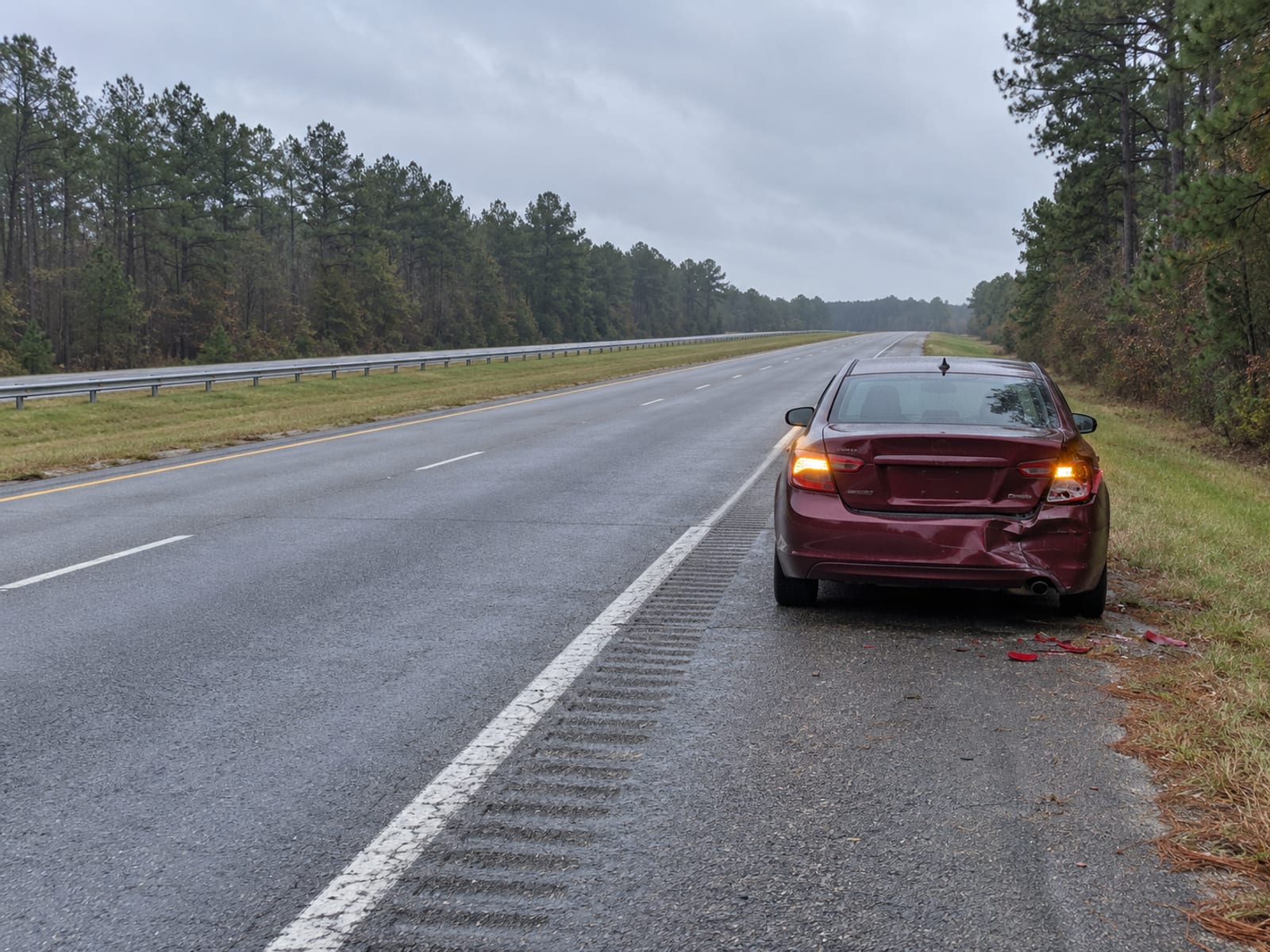
UM coverage pays if you're hurt by a hit-and-run driver or by a driver with no auto insurance, and it in effect takes the place of the insurance the other driver should have bought, according to the Alabama Department of Insurance (opens in a new tab). UM may not cover damage to your vehicle, and your insurer may sue the other driver for what it pays you, according to the same ALDOI page.
Damage to your car is the piece to check. The statute's required coverage centers on bodily injury and death. Repairs to your own vehicle may fall under collision coverage or a separate UM property damage provision if your policy has one, so ask which part of the policy would pay.
When a vehicle counts as uninsured
Alabama's definition is broader than "no insurance." Under § 32-7-23(b) (opens in a new tab), an uninsured motor vehicle includes one where:
- Neither the owner nor the operator carries bodily injury liability insurance.
- The policy's bodily injury limits are below Alabama's minimum.
- The insurer became insolvent after issuing the policy, so no insurance applies to the accident.
- All the bodily injury coverage available to the injured person adds up to less than the damages that person is legally entitled to recover.
That fourth situation is usually called underinsured.
How is underinsured coverage different?
In everyday terms, uninsured coverage responds when the at-fault driver has no applicable insurance, can't be identified, or has an insolvent insurer. Underinsured coverage responds when the at-fault driver has insurance but not enough to pay your legally recoverable damages. Alabama's statute folds that second case into its definition of an uninsured motor vehicle in § 32-7-23(b)(4) (opens in a new tab).
How much is available depends on what the other driver's insurer pays, your UM limits, your stacking choice, your damages and the policy's terms. Ask your insurer how a payment from the other driver's liability coverage is treated under your policy before you settle with that driver's company.
Who is covered?
Coverage turns on the policy's definition of "insured," the vehicle involved and your relationship to the named insured. Policies define these groups differently, so compare the UM endorsement's wording for:
- Named insureds.
- Relatives who live in the household.
- Passengers and other occupants.
- Drivers using the car with permission.
- Vehicles you own but haven't listed.
- Borrowed and non-owned vehicles.
- Business-use and employer-owned vehicles.
A driver in someone else's car may have UM coverage under the owner's policy, the driver's own policy, or both, depending on how each policy is written. If you were hurt as a passenger or in a borrowed car, ask both insurers.
How does an Alabama UM claim work?
Report the accident to your insurer as soon as possible, using the number on your insurance card, and ask the adjuster to put decisions in writing, according to the National Association of Insurance Commissioners (opens in a new tab). If a hit-and-run driver damages your car, call the police promptly, and get the accident report number from the officer.
Keep these together:
- The declarations page, the full policy and the UM/UIM endorsement.
- Your rejection or selection form, if you signed one.
- The accident report and report number.
- Photos of the scene and vehicles, and witness names and contact details.
- Medical records and bills, and proof of lost wages.
- Repair estimates and vehicle damage records.
- The other driver's name and insurance information, if you have it.
Policies also set notice and cooperation conditions, and a hit-and-run claim can carry extra reporting and proof requirements. Read the conditions section of your policy and ask the insurer to confirm, in writing, any deadline it applies to notice, proof or a lawsuit. Confirm the legal deadline for your claim before it can run out.
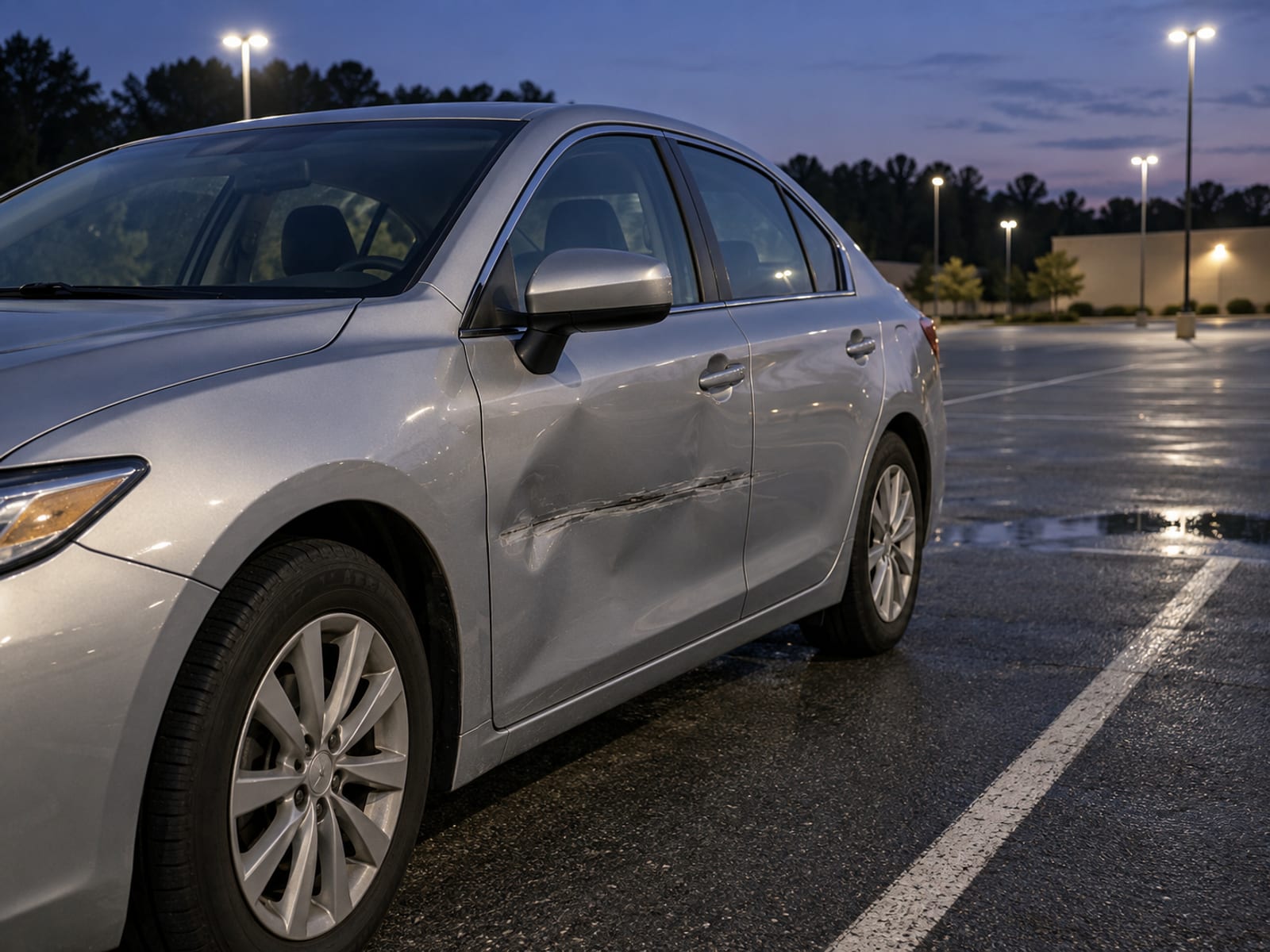
After a crash with an uninsured or hit-and-run driver
- At the sceneGet the other driver's name and insurance details if you can, and call the police promptly after a hit-and-run.
- As soon as possibleReport the accident to your insurer using the number on your insurance card.
- Gather recordsKeep the policy, UM endorsement, any rejection form, the accident report, photos, medical bills and proof of lost wages.
- During the claimAsk the adjuster to put decisions in writing, and confirm notice, proof and lawsuit deadlines.
- If it stallsContact the insurer or agent first, then file a complaint with the Alabama Department of Insurance.
When to contact the Alabama Department of Insurance
Contact the insurer or agent first. If you don't get a satisfactory answer, you can file an online complaint with the Alabama Department of Insurance (opens in a new tab). Include your contact details, the insurer's or agent's name, your policy number, your claim number and a detailed description of the problem. ALDOI can send the complaint to the company, review the response and require corrective action if the company didn't meet its legal obligations under the policy.
ALDOI can't determine who was at fault, decide the value of a claim, give legal advice or intervene in a pending lawsuit, and it can't assist with a complaint if you have an attorney, according to the same ALDOI page (opens in a new tab). ALDOI Consumer Services can be reached at 334-241-4141 or 1-800-433-3966, according to its contact page (opens in a new tab).
To check an agent before you buy, use the Alabama insurance license lookup (opens in a new tab).
Questions to ask an Alabama agent
- Is UM coverage on this policy, and at what per-person and per-accident limits?
- Did anyone sign a UM rejection, and can I have a copy?
- Does an old rejection carry over at renewal with this insurer?
- Does my selection apply to vehicles I add later?
- Is the policy stacked or unstacked, and how many vehicle coverages can be combined?
- What would the premium be each way?
- Does the policy include underinsured coverage, and how does it treat a driver with low limits?
- Does UM pay medical expenses, lost income and death-related damages?
- Is damage to my car covered under UM, or would collision apply?
- What does the policy require after a hit-and-run?
- Who counts as an insured passenger, household relative or permissive driver?
- What notice period does the policy require after an accident?
- Where do the selection and rejection show on my application and declarations page?
Riskado's directory lists Alabama insurance agencies by city and category if you want to compare how different agencies quote UM limits.
Check what you know about Alabama uninsured motorist coverage
Frequently asked questions
Can I reject UM coverage for myself but keep it for another driver on my policy?
The rejection right belongs to the named insured under § 32-7-23 (opens in a new tab), and it applies to the policy. Ask the insurer how its form handles each vehicle and driver, and get the answer in writing.
Does UM cover me if I'm hit while walking or riding a bike?
It depends on how the policy defines an insured person and what it excludes. Ask your insurer whether you're covered as a pedestrian or cyclist, and look for that answer in the UM endorsement.
Does a registration suspension mean I rejected UM?
No. An ALDOR suspension concerns whether the vehicle had the liability insurance required by § 32-7A-4 (opens in a new tab). A UM rejection is a separate election on the policy, signed by the named insured.
Can my insurer recover what it pays me from the other driver?
Yes. Your insurer may sue the at-fault driver for money it pays you because of that driver's negligence, according to the Alabama Department of Insurance (opens in a new tab).
Sources
- Code of Alabama § 32-7-23, uninsured motorist coverage (opens in a new tab)
- Code of Alabama § 32-7-6, minimum limits (opens in a new tab)
- Code of Alabama § 32-7A-4, liability insurance required (opens in a new tab)
- ALDOR, mandatory liability insurance (opens in a new tab)
- ALDOI, auto insurance under the tort system (opens in a new tab)
- ALDOI, file a consumer complaint (opens in a new tab)
- ALDOI, contact us (opens in a new tab)
- NAIC, what you should know about filing an auto claim (opens in a new tab)
Key terms
Tap a term to see what it means.
Uninsured motorist (UM) coverage. Coverage for bodily injury damages you're legally entitled to recover from an uninsured or hit-and-run driver.
Underinsured coverage. Coverage that responds when the at-fault driver's insurance is less than your legally recoverable damages.
Named insured. The person named on the policy, who has the right to reject UM coverage.
Stacking. Adding the UM coverage for other vehicles on the same policy to the primary coverage, up to two additional coverages in Alabama.
Unstacked coverage. A single UM limit that does not add the coverage for other vehicles.
Declarations page. The part of a policy that lists the coverages, limits, vehicles and dates.
UM endorsement. The policy section that sets out how UM coverage works, who is insured and what is excluded.