Average Cost of Car Insurance in New Jersey: What Drivers Pay and What Drives Your Quote
Riskado

New Jersey drivers spent an average of $1,413.04 per insured vehicle on car insurance in 2022, or about $117.75 a month, according to the NAIC 2022 Auto Insurance Database Average Premium Supplement (opens in a new tab). That figure blends vehicles that carry collision and comprehensive with vehicles that don't. A policy carrying liability, collision and comprehensive together averaged $1,522.89 for the year, about $126.91 a month. Both are statewide historical averages, not quotes, and the monthly amounts are simply the annual figures divided by 12. Your own price depends on your rating territory, vehicle, driving history, age, insurance score, PIP choices, deductibles and the coverages you select.
Key takeaways
- Average expenditure$1,413.04 per insured vehicle in 2022, about $117.75 a month.
- Combined average premium$1,522.89 for liability, collision and comprehensive together, about $126.91 a month.
- Not a quoteBoth are statewide historical averages; the monthly amounts are the annual figures divided by 12.
- National rankFifth among the 50 states for both the average expenditure and the combined average premium.
- What moves your priceRating territory, vehicle, driving history, age, insurance score, PIP choices, deductibles and coverages.
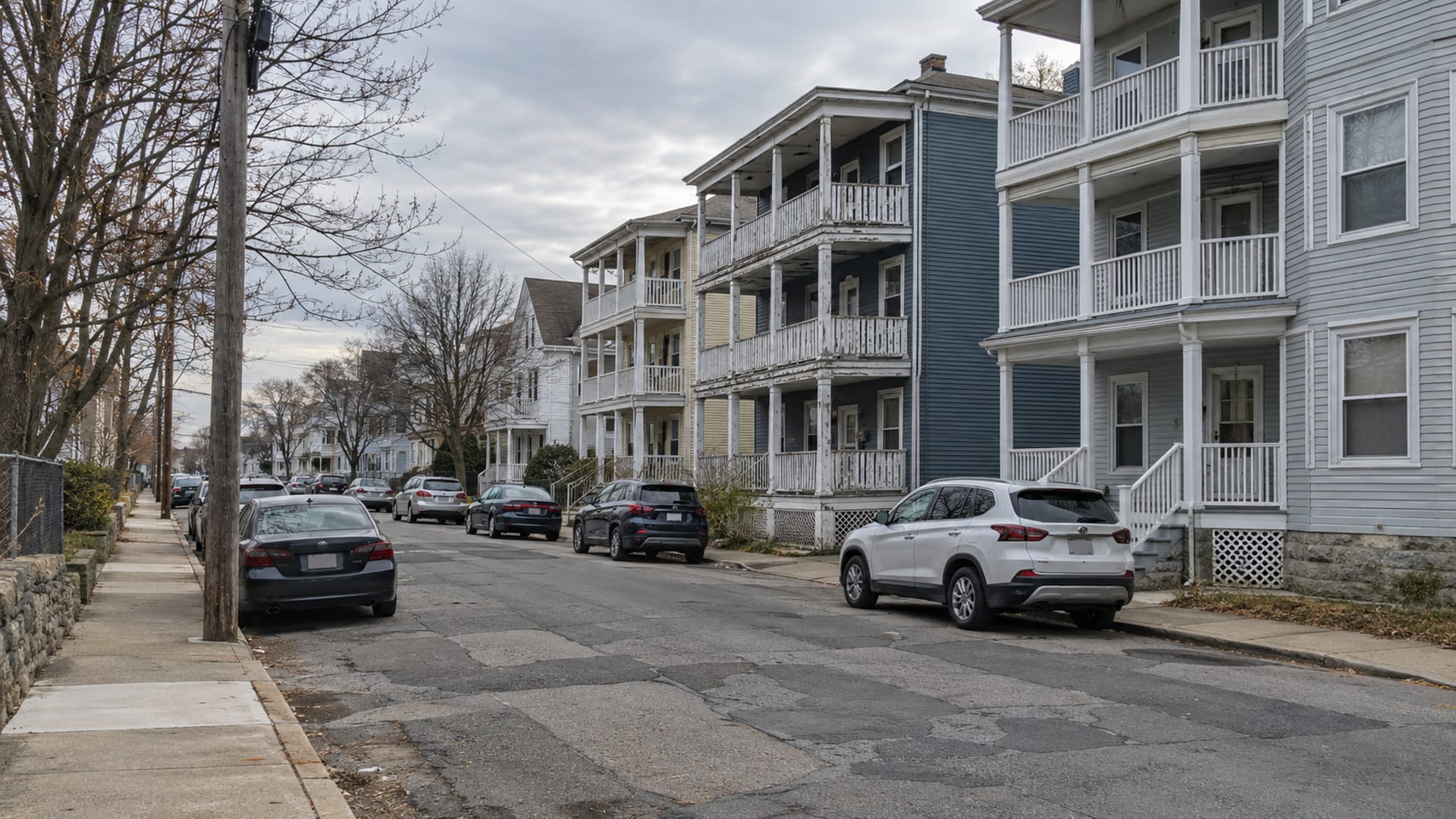
New Jersey sits near the top nationally. Its 2022 average expenditure ranked fifth among the 50 states, behind Florida, Louisiana, New York and Rhode Island, and its combined average premium also ranked fifth, according to the NAIC tables. The District of Columbia, listed separately, ranks above New Jersey.
What the New Jersey averages include
The NAIC reports several averages, and each answers a different question. Knowing which one you're looking at keeps you from comparing a full policy quote against a number that mostly reflects liability.
Hover or tap a row to highlight it.
| Measure (New Jersey, 2022) | Annual average | About per month |
|---|---|---|
| Liability average premium | $932.65 | $77.72 |
| Collision average premium | $441.78 | $36.82 |
| Comprehensive average premium | $148.46 | $12.37 |
| Average expenditure | $1,413.04 | $117.75 |
| Combined average premium | $1,522.89 | $126.91 |
Source: NAIC 2022 supplement (opens in a new tab). Monthly figures are mathematical conversions, not monthly quotes.
Each coverage average divides that coverage's written premiums by its written exposures. The average expenditure adds up all liability, collision and comprehensive premiums and divides by liability exposures, so it assumes every insured vehicle has liability coverage but not every vehicle has physical-damage coverage. That's why it isn't a minimum-coverage figure and also isn't a "full coverage" figure. The combined average premium adds the three coverage averages together and represents a policy with all three.
Why the statewide average isn't your quote
A statewide average mixes thousands of different drivers, cars, towns and coverage combinations. Your quote reflects only yours. New Jersey insurers rate using approved classifications that can include territory, vehicle make, model and value, driving history, age, miles driven or vehicle use, coverage selections and insurance scoring, according to the New Jersey Department of Banking and Insurance (DOBI) guide to controlling the cost of auto insurance (opens in a new tab). Age and gender may also be used to determine risk.
That's also why a friend or neighbor can pay a very different amount. A different car, a different PIP choice or a ticket two years ago can each move the number.
Basic Policy, Standard Policy and broader coverage
New Jersey offers two policy types. The Basic Policy carries limited benefits, while the Standard Policy offers broader options, according to the DOBI Standard Policy page (opens in a new tab). Liability, PIP and uninsured motorist coverage are mandatory, according to the MVC insurance requirements page (opens in a new tab).
Collision and comprehensive are optional under state law. "Full coverage" is a market expression rather than a New Jersey legal package, so when an agency quotes "full coverage," ask exactly which limits, deductibles and options it includes. If the car is financed or leased, ask the lender what physical-damage coverage it requires.
Why a North Jersey or dense-suburb quote can run higher
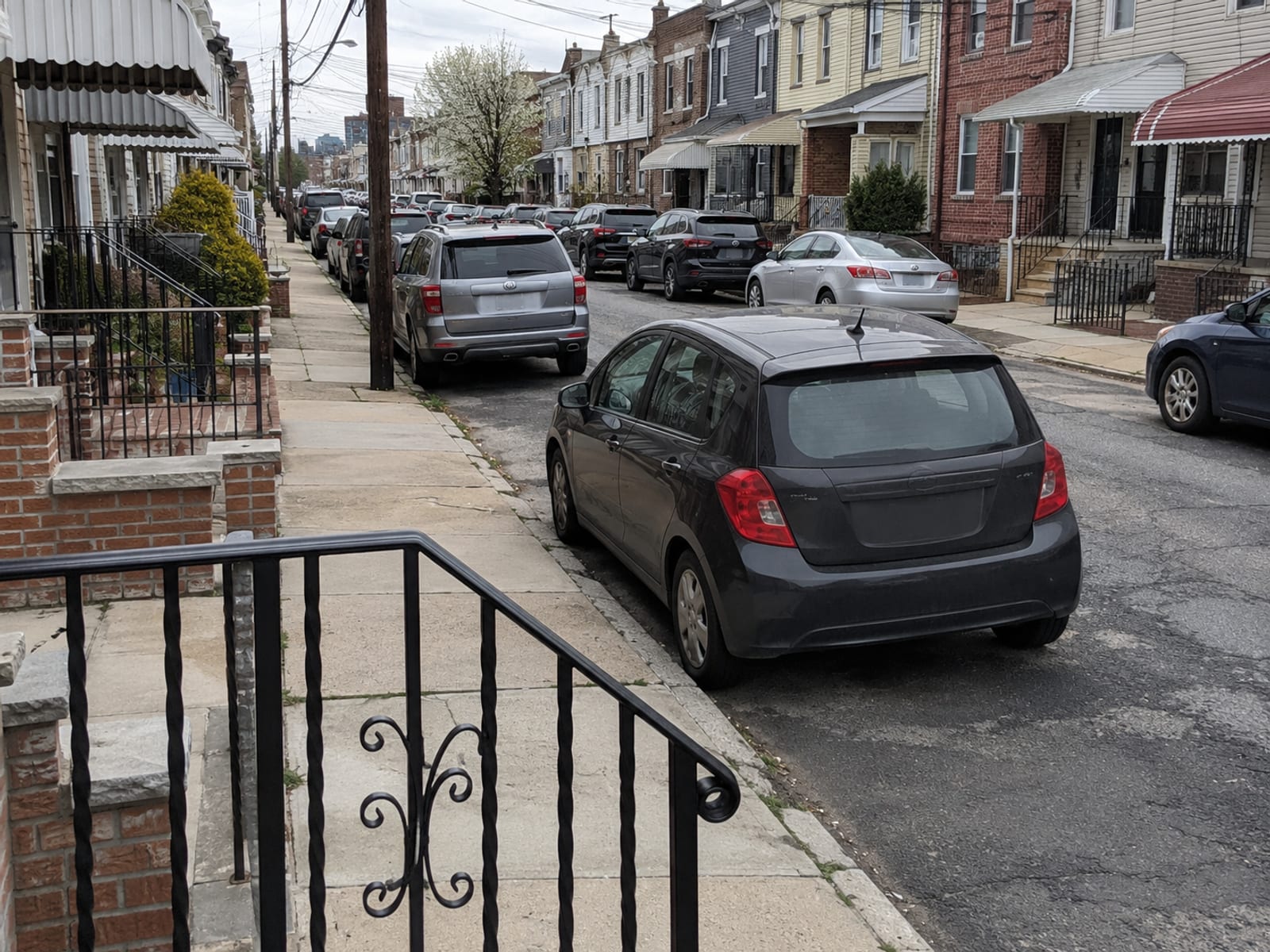
Territory is a recognized part of New Jersey auto rating. The state's expedited filing rules address territorial base rates and require territorial indications in applicable filings, according to DOBI's N.J.A.C. 11:3-16B rule material (opens in a new tab). Population density, product specifications, and more frequent and more severe accidents are New Jersey-specific factors affecting premiums, according to DOBI's FY 2027 budget follow-up response (opens in a new tab), which adds that these factors work together and their individual effects can't be separated.
For your own quote, ask which rating territory and garaging address the insurer used, and make sure the address is where the car is actually kept.
Policy choices that change the premium
Several New Jersey coverage choices change the price directly. The DOBI Buyer's Guide (opens in a new tab) and cost-control guidance (opens in a new tab) identify these:
- PIP medical limit: $15,000, $50,000, $75,000, $150,000 or $250,000, subject to the policy and applicable rules.
- PIP deductible: $250, $500, $1,000, $2,000 or $2,500.
- Health insurer as primary for PIP: this may reduce the auto premium, but your health plan's deductibles, copayments, limits and accident-treatment rules then apply, according to DOBI's page on selecting your health insurer for PIP (opens in a new tab). Check with your health plan before choosing it.
- Lawsuit option: the limited right to sue generally costs less than the unlimited right to sue, but it restricts pain-and-suffering lawsuits except for listed permanent injuries, according to the DOBI Standard Policy page (opens in a new tab).
- Extra PIP benefits: these can be selected or declined, depending on the policy.
- Liability, uninsured and underinsured motorist limits, plus collision and comprehensive and their deductibles.
Hover or tap a row to highlight it.
| Choice | Options |
|---|---|
| PIP medical limit | $15,000, $50,000, $75,000, $150,000 or $250,000 |
| PIP deductible | $250, $500, $1,000, $2,000 or $2,500 |
| Primary payer for PIP | The auto policy, or your health insurer |
| Lawsuit option | Limited right to sue or unlimited right to sue |
| Extra PIP benefits | Selected or declined, depending on the policy |
Each choice trades price against what the policy pays later. The clearest way to see the effect is to ask the agency for side-by-side scenarios that change one option at a time. Agents and insurers must provide three premium scenarios to new applicants and current policyholders on request, according to DOBI's insurance scenarios rule (opens in a new tab), and the DOBI Auto Insurance Purchasing Planner (opens in a new tab) lays out the coverage choices.

Young drivers, new drivers and discounts
Younger drivers and drivers with less experience may be considered riskier, according to DOBI (opens in a new tab). That's why adding a teen or insuring a newly licensed adult tends to raise a quote, and why limited driving history counts against a new driver even with a clean record.
Two discounts are worth asking about right away. Many insurers offer good-student discounts to young drivers with a 3.0 or "B" average and may offer discounts for students attending school away from home. New Jersey law also requires insurers to offer a discount for completing an MVC-approved defensive-driving course. The amount, duration and eligibility rules vary by insurer, so confirm them before you count on the savings. When you request a quote, have the agency rate the actual young driver and list every discount it checked.
How credit-based insurance scoring works in New Jersey
Some New Jersey insurers use an approved credit-based insurance scoring model, but the score can't be the only rating factor, according to DOBI's guide to insurance scoring in New Jersey (opens in a new tab). The scoring model can't use race, ethnicity, sex, age, religion, income, address, unpaid medical bills or certain recent loan inquiries. A consumer without a credit history can't be placed in a below-standard tier without actuarial justification, and there are protections for certain extraordinary life events. Insurance scoring is prohibited for Dollar-a-Day and Basic Policy consumers under the protections described in the guide.
If a quote uses an insurance score, ask what notice and adverse-action rights apply.
Occupation and education factors are a separate, unsettled issue. Litigation over occupational and educational rating factors was stayed through October 2026 for Department review, according to DOBI's FY 2027 response (opens in a new tab). Ask the agency whether either factor affects your quote.
MVC points, surcharges and insurance eligibility points
Two different point systems can affect what you pay. MVC points go on your driving record after qualifying convictions and may increase insurance rates, according to the MVC suspensions and restorations page (opens in a new tab). Insurance eligibility points are an insurer's own underwriting or rating classifications, used to decide whether and how a driver is placed in a rating tier, and their treatment depends on each insurer's filed rules. Ask the agency how a specific violation is treated.
The MVC also charges surcharges that are separate from your premium. Six or more points within three years from the last posted violation bring a $150 surcharge plus $25 for each point over six, assessed every year for three years, according to the MVC surcharge page (opens in a new tab). Driving while suspended, DWI and operating an uninsured vehicle carry their own surcharges.
To check what an insurer will see, request a Driver History Abstract from the MVC. It covers New Jersey moving violations, points, accidents, suspensions and related history for the past five years, and the fee is $15. You can order it online through the MVC Driver History Abstract page (opens in a new tab), by mail with Form DO-21, or at an MVC agency. The MVC point schedule (opens in a new tab) lists the points for each violation.
Why New Jersey premiums have risen
Recent increases trace to inflation, vehicle theft, more severe accidents and fatalities tied to excessive speeding and distracted driving, higher vehicle prices and repair costs, supply-chain issues and more complex repairs, according to DOBI's FY 2025-2026 budget response (opens in a new tab). The same response reports that 79 companies offered auto insurance in 2024, that DOBI received 62 auto filings that year, and that auto filings received in 2024 took an average of 100 days to approve.
Private passenger auto rates, rules and forms must be filed and are subject to prior approval, according to DOBI's property and casualty page (opens in a new tab). Filings can be viewed through DOBI's public rate, rule and form filing page (opens in a new tab). If your renewal went up without a ticket or claim, ask whether a new rate filing took effect.
How to compare New Jersey quotes fairly
A lower quote is only a better deal if it buys the same policy. Keep these identical across every quote:
- Drivers and household members.
- Vehicles and how each is used.
- Garaging address and mileage.
- Liability limits.
- PIP medical limit, deductible, health-insurer-primary choice and extra benefits.
- Uninsured and underinsured motorist limits.
- Lawsuit option.
- Collision and comprehensive selections and deductibles.
- Driver-history information.
These questions help when you sit down with an agency:
- Is this a Basic Policy or a Standard Policy?
- Which PIP limit, deductible and lawsuit option are being used?
- What changes if my health insurer is primary for PIP?
- Which violations, accidents or MVC records were considered?
- Which good-student, defensive-driving, vehicle-safety, multi-car or other discounts were checked?
- Can you provide three scenarios with one coverage choice changed at a time?
- What happens to the premium at renewal if a new rate filing takes effect?
- What do I need to correct an inaccurate driver or vehicle record?
Riskado's directory lists insurance agencies across the US, state by state, including New Jersey agencies by city and category, so you can request matching quotes from more than one.

What happens if your coverage lapses
A gap in coverage costs more than the days you went without. A lapse can lead to higher future rates, according to the New Jersey Automobile Insurance Consumer Bill of Rights (opens in a new tab), and driving an uninsured vehicle brings penalties, according to the MVC insurance requirements page (opens in a new tab), along with its own MVC surcharge. If you're switching insurers, confirm the new policy's effective date before canceling the old one, and keep proof of insurance on paper or electronically.
Check what you know about New Jersey car insurance costs
Frequently asked questions
How much is car insurance per month in New Jersey?
Dividing the NAIC's 2022 figures by 12 gives about $117.75 a month for the average expenditure and about $126.91 for a policy with liability, collision and comprehensive. These are conversions of annual averages, not monthly quotes, so your price can differ widely.
Does choosing the limited right to sue lower my premium?
Generally, yes. The limited right-to-sue option costs less than the unlimited option, but it restricts pain-and-suffering lawsuits except for listed permanent injuries, according to the DOBI Standard Policy page (opens in a new tab).
Can a New Jersey insurer use my credit for a Basic Policy?
No. Insurance scoring is prohibited for Basic Policy and Dollar-a-Day consumers, according to DOBI's insurance scoring guide (opens in a new tab). For other policies, the score can't be the only rating factor.
Do MVC points and insurance eligibility points mean the same thing?
No. MVC points sit on your state driving record, while insurance eligibility points are an insurer's own underwriting classifications under its filed rules. A violation can affect both, which is why it helps to see your Driver History Abstract before you shop.
Turning the average into your own number
New Jersey's statewide averages are a useful benchmark, but your quote comes from your territory, drivers, car, record and your PIP and lawsuit choices. Gather your declarations page and Driver History Abstract, decide which options you want to test, and ask two or three agencies for scenarios built on the same terms. Those side-by-side numbers will tell you more about your price than any statewide figure.
Terms used in this guide
Tap a term to see what it means.
Average expenditure. All liability, collision and comprehensive premiums divided by liability exposures, so not every vehicle in it carries physical-damage coverage.
Combined average premium. The liability, collision and comprehensive average premiums added together, representing a policy with all three.
Basic Policy. A New Jersey auto policy type with limited benefits.
Standard Policy. A New Jersey auto policy type with broader options than the Basic Policy.
Limited right to sue. A lawsuit option that restricts pain-and-suffering lawsuits except for listed permanent injuries.
Driver History Abstract. An MVC record of New Jersey moving violations, points, accidents and suspensions for the past five years.
Insurance eligibility points. An insurer's own underwriting or rating classifications under its filed rules.