Comprehensive vs Collision Insurance: What Each Pays For and When to Drop Them
Riskado
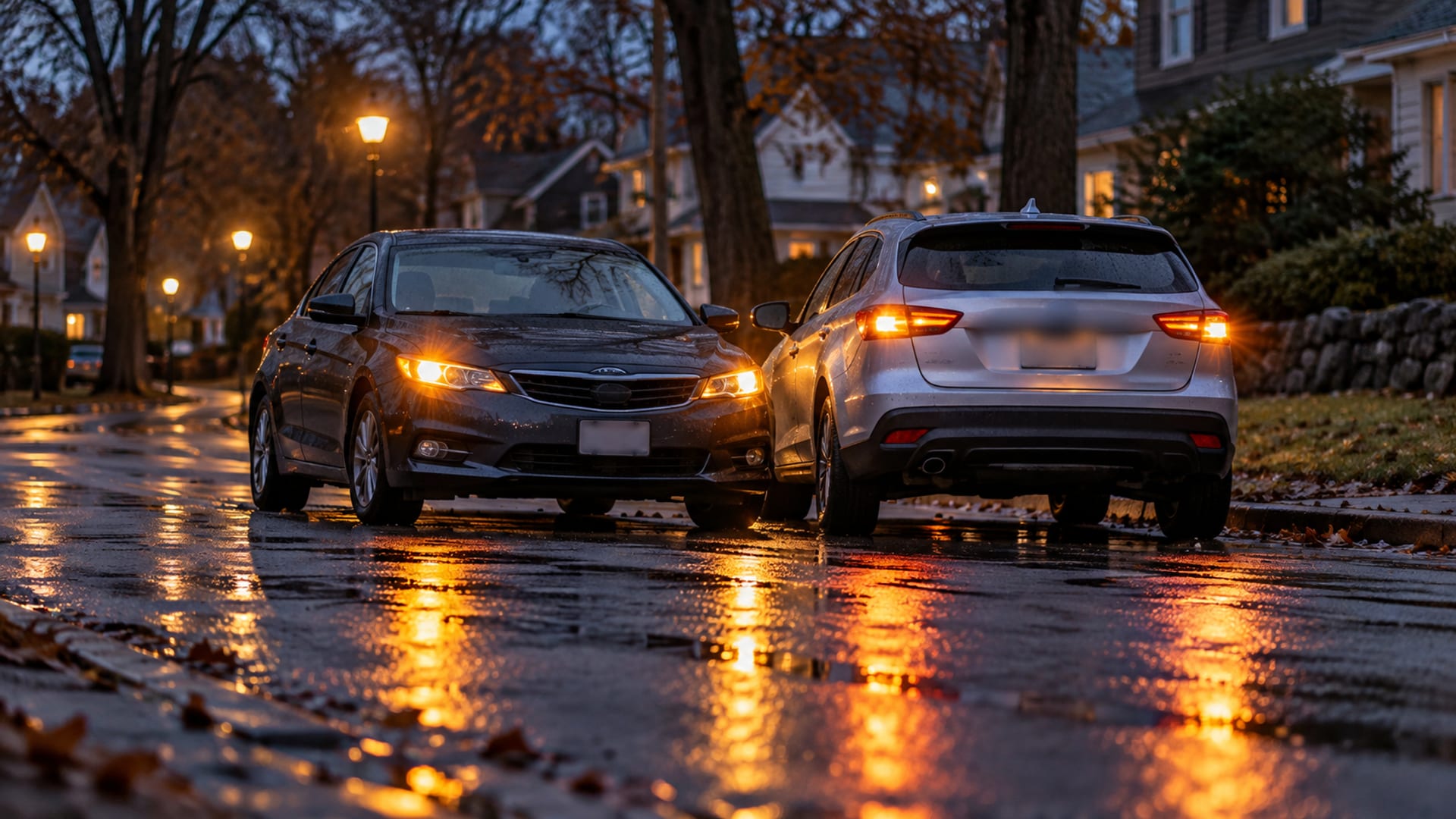
Collision and comprehensive are two optional coverages that pay for damage to your own vehicle. Collision applies when your car hits another vehicle or an object, or overturns. Comprehensive, also called "other than collision," covers theft, vandalism, fire, hail, flood, falling objects, glass damage and animal strikes, according to state insurance department definitions (opens in a new tab) (page dated April 12, 2023). Hitting a deer is comprehensive, while swerving to miss a deer and hitting a tree or guardrail is treated as collision. Whether the law requires either coverage depends on your state, a lender or leasing company can require both, and your policy wording and loan or lease agreement control the final answer.
Key takeaways
- CollisionApplies when your car hits another vehicle or an object, or overturns.
- ComprehensiveAlso called "other than collision," it covers theft, vandalism, fire, hail, flood, falling objects, glass damage and animal strikes.
- DeerHitting a deer is comprehensive, while swerving to miss a deer and hitting a tree or guardrail is treated as collision.
- State law and lendersEach state's law sets the coverages every driver must carry, and a lender or leasing company can require both even where the law does not.
Which coverage applies to the loss?
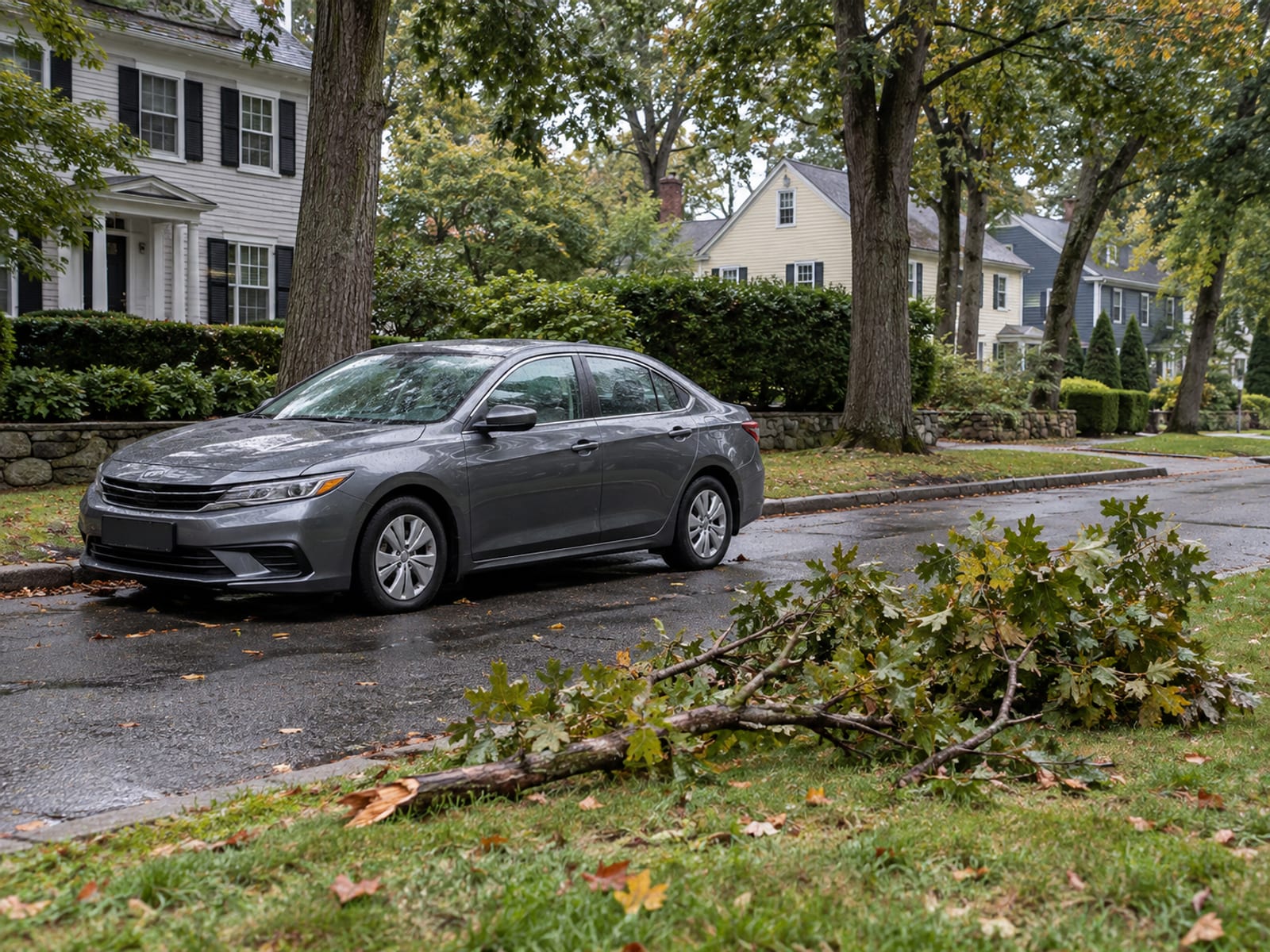
Start with what physically happened to the car. If the car struck something or rolled over, that points to collision. If something happened to the car, such as a stolen vehicle, a hailstorm, a flood or a branch coming down on it, that points to comprehensive.
Each coverage has its own definition in your policy, its own deductible and its own exclusions, so the label matters for how much you pay before the insurer does. The policy is a contract, and the contract decides what a claim is worth (opens in a new tab).
Both coverages protect your own vehicle. Neither one pays for someone else's property or injuries, which is the job of liability coverage. Each state sets its own liability minimums in its law, and its insurance department (opens in a new tab) publishes them; our guide to how much car insurance you need explains how those minimums work.
What is the difference between collision and comprehensive insurance?
Collision pays for damage from a crash with another vehicle or an object, or from the car overturning. There is almost always a deductible (opens in a new tab). Collision pays either to repair the car or, if the insurer decides the car is totaled, the car's actual cash value, according to the NAIC consumer guide on auto coverage (opens in a new tab) (2022).
Comprehensive pays for damage that is not a collision. Theft, vandalism, animal strikes, explosion, flood, falling objects, windstorm and glass breakage all fall under it, and there is usually a deductible. Fire and hail are comprehensive perils too. Comprehensive does not mean every kind of damage. It means damage other than collision, and it still has exclusions, limits and policy wording like any other coverage.
Collision also pays whether or not you were at fault, and a deductible generally applies to a vehicle-damage claim even when the damage was not your fault, according to the NAIC (opens in a new tab). If another driver is legally responsible, that driver's liability coverage may respond to the loss.
Which coverage applies to common vehicle damage?
Common events fall under these coverages. Animal strikes are comprehensive (opens in a new tab), and a pothole is treated as collision damage, according to the NAIC.
Hover or tap a row to highlight it.
| Event | Usual coverage | Condition |
|---|---|---|
| Hit another car | Collision | The other driver's liability coverage may respond if that driver is legally responsible. |
| Hit a mailbox, pole or guardrail | Collision | Damage to the mailbox itself may fall under property-damage liability. |
| Hit a tree | Collision | The car struck the tree. |
| Vehicle overturns | Collision | |
| Pothole damage | Collision | Hitting a pothole is collision damage. |
| Deer or other animal strikes the car | Comprehensive | Animal strikes are listed as comprehensive. |
| Swerve for a deer and hit a tree or guardrail | Collision | The damage came from impact with the object. |
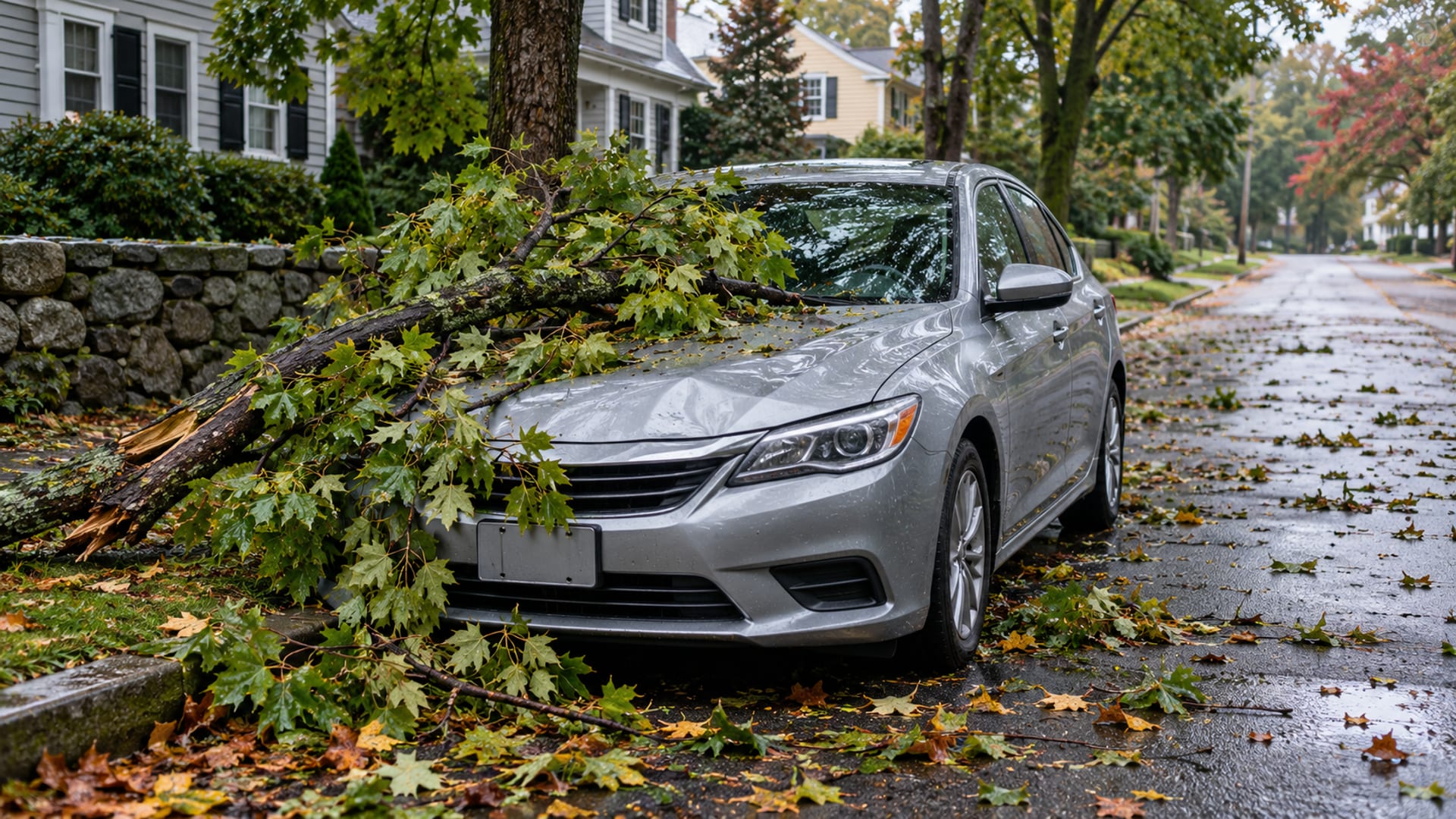
| Falling branch or tree lands on the car | Comprehensive | Check exclusions and policy wording. |
| Hail, wind, flood or fire | Comprehensive | Each is a listed comprehensive peril. |
| Theft or vandalism | Comprehensive | Policy terms apply. |
| Broken glass or windshield | Usually comprehensive | Some policies treat glass separately, including full-glass coverage. |
Policy definitions, exclusions, endorsements and the deductible decide the outcome of any real claim. Personal belongings stolen from a car may fall under homeowners or renters insurance instead of the auto policy.
What do the deductibles mean?
A deductible is the amount you pay out of pocket before the policy pays a covered vehicle loss. Comprehensive and collision normally have separate deductibles, so you can have one amount for theft or hail and another for a crash.
Higher deductibles generally mean lower premiums, and you should be able to afford the deductible if a loss happens, according to the NAIC's 2022 consumer guide (opens in a new tab), which compares a $1,000 deductible with a $500 deductible as an example. Your agent can quote the same coverage at two or three deductible levels so you can see the premium difference next to the out-of-pocket cost.

Do you need both coverages if the car is financed or leased?
Whether state law requires comprehensive or collision is set by each state, but a lender or leasing company can require both coverages (opens in a new tab), and lenders may require physical-damage coverage until the loan is paid off, according to the NAIC (opens in a new tab). For example, Connecticut law does not require either one, while it does require liability and uninsured motorist coverage (Conn. Gen. Stat. § 38a-334 (opens in a new tab)); the minimums are in our guide to Connecticut car insurance requirements.
Hover or tap a row to highlight it.
| Coverage | Who sets the requirement | Source |
|---|---|---|
| Comprehensive | Your loan or lease contract, and your state's law if it requires it | CFPB (opens in a new tab) |
| Collision | Your loan or lease contract, and your state's law if it requires it | CFPB (opens in a new tab) |
| Liability | Your state's law, with minimums set by each state | State insurance departments (opens in a new tab) |
| Uninsured and underinsured motorist | Your state's law, in states that require it | State insurance departments (opens in a new tab) |
The reason is that the car is the lender's collateral. According to the CFPB's Supervisory Highlights, Issue 24 (opens in a new tab) (June 2021), auto finance contracts generally require comprehensive and collision, and when a borrower fails to keep appropriate coverage, some servicers buy collateral protection insurance and add the charges to the borrower's account.
A lender or lessor can also set a maximum deductible, and that limit is written in your own contract. Before you change a deductible, read the loan or lease agreement and ask the lender what it requires now. Dropping required coverage on a financed car could put the loan in default (opens in a new tab). Ask whether the lender is listed as lienholder or loss payee on your policy, and what happens if the policy is canceled or lapses.

What does "full coverage" mean?
"Full coverage" is casual language, not a coverage type. There is no such thing as "full coverage" as a formal coverage type, and each coverage is priced separately, according to the NAIC (opens in a new tab).
In everyday use, the phrase usually means liability coverage plus comprehensive and collision. Some people stretch it to include uninsured motorist coverage, medical payments or rental reimbursement. When a lender, a seller or a friend says "full coverage," ask which coverages, limits and deductibles they mean.
How should an older vehicle factor into the decision?
The decision comes down to a list of questions, not a cutoff. For a low-value car that is not financed, you can consider dropping collision or comprehensive (opens in a new tab) if you could afford to repair or replace the car or do without it. If the car is financed, dropping coverage could default the loan.
One approach is to compare the car's value with the premium for the coverage, and a rule of thumb holds that coverage may not be cost effective when an older car is worth less than ten times the premium, according to the Insurance Information Institute (opens in a new tab). That is a consumer-guide idea, not a legal rule.
There is another side to the math. According to the NAIC (opens in a new tab), repair costs on an older car can exceed what the car is worth, and the insurer can declare it totaled and pay its value rather than repair it. So the useful numbers are your car's current actual cash value, what each coverage adds to your premium, and the amount you could cover yourself after a bad day. Your agent can help you line those up.
Can a claim affect renewal pricing?
A comprehensive or collision claim can show up in your claims history and affect renewal pricing. Accidents and violations raise rates, and losing a claims-free discount after an accident can raise your premium, according to a state insurance department consumer notice (opens in a new tab) dated June 26, 2024. Increases, discounts and surcharges differ by insurer and by the insurer's approved rate filing, with no one-size-fits-all number.
Insurers also look at claims databases such as CLUE when they set prices, according to the NAIC (opens in a new tab), and you can ask for your own CLUE claims history report (opens in a new tab). Accident forgiveness belongs to individual insurers, and it may come with eligibility conditions or claim limits, so the question to ask is whether your policy has it and what the conditions are.
For a car used for work, such as delivery or rideshare, a personal auto policy can exclude business activities (opens in a new tab). A commercial use needs its own policy review.
What should you ask an agent or lender?
Bring your declarations page, your current policy and endorsements, your loan or lease agreement and the car's vehicle identification number. Then ask:
- What are my separate comprehensive and collision deductibles?
- Which events does my policy classify as comprehensive, and which as collision?
- How would my policy classify hitting an animal, swerving for an animal, or hitting a fixed object?
- Is glass covered under comprehensive or under a separate glass provision?
- What exclusions apply to flood, hail, falling objects, theft and vandalism?
- If the car is totaled, how is actual cash value figured?
- Is rental reimbursement included after a covered loss?
- Does the policy cover business use, delivery or rideshare?
- What coverage and deductible limit does my lender or lessor require, and what happens if coverage lapses?
- How would a claim affect my renewal, and is accident forgiveness available?
- What would change if the car were paid off?
Check what you know about comprehensive and collision
Questions people ask about comprehensive and collision
Is it better to have collision or comprehensive?
They cover different events, so one does not replace the other. Collision responds to crashes and overturns, and comprehensive responds to theft, weather, animals and similar losses. Ask your agent whether your policy can carry one without the other, and check whether your lender requires both.
Is a $500 deductible better than $1,000?
A higher deductible means a lower premium, and you should be able to afford the deductible if you file a claim, according to the NAIC (opens in a new tab). Ask your agent for the premium at each level and compare the difference with the cash you could put toward a repair.
Should I keep collision on a 10-year-old car?
Start with whether the car is financed, because a lender's requirement overrides the math. If it is not financed, compare the car's current value with what the coverage costs, and think about whether you could repair or replace it yourself, as state insurance department guidance (opens in a new tab) describes.
Is hitting a tree comprehensive or collision?
When your car hits a tree, the damage is collision. When a tree or branch falls onto your car, that is a falling-object loss, and falling objects are listed under comprehensive. If you swerved to miss a deer first, the impact with the tree is still the collision.
Is hitting a mailbox comprehensive or collision?
Damage to your car from hitting a mailbox is generally collision. Damage to the mailbox itself may involve property-damage liability, so mention both when you call your insurer.
Take your questions to a licensed agency
Once you know which event you are dealing with, which deductible applies and what your lender requires, the next step is a conversation with a licensed insurance agency that can read your actual policy. You can find one in the Riskado insurance agency directory. Confirm the agency and agent are licensed through your state's insurance department (opens in a new tab) before you share policy details. Bring the list above, and ask the agency to point to the policy wording or endorsement behind each answer.
Terms used in this guide
Tap a term to see what it means.
Collision. Coverage for damage to your own car from a crash with another vehicle or an object, or from the car overturning.
Comprehensive. Coverage for damage to your own car other than collision, such as theft, vandalism, fire, hail, flood, falling objects, glass damage and animal strikes. Also called "other than collision."
Deductible. The amount you pay out of pocket before the policy pays a covered vehicle loss.
Actual cash value. What the car was worth just before the loss, which is what a totaled car is generally paid.
Lienholder or loss payee. The lender listed on your policy because the car is its collateral.
Full coverage. Casual language, not a formal coverage type; it usually means liability plus comprehensive and collision.
CLUE report. A claims history database that insurers look at when they set prices.
Accident forgiveness. An insurer-specific feature that may come with eligibility conditions or claim limits.