Do I Need Commercial Auto Insurance: Business Use, Delivery and Rideshare Driving, and What Personal Policies Exclude
Riskado
Whether you need commercial auto insurance depends on who owns the vehicle, who drives it, how it is used, what it carries, whether people pay you to ride, and what your state, lender, customer contract or app platform requires. A personal auto policy may not cover business use, delivery or paid passengers. Uber, Lyft, DoorDash and other platforms may provide limited liability coverage during set app or trip periods, but that coverage may not pay to fix your own car. Before you drive for work, describe every use to your insurer and ask which policy, endorsement or commercial form applies during each phase.
Key takeaways
- What decides itWho owns the vehicle, who drives it, how it is used, what it carries, whether people pay you to ride, and what your state, lender, customer contract or app platform requires.
- Personal policy gapsA personal auto policy may not cover business use, delivery or paid passengers.
- Platform coverageUber, Lyft, DoorDash and other platforms may provide limited liability coverage during set app or trip periods, which may not pay to fix your own car.
- First stepDescribe every use to your insurer and ask which policy, endorsement or commercial form applies during each phase.
Start by naming the kind of driving you do
The answer gets clearer once you put your driving into one of a few buckets: commuting to a regular workplace, occasional business errands, delivery, carrying paying passengers, or running vehicles as part of a business. Commuting is treated differently from using the vehicle to conduct business, although your policy and your insurer's classification decide where the line falls, according to the Utah Insurance Department (opens in a new tab).
Uses that may call for a commercial policy or a change to your personal policy include delivery, catering, landscaping, consulting visits and farm-to-market delivery, according to that same Utah guidance. An unendorsed personal policy does not cover carrying passengers for hire, by that Utah guidance.
Three facts drive the classification. Who owns or leases the vehicle, who drives it and how it is used are the key questions, according to the NAIC's small business insurance guide (opens in a new tab). If a business owns or leases the vehicle, the business name should be listed as the principal insured.
What a personal auto policy may exclude
The standard ISO personal auto policy commonly excludes liability while a vehicle is being used as a "public or livery conveyance," meaning carrying people for a fee. Later form language and endorsements may also address rideshare platforms, delivery or other business activity. The form edition and endorsements on your policy control, and the Texas Department of Insurance's advisory forms list (opens in a new tab) shows how filings can vary by state.
Delivery is a common gray area. Some personal policies cover a paid delivery and others do not, according to the Texas Department of Insurance (opens in a new tab), and a claim may be denied if you did not disclose the business driving. That makes disclosure the first practical step: tell your insurer what you do with the car, then ask what the policy covers.
Rideshare: what the platforms and state laws cover
Rideshare coverage is split into phases, and the coverage that applies changes as you move through them, according to the NAIC (opens in a new tab):
- App off: You are driving for yourself. Your personal policy applies according to its terms.
- App on and waiting: You are logged in and available but have not accepted a ride. State law may set a lower liability minimum here, and platform and personal coverage may differ.
- En route to pickup: You have accepted a request but have not picked up the passenger.
- Passenger in the car: The ride is in progress. State laws commonly require a higher primary liability limit.
The four rideshare coverage phases
- App offYou are driving for yourself, and your personal policy applies according to its terms.
- App on and waitingYou are logged in and available; state law may set a lower liability minimum here.
- En route to pickupYou have accepted a request but have not picked up the passenger.
- Passenger in the carThe ride is in progress, and state laws commonly require a higher primary liability limit.
State transportation network company (TNC) laws set the minimums for each phase. Three examples, as of October 2, 2026:
Hover or tap a row to highlight it.
| State | App on, waiting | Accepted ride or passenger aboard | Source |
|---|---|---|---|
| Connecticut | $50,000 per person, $100,000 per accident, $25,000 property damage | At least $1 million per accident, plus required uninsured and underinsured motorist coverage | Conn. Gen. Stat. § 13b-120 (opens in a new tab) |
| California | $50,000 per person, $100,000 per accident, $30,000 property damage, plus $200,000 excess | $1 million | California Department of Insurance (opens in a new tab) |
| Texas | $50,000 per person, $100,000 per incident, $25,000 property damage | $1 million aggregate | Tex. Ins. Code ch. 1954 (opens in a new tab) |
In Connecticut, the coverage can come from the TNC, the driver or a combination. These TNC laws address carrying passengers. They do not automatically apply to food or package delivery.
Lyft separates its coverage into app-off, app-on waiting, pickup and ride-in-progress periods, with personal insurance applying while the app is off and Lyft maintaining third-party liability coverage during defined app-on periods, according to Lyft's insurance page (opens in a new tab). Lyft lists state-specific exceptions, including Maryland, so check the terms for your state.
Delivery: what DoorDash and Uber cover
Delivery platforms set their own phases too.
- DoorDash: You need valid personal auto insurance that meets your state's minimums. During an active delivery, DoorDash may provide third-party liability coverage up to $1 million in most states, and that coverage does not pay to repair your own vehicle, according to DoorDash (opens in a new tab). A rideshare endorsement on your personal policy may not give complete coverage during active delivery, according to the same page.
- Uber delivery: Your personal auto insurance applies while you are offline. While you are online and available, Uber may provide third-party liability coverage up to at least state minimums, depending on state law. While you are en route or on a delivery trip, its delivery liability coverage may reach $500,000 or more where required. It does not pay for repairs to your vehicle, according to Uber (opens in a new tab).
Coverage varies by state and by policy terms on every platform, and the platform's own pages carry the current details.
The gap between platform and personal coverage
The gap usually looks like this: your personal policy may exclude business use or being available for hire, while the platform policy may be contingent, meaning it pays only after another policy, and may not cover every period or damage to your car, according to the NAIC (opens in a new tab). A rideshare endorsement on a personal policy is meant to fill that gap. Whether one is available, and what it covers, varies by state and insurer.
So, the two questions to put to your insurer are what covers you in each phase, and what pays to repair your own car if you cause a crash while working.
Can a commercial policy cover a car you own personally?
It may. A personally titled vehicle can sometimes be placed on a commercial policy, depending on the commercial insurer's underwriting rules, the named insured, the titleholder, the policy form and the use. Tell the insurer the vehicle is in your name, name the business that uses it, and ask whether you or the business will be the insured for liability and for physical damage.
A personal policy can cover some business use depending on the business, but a vehicle used mainly for business may not be acceptable under a personal policy, and a business-owned vehicle requires commercial auto coverage, according to Triple-I (opens in a new tab). A business-use endorsement on a personal policy may handle occasional or specified business use. It does not automatically extend to paid passengers, delivery, employees, cargo or business-owned vehicles.
Signs that point toward commercial auto
None of these produces an automatic yes, but each one is a reason to ask an agent about commercial coverage:
- The vehicle is titled to or leased by the business.
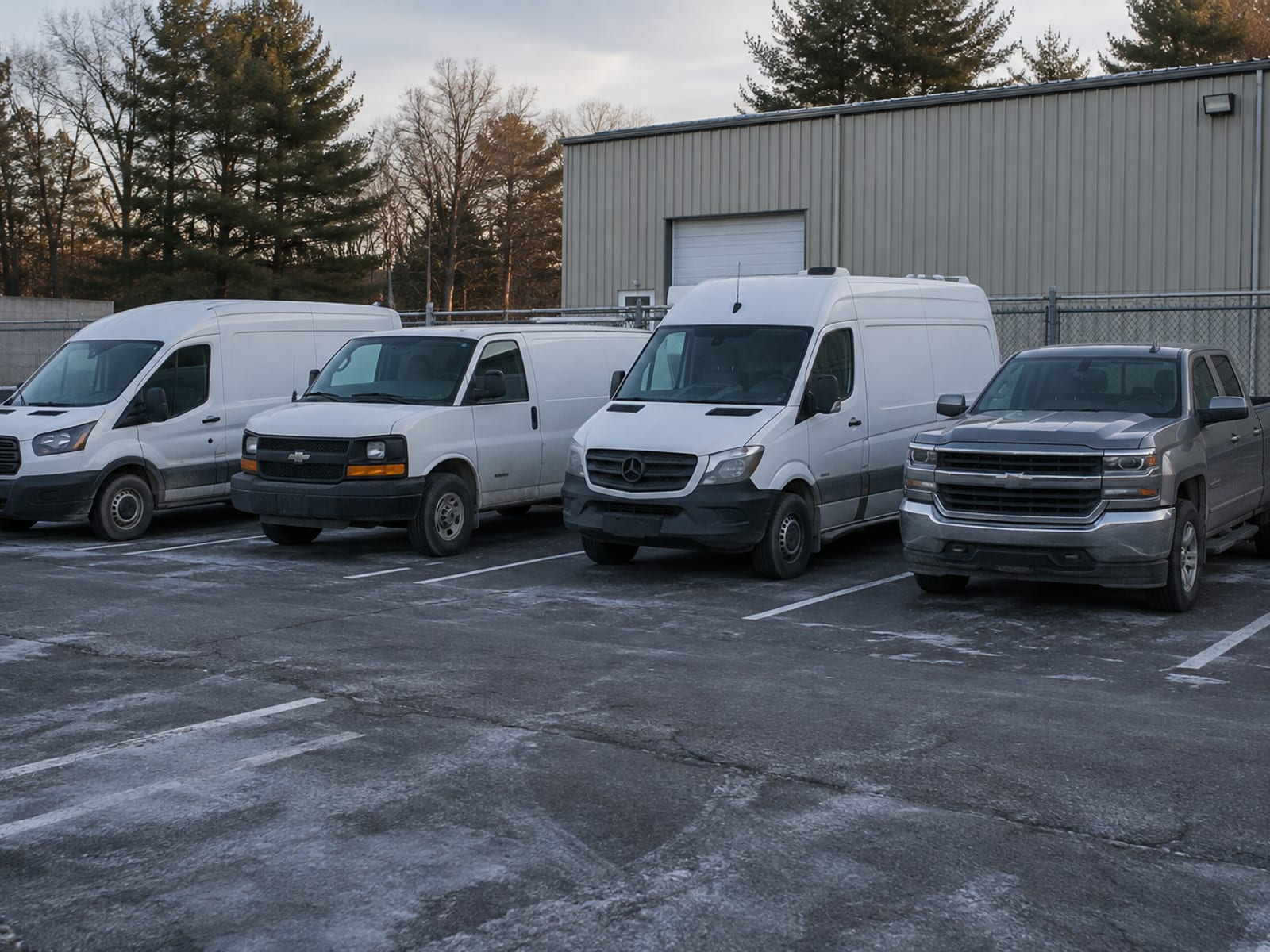
- Employees drive it, or the business runs several vehicles.
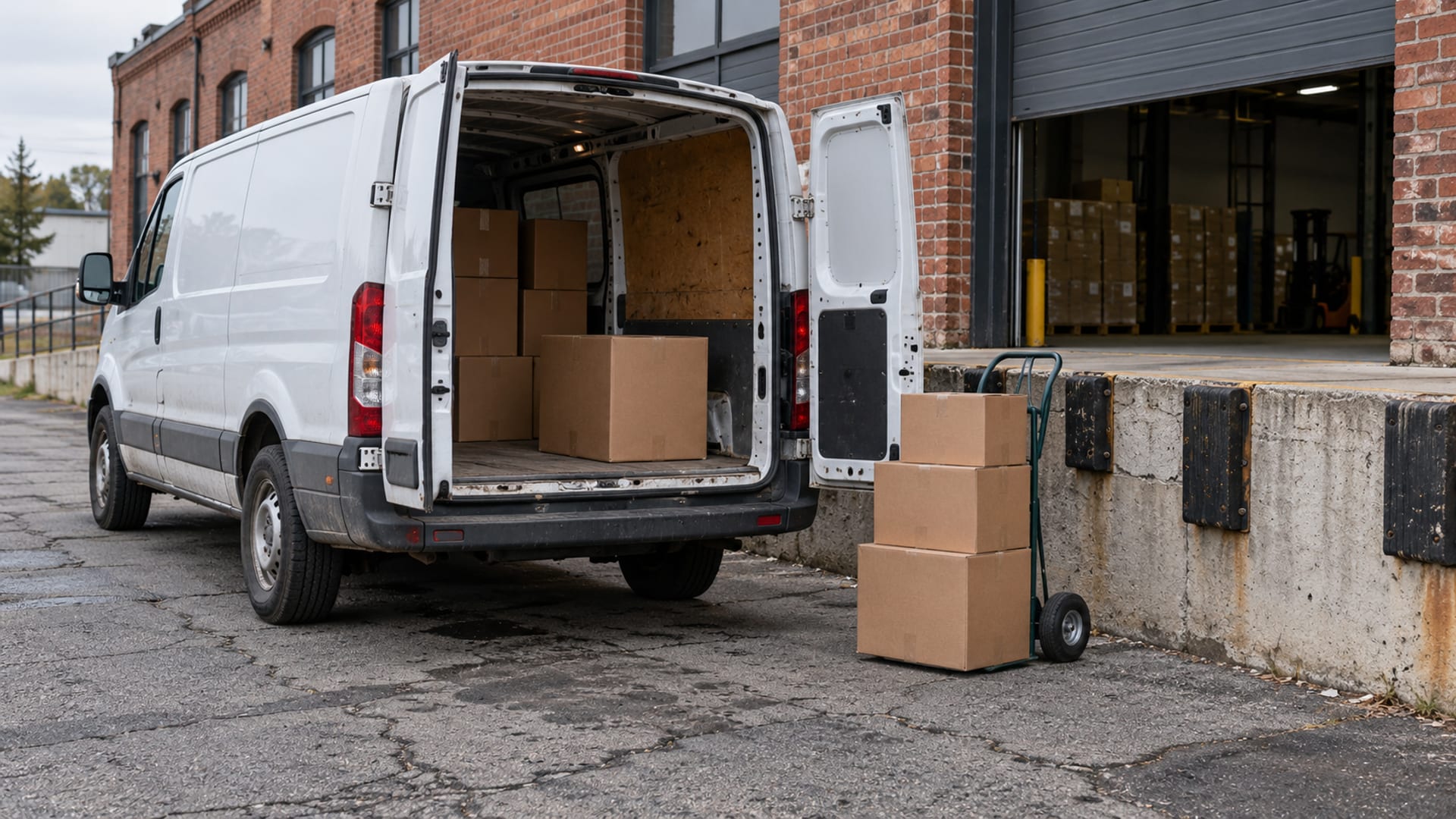
- It carries paying passengers or delivers goods, food, documents or merchandise.
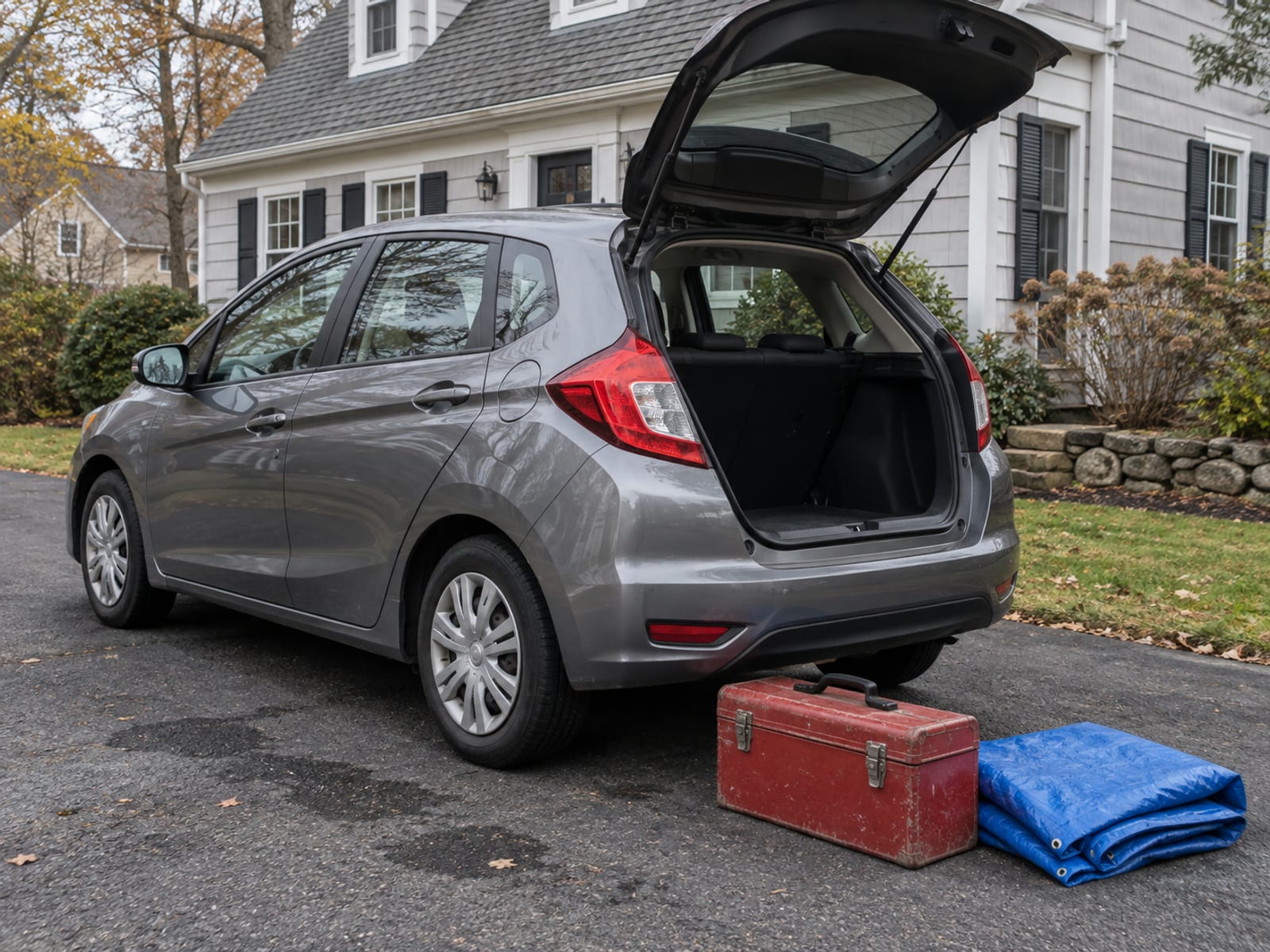
- It carries tools, equipment or permanently attached business property.
- It is a van, truck, specialty vehicle or heavier vehicle.
- It is used mainly or regularly for business.
- A customer, lender, landlord or contract requires commercial coverage or a certificate of insurance.
- The business rents vehicles, or employees use their own cars for company errands.
- The work involves interstate commerce, hazardous materials or federal motor-carrier rules.
What business auto coverage includes
The Business Auto Coverage Form organizes coverage through "covered-auto symbols," which name the categories of vehicles that qualify, such as specifically described autos, owned autos, hired autos and non-owned autos, according to Triple-I (opens in a new tab). The symbols on your policy decide which vehicles count.
A business auto policy may include liability for injury and property damage caused by a covered auto; physical damage, such as collision and comprehensive, if selected; medical payments where included; uninsured and underinsured motorists coverage where required or selected; and hired and non-owned auto liability. The declarations, symbols, exclusions, endorsements, deductibles and state rules all limit it. It does not automatically cover cargo, tools, employee injuries or every vehicle the business uses. A business owners policy generally does not cover vehicles either, so auto exposure needs its own coverage, as covered in what insurance a small business needs.
Hired and non-owned auto for employees and rentals
Hired and non-owned auto coverage addresses the business's liability when it uses vehicles it does not own. "Hired" means vehicles the business rents, leases or borrows. "Non-owned" means vehicles used for the business that it does not own, including employees' personal cars on company errands, according to the NAIC (opens in a new tab).
Think of an employee driving to the bank, a salesperson visiting customers, a contractor renting a van, or a business renting a car for a work trip. This coverage protects the business. It does not insure the employee's car for physical damage, replace the employee's personal policy, or cover every cargo or business-property loss.
State, federal and contract requirements
State rules differ. TNC laws may set separate limits for waiting and accepted rides, and commercial vehicle minimums can differ from personal auto minimums based on vehicle type, passenger capacity, cargo, the type of operation and whether you cross state lines.
Interstate and foreign-commerce motor carriers must meet federal financial-responsibility requirements under 49 CFR Part 387. Examples from the FMCSA's insurance filing requirements (opens in a new tab), as of October 2, 2026:
Hover or tap a row to highlight it.
| Carrier type | Minimum |
|---|---|
| For-hire property carrier, nonhazardous, GVWR under 10,001 pounds | $300,000 |
| For-hire property carrier, GVWR 10,001 pounds or more | $750,000 |
| For-hire passenger carrier, 15 or fewer passengers | $1.5 million |
| For-hire passenger carrier, 16 or more passengers | $5 million |
| Certain hazardous materials operations | $1 million or $5 million, by material and operation |
Requirements vary by entity type, cargo, operating authority and vehicle type, and Part 387 does not reach every local business vehicle or every delivery driver. Separately, lenders, leases and customer contracts can set their own insurance terms, so read them before you choose coverage.
What commercial auto costs
Cost depends on the number of vehicles, the coverage you choose and the vehicle type. For context, Insureon's small-business customers paid an average of $245 per month for commercial auto insurance, with annual premiums ranging from under $375 to over $16,000, as reported March 4, 2026 by Insureon (opens in a new tab). Those figures are averages across one company's customers, not a quote or an expected price for you. An agent can price your situation from your vehicles, drivers and use.
Questions to ask an agent
Bring the owner and titleholder, every driver, the vehicle type and weight, mileage, territory, cargo, passenger use, delivery use, app periods, employee use, rented vehicles and any contract requirements. Then ask:
- How is my vehicle classified: personal, commuting, business, delivery or passenger for hire?
- Does my personal policy exclude business use, delivery, livery or rideshare activity?
- What covers me while the app is off, open and waiting, en route, and carrying a passenger or delivery?
- Does a rideshare endorsement cover food or package delivery?
- Does the platform policy apply first, as excess, or only after another policy?
- Does any coverage pay for damage to my own vehicle?
- Who is the named insured if I own the vehicle but work through a business?
- Are employees and their personal cars included for business errands, and are rented vehicles covered?
- Which covered-auto symbols apply?
- Are tools, equipment, attached items or cargo covered?
- Does a customer, lender, lease or contract require a certificate or specific wording?
- Do state commercial rules or FMCSA rules apply to my operation?
Check the agent's license with the insurance department in the state where you are buying (opens in a new tab). In Connecticut, anyone selling, soliciting or negotiating insurance must hold the right license, and the Connecticut Insurance Department's licensing page (opens in a new tab) links to a license lookup. For a complaint in Connecticut, use the online form, email insurance@ct.gov, or call 800-203-3447 or 860-297-3900, with the insurer, insurance type, policy number, your contact information and a summary, per the complaint process page (opens in a new tab). Other states run their own license lookups and complaint systems.
Check what you know about commercial auto insurance
Frequently asked questions
Short answers to related questions about business driving.
Does my employer's policy cover my car when I drive for work?
An employer's hired and non-owned auto coverage protects the business's liability, not your car. Your personal policy still matters for your own vehicle, so ask both your employer and your insurer how work errands are handled.
Does a commercial auto policy cover my tools and equipment?
Not automatically. Ask whether tools, equipment, permanently attached items or cargo are covered under the auto policy or need separate coverage.
Do I need commercial auto if I just drive to a job site?
Commuting is treated differently from using the vehicle to do business, according to the Utah Insurance Department (opens in a new tab). Describe your actual driving to your insurer, since its classification decides how the policy applies.
Does the business have to be named on the policy?
If the business owns or leases the vehicle, the business should be listed as the principal insured, according to the NAIC (opens in a new tab). For a car in your own name used by your business, ask the insurer who should be named.
Your next step
Write down every way you and anyone else use the vehicle, including each app phase, and take that list to a licensed agent. The Riskado agency directory lists insurance agencies across the US. If you lend the vehicle to others, does car insurance follow the car or the driver covers permission and household drivers, and if you are hiring help, do I need workers' comp for one employee covers the employee side.
Terms used in this guide
Tap a term to see what it means.
Commercial auto insurance. Coverage for vehicles a business owns, leases or uses, often written on the Business Auto Coverage Form.
Public or livery conveyance. Carrying people for a fee, which the standard personal auto policy commonly excludes.
Transportation network company (TNC). A rideshare platform; state TNC laws set coverage minimums for each phase of a ride.
Contingent coverage. Coverage that pays only after another policy.
Rideshare endorsement. An addition to a personal policy meant to fill the gap between platform and personal coverage.
Business-use endorsement. An addition to a personal policy that may handle occasional or specified business use.
Covered-auto symbols. Numbers on a business auto policy that name the categories of vehicles that qualify.
Hired and non-owned auto. Coverage for the business's liability when it uses vehicles it rents, leases, borrows or does not own.
Certificate of insurance. A document showing that stated coverage exists, often required by a customer, lender or landlord.
Principal insured. The person or business listed first on the policy; a business that owns or leases the vehicle should be listed.