Does Car Insurance Follow the Car or the Driver: Lending Your Car, Borrowing One, and Who Pays
Riskado
Car insurance generally starts with the car. When someone borrows your car with your permission and causes a covered accident, your auto policy on that car usually responds first to the liability claim. The borrower's own auto policy, if they have one, may then add excess coverage on top, subject to its terms. That order can change. Regular use, living in your household, a named-driver exclusion, driving without permission, business or delivery use, and your state's laws can all shift who pays. Before you hand over the keys, confirm the driver, the permission, the planned use and your policy wording with your insurer or agent.
Key takeaways
- The car's policy firstWhen someone borrows your car with permission and causes a covered accident, your policy on that car usually responds first to the liability claim.
- The borrower's policy secondThe borrower's own auto policy, if they have one, may add excess coverage on top, subject to its terms.
- What changes the orderRegular use, living in your household, a named-driver exclusion, driving without permission, business or delivery use and your state's laws can all shift who pays.
- Before you lendConfirm the driver, the permission, the planned use and your policy wording with your insurer or agent.
Which policy pays first
For liability, the usual personal auto setup is tied to the vehicle. The policy covering the car generally responds first when a permitted driver causes covered injury or property damage, according to the NAIC's consumer auto guide (opens in a new tab). The borrower's own policy may then apply as excess. Under the standard ISO personal auto policy, form PP 00 01 09 18 (one of the personal auto forms listed by the Nevada Division of Insurance (opens in a new tab)), coverage for a vehicle you do not own is excess over any other collectible insurance.
That same standard form extends liability coverage to "any person using your covered auto," along with the named insured, a resident spouse and family members, subject to the form's conditions and exclusions. Insurers can and do change the standard wording, so your own policy and endorsements are what count.
This is not one national rule. State financial-responsibility laws, owner-liability statutes, policy forms and endorsements can change the result. In New York, for example, a policy must cover incidental, nonbusiness use of a car you do not own when the use is permitted and the car is not furnished or available for your regular use, according to a New York Department of Financial Services legal opinion (opens in a new tab), which treats regular use as a fact question about how available the car is and how often it is driven.

Can my son drive my car if he is not on my insurance?
It depends mostly on where he lives and how often he drives. A son who visits and borrows the car now and then with permission is in a different spot from a licensed son who lives at home and can take the car whenever he likes.
Each state and each policy sets its own rules for household drivers, so being family does not, by itself, settle coverage. In Connecticut, for example, every licensed person in your household who has access to your insured cars generally must be listed as an operator, unless they can show they own a car and carry their own insurance, according to the Connecticut Insurance Department (opens in a new tab). Tell your insurer about any licensed driver in your home and ask how it treats occasional use, regular use and exclusions, and check your own state's rule with your state insurance department (opens in a new tab) or a licensed agent.
What counts as permission
Permission can be express, like saying "take the car to work," or implied from how you and the driver normally handle the car. The scope matters too. If you lent the car for one errand and it was used for a road trip, or someone took it without asking, coverage questions follow.
Permission also matters outside the policy, because some states make the owner liable for a permitted driver's negligence. Under New York Vehicle and Traffic Law § 388 (opens in a new tab), for example, every owner is liable for death, injury or property damage caused by negligent use of the car by anyone driving it with the owner's express or implied permission. Other states handle owner liability through their own statutes and case facts, so ask an agent or attorney in your state how it applies to you.
If you want certainty about a particular loan, ask your insurer whether your policy sets any condition on permission, including whether it needs to be in writing.
Named-driver exclusions
A named-driver exclusion removes a specific person from your policy's coverage. It is the opposite of permissive use, and depending on the policy and state, it can wipe out liability, physical damage, medical and other coverage whenever that person drives.
The rules come from each state:
- Texas: A named-driver exclusion must name each excluded driver, cannot exclude a class of drivers, and must be accepted in writing by the named insured. Extra steps apply if it is meant to reach personal injury protection or uninsured and underinsured motorist coverage, according to the Texas Department of Insurance (opens in a new tab).
- Maryland: An excluded driver cannot legally drive the insured car unless they get their own auto policy. If they drive it anyway and cause an accident, the policy provides no coverage for damage to other people, their property or your car, according to the Maryland Insurance Administration's auto guide (opens in a new tab).
- Connecticut: You can ask whether a named-driver exclusion is available, while licensed household drivers with access generally still must be listed, according to the Connecticut Insurance Department (opens in a new tab).
If your policy has an exclusion, giving the excluded person the keys does not bring coverage back. Read the endorsement and your state's rule before anyone excluded drives.
Hover or tap a row to highlight it.
| State | Rule | Source |
|---|---|---|
| Texas | Must name each excluded driver, cannot exclude a class of drivers and must be accepted in writing by the named insured; extra steps apply for PIP and UM/UIM | Texas Department of Insurance (opens in a new tab) |
| Maryland | An excluded driver cannot legally drive the insured car without their own policy; if they do and cause an accident, the policy provides no coverage for damage to other people, their property or your car | Maryland Insurance Administration (opens in a new tab) |
| Connecticut | You can ask whether a named-driver exclusion is available, while licensed household drivers with access generally still must be listed | Connecticut Insurance Department (opens in a new tab) |
Regular use and long-term borrowing
Occasional borrowing and regular use are treated differently. The standard personal auto form excludes liability coverage for a car, other than your covered auto, that is owned by, furnished to or available for the regular use of you or a family member. In practice, a borrower who drives your car every day may not be able to lean on their own policy at all.
What counts as regular use turns on the facts, such as how available the car is and how often it is driven. If a relative is borrowing your car for a month while theirs is in the shop, or a friend now uses it as their everyday car, call your insurer and describe the arrangement before it starts.
Delivery, work and rideshare
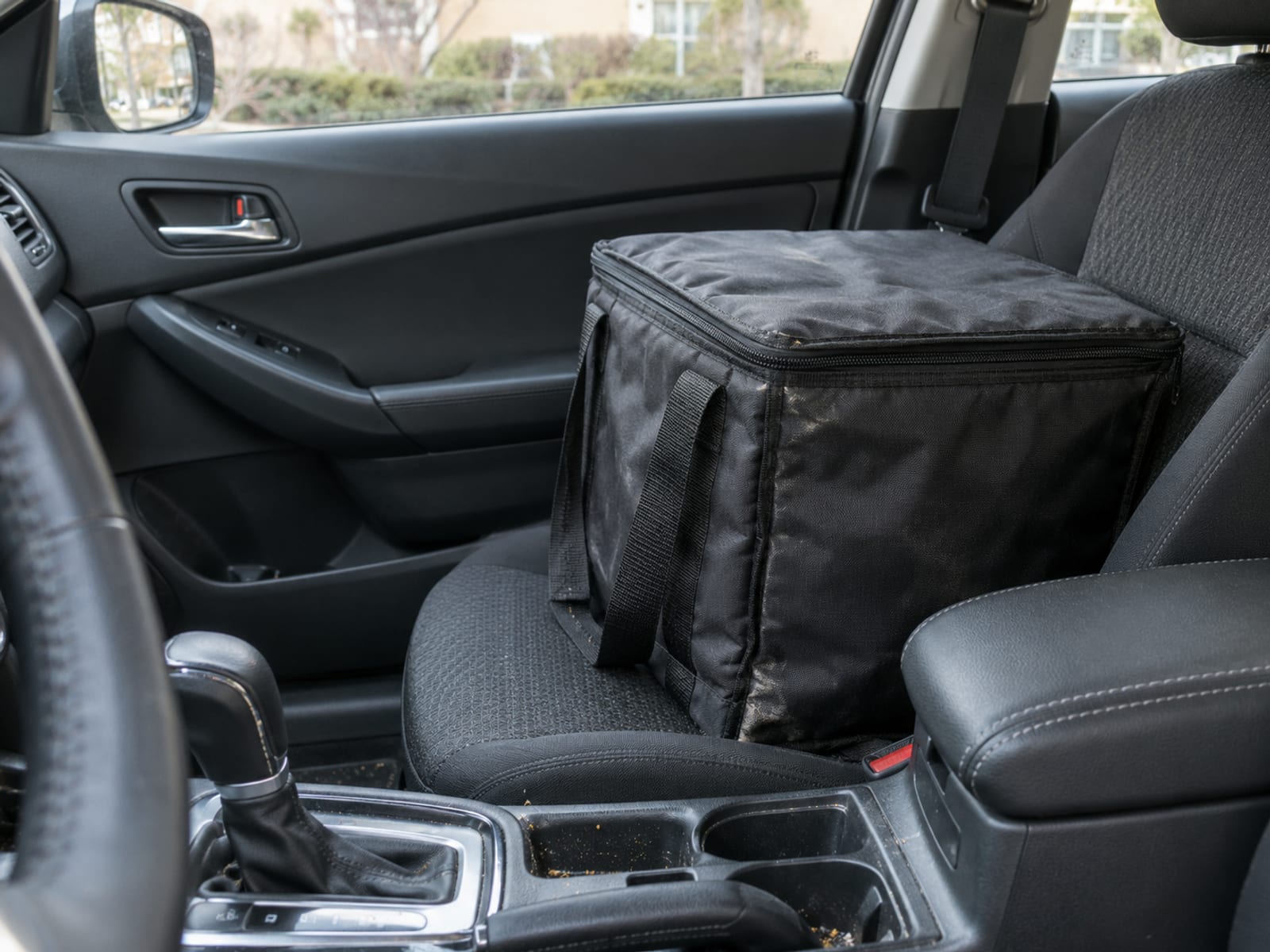
Personal auto policies generally exclude business activities such as pizza delivery, according to the Connecticut Insurance Department (opens in a new tab). They also commonly exclude carrying people or goods for pay, and rideshare exclusions can reach liability, personal injury protection, collision, comprehensive, and uninsured or underinsured motorist coverage, according to the NAIC (opens in a new tab).
So, if the borrower plans to use your car for a delivery app, a rideshare platform or work errands, ask your insurer first. The answer may involve an endorsement or a separate policy, which the commercial auto insurance guide covers.
If damages exceed the limits, or the borrower has no insurance
A policy pays only covered damages, only up to its limits, and only within its exclusions and conditions. If a borrower causes damages above your liability limits, the people responsible may face the rest personally, and in states with an owner-liability statute, the owner can face liability as well. Ask your agent whether your current limits fit the people who drive your car, and the umbrella insurance guide covers how extra liability coverage sits over an auto policy.
If the borrower has no insurance of their own, there may be no excess policy to step in after yours. If your policy excludes the driver, the use or the car, coverage may be denied or limited. Uninsured motorist coverage protects you and your passengers when an uninsured or hit-and-run driver injures you. It does not replace the liability coverage owed to people the borrower hurts.
Damage to your own car
Liability coverage pays for harm to other people and their property, not for your car. Damage to your own car falls under physical damage coverage, such as collision and comprehensive, if you carry it. Ask your insurer whether your collision coverage applies when someone else is driving, which deductible applies, and whether the borrower's own policy has any role.
PIP and no-fault rules by state
Personal injury protection and no-fault rules vary a great deal from state to state.
- New York: Basic no-fault coverage pays up to $50,000 per person for economic losses to the driver and passengers injured in the car and to pedestrians it injures. It does not pay for vehicle repairs. For a New York accident, you generally file with the insurer of the car you were in; for an accident outside New York while you are in another car, you generally file with your own insurer, according to the New York Department of Financial Services (opens in a new tab). Household-policy rules apply in some uninsured situations. Riskado's guide to New York no-fault insurance covers the details.
- New Jersey: PIP pays medical and related expenses for covered people regardless of fault. Some policyholders can name their health insurer as primary for medical care, with auto PIP secondary, under the state's option rules, according to the New Jersey Department of Banking and Insurance (opens in a new tab).
- Pennsylvania: The state uses its own first-party benefits structure and election rules. Confirm how they apply to a borrowed car with the Pennsylvania Insurance Department and your policy.
Your state's minimums and coverages are laid out in the Riskado state guides, such as Connecticut car insurance requirements and New Jersey car insurance requirements, and your state insurance department (opens in a new tab) publishes its own minimums.
Hover or tap a row to highlight it.
| State | How it works | Source |
|---|---|---|
| New York | Basic no-fault pays up to $50,000 per person for economic losses to the driver, passengers and pedestrians, not vehicle repairs; for a New York accident you generally file with the insurer of the car you were in | New York Department of Financial Services (opens in a new tab) |
| New Jersey | PIP pays medical and related expenses regardless of fault; some policyholders can name their health insurer as primary, with auto PIP secondary | New Jersey Department of Banking and Insurance (opens in a new tab) |
| Pennsylvania | Its own first-party benefits structure and election rules apply | Pennsylvania Insurance Department and your policy |
Can a borrowed-car accident affect your insurance?
Yes, it can. An accident by someone you lent your car to can become a claim on your policy and part of your claims history. Driving record and claims history are rating factors, according to the NAIC (opens in a new tab). Insurers vary in how they treat claims, but an insurer may reevaluate rates after a claim where its driver was mainly at fault, and several accidents or serious violations may lead to nonrenewal, according to Triple-I (opens in a new tab). The effect depends on your state's law, the insurer's filed rating plan, fault, the type and size of the claim, and the policy's renewal rules.
Questions to ask your agent before lending the car
- Is this driver covered in this specific car?
- How does my policy treat occasional borrowing versus regular use?
- Must a licensed driver in my household be listed?
- Is anyone excluded by name on my policy?
- Does permission need to be in writing?
- Which uses are excluded, including delivery, business or rideshare?
- If the borrower has their own policy, which pays first, and what does theirs exclude?
- Does my collision coverage apply when someone else drives?
- How are PIP, medical payments, and uninsured and underinsured motorist benefits handled?
- What should be reported after an accident, and how quickly?
- Would a claim from a permitted driver affect my renewal?
- Which state's rules apply if the accident happens elsewhere?
Get the answers in writing if you can, and keep them with your declarations page. Check the agent's license through your state insurance department's lookup, which you can reach from the NAIC's directory of state insurance departments (opens in a new tab). If a problem with your insurer stays unresolved, first ask the insurer or agent to fix it and keep their response, then file a complaint with your state insurance department; most accept complaints online, by mail or by phone, according to the NAIC complaint guide (opens in a new tab).
Check what you know about lending and borrowing a car
Frequently asked questions
Short answers to related questions about lending and borrowing cars.
Does the borrower's insurance pay after my limits run out?
It may, if the borrower has a policy that covers cars they do not own and nothing in it excludes the use. Under the standard form, that coverage is excess over other collectible insurance, so it applies after yours.
Does a friend need to be listed on my policy for a weekend loan?
An occasional, permitted loan to someone outside your household is generally handled through your policy's permissive-use wording. Ask your insurer to confirm, especially if the friend has no policy of their own.
What if my car is in an accident in another state?
The rules of the state where your car is principally garaged and where the accident happens can both matter. Ask your insurer which state's rules apply and how your coverage adjusts out of state.
Does my policy cover a car I borrow?
Your policy may extend to a car you do not own as excess coverage, as long as the use is permitted and the car is not furnished or available for your regular use. Ask your insurer whether any exclusion, such as business use, applies to the trip you have in mind.
Your next step
Before the next time you lend or borrow a car, bring the questions above to your insurer or agent with your declarations page in hand. If you want a licensed agent to walk through your policy, the Riskado agency directory lists insurance agencies across the US. For renting rather than borrowing, does car insurance cover rental cars covers what changes at the counter.
Terms used in this guide
Tap a term to see what it means.
Permissive use. Driving someone else's car with the owner's express or implied permission.
Excess coverage. Coverage that applies after another policy's coverage, such as a borrower's policy on top of the car owner's.
Named-driver exclusion. An endorsement that removes a specific person from a policy's coverage.
Regular use. Use of a car that is furnished or available to a driver on an ongoing basis, which the standard form treats differently from occasional borrowing.
Household driver. A licensed person who lives in your home and has access to your insured cars.
Owner liability. A state rule, such as New York's, that makes the owner liable for negligent use by a permitted driver.
Personal injury protection (PIP). No-fault coverage for medical and related expenses that varies by state.
Declarations page. The page of your policy that lists your coverages, limits and deductibles.