Does Car Insurance Cover Rental Cars: What Your Policy, Your Card and the Rental Counter Each Pay For
Riskado
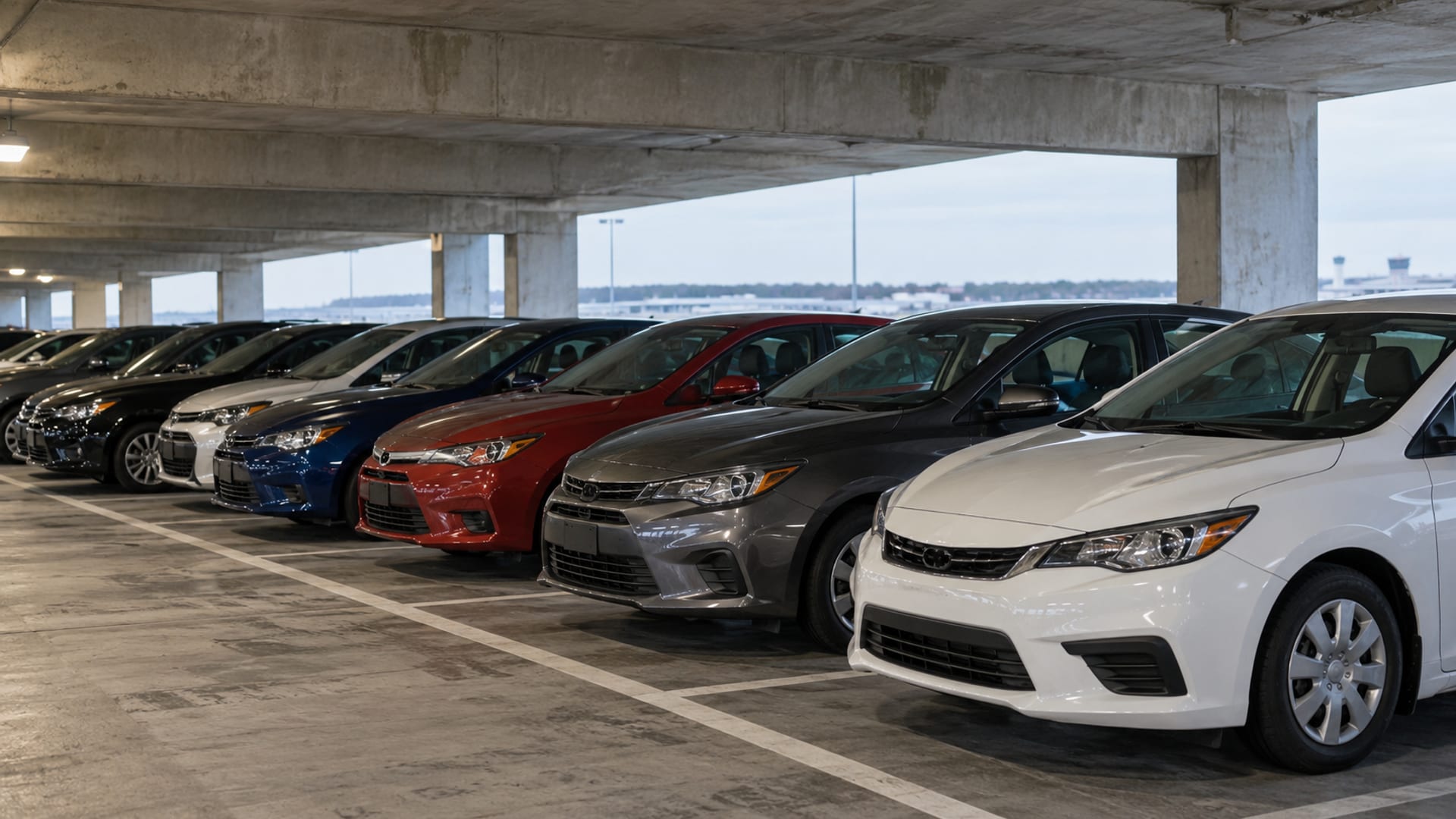
Your car insurance may cover a rental car, but not automatically, and not for every rental, every use or every charge. Your liability coverage may extend to injuries or damage you cause to other people. Collision and comprehensive coverage may extend to damage to the rental or its theft, if your policy's rental or non-owned-auto wording applies, and your deductibles usually come along too. Fees like loss of use, diminished value, towing, storage and administrative charges may be treated differently. Rental reimbursement is a separate coverage that helps pay for a rental while your own car is in the shop after a covered loss. Before you sign at the counter, check three documents: your policy, your card's benefit guide and the rental agreement.
Key takeaways
- Not automaticYour car insurance may cover a rental car, but not for every rental, every use or every charge.
- LiabilityYour liability coverage may extend to injuries or damage you cause to other people.
- Damage to the rentalCollision and comprehensive may extend to damage to the rental or its theft if your policy's rental or non-owned-auto wording applies, and your deductibles usually come along too.
- Extra feesLoss of use, diminished value, towing, storage and administrative charges may be treated differently.
- Rental reimbursementA separate coverage that helps pay for a rental while your own car is in the shop after a covered loss.
- Three documentsCheck your policy, your card's benefit guide and the rental agreement before you sign at the counter.
What your personal auto policy may cover
Start with your declarations page, since it shows which coverages you bought, your limits and your deductibles. Then look at how your policy treats a rental. A personal auto policy may reach a rental through two kinds of wording. A temporary substitute is generally a car you use while your own covered car is out of service for repair, servicing, breakdown, loss or destruction. A rental for a vacation, when your own car is fine, may instead be treated as a non-owned auto.
The two halves of your policy do different jobs. Liability coverage answers for injury or property damage you cause to others. Damage to the rental car itself falls under physical damage coverage: collision for crash damage, and comprehensive for theft, vandalism, weather, animal strikes and other non-collision losses, as defined by the Connecticut Insurance Department (opens in a new tab). If you carry liability only, your policy does not automatically protect the rental car itself. If you carry collision and comprehensive, the same deductible you would pay on your own car may apply to the rental.
Some states set rules by law. Texas requires personal auto policies to define a temporary vehicle and provide specified primary coverage for legal liability and damage to that vehicle, according to the Texas Department of Insurance (opens in a new tab). Minnesota requires auto policies to cover rental-vehicle damage, loss of use and related coverages by state law, according to the Minnesota Attorney General (opens in a new tab). Elsewhere, your insurer's form and your state's amendments decide how a rental is treated.
Charges your policy may not pay
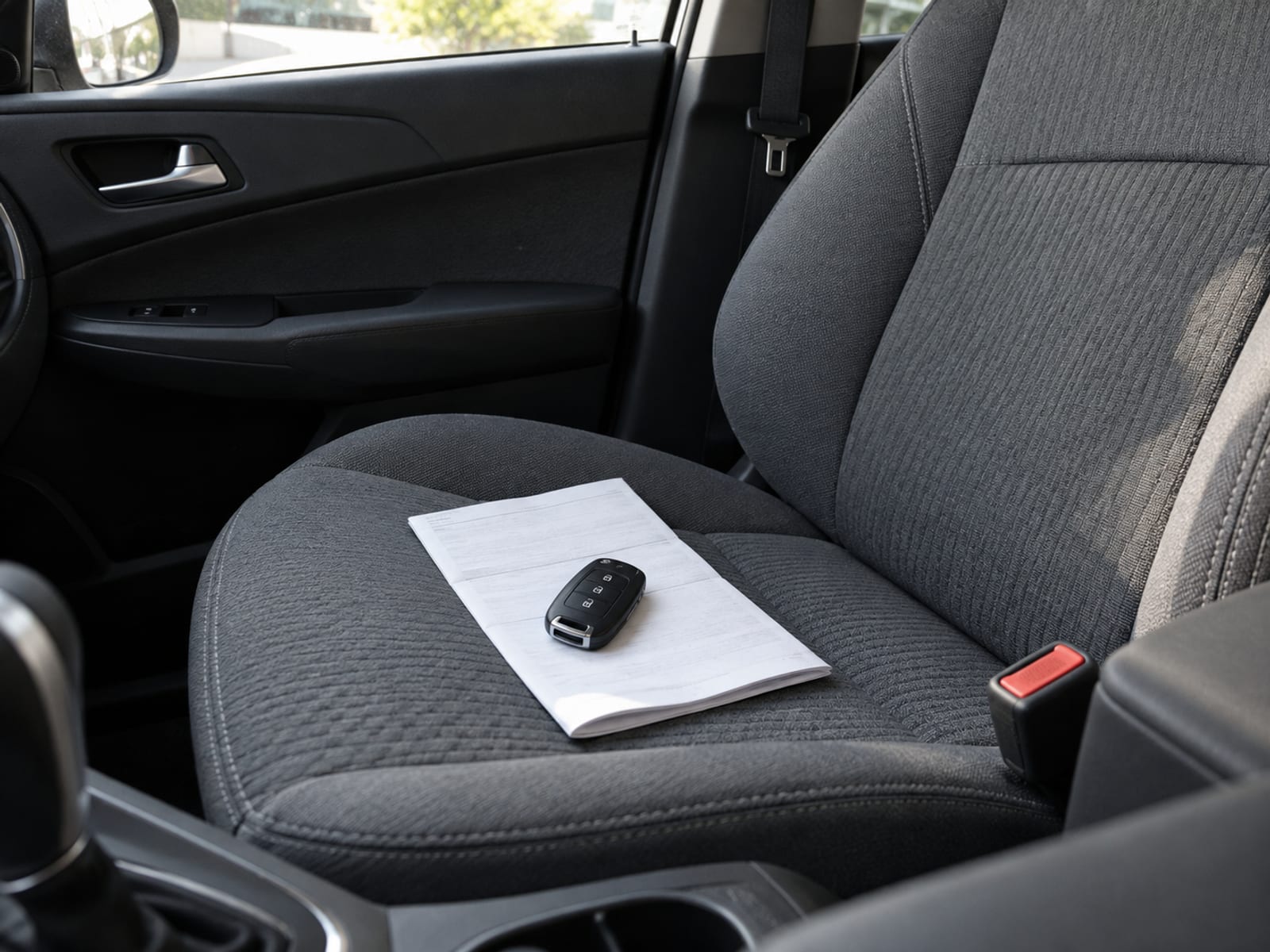
Even when coverage carries over, a damage bill from a rental company can include more than repairs. Auto policies may not cover rental-agency administrative fees, towing, loss of use or diminished value, according to the Wisconsin Department of Agriculture, Trade and Consumer Protection (opens in a new tab). Loss of use is the rental company's charge for the days the car sits in the shop instead of earning rent. Diminished value is the drop in the car's resale value after a repair.
Other gaps to ask about include storage and impound charges, damage while an unauthorized driver was behind the wheel, damage during a use the rental agreement prohibits, and vehicles your policy excludes, such as certain trucks, vans, recreational vehicles or luxury cars. Ask your insurer or agent about each of these for the specific car you plan to rent.
Rental reimbursement while your own car is repaired
Rental reimbursement is a different coverage from protection for a rental car you damage. It pays for a rental when your insured car has a loss covered by collision or comprehensive, or is disabled, according to the Connecticut Insurance Department (opens in a new tab). It has a daily limit and a total limit. Coverage ends when your car is repaired, the loss is paid, or the stated number of days runs out, whichever comes first, according to the California Department of Insurance (opens in a new tab). Your declarations page or the endorsement shows your own limits.
If another driver caused the crash, their insurer may owe you for transportation or loss of use, and each state's law and insurance department (opens in a new tab) set what is owed. For example, in Connecticut a legally at-fault party's insurer must undertake to pay for loss of use when liability is reasonably clear, and loss of use means the reasonable value of being without your car during the repair or replacement period, even if you did not rent one, according to Connecticut Insurance Department Bulletin CL-1-07 (opens in a new tab). Ask the at-fault driver's insurer what it pays and for how long.
Renting on vacation, out of state, in Canada or abroad
Your policy's territory decides where coverage applies. A policy may extend while you travel within the United States and may treat Canada differently. International coverage is not automatic. Traditional rental agencies and personal vehicle-sharing programs may also be handled differently by insurers and card companies, according to the California Department of Insurance (opens in a new tab). A card benefit that covers a rental abroad does not prove your auto policy does.
Before an out-of-country trip, confirm the states and countries your policy allows, whether Canada is included, whether liability and physical damage both apply there, whether the rental company requires local liability coverage, and whether your card benefit excludes the country or the vehicle.
What your credit card may cover
Card rental benefits vary by issuer and card, so the current benefit guide for your card is the document that counts. Benefit guides commonly set terms on whether the benefit is primary or secondary, physical damage and theft protection, towing or loss of use, paying for the entire rental with the eligible card, declining the rental company's collision damage waiver, rental length, excluded vehicles and countries, authorized drivers, and notice deadlines.
Primary coverage pays first. Secondary coverage pays after your own auto insurance, which can mean your deductible or charges your policy leaves out.
One published example shows how specific these terms get. Visa's March 2022 auto rental terms (opens in a new tab) cover covered rental-car damage for rentals of up to 31 days and require you to decline the rental company's CDW. The Visa Infinite auto rental guide (opens in a new tab) excludes personal liability, injuries, damage to other vehicles or property, diminished value, and certain vehicles and uses. Card benefits generally protect the rental car, not your liability to other people, so a card does not replace liability insurance.
The rental counter products, and where they overlap
The counter usually offers four products. Each one covers a different risk.
- Collision damage waiver (CDW) or loss damage waiver (LDW): an agreement by the rental company to pay for covered damage to the rental car. It is a contractual waiver, not ordinary auto insurance, and it does not pay for injuries or damage to personal property, according to the FTC (opens in a new tab). The waiver may be voided by reckless driving, intoxication, an unauthorized driver or other prohibited conduct.
- Supplemental liability protection: adds to liability protection for injury or property damage claims involving other people. It does not cover damage to the rental car.
- Personal accident insurance: addresses accidental injury or death of the renter or passengers, subject to its terms.
- Personal effects coverage: protects against loss of or damage to the belongings of the renter or passengers during the rental, as described in the Connecticut Insurance Department's rental-car permit materials (opens in a new tab).
These products can overlap with what you already carry: your auto liability, collision and comprehensive, health insurance or medical payments coverage, homeowners or renters insurance for belongings, employer or commercial auto coverage, and your card's rental benefit. Overlap is not the same as a match, though. Compare limits and exclusions in each document before you accept or decline one at the counter.
Hover or tap a row to highlight it.
| Product | What it covers | What to know |
|---|---|---|
| Collision damage waiver (CDW) or loss damage waiver (LDW) | The rental company's agreement to pay for covered damage to the rental car | A contractual waiver, not ordinary auto insurance; it does not pay for injuries or damage to personal property, and reckless driving, intoxication, an unauthorized driver or other prohibited conduct may void it |
| Supplemental liability protection | Added liability protection for injury or property damage claims involving other people | It does not cover damage to the rental car |
| Personal accident insurance | Accidental injury or death of the renter or passengers | Subject to its terms |
| Personal effects coverage | Loss of or damage to the belongings of the renter or passengers during the rental | Compare it with homeowners or renters insurance for belongings |
How states regulate damage waivers
Damage-waiver rules come from the state where you rent. Three examples show the range.
Connecticut: Under Conn. Gen. Stat. § 14-15b (opens in a new tab), a collision damage waiver is a contractual provision in which the rental company waives claims against you for damage to the rental. The rental contract must conspicuously disclose that your personal auto policy may cover collision, fire, theft and personal injury, along with the annualized waiver rate and liability provisions.
New York: N.Y. Gen. Bus. Law § 396-z (opens in a new tab) caps the daily price of optional vehicle protection at $9, $12 or $15 per full or partial 24-hour rental day, depending on the car's manufacturer's suggested retail price, with separate treatment for cars above $50,000 MSRP. It requires your written agreement to buy, limits damage charges to actual and reasonable costs, restricts loss-of-use and related administrative fees, and requires disclosure that your auto insurance or credit card may cover the rental. For after-hours or automated returns, a damage claim generally must come within 10 days after return or recovery. Rules as of October 2, 2026.
California: Rental companies offering damage waivers must disclose your liability and its scope, the possible role of your personal insurance or the card you used, your option to buy a waiver, and the range of waiver charges, under California Assembly Bill 2747 (opens in a new tab). A damage waiver is distinct from travel insurance, according to the California Department of Insurance (opens in a new tab).
If you rent in another state, check that state's insurance department or statute for its rules.
Hover or tap a row to highlight it.
| State | Rule | Source |
|---|---|---|
| Connecticut | The rental contract must conspicuously disclose that your personal auto policy may cover collision, fire, theft and personal injury, with the annualized waiver rate and liability provisions | Conn. Gen. Stat. § 14-15b (opens in a new tab) |
| New York | Optional vehicle protection capped at $9, $12 or $15 per full or partial 24-hour rental day by MSRP, with separate treatment above $50,000 MSRP; written agreement required; after-hours damage claims generally within 10 days | N.Y. Gen. Bus. Law § 396-z (opens in a new tab) |
| California | Rental companies offering damage waivers must disclose your liability, the possible role of your insurance or card, your option to buy a waiver and the range of waiver charges | California Assembly Bill 2747 (opens in a new tab) |
If you do not own a car, or you are renting for work
The rental company's basic agreement may not give you all the liability or physical damage protection you need. A non-owner policy may provide liability coverage for someone who drives regularly but does not own a car, subject to its terms. It generally does not insure the rental car itself for physical damage unless the policy says so.
For business travel, a personal auto policy generally will not apply, according to the Utah Insurance Department (opens in a new tab), so check with your employer before you rent. The coverage that responds may be your employer's business auto policy or hired and non-owned auto coverage. If you own the business, the commercial auto guide covers how business use affects coverage for your own vehicles.
What to do after damage or theft
Act in this order, as far as you safely can:
- Get everyone to safety.
- Call police when required or appropriate, especially after a theft or a crash.
- Notify the rental company promptly and follow the rental agreement.
- Photograph the car, the scene, the damage, road conditions and your documents.
- Notify your auto insurer if its policy may apply, and your employer or its insurer for a business rental.
- Notify your card's benefit administrator within its deadline.
- Request the accident report, rental agreement, repair estimate, itemized repair bill, police report and any demand letter.
- Keep your declarations page showing your coverages, limits, deductibles and effective dates.
- Log every call, email, claim number and payment demand.
Card deadlines can be tight. The Visa business auto rental guide (opens in a new tab), for example, calls for notice as soon as possible and no later than 45 days, a claim form postmarked within 90 days, and supporting documents within 365 days, subject to stated exceptions. Your own card's current guide sets your deadlines. The car insurance claim guide walks through the auto-policy side of a claim.
Example card claim deadlines from the Visa business auto rental guide
- NoticeAs soon as possible and no later than 45 days.
- Claim formPostmarked within 90 days.
- Supporting documentsWithin 365 days, subject to the guide's stated exceptions.
If a claim stalls, keep your policy, rental agreement, letters, estimates, bills, photos and a timeline. Record your communications, give a factual account, quote the policy language where you can, state the outcome you want, and file with your state insurance department, as the NAIC complaint guide (opens in a new tab) outlines. To check that an agent is licensed, use your state insurance department's license lookup (opens in a new tab).
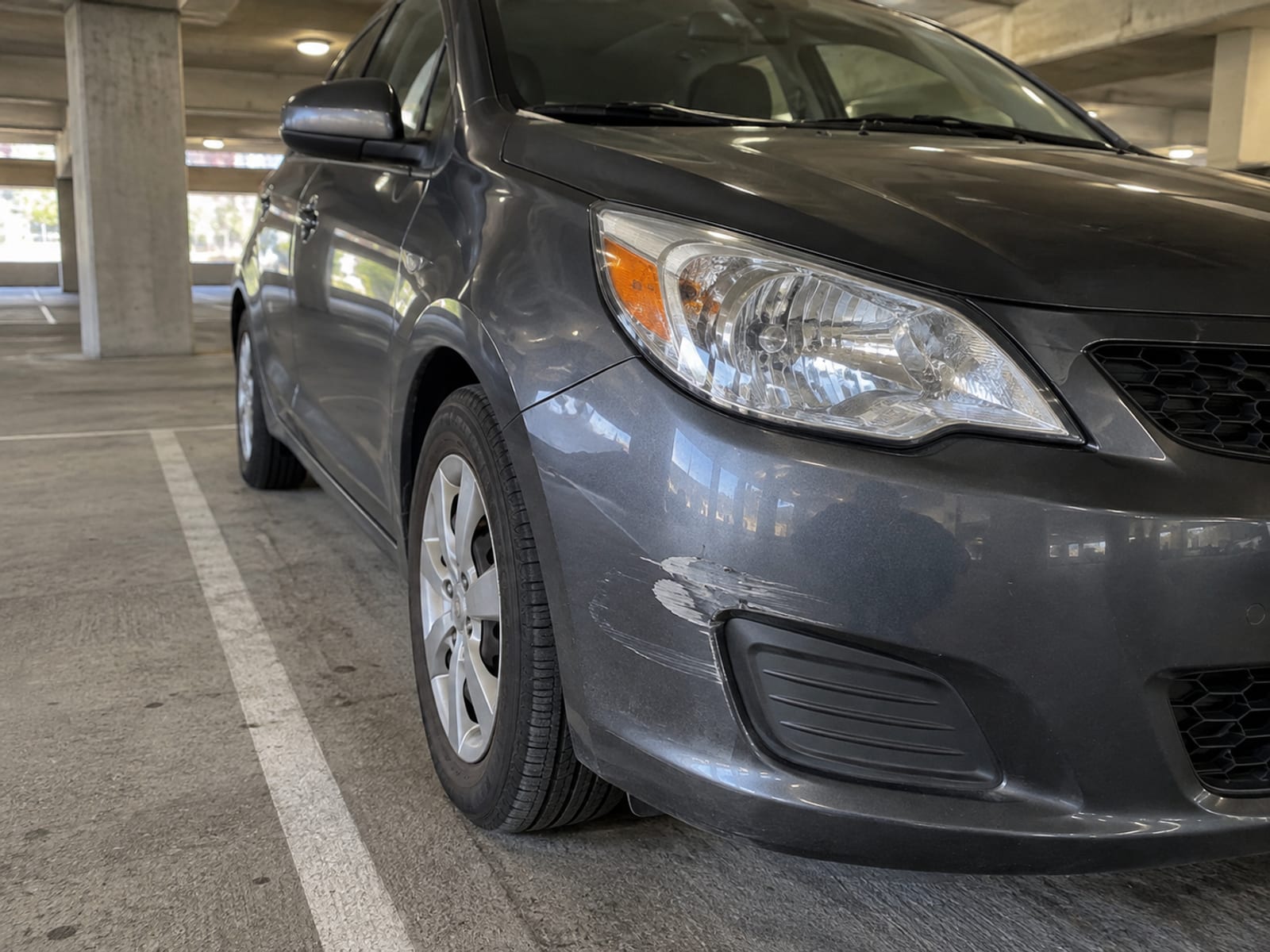
Questions to ask before you pick up the car
Ask your auto insurer or agent:
- Does my liability coverage extend to this rental?
- Do collision and comprehensive apply to damage to and theft of the rental?
- Which deductible applies?
- Are loss of use, diminished value, administrative fees, towing, storage or impound charges covered?
- Are there exclusions for this vehicle, this country, business use or this rental length?
- Does my rental reimbursement apply to this rental, or only while my car is being repaired?
Ask your card issuer:
- Is the benefit primary or secondary?
- Must I decline CDW or LDW and pay for the whole rental with this card?
- Which vehicles, countries, drivers and rental lengths are excluded?
- Is liability included, and are loss of use, towing, administrative fees or diminished value included?
- What are the notice and claim-document deadlines?
Ask the rental company:
- What exactly does the CDW or LDW waive, and what voids it?
- What limit and exclusions apply to supplemental liability?
- What do personal accident and personal effects coverage include?
- What charges can you assess after damage, and which drivers and uses are authorized?
Check what you know about rental car coverage
Frequently asked questions
Short answers to related questions about rental coverage.
Does liability-only insurance cover damage to a rental car?
Liability coverage answers for injury or damage you cause to others, not damage to the rental itself. Protection for the rental car comes from collision and comprehensive coverage that extends to the rental, a card benefit or the rental company's waiver.
Do I have to decline the CDW to use my credit card coverage?
Many card benefits require it, including Visa's March 2022 terms (opens in a new tab). Your card's current benefit guide decides, so read it before you reach the counter.
Does my coverage continue if I extend the rental?
It depends on your policy's wording and your card's rental-length limit, such as the 31-day limit in Visa's March 2022 terms. Ask your insurer and card issuer before you extend.
What if someone else drives the rental?
An unauthorized driver can void a rental company waiver, according to the FTC (opens in a new tab), and card benefits set their own authorized-driver conditions. List every driver on the rental agreement and ask your insurer whether its coverage follows them.
Your next step
Pull your declarations page and your card's benefit guide before your next rental, and bring the questions above to your insurer or agent. If you want a licensed agent to go through your auto policy with you, the Riskado agency directory lists insurance agencies across the US. The guide to how much car insurance you need covers the limits and coverages that carry into a rental, and does car insurance follow the car or the driver covers lending and borrowing cars.
Terms used in this guide
Tap a term to see what it means.
Declarations page. The page of your policy that shows which coverages you bought, your limits and your deductibles.
Temporary substitute. Generally a car you use while your own covered car is out of service for repair, servicing, breakdown, loss or destruction.
Non-owned auto. A car you drive but do not own, such as a vacation rental, under your policy's wording.
Collision. Physical damage coverage for crash damage.
Comprehensive. Physical damage coverage for theft, vandalism, weather, animal strikes and other non-collision losses.
Loss of use. The rental company's charge for the days the car sits in the shop instead of earning rent.
Diminished value. The drop in the car's resale value after a repair.
Rental reimbursement. Coverage that pays for a rental when your insured car has a covered loss or is disabled, up to a daily and total limit.
Collision damage waiver (CDW). The rental company's contractual agreement to pay for covered damage to the rental car; it is not ordinary auto insurance.
Primary coverage. Coverage that pays first.
Secondary coverage. Coverage that pays after your own auto insurance.
Non-owner policy. A policy that may provide liability coverage for someone who drives regularly but does not own a car.