New York Car Insurance Lapse: Daily Penalties, Suspensions, and How to Clear It With the DMV
Riskado
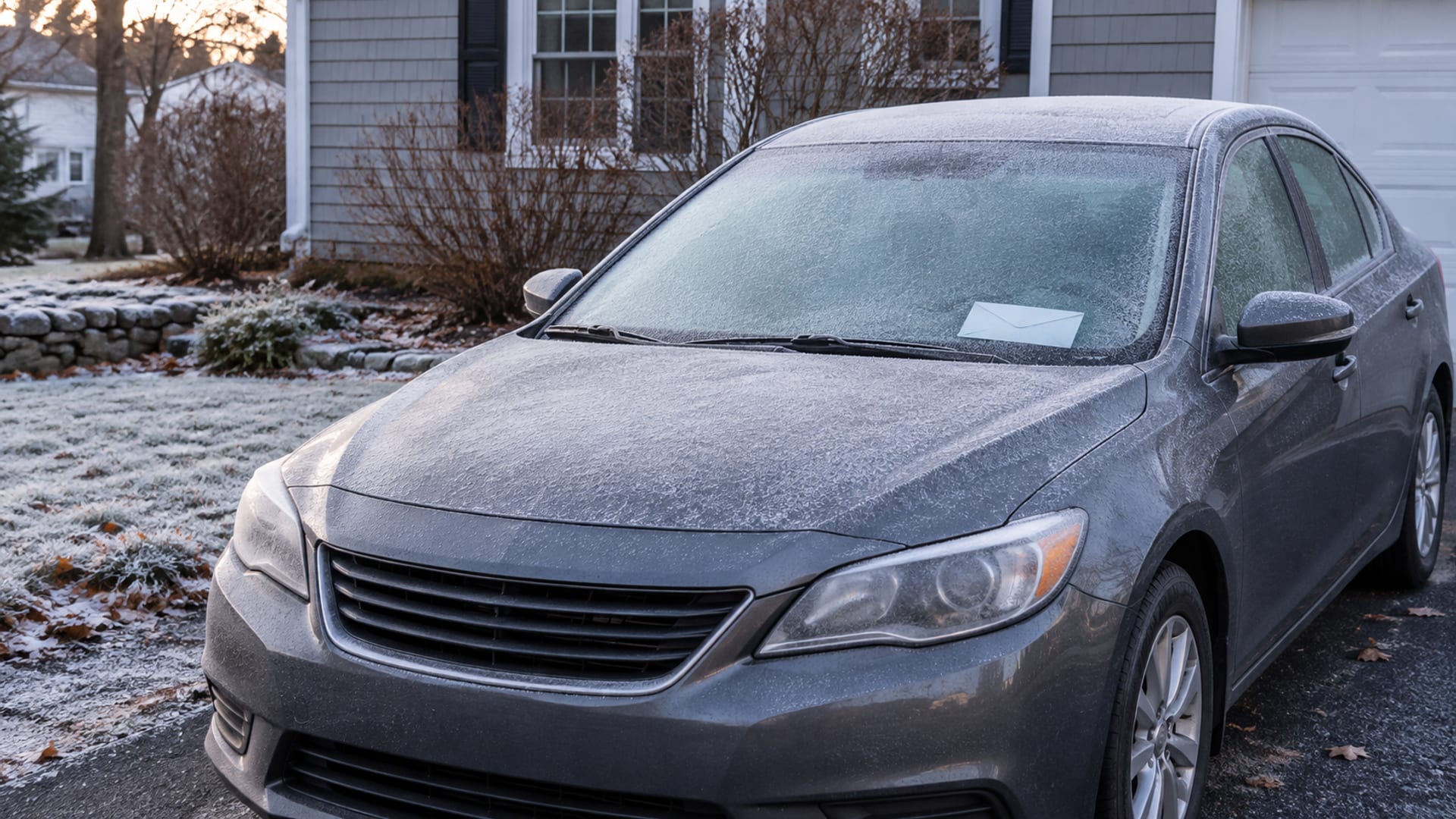
A New York insurance lapse happens when a vehicle is still registered but has no required liability insurance. For an eligible lapse of 90 days or less, the DMV civil penalty (opens in a new tab) is $8 per day for days 1 through 30, $10 per day for days 31 through 60, and $12 per day for days 61 through 90, which adds up to $900 for a full 90 days. That option is not available for a lapse longer than 90 days, and at 91 days or more the driver license can be suspended too. If you have a DMV letter in hand, answer it quickly, call your insurer, and stay off the road until you know your coverage and driving privileges are in good standing. If coverage is ending and nothing replaces it, surrender the plates before the policy ends.
Key takeaways
- What a lapse isA registered vehicle with no required liability insurance.
- The daily penalty$8 per day for days 1 through 30, $10 for days 31 through 60 and $12 for days 61 through 90, or $900 for a full 90 days.
- The 90-day lineThe civil-penalty option is not available for a lapse longer than 90 days, and at 91 days or more the driver license can be suspended too.
- If a DMV letter arrivesAnswer it quickly, call your insurer and stay off the road until your coverage and driving privileges are confirmed.
- If coverage is endingSurrender the plates before the policy ends.
How much is the NY insurance lapse penalty?
The penalty is charged by the day, and the daily rate steps up as the lapse gets longer, according to the NY DMV (opens in a new tab) and Vehicle and Traffic Law § 318 (opens in a new tab).
Hover or tap a row to highlight it.
| Lapse period | Rate |
|---|---|
| Days 1 through 30 | $8 per day |
| Days 31 through 60 | $10 per day |
| Days 61 through 90 | $12 per day |
A full 90-day lapse totals $900: $240 for the first 30 days, $300 for days 31 through 60, and $360 for days 61 through 90. The rates apply to each tier, so a 45-day lapse is 30 days at $8 plus 15 days at $10.
The civil-penalty option is unavailable if you already used it for another registration suspension within the previous 36 months. It is also unavailable when the lapse runs past 90 days.
Any stretch when a registered vehicle has no insurance can count as a lapse, according to the DMV (opens in a new tab). That includes the gap between a cancellation and a new policy, the time before plates are surrendered, and the days after a registration is issued but before coverage starts. Insurers report when coverage begins, ends, or is reinstated, and Vehicle and Traffic Law § 313 (opens in a new tab) requires them to do it electronically. That report is how the DMV learns of a lapse.
What happens when the lapse reaches 91 days?
At 91 days or more, the DMV suspends the driver license (opens in a new tab) as well as the registration. The same suspension applies while the length of the lapse has not yet been determined. Vehicle and Traffic Law § 318 (opens in a new tab) requires a driver-license suspension when the registrant has not surrendered the plates or obtained financial security within 90 days.
People often mix up the two numbers, so keep them apart. The civil-penalty option ends after day 90. The driver-license suspension begins at day 91.
The registration suspension lasts for the determined uninsured period. Ending it can require surrendering the plates and paying a suspension termination fee, according to the NY DMV (opens in a new tab).
What should you do after receiving a DMV insurance lapse letter?
Read the letter closely and respond quickly, following the instructions printed on it, as the DMV (opens in a new tab) directs. Check the lapse dates it lists against your own records.
If you had coverage the whole time, call your insurer. Ask it to report the correct coverage or the reinstatement to the DMV electronically. Showing an insurance ID card is not enough, because the DMV counts coverage only when the insurer's electronic filing arrives.
If you sold the vehicle, send the DMV letter with proof of sale. The DMV lists (opens in a new tab) what the proof needs to show: the sale date, the seller's name and address, the buyer's name and address, and the vehicle's year, make, and VIN.
If the vehicle was stolen, impounded, or repossessed, send the documents the DMV asks for in your case. If you are told to pay a civil penalty, follow the payment instructions in your notice. If your registration or license is already suspended, proof can be submitted online through the DMV's suspension process (opens in a new tab).

Answering a DMV insurance lapse letter
- Read the letterNote the lapse dates and the instructions printed on it.
- Check the datesCompare the stated lapse dates with your own coverage records.
- Contact the insurerAsk it to electronically report active or reinstated coverage to the DMV.
- Gather proofCollect proof of sale, theft, impoundment or repossession if one of those applies.
- Pay or surrenderPay an eligible civil penalty as the notice instructs, or surrender the plates.
- Keep the receiptSave the FS-6T plate-surrender receipt and confirm whether a suspension termination fee is required.
Should you pay the civil penalty or surrender your plates?
Paying the civil penalty works only for an eligible lapse of 90 days or less that has not used the option within the past 36 months, under Vehicle and Traffic Law § 318 (opens in a new tab). If you fall inside those limits and the vehicle is insured again, paying clears the lapse.
If the vehicle will stay uninsured, the plates have to come off the road. Surrendering them ends the requirement to carry liability coverage on that registration. Waiting only lets the daily penalty grow, and a lapse that runs past 90 days takes the civil-penalty option off the table and puts the driver license at risk.
How do you surrender plates when the vehicle is stored, sold, or off the road?
A parked or stored car still needs liability insurance while it stays registered, according to the NY DMV (opens in a new tab). So the plates should be surrendered before the coverage ends, not after.
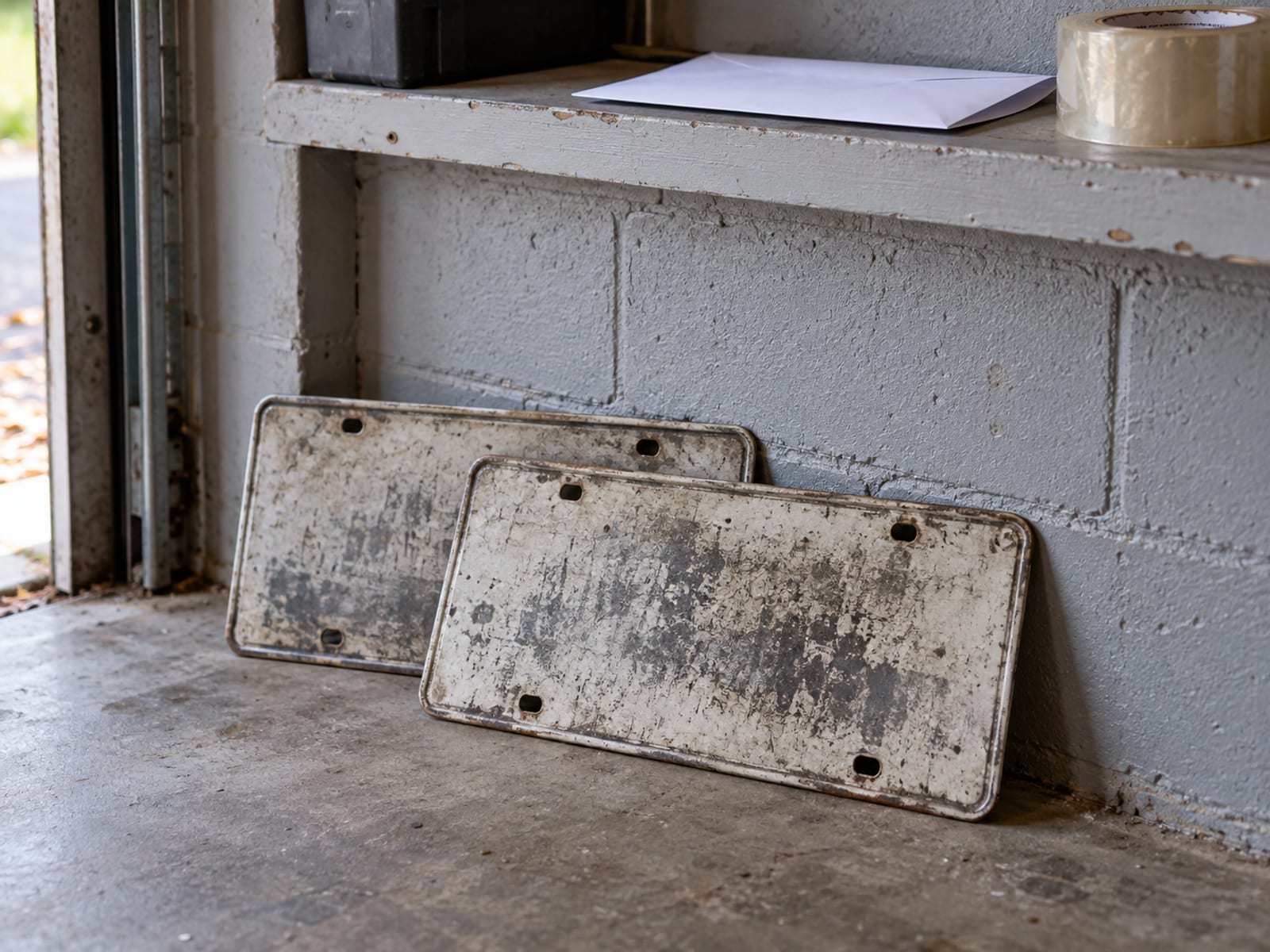
You can surrender plates at a DMV office or mail them with the completed PD-7 Plate Surrender Application (opens in a new tab). Surrendering by mail has no fee. The DMV mails an FS-6T receipt once it processes the plates, and you should keep that receipt as your record.
When you sell a vehicle, take the plates off. Either surrender them or move them straight to another vehicle. If a lapse letter shows up after the sale, send the letter with your sale documents, as described above.
Does New York give a grace period after cancellation for nonpayment?
There is no general period during which a registered vehicle can sit uninsured without DMV consequences. There is a notice period, though, and it is a different thing.
For a covered auto policy canceled for nonpayment, Vehicle and Traffic Law § 313 (opens in a new tab) makes 15 days' notice of cancellation sufficient. The notice must be mailed and must state the termination date. For other permitted reasons, the notice period is 20 days, and for a noncommercial personal auto policy that the insurer will not renew, notice comes 45 to 60 days before expiration. The Department of Financial Services (opens in a new tab) lists nonpayment among the permitted grounds for canceling a policy in the middle of its term.
Hover or tap a row to highlight it.
| Situation | Notice | Source |
|---|---|---|
| Cancellation for nonpayment | 15 days' notice | Vehicle and Traffic Law § 313 (opens in a new tab) |
| Cancellation for other permitted reasons | 20 days' notice | Vehicle and Traffic Law § 313 (opens in a new tab) |
| Nonrenewal of a noncommercial personal auto policy | 45 to 60 days before expiration | Vehicle and Traffic Law § 313 (opens in a new tab) |
The 15 days are notice before the cancellation, not a promise that a late payment brings the old policy back with no gap. After a cancellation takes effect, a payment can start a new policy instead, unless the insurer clearly confirms reinstatement without a lapse, according to DFS Opinion 11-05-02 (opens in a new tab). If you pay late, ask the insurer to confirm in writing which one you got.
How do you switch insurers without creating a lapse?
Set the new policy to start no later than the moment the old one ends. Under Vehicle and Traffic Law § 313 (opens in a new tab), when you buy another policy, the new one ends the prior policy for the vehicles both cover as of the new policy's effective date and hour. So the new policy's start time is the handoff point.
Before the old policy ends, confirm each of these:
- The new insurer has accepted your application.
- The exact effective date and time of the new policy.
- The exact cancellation date and time of the old policy.
- The new insurer will report the coverage to the DMV electronically.
If any gap remains between the two, keep the old coverage active until the new one takes over, or surrender the plates before the old coverage ends. An ID card in your wallet does not tell you whether the DMV received the insurer's report, so ask the insurer directly.
What happens if you drive uninsured?
Driving an uninsured vehicle can lead to an arrest or a ticket, vehicle impoundment, revocation or suspension of the registration and driver license, fines, and added DMV penalties, according to the NY DMV (opens in a new tab). Vehicle and Traffic Law § 318 (opens in a new tab) requires the DMV to revoke the registration and the driver license when it receives evidence that the owner drove, or let someone else drive, a vehicle without financial security.
These consequences come from a different track than the lapse penalty. The daily lapse penalty is an administrative DMV charge. Driving uninsured brings court and revocation consequences on top of it. The DMV says a traffic-court fine can reach $1,500 for driving without insurance or allowing someone else to drive the uninsured vehicle. After an uninsured-operation revocation, the DMV lists a $750 civil penalty to restore the license.
Questions to ask your insurer
These questions settle most lapse disputes, and they come straight from the DMV and DFS requirements:
- What is the exact effective date and hour of the new policy?
- What is the exact cancellation date and hour of the old policy?
- Has the insurer reported the new policy, or a reinstatement, to the DMV electronically?
- If the policy was canceled for nonpayment, what amount and cancellation date appear on the notice?
- If a payment was accepted after cancellation, is the original policy reinstated without a lapse, or was a new policy issued?
- Is the insurer licensed to provide New York liability coverage?
- Can the insurer confirm the transaction in writing?
- What should you do with the plates if coverage cannot begin right away?
Check what you know about New York insurance lapses
Frequently asked questions
How many days can you go without insurance in New York?
Any day a registered vehicle has no liability coverage can count as a lapse. The rules change at day 31, day 61, and day 91, so a short gap costs less than a long one, but none of it is free.
Can I pay the lapse penalty online?
Follow the payment instructions in the specific DMV notice you received, because they tell you how your case is handled. If your registration or license is already suspended, the DMV's suspension process (opens in a new tab) accepts proof online.
What if the uninsured vehicle was in a crash?
According to the DMV (opens in a new tab), the driver license and registration can be revoked for at least one year after a crash involving an uninsured vehicle. That consequence is separate from the lapse civil penalty.
Can I drive while a DMV insurance case is unresolved?
Wait until valid coverage and your driving privileges are confirmed. A suspended license or registration makes driving a separate problem on top of the lapse.
Terms used in this guide
Tap a term to see what it means.
Insurance lapse. A stretch when a registered vehicle has no required liability insurance.
Civil penalty. The daily DMV charge for an eligible lapse of 90 days or less.
Plate surrender. Turning the plates in to the DMV so the registration no longer requires liability coverage.
Financial security. The liability coverage New York requires on a registered vehicle.
Reinstatement. An insurer restoring a canceled policy; whether it happens without a lapse depends on the insurer's confirmation.
Nonrenewal. An insurer's decision not to renew a policy, which requires advance notice.