Environmental Insurance for Connecticut REIT Acquisitions: The Transfer Act and Its Replacement
Riskado
If you are buying, selling or refinancing Connecticut commercial property, the first environmental question is the transaction date. The Connecticut Transfer Act was the state's property-transfer system for certain industrial and commercial "establishments," and it required environmental disclosure and one of four prescribed forms for qualifying transfers that occurred before March 1, 2026, according to the Connecticut DEEP Property Transfer Program (opens in a new tab). On March 1, 2026, Connecticut's Release-Based Cleanup Regulations (opens in a new tab) took effect, and new releases now move through a release-based reporting and cleanup system. Obligations from qualifying earlier transfers can continue. From there, the establishment definition, existing DEEP filings, release status, LEP verification, recorded restrictions, the purchase agreement, the lender's requirements and the pollution policy wording decide what a buyer, seller, lender or insurer has to examine.
Key takeaways
- The dividing dateTransfer Act forms applied to qualifying establishment transfers before March 1, 2026; the Release-Based Cleanup Regulations took effect that day.
- Old filings still countObligations from qualifying earlier transfers, such as an open Form III or Form IV, can continue after the changeover.
- New releasesReleases discovered now move through a release-based system of reporting, immediate action, cleanup tiers and closure reports.
- What decides the answerThe establishment definition, DEEP filings, release status, LEP verification, recorded restrictions, the contract, the lender and the policy wording.
Does the Transfer Act still apply to this transaction?
Form filings are not required for establishment transfers after March 1, 2026, according to DEEP (opens in a new tab). Public Act 25-6 (opens in a new tab) tied the end of the old approach to the date the release-based regulations became effective, rather than the date they were adopted. A qualifying transfer before March 1, 2026 still needed its form, and documents submitted before 2026 remain available through DEEP's document search (DEEP frequently asked questions (opens in a new tab)).
So, a deal closing today sorts into two questions. The first is whether the property carries an old Form III or Form IV whose investigation, remediation, monitoring or restriction duties are still open. The second is whether any release has been discovered that the new rules reach. The national side of pollution coverage for REIT property, from CERCLA duties to claims-made terms, is in our guide to REIT environmental insurance; the sections that follow cover what Connecticut adds.
What the Transfer Act covered: establishments, transfers and the four forms
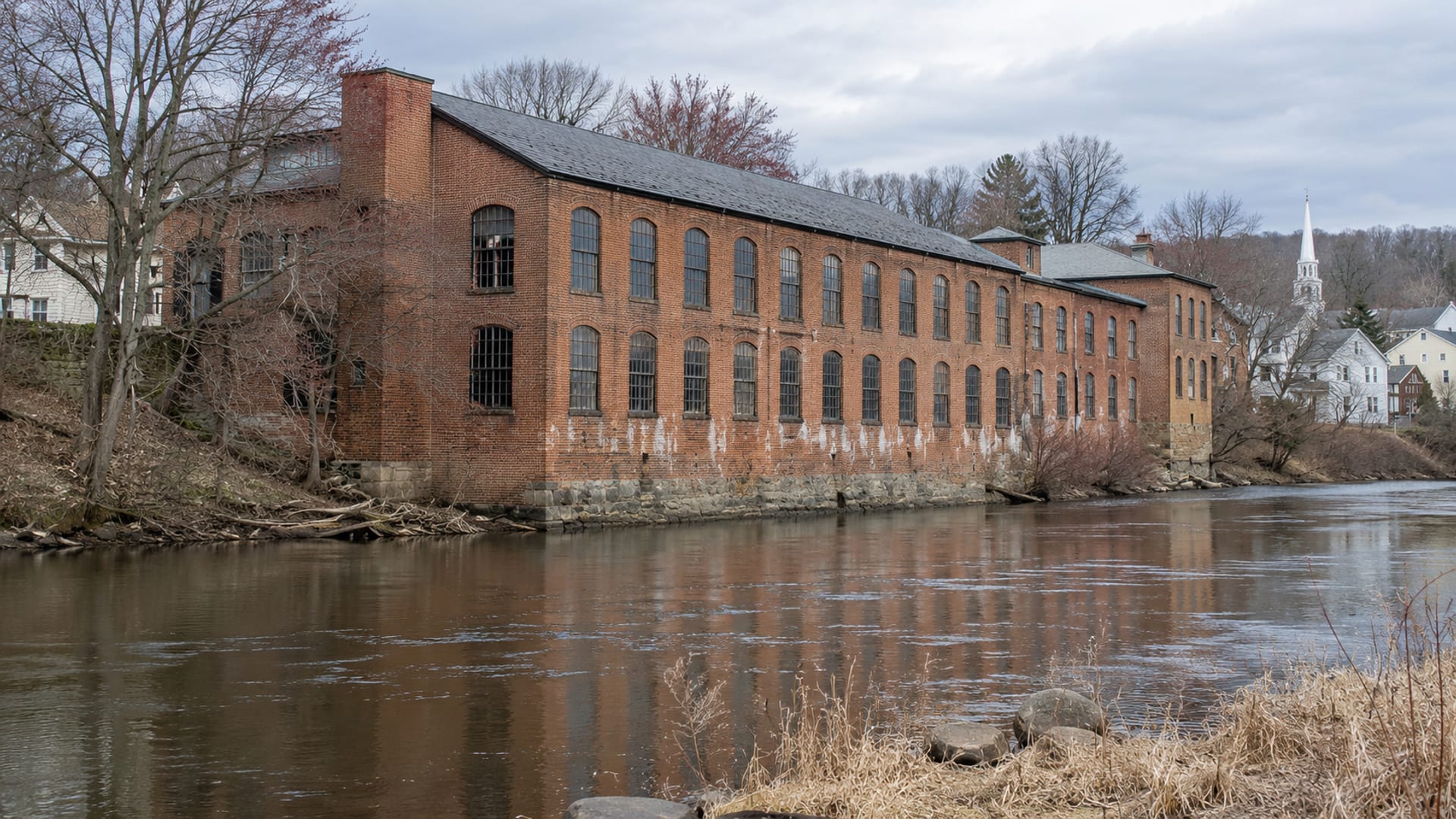
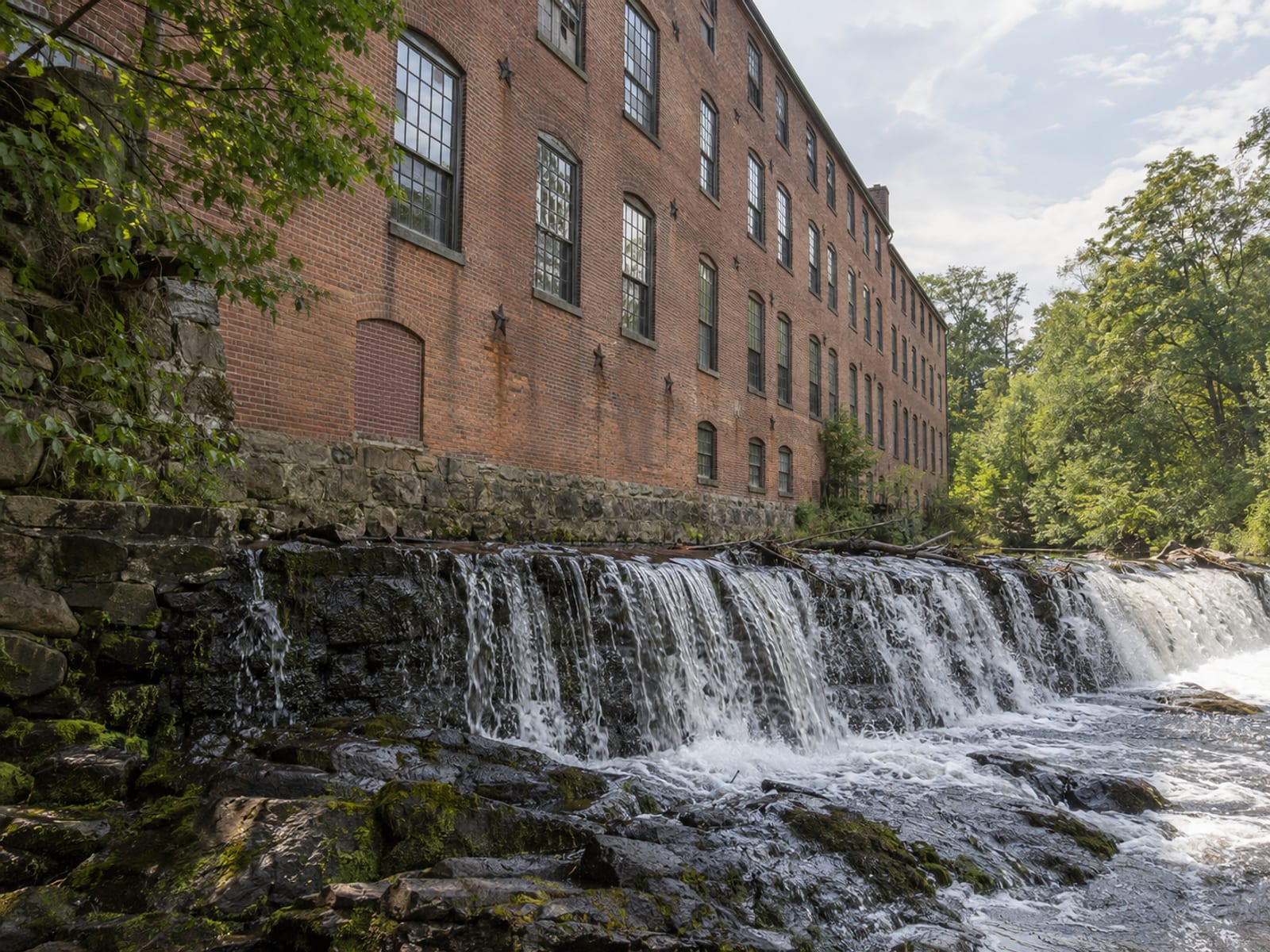
The Transfer Act applied to a defined "establishment," meaning real property or a business operation where specified activities took place (Conn. Gen. Stat. § 22a-134 (opens in a new tab)). DEEP's list includes generating more than 100 kilograms of hazardous waste in any month on or after November 19, 1980, other than waste from remediation; recycling, storing, handling, treating, transporting or disposing of hazardous waste generated elsewhere; and dry cleaning, furniture stripping or vehicle body repair on or after May 1, 1967. Connecticut's mill towns and manufacturing corridors are full of buildings with that kind of history. A transfer was a transaction or proceeding through which an establishment changed ownership, subject to statutory exclusions.
The four forms matched the property's condition, according to the DEEP form instructions (opens in a new tab):
- Form I: investigation showed no hazardous waste release, and either no hazardous substance release or one remediated to criteria and verified by a Licensed Environmental Professional (LEP).
- Form II: a release had occurred, but the pollution had been remediated to criteria with written DEEP approval or LEP verification.
- Form III: conditions were unknown, or pollution from a release had not been remediated to criteria. The certifying party agreed to investigate and remediate.
- Form IV: investigation and substantial remediation were complete, with monitoring or an Environmental Use Restriction still in place.
The transferor gave Form I or II to the transferee before the transfer; when neither could be given, Form III or IV was submitted before the transfer, and a copy generally went to DEEP within ten days after it (Conn. Gen. Stat. § 22a-134a (opens in a new tab)). The certifying party on a Form III or IV was a person associated with the transfer who signed the form and agreed to investigate the parcel and remediate pollution caused by releases from the establishment. On a Form I or II, the transferor signed the certification. A Form I covered the statutory conditions on the form, not every environmental liability a property could carry.
Which obligations survive the March 1, 2026 changeover
Existing Form III and Form IV obligations, including investigation, remediation, monitoring, verification and environmental restriction duties, can continue after the transition, according to DEEP (opens in a new tab). For Form III filings made after October 1, 2009, DEEP sets milestones counted from its acknowledgment of a complete form: investigation documentation within two years, remediation started within three years and remediation completed or verified within eight years (DEEP Property Transfer Program (opens in a new tab)).
Those dates are what a buyer reads in an old file. If a Form III was acknowledged in 2019, the file should show where the investigation, the start of remediation and the verification stand, and who signed as certifying party. The certifying party's agreement does not move to a buyer automatically; the purchase agreement, any assumption and the DEEP record show who carries it now.
Significant environmental hazard rules also changed. Beginning March 1, 2026, DEEP applies its Significant Environmental Hazard program only to newly discovered existing releases at Brownfields or Property Transfer Program sites; other newly discovered existing releases are handled as Significant Existing Releases under the new regulations. Certain unresolved hazard conditions may transition to the new regulations on or after March 1, 2028 (DEEP Significant Environmental Hazards (opens in a new tab)).
Hover or tap a row to highlight it.
| Event | Deadline | Source |
|---|---|---|
| Copy of Form I, II, III or IV to DEEP (pre-March 1, 2026 transfer) | Generally within 10 days after the transfer | Conn. Gen. Stat. § 22a-134a (opens in a new tab) |
| Form III investigation documentation | 2 years after DEEP acknowledges a complete Form III | DEEP Property Transfer Program (opens in a new tab) |
| Form III remediation started | 3 years after acknowledgment | DEEP Property Transfer Program (opens in a new tab) |
| Form III remediation completed or verified (filings after October 1, 2009) | 8 years after acknowledgment | DEEP Property Transfer Program (opens in a new tab) |
| Remaining release assigned to a cleanup tier | No more than 1 year after discovery | RCSA § 22a-134tt-6 (opens in a new tab) |
| Initial report of a specified release | As soon as possible, no later than 1 hour after discovery | RCSA § 22a-450-4 (opens in a new tab) |
| Initial report of certain releases not fully contained, removed or mitigated | No later than 2 hours after discovery | RCSA § 22a-450-4 (opens in a new tab) |
What replaced the Transfer Act
Public Act 20-9 (opens in a new tab), "An Act Revising Provisions of the Transfer Act and Authorizing the Development and Implementation of a Release-Based Remediation Program," created the statutory basis for release-based remediation in 2020. It prohibited creating or maintaining a release in violation of the new requirements and directed DEEP to adopt regulations on reporting, investigation, remediation, standards and verification. The codified provisions sit mainly in Chapter 445b, Sections 22a-134pp through 22a-134xx, including Conn. Gen. Stat. § 22a-134tt (opens in a new tab) on the regulations.
Two 2025 laws set the changeover. Public Act 25-6 (opens in a new tab) made the transition take effect when the regulations became effective and changed significant environmental hazard notification, with those notification provisions effective October 1, 2025. Public Act 25-54 (opens in a new tab) added statutory definitions and changed the Transfer Act transition language, with relevant amendments effective October 1, 2025. The regulations themselves became effective March 1, 2026.
How Connecticut moved from the Transfer Act to release-based cleanup
- 2020, Public Act 20-9Created the statutory basis for a release-based remediation program and directed DEEP to write its regulations.
- October 1, 2025, Public Acts 25-6 and 25-54Changed the transition language and significant environmental hazard notification; the transition now follows the regulations' effective date.
- March 1, 2026, Release-Based Cleanup RegulationsTook effect; Transfer Act forms are no longer required for establishment transfers after this date.
- On or after March 1, 2028Certain unresolved significant environmental hazard conditions may transition to the new regulations.
Who reports a release, and how fast
Under the new regulations, the person who created or is maintaining a newly discovered existing release reports it within the regulatory period (RCSA § 22a-134tt-3 (opens in a new tab)). The regulations sort releases into categories that include newly discovered existing releases, emergent reportable releases and significant existing releases. An emergent reportable release or a significant existing release requires immediate action, with the scope and timing set by its category and facts. The release is then characterized, and a release that remains and has not met the cleanup standards is assigned to a cleanup tier no more than one year after discovery (RCSA § 22a-134tt-6 (opens in a new tab)). The work ends with a release remediation closure report.
Connecticut's separate spill-reporting rule runs on hours, not months. An initial report is due as soon as possible and no later than one hour after discovery; for certain releases that have not been completely contained, removed or mitigated, it is due no later than two hours after discovery, and the rule requires immediate containment, removal or mitigation by properly trained personnel (RCSA § 22a-450-4 (opens in a new tab)).
Whether a condition is reportable depends on the substance, the quantity, the location, the pathway and the containment. An industrial past alone does not answer it, which is why the environmental consultant's findings and the regulatory category belong in the deal file before closing.
What an LEP verification settles
A Licensed Environmental Professional is the Connecticut-licensed consultant whose opinion carries weight with DEEP (Conn. Gen. Stat. § 22a-133v (opens in a new tab)). Under the Transfer Act, an LEP could investigate an establishment, prepare or oversee investigation and remediation documents, and verify that investigation and remediation met Connecticut's standards. A Form IV rested on an LEP verification that the work was complete except for monitoring or restriction duties.
Under the release-based program, an LEP verifies specific release records, including certain immediate action reports, tier assignments, changes in tier and release remediation closure reports (RCSA § 22a-134tt-11 (opens in a new tab)). Every verification is subject to DEEP's LEP Audit Program, which checks whether the opinion rested on a sound understanding of site conditions and met the statutes and regulations (DEEP LEP Program (opens in a new tab)). An LEP verification is a professional opinion. It is not an insurance policy, a seller indemnity or a statement that every environmental risk on the site is gone, so ask whether a verification is final or interim and whether DEEP has audited it.
Cleanup standards and recorded land use restrictions
Connecticut's Remediation Standard Regulations set soil and groundwater standards, with the governing statute at Conn. Gen. Stat. § 22a-133k (opens in a new tab). The criteria include Direct Exposure Criteria for people's contact with polluted soil, Pollutant Mobility Criteria to keep soil pollution out of groundwater, Groundwater Protection Criteria, Surface Water Protection Criteria and Volatilization Criteria for vapors that can move into buildings (DEEP cleanup standards (opens in a new tab)). The required level depends on groundwater classification, land use and nearby sensitive receptors. Industrial or commercial Direct Exposure Criteria can apply in specified cases when an Environmental Use Restriction blocks future residential use.
That restriction is where an acquisition plan meets the land records. An Environmental Land Use Restriction is an easement granted to the DEEP Commissioner and recorded on municipal land records; it can prevent specified uses or require specified activities (DEEP Environmental Land Use Restrictions (opens in a new tab)). Mortgages, leases, liens and other encumbrances generally must be subordinated to it unless the Commissioner waives that requirement, and the restriction binds successors and assigns (Conn. Gen. Stat. § 22a-133o (opens in a new tab)). A REIT that plans to convert a former industrial parcel to apartments, or a lender asked to subordinate its mortgage, reads the restriction before the loan documents are final. Our guide to Connecticut REIT lender insurance requirements covers the lender side.
Connecticut's environmental lien and significant environmental hazards
Money the DEEP Commissioner spends to contain or remove a spill, or to remove hazardous waste, becomes a lien against the real estate where the spill occurred or from which it came (Conn. Gen. Stat. § 22a-452a (opens in a new tab)). The lien takes effect only when a certificate of lien is filed in the land records of each town where the property sits and a copy is mailed to the owner of record and other interest holders, and the Commissioner gives notice of intent before filing. Under the same section, a lien against real estate transferred under the Transfer Act does not have priority over any previous transfer or encumbrance. The land records, the title commitment, DEEP's records and any certificate of lien show whether one exists; a property's former use does not.
A separate statute requires the owner of property that is the source or location of pollution causing a significant environmental hazard to notify DEEP after learning of it (Conn. Gen. Stat. § 22a-6u (opens in a new tab)). Reportable conditions include pollution in a drinking water well, polluted groundwater within fifteen feet of an occupied building with a short-term indoor air risk, polluted soil within two feet of the surface with a short-term contact risk, and vapors that pose an explosion hazard. A technical environmental professional who finds a qualifying hazard must tell the client and the owner, and the client may have to notify DEEP if the owner cannot be identified or does not report (DEEP Significant Environmental Hazards (opens in a new tab)).

Hover or tap a row to highlight it.
| Condition | Notice to DEEP | Source |
|---|---|---|
| Potential explosion hazard | Immediate verbal notice to DEEP and the local fire department, written notice within 5 days | DEEP fact sheet (opens in a new tab) |
| Drinking water well above the applicable standard | Verbal notice within 1 business day, written notice within 5 days | DEEP fact sheet (opens in a new tab) |
| Free product actively entering surface water | Notice within 1 day, written notice within 30 days | DEEP fact sheet (opens in a new tab) |
| Other reportable conditions | Generally written notice within 30 days | DEEP fact sheet (opens in a new tab) |
| Polluted surface soil with a direct exposure threat | Generally written notice within 90 days | DEEP fact sheet (opens in a new tab) |
Where federal CERCLA due diligence fits
Federal liability under CERCLA runs alongside Connecticut's programs. A bona fide prospective purchaser can buy property knowing of contamination and may avoid CERCLA owner or operator liability if it completes All Appropriate Inquiries before acquisition and meets continuing obligations such as taking reasonable steps on releases, cooperating with response actions and complying with land use restrictions (EPA (opens in a new tab)). EPA recognizes ASTM E1527-21 and ASTM E2247-23 as consistent with its rule (EPA All Appropriate Inquiries (opens in a new tab)).
Those protections are federal. A Phase I report does not by itself answer whether an old Transfer Act filing is open, whether a release must be reported to DEEP, which cleanup standard applies or whether an Environmental Land Use Restriction or state lien is recorded. The CERCLA side, including the full list of continuing obligations, is laid out in our REIT environmental insurance guide.
What environmental insurance adds to a Connecticut deal
Environmental insurance, also called pollution coverage, addresses loss from unexpected releases of pollutants that are typically excluded from general liability and property policies; covered categories can include bodily injury, property damage, cleanup costs and business interruption (NAIC (opens in a new tab)). The pollution exclusion is standard in many commercial general liability policies unless a provision restores coverage, and how a commercial property policy treats pollution is covered in our guide to REIT property insurance. The Connecticut Insurance Department reviews property and casualty rate, rule and form filings in the state (Connecticut Insurance Department (opens in a new tab)).
Listed REITs describe this coverage in their filings. Getty Realty's fiscal 2025 Form 10-K states that it bought a five-year pollution legal liability policy covering a subset of its properties for pre-existing unknown environmental liabilities and new environmental events, with a $25 million aggregate limit (Getty Realty 2025 Form 10-K (opens in a new tab)). That is one company's program as disclosed, not a market benchmark, and environmental coverage is one piece of the wider program described in our guide to REIT insurance.
Pollution legal liability forms differ by insurer. A policy may be built around pre-existing unknown conditions, new conditions, cleanup costs, third-party claims, defense costs, business interruption, and site-specific or portfolio schedules, and the declarations, definitions, exclusions, retroactive date, reporting conditions, retention and endorsements decide what any one policy does. In a Connecticut deal, the questions get specific: whether the policy responds to a cleanup DEEP requires without a third-party claim, to an open Form III condition, or to a release reported under the new regulations.
A seller indemnity allocates responsibility by contract. Whether it pays depends on its wording, its exclusions, notice requirements and the seller's finances, so the indemnity, any escrow and the policy are read together. If the coverage is placed with a nonadmitted insurer, the surplus lines broker needs a Connecticut license, and a Connecticut resident must hold an active property and casualty producer license before getting one (Connecticut Insurance Department (opens in a new tab)).

Questions to ask before closing
For DEEP, the seller and an LEP:
- What transaction date controls, and did the property or business fit the establishment definition when it last changed hands?
- Was a Transfer Act form filed, which form, and who signed as certifying party?
- Where do the Form III milestones stand, and what monitoring, verification or restriction duties remain under a Form III or IV?
- Are there open DEEP case numbers, audits, release records, significant existing releases or significant environmental hazards?
- Which cleanup criteria, groundwater classification and land use apply, and is an Environmental Land Use Restriction recorded?
- Is a state lien certificate recorded or a DEEP cost claim pending?
For the insurer, agency or broker:
- Is the policy claims-made or occurrence, and what retroactive date and notice conditions apply?
- Does it address pre-existing unknown conditions, new conditions and regulatory cleanup without a third-party claim?
- Are defense costs inside or outside the limit?
- Are PFAS, vapor intrusion, underground storage tanks, mold, asbestos or natural resource damages excluded or limited?
- Are the seller, buyer, lender, property manager and affiliates insured, and which sites are scheduled?
- Is the insurer admitted or nonadmitted, and what surplus lines documents apply?
Each producer and surplus lines broker can be checked on the Connecticut insurance license lookup (opens in a new tab) before you rely on the placement.
Documents for a Connecticut environmental closing file
- Deal recordsPurchase and sale agreement, closing date, seller representations, environmental indemnity and any escrow or holdback.
- Site historyProperty and business history, Phase I report and any Phase II work.
- Transfer Act fileForms filed, the Form III acknowledgment letter, the Completion of Investigation form, the Remedial Action Plan and LEP verifications.
- DEEP recordsCase numbers, release reports, closure reports and significant environmental hazard notices.
- Land recordsTitle commitment, recorded land use restrictions and any state lien certificate.
- InsuranceThe pollution policy, application, exclusions, endorsements, site schedule and notice terms, plus the lender's environmental requirements and license checks.
Check what you know about Connecticut environmental rules in a deal
Frequently asked questions
Short answers to the questions that come up most in Connecticut environmental reviews.
Does a Phase I environmental site assessment satisfy Connecticut requirements?
A Phase I can support federal All Appropriate Inquiries and CERCLA defenses. It does not by itself resolve Transfer Act filings, release reporting to DEEP, cleanup standards or recorded restrictions, which run under Connecticut law.
Does general liability insurance cover pollution?
Pollution losses are commonly excluded or restricted in general liability and property policies, according to the NAIC. Any coverage that applies comes from the policy's own wording or an endorsement, so ask the agency to show where it is written.
Can a seller indemnity replace environmental insurance?
An indemnity is a contract promise, and its value depends on the seller's ability to pay, its exclusions and its notice terms. Insurance has its own claims process, limits and conditions, so the two are read together rather than swapped.
Does environmental insurance cover historic contamination?
Some pollution legal liability policies address pre-existing unknown conditions, subject to underwriting, exclusions, retentions and definitions. Ask the agency how the policy defines known and unknown conditions and whether a condition already in an open Form III file falls inside it.
Your next step
Pull the transaction date, any Transfer Act forms and DEEP case records, the land records and title commitment, the LEP's verifications, the purchase agreement and the lender's environmental requirements before you request coverage. The wider Connecticut program, from surplus lines to flood and lender rules, is in our guide to Connecticut REIT insurance. Riskado lists insurance agencies across the state in our Connecticut agency directory; take the questions above to the ones you contact, and confirm each license on the Connecticut insurance license lookup (opens in a new tab).
Key terms
Tap a term to see what it means.
Establishment. A property or business where listed activities such as hazardous waste generation, dry cleaning, furniture stripping or vehicle body repair took place, as defined for Transfer Act purposes.
Certifying party. The person associated with a transfer who signed a Form III or IV and agreed to investigate and remediate.
Licensed Environmental Professional (LEP). A Connecticut-licensed consultant who investigates sites and verifies cleanup under state programs, subject to DEEP audit.
Release-Based Cleanup Regulations. Connecticut's rules, effective March 1, 2026, for reporting, acting on and cleaning up releases.
Environmental Land Use Restriction. A recorded easement to the DEEP Commissioner that limits uses or requires activities on a property.
Bona fide prospective purchaser. A federal CERCLA status for a buyer that completes All Appropriate Inquiries and meets continuing obligations.
Pollution legal liability. Insurance for specified pollution-related cleanup, injury, damage and defense costs, written on forms that differ by insurer.