North Carolina Car Insurance Requirements: The July 2025 Minimums, Uninsured Motorist Coverage and What to Ask Your Agent
Riskado
North Carolina's minimum car insurance liability limits are 50/100/50: $50,000 for bodily injury to one person, $100,000 for bodily injury to two or more people in one accident and $50,000 for property damage. Those limits apply to policies issued or renewed on or after July 1, 2025, according to the North Carolina Department of Insurance (NCDOI) (opens in a new tab). Every policy also carries uninsured motorist bodily injury and property damage coverage and underinsured motorist bodily injury coverage, under G.S. 20-279.21 (opens in a new tab). A registered vehicle needs continuous liability insurance from a company licensed in North Carolina, according to the NCDMV (opens in a new tab). Before you renew or change coverage, check your renewal date, ask how other drivers are treated and confirm what your lender requires.
Key takeaways
- Minimum liability$50,000 for bodily injury to one person, $100,000 for two or more people in one accident and $50,000 for property damage.
- Effective dateThe 50/100/50 limits apply to policies issued or renewed on or after July 1, 2025.
- UM and UIMEvery policy carries uninsured motorist bodily injury and property damage coverage and underinsured motorist bodily injury coverage.
- RegistrationA registered vehicle needs continuous liability insurance from a company licensed in North Carolina.
- Before you renewCheck the renewal date, ask how other drivers are treated and confirm what your lender requires.
What changed on July 1, 2025?
Session Law 2023-133 (opens in a new tab) raised North Carolina's minimum liability limits from 30/60/25 to 50/100/50. The law first set January 1, 2025 as the start date, and Session Law 2024-29 (opens in a new tab) moved it to July 1, 2025. The higher limits apply to policies issued or renewed on or after that date, as the NCDOI notice (opens in a new tab) explains.
Hover or tap a row to highlight it.
| Coverage | Policies issued or renewed before July 1, 2025 | Policies issued or renewed on or after July 1, 2025 |
|---|---|---|
| Bodily injury, one person | $30,000 | $50,000 |
| Bodily injury, two or more people in one accident | $60,000 | $100,000 |
| Property damage | $25,000 | $50,000 |
The trigger is the issue or renewal date, not the date you first bought the policy. A policy you've had for years moved to 50/100/50 at its first renewal on or after July 1, 2025. Policyholders who carried the old minimums can expect a higher premium at that renewal, because the new limits provide more coverage, according to the NCDOI (opens in a new tab).
Underinsured motorist coverage changed on the same date. It is included in all new and renewed policies beginning July 1, 2025, according to the NCDOI. The legislation also changed how a vehicle is judged to be underinsured, and it addressed setoffs and combining underinsured motorist coverage from separate policies.
What coverage must every North Carolina policy include?
A North Carolina auto policy carries five required coverages under G.S. 20-279.21 (opens in a new tab):
- Bodily injury liability, for injuries to other people that you're legally responsible for.
- Property damage liability, for damage to other people's property that you're legally responsible for.
- Uninsured motorist bodily injury coverage.
- Uninsured motorist property damage coverage.
- Underinsured motorist bodily injury coverage.
Liability pays for bodily injury and property damage a covered person becomes legally responsible for, according to the NCDOI's guide to basic auto coverages (opens in a new tab). It doesn't repair your own car or pay your own medical bills. Collision, comprehensive and medical payments coverage handle those risks, and they're separate choices.
The 50/100/50 minimum is a legal floor. A serious crash can cost more than the minimum limits pay, and an agency can quote higher limits side by side with the minimum so you can compare the price difference.
How do uninsured and underinsured motorist coverage work?
Uninsured motorist coverage pays when the driver who hurts you or damages your car has no insurance. Under G.S. 20-279.21 (opens in a new tab), uninsured motorist bodily injury limits generally equal the highest bodily injury liability limits for any one vehicle on the policy, subject to the options the statute allows. The insurer's required offering is capped at $1 million per person and $1 million per accident. Uninsured motorist property damage limits generally match your property damage liability limit, though you can select a lower amount, and a $100 deductible applies.
Underinsured motorist coverage applies when the other driver has some insurance, but not enough. Under the current statute, a vehicle is underinsured when its bodily injury liability coverage is less than the total damages of the person seeking underinsured motorist benefits. The statute also covers what happens when several people are hurt in one crash, how setoffs work and how coverage from separate policies combines.
If you raise your liability limits, ask your agent how that changes your uninsured and underinsured limits, and whether anyone on the policy has selected different amounts.
Can someone else drive your car?
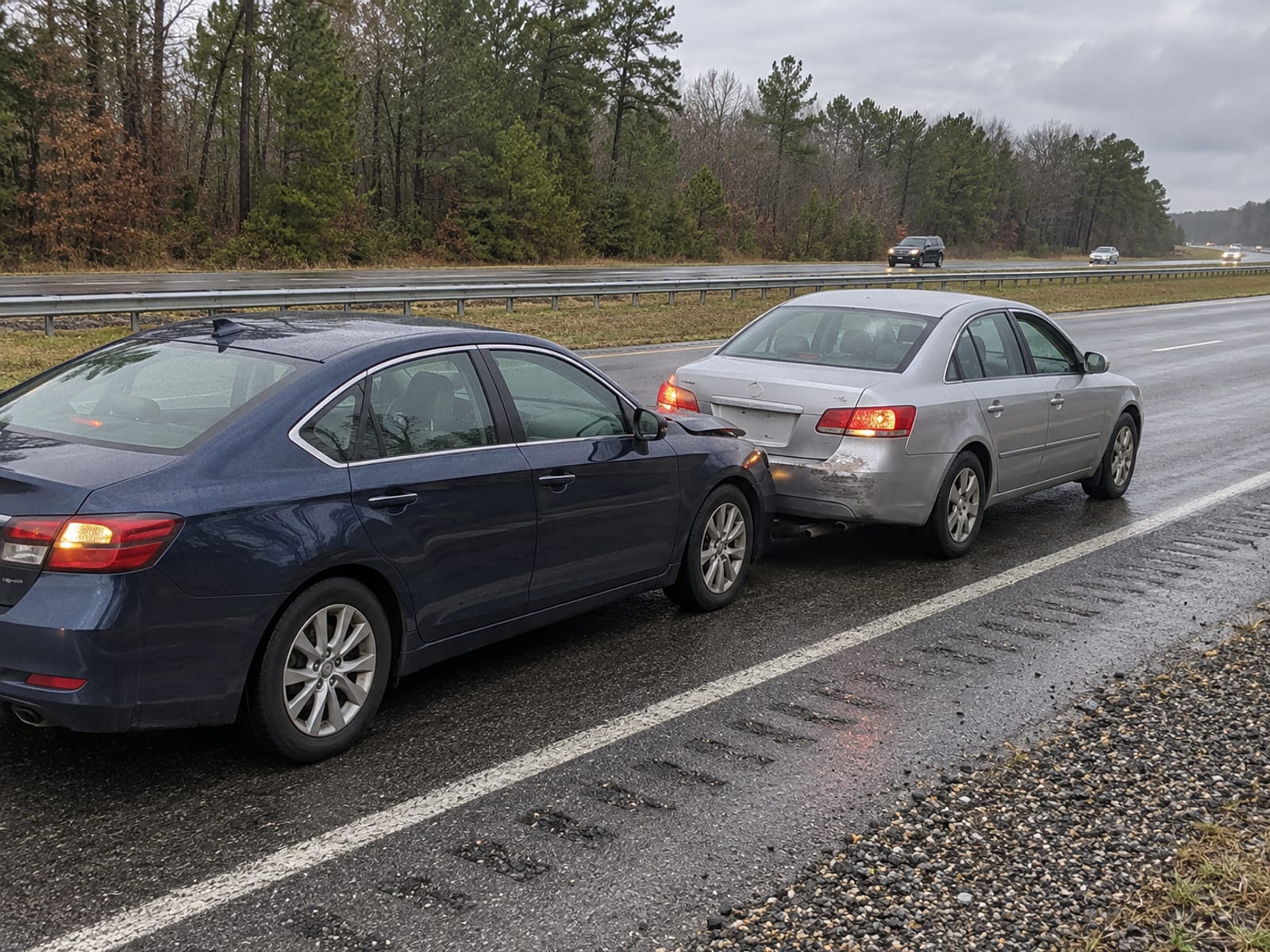
In most cases, yes. An owner's policy must cover the named insured and anyone using the vehicle with the named insured's express or implied permission, under G.S. 20-279.21 (opens in a new tab). The NCDOI's basic coverages guide (opens in a new tab) also describes liability coverage for a person using your car with permission.
The statute doesn't settle every situation, though. Policy terms, exclusions and the facts about permission and use can limit coverage. Ask your insurer how your policy treats:
- A friend who borrows the car now and then.
- A household member who drives the car regularly.
- A licensed driver in your home who isn't listed.
- A driver who has been excluded by name.
- A borrower who has their own insurance.
- Anyone using the car without your permission.
Use for work is a separate question. A personal auto policy doesn't cover a vehicle while it's used as a public or livery conveyance unless the policy provides that coverage, according to the NCDOI's page on rideshare and delivery driving (opens in a new tab). If you or anyone in your household drives for a rideshare or delivery app, tell your agent before it happens.
What does NCDMV require to register a vehicle?
A vehicle registered in North Carolina must have continuous liability insurance from a company licensed to do business in the state, under G.S. 20-309 (opens in a new tab). Out-of-state policies aren't accepted, according to the NCDMV (opens in a new tab). Insurers report coverage to NCDMV electronically, and when coverage has been continuous, the insurer can electronically submit a Certificate of Insurance, Form FS-1.
Moving to North Carolina
If you plan to drive here, you must get a North Carolina driver license and title and register your vehicles within 60 days of establishing a permanent residence, according to the NCDMV's new-resident page (opens in a new tab). Registration generally comes after the license, when you accept gainful employment or when the reciprocity period with your prior state ends (usually 30 days), whichever comes first. Arrange a North Carolina policy before your visit to the license plate agency, because your old state's policy won't satisfy the registration process.
What happens if your coverage lapses?
When liability coverage is canceled or lapses, the insurer must notify NCDMV. NCDMV then sends a liability insurance termination notice to the registered owner. The owner had 10 days from the date printed on the notice to respond, and effective October 1, 2026, the owner has 30 days, according to the NCDMV (opens in a new tab). If the plate is revoked or the lapse goes unresolved, civil penalties, late fees, interest and collections can follow.
If your coverage never actually lapsed, ask your insurer to electronically submit an FS-1 to NCDMV. You can then call the NCDMV Customer Contact Center at 919-715-7000 to confirm it arrived, as the NCDMV's liability insurance help page (opens in a new tab) explains. If the lapse wasn't caused by your fault or neglect, you can request an administrative hearing.
To put a plate back on the road after the revocation period, you pay a civil penalty of $50, $100 or $150, depending on how many prior paid lapses you've had within three years. If you're selling the car, storing it or moving out of state, surrender the North Carolina plate to NCDMV before you cancel the insurance.
From a lapse to relicensing the vehicle
- Coverage endsThe insurer notifies NCDMV that liability coverage was canceled or lapsed.
- Notice arrivesNCDMV mails a termination notice to the registered owner.
- Response window10 days from the notice date, or 30 days effective October 1, 2026.
- If unresolvedThe plate can be revoked, with civil penalties, late fees, interest and collections.
- RelicensingA $50, $100 or $150 civil penalty, based on prior paid lapses within three years.
What optional coverage can you add?
North Carolina law requires liability and uninsured and underinsured motorist coverage. The NCDOI (opens in a new tab) describes several other coverages you can add:
- Medical payments, for reasonable and necessary medical and funeral expenses from an auto accident, up to the policy limit.
- Collision, for physical damage to your car from hitting another vehicle or an object, generally paying the lesser of the repair cost or the car's actual cash value.
- Comprehensive, or other than collision, for covered damage from events such as theft, fire, hail, flood, vandalism, falling objects, animals and glass breakage, subject to the policy and deductible.
- Rental reimbursement or extended transportation expenses, up to the rate and maximum you select.
- Towing and labor, for a disabled covered car or non-owned car.
"Full coverage" isn't a legal package in North Carolina. It usually means liability plus collision and comprehensive. If you have a loan on your car, your lender will likely require full coverage, according to the NCDOI (opens in a new tab). A loan or lease can also set deductibles and require the lender to be listed on the policy, so check the agreement and share it with your agency.
What if an insurer cancels, nonrenews or turns you down?
North Carolina sets minimum notice periods. For liability, medical payments and uninsured or combined uninsured and underinsured motorist coverage, the NCDOI (opens in a new tab) says the insurer must give:
- At least 15 days' notice to cancel for nonpayment of premium.
- At least 60 days' notice to cancel for any other reason.
- At least 60 days' notice of nonrenewal.
Other coverages, such as collision and comprehensive, need at least 10 days' notice for cancellation or nonrenewal. When a notice arrives, read the reason and the effective date, call your agent or insurer, and keep proof of payment and of any replacement policy. Short-rate cancellation charges come from your policy contract, not from North Carolina law, according to the NCDOI's auto insurance FAQ (opens in a new tab).
If insurers turn you down
North Carolina has a residual market for drivers who can't get coverage in the regular market, run through the North Carolina Reinsurance Facility. If insurers decline you, ask a licensed North Carolina agent whether your risk qualifies for the Facility and which documents the agent needs to submit.
How do you check an agent or file a complaint?
Use the North Carolina insurance license lookup (opens in a new tab) to confirm the agent's name, license status and lines of authority before you rely on that person to place coverage. You can also call the NCDOI at 855-408-1212.
If a problem with an insurer or agent isn't resolved, you can ask the NCDOI for help or file a complaint (opens in a new tab). Include the policy, declarations page, notices, letters, payment records and any claim information, plus a short description of the result you want. The NCDOI can forward the complaint to the insurer, require a response, review whether the insurer followed North Carolina requirements and require corrective action when it's appropriate.
Questions to ask your agent
- What limits apply to my next policy term, and when do they take effect?
- Was my policy issued or renewed on or after July 1, 2025?
- What uninsured motorist bodily injury, uninsured motorist property damage and underinsured motorist limits are on my policy?
- What options does North Carolina law give me for those limits?
- How does the policy treat a friend who borrows the car?
- Does every licensed driver in my household need to be listed?
- Is anyone excluded from the policy?
- Are business, rideshare, delivery or commuting uses covered?
- What do collision and comprehensive pay, and what deductibles apply?
- Does my lender or leasing company require specific limits or deductibles?
- What happens if a payment fails or the policy is canceled?
- How will the insurer report my coverage to NCDMV?
- What documents do I need as a new resident or for a newly purchased car?
- If regular insurers decline me, can you explain the Reinsurance Facility process?
- What are the policy's major exclusions and conditions?
Riskado's directory lists insurance agencies across the US, including North Carolina, by city and by category.
Check what you know about North Carolina car insurance requirements
Frequently asked questions
Does the 50/100/50 minimum apply to a policy I bought before July 2025?
It applies from the policy's first issue or renewal date on or after July 1, 2025. A policy that renewed after that date now carries at least 50/100/50, according to the NCDOI (opens in a new tab). Your declarations page shows the limits and dates for the current term.
Can I register a car in North Carolina with out-of-state insurance?
No. Registration requires liability insurance from a company licensed to do business in North Carolina, and out-of-state policies aren't accepted, according to the NCDMV (opens in a new tab). Buy a North Carolina policy before you go to the license plate agency.
Does a personal auto policy cover rideshare or delivery driving?
Not automatically. A personal policy doesn't cover a car while it's used as a public or livery conveyance unless the policy provides that coverage, according to the NCDOI (opens in a new tab). Tell your agent about app-based driving so the policy can be written for it.
How long do I have to answer an NCDMV lapse notice?
Effective October 1, 2026, you have 30 days from the date printed on the notice, up from 10 days, according to the NCDMV (opens in a new tab). An unresolved lapse can lead to plate revocation and civil penalties. Keep the policy active until a replacement takes effect or the plate is surrendered.
A quick compliance checklist
Confirm your policy's issue or renewal date and that it carries 50/100/50 liability with uninsured and underinsured motorist coverage. List every household driver, ask about excluded drivers, and disclose any rideshare, delivery or business use. If you're new to North Carolina, buy a North Carolina policy and register within 60 days. Keep the old policy active until the new one starts, return the plate before you cancel coverage on a car you're not keeping insured, and answer any NCDMV termination notice right away.
Key terms
Tap a term to see what it means.
50/100/50. Shorthand for North Carolina's minimum liability limits: $50,000 for bodily injury to one person, $100,000 for two or more people in one accident and $50,000 for property damage.
Uninsured motorist (UM) coverage. Coverage for injuries and property damage caused by a driver who has no insurance.
Underinsured motorist (UIM) coverage. Coverage that applies when the other driver's bodily injury liability coverage is less than your total damages.
Named insured. The person named on the policy, whose permission lets another driver use the car under the policy.
FS-1. The Certificate of Insurance an insurer submits electronically to NCDMV to show coverage.
Civil penalty. The $50, $100 or $150 charge NCDMV assesses to relicense a vehicle after a lapse and revocation.
North Carolina Reinsurance Facility. The residual market for drivers who can't get coverage in the regular market.
Declarations page. The page of a policy that lists the coverages, limits, deductibles and dates.