North Carolina Uninsured Motorist Coverage: What the Law Requires, the Deductible, Underinsured Coverage and What to Ask Your Agent
Riskado
North Carolina requires most auto liability policies to include uninsured motorist (UM) coverage for both bodily injury and property damage, under G.S. 20-279.21 (opens in a new tab). For policies issued or renewed on or after July 1, 2025, the law also requires underinsured motorist (UIM) bodily injury coverage, with exceptions for policies that cover only commercial or only fleet vehicles. UM protects covered people when an at-fault driver has no insurance or drives off after a hit-and-run. UIM applies to injuries when the at-fault driver's liability coverage is less than the injured person's total damages. UM property damage carries a $100 deductible for each insured. Your declarations page shows the limits on your policy, and your insurer can tell you how it applies to a specific crash.
Key takeaways
- UM is requiredMost North Carolina auto liability policies must include UM bodily injury and property damage coverage.
- UIM since July 1, 2025Policies issued or renewed on or after that date also include UIM bodily injury coverage.
- ExceptionsPolicies covering only commercial or only fleet vehicles aren't required to carry UM or UIM.
- $100 deductibleThe first $100 of UM property damage is excluded for each insured.
- UIM triggerUIM applies when the at-fault driver's liability coverage is less than your total damages.
Is uninsured motorist coverage required in North Carolina?
Yes, for auto liability policies covered by G.S. 20-279.21 (opens in a new tab). The policy must include UM bodily injury coverage and UM property damage coverage, protecting insured people who are legally entitled to recover damages from an uninsured or hit-and-run driver. North Carolina requires liability and uninsured motorist coverage on every policy of this kind, according to the North Carolina Department of Insurance (opens in a new tab).
UM limits start from your liability limits. By default, they equal the highest bodily injury and property damage liability limits for any one vehicle on the policy. The named insured can choose different UM limits within the statute's rules, but UM bodily injury limits can't drop below the bodily injury liability minimums, and UM property damage limits can't drop below the property damage liability minimum.
Those minimums rose on July 1, 2025. For policies issued or renewed on or after that date, North Carolina requires at least $50,000 per person and $100,000 per accident for bodily injury, plus $50,000 for property damage, according to NCDMV (opens in a new tab). Before July 1, 2025, the minimums were $30,000, $60,000 and $25,000. Our guide to North Carolina car insurance requirements covers the full set of rules for a registered car.
Hover or tap a row to highlight it.
| Coverage | Policies issued or renewed before July 1, 2025 | Policies issued or renewed on or after July 1, 2025 |
|---|---|---|
| Bodily injury, one person | $30,000 | $50,000 |
| Bodily injury, two or more people | $60,000 | $100,000 |
| Property damage | $25,000 | $50,000 |
A policy that covers only commercial motor vehicles, or only fleet vehicles, isn't required to provide UM coverage. A policy that covers both commercial and noncommercial vehicles must provide it for the noncommercial ones.
Does North Carolina require underinsured motorist coverage?
Yes, for policies issued or renewed on or after July 1, 2025. Before that change, a policy written at the minimum limits didn't include UIM coverage. Session Law 2024-29 (opens in a new tab) set July 1, 2025 as the effective date for the auto insurance changes, and NCDOI (opens in a new tab) explains how they apply to new and renewed policies. The same commercial and fleet exceptions apply.
The default UIM limit equals the highest bodily injury liability limit for any one vehicle on the policy, up to $1 million per person and $1 million per accident. UIM limits must match the UM bodily injury limits you buy. If your policy renewed after July 1, 2025, the renewal is the point where the new UIM rules took effect, so a declarations page from before that date may not show UIM at all.
What does uninsured motorist coverage pay for?
UM pays damages you're legally entitled to recover from an uninsured or hit-and-run driver for bodily injury, sickness, disease or death, under G.S. 20-279.21 (opens in a new tab). It also includes property damage coverage, according to the NCDOI guide to auto coverages (opens in a new tab).
The statute defines who counts as an insured:
- The named insured.
- A spouse and relatives who live in the same household.
- Anyone using the covered vehicle with permission.
- Guests in the covered vehicle.
- Certain personal representatives and anyone in lawful possession of the vehicle.
An "uninsured" vehicle includes one with no liability insurance, one whose insurer denies coverage or becomes insolvent, and one without a qualifying bond, deposit or self-insurance. Certain vehicles don't count, including vehicles owned by the named insured, qualifying self-insured vehicles, specified government vehicles and certain farm equipment.
UM still works within the policy. It pays within the policy limits, subject to the policy's terms, exclusions and proof requirements, and only when the injured person is legally entitled to recover from the responsible driver.
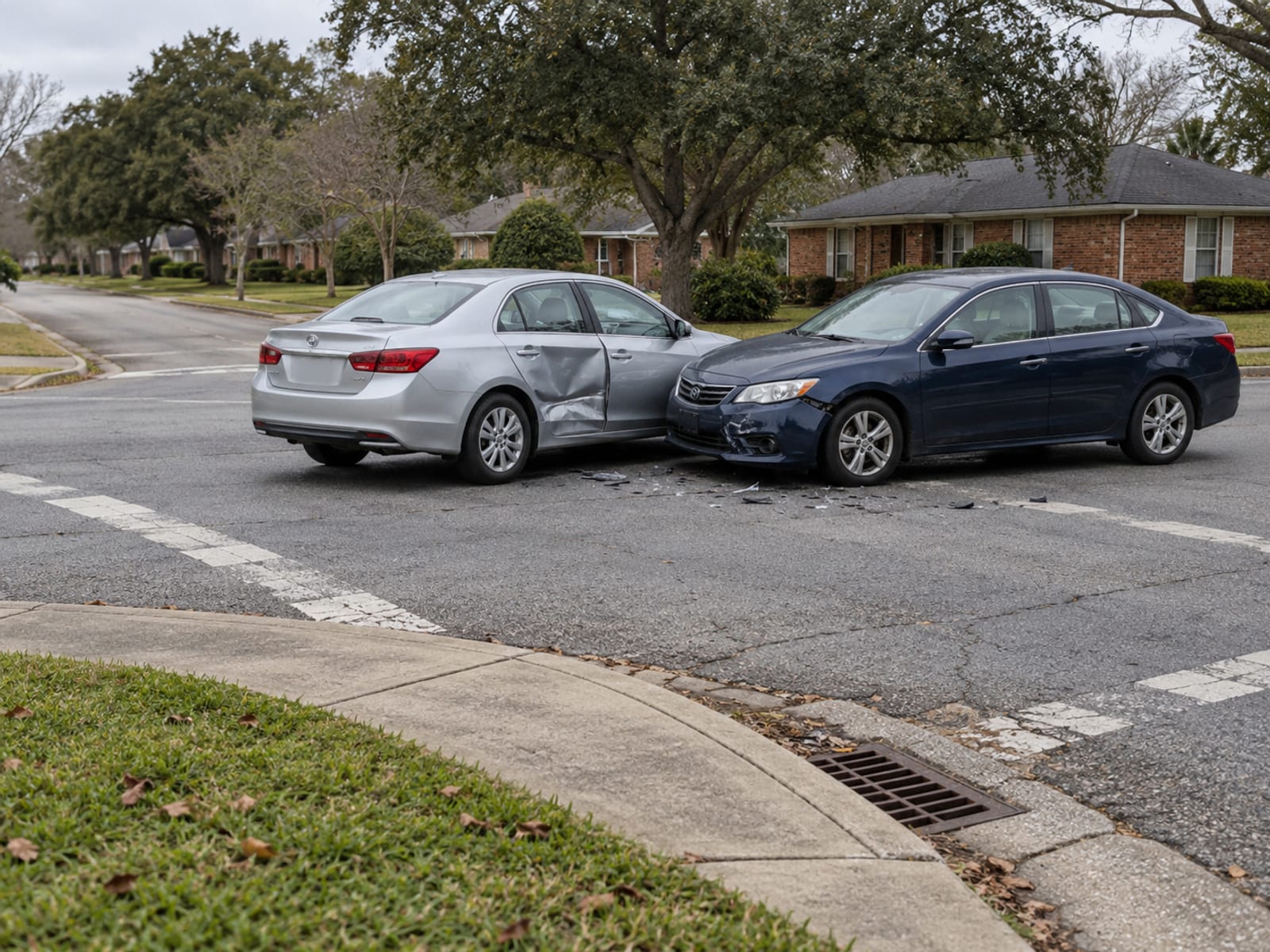
What does underinsured motorist coverage pay for?
UIM pays for bodily injury caused by an at-fault driver whose insurance isn't enough. It doesn't cover property damage, according to the NCDOI guide to auto coverages (opens in a new tab). Vehicle repairs after a crash with an underinsured driver come from that driver's property damage liability, your collision coverage or another coverage that applies.
Under the current statute, a vehicle is underinsured when the total of all bodily injury liability coverage that applies to it is less than the total damages of the person seeking UIM benefits. The at-fault driver's liability coverage generally has to be exhausted or tendered first, though the statute lets the UIM insurer pay before exhaustion and then take over the claim against the other driver through assignment or subrogation.
How does the $100 UM property damage deductible work?
North Carolina law excludes the first $100 of UM property damage for each insured, under G.S. 20-279.21 (opens in a new tab). If an uninsured driver causes $5,000 of qualifying damage to your car, UM property damage coverage applies to the amount after the first $100, subject to the policy limit and conditions.
The $100 applies only to UM property damage. It isn't a deductible on bodily injury claims, and because UIM doesn't cover property damage, it isn't a UIM deductible either. If you also carry collision coverage, ask your agent which coverage would pay for the car and which deductible would apply.
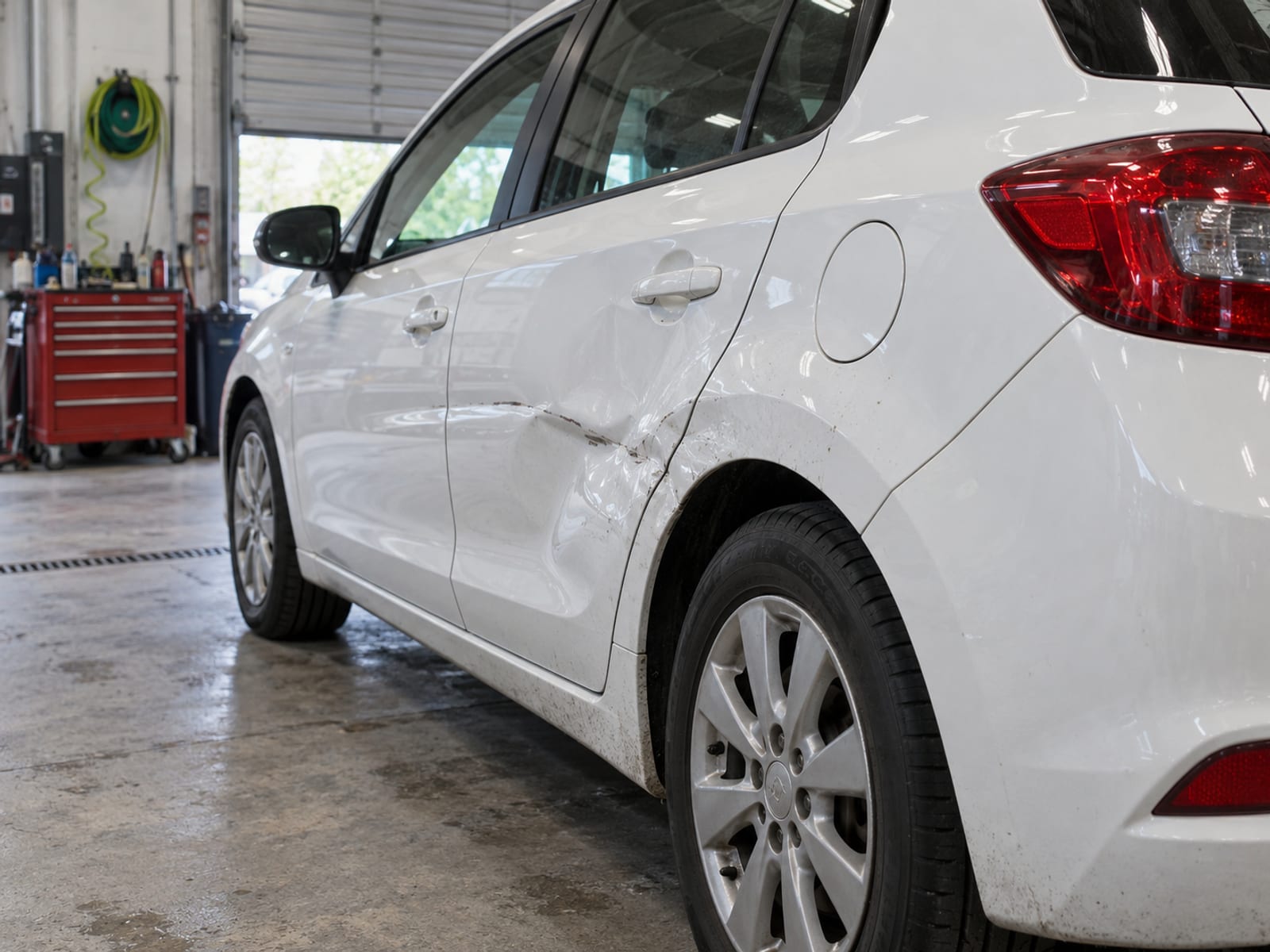
What should you do after a crash with an uninsured or hit-and-run driver?
The steps after the crash protect both your health and your claim:
- Get the other driver's name, contact and insurance information when you can.
- Call law enforcement, especially after a hit-and-run or a crash with injuries.
- Tell your insurer promptly and say you may have a UM or UIM claim.
- Keep photos, witness details, medical records, wage records, repair records and the police report.
- Before you settle any bodily injury or property damage claim with the other party, check your policy and get your insurer's written consent where it's required.
For a hit-and-run where the other driver can't be identified, G.S. 20-279.21 (opens in a new tab) requires the accident to be reported within 24 hours, or as soon afterward as practicable, to a police officer, peace officer, judicial officer or the Commissioner of Motor Vehicles. You also give the insurer notice of the injury, how serious it is and the time, date and place. The insurer mails any claim forms within 15 days after it receives notice, and if the forms don't arrive in that time, you're treated as having met that information requirement.
Settlement consent matters. The insurer won't provide coverage if you or your legal representative settle the bodily injury or property damage without the company's written consent, according to NCDOI (opens in a new tab). The statute also has 60-day notice periods before certain lawsuits involving UM coverage. Those don't replace your policy's claim instructions or any filing deadline, so ask the insurer, or a lawyer if you have one, which deadlines apply to your claim. Our guide on how to file a car insurance claim walks through the general claim process.
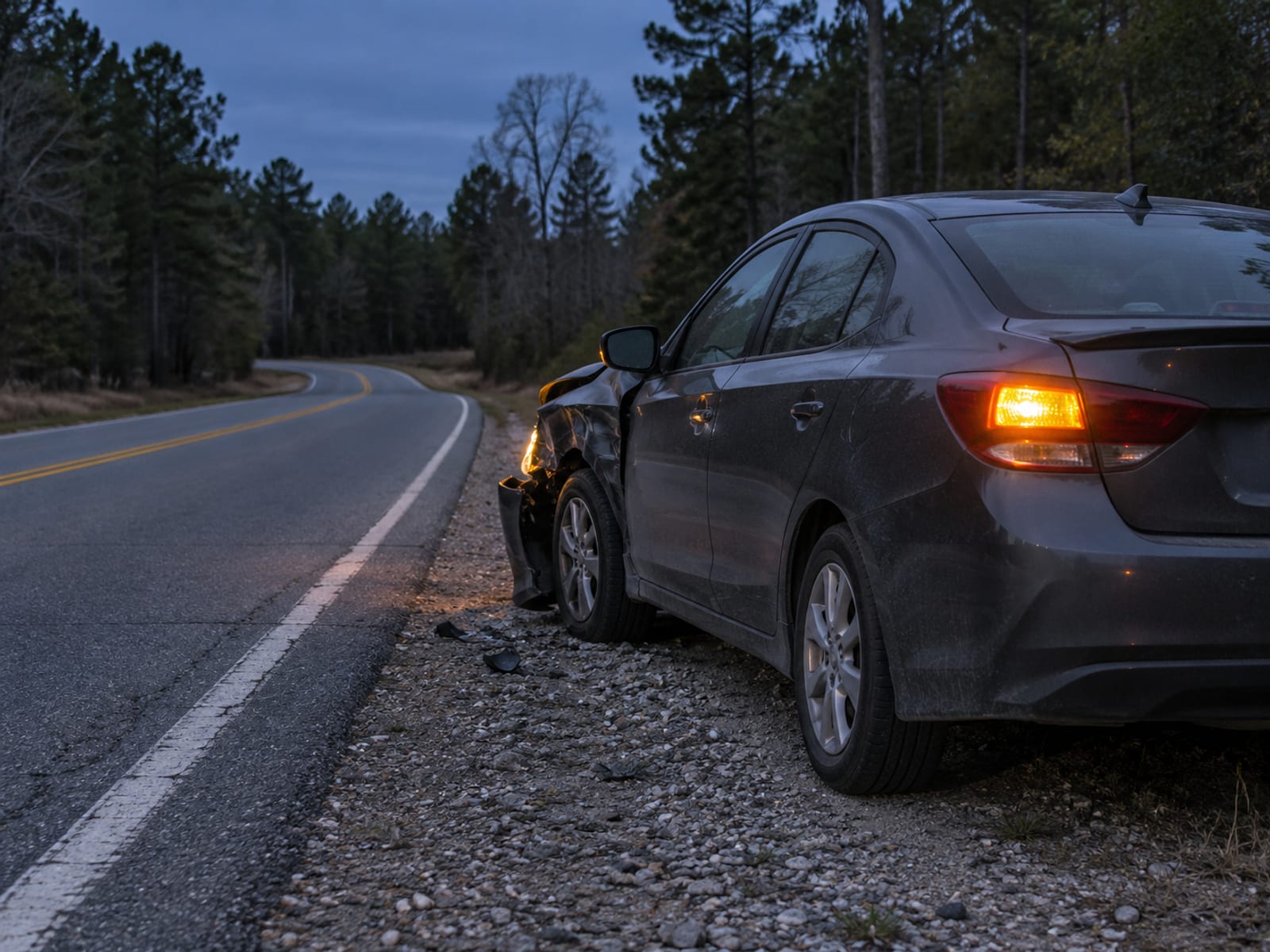
After a hit-and-run with an unidentified driver
- Right awayCall law enforcement and get medical help if anyone is hurt.
- Within 24 hoursReport the accident to a police officer, peace officer, judicial officer or the Commissioner of Motor Vehicles, or as soon as practicable.
- Within a reasonable timeGive your insurer notice of the injury, its extent and the time, date and place.
- Within 15 days of noticeThe insurer mails any claim forms; if they don't arrive, you're treated as having met that information requirement.
- Before you settleGet the insurer's written consent where the policy requires it.
How do UIM offsets and stacking work?
For policies under the current statute, the at-fault driver's liability payment doesn't shrink your UIM coverage. G.S. 20-279.21 (opens in a new tab) says UIM pays beyond the amounts paid under the exhausted liability policy, and the UIM amount can't be reduced by a setoff or credit against any coverage, including liability insurance. The one exception is workers' compensation, to the extent the statute provides.
Stacking depends on how many policies you have. If you're an insured under UIM coverage on separate or additional policies, you can combine the highest UIM limit from each policy, for nonfleet private passenger vehicles. You can't combine the limits for different vehicles on the same policy. Ask your agent how this applies to your household, especially if family members carry their own policies.
How is UM different from collision, MedPay and health insurance?
Each coverage answers a different question after a crash, according to the NCDOI guide to auto coverages (opens in a new tab):
Hover or tap a row to highlight it.
| Coverage | What it is for |
|---|---|
| Uninsured motorist (UM) | Injuries and property damage caused by an at-fault uninsured or hit-and-run driver |
| Underinsured motorist (UIM) | Injuries caused by an at-fault driver whose liability coverage is less than the damages; no property damage |
| Medical payments (MedPay) | Reasonable and necessary medical and funeral expenses from an auto accident, regardless of fault, up to the policy limit |
| Collision | Damage to your car from hitting another vehicle or object, subject to its deductible |
| Comprehensive | Specified noncollision losses such as theft, fire, hail, flood, vandalism and animal contact |
Health insurance pays for medical treatment under its own contract. How health insurance, MedPay, UM and UIM interact, including any liens or reimbursement rights, depends on the policies and the facts, so ask each insurer how it coordinates. For a broader look at the choice, see whether you need uninsured motorist coverage.
What happens if your auto insurance lapses?
North Carolina requires continuous liability insurance on registered vehicles, and insurers notify NCDMV when coverage is canceled or lapses, according to NCDMV (opens in a new tab). NCDMV then sends the registered owner a liability insurance termination notice. Effective October 1, 2026, NCDMV says owners have 30 days to respond; follow the response date printed on your notice, and confirm it with NCDMV if you're unsure.
Ignoring the notice can lead to revocation of the license plate, civil penalties, late fees and plate seizure. To register the vehicle again after revocation, the civil penalty is $50, $100 or $150, depending on how many paid lapses you've had in three years, plus a $50 restoration fee at registration renewal. If your coverage never actually lapsed, ask your insurer to send NCDMV an electronic FS-1 certificate; once NCDMV receives an FS-1 showing continuous coverage, it clears the fines. Return your plate before you cancel liability insurance. Our guide to the North Carolina insurance lapse covers the process in more detail.
How do you check an agent or file a complaint?
Confirm your agent's license with the North Carolina insurance license lookup (opens in a new tab), and ask the agent for the license number.
If a UM or UIM claim stalls, gather your policy, declarations page, claim number, insurer letters, police report, photos, medical or repair records and a timeline, then use NCDOI's Assistance or File a Complaint (opens in a new tab) process. NCDOI can forward the complaint to the insurer, require a response, review it against North Carolina law and the policy, and require corrective action. It can't act as your lawyer, decide who was negligent or set a claim's value.
Questions to ask your agent
- Does my declarations page show UM bodily injury, UM property damage and UIM bodily injury?
- What are my per-person, per-accident and property damage limits?
- Did my policy renew after July 1, 2025, and does it include UIM now?
- How does the $100 UM property damage exclusion apply to my car?
- Is my vehicle classified as personal, commercial, fleet or mixed-use?
- Who counts as a covered person: household relatives, permissive drivers, passengers, pedestrians?
- What proof do you need after an uninsured or hit-and-run crash, and how fast should I report it?
- Do I need your written consent before I settle with the other driver?
- Can I combine UIM limits from separate household policies?
- Would collision also cover the damage, and which deductible applies?
- What exclusions or conditions are in the UM and UIM forms?
Riskado's directory lists insurance agencies in North Carolina by city and by category, so you can find a local agency to review your UM and UIM limits.
Check what you know about North Carolina UM and UIM coverage
Frequently asked questions
Can I raise my UM and UIM limits?
Yes. The named insured can choose higher or lower limits within the statute's rules, up to $1 million per person and $1 million per accident for UM and UIM bodily injury, under G.S. 20-279.21 (opens in a new tab). UIM limits must match the UM bodily injury limits.
Are passengers covered by my UM coverage?
Guests in your covered vehicle count as insured people under G.S. 20-279.21 (opens in a new tab). The named insured, a spouse and relatives in the household, and permissive drivers are covered as well.
Does UIM pay to fix my car?
No. UIM covers bodily injury only, according to NCDOI (opens in a new tab). Car damage may fall under UM property damage, collision or the other driver's liability coverage.
How will I know what coverage my insurer is offering?
At issuance and renewal, the insurer must give you notice, in at least 12-point type on the declarations page or a separate notice, explaining the required coverage, the default limits and your choices, under G.S. 20-279.21 (opens in a new tab). Contact your insurer or agent to change the limits.
Does the $100 deductible apply to my medical bills?
No. The $100 exclusion applies only to UM property damage, for each insured. Bodily injury claims under UM or UIM don't carry it, under G.S. 20-279.21 (opens in a new tab).
Check your policy before you need it
Pull up your declarations page and confirm it shows UM bodily injury, UM property damage and, if the policy renewed after July 1, 2025, UIM bodily injury. Check the limits against your liability limits, and ask your agent how the vehicle is classified. If a crash happens, report a hit-and-run within 24 hours, tell your insurer right away and get written consent before you settle with anyone.
Key terms
Tap a term to see what it means.
Uninsured motorist (UM) coverage. Coverage for injuries and property damage you're legally entitled to recover from an uninsured or hit-and-run driver.
Underinsured motorist (UIM) coverage. Bodily injury coverage that applies when the at-fault driver's liability coverage is less than your total damages.
Declarations page. The page of a policy that lists the coverages, limits, deductibles and dates.
Named insured. The person named on the policy, who chooses the UM and UIM limits.
Exhaustion. Payment or tender of the full liability limits of the at-fault driver's policy.
Stacking. Combining UIM limits from separate policies; North Carolina allows it across separate policies but not across vehicles on one policy.
Setoff. A reduction of one coverage by an amount paid under another; current UIM coverage isn't reduced by the at-fault driver's liability payment.
FS-1. The electronic certificate an insurer sends NCDMV to show liability coverage.