North Carolina Insurance Lapse: The DMV Fee, Grace Period, Plate Revocation and How to Pay and Reinstate
Riskado
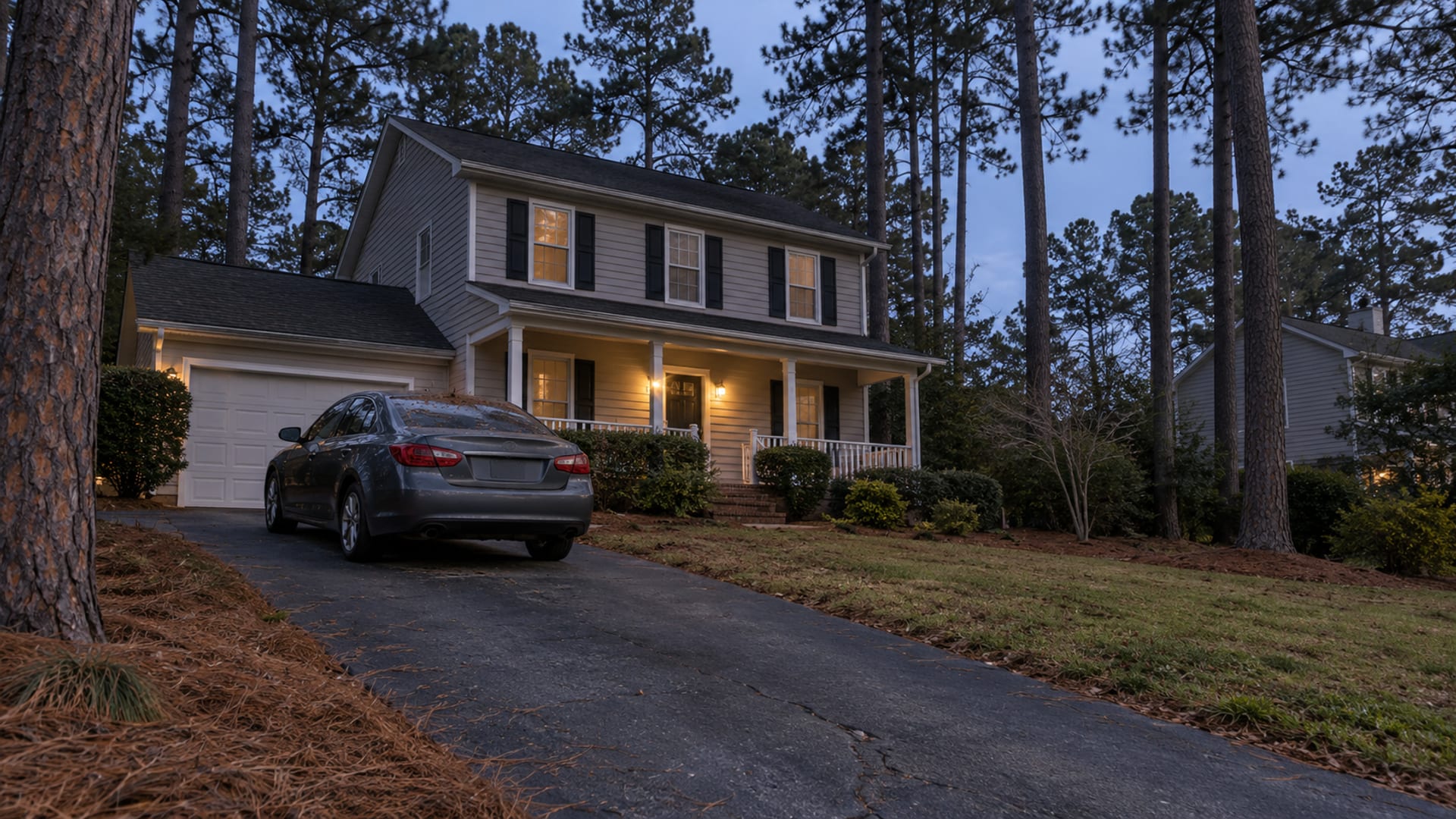
If your North Carolina car insurance ended while the vehicle was still registered, NCDMV sends the owner a liability insurance termination notice (Form FS5) and expects a response by the date printed on it. North Carolina does not honor a DMV grace period. The civil penalty is $50 when you had no assessed lapse in the three years before this one, $100 after one and $150 after two or more, under G.S. § 20-311 (opens in a new tab). If your coverage never actually ended, ask your insurer to send NCDMV an electronic FS-1. If the plate was revoked, restoring it takes current insurance, the penalty, a $50 restoration fee and the plate fee. Check the deadline on the notice before you drive.
Key takeaways
- No DMV grace periodCoverage must be continuous while the vehicle is registered.
- Penalty$50 with no assessed lapse in the prior three years, $100 after one and $150 after two or more.
- Response deadline10 days from the notice date, and 30 days for notices effective October 1, 2026; go by the date on your notice.
- Never lapsedAsk your insurer to send NCDMV an electronic FS-1, then confirm NCDMV received it.
- Revoked plateRestoring it takes current insurance, the penalty, a $50 restoration fee and the plate fee.
What to do first after an insurance lapse notice
Start with whether the car is insured right now. If you're not sure, call your insurer or agent before you drive. Operating a registered vehicle without the required liability coverage is a Class 3 misdemeanor under G.S. § 20-313 (opens in a new tab), and an owner who knowingly lets the car be driven during a lapse faces a longer plate revocation.
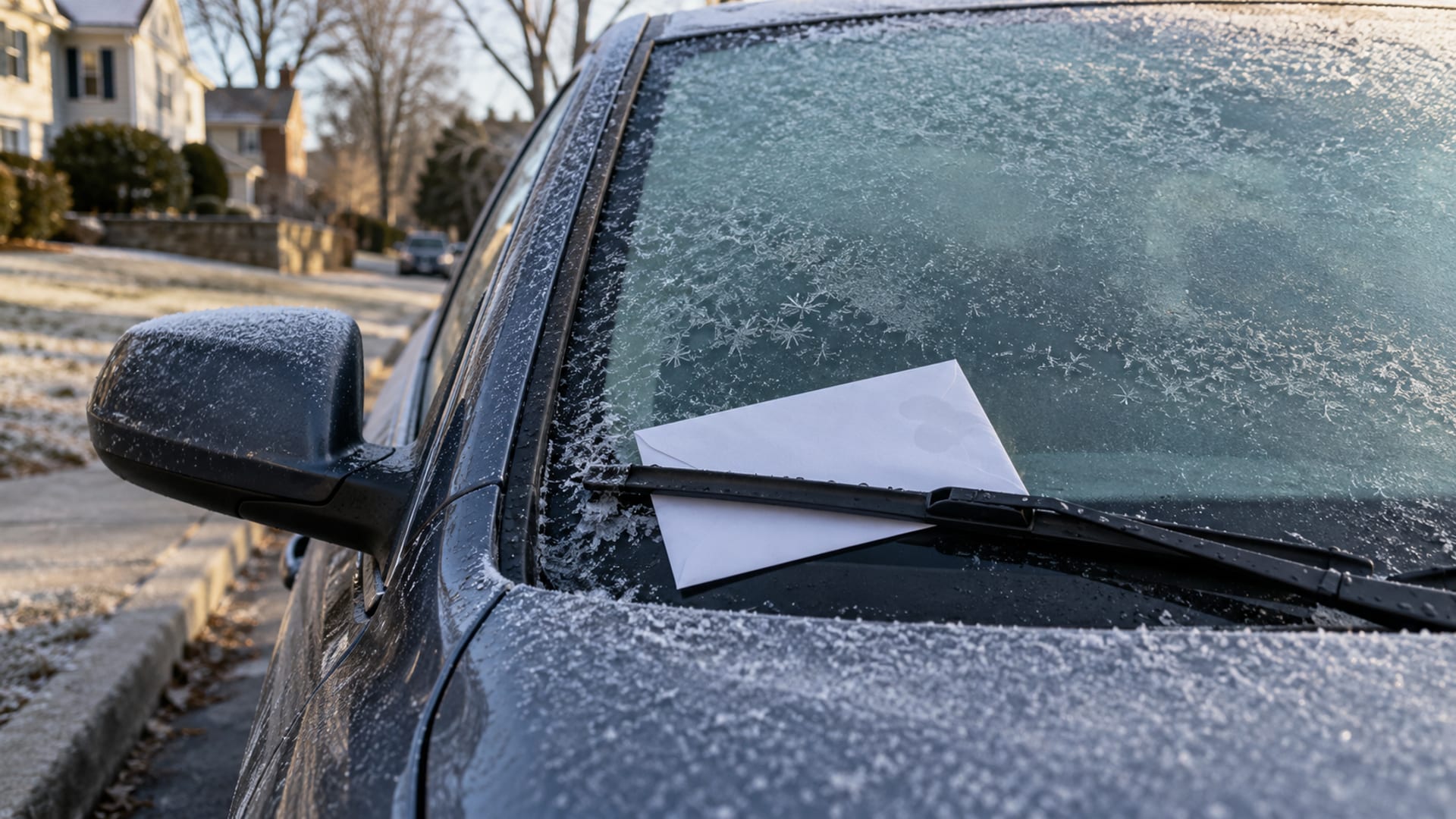
Next, find two numbers: the control number on the FS5 notice and the license plate number of the vehicle. You need both to pay online, according to NCDMV's Liability Insurance Help page (opens in a new tab). Then read the response date on the notice. NCDMV gives owners 10 days from the date printed on the notice to respond, and 30 days for notices effective October 1, 2026, according to NCDMV's Vehicle Insurance Requirements page (opens in a new tab). Go by the date on your notice, and call NCDMV at 919-715-7000 if it isn't clear.
Does North Carolina give a grace period?
The legal duty in North Carolina is continuous financial responsibility for as long as the vehicle carries a valid registration and plate, under G.S. § 20-309 (opens in a new tab).
An insurer's billing grace period is a different thing. Your insurer may give you extra days to pay a bill, but that arrangement doesn't change what the DMV requires on a registered car. If the insurer reports the policy as terminated, the DMV process starts from that termination date. NCDMV's advice is simple: buy the new liability coverage before you cancel the old policy, as the Liability Insurance Help page (opens in a new tab) puts it.
How the DMV learns that coverage ended
You don't have to report a lapse for NCDMV to know about it. Under G.S. § 20-309.2 (opens in a new tab), insurers must notify the Division when they issue, terminate or reinstate a policy, by electronic means and within 20 business days. NCDMV matches those reports to registered vehicles and sends the FS5 notice to the registered owner when it sees a break.
Because the report comes from the insurer, a notice can arrive weeks after the gap itself. It can also arrive when there was no real gap, for example when a new policy was reported late or under different vehicle details. That's why the first call is often to the insurer, not the DMV.
What the FS5 notice asks you to do
The notice tells you NCDMV has evidence that the vehicle lost its liability coverage, and it asks you to explain how you kept continuous financial responsibility. Under G.S. § 20-311 (opens in a new tab), NCDMV acts on your response in one of several ways:
- It corrects its records if you show there was no lapse.
- It assesses a penalty only if you had a lapse, now have coverage, had no accident during the lapse and didn't knowingly drive or let anyone drive the car uninsured.
- It assesses a penalty and revokes the registration if you still have no coverage, or if the car was in an accident or knowingly driven during the lapse.
- It assesses a penalty and revokes the registration if you don't respond in time.
Failure to respond can lead to plate revocation as well as civil penalties, late fees, interest and collections, according to NCDMV (opens in a new tab). A late response still matters, though. If you answer after the deadline and show that coverage never lapsed, the statute requires NCDMV to correct its records, rescind the revocation and drop the fees tied to the late response.
How much is the North Carolina lapse penalty?
The penalty depends on how many times you were assessed a lapse penalty in the three years before the current lapse began. It isn't calculated by the day.
Hover or tap a row to highlight it.
| Prior assessed lapses in the previous three years | Penalty |
|---|---|
| None | $50 |
| One | $100 |
| Two or more | $150 |
Those amounts come from G.S. § 20-311(b) (opens in a new tab), and NCDMV (opens in a new tab) lists the same $50, $100 and $150 figures. A first lapse with a clean three-year history is $50, not $150. If the plate is revoked, the restoration fee and plate fee come on top of the penalty.
Can a one-day gap cause a penalty?
It can, and the answer depends on the dates in the DMV record. When an old policy ends on one day and the new one starts the next, the DMV record can show a gap, so line up the end date of the old policy with the start date of the new one.
NCDMV's Title Manual (opens in a new tab) says one day is not considered a lapse and that a penalty can be rescinded when new insurance starts the following day. The same page also gives examples where a next-day policy, or a plate turned in after the 12:01 a.m. termination, leaves a break with the penalty due. Treat a one-day gap as something to fix with your insurer and NCDMV rather than something that clears itself. When you switch insurers, have the new policy start on the same date the old one ends, and turn in the plate before you cancel if you're taking the car off the road.

How to pay the lapse penalty
NCDMV takes lapse penalties online through a service called PayIt. You need the FS5 control number and the plate number of the vehicle, according to the Liability Insurance Help page (opens in a new tab).
Paying online costs a little more than the penalty itself. PayIt charges a $3 fee per transaction plus a 1.85 percent card processing fee, and a $2 fee applies to online civil penalty payments, according to NCDMV's insurance requirements page (opens in a new tab). The state does not collect or benefit from the transaction and processing fees.
If an unpaid penalty has already placed a stop on your registration, you can pay the penalties or fees at a license plate agency, according to NCDMV's Registration Service Stops page (opens in a new tab). Whichever way you pay, keep the receipt and confirm with NCDMV that the record shows the payment and your current coverage.
Hover or tap a row to highlight it.
| Charge | Amount |
|---|---|
| PayIt transaction fee | $3 per online transaction |
| Card processing fee | 1.85 percent |
| Online civil penalty fee | $2 |
What if your car was insured the whole time?
Then the fix runs through your insurer. Ask the company to electronically submit a Certificate of Insurance (Form FS-1) to NCDMV. Once NCDMV receives an FS-1 showing continuous coverage, it updates its records and clears the fines, according to NCDMV (opens in a new tab). The insurer must be licensed to do business in North Carolina.
Confirm that NCDMV received the form. You can use the NCDMV Contact Us form or call the Customer Contact Center at 919-715-7000, weekdays from 8 a.m. to 5 p.m., according to the Liability Insurance Help page (opens in a new tab). Keep your declarations page, insurance cards and any binder showing the policy dates. NCDMV's Proving Liability Insurance page (opens in a new tab) lists the documents it accepts.
If you believe the lapse wasn't caused by any fault or neglect on your part and your plate has been revoked, you can request an administrative hearing. NCDMV mails eligibility, fee and deadline information, and the liability insurance hearing request uses Form HF-002, according to the Administrative Hearings page (opens in a new tab). Hearing fees can be waived for applicants who meet household income criteria and file the fee waiver affidavit with proof of income.

When NCDMV revokes the plate
Many lapses end with a penalty only. Revocation follows when the response, or the lack of one, falls into the categories in G.S. § 20-311 (opens in a new tab), and the length depends on the reason.
Hover or tap a row to highlight it.
| Reason for revocation | Revocation period |
|---|---|
| The owner still has no liability coverage | Indefinite; ends when the owner gets coverage or transfers the car to an insured owner |
| An accident happened during the lapse | 30 days |
| The owner knowingly drove, or let someone drive, the car uninsured | 30 days |
| The owner did not respond to the notice | Indefinite; ends when the owner proves no lapse, gets coverage or transfers the car to an insured owner |
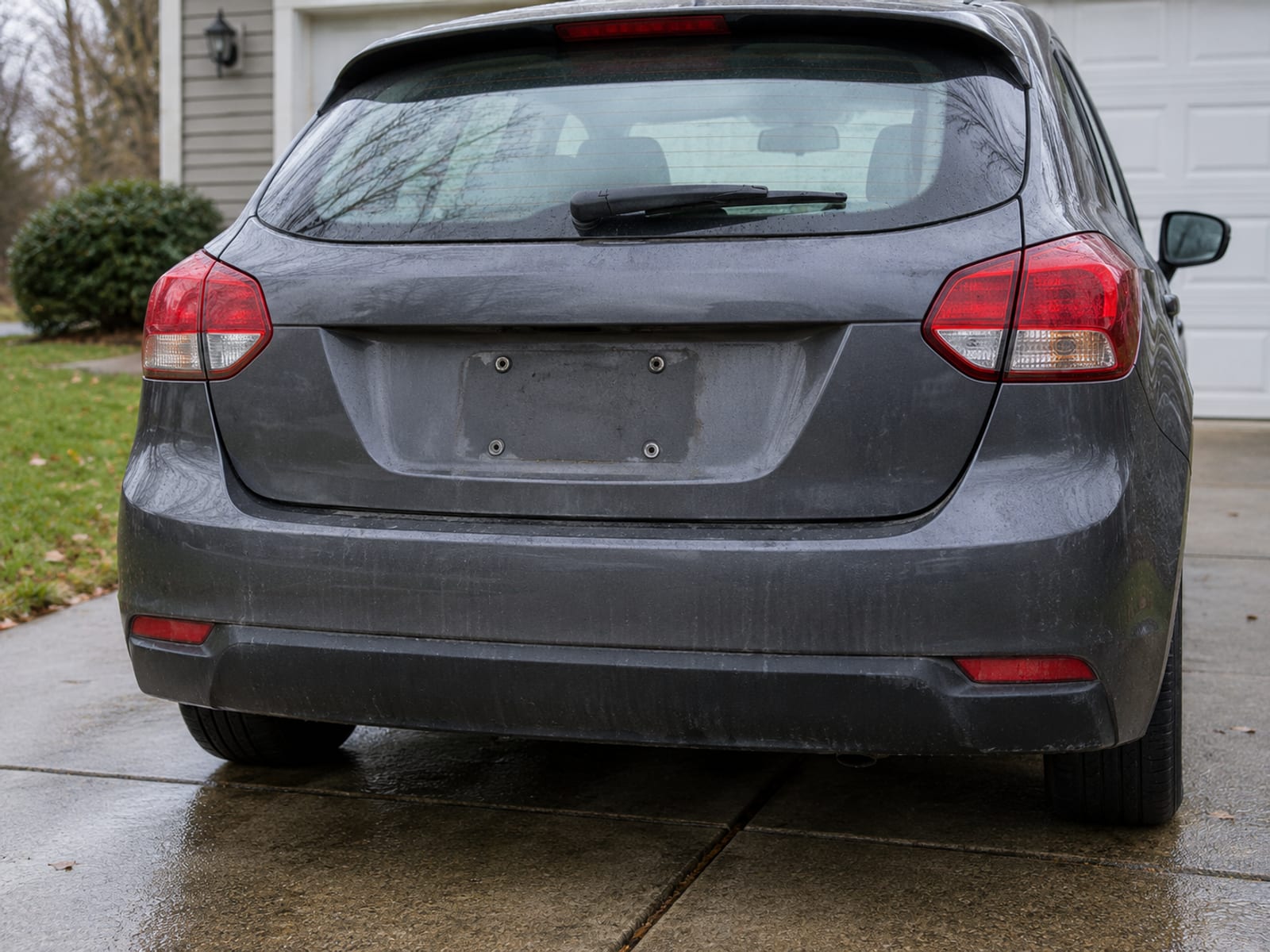
A revocation notice tells you to return the plate and registration card. Failing to return them is a Class 2 misdemeanor, and both can be seized by law enforcement. While the registration is revoked, it can't be renewed, and the car can't be registered in the name of the owner, the owner's spouse or their children during the revocation period, under the same statute.
How to restore a revoked registration
At the end of the revocation period, an owner who has coverage can apply to register the vehicle again. Under G.S. § 20-311(e) (opens in a new tab), you provide proof of current financial responsibility and pay the assessed penalty, a $50 restoration fee and the registration plate fee.
For an insurance stop, the plate must be surrendered to a license plate agency for 30 days, and the vehicle can be relicensed on the 31st day once you pay the plate fee and the required insurance penalties and fees and your insurer provides an FS-1, according to NCDMV's Registration Service Stops page (opens in a new tab). An unpaid penalty or fee also leads NCDMV to withhold registration renewal on any vehicle registered in the owner's name.
From a lapse notice to a restored plate
- Notice arrivesFind the FS5 control number, the plate number and the response date.
- Respond on timeShow continuous coverage through an FS-1, or get coverage and pay the penalty.
- Revocation, if it appliesReturn the plate and registration card; the period depends on the reason.
- 31st day for an insurance stopThe vehicle can be relicensed after the 30-day surrender.
- RestoreProof of current coverage, the penalty, a $50 restoration fee and the plate fee.
Sold, stored, damaged or moved out of state
Turn in the plate before you cancel the insurance. NCDMV says a vehicle owner should cancel coverage only after returning the North Carolina plate, and that canceling first results in a fine for failing to keep continuous coverage, according to NCDMV's insurance requirements page (opens in a new tab). The same rule applies to a car you're storing for a long stretch. Plates can be returned at any license plate agency or by mail, and a lost or stolen plate is reported on the License Plate Turn In Verification form (MVR-18A).
The statute has a no-penalty path for some sales and transfers. Under G.S. § 20-311(a)(5) (opens in a new tab), NCDMV assesses no penalty when you respond on time and show all three of these: you sold or transferred the vehicle within 10 days of the coverage ending; the car wasn't driven during the lapse because it was damaged, mechanically unable to run or no longer in your possession after the sale; and you returned the plate or filed an affidavit that it was lost, stolen or destroyed.
Moving out of state has its own waiver. Under G.S. § 20-311(g1) (opens in a new tab), the penalty and restoration fee are waived when you've become a resident of another state, registered the vehicle there within 30 days of the North Carolina policy ending, sent NCDMV a copy of the current out-of-state registration card and returned the North Carolina plate or accounted for it as lost, stolen or destroyed. The statute also waives the penalty and restoration fee for a member of the Armed Forces deployed outside the continental United States for 45 or more days at the time of the notice.
Does a lapse affect your driver's license or future insurance?
The lapse process in G.S. § 20-311 (opens in a new tab) acts on the vehicle's registration and plate, not on your driver's license. Driving is a separate question. Operating, or letting someone operate, a registered vehicle without the required coverage is a Class 3 misdemeanor under G.S. § 20-313 (opens in a new tab), and an accident during the lapse brings a 30-day plate revocation even if you buy coverage afterward. If you've been in a crash while uninsured, talk to a North Carolina attorney about your own situation.
Pricing is the insurer's decision. Insurers use their own rating systems, and North Carolina's Safe Driver Incentive Plan (opens in a new tab) assigns points for specified convictions and accidents. Ask the insurer how a lapse affects eligibility, underwriting and the rate on your specific policy. If no company in the regular market will write the policy, an agent can tell you whether placement through the North Carolina Reinsurance Facility applies.
Checking an agent and filing a complaint
Before you buy replacement coverage, you can check that the agent is licensed with the North Carolina insurance license lookup (opens in a new tab). For a problem with an insurer or agent, the NC Department of Insurance Consumer Services Division takes questions and complaints through its online or printable complaint form (opens in a new tab), and you can call 855-408-1212. Agent Services is at 919-807-6800.
The two agencies handle different records. NCDOI regulates insurers and agents. NCDMV handles the notice, the penalty, the plate and the registration, so questions about those go to NCDMV at 919-715-7000.
Questions to ask your agent after a lapse
- Is the policy active now, and what is its exact effective date and time?
- Will the insurer electronically submit the FS-1 to NCDMV, and when?
- Do the policy number, vehicle, named insured and effective dates on file match my registration?
- Was the old policy reported as terminated, and on what date?
- If the policy never lapsed, how does the insurer correct a termination report?
- What proof should I keep for NCDMV?
- What documents do you need to insure a vehicle after a registration revocation?
- How should I handle coverage before selling, storing or transferring the vehicle?
- Do you place policies through the North Carolina Reinsurance Facility if the regular market declines me?
- How will the insurer send cancellation, reinstatement or nonrenewal notices?
Check what you know about a North Carolina insurance lapse
Frequently asked questions
Can I pay a North Carolina insurance lapse penalty online?
Yes. NCDMV takes lapse penalties through PayIt, and you need the FS5 control number and the vehicle's plate number. Online payments carry a $3 transaction fee, a 1.85 percent card fee and a $2 civil penalty fee, according to NCDMV (opens in a new tab).
Does an insurance lapse suspend my North Carolina driver's license?
The lapse process revokes the vehicle's registration or plate rather than the driver's license, under G.S. § 20-311 (opens in a new tab). Driving a registered vehicle without coverage is a separate Class 3 misdemeanor.
Can I move my plate to a different car after a lapse?
You can transfer a plate to another vehicle only if the new vehicle's insurance was in force when the old vehicle's coverage was canceled, with no break in coverage, according to NCDMV's Liability Insurance Help page (opens in a new tab).
What if I answer the notice after the deadline?
Late answers still count when coverage never lapsed. If you show there was no lapse, NCDMV must correct its records, rescind any revocation for the missed deadline and drop the related fees, under G.S. § 20-311(a)(4) (opens in a new tab).
Can I pay the penalty in person?
Yes. When an unpaid lapse penalty or fee has placed a stop on the registration, you can pay at a license plate agency, according to NCDMV (opens in a new tab). Keep the receipt.
If the notice arrived tonight
Don't drive the car until you know it's insured. Find the FS5 control number, the plate number and the response date. If the car was insured the whole time, ask your insurer in the morning to send an FS-1 to NCDMV and then confirm it arrived. If there was a gap, buy coverage first, then pay the penalty through PayIt or at a license plate agency and keep the receipt. If you need a new policy or a second opinion on the dates, a North Carolina insurance agency can check the policy record with you.
Key terms
Tap a term to see what it means.
FS5. The liability insurance termination notice NCDMV sends the registered owner when it learns coverage ended.
FS-1. A Certificate of Insurance the insurer submits electronically to NCDMV to prove liability coverage.
Civil penalty. The $50, $100 or $150 charge for a lapse, set by the number of assessed lapses in the previous three years.
Restoration fee. The $50 fee paid to register a vehicle again after its registration was revoked.
Revocation. NCDMV's cancellation of a vehicle's registration and plate for a period set by the reason for it.
PayIt. The online service NCDMV uses to take lapse penalty payments.
License plate agency. A local office where you can return a plate or pay penalties and fees in person.
Financial responsibility. The liability insurance or other approved proof the law requires for a registered vehicle.