Replacement Cost vs Actual Cash Value: How Each Pays a Claim, With Worked Examples
Riskado
Replacement cost and actual cash value are two ways an insurance policy can value covered property. Replacement cost pays what it costs to repair or replace damaged property with materials of like kind and quality, without subtracting depreciation, subject to the policy limit, deductible and other conditions. Actual cash value (ACV) starts with replacement cost and subtracts depreciation for age, wear and condition, according to the NAIC (opens in a new tab). Some claims begin with an ACV payment and allow a later payment for recoverable depreciation after repair or replacement. Your declarations page, loss-settlement section and endorsements decide which method applies to the dwelling, roof, belongings, business property or vehicle, and the policy wording controls.
Key takeaways
- Replacement costPays what it costs to repair or replace damaged property with materials of like kind and quality, without subtracting depreciation, subject to the policy limit, deductible and other conditions.
- Actual cash value (ACV)Starts with replacement cost and subtracts depreciation for age, wear and condition.
- Some claims pay in two stepsAn ACV payment first, then a later payment for recoverable depreciation after repair or replacement.
- What decides itYour declarations page, loss-settlement section and endorsements, and the policy wording controls.
Which valuation method does your policy use?
Look in three places: the declarations page or coverage summary, the section titled "Loss Settlement" or something similar, and any endorsements that change how a loss is settled. The declarations page should say whether replacement-cost coverage applies, according to the Connecticut Insurance Department (opens in a new tab).
Then ask separately about each kind of property, because one policy can use different methods for different parts of a loss:
- The building (dwelling): replacement cost, subject to limits, deductibles and an 80 percent condition.
- The roof: ACV, even when the rest of the dwelling is settled at replacement cost.
- Belongings: ACV unless the policy or an endorsement provides replacement-cost treatment.
- A vehicle: ACV in most total-loss settlements, based on pre-loss condition, age, options, mileage and comparable vehicles.
Roof-surfacing and roof-age provisions deserve their own look. A policy can pay ACV for a roof even when other property has replacement-cost coverage, according to the Connecticut Insurance Department's claims guide (opens in a new tab).

How will the first claim payment differ?
Under ACV coverage, the insurer determines the current cost to repair or replace, subtracts depreciation, and then applies the deductible, subject to the policy's terms and limits.
Under replacement-cost coverage, the policy can pay ACV first. The difference between ACV and replacement cost, called recoverable depreciation or a holdback, is paid after you repair or replace the property and supply the required documentation, according to Travelers (opens in a new tab) and a Connecticut Insurance Department Insurance Matters newsletter (opens in a new tab). The process and the deadline vary by policy.
How a replacement-cost claim can pay in two steps
- First paymentThe policy can pay ACV first, which is replacement cost less depreciation.
- Repair or replaceYou repair or replace the property and supply the required documentation.
- Holdback paidThe difference between ACV and replacement cost, called recoverable depreciation or a holdback, is paid.
That means a replacement-cost policy does not always pay the full amount at once. The first check can be smaller than the eventual total, and the gap closes after the work is done and documented.
What does a worked example look like?
One state insurance department guide, the Connecticut Insurance Department's claims guide (opens in a new tab), compares two identical ten-year-old roofs using a depreciation schedule of $1,000 per year:
- Roof replacement cost: $15,000
- Deductible: $1,000
- Replacement-cost settlement: $15,000 minus $0 depreciation minus the $1,000 deductible is $14,000.
- ACV settlement: $15,000 minus $10,000 depreciation minus the $1,000 deductible is $4,000.
The $1,000-per-year schedule belongs to that example, and real claims use the insurer's own method.
A separate illustration from Travelers (opens in a new tab):
- Repair or replacement cost: $15,000
- Depreciation: $2,500
- ACV: $12,500
- Deductible: $1,000
- Initial payment: $11,500, with an additional replacement-cost payment possible after documented repairs
Hover or tap a row to highlight it.
| Example | Replacement cost | Depreciation | Deductible | Payment |
|---|---|---|---|---|
| State department example (Connecticut), replacement-cost settlement | $15,000 | $0 | $1,000 | $14,000 |
| State department example (Connecticut), ACV settlement | $15,000 | $10,000 | $1,000 | $4,000 |
| Travelers, initial payment | $15,000 | $2,500 | $1,000 | $11,500 |
Both examples are published illustrations, and neither predicts what your claim will pay.
How does depreciation affect ACV?
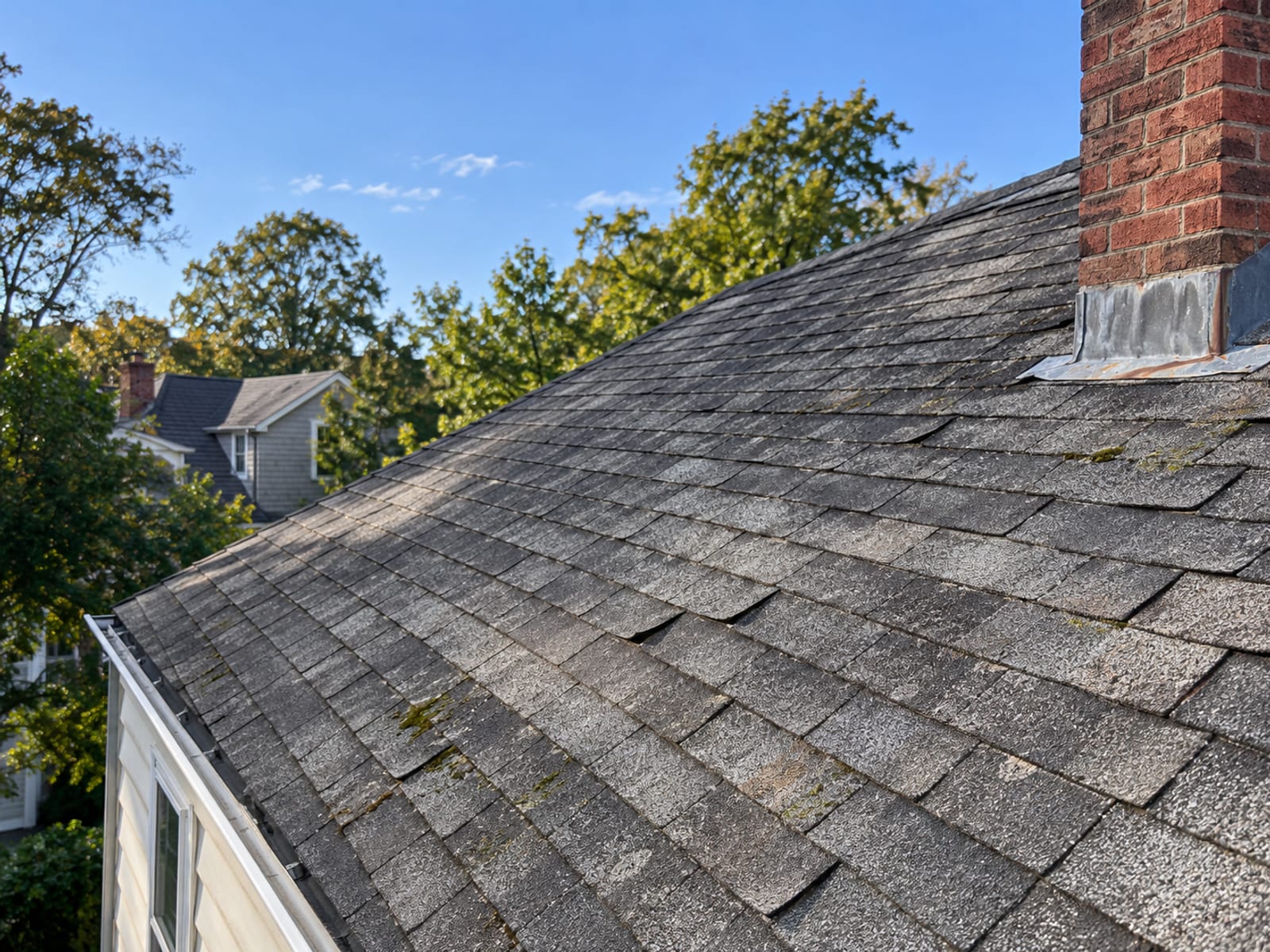
Depreciation lowers the value assigned to property because of age, wear and tear, condition, useful life, obsolescence and other factors. Methods vary by insurer, according to Progressive (opens in a new tab).
One published method for a laptop: a $1,000 current replacement cost, a five-year useful life and an age of two years give 40 percent depreciation and an ACV of $600. A roof illustration with a 25-year composition-shingle life and 4 percent annual depreciation gives a ten-year-old roof a 40 percent deduction. Both come from Travelers (opens in a new tab) and are examples, not a universal formula.
ACV is not the original purchase price. It reflects current replacement cost less depreciation. Since the starting point is replacement cost, a claim estimate that shows replacement cost, depreciation, ACV and the deductible as separate lines is easier to check, and you can ask the insurer for that breakdown.
When can recoverable depreciation be paid?
After repair or replacement, plus the documentation the policy requires, if the policy provides recoverable depreciation. Some items may have nonrecoverable depreciation, so ask which applies to each item in your claim.
Deadlines are set by the policy. One published example allows two years for replacement-cost contents, per Allstate's policy guide (opens in a new tab), and other policies and state forms use other periods. Documents that commonly support a claim include receipts, photographs, registrations, warranties, credit-card records, bank statements, a home inventory, detailed contractor estimates, and repair or replacement invoices, according to State Farm (opens in a new tab) and Travelers (opens in a new tab).
An insurer is obligated to pay personal-property claims only for property you can show you owned at the time of the loss, according to the Connecticut Insurance Department (opens in a new tab). A home inventory made before a loss makes that proof easier.

Does the method change for roofs and personal property?
Yes, and the roof is where the change shows up most in claims. A policy can apply ACV to a roof or to particular roof surfaces while applying replacement cost elsewhere, so read the roof endorsements and the loss-settlement wording.
For belongings, ACV applies unless the policy or an endorsement provides replacement-cost treatment. A "Reimbursement Provision" first pays ACV and then pays the remaining replacement amount after the item is replaced, per Allstate's policy guide (opens in a new tab). Personal-property coverage can be on a replacement-cost basis through policy wording or an endorsement, according to State Farm (opens in a new tab). Extended replacement-cost coverage can raise the available dwelling amount for certain increases in rebuilding costs, and inflation guard endorsements periodically raise policy limits, subject to the policy. These features are optional or insurer-specific, so they do not entitle every policyholder to replacement-cost payment.
How are cars different?
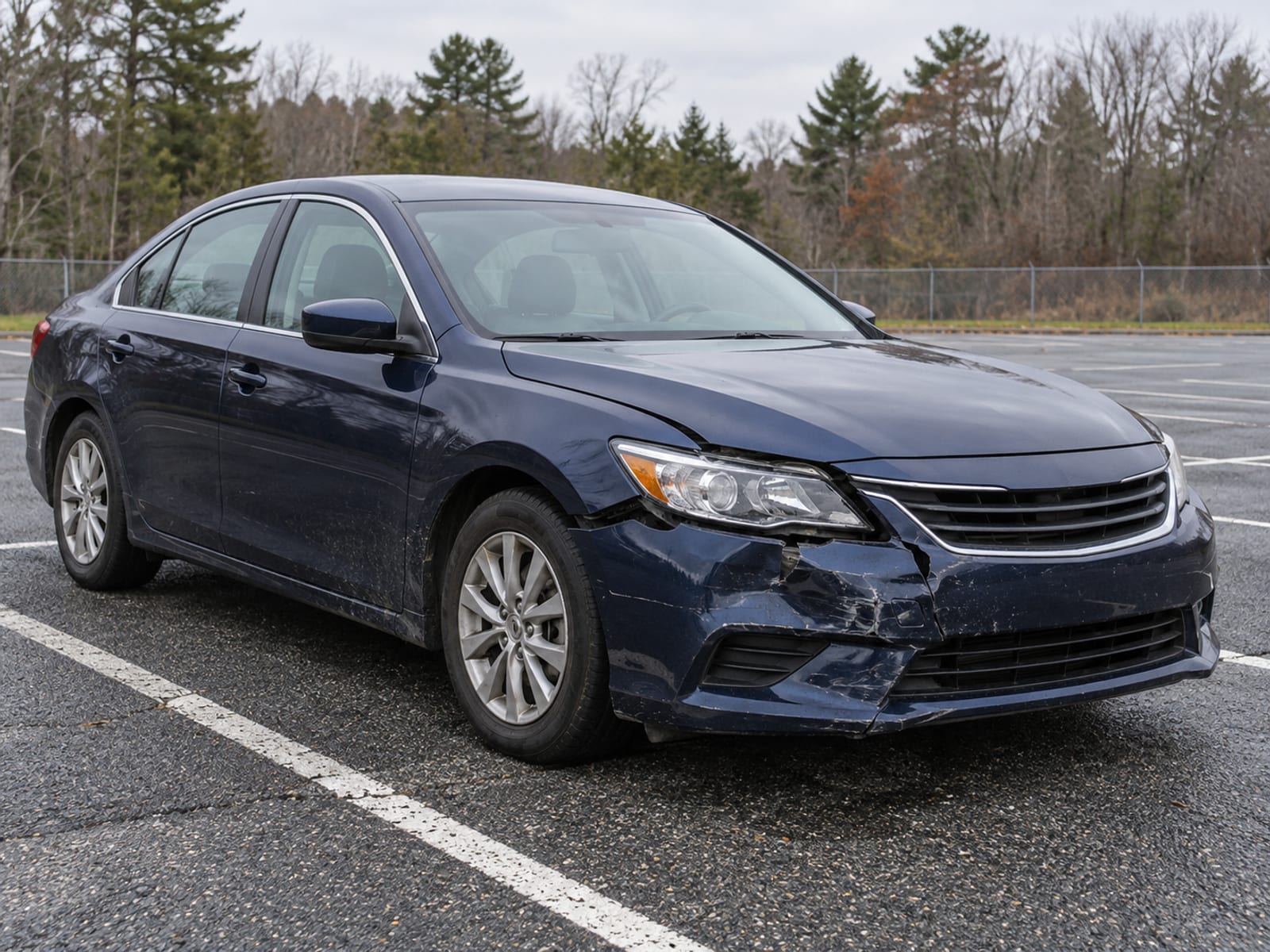
For vehicles, ACV generally reflects the market-based value of the car immediately before the loss. The insurer looks at pre-loss condition, age, options, mileage and comparable vehicles, per Progressive's total-loss guidance (opens in a new tab). A total loss also involves the vehicle title, odometer disclosure and lender information.
ACV can be lower than the remaining loan balance, which leaves a borrower owing the difference unless separate gap coverage applies. Ask the agency whether gap coverage is part of your auto policy.
How is replacement cost different from market value?
Replacement cost is what it takes to rebuild or replace the property. Market value is what a home and its land may sell for under current real-estate-market conditions, according to the NAIC. A home's market value includes land, and the land is not what an insurer rebuilds. The two numbers can be far apart, so a sale price does not tell you whether an insurance limit is enough to rebuild.
A lender's insurance requirement is also a separate question from how a claim is valued. Meeting a mortgage lender's requirement does not show that the policy pays every claim at replacement cost, and the policy's settlement provisions answer that.
What does the 80 percent condition do?
A standard HO-3 policy form gives replacement-cost treatment for a covered building loss when the insurance on the building is at least 80 percent of the building's full replacement cost immediately before the loss. If the threshold is not met, the payment can be limited to the greater of ACV or a proportion of the cost to repair or replace, subject to the policy limit, according to the Missouri Department of Commerce and Insurance's HO-3 form (opens in a new tab). The exact form and endorsements control.
The condition concerns the building's insurance relative to its replacement cost. It does not define ACV, and it does not decide how every roof, belonging or vehicle is valued. Ask the agency whether the 80 percent condition appears in your policy and where your dwelling limit stands against the estimated replacement cost.
How do state rules define ACV?
The policy's own definitions come first, and state law and each state's insurance department (opens in a new tab) can define ACV, replacement cost and holdback payments for claims in that state. For example, the Connecticut Insurance Department defines ACV as current replacement cost minus depreciation on its common terms page (opens in a new tab); our Connecticut homeowners insurance guide covers that state's rules in more detail.
If you think an estimate is incomplete or wrong, contact your state insurance department and check your policy's appraisal clause.
What should you ask an agency or insurer?
- What does my declarations page say about replacement cost, and which section of the policy controls settlement?
- Is the dwelling settled at replacement cost or ACV?
- Does the roof have a separate endorsement, roof-age provision or ACV settlement?
- Are belongings settled at replacement cost or ACV, and is there an endorsement that changes it?
- Is depreciation recoverable, and what deadline, receipts and documents apply?
- Is the deductible taken from the ACV figure, the replacement-cost figure or both?
- Does the 80 percent condition apply to my building, and how does my limit compare with replacement cost?
- Does the policy include extended replacement cost or inflation guard?
- What happens if the policy has lapsed, and does a lapse affect a loss that happened while it was in force?
- How is a totaled car valued, and does my lender's balance change what I receive?
Checklist before a claim
- Read the declarations page, the loss-settlement section and the endorsements.
- Confirm the deductible.
- Save receipts, photographs, warranties and inventory records.
- Get detailed repair or replacement estimates.
- Keep written claim explanations.
- For a vehicle total loss, gather the title and lender documents.
Check what you know about replacement cost and ACV
Frequently asked questions
What does 80% replacement cost mean?
Many standard property forms condition full replacement-cost treatment of a building on insurance equal to at least 80 percent of its full replacement cost. The form's own formula sets the payment when the threshold is missed.
What's the difference between ACV and RCV?
Replacement cost value (RCV) pays to repair or replace with like kind and quality and does not subtract depreciation. ACV subtracts depreciation for age, wear and condition, which is why the same roof can produce a $14,000 payment under one method and $4,000 under the other in the published roof example above.
Is replacement cost coverage worth it, and is RCV or ACV better?
The answer depends on your property, your limits and your deductible, and only your policy shows what each method would pay. Ask an agency for the difference in price and in payment for your dwelling, roof and belongings.
Does insurance pay actual cash value or replacement cost?
Either, depending on the policy and the property. Check the declarations page, the loss-settlement section and the endorsements, and ask about the dwelling, roof, belongings and vehicle one at a time.
Your next step
Take these questions to a licensed insurance agency and read your loss-settlement wording with them. Confirm the agent's license with your state insurance department (opens in a new tab) before you rely on the answers. You can search for agencies by state in the Riskado directory.
Terms used in this guide
Tap a term to see what it means.
Replacement cost. The cost to repair or replace damaged property with materials of like kind and quality, without subtracting depreciation, subject to the policy limit and conditions.
Actual cash value (ACV). Replacement cost minus depreciation for age, wear and condition.
Depreciation. A lower value assigned to property because of age, wear and tear, condition, useful life and similar factors.
Recoverable depreciation. The difference between ACV and replacement cost, paid after repair or replacement if the policy provides it. Also called a holdback.
Loss settlement. The section of the policy that says how a covered loss is valued and paid.
Declarations page. The page of the policy that summarizes coverages, limits and whether replacement-cost coverage applies.
Endorsement. An addition to the policy that changes how a loss is settled or what is covered.
80 percent condition. A condition in a standard HO-3 form that gives replacement-cost treatment for a building loss when the insurance on the building is at least 80 percent of its full replacement cost.
Market value. What a home and its land may sell for under current real-estate-market conditions.
Gap coverage. Separate coverage for a borrower who owes more on a car loan than the car's ACV.