Vacant Home Insurance: The 30 and 60 Day Rules, What Vacant Means, and How to Stay Covered
Riskado
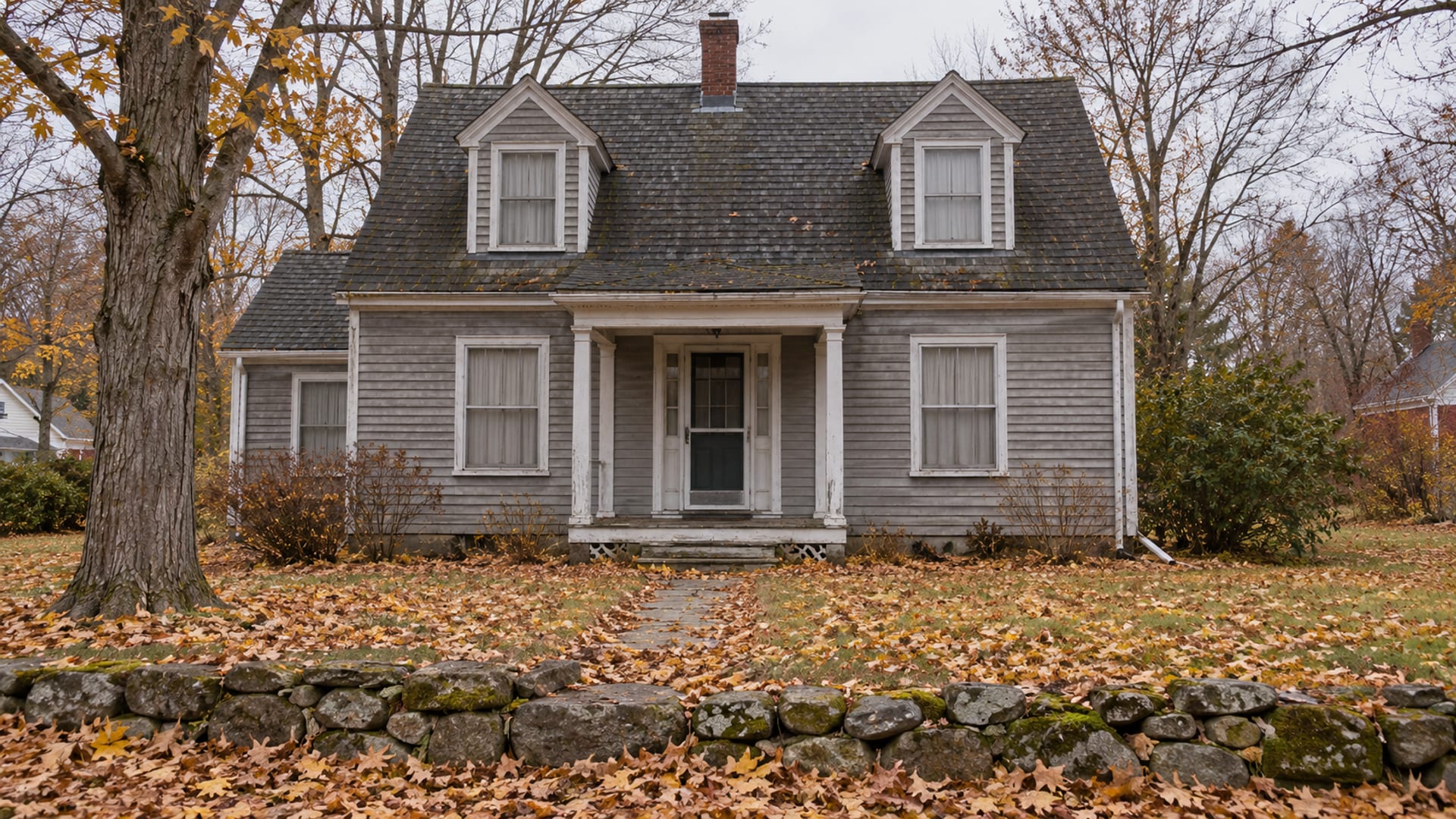
Vacant home insurance covers a house that is empty or not being lived in for an extended stretch. Most homeowners policies include a vacancy clause that limits or excludes coverage once the property has been empty for a set period, typically 30 to 60 consecutive days, according to the Insurance Information Institute (opens in a new tab). Vacant generally means no one lives there and the house is unfurnished; unoccupied means it is furnished but no one is living in it, according to the NAIC (opens in a new tab). The clause does not end every part of the policy at once, and policies and states handle it differently. Before you move out, take over an inherited house, end a tenancy or start a major renovation, tell your insurer and ask which endorsement or separate policy fits.
Key takeaways
- What it coversVacant home insurance covers a house that is empty or not being lived in for an extended stretch.
- The vacancy clauseMost homeowners policies limit or exclude coverage once the property has been empty for a set period, typically 30 to 60 consecutive days.
- Vacant vs. unoccupiedVacant generally means no one lives there and the house is unfurnished; unoccupied means furnished with no one living in it.
- Not all at onceThe clause does not end every part of the policy at once, and policies and states handle it differently.
- Call firstTell your insurer before you move out, take over an inherited house, end a tenancy or start a major renovation.
Is the house already empty, or about to be?
The best time to call the insurer is before the house empties out. If you leave without telling your insurance company, it might suspend your policy or refuse to pay for damage, according to the NAIC (opens in a new tab). The same advice applies whether you are moving to a new home, settling a parent's estate, waiting for the next tenant or clearing the house for contractors.
If the house is already empty, find out when it became empty. Count the days from then, because the vacancy period in a policy usually runs on consecutive days. Then read the policy and call the insurer, in that order, so you know which questions to ask.
What is the difference between vacant and unoccupied?
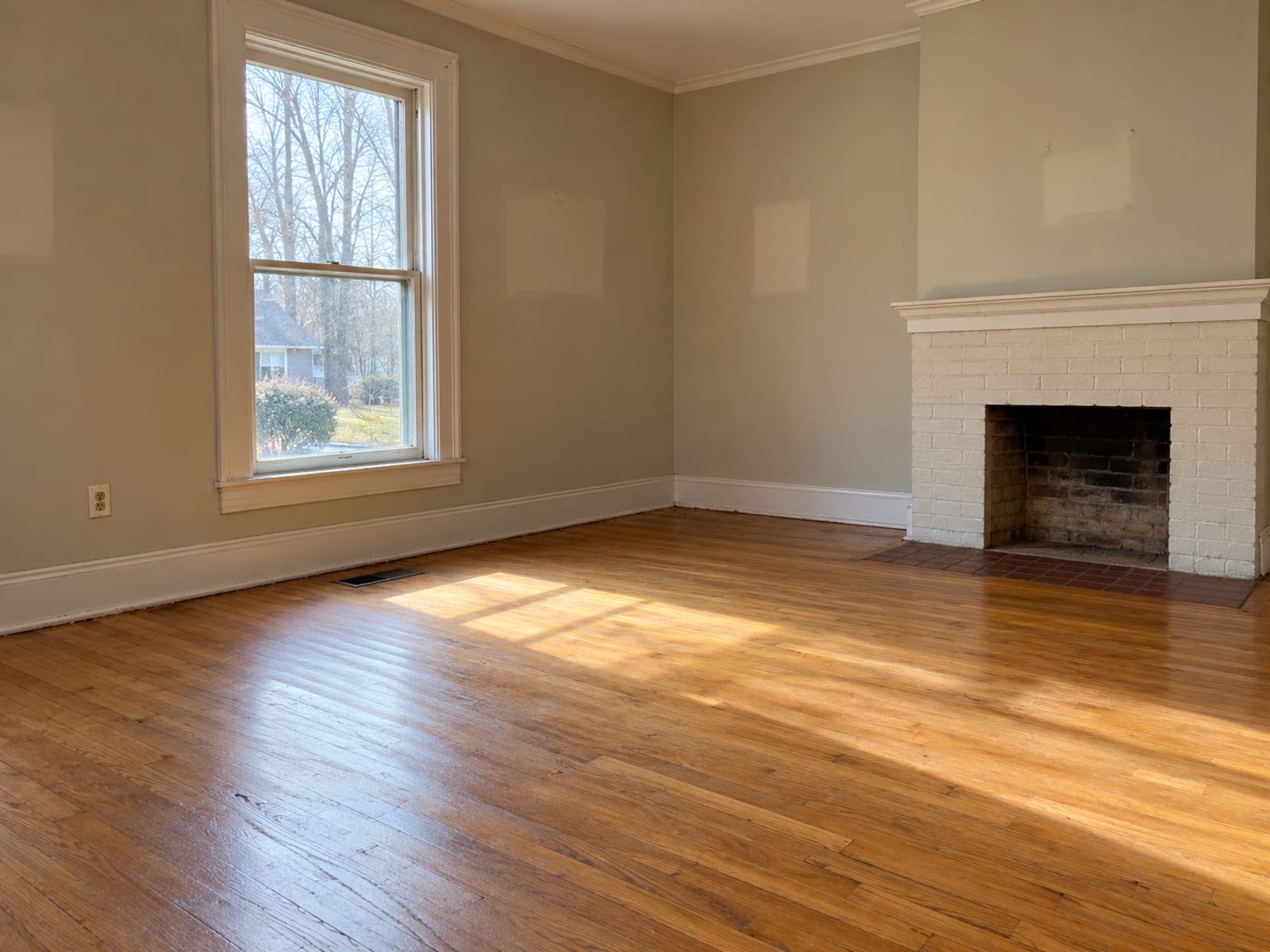
The two words sound alike and are treated differently. A house is vacant when there are no occupants and it is unfurnished, and unoccupied when it is furnished but no one is living there, according to the NAIC (opens in a new tab). A house still full of a late parent's furniture and a house cleared out for sale can fall under different provisions in the same policy.
Policies define these terms in their own words, and a definition in your policy controls over any general description. Ask your insurer how it defines vacancy and whether claims will be paid for a vacant house, which is the question the NAIC suggests. A weekly visit from a family member does not, by itself, change the classification. Ask how the insurer treats visits and inspections before you rely on them.
What do the 30 and 60 day rules do?
There is no universal rule that every homeowners policy ends after 30 or 60 days. A vacancy clause limits or excludes coverage once a property has been empty for the period in the policy, typically 30 to 60 consecutive days, according to the Insurance Information Institute (opens in a new tab). Sixty days is the figure regulators cite most often. Losses to a house vacant 60 days or more are generally not covered by a homeowners policy, according to the California Department of Insurance (opens in a new tab), and policies may not pay claims if the house is empty for 60 or more days, according to the NAIC (opens in a new tab).
How much coverage is affected varies. Most companies stop your coverage if a house is vacant for 60 days or more, though they usually do not stop your liability coverage, according to the Texas Department of Insurance home insurance guide (opens in a new tab). Your declarations page and endorsements show which version you have.
A long vacancy can also affect whether the policy continues at all. A home vacant for more than 60 consecutive days is an example of a physical change that can give an insurer grounds to cancel, according to the Connecticut Insurance Department (opens in a new tab), and in Texas a company might not renew a policy when the house is vacant for 60 days or more, according to the Texas Department of Insurance (opens in a new tab). If you have already received a letter, homeowners insurance non-renewal explains notice periods and where to look next.
Hover or tap a row to highlight it.
| Figure | What it refers to | Source |
|---|---|---|
| 30 to 60 consecutive days | Typical point at which a homeowners vacancy clause limits or excludes coverage | Insurance Information Institute, 2025 (opens in a new tab) |
| 60 days or more | Losses to a vacant house generally not covered by a homeowners policy | California Department of Insurance (opens in a new tab) |
| 60 days or more | Most companies stop coverage for a vacant house, usually not liability (Texas example) | Texas Department of Insurance (opens in a new tab) |
| $10,000 to $70,000 or more | Cost to repair burst-pipe damage, depending on how long it goes unnoticed | Insurance Information Institute, 2025 (opens in a new tab) |
| 10% to 25% more per year | Landlord insurance compared with a homeowners policy | NAIC (opens in a new tab) |
| At least two declinations | Condition for Texas FAIR Plan coverage (state example) | Texas Department of Insurance (opens in a new tab) |
Which losses are most affected?
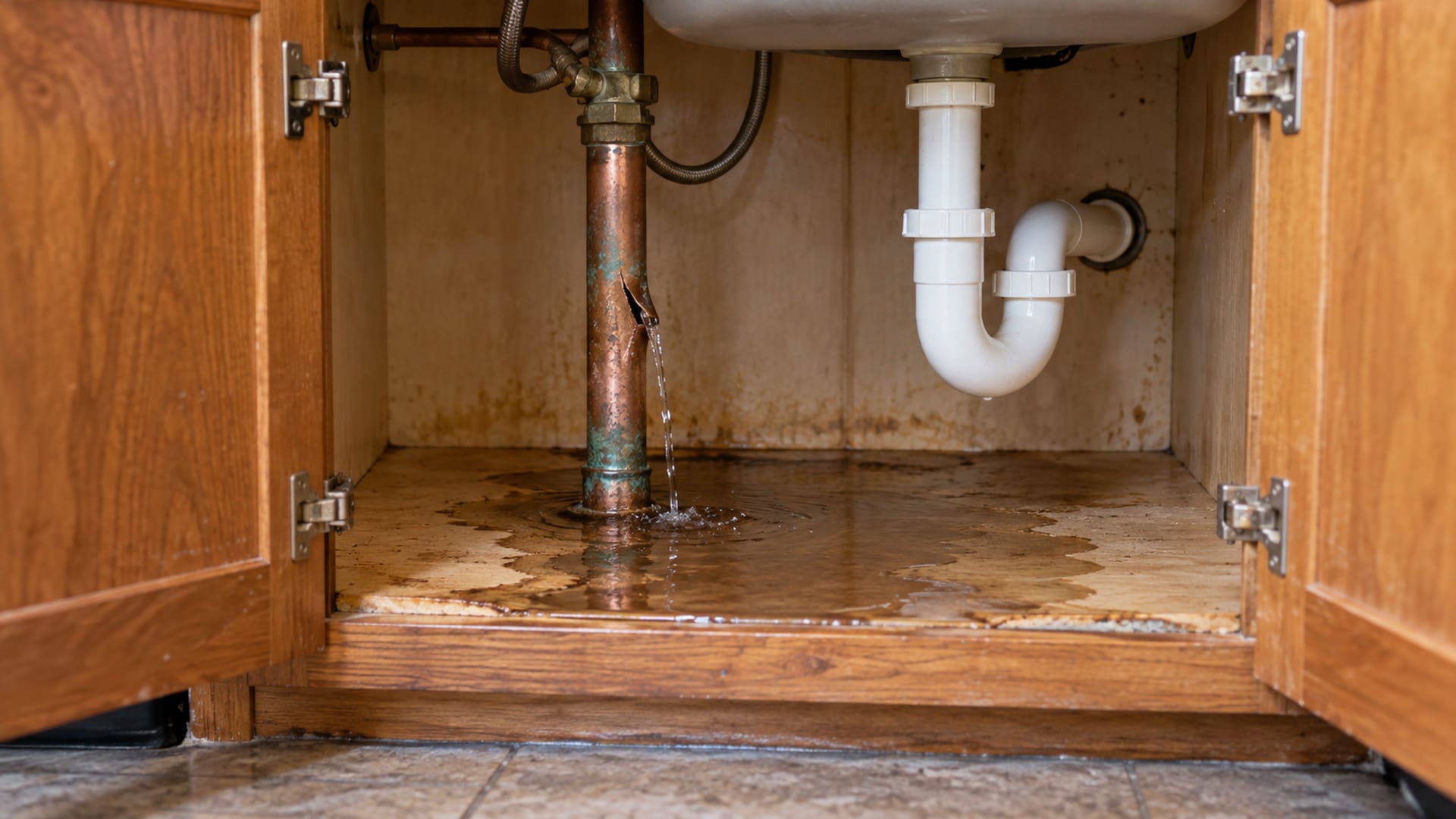
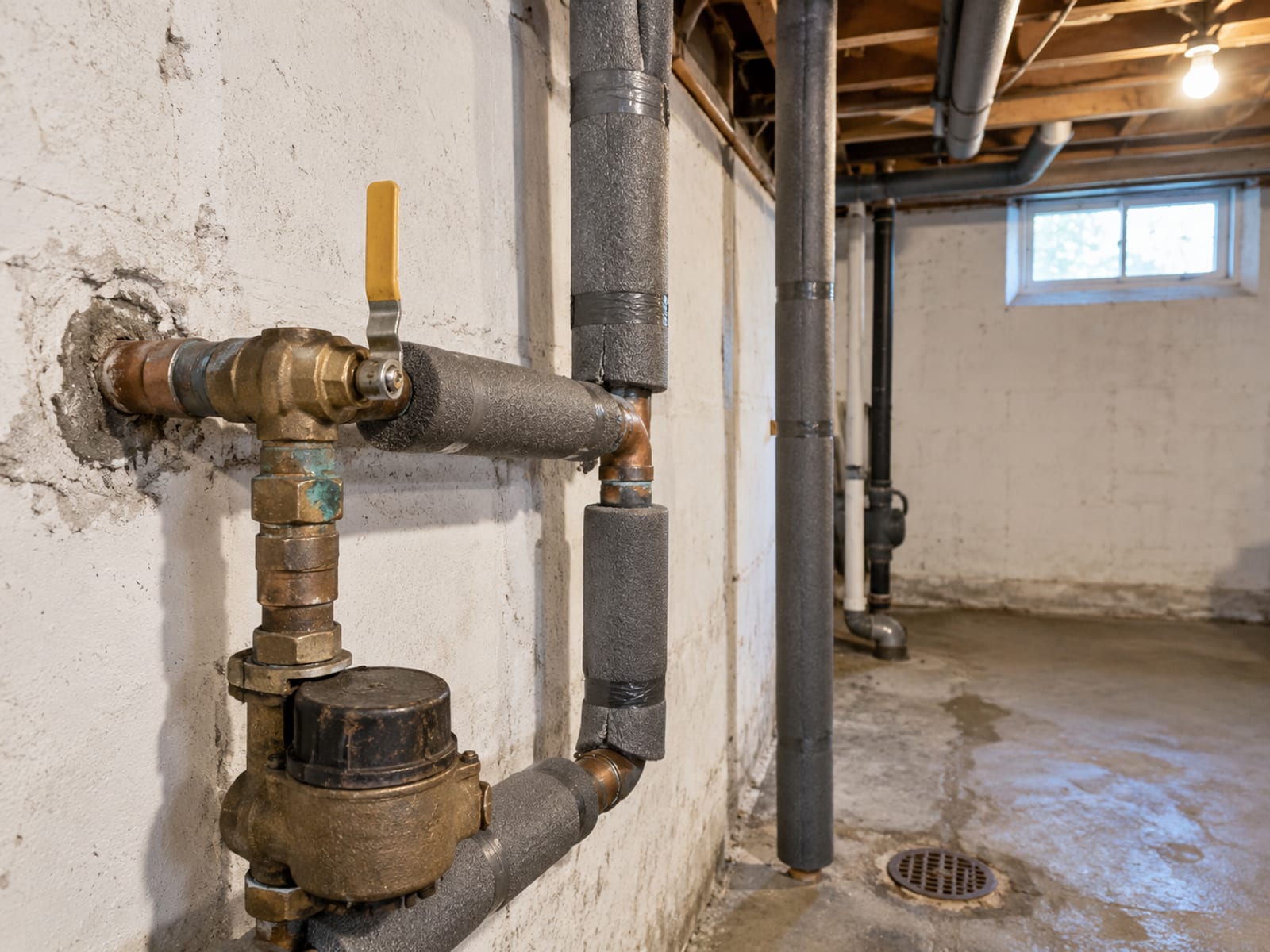
Vacancy clauses focus on the losses an empty house is most exposed to. Many standard policies exclude or limit coverage for theft and vandalism once a home is considered vacant, according to the Insurance Information Institute (opens in a new tab). Water is the other big one. An empty house faces a higher risk of unforeseen damage such as burst pipes and fire, according to the NAIC (opens in a new tab), and a leak can run for days before anyone notices. Repairing damage from a burst pipe can cost $10,000 to $70,000 or more, depending on how long it goes unnoticed, according to the Insurance Information Institute (2025).
Freezing losses usually come with conditions. Insurers typically require proof that reasonable steps were taken to maintain the property, and failing to heat the home in winter could void coverage even under a vacant home policy, according to the Insurance Information Institute. Read the freezing and water sections of your policy alongside the vacancy clause, and if you plan to shut the water off, ask whether the insurer also expects the pipes drained.
Fire and liability are the two coverages owners ask about most. Whether fire stays covered after the vacancy period depends on your policy's wording. Liability exposure continues when no one lives in the house: a delivery person on an icy walk or an agent at a showing can still be hurt. Vacant or unoccupied homes can leave the owner exposed to loss and liability, according to the NAIC (opens in a new tab). Ask the insurer in writing whether liability stays in force during the vacancy.
What is vacant home insurance, and how do you get it?
Vacant home coverage comes in a few forms. Some insurers offer an endorsement that keeps coverage in place for a house that will be empty for an extended period, according to the NAIC (opens in a new tab). Others write a separate vacant home policy. These policies typically include water damage from plumbing or heating failures; fire, lightning, windstorm and hail; theft, vandalism and damage by trespassers; and liability for injuries on the property, according to the Insurance Information Institute (opens in a new tab). A rental property may belong on a landlord or dwelling-fire policy instead.
Do not cancel the old policy on a house you have moved out of before the new coverage is in place. The NAIC advises against canceling right away and suggests asking your agent about a supplemental endorsement that will provide coverage on the home. Compare covered perils, exclusions, conditions and limits line by line, because no single package applies to every vacant home policy.
What should you do with an inherited house?
If you are the executor or helping one, collect the deceased person's insurance policies, including homeowners, and update or cancel any policy affected by the death, according to the NAIC (opens in a new tab). Do not assume the old policy carries on unchanged in the deceased owner's name. Call the insurer, give it the information it asks for about the death and the estate, and ask whether the estate, the personal representative, a trust or a beneficiary needs to be named on the policy.
Then ask about vacancy, because an inherited house often sits empty during probate or a sale. An estate can be the legal owner of a decedent's residence and the personal representative can sell it during administration, according to IRS Publication 559 (opens in a new tab). That tax guidance does not decide insurance coverage, and probate and authority over the property are set by state law, so check those questions with the estate's attorney.
What applies between tenants or during a sale?
A house you rent out usually belongs on a landlord policy, not a homeowners policy. Landlord insurance covers the house, other structures and the owner's possessions, plus lost rental income if the home becomes uninhabitable and some liability protection; tenant possessions are not covered, according to the NAIC (opens in a new tab). The differences are laid out in landlord insurance vs. homeowners insurance.
When a tenancy ends, a vacancy clause can apply while the unit sits empty. Tell the insurer the date the tenant left and when you expect the next one, and ask whether the policy needs a vacancy endorsement or a separate policy for the gap. The same call applies to a house listed for sale after you have moved out. A Connecticut homeowners application (opens in a new tab), for example, asks whether the house is for sale and whether it is occupied, which shows the questions insurers expect answered.
What applies during a renovation?
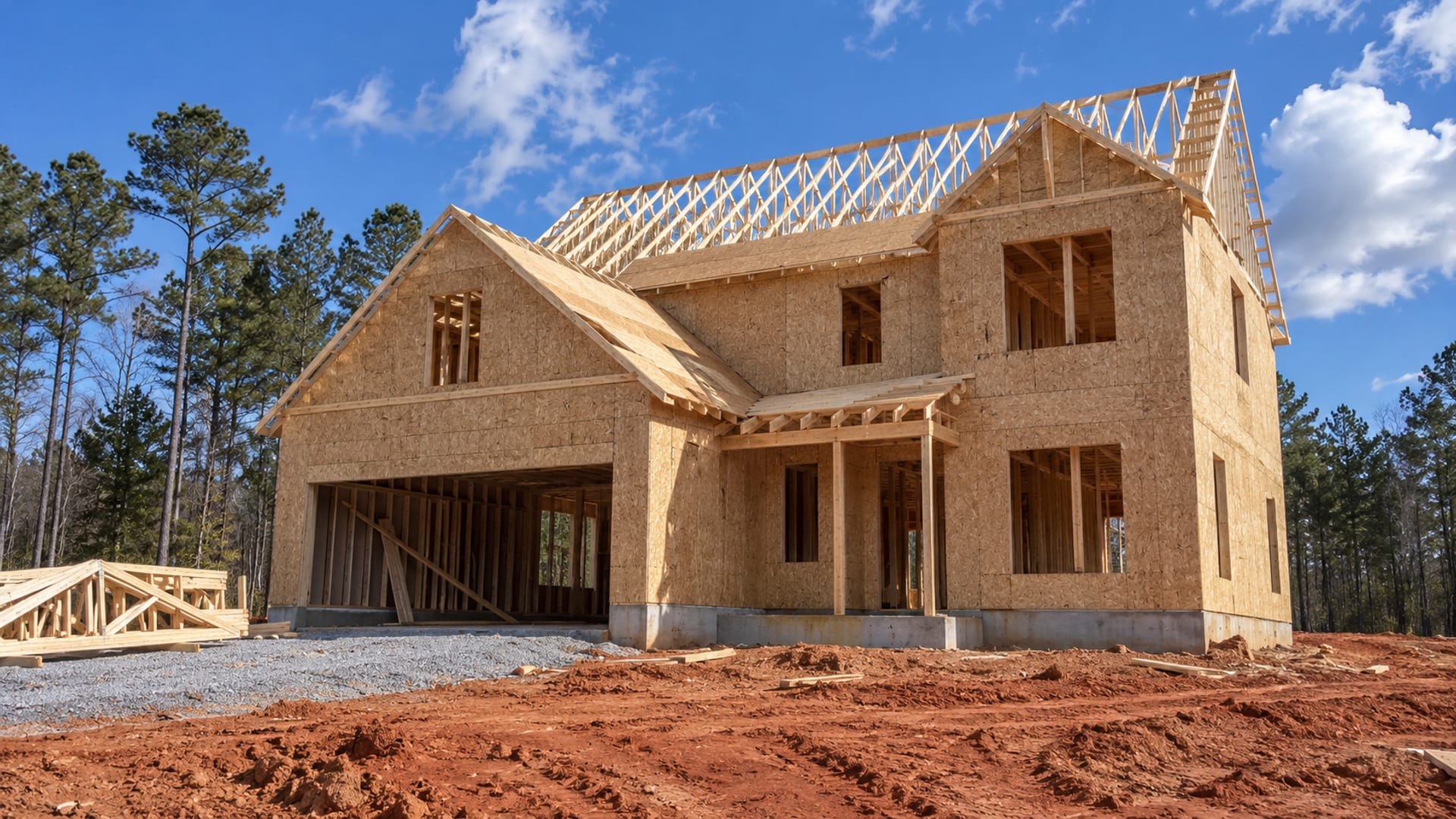
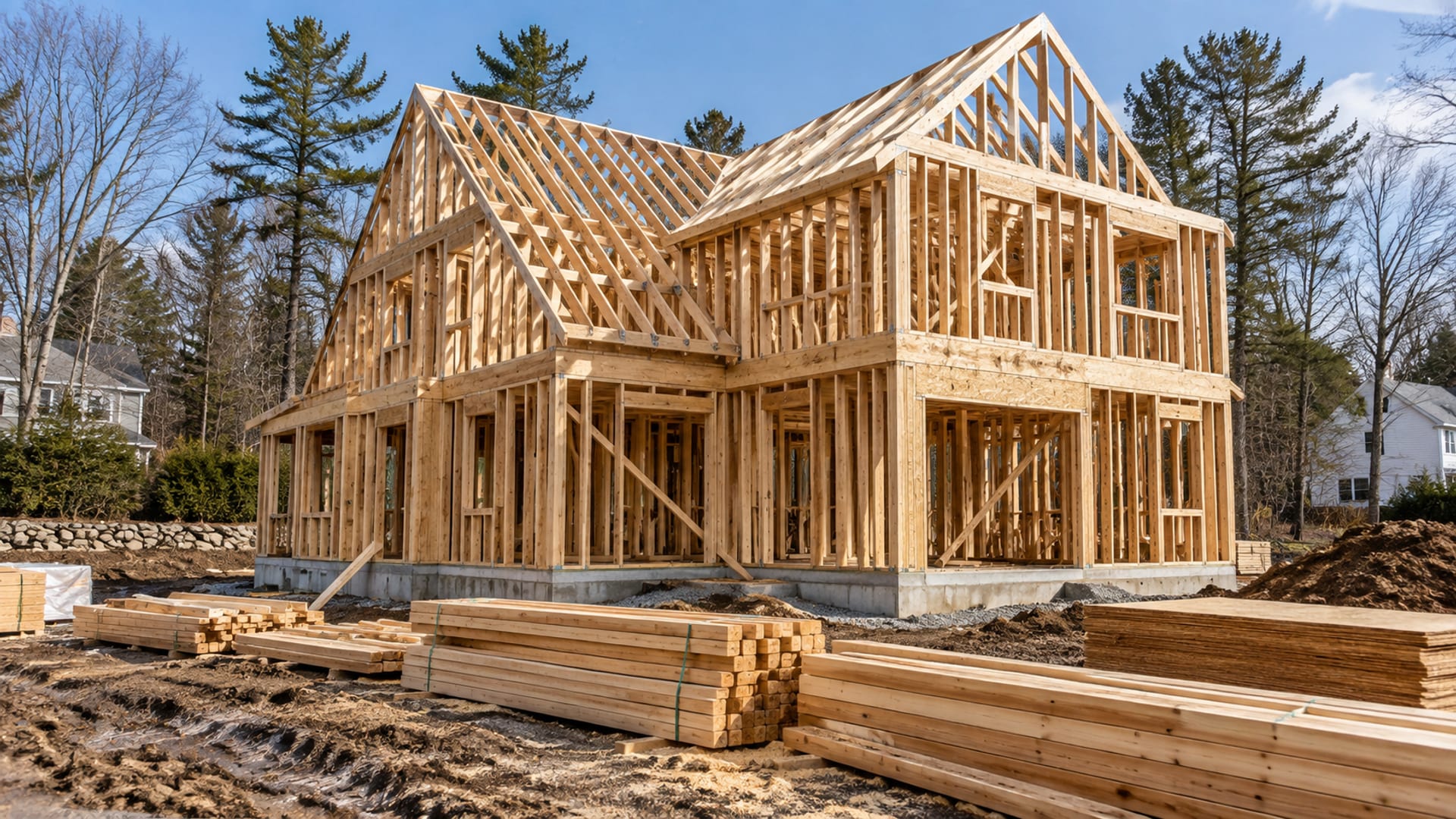
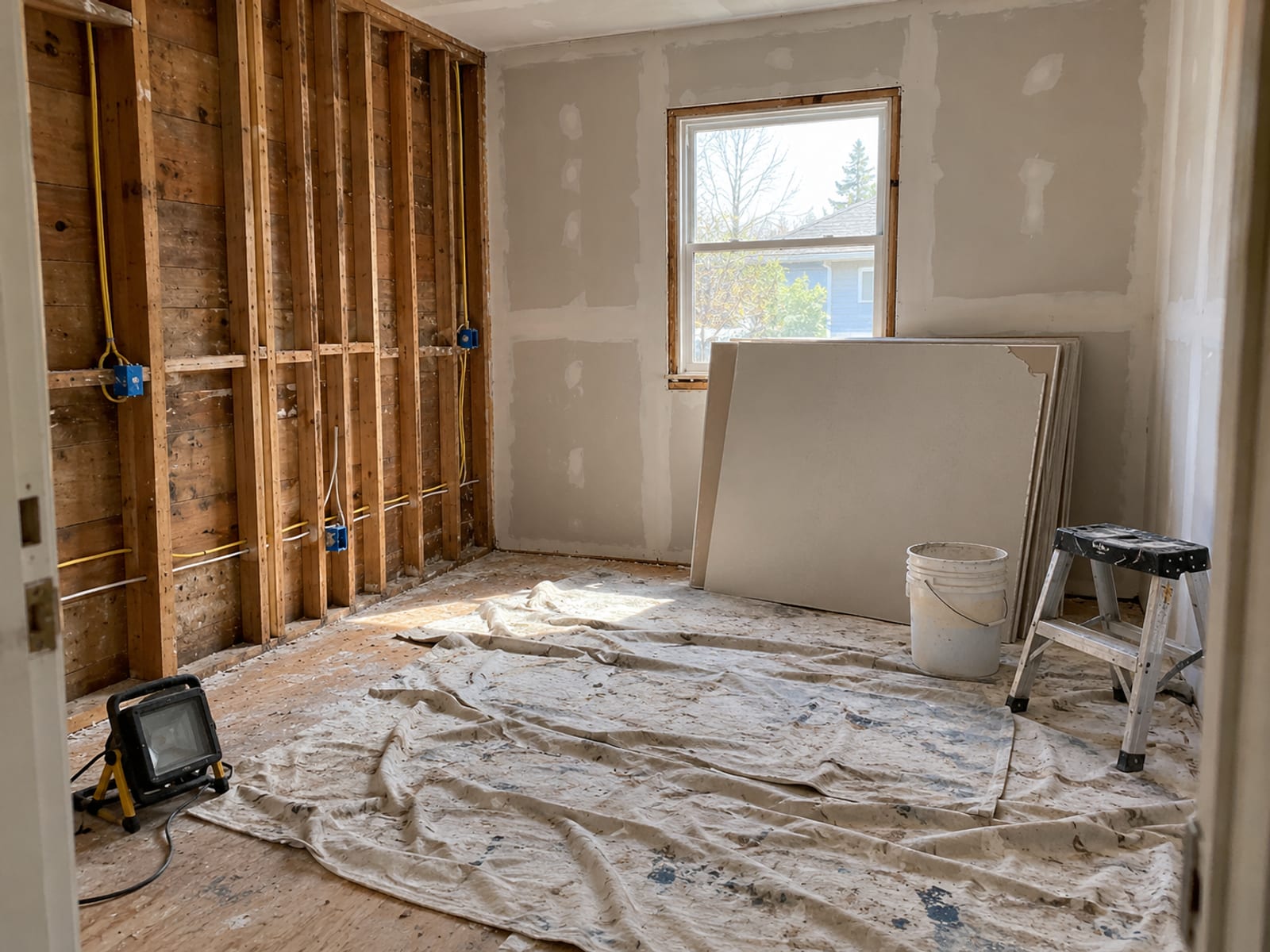
A renovation changes more than occupancy. A renovation of more than $5,000 can change a home's replacement value and its insurance needs, according to the NAIC (opens in a new tab). Builders risk insurance covers loss or damage to a building under construction, is written for a specified amount and applies only during construction, customarily including fire, extended coverage, vandalism and malicious mischief, according to the Connecticut Insurance Department glossary (opens in a new tab).
An empty house under renovation does not fit neatly under either a vacancy endorsement or a builders risk policy. Tell the insurer the scope of the work, the contractor, the permits, the stage of construction, when you expect to move back in, and how utilities and security will be handled. Builders risk insurance for homeowners covers when that policy applies.
How much does vacant home coverage cost?
Vacant home policies tend to cost more than standard homeowners insurance, according to the Insurance Information Institute (opens in a new tab). For a rental, the NAIC says to expect to pay 10 to 25 percent more per year for landlord insurance than for a homeowners policy, with short-term and long-term rental policies priced differently. Those are general figures, not quotes. The price for your house depends on its location, construction, age and condition, protective devices, claims history, how long it will be empty, the policy form, the limits and the deductible.
How do you protect an empty house?
The steps that protect the house also support a claim. The Insurance Information Institute (opens in a new tab) lists them: keep the thermostat at least 55°F in winter; shut off the water supply or fully winterize the plumbing; lock doors and windows; install leak detectors, thermostats and cameras that send alerts; have someone check the house weekly; keep walkways and lighting in good order; and tell the insurer when the home will be unoccupied for an extended period.
Keep a record of all of it. Note the date of each visit, the thermostat setting, the date the water was shut off and drained, and any repairs. Ask the insurer which of these steps its policy requires, because a condition in the policy can matter as much as the vacancy clause itself.
Protecting an empty house, step by step
- Before it emptiesTell the insurer in writing when the home will be unoccupied and why.
- Heat or winterizeKeep the thermostat at least 55°F in winter, or shut off the water and fully winterize the plumbing.
- Secure itLock doors and windows and keep walkways and lighting in good order.
- Monitor itInstall leak detectors, thermostats and cameras that send alerts.
- Check it weeklyHave a neighbor, family member or property manager visit, and log each visit.
What if regular insurers decline the house?
Some standard companies will not write a vacant house. Your next options depend on your state. In Texas, if you cannot find a Texas-licensed company and at least two companies have turned you down, you can get coverage through the Texas FAIR Plan Association, and surplus lines companies insure risks Texas companies will not, though the agent must first try to find coverage with a licensed company, according to the Texas Department of Insurance (opens in a new tab). FAIR Plans and surplus lines insurers have their own eligibility rules and coverage, and a FAIR Plan may apply its own vacancy standards. Ask an agency which options exist in your state, and find one in the Riskado agency directory, which lists agencies across the US by state and city.
Check what you know about vacant home insurance
Frequently asked questions
Does homeowners insurance end after 60 days of vacancy?
Not automatically. The policy may limit or exclude certain losses after the vacancy period, and an insurer may cancel or decline to renew under your state's rules. Your policy's wording controls.
Is a furnished house with no one living there vacant?
It is generally called unoccupied rather than vacant, according to the NAIC. Your policy's definitions decide which clause applies, so ask the insurer.
Does vacant home insurance cover frozen pipes?
Vacant home policies often cover sudden events such as a pipe bursting from freezing, but insurers typically expect proof that the house was heated or winterized. Ask what the policy requires before winter.
Do I need to tell my insurer before I move out?
Yes. If you leave without notifying your insurer, it might suspend the policy or refuse to pay for damage, according to the NAIC.
What should an executor do about an inherited house?
Notify the insurer, provide the estate details it asks for, and ask how the estate or personal representative should be named and whether vacancy coverage is needed.
Your next steps
Write down the date the house became or will become empty, read the vacancy, freezing and water sections of the policy, and call the insurer before the vacancy period starts. Ask whether you need an endorsement, a vacant home policy, a landlord policy or builders risk coverage, and get the answer in writing. Keep the heat on or winterize, arrange regular checks and keep a log of each one.
Sources: NAIC (opens in a new tab); Insurance Information Institute (opens in a new tab); California Department of Insurance (opens in a new tab); Connecticut Insurance Department (opens in a new tab); Texas Department of Insurance (opens in a new tab); IRS Publication 559 (opens in a new tab).
Terms used in this guide
Tap a term to see what it means.
Vacant. Generally, a house with no occupants that is unfurnished.
Unoccupied. Generally, a house that is furnished but has no one living in it.
Vacancy clause. Policy language that limits or excludes coverage once a property has been empty for a set period.
Endorsement. An add-on that changes a policy's coverage, such as one that keeps coverage in place for a vacant house.
Landlord insurance. A policy for a rental house that covers the building, the owner's possessions, lost rental income and some liability.
Builders risk insurance. Coverage for loss or damage to a building under construction, written only for the course of construction.
FAIR Plan. A state residual market plan that offers basic property coverage when the regular market will not.
Surplus lines insurer. An insurer that takes risks standard companies will not.
Personal representative. The person who manages a deceased person's estate, often called the executor.