Does Homeowners Insurance Cover Roof Replacement: Storm Damage, Roof Age and Payment Schedules
Riskado
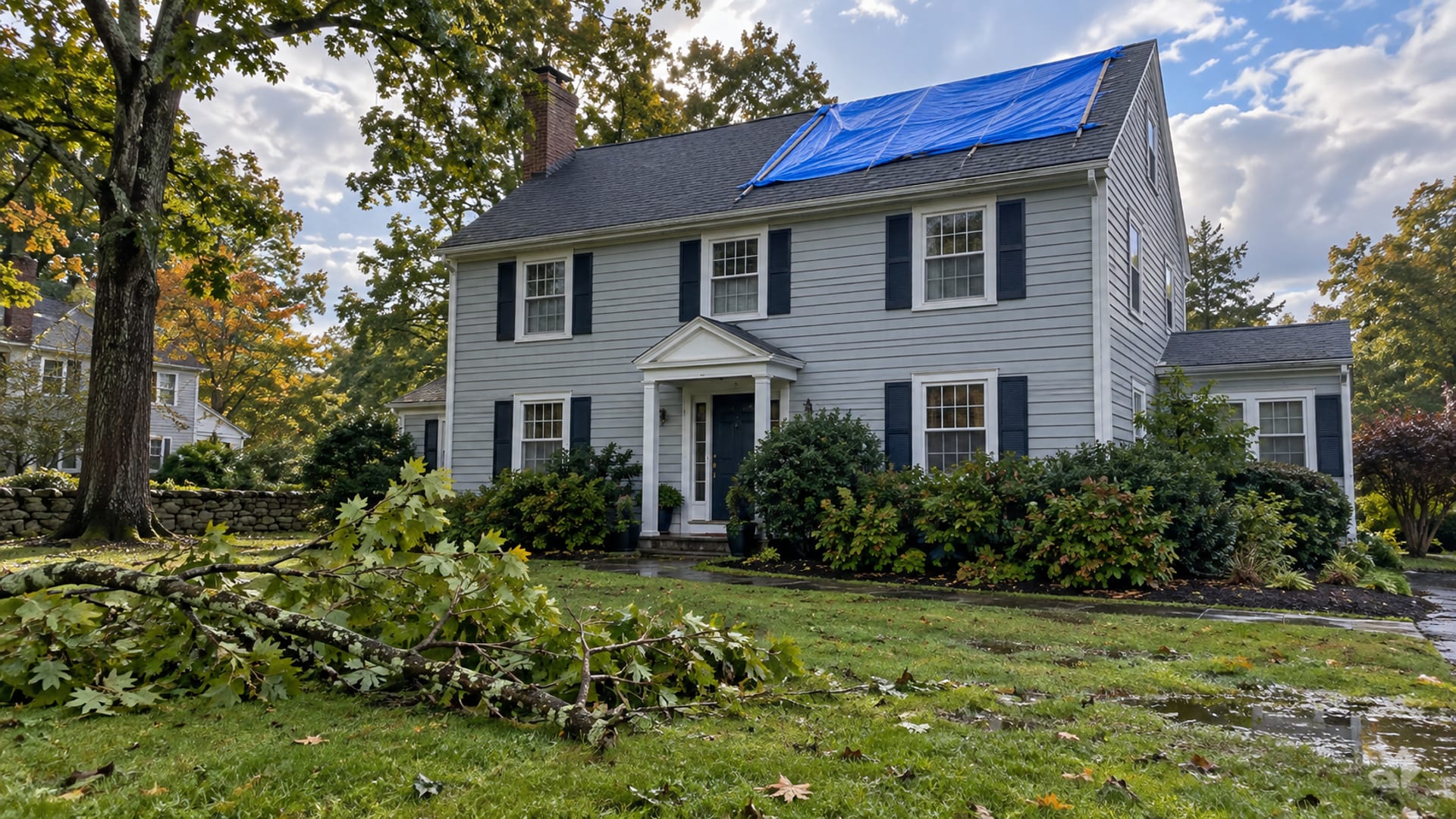
Homeowners insurance may pay to repair or replace a roof when a covered, sudden event such as wind, hail or a falling tree damages it. It generally won't replace a roof just because the roof is old, worn out or poorly maintained. How much you're paid, and when, depends on your policy's roof valuation, deductible, exclusions and declarations page. With replacement-cost coverage, you may get an actual-cash-value payment first and the rest after repairs are done. An older roof may be valued at actual cash value or under a payment schedule that lowers the claim amount. Building-code and roof-age rules differ by state, so read your policy and check local requirements before you sign a replacement contract.
Key takeaways
- Covered eventsInsurance may pay to repair or replace a roof when a covered, sudden event such as wind, hail or a falling tree damages it.
- Age and wearIt generally won't replace a roof just because the roof is old, worn out or poorly maintained.
- How much and whenDepends on your policy's roof valuation, deductible, exclusions and declarations page.
- Two paymentsWith replacement-cost coverage, you may get an actual-cash-value payment first and the rest after repairs are done.
- State rulesBuilding-code and roof-age rules differ by state, so read your policy and check local requirements before you sign a replacement contract.
Was the roof damaged by a covered peril?
Start with what caused the damage. State insurance regulators publish roof guides, and the Texas Department of Insurance guide to insurance and your roof (opens in a new tab), for example, says you can file a claim when a storm, a tree or another covered event damages your roof. Many policies cover damage from falling trees, and many cover damage from the weight of snow, sleet or ice, according to the same department's disaster claims FAQ (opens in a new tab), which adds that if a neighbor's tree falls on your roof, your own policy is usually where the claim starts, since the neighbor generally isn't responsible for an act of nature unless the neighbor was at fault. Wind, hail and fire are the other common covered causes.
Even with a covered cause, the claim is still subject to exclusions, deductibles, limits, how the roof is valued, what the adjuster finds caused the damage, and what your declarations page shows. A covered storm doesn't automatically mean a full new roof.
Why age and wear alone don't trigger a claim
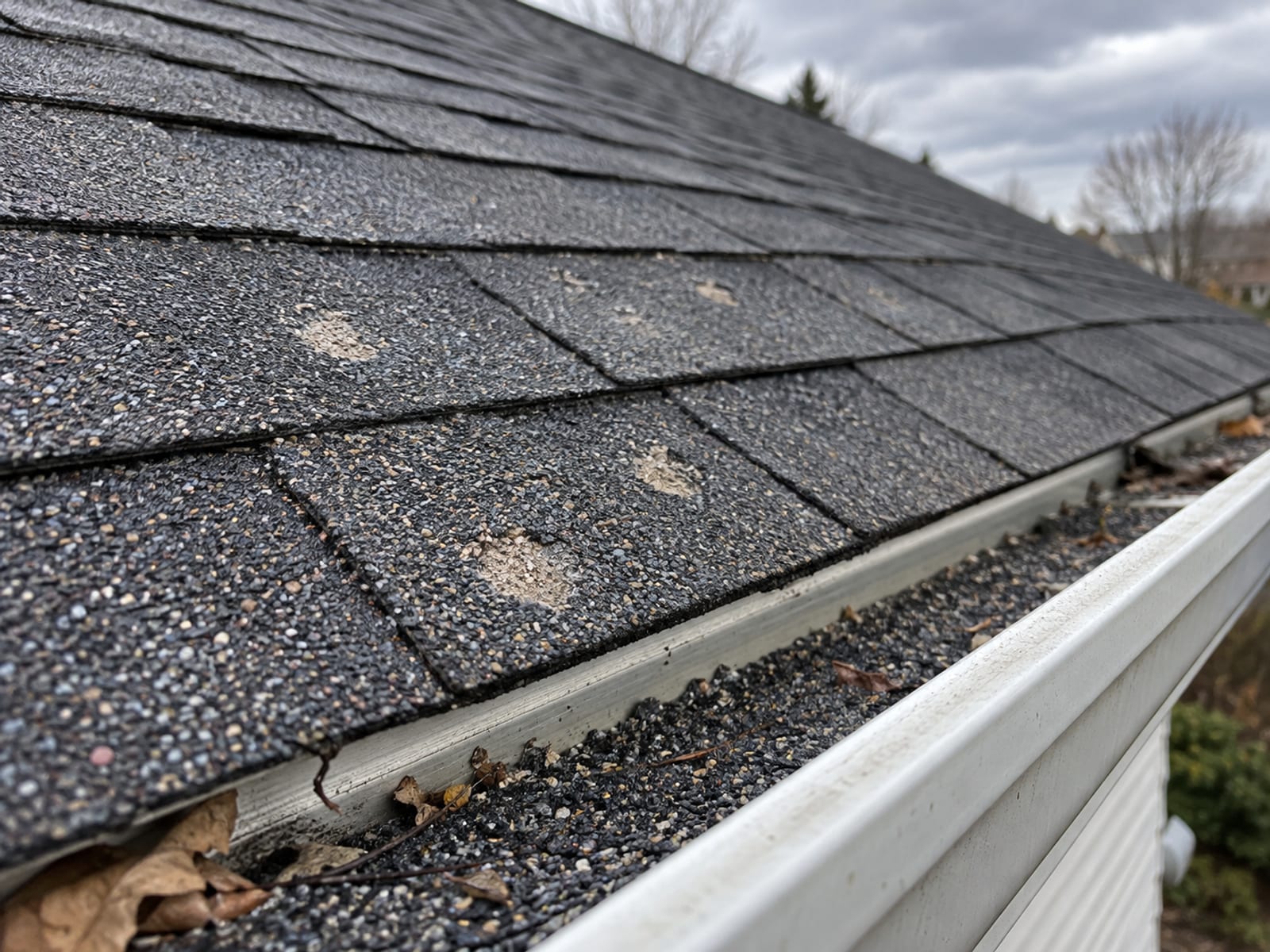
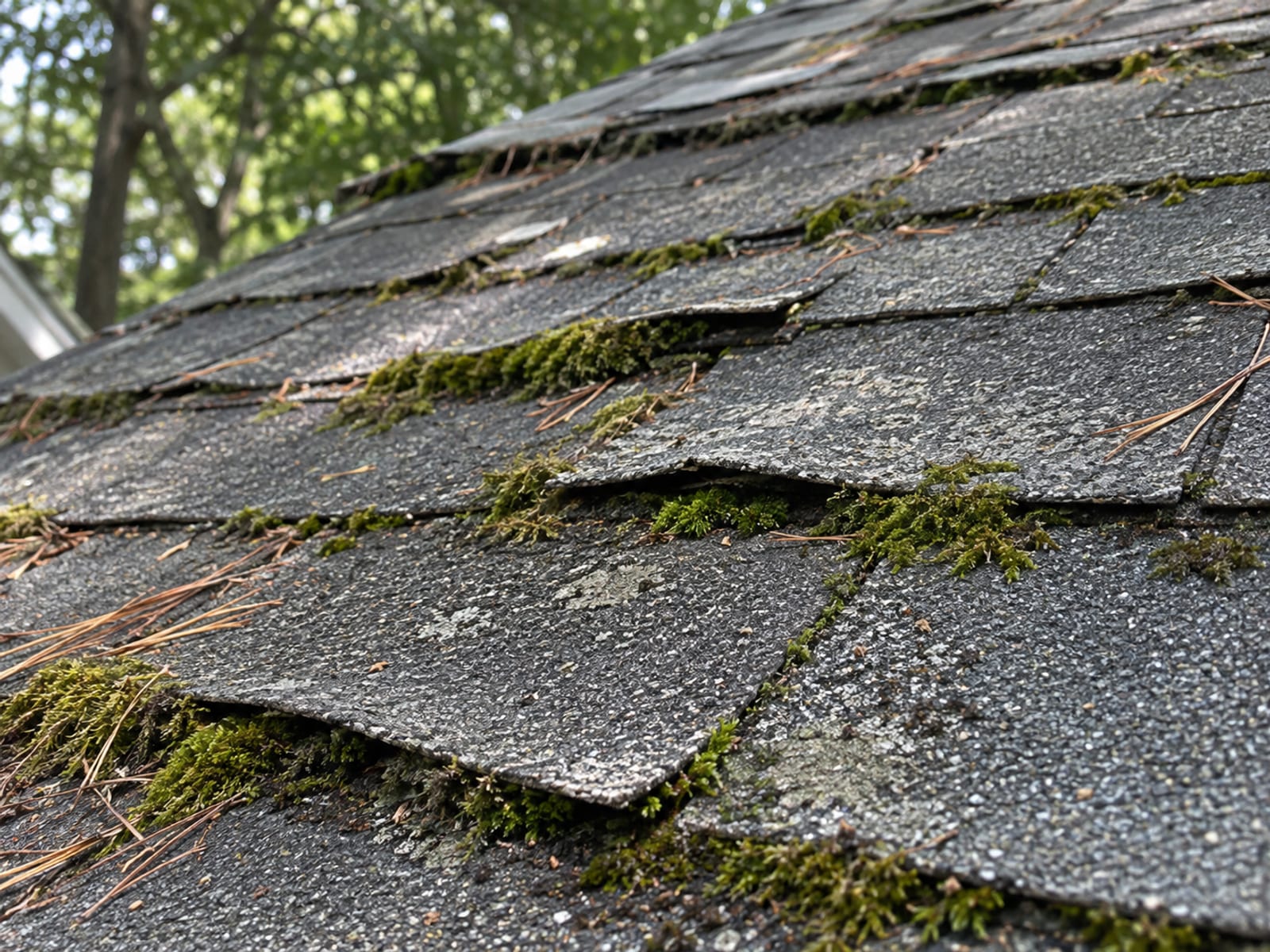
Age by itself isn't a covered peril. An insurer won't pay for a new roof merely because it's old or worn out. Wear and tear, deterioration, poor maintenance, seepage and gradual leaks can limit or exclude coverage. The Washington Office of the Insurance Commissioner, for example, separates sudden accidents from ongoing maintenance issues and says gradual leaks may not be covered (opens in a new tab).
An older roof can still be part of a covered claim after a storm. In that case, the insurer may apply actual cash value, depreciation, a roof payment schedule or an exclusion to the older roof. If water came through the roof and damaged the inside of your home, our page on whether homeowners insurance covers water damage explains how sudden and gradual leaks are treated.
Replacement cost, actual cash value and roof payment schedules
This is usually where the money question gets decided.
Replacement cost is the cost to repair or replace with materials of similar kind and quality, without subtracting depreciation, subject to the policy's terms and limits. Actual cash value is that cost after depreciation for age and wear, according to the NAIC homeowners insurance consumer page (opens in a new tab).
Some policies pay the full current repair cost, while others pay less when the roof is older or showing wear, and insurers may switch older roofs to actual-cash-value coverage. A roof schedule can reduce the payment by roof age, by material or by a stated percentage, and each schedule is specific to the policy.
Hover or tap a row to highlight it.
| Valuation | What it pays | What to check |
|---|---|---|
| Replacement cost | The cost to repair or replace with materials of similar kind and quality, without subtracting depreciation, subject to the policy's terms and limits | Whether the first check is actual cash value, with the rest paid after repairs and proof |
| Actual cash value | That cost after depreciation for age and wear | Whether the insurer switched an older roof to this basis |
| Roof payment schedule | A payment that declines by roof age, by material or by a stated percentage | The schedule on your own policy, since each one is specific to the policy |
Why the first check can be smaller than the estimate
Replacement-cost claims are often paid in two checks. The first may be actual cash value minus your deductible, and the rest is paid after repairs begin or are finished and you send proof, as the Texas Department of Insurance disaster claims FAQ (opens in a new tab), for example, explains. If the first payment looks low, ask the insurer whether it's a partial actual-cash-value payment or the final amount, and what proof it needs to release the rest. Our comparison of replacement cost vs actual cash value goes into the difference in more detail.
What deductible applies to roof damage?
A flat deductible is a set dollar amount. A percentage deductible is calculated from a policy limit or another amount the policy names. Wind, hail, hurricane and named-storm deductibles can be separate from the deductible for other damage.
Check whether your wind and hail deductible differs from the deductible for other damage. A declarations page may list separate wind and hail deductibles for tornadoes and hurricanes, and other-peril deductibles for fire and theft, as the Texas Department of Insurance guide to reading a declarations page (opens in a new tab), for example, shows.
Some states allow a roof-specific deductible. In Florida, for example, certain policies can include a separate roof deductible of up to 2% of Coverage A or 50% of the roof replacement cost, whichever is lower, subject to statutory conditions, according to the Florida Office of the Insurance Consumer Advocate (opens in a new tab). That roof deductible doesn't apply to hurricane damage, a total loss from a covered event, certain tree or hazard damage that punctures the roof deck, or damage needing repair of less than 50% of the roof. These are Florida rules, not a national formula.
Will the insurer repair part of the roof or replace all of it?
The adjuster inspects the damage, including any temporary repairs, decides what caused it and estimates the cost to repair or replace the covered property, according to the NAIC's after-the-storm consumer guidance (opens in a new tab). Your contractor can also talk with the adjuster about additional damage.
A roofer's recommendation for a full replacement doesn't decide coverage on its own. Matching materials, adjoining areas, code requirements and your policy's repair language all affect the scope, and some states set their own matching rules. In Florida, for example, when replacement items don't match in quality, color or size, the insurer should make reasonable repairs or replacement of adjoining areas, subject to the policy and circumstances, according to the Florida Department of Financial Services homeowners insurance overview (opens in a new tab).
The 25% roof rule
The 25% rule is a building-code matter that varies by state, not a national insurance rule. In Florida, for example, under Fla. Stat. § 553.844 (opens in a new tab), when a roofing system or roof section was built, repaired or replaced in compliance with the 2007 Florida Building Code or a later edition, and 25% or more of it is repaired, replaced or recovered, only the repaired, replaced or recovered portion must meet the current code. That provision was amended by Florida Senate Bill 4-D (opens in a new tab), effective May 26, 2022. The statute sets a building requirement and doesn't promise any insurance payment.
When code enforcement adds cost to a repair, ordinance or law coverage may address it, depending on the policy, the endorsement, the jurisdiction and the loss. Ask your agent whether you have it and what limit applies.
Does roof age affect renewal or underwriting?
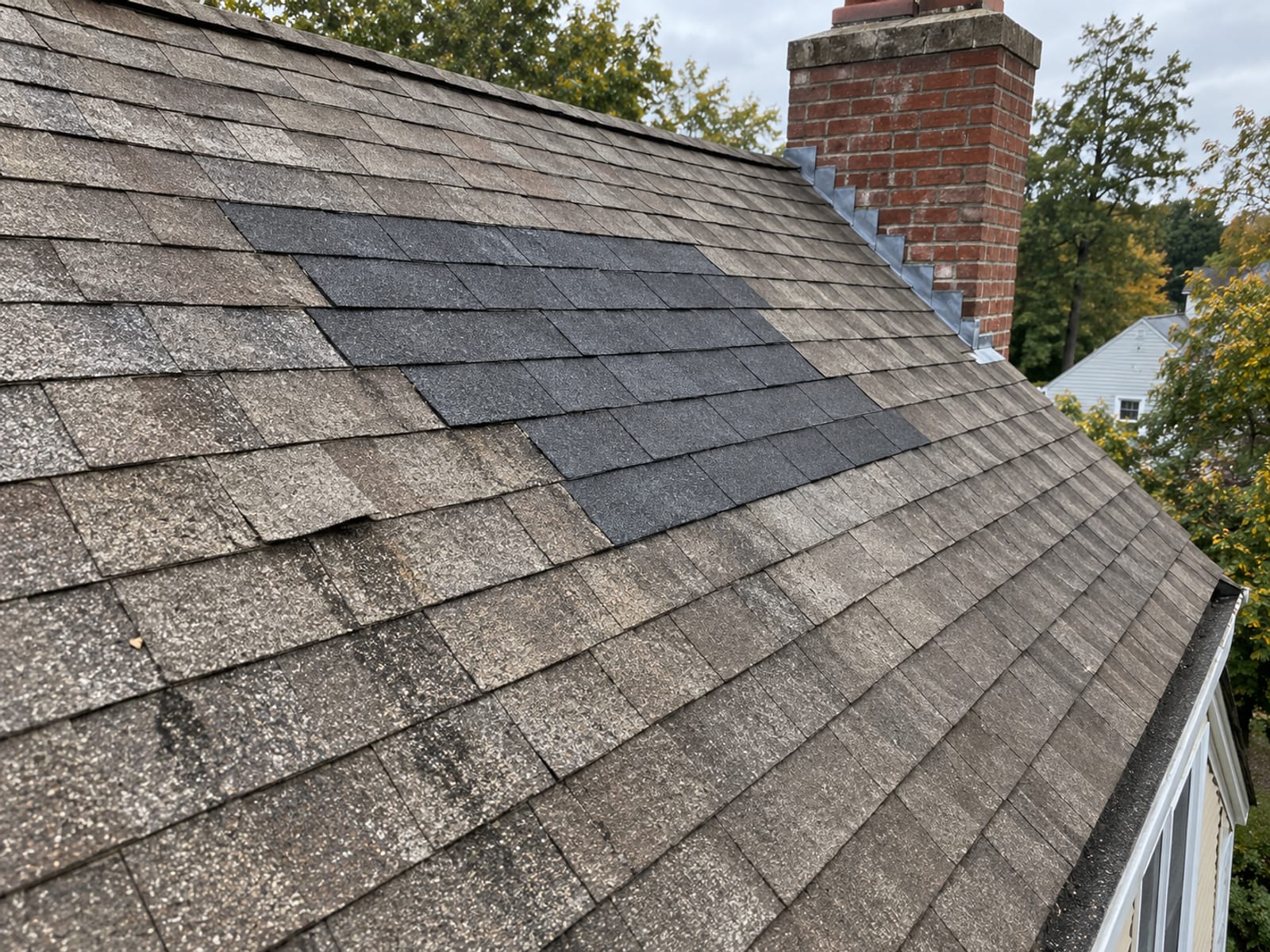
It can affect eligibility, inspections, valuation, deductibles, exclusions and renewal terms. An insurer may inspect a roof when you apply, charge more or refuse coverage based on its condition, or switch an older roof to actual-cash-value coverage. Each state's law and insurance department (opens in a new tab) set the limits on those practices.
Some states limit how insurers use roof age. In Florida, for example, insurers may require a roof or four-point inspection for older homes, according to the Florida Department of Financial Services (opens in a new tab). A Florida insurer can't refuse to issue or renew a homeowners policy solely because a roof is less than 15 years old. For a roof 15 years or older, the insurer must allow an inspection by an authorized inspector before requiring replacement, and it can't refuse solely because of age if the inspection shows at least five years of useful life remaining, according to the Florida Office of the Insurance Consumer Advocate (opens in a new tab). Other states may handle roof age differently, so ask your agent what applies where you live and whether your roof coverage changed at your last renewal.
Hover or tap a row to highlight it.
| State | Rule | What it says | Source |
|---|---|---|---|
| Florida | Separate roof deductible | Certain policies can include one of up to 2% of Coverage A or 50% of the roof replacement cost, whichever is lower, subject to statutory conditions | Florida Office of the Insurance Consumer Advocate (opens in a new tab) |
| Florida | Roof less than 15 years old | An insurer can't refuse to issue or renew a homeowners policy solely because of the roof's age | Florida Office of the Insurance Consumer Advocate (opens in a new tab) |
| Florida | Roof 15 years or older | The insurer must allow an inspection before requiring replacement, and can't refuse solely because of age if the inspection shows at least five years of useful life | Florida Office of the Insurance Consumer Advocate (opens in a new tab) |
| Florida | The 25% roof rule | When 25% or more of a qualifying roof is repaired, replaced or recovered, only that portion must meet the current code | Fla. Stat. § 553.844 (opens in a new tab) |
| Texas | Deductible waivers | Contractors can't waive, rebate or absorb your deductible | Texas Department of Insurance (opens in a new tab) |
| Texas | Contracts of $1,000 or more | A contract involving an insurance settlement must state that you must pay the deductible | Texas Department of Insurance (opens in a new tab) |
| Washington | Appraisal | You may use appraisal when you disagree about the amount of loss | Washington Office of the Insurance Commissioner (opens in a new tab) |
What to do right after roof damage
These steps protect both your home and your claim, drawing on the NAIC (opens in a new tab) and the Washington Office of the Insurance Commissioner's winter weather guidance (opens in a new tab):
- Photograph or video the roof, interior damage, debris and damaged belongings.
- Write a list of the damage.
- Keep damaged materials, where safe and practical, for the inspection.
- Take reasonable temporary steps, such as tarping a roof opening, to prevent more damage.
- Save receipts for tarps, emergency repairs, lodging, storage and other related costs.
- Notify your insurer or agent promptly, since policies can set reporting deadlines.
- Send the policy information, photos, receipts and proof of loss the insurer asks for.
- Hold off on permanent repairs until the insurer inspects, unless safety requires immediate work.
- Keep copies of everything you send and every message you receive.
Coverage applies only to damage that happens while the policy is in force, so keep premiums current, especially if a mortgage company relies on the policy.
Before you hire a contractor
Storms bring door-to-door roofers. Be wary of blank contracts, inflated estimates and anyone who offers to waive, rebate or absorb your deductible, and check how your state regulates roofing contracts with your state insurance department (opens in a new tab).
Some states write these protections into law. The Texas Department of Insurance (opens in a new tab), for example, says Texas prohibits contractors from waiving, rebating or absorbing a deductible, that a waiver can involve giving false information to the insurer, and that the insurer may ask for proof that you paid the deductible. Texas law also requires contracts of $1,000 or more involving an insurance settlement to state that you must pay the deductible, and it bars a contractor who does the work from acting as a public adjuster on the same claim, according to the department's roofing and insurance law page (opens in a new tab); its home insurance guide (opens in a new tab) notes that your contractor can talk with the adjuster about additional damage.
Read any assignment of benefits carefully before you sign it. An assignment can let a roofer stand in your place and seek payment directly from your insurer, transferring your policy rights or claim money, according to the NAIC (opens in a new tab).
If the insurer denies or underpays the roof claim
You have several steps available:
- Ask for the insurer's written coverage explanation and a detailed estimate.
- Send photos, repair estimates, inspection reports, invoices, weather information and other evidence.
- Ask for a reinspection if there's additional damage or a disagreement about the cause.
- Check your policy for an appraisal clause. Appraisal addresses the amount of the loss, not whether the loss is covered.
- File a complaint with your state insurance department if the insurer doesn't appear to be following the policy or claims rules.
In Texas, appraisal uses separate appraisers for you and the insurer plus an umpire, and you can file a complaint with the Texas Department of Insurance after a denial, according to the Texas home insurance guide (opens in a new tab). In Washington, you may use appraisal when you disagree about the amount of loss and may file an insurance complaint, according to the Washington Office of the Insurance Commissioner's claim-filing guidance (opens in a new tab).
Questions to ask your agent about roof coverage
- Is my roof insured at replacement cost or actual cash value?
- Does the policy have a roof payment schedule, and does it vary by roof age, material or peril?
- Has my roof coverage changed since the last renewal?
- Is wind or hail covered, excluded or subject to a separate deductible?
- Is there a hurricane, named-storm or roof-specific deductible, and how is it calculated?
- Are gradual leaks, seepage, deterioration, cosmetic damage or maintenance excluded?
- What notice deadline applies after roof damage?
- How are matching materials and code-required upgrades handled, and do I have ordinance or law coverage?
- Does the policy have an appraisal clause?
- Will my mortgage company be named on claim checks?
- What inspection or paperwork is required because of my roof's age, and what happens at renewal when it reaches a certain age?
If you're also reviewing your overall limits, see how much homeowners insurance you need, and for state detail, Connecticut homeowners insurance.
Check what you know about roof claims
Frequently asked questions
Will insurance pay for a 20-year-old roof?
Not because of its age. If a covered event damages an older roof, the policy may still pay, but it may apply actual cash value, depreciation or a roof payment schedule, so check your declarations page for how the roof is valued.
Who receives the claim check if I have a mortgage?
Your mortgage company may be named on the claim check. Ask your insurer and your lender how the check will be issued and what the lender needs before releasing funds for repairs.
Can a roofer handle my claim for me?
A contractor can talk with the adjuster about damage, but signing an assignment of benefits can transfer your policy rights or claim money. Some states also bar the contractor doing the work from acting as your public adjuster on the same claim, as the contractor section explains.
Is the 25% roof rule national?
No. It's a state building-code provision, so the rule where your home is located is the one that counts. The 25% rule section above walks through one state's version, and your local building department can tell you what applies to your roof.
Taking your roof questions to an agency
Pull your declarations page and look for three things: how the roof is valued, any roof payment schedule and every deductible that could apply. Then bring those pages and the questions above to a licensed agency. Riskado's directory lists insurance agencies across the US by state, city and category, so you can find one near you.
Terms used in this guide
Tap a term to see what it means.
Covered peril. A cause of loss the policy covers, such as wind, hail, fire or a falling tree.
Replacement cost. The cost to repair or replace with materials of similar kind and quality, without subtracting depreciation, subject to the policy's terms and limits.
Actual cash value. The replacement cost after depreciation for age and wear.
Depreciation. The reduction in value for age and wear.
Roof payment schedule. A schedule in some policies that lowers the roof payment by roof age, by material or by a stated percentage.
Wind and hail deductible. A deductible for wind or hail damage that can differ from the deductible for other damage.
Percentage deductible. A deductible calculated from a policy limit or another amount the policy names.
Ordinance or law coverage. Coverage that may address added repair costs from code enforcement, depending on the policy.
Assignment of benefits. A document that can let a contractor stand in your place and seek payment directly from your insurer.
Appraisal. A process that addresses the amount of the loss, not whether the loss is covered.
Declarations page. The page of your policy that shows how the roof is valued and which deductibles apply.