Mobile and Manufactured Home Insurance: What It Covers, Why Older Homes Are Harder to Insure, and What to Ask
Riskado
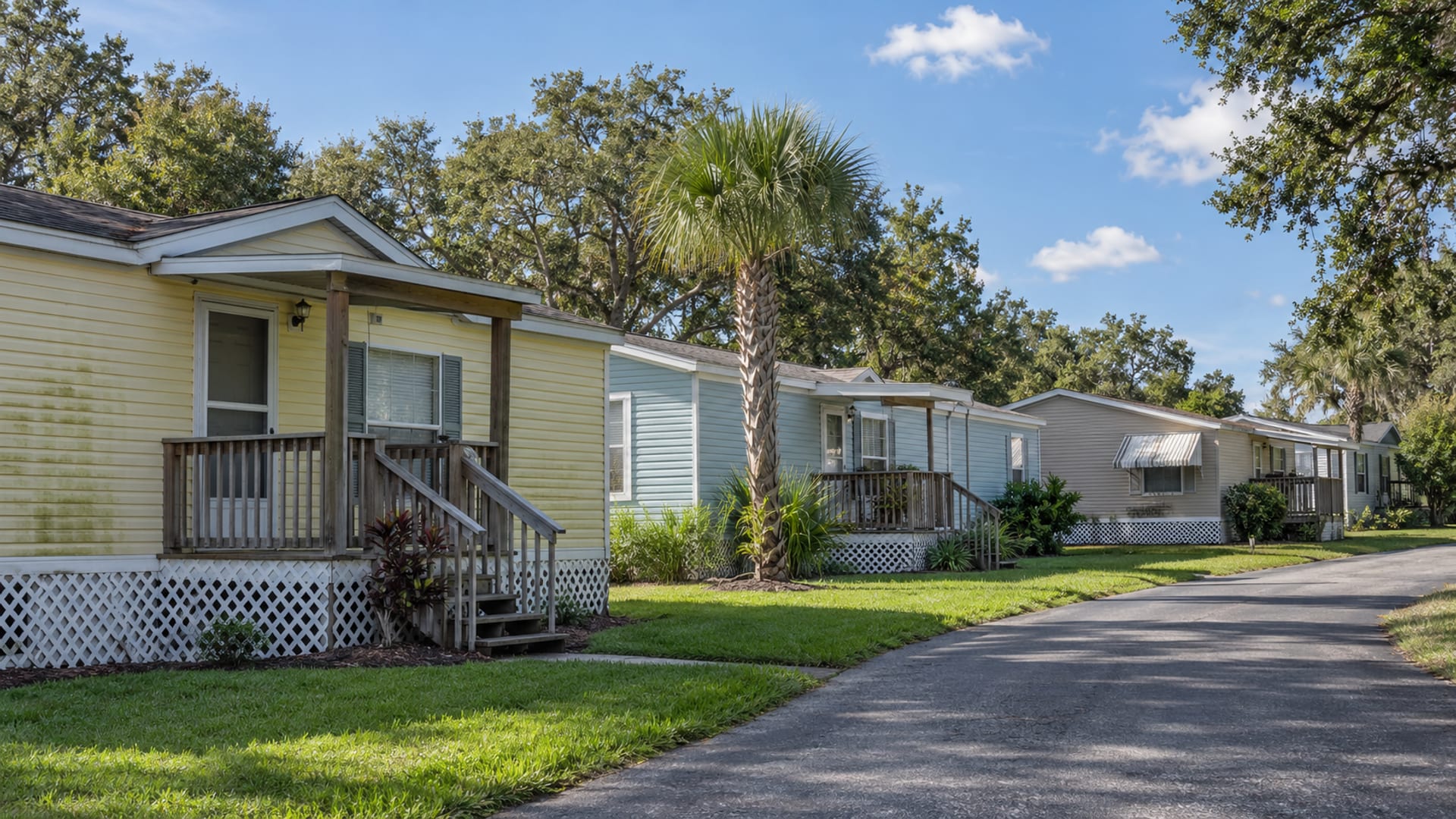
Mobile home insurance pays for accidental damage to the home, your belongings and other structures such as attached decks, garages and sheds after events like fire, hail, wind, theft, vandalism and falling objects, and it includes personal liability coverage, according to the Insurance Information Institute (opens in a new tab). Flood is not covered and needs a separate flood policy. Older homes can draw extra underwriting questions about age, roof, wiring, plumbing, foundation and tie-downs, and the answers differ by insurer and state. Before you buy or renew, confirm how the policy values a loss, whether wind and hail are included, what your park or lender requires, and which documents the insurer wants.
Key takeaways
- What it coversAccidental damage to the home, belongings and other structures from causes such as fire, hail, wind, theft, vandalism and falling objects, plus personal liability.
- FloodNot covered; it needs a separate flood policy.
- Older homesAge, roof, wiring, plumbing, foundation and tie-downs can draw extra underwriting questions, and the answers differ by insurer and state.
- Before you buy or renewConfirm how the policy values a loss, whether wind and hail are included, what your park or lender requires, and which documents the insurer wants.
What to confirm first about your home
Start with what kind of home it is, because the answer shapes which policy fits. Homes built in the U.S. after June 15, 1976 must be certified under HUD's Manufactured Home Construction and Safety Standards, known as the HUD Code, and each transportable section carries a red certification label, often called a HUD tag, according to HUD's manufactured housing resources (opens in a new tab). A manufactured home is built in a factory, is at least 320 square feet and sits on a permanent chassis. Factory-built homes made before June 15, 1976 are called mobile homes and were not built to the HUD Code, according to the HUD housing counselor glossary (opens in a new tab).
That date is a construction standard, not a national insurance cutoff. It affects the documents you can show and the questions an insurer asks, and each insurer sets its own eligibility rules for older homes.
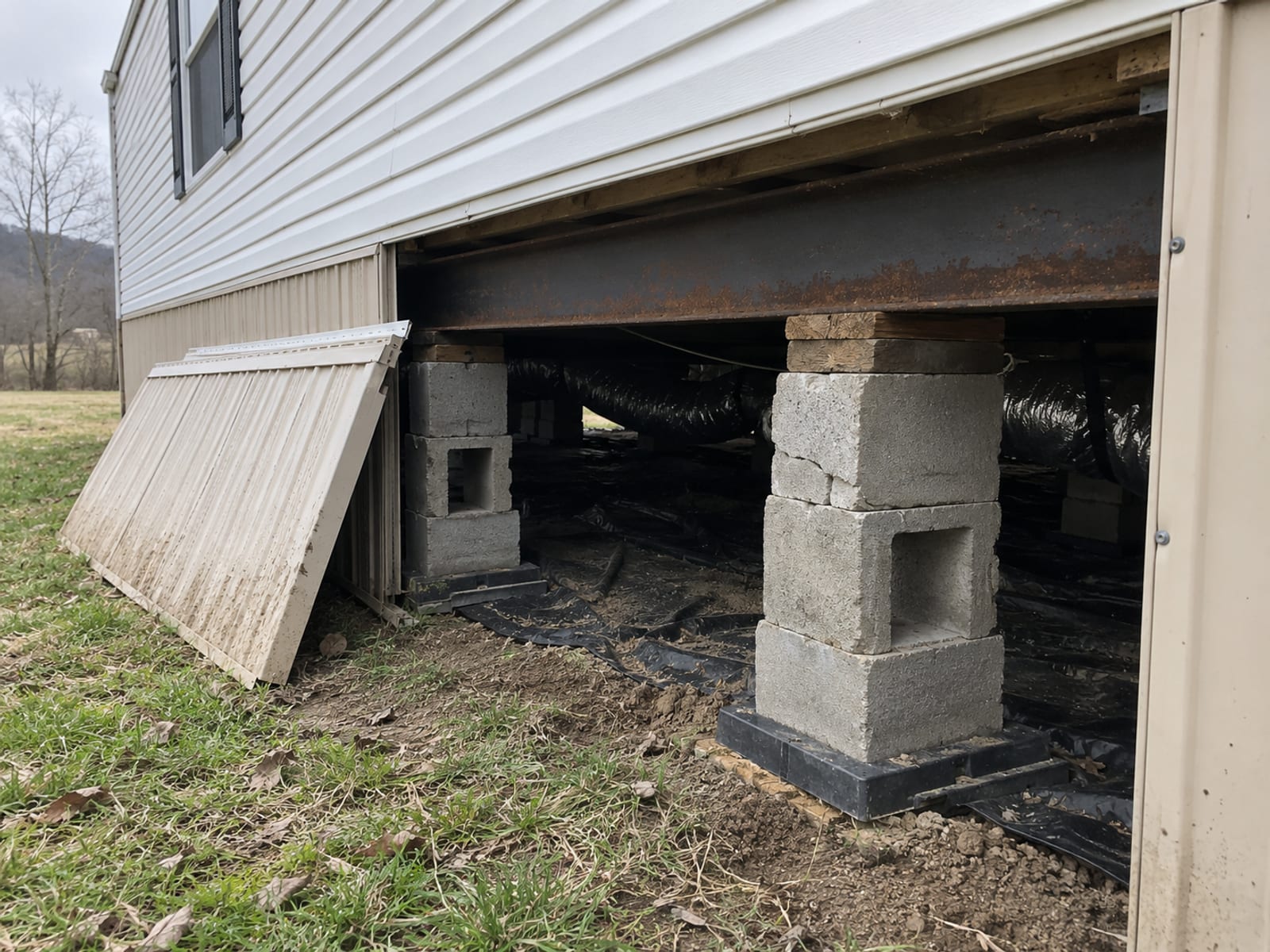
How the home sits matters as well. In most states, a mobile home that has wheels and does not rest on blocks or a permanent foundation is insured with a form of automobile insurance that offers far less coverage than a homeowners policy, according to the NAIC consumer guide to home insurance (opens in a new tab). A home that is set up and fixed in place can be written on a mobile home or manufactured home form. Have the year built, the HUD label or serial numbers, and a description of the foundation and anchoring ready before you ask for a quote.
What mobile home insurance covers
A mobile home policy has two basic parts, physical damage coverage and personal liability coverage, and both are generally available for homes in a park or on private land, homes used seasonally, rental mobile homes and commercial mobile homes, according to the Insurance Information Institute (opens in a new tab). Physical damage coverage pays for accidental damage to the home, belongings and other structures from the causes the policy covers. Liability coverage responds when someone is injured or their property is damaged because of your activities and they make a claim or sue; it does not pay for injuries to you or members of your household.
A policy may also include additional living expenses, which repay the extra cost of living elsewhere when a fire or storm makes the home temporarily uninhabitable, according to the California Department of Insurance mobile home guide (opens in a new tab). The liability limit that comes standard may be lower than the amount needed to protect your assets, and additional liability insurance is available.
The causes of loss a policy covers make a large difference. A named peril policy covers only the causes it lists, so damage from any other cause is left to you, according to the Insurance Information Institute (opens in a new tab). The HO-7 form, the Mobile Home/Manufactured Home Form, covers the home's structure on an open perils basis and personal property on a named perils basis, according to the NAIC's 2025 homeowners data call definitions (opens in a new tab); insurers use their own forms and wording, so ask which form your quote is written on.
What is excluded or insured separately
Flood is the largest gap. Like regular homeowners insurance, mobile home insurance does not cover flooding, and separate flood insurance is available, according to the Insurance Information Institute (opens in a new tab). Earthquake damage is excluded from standard home policies as well and is bought as separate coverage where it is offered; our guide to whether you need earthquake insurance covers how that works.
Moving the home is another gap. Coverage under a regular policy generally does not apply while the home is in transit, and some insurers offer temporary coverage or an endorsement for the home and the belongings inside it during the move, with special limitations and provisions, according to the Insurance Information Institute (opens in a new tab). Ask about this before any move, and read the exclusions section of the policy itself for the other causes it leaves out.
Hover or tap a row to highlight it.
| Loss or need | How it is handled | Source |
|---|---|---|
| Damage to the home, belongings and other structures from covered causes | Physical damage coverage | Insurance Information Institute (opens in a new tab) |
| Injury or property damage to others caused by your activities | Personal liability coverage; not your own or your household's injuries | Insurance Information Institute (opens in a new tab) |
| Extra living costs after a fire or storm makes the home uninhabitable | Additional living expenses, where the policy includes it | California Department of Insurance (opens in a new tab) |
| Flood | Separate flood insurance | Insurance Information Institute (opens in a new tab) |
| The home while it is moved | Temporary coverage or an endorsement from some insurers | Insurance Information Institute (opens in a new tab) |
How the policy values a loss
Valuation decides how much a claim pays. Replacement cost is the cost to rebuild or repair using materials of similar kind and quality, while actual cash value is the value of the home considering its age and wear and tear, and actual cash value often does not pay enough to fully repair or replace the damage, according to the NAIC (opens in a new tab). Replacement cost coverage is optional on some mobile home policies, according to the California Department of Insurance (opens in a new tab). A total loss shows the difference most clearly. In California, an actual cash value policy pays the lesser of the policy limit or the fair market value of the structure after a total loss, and for a partial loss it pays the cost to repair or replace less a reasonable deduction for physical depreciation, up to the limit, according to the California Department of Insurance residential insurance guide (opens in a new tab). A stated amount policy pays the amount written in the policy, subject to its terms. Older homes are sometimes offered modified or actual cash value terms, and that choice belongs to the insurer and the policy. Ask how the roof, the structure and your belongings would each be valued, and what the policy would pay if the home were destroyed.
The deductible comes off each claim. Some policies use a flat dollar deductible, and others may set a separate percentage deductible for wind or hurricane damage, calculated from the insured amount the policy names. Ask for each deductible in dollars.
Why older homes are harder to insure
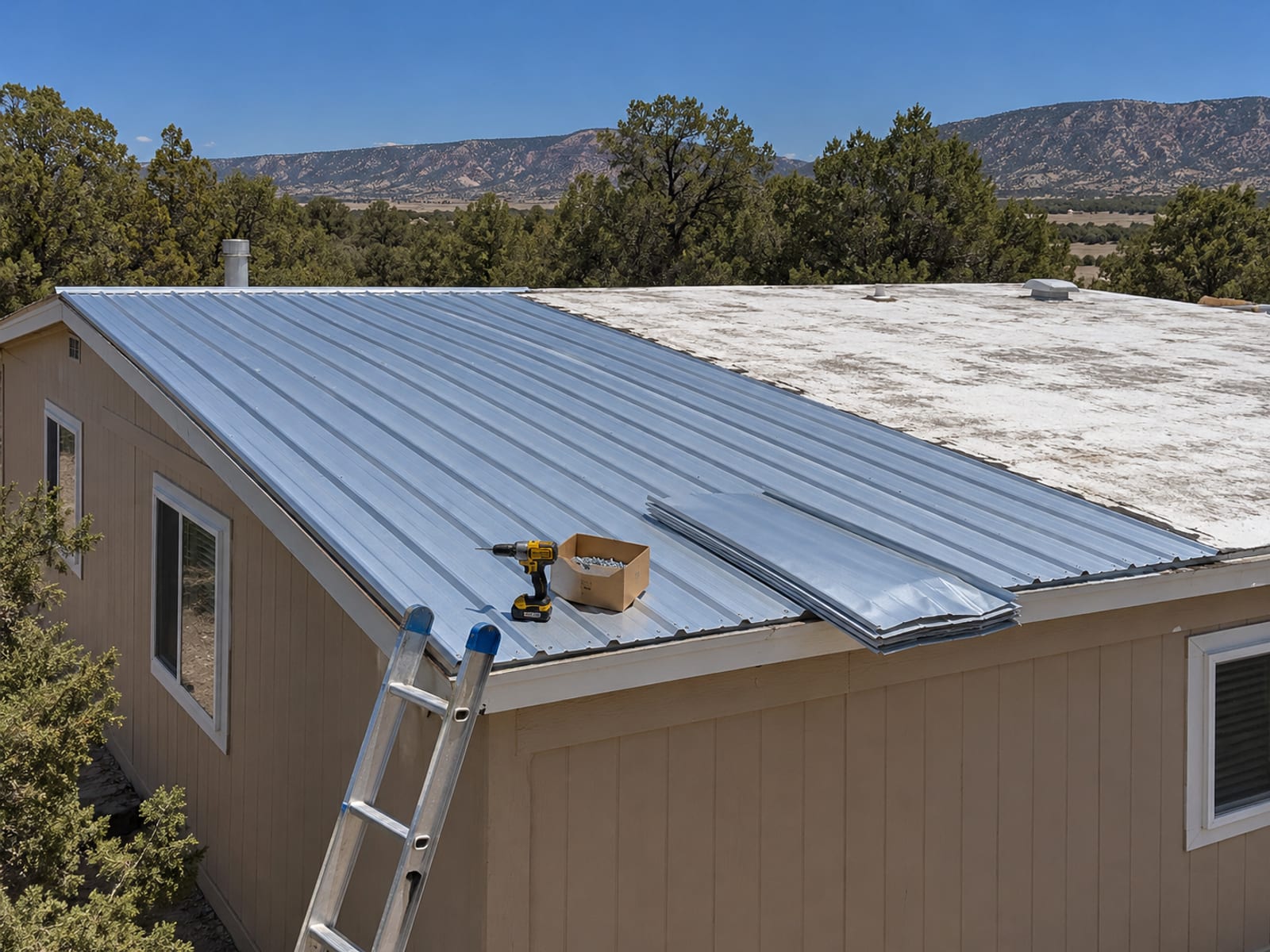
Age and condition change what an insurer expects to pay after a loss, so older homes draw more underwriting questions. Underwriting questions can cover the construction date, roof age and condition, the electrical system, plumbing materials, heating, the foundation, skirting, installation records, anchoring and tie-downs, how the home is occupied, past claims and the location's exposure to wind, fire and flood. Age limits, roof requirements, inspection rules and tie-down requirements are set by each insurer unless a state or local law applies, so one company may decline a home that another will write.
The HUD Code standards cover the body and frame, thermal protection, plumbing, electrical systems and fire safety of homes built after June 15, 1976, according to HUD (opens in a new tab). A home built before that date has no HUD label to show, which is why records of later repairs and upgrades help. Keep receipts and permits for a new roof, rewiring, plumbing replacement and tie-down work, and photos of the foundation and skirting. If an insurer names a condition it will not accept, ask for it in writing, so you know whether a repair would change the answer.
Mobile home insurance is not sold by every insurer, so it can take several agencies to find a company that writes your home, according to the California Department of Insurance (opens in a new tab). The Riskado agency directory lists insurance agencies by state and city.
Owning the home while renting the land
The home and the land are separate interests. Your policy addresses the home, attached structures, belongings, personal liability and living expenses according to its terms, while the park or landowner controls the land, roads, common buildings and park-owned structures under the lease and its own insurance. Your policy does not supply coverage for the park's property or the landowner's liability.
A park lease may require proof of insurance, a stated liability limit, wording that names the park, or notice before cancellation. The lease controls those requirements, so read it and ask the park for its current written insurance requirements before you buy.
Financing adds its own terms. A manufactured home may be financed as personal property or as real estate, according to HUD's Title I manufactured home financing page (opens in a new tab), and homes on leased land are typically financed with chattel loans, which tend to carry higher interest rates than mortgages, according to the HUD glossary (opens in a new tab). For homes financed under HUD's Title I program on a leased lot, the initial lease term must be three years, and the lease must give at least 180 days' advance written notice if it is to be terminated. Those terms apply to that program, not to every private lease.
A lender can require physical damage coverage on the home, list itself as mortgagee or lienholder, and require coverage for the life of the loan; the loan documents set the details. If you do not keep required insurance, the lender may buy it and charge you after giving advance notice, and that coverage may protect only the lender and cost more than a policy you buy yourself, according to the Consumer Financial Protection Bureau (opens in a new tab). Ask your lender for its insurance checklist.
How wind, hail and hurricanes are handled
Wind and hail coverage depends on the state and the location. Texas is a useful example. Anywhere in Texas except along the coast, a homeowners policy probably includes wind and hail, although a different deductible may apply to windstorm damage, while along the coast the policy might not cover wind and hail and a separate windstorm policy is needed, often from the Texas Windstorm Insurance Association, according to the Texas Department of Insurance (opens in a new tab). Windstorm insurance is not required by Texas law, but a coastal lender will likely require it.
Some other coastal states have their own wind pools or residual-market plans with their own eligibility rules, such as South Carolina's wind and hail pool and North Carolina's coastal property insurance pool. Ask whether your quote includes wind and hail, what the wind or hurricane deductible is in dollars, and whether a separate windstorm policy is needed for your address.
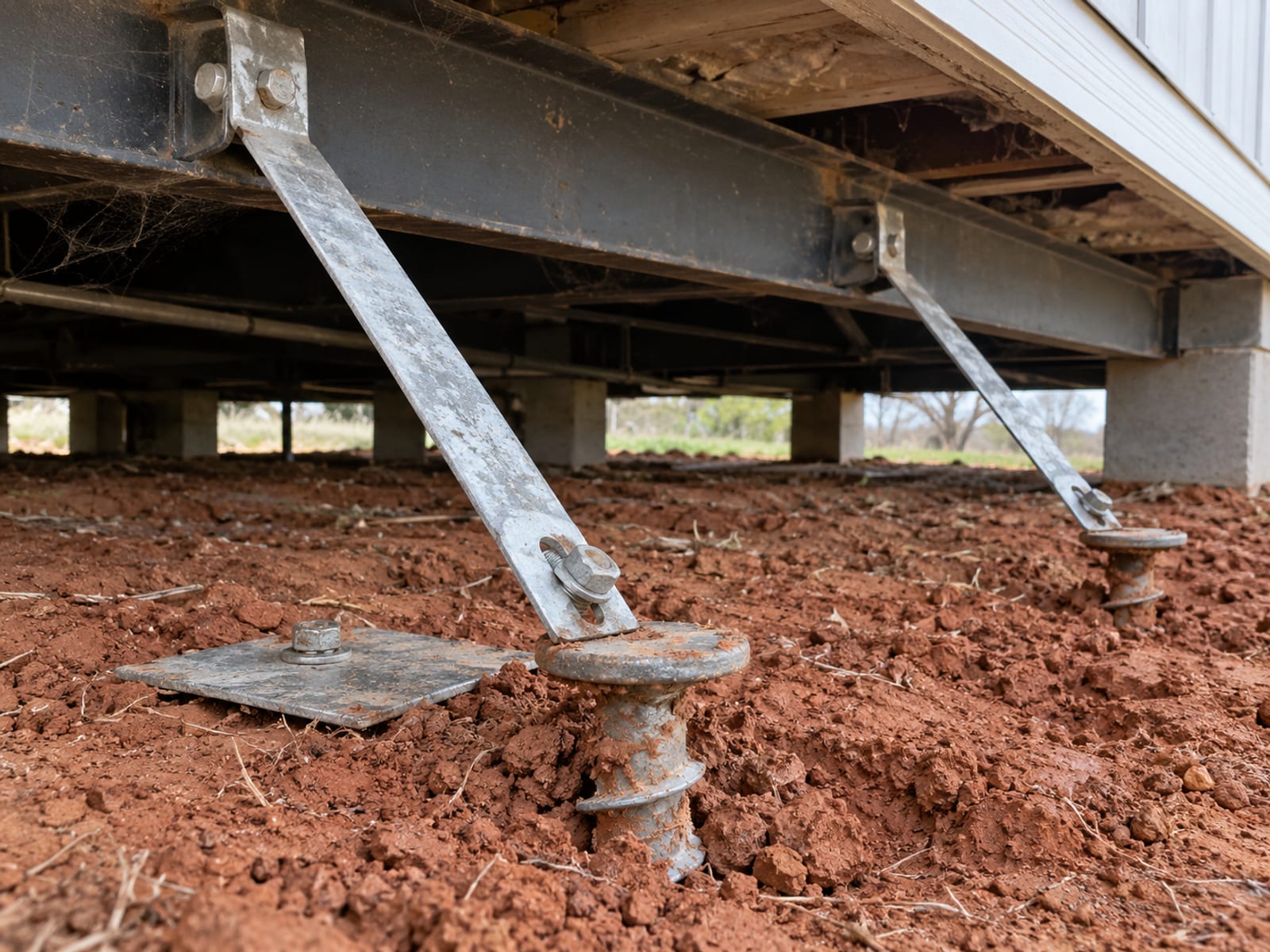
Tie-down and anchoring rules can come from the insurer, installation standards, building codes, floodplain rules or the lender. Confirm which ones apply to your home and keep proof of the anchoring.
How flood insurance treats manufactured homes
A manufactured or mobile home can carry National Flood Insurance Program building coverage when it is built on a permanent chassis and affixed to a permanent foundation, such as a poured slab, foundation walls, piers or blocks, so the wheels and axles do not support its weight, according to the current NFIP Flood Insurance Manual (opens in a new tab). It must also be anchored to resist flotation, collapse or lateral movement, by over-the-top or frame ties to ground anchors, according to the manufacturer's specifications, or in line with the community's floodplain management requirements.
NFIP coverage generally takes effect 30 days after purchase, with exceptions, including no wait when the policy is bought while making, increasing, extending or renewing a mortgage, according to FloodSmart (opens in a new tab). A policy lasts one year, with a 30-day grace period after expiration if you renew and pay in full. It does not cover property outside the insured building, such as landscaping, septic systems, decks, patios, fences and pools, or temporary housing and additional living expenses during repairs. Ask the agency whether your home qualifies and how your flood zone affects the price.
Hover or tap a row to highlight it.
| Item | Figure or rule | Source |
|---|---|---|
| HUD Code certification required | Homes built in the U.S. after June 15, 1976 | HUD (opens in a new tab) |
| Minimum size of a manufactured home | At least 320 square feet, on a permanent chassis | HUD (opens in a new tab) |
| NFIP waiting period | 30 days after purchase, with exceptions | FloodSmart (opens in a new tab) |
| NFIP policy term and grace period | One year; 30 days after expiration if renewed and paid in full | FloodSmart (opens in a new tab) |
| HUD Title I leased lot | Three-year initial lease; at least 180 days' written notice of termination | HUD (opens in a new tab) |
| Example: Texas windstorm coverage | Not required by state law; a coastal lender will likely require it | Texas Department of Insurance (opens in a new tab) |
If an insurer declines or will not renew
A decline or nonrenewal is a starting point for questions, not the end of the search. Ask for the reason in writing and check your state's notice rules; our guides to homeowners insurance non-renewal and a policy cancelled after an inspection set out the next steps. Where the reason is a condition such as the roof, wiring, plumbing, foundation or anchoring, documenting a repair may change the answer.
Your state insurance department (opens in a new tab) can tell you which insurers are licensed, which programs exist and how to file a complaint. Some states run a FAIR Plan for property owners who cannot get coverage in the regular market. In California, the FAIR Plan is an association of all licensed property insurers designed to make fire insurance available for property considered high risk, according to the California Department of Insurance (opens in a new tab), and Connecticut lists a Homeowner FAIR Plan among its involuntary market plans, according to the Connecticut Insurance Department (opens in a new tab). These plans can offer narrower coverage than a standard mobile home policy.
An agent or broker may also find coverage with a surplus lines insurer. Surplus lines rules, policy forms and guaranty fund protection differ by state; in California, for example, surplus lines insurers are not backed by the California Insurance Guarantee Association. Ask the agent whether a quote is from an admitted or surplus lines company.
Filing a claim
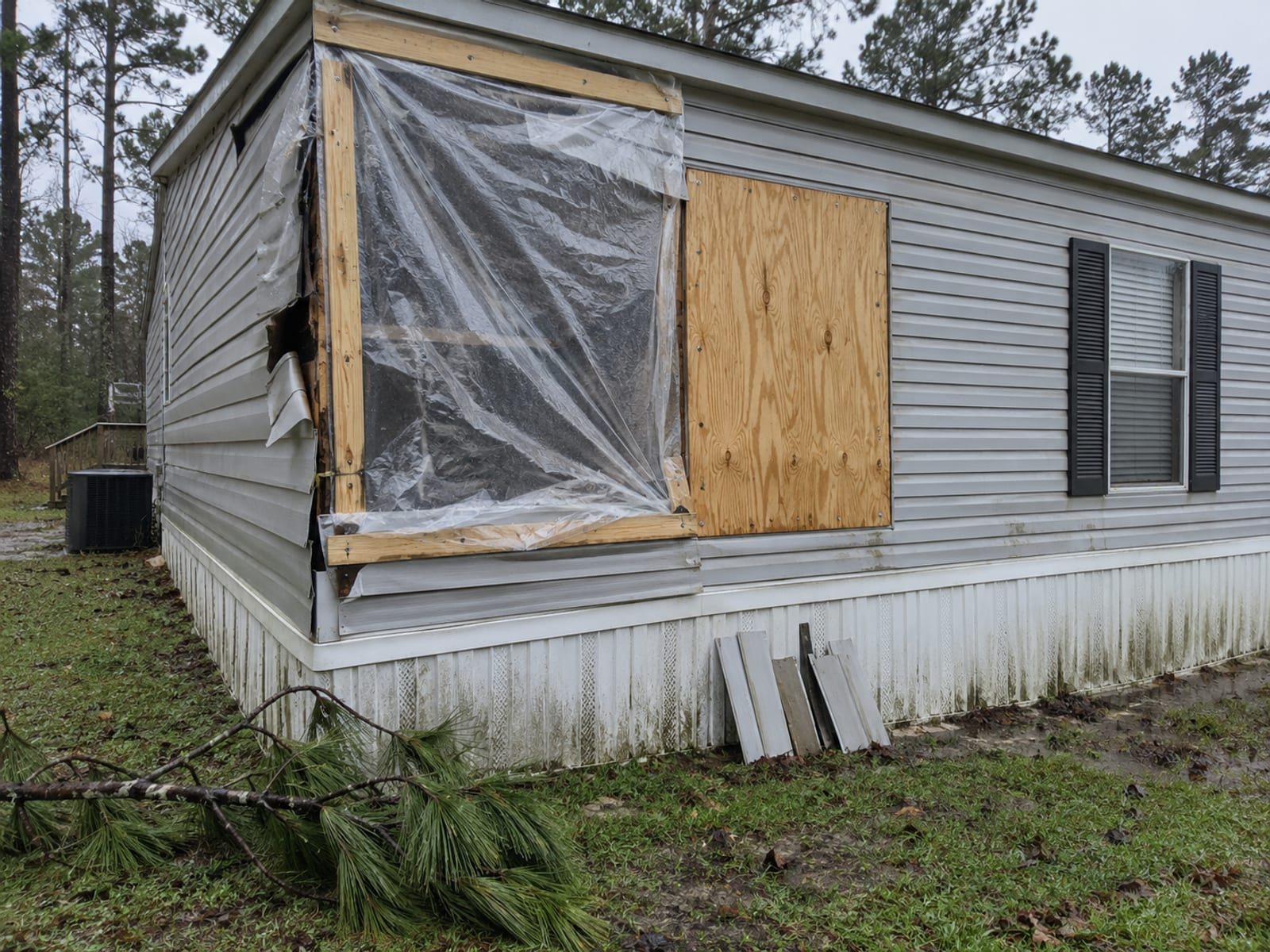
After a loss, make temporary repairs to prevent further damage, keep receipts for materials, and hold off on extensive permanent repairs until the claims adjuster has assessed the damage, according to the California Department of Insurance residential property claims guide (opens in a new tab). Report the damage to your insurer or agent, ask about your deductible and whether you need repair estimates, and complete a proof of loss form if the insurer sends one. If the home cannot be lived in, keep receipts for temporary housing, food and other added costs, because the loss of use coverage requires you to account for them.
Steps after damage to a mobile home
- Protect the homeMake temporary repairs to prevent further damage and keep receipts for materials.
- Report the damageContact your insurer or agent and ask about the deductible and whether you need repair estimates.
- Wait for the adjusterHold off on extensive permanent repairs until the adjuster has assessed the damage.
- Proof of lossComplete a proof of loss form if the insurer sends one.
- Living costsIf the home cannot be lived in, keep receipts for temporary housing, food and other added costs.
Questions to ask an agency
- Which policy form is this, and are the home and belongings covered on an open perils or named perils basis?
- Is the home valued at replacement cost, actual cash value or a stated amount, and how is the roof valued?
- Are wind and hail included, and what is each deductible in dollars?
- What do you need to see about the roof, wiring, plumbing, foundation, skirting and tie-downs?
- Is the home covered while it is moved?
- Does the policy meet my park's and my lender's written requirements?
- Does my home qualify for NFIP flood coverage, and what would it cost here?
Bring the year built and HUD label or serial number, title or loan documents, the park lease and its insurance requirements, the lender's instructions, roof and repair records, photos of the foundation and tie-downs, a home inventory, and any past declarations, renewal or nonrenewal letters.
Check what you know about mobile home insurance
FAQ
Can I insure a home built before 1976?
Some insurers write homes built before June 15, 1976, and eligibility depends on the insurer and the state. Records of roof, electrical, plumbing and anchoring work help an insurer evaluate the home. If one company declines, an agency that works with several insurers can check others.
Does mobile home insurance cover damage to someone else's property in the park?
Personal liability coverage responds to claims when someone is injured or their property is damaged because of your activities, up to the policy limit. It does not cover your own injuries or those of your household. Ask whether the standard limit meets your park lease.
What happens if my coverage lapses with a loan on the home?
The lender may buy insurance and charge you after advance notice. That coverage may protect only the lender and cost more than a policy you choose.
Where to start
Gather your home's records, your lease and your loan documents, then compare quotes on the same points: covered causes of loss, valuation, deductibles, wind and flood. A licensed agency in your state can tell you which insurers write homes like yours.
Terms used in this guide
Tap a term to see what it means.
Manufactured home. A factory-built home of at least 320 square feet on a permanent chassis, built after June 15, 1976 to the HUD Code.
Mobile home. A factory-built home made before June 15, 1976, before the HUD Code applied.
HUD Code. HUD's Manufactured Home Construction and Safety Standards, shown by a red certification label on each transportable section.
Physical damage coverage. The part of the policy that pays for accidental damage to the home, belongings and other structures.
Named peril. A policy basis that covers only the causes of loss it lists.
Open perils. A policy basis that covers causes of loss unless the policy excludes them.
Actual cash value. The value of the home or item considering its age and wear and tear.
Replacement cost. The cost to rebuild or repair using materials of similar kind and quality.
Chattel loan. A loan secured by the home as personal property, common for homes on leased land.
FAIR Plan. A state program that offers property insurance to owners who cannot get it in the regular market.
Surplus lines insurer. A non-admitted insurer an agent or broker can place coverage with when admitted insurers decline.