Connecticut Motorcycle Insurance: Required Coverage, Typical Costs, and What to Add
Riskado
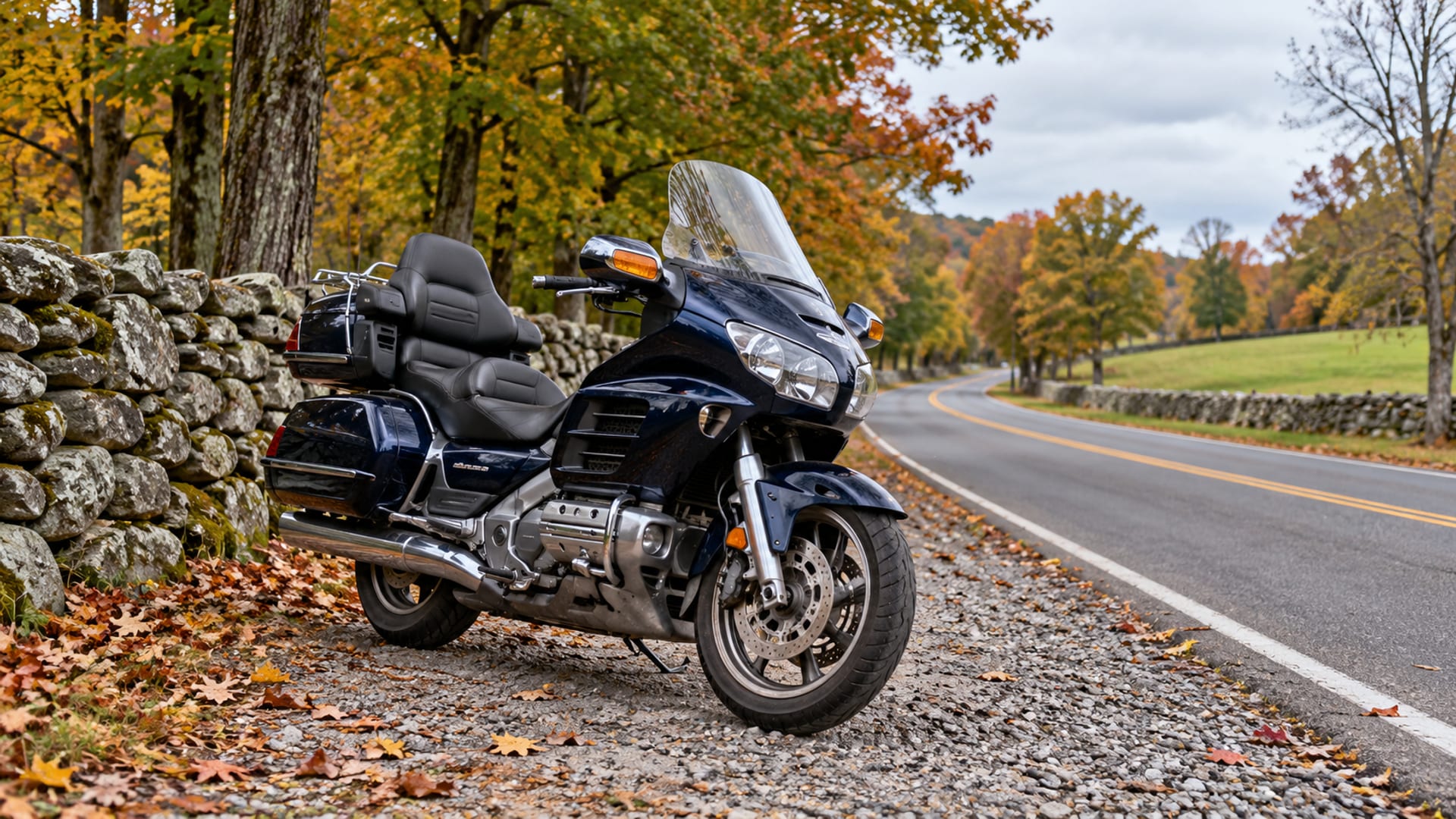
A motorcycle registered in Connecticut has to carry liability insurance plus uninsured and underinsured motorist protection, and the state sets the minimums at 25/50/25: $25,000 per person and $50,000 per accident for bodily injury liability, and $25,000 per accident for property damage liability (opens in a new tab), according to the Connecticut Insurance Department. Uninsured and underinsured motorist protection carries the same $25,000 and $50,000 limits. Proof of insurance is part of registration. Collision, comprehensive, medical payments, custom-parts and roadside coverage are separate choices, and premiums depend on the rider, the bike, where it is kept and how it is used.
Key takeaways
- Required coverageLiability plus uninsured and underinsured motorist protection, at 25/50/25 minimums.
- Proof of insuranceIt is part of registration.
- Separate choicesCollision, comprehensive, medical payments, custom-parts and roadside coverage.
- What sets the priceThe rider, the bike, where it is kept and how it is used.
What Connecticut requires before you can register and ride
The state's minimum mandatory coverages and insurance identification card rules apply to motorcycles by name, per Bulletin PC-87 (opens in a new tab), so the 25/50/25 numbers are not a car-only rule. The insurance has to be in place when you register and stay in place for as long as the bike is registered. If you just bought a motorcycle, the order is simple: get a policy, get the identification card from the insurer, then register.
Registering a newly bought motorcycle, in order
- Get a policyThe insurance has to be in place when you register.
- Get the identification cardYour insurer issues the Connecticut Insurance Identification Card that serves as proof.
- RegisterRegister in person at a DMV hub or branch office, and keep the insurance in place for as long as the bike is registered.
What are the minimum motorcycle insurance limits?
Three coverages make up the legal minimum, and each one answers a different question.
- Bodily injury liability pays when you are legally responsible for injuring someone else: $25,000 per person and $50,000 per accident.
- Property damage liability pays when you damage someone else's property: $25,000 per accident.
- Uninsured and underinsured motorist protection pays for your injuries when the driver at fault has no insurance or too little: $25,000 per person and $50,000 per accident.
The limits come from Conn. Gen. Stat. § 14-112 (opens in a new tab) (minimum security limits), Conn. Gen. Stat. § 38a-336 (opens in a new tab) (uninsured and underinsured motorist coverage) and Conn. Gen. Stat. § 38a-371 (opens in a new tab) (mandatory security), with the same numbers on the Connecticut Insurance Department's auto insurance page (opens in a new tab). These are legal floors. A floor says what the law requires, not how much protection fits your bike, your savings or your daily riding, and that second question is one for a licensed agent.
Hover or tap a row to highlight it.
| Coverage | Minimum | Source |
|---|---|---|
| Bodily injury liability | $25,000 per person and $50,000 per accident | Bulletin PC-87 (opens in a new tab) |
| Property damage liability | $25,000 per accident | Bulletin PC-87 (opens in a new tab) |
| Uninsured and underinsured motorist protection | $25,000 per person and $50,000 per accident | Bulletin PC-87 (opens in a new tab) |
Is proof of insurance required to register a motorcycle?
Yes. A personal-use registration at a DMV hub or branch office takes identification for each owner, Form H-13B, proof of ownership, a Bill of Sale (Form H-31), proof of insurance and VIN verification where it applies, including motorcycles from model year 1980 or older (opens in a new tab). The registration fee for a personal-use motorcycle was $128 on the DMV page in September 2026.
Your insurer issues the Connecticut Insurance Identification Card that serves as proof, and Conn. Gen. Stat. § 14-12b (opens in a new tab) covers proof of insurance and keeping it in force. The law also permits showing the card electronically in the situations the statute covers.

What happens if motorcycle insurance lapses?
Insurers report lapses, and the DMV acts on the report. A reported lapse brings a warning notice first, then a suspension notice when the lapse runs past 14 days, a $200 uninsured-motorist civil penalty, and suspension of the registration and registration privileges, according to the DMV's compliance page (opens in a new tab). The process sits in Conn. Gen. Stat. § 14-12c (opens in a new tab) (verification and suspension) and § 14-12g (opens in a new tab) (suspension and penalty).
To clear a notice, the DMV accepts a declaration page, a letter of experience or a valid permanent Connecticut insurance identification card. Temporary cards, bills and binders do not count for that verification. If you no longer want to insure the bike, the DMV's rule is to cancel the registration or plates, or place them on hold, instead of letting coverage quietly end. Cancelling a policy mid-year or switching insurers is the moment to ask how the change gets reported to the DMV.
Is medical payments coverage or PIP required?
No. Medical payments coverage is optional. It is a separate coverage that pays reasonable medical expenses for people injured in the covered vehicle, and it pays without waiting for a fault finding, under Connecticut's automobile insurance regulations (opens in a new tab). Health insurance is a separate product and does not substitute for it.
Connecticut handles injury claims through fault-based liability. Bodily injury liability is protection against claims from people hurt in an accident you caused, per the Connecticut Insurance Department's plain-language terms (opens in a new tab), and mandatory motorcycle personal injury protection is not among the required coverages. Three coverages that sound alike do different jobs.
- Bodily injury liability pays the other person when you are at fault.
- Uninsured and underinsured motorist protection pays you when the other driver cannot.
- Medical payments pays qualifying medical bills for people on your bike, whoever caused the crash.
If a quote shows a PIP-style coverage, ask the agent what it pays and who it covers.
What coverage protects the motorcycle itself?
Liability does not pay to repair your own bike. Two optional coverages do that, and Connecticut law does not require either one (opens in a new tab).
- Collision pays for damage to the motorcycle from hitting another vehicle or object, or from an overturn, after your deductible.
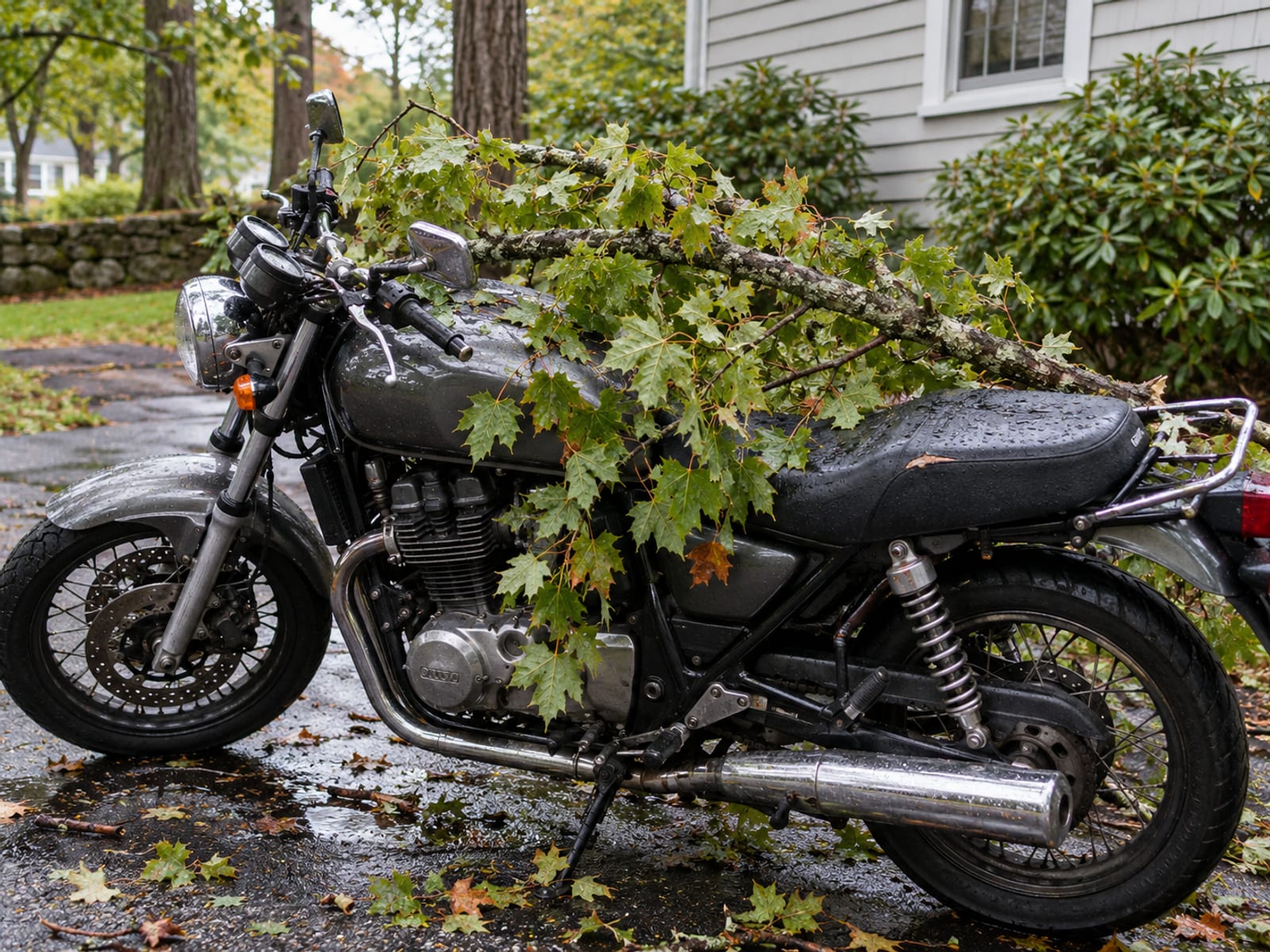
- Comprehensive pays for non-collision losses such as theft, vandalism, fire, weather, animal strikes and falling objects, after your deductible.
A lender or leasing company can require both as a condition of financing, so a financed bike often carries them even though the state does not ask for them. Ask whether the lienholder needs to be listed on the policy and what deductible applies to each coverage.
Hover or tap a row to highlight it.
| Coverage | Required by Connecticut law? | What it does |
|---|---|---|
| Bodily injury and property damage liability | Yes | Pays for harm you cause to others |
| Uninsured and underinsured motorist protection | Yes | Pays for your injuries when the at-fault driver has no insurance or too little |
| Medical payments | No | Pays reasonable medical expenses for people injured on the bike, regardless of fault |
| Collision | No | Pays for damage to the motorcycle from hitting a vehicle or object, or from an overturn |
| Comprehensive | No | Pays for non-collision losses such as theft, vandalism, fire and weather |
What about custom parts, accessories and passengers?
Factory-standard parts and custom additions are treated differently. Custom parts and equipment such as chrome, custom paint, electronics, upgraded handlebars, wheels, trailers and sidecars can need their own coverage, because a standard policy may cap payment at factory parts or set a separate limit, according to the Insurance Information Institute's motorcycle insurance overview (opens in a new tab). If you have spent real money on the bike, make a list with receipts and ask how those items are valued after a loss.
Passengers raise their own questions. Guest passenger liability can protect you when a passenger is hurt and makes a claim, depending on state law and the policy wording. Medical payments can cover the rider and passenger regardless of fault. Roadside assistance is another add-on that covers towing to a repair shop and other roadside services, per Progressive's Connecticut motorcycle page (opens in a new tab). Each of these is worth a direct question, because a missing detail is a question for the agent and not an assumption either way.
What affects motorcycle insurance premiums?
Insurers price on common rating factors (opens in a new tab) including location, age, driving experience and record, claims history, previous coverage, vehicle type, vehicle use, miles driven, the coverages and deductibles you choose, and, where the law permits, marital status and credit history. For motorcycles, comparison pages add bike type, rider age, riding history and storage to that list. Two riders with the same bike can get different prices, and the same rider gets different prices depending on whether the policy is liability-only or adds collision and comprehensive.
Can coverage be adjusted during winter storage?
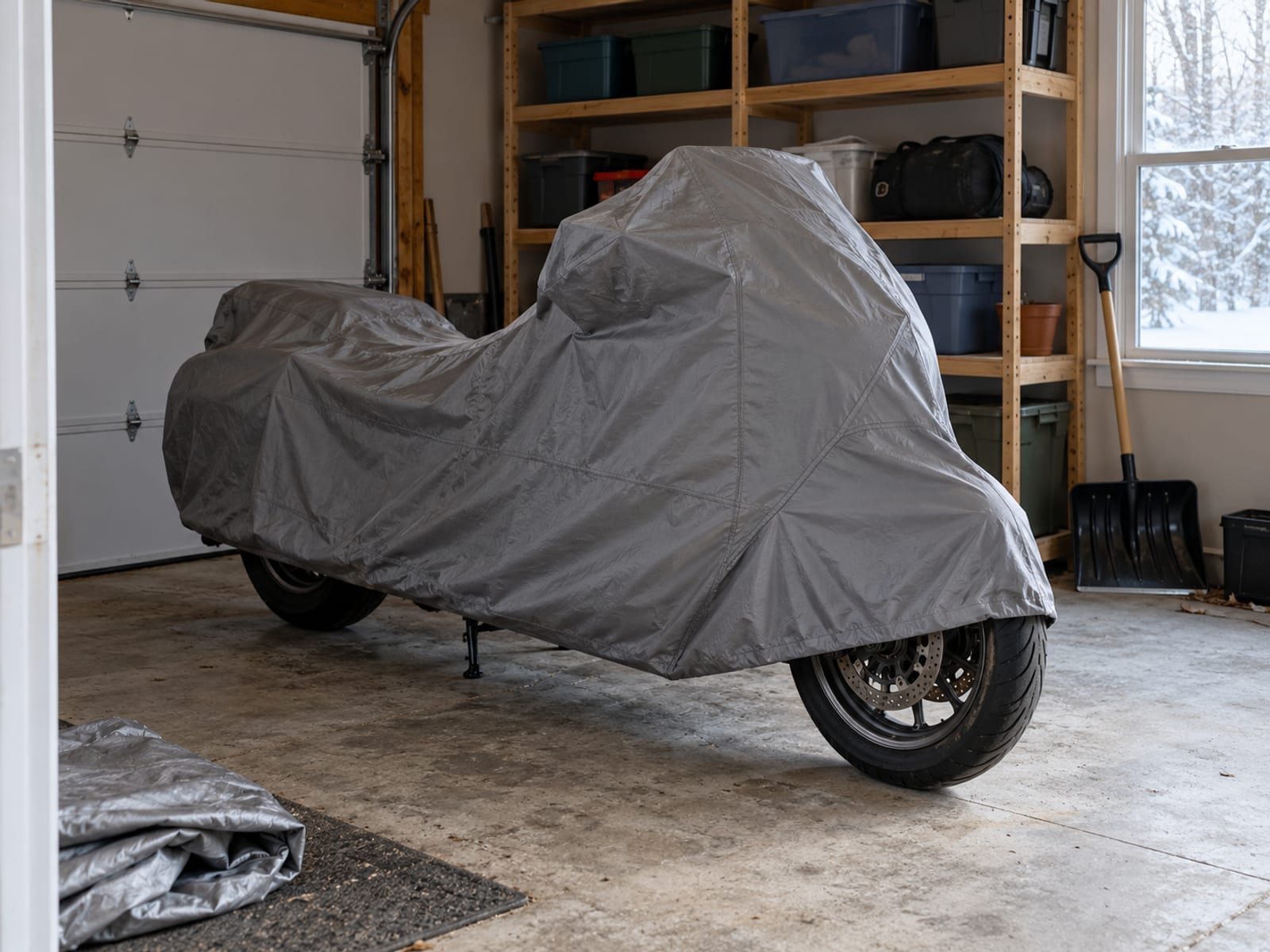
Connecticut requires continuous coverage on a registered vehicle, so a rider cannot simply cancel and leave the plates on. A lay-up period can be treated as a legitimate suspension period when the motorcycle is not being operated and the registration and insurance steps line up, according to Connecticut Insurance Department Bulletin PC-37 (opens in a new tab). Ask the insurer how it handles a lay-up, then confirm with the DMV what happens to the registration during those months, before you change anything.
What do Connecticut's endorsement and training rules require?
The endorsement and the insurance are two separate requirements. An "M" endorsement is required to operate a motorcycle on public highways, per the DMV's license endorsement page (opens in a new tab), and insurance is the separate financial-security requirement tied to registration.
The Connecticut Rider Education Program (CONREP) teaches the Motorcycle Safety Foundation curriculum. The Basic Rider Course (opens in a new tab) includes classroom and on-cycle instruction plus knowledge and skills tests, and finishing it waives the riding portion of the DMV license application; the knowledge test and fee still apply.
Training can also lower a bill. Satisfactory completion of a motorcycle rider education course qualifies for a 10 percent liability-insurance discount (opens in a new tab) under Conn. Gen. Stat. § 38a-685 (opens in a new tab). Ask each insurer what proof of completion it needs and how the discount is applied to your policy.

What does motorcycle insurance cost in Connecticut?
Published averages describe sample riders, not you, and they come from different methods, so they do not line up neatly.
- ValuePenguin (crawled September 2026): a $28 monthly average for full coverage, from 175 quotes in large Connecticut cities. City averages ran from $23 a month in Bristol and Torrington to $39 in Bridgeport and New Haven. Its national 2026 study (opens in a new tab), updated September 25, 2026, shows a $29 Connecticut full-coverage average, based on its own quote sample.
- MoneyGeek (accessed September 2026): about $201 a year for minimum coverage and $629 a year for full coverage (opens in a new tab), for a 40-year-old rider on a 2023 Honda CRF450RL with five years of experience and no violations.
- Progressive (2025): an average of $210.70 a year (opens in a new tab) on its own Connecticut motorcycle policies with liability coverage.
The gap between a monthly figure near $28 and an annual figure near $629 comes down to rider profile, bike and quote sample. Treat all of these as background, and ask an agent to price your own bike, record and coverage choices.
Hover or tap a row to highlight it.
| Source | Figure | What it describes |
|---|---|---|
| ValuePenguin (crawled September 2026) | $28 a month | Full-coverage average from 175 quotes in large Connecticut cities |
| ValuePenguin national 2026 study | $29 a month | Connecticut full-coverage average from its own quote sample |
| MoneyGeek (accessed September 2026) | $201 a year | Minimum coverage for a 40-year-old rider on a 2023 Honda CRF450RL |
| MoneyGeek (accessed September 2026) | $629 a year | Full coverage for the same sample rider |
| Progressive (2025) | $210.70 a year | Average on its own Connecticut motorcycle policies with liability coverage |
What should a rider ask an insurance agent?
Bring the bike's make, model, year and VIN, your license and endorsement or permit details, a list of custom equipment, where the bike is stored, how you use it, your prior insurance and claims history, and proof of a CONREP course if you took one. Then ask:
- Which Connecticut minimum coverages are on this proposal, and are the limits per person and per accident?
- What proof of insurance will I get for the DMV, and how will a change or cancellation be reported?
- What do collision and comprehensive each pay for, what are the deductibles, and how is the bike valued after a total loss?
- Are custom parts, paint, chrome, electronics, trailers and sidecars covered, and is separate equipment coverage available?
- Does the policy include guest passenger liability, and does medical payments cover the rider and passenger?
- How does uninsured or underinsured motorist coverage apply to injuries?
- Is roadside assistance or motorcycle towing available?
- Does my lienholder require collision and comprehensive?
- Does the rider course discount apply, and what proof is needed?
- What happens to registration and coverage if I lay the bike up for winter?
- Are all regular operators listed, and are racing, business, delivery or rental uses excluded?
Check what you know about Connecticut motorcycle insurance
Frequently asked questions
Is it cheaper to insure a car or a motorcycle?
The published motorcycle averages describe motorcycles only, and car averages come from different studies with different profiles, so a comparison across them says little about your household. The direct way to find out is to ask one agent to price the car and the motorcycle on the same day with the same driver details.
What documents do I bring to register a new motorcycle?
Bring your Connecticut identification, Form H-13B, proof of ownership, the Bill of Sale (Form H-31), your Connecticut Insurance Identification Card, and lienholder information if the bike is financed. VIN verification is part of the process for older bikes, and registration is done in person at a DMV hub or branch.
Does my health insurance replace medical payments coverage?
No, they are separate products. Medical payments coverage sits on the motorcycle policy and pays qualifying medical expenses for people on the bike, so ask the agent how it would work alongside the health plan you already have.
Does every state require motorcycle insurance?
No. Hawaii, Michigan, Montana and New Hampshire are exceptions to compulsory motorcycle insurance (opens in a new tab), per the Insurance Information Institute. New Hampshire, for example, relies on a financial-responsibility system under RSA chapter 264 (opens in a new tab) that applies proof requirements after an accident. Connecticut riders have to carry the required coverage.
Your next step
Take your questions to a licensed agency, and check the agent's license on the Connecticut insurance license lookup (opens in a new tab) before you share details or buy. You can also look up insurers through the department's find an insurance company page (opens in a new tab). If your registration is due or a policy is about to end, start with the minimum coverages and the proof of insurance, then work through the optional coverages with the agent.
Terms used in this guide
Tap a term to see what it means.
Bodily injury liability. Coverage that pays when you are legally responsible for injuring someone else.
Property damage liability. Coverage that pays when you damage someone else's property.
Uninsured and underinsured motorist protection. Coverage that pays for your injuries when the driver at fault has no insurance or too little.
Medical payments. An optional coverage that pays reasonable medical expenses for people injured in the covered vehicle, without waiting for a fault finding.
Collision. Optional coverage for damage to the motorcycle from hitting another vehicle or object, or from an overturn.
Comprehensive. Optional coverage for non-collision losses such as theft, vandalism, fire, weather and animal strikes.
Lienholder. The lender that financed the bike and may require collision and comprehensive coverage.
CONREP. The Connecticut Rider Education Program, which teaches the Motorcycle Safety Foundation curriculum.
"M" endorsement. The license endorsement required to operate a motorcycle on public highways.