Connecticut Flood Insurance: Who Needs It, What It Costs, and What the $250,000 Cap Means
Riskado
A basic Connecticut homeowners or renters policy generally excludes flood, according to the Connecticut Insurance Department (CID) (opens in a new tab), so flood coverage is a separate policy from the National Flood Insurance Program (NFIP) or a private insurer. Federal law requires flood insurance when a federally backed mortgage is secured by a building in a Special Flood Hazard Area, and a lender can add its own requirement in the loan contract. NFIP residential policies offer up to $250,000 of building coverage and up to $100,000 of contents coverage, each with its own deductible, according to FloodSmart (opens in a new tab). New NFIP coverage normally begins after 30 days.
Key takeaways
- Flood and your policyA basic Connecticut homeowners or renters policy generally excludes flood, so coverage is a separate policy.
- When it is requiredFederal law requires it for a federally backed mortgage on a building in a Special Flood Hazard Area, and a lender can add its own requirement.
- NFIP limitsUp to $250,000 of building coverage and up to $100,000 of contents coverage, each with its own deductible.
- Waiting periodNew NFIP coverage normally begins after 30 days.
Do you need flood insurance in Connecticut?
Two separate questions sit under this one. The first is whether anyone requires you to carry it. The second is whether your property could flood and leave you paying for the repair yourself.
A requirement comes from a lender. If your mortgage is federally backed and the building sits in a Special Flood Hazard Area on an effective FEMA map, federal rules require coverage, according to FEMA's mandatory-purchase guidance (opens in a new tab). Outside those areas, a lender can still write flood insurance into the mortgage contract. If you own without a mortgage, nobody requires it, though the exposure is the same.
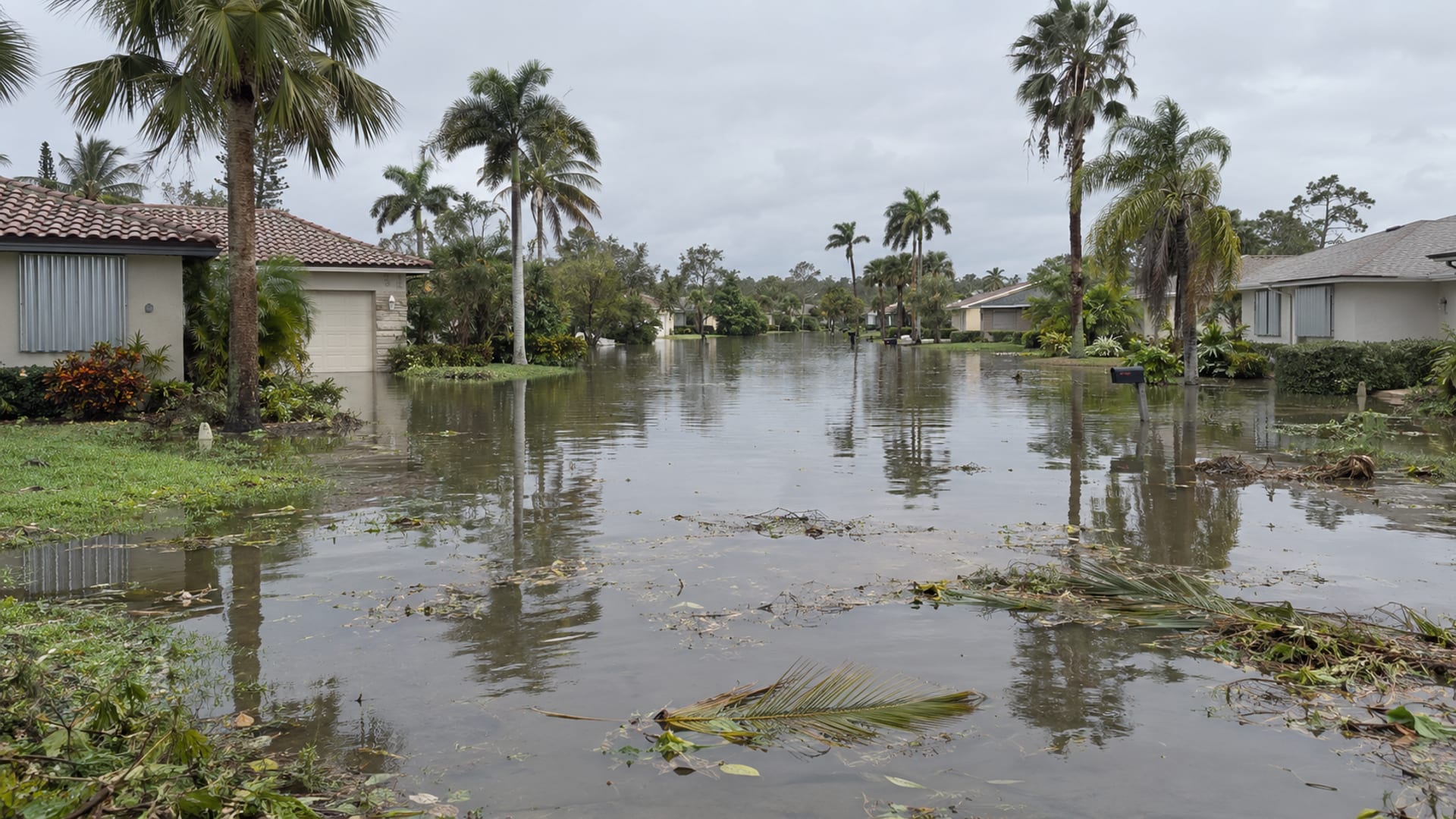
The second question does not depend on a map at all. Flooding can happen anywhere in Connecticut, and properties outside designated high-risk zones can flood too. One inch of water can cause $25,000 or more in property damage, according to CID's September 24, 2026 consumer alert (opens in a new tab).
Does homeowners or renters insurance cover flood?
Flood is generally excluded from a basic Connecticut homeowners policy, according to the CID homeowners FAQ (opens in a new tab). Renters policies follow the same pattern for your belongings. The exact wording of your own policy controls any claim, so the declarations page and the exclusions section are the documents to read.
Sewer and drain backup is a different item. Most homeowners policies exclude water damage from backing up through sewers or drains, yet some add coverage for basement flooding from a backup through an endorsement. A backup endorsement and a flood policy are not interchangeable. Whether a particular water event falls under one, the other, or neither depends on the policy language and what happened, so ask your agent about each separately.
Starting July 1, 2026, your insurer must also tell you this in writing.
When does a Connecticut lender require flood insurance?
The federal mandatory-purchase rule applies when three things line up: the building is in a Special Flood Hazard Area on an effective FEMA flood map, the building secures a loan from a federally regulated, supervised or insured lender, and the loan is made, increased, extended or renewed. The required amount is at least the lesser of the outstanding loan balance or the maximum the NFIP offers, per FEMA (opens in a new tab). A lender can ask for more under the mortgage contract.
Risk Rating 2.0 does not change who has to buy. Effective flood maps still decide the federal requirement, while Risk Rating 2.0 sets how premiums are calculated, according to FEMA (opens in a new tab).
If coverage lapses, the servicer can buy a policy on your behalf and bill you for it, after sending written notices. Regulation X, 12 CFR 1024.37 (opens in a new tab) requires written notice at least 45 days before a borrower can be charged for force-placed insurance. Once you send evidence of compliant coverage, the servicer must cancel the force-placed policy and refund overlapping charges.
The three conditions for the federal mandatory-purchase rule
- The mapThe building is in a Special Flood Hazard Area on an effective FEMA flood map.
- The lenderThe building secures a loan from a federally regulated, supervised or insured lender.
- The loan eventThe loan is made, increased, extended or renewed.
Can a property outside a high-risk flood zone still flood?
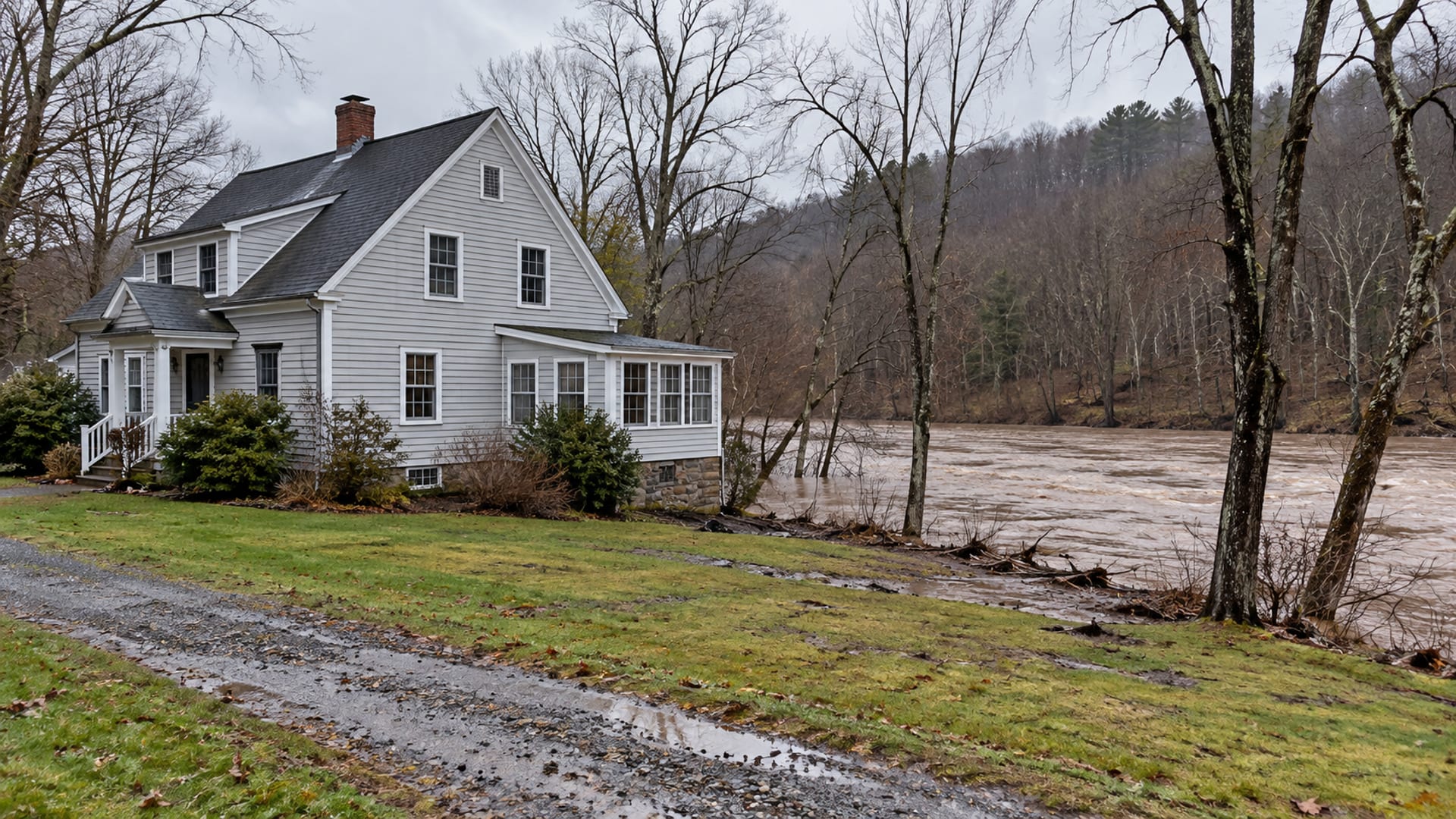
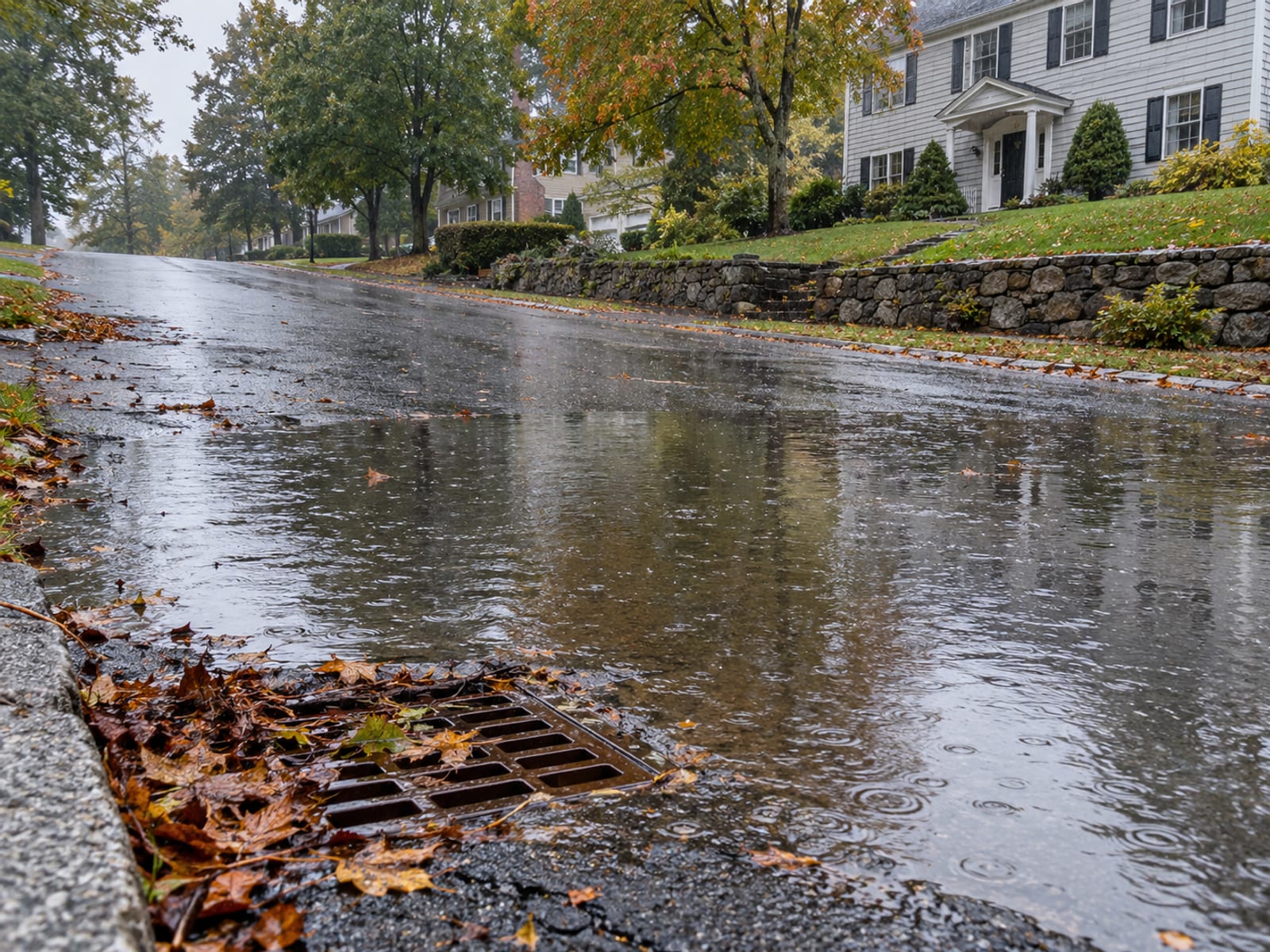
Yes. According to CID, flooding in Connecticut comes from heavy rainfall, backed-up drainage systems, overflowing rivers and streams, and coastal storms. None of those follow the lines on a map.
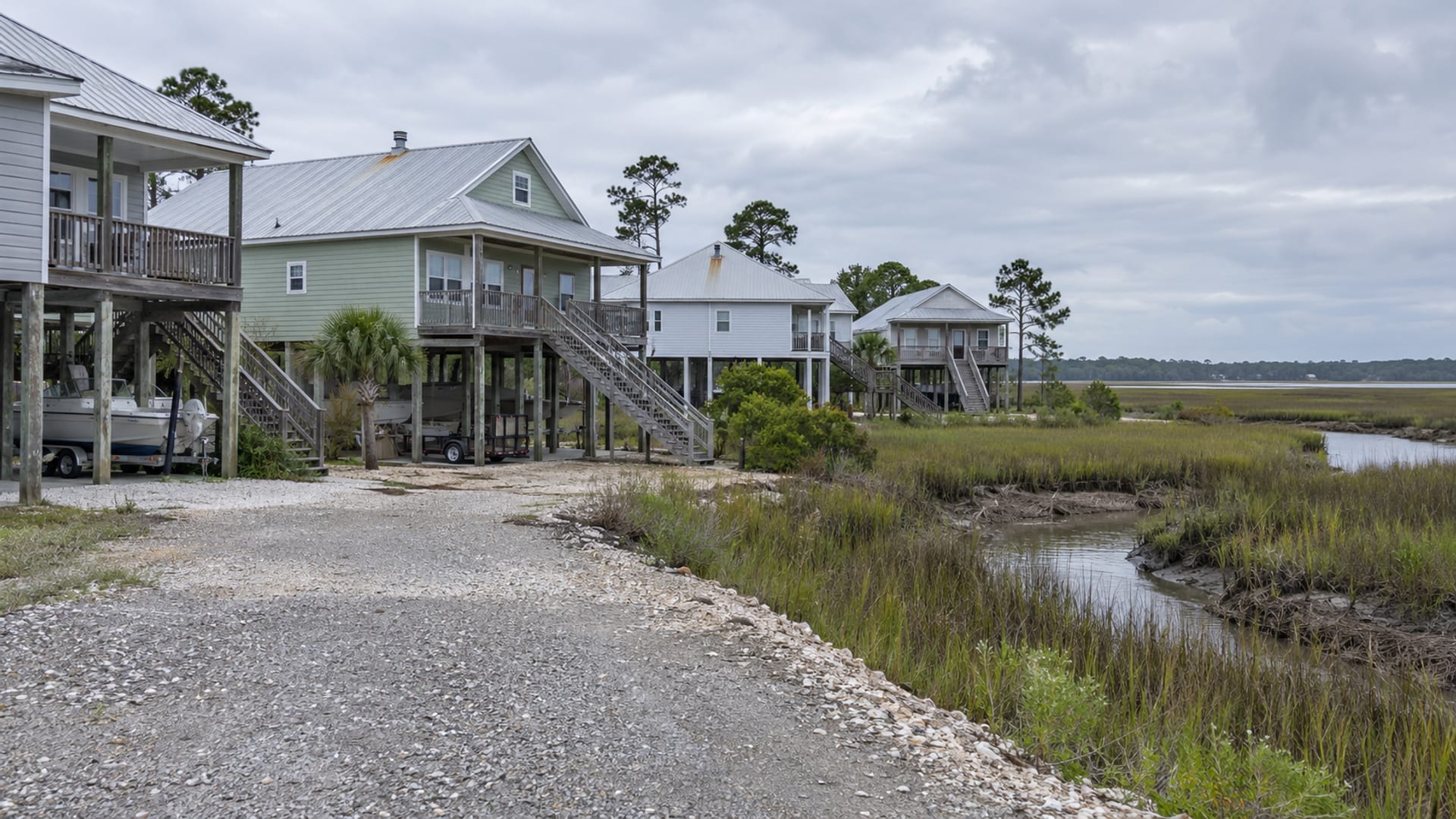
A map zone answers a lending question. It says whether the federal rule applies to a mortgage. It does not say how water moves across your street, through your yard or into your basement. A shoreline house, a home near a stream and an inland house at the bottom of a slope each have a different kind of exposure, and only the first two are likely to show up in a high-risk zone.
What is the NFIP, and who sells its policies?
Congress created the NFIP, and FEMA runs it. It offers policies to homeowners, renters and businesses, per FloodSmart (opens in a new tab). The policies are written and serviced by Write Your Own (WYO) insurers and their agents under the federal program, and FEMA publishes the list of WYO companies (opens in a new tab).
Private flood insurance is the other route. Private policies can differ from NFIP coverage in limits, deductibles, coverage types and pricing, according to CID (opens in a new tab). Only a limited number of companies write flood outside the NFIP, per CID's storm-water coverage fact sheet (opens in a new tab). If a mortgage is involved, ask the lender in writing whether a specific private policy satisfies its requirement before you buy.
What do the $250,000 and $100,000 limits mean?
For eligible residential property, the NFIP sells building coverage up to $250,000 and contents coverage up to $100,000, according to FloodSmart. They are two coverages with two limits. They are typically bought separately and carry separate deductibles. Renters can buy contents coverage up to $100,000. Commercial buildings and contents can each be covered up to $500,000 under the NFIP, subject to eligibility.
The $250,000 figure is a program limit. It does not value your home or the land under it, and it does not promise full payment on every loss, since deductibles, exclusions and valuation rules still apply. It is also not a suggested amount. How much building coverage fits your home is a question for a licensed agent who can read the policy form against your property.
Hover or tap a row to highlight it.
| Coverage | Limit | Source |
|---|---|---|
| Residential building | Up to $250,000 | FloodSmart (opens in a new tab) |
| Residential contents | Up to $100,000 | FloodSmart (opens in a new tab) |
| Commercial building | Up to $500,000 | FloodSmart (opens in a new tab) |
| Commercial contents | Up to $500,000 | FloodSmart (opens in a new tab) |

What does flood insurance cost in Connecticut?
Premiums are set property by property. Costs vary with individual property characteristics, and statewide or community averages may not reflect what a specific homeowner pays, according to CID's September 24, 2026 alert.
For dated context, FEMA's average homeowners flood premium was about $800 to $1,200 a year, according to a September 3, 2024 CID fact sheet (opens in a new tab). That is a two-year-old average, not a quote, and it says nothing about what your building would cost.
FEMA's Risk Rating 2.0 (opens in a new tab) prices each building individually. Its factors include distance to flooding sources, ground elevation, occupancy, unit location, construction type, foundation, flood openings, first-floor height, number of floors, machinery placement and replacement cost. Coverage amounts and deductible choices change the premium too. A current, property-specific number comes from an agent after they have your address and details.
How long before flood coverage begins?
NFIP coverage normally begins 30 days after purchase, per FloodSmart. A flood that is already underway or forecast is not automatically covered by a policy bought that week.
Some purchases skip the wait:
- Coverage bought when a mortgage is made, increased, extended or renewed has no waiting period.
- Certain coverage changes made at renewal have no waiting period.
- A property newly placed in a high-risk zone gets a one-day wait if coverage is bought within 12 months of the map update.
- Certain post-wildfire flooding on federal land carries a one-day wait.
An NFIP policy lasts one year. If it is renewed and paid in full within 30 days after expiration, the renewal grace period applies. After a longer lapse, a new policy can be subject to the normal 30-day wait again, so renewal dates deserve a spot on the calendar.
Hover or tap a row to highlight it.
| Situation | Waiting period or rule |
|---|---|
| Normal new NFIP policy | 30 days after purchase |
| Coverage bought when a mortgage is made, increased, extended or renewed | No waiting period |
| Certain coverage changes made at renewal | No waiting period |
| Property newly placed in a high-risk zone, coverage bought within 12 months of the map update | One-day wait |
| Certain post-wildfire flooding on federal land | One-day wait |
| Policy term | One year |
| Renewal paid in full within 30 days after expiration | Renewal grace period applies |

How do you check a property's flood risk?
Start with the FEMA Flood Map Service Center (opens in a new tab), the official public source for flood hazard maps. Search the property address, open the effective map and write down the panel, zone and map date. A specific property's zone comes only from an address-level result.
From there:
- Ask the town planning or zoning office about local floodplain records.
- Ask the seller, owner or surveyor whether an elevation certificate exists.
- Look at the Connecticut DEEP NFIP page (opens in a new tab), which links to effective, preliminary and historic flood maps for Connecticut municipalities, plus Letters of Map Amendment and Letters of Map Revision.
- Hand the map result and any elevation information to an agency and the lender.
What changed in Connecticut on July 1, 2026?
Public Act No. 25-33 (opens in a new tab) added flood disclosures for insurers, mortgage lenders and residential property transactions.
Insurers must give a clear, plain-language notice with every homeowners or renters policy they deliver, issue or renew for a residential dwelling effective on or after July 1, 2026. The notice says the policy does not cover loss caused by flood, that separate flood insurance is available, and how to find eligibility and access information. CID Bulletin PC-93-25 (opens in a new tab), dated July 8, 2025, extends the requirement to dwelling-fire and condominium policies and set a January 31, 2026 deadline for insurers to file their notices with CID.
For mortgage transactions effective July 1, 2026, creditors must give applicants a written notice no later than 10 days before closing. It says standard homeowners insurance does not cover flood damage and related losses, that flooding can occur whether or not a property is in a designated flood zone, and that the applicant may wish to consult a licensed insurance producer or surplus-lines broker. The applicant signs and dates it, and the creditor keeps it with the mortgage records.
The Act also changed Connecticut's residential property disclosures. The legislative summary (opens in a new tab) and the Act's text carry the exact form language, and the transaction professionals on a purchase can confirm which questions apply.
Connecticut flood disclosure dates
- July 8, 2025CID Bulletin PC-93-25 extends the notice requirement to dwelling-fire and condominium policies.
- January 31, 2026The deadline for insurers to file their notices with CID.
- July 1, 2026Insurer notices apply to homeowners and renters policies delivered, issued or renewed on or after this date, and mortgage transactions effective this date carry a written creditor notice no later than 10 days before closing.
What should you ask an insurance agency and a lender?
Bring these to a licensed agency. You can confirm a license on the Connecticut insurance license lookup (opens in a new tab).
Questions for the agency:
- Is this an NFIP policy or a private flood policy?
- Does it cover the building, the contents, or both, and are the limits and deductibles separate?
- How are basements, crawlspaces, foundations, utilities and detached structures treated?
- Does the policy pay replacement cost or actual cash value?
- Does it cover coastal flooding, river overflow, storm surge and runoff?
- How does it handle sewer or drain backup, and is an endorsement available on my homeowners policy?
- What waiting period applies, and does a mortgage closing or map change create an exception?
- What happens if the policy lapses?
- Does the policy meet my lender's written requirement?
- Is an elevation certificate available or useful?
- Which documents do you need to issue the policy, and how are claims reported?
Questions for the lender or servicer:
- Is flood insurance required by federal law, by the loan contract, or both?
- Which FEMA map and effective date did you use, and is the property in a Special Flood Hazard Area?
- What minimum coverage amount and maximum deductible do you require?
- Will you accept a private flood policy?
- Must premiums be escrowed, and what proof of coverage do you need?
- What notices come before force-placement, and what happens if coverage lapses?
- How do I correct a mistaken insurance-status record?
- Will you give me the Connecticut flood disclosure in writing before closing?
What to gather after a storm
If water has already reached your home, call your agent or insurer quickly and take photographs before anything is moved. Keep the policy documents, receipts and an inventory of belongings, along with photos of damage, so the claim has support from the start.

Check what you know about Connecticut flood insurance
Common questions
What is the average cost of flood insurance in Connecticut?
FEMA's average homeowners flood premium was about $800 to $1,200 a year, per a September 3, 2024 CID fact sheet. Your premium depends on your building's characteristics, your flood risk, your coverage and your deductible, so ask an agent for a number based on your address.
Why is flood insurance capped at $250,000?
The $250,000 figure is the NFIP limit for residential building coverage, set by the federal program, and contents are a separate $100,000 limit. Private policies can offer different limits, so an agent can tell you what is available for your home.
What are the requirements for flood insurance?
Federal law requires it for a building in a Special Flood Hazard Area that secures a federally backed mortgage, and a lender can require it by contract anywhere. If you fall behind on required coverage, the servicer can force-place a policy after the notices Regulation X requires.
Does Risk Rating 2.0 decide whether I have to buy?
No. Effective FEMA flood maps decide the federal requirement, and Risk Rating 2.0 decides how your premium is calculated.
Your next step
Pull your address up on the FEMA Flood Map Service Center, write down the zone and map date, collect your current declarations page and your lender's written insurance requirements, and take the question lists above to a licensed insurance agency. Check the agency's license on the Connecticut insurance license lookup (opens in a new tab) before you share your details.
Terms used in this guide
Tap a term to see what it means.
NFIP. The National Flood Insurance Program, created by Congress and run by FEMA, which offers flood policies to homeowners, renters and businesses.
Special Flood Hazard Area. A high-risk area on an effective FEMA flood map; it decides whether the federal mandatory-purchase rule applies to a mortgage.
Risk Rating 2.0. FEMA's method of pricing each building individually; it sets how premiums are calculated, not who has to buy.
Write Your Own insurer. An insurer that writes and services NFIP policies under the federal program.
Private flood insurance. A policy sold outside the NFIP, which can differ in limits, deductibles, coverage types and pricing.
Force-placed insurance. A policy a servicer buys and bills the borrower for after a lapse in required coverage and written notices.
Elevation certificate. A document that records a building's elevation; ask the seller, owner or surveyor whether one exists.
Sewer and drain backup endorsement. A written addition to a homeowners policy that can cover water that backs up through sewers or drains; it is not a flood policy.