Massachusetts Uninsured Motorist Coverage: What Is Required, What Underinsured Coverage Adds and How Claims Work
Riskado
Uninsured motorist coverage is required on every Massachusetts auto policy. Under M.G.L. c. 175, § 113L (opens in a new tab), your policy must protect covered people who are legally entitled to recover damages for bodily injury from the owner or driver of an uninsured or hit-and-run vehicle. On your policy it's called "Bodily Injury Caused by Uninsured Auto." The minimum is $25,000 per person and $50,000 per accident for policies effective on or after July 1, 2025, up from $20,000 and $40,000, according to the Massachusetts Consumer Bill of Rights for Automobile Insurance (opens in a new tab). This coverage pays for injuries, not damage to your car. Underinsured motorist coverage, which applies when the other driver has too little insurance, is a separate option you choose.
Key takeaways
- RequiredUninsured motorist coverage is required on every Massachusetts auto policy under M.G.L. c. 175, § 113L (opens in a new tab).
- On your policyIt appears as "Bodily Injury Caused by Uninsured Auto."
- Minimum limit$25,000 per person and $50,000 per accident for policies effective on or after July 1, 2025, up from $20,000 and $40,000.
- What it paysInjuries, not damage to your car.
- Underinsured coverageA separate option you choose, for when the other driver has too little insurance.
What does Massachusetts uninsured motorist coverage pay for?
The compulsory coverage pays for bodily injury, sickness, disease and death caused by an uninsured or hit-and-run vehicle, under section 113L (opens in a new tab). It responds to the damages you could have recovered from the at-fault driver if that driver had been insured.
The Division of Insurance explanation of what is in your insurance policy (opens in a new tab) describes protection for:
- You, the policyholder.
- Anyone you allow to drive your car.
- Members of your household.
- Passengers, subject to the policy's conditions and the rule against duplicate similar Massachusetts coverage.
Coverage also reaches business vehicles. The same compulsory requirement applies to covered commercial autos in Massachusetts, subject to the policy form and how the vehicle is used, according to the Commonwealth Automobile Reinsurers manual (opens in a new tab), Rule 35. If you drive for deliveries or rideshare, or a business owns the vehicle, ask your agent how the policy treats that use.
Section 113L also treats some vehicles as uninsured when the other driver's insurer has become insolvent, under the conditions the statute sets out. If the at-fault driver's company can't pay, ask your insurer whether that rule applies to your claim.
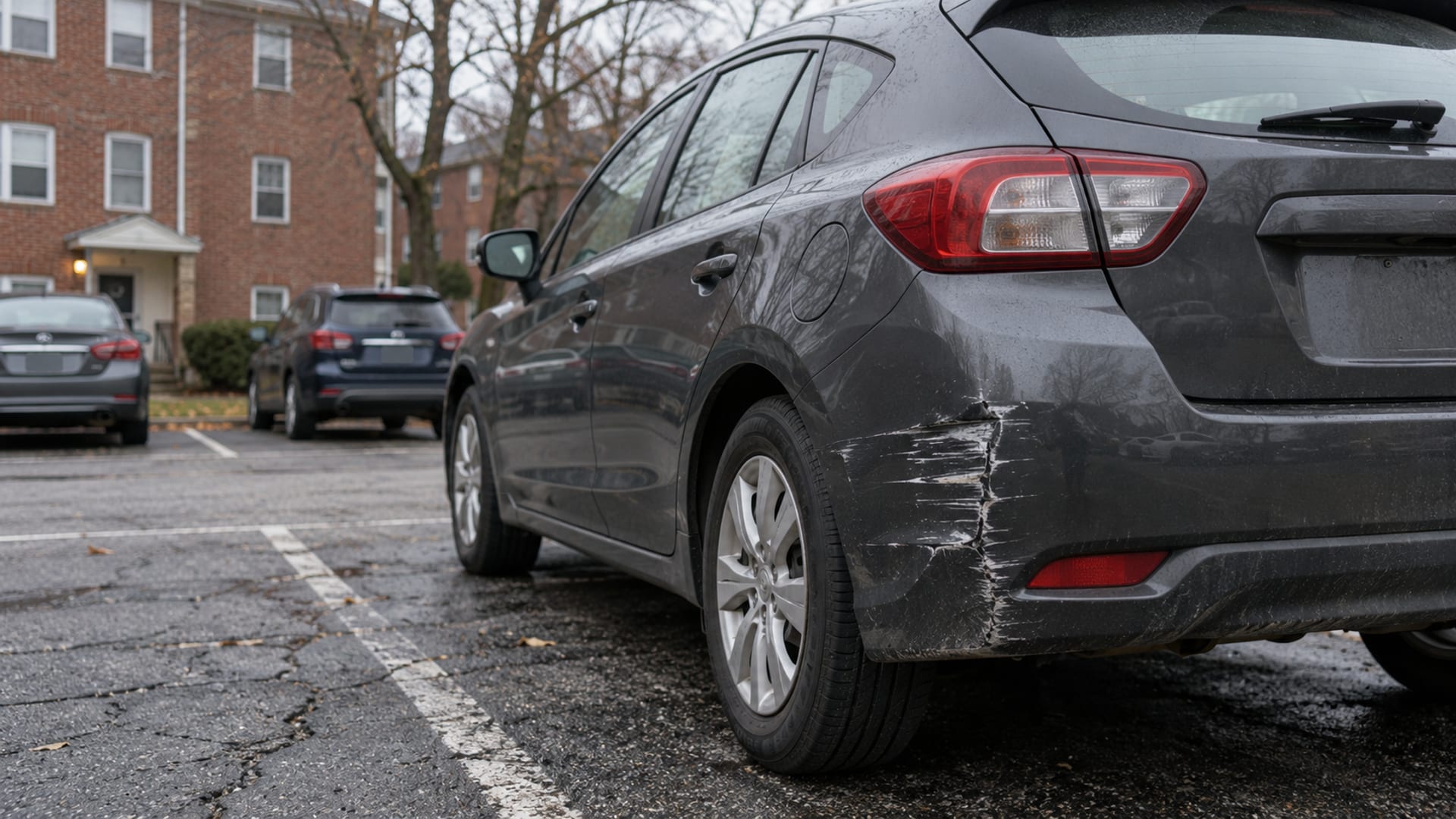
Does uninsured motorist coverage pay for damage to your car?
No. Compulsory uninsured motorist coverage is bodily-injury coverage only. Vehicle damage comes through other routes, according to the CAR manual (opens in a new tab), which lists collision and limited collision as physical-damage coverages separate from UM and UIM:
- Collision coverage on your own policy may pay for crash damage, subject to its terms and your deductible.
- Limited collision applies only under narrower conditions, so check the wording on your declarations page.
- A property-damage claim against the other driver is possible when the driver is identified and legally responsible, though collecting from an uninsured person depends on fault and what they can pay.
Hover or tap a row to highlight it.
| Coverage | Required or optional | What it addresses | Source |
|---|---|---|---|
| Uninsured motorist (UM) | Required | Bodily injury caused by an uninsured or hit-and-run vehicle | M.G.L. c. 175, § 113L (opens in a new tab) |
| Underinsured motorist (UIM) | Optional | Injury damages when the at-fault driver's bodily-injury limit is lower than your UM limit and falls short | M.G.L. c. 175, § 113L(2) (opens in a new tab) |
| Personal injury protection (PIP) | Required | Specified medical expenses, up to 75% of lost wages and replacement services, up to $8,000 per person per accident | Division of Insurance (opens in a new tab) |
| Collision and limited collision | Separate physical-damage coverages | Damage to your car, subject to terms and deductible | CAR manual (opens in a new tab) |
What does underinsured motorist coverage add?
Underinsured motorist coverage, or UIM, handles a different problem: the at-fault driver has insurance, just not enough. Under section 113L(2) (opens in a new tab), you may elect to buy protection that treats the other vehicle as uninsured when all of these are true:
- The other vehicle has bodily-injury liability insurance.
- Its limit is lower than your UM limit.
- That limit isn't enough to cover your damages.
Your UIM recovery is limited to the amount by which your limit exceeds the other driver's liability limit, subject to the policy. As a simple illustration, if the other driver carries $25,000 per person and your elected limit is higher, UIM can pay up to the difference between the two for your injury damages, not your full limit on top of theirs.
UIM is optional, and increased limits are available for both UM and UIM, according to the CAR manual (opens in a new tab), Rules 35 and 36. Higher limits raise the maximum available under that coverage. They don't turn UM into property-damage coverage, and they don't guarantee payment of every claimed loss.

How does hit-and-run coverage work in Massachusetts?
Hit-and-run vehicles are included in the required uninsured motorist protection under section 113L (opens in a new tab). Your policy sets the proof and procedural conditions. A claim generally requires you to show that a motor vehicle caused your injury, that the vehicle or driver couldn't be identified or didn't stay available for an ordinary liability claim, that the crash and injury happened as you describe, that required police reporting was done, and that your insurer got timely notice.
In practice, that means calling police after a hit-and-run, photographing the scene and your injuries, getting names and phone numbers of witnesses, and asking your insurer in writing for the exact unidentified-vehicle conditions in your policy form.
What happens when the other driver has some insurance?
When the at-fault driver is insured, your first injury claim is against that driver's liability coverage. If their limit falls short and you elected UIM, your own policy may pay the difference described above. Before you accept a settlement from the other driver's insurer, read your policy's consent-to-settle provisions and tell your insurer about the offer. Ask whether your insurer must agree first, since a settlement made without following the policy's process can affect a later UIM claim under its terms.
How do PIP and uninsured motorist coverage work together?
Personal injury protection is Massachusetts no-fault coverage. It pays specified medical expenses, up to 75% of lost wages, and replacement services, subject to the PIP limit, according to the Division of Insurance basics of auto insurance (opens in a new tab). That PIP limit is $8,000 per person per accident.
Uninsured motorist coverage is excess over PIP benefits, according to the CAR manual (opens in a new tab), Rule 35. PIP pays its covered no-fault benefits, and UM addresses the legally recoverable bodily-injury damages the uninsured driver caused. One doesn't replace the other. How PIP, health insurance, MedPay and UM coordinate on a particular claim depends on your policy and the statutory rules, so ask your insurer which coverage it is paying each bill under.
Can you stack UM limits across vehicles or policies?
Generally no. Section 113L(5) (opens in a new tab) prohibits combining UM limits from multiple vehicles or policies and sets out which policy applies first when more than one could respond. If you own several cars or live with someone who has their own policy, ask your agent which policy would apply if you were hurt in each situation, including as a passenger in someone else's car.
What to do after a crash with an uninsured or hit-and-run driver
Once everyone is safe and has medical care, the next steps protect your claim:
- Exchange information at the scene when you can: plate, driver, owner and insurer.
- Call police for a hit-and-run or a disputed crash.
- Notify your insurer promptly. The Division of Insurance advises reporting claims as soon as possible because your policy may set a notification period, according to its consumer alert on the claims process (opens in a new tab).
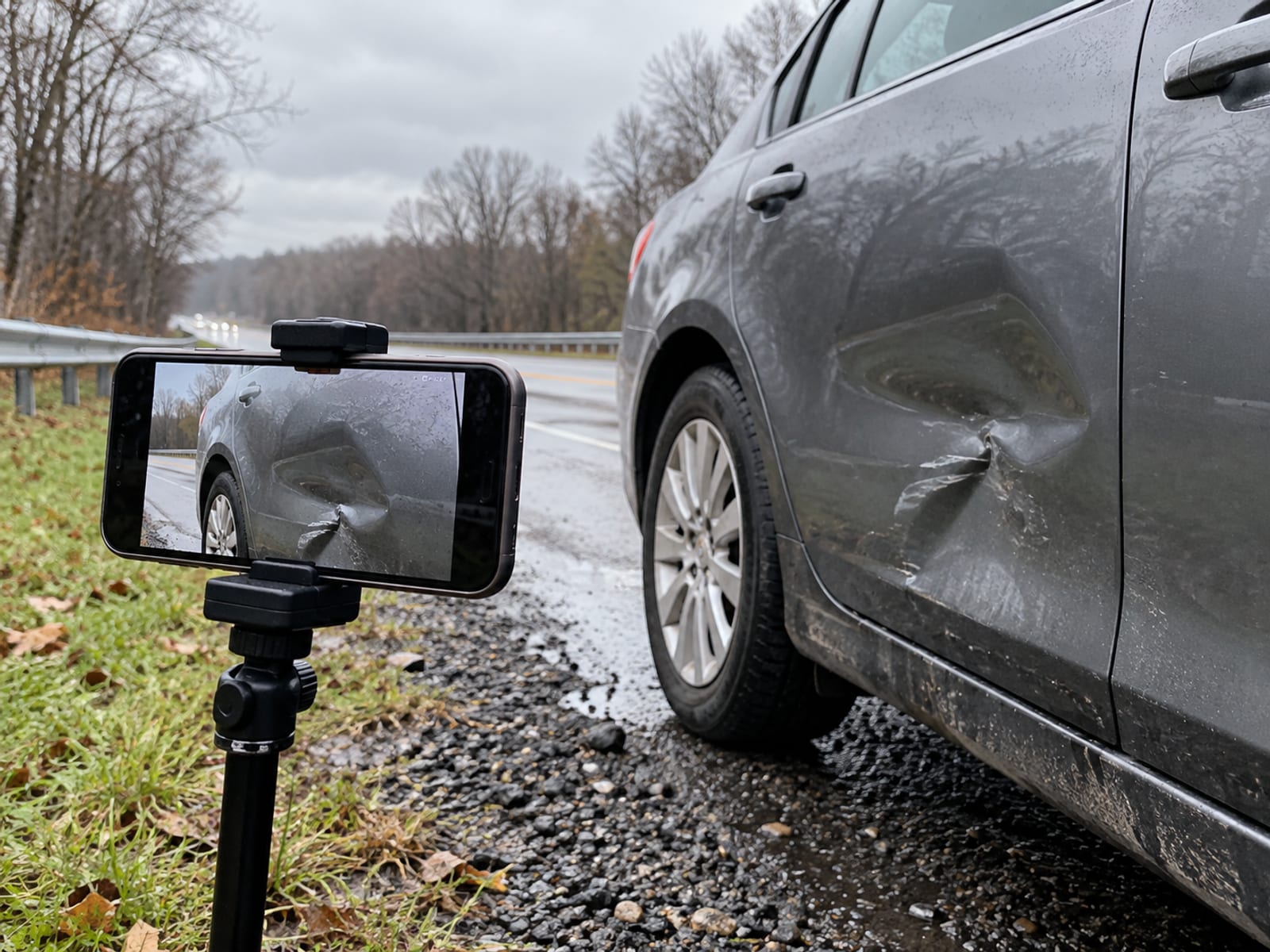
- Photograph the vehicles, location, signs and injuries, and collect witness names and contact details.
- Request the police crash report through the RMV.
- Give your insurer the crash report and vehicle information, and ask it to verify coverage with the other driver's carrier.
- Keep medical bills, wage records, repair estimates and all correspondence.
- Ask your insurer for its claim requirements in writing.
You can request a copy of a police crash report (opens in a new tab) from the RMV if you were involved in the crash. A single-report search needs the accident date and either the driver's license number or the vehicle plate, according to the RMV crash portal instructions (opens in a new tab). The fee is $20, and processing may take four weeks.
What deadlines apply to a Massachusetts UM claim?
Your policy controls the notice deadline for a UM claim, and policies commonly require prompt notice of an accident and cooperation with the insurer. Check the notice provision in your policy form and report the crash right away rather than waiting.
PIP has its own statutory timing. Under M.G.L. c. 90, § 34M (opens in a new tab), a PIP claim must be presented as soon as practicable and in every case within two years of the accident.
The time to file a UM lawsuit can depend on the type of claim, the policy language and the facts of your case. If you think a lawsuit may be needed, confirm the timing with a qualified Massachusetts lawyer early.
Hover or tap a row to highlight it.
| Item | Figure or rule | Source |
|---|---|---|
| UM minimum, policies effective on or after July 1, 2025 | $25,000 per person, $50,000 per accident | Consumer Bill of Rights (opens in a new tab) |
| Earlier UM minimum | $20,000 per person, $40,000 per accident | Consumer Bill of Rights (opens in a new tab) |
| PIP limit | $8,000 per person per accident | Division of Insurance (opens in a new tab) |
| PIP claim deadline | As soon as practicable, and within two years of the accident | M.G.L. c. 90, § 34M (opens in a new tab) |
| UM stacking | Generally prohibited | M.G.L. c. 175, § 113L(5) (opens in a new tab) |
| RMV crash report | $20 fee; processing may take four weeks | RMV (opens in a new tab) |
What if your insurer delays or denies the claim?
Massachusetts claim-handling law, M.G.L. c. 176D, § 3 (opens in a new tab), treats it as an unfair practice for an insurer to fail to acknowledge claim communications reasonably promptly, fail to investigate reasonably, refuse payment without a reasonable investigation, fail to affirm or deny coverage within a reasonable time after proof of loss, fail to settle promptly and fairly when liability is reasonably clear, or fail to explain a denial or compromise offer.
Your policy may require arbitration (opens in a new tab) for UM or UIM disputes. Keep every written communication, ask for any denial in writing, follow the policy's dispute steps, and contact the Division of Insurance if a claim-handling problem isn't resolved.
Questions to ask your agent about UM and UIM
Bring your declarations page and ask:
- What UM limits appear on my declarations page, and did they change at my last renewal after July 1, 2025?
- Did I elect underinsured motorist coverage, and at what limit?
- Are my household members and passengers covered, and what happens if I'm hurt in someone else's car?
- What are the hit-and-run reporting and proof requirements in my policy form?
- Which policy applies first if more than one could respond?
- Do I have collision or limited collision for damage to my car?
- What notice deadline does my policy set, and is arbitration required for UM or UIM disputes?
- Does the policy cover business, delivery or rideshare use?
Check what you know about Massachusetts uninsured motorist coverage
Massachusetts uninsured motorist FAQ
Is the $20,000 per person UM minimum still in effect?
No. For policies effective on or after July 1, 2025, the minimum is $25,000 per person and $50,000 per accident, according to the Massachusetts Consumer Bill of Rights for Automobile Insurance (opens in a new tab). Check your declarations page for the limit on your current policy.
Does UM coverage protect my passengers?
Passengers are among the people protected, subject to the policy's conditions and the rule against duplicate similar Massachusetts coverage, according to the Division of Insurance explanation of what is in your insurance policy (opens in a new tab).
What information do I need to order a crash report?
For a single report, the RMV needs the accident date and either the driver's license number or the vehicle plate, according to its crash portal instructions (opens in a new tab). The fee is $20.
How long do I have to file a PIP claim?
As soon as practicable, and in every case within two years of the accident, under M.G.L. c. 90, § 34M (opens in a new tab). Your UM notice deadline is set separately by your policy.
Next steps
Pull out your declarations page today and find the line for Bodily Injury Caused by Uninsured Auto, then look for underinsured motorist coverage and collision. If you've already been in a crash, report it to police and your insurer, order the crash report, and keep every record. A licensed Massachusetts agent can walk you through the limits you have and the options for changing them at renewal.
Terms used in this guide
Tap a term to see what it means.
Uninsured motorist (UM) coverage. Required Massachusetts coverage for bodily injury caused by an uninsured or hit-and-run vehicle.
Underinsured motorist (UIM) coverage. Optional coverage for when the at-fault driver's bodily-injury limit is lower than your limit and not enough to cover your damages.
Hit-and-run vehicle. A vehicle or driver that could not be identified or did not stay available for an ordinary liability claim.
Personal injury protection (PIP). Massachusetts no-fault coverage for specified medical expenses, lost wages and replacement services.
Stacking. Combining UM limits from more than one vehicle or policy, which section 113L(5) prohibits.
Consent to settle. A policy provision that can require you to tell your insurer, or get its agreement, before accepting a settlement.
Declarations page. The page of your policy that lists your coverages and limits.
Limited collision. A physical-damage coverage that applies only under narrower conditions than collision.