South Carolina Motorcycle Insurance: Required Coverage, What It Costs, Helmet and License Rules and What to Ask Your Agent
Riskado
South Carolina requires every registered motorcycle to carry liability insurance and uninsured motorist coverage before it goes on the road. The liability minimums are $25,000 for bodily injury to one person, $50,000 for bodily injury to everyone hurt in one accident and $25,000 for property damage, according to the South Carolina Department of Insurance (opens in a new tab) and S.C. Code § 38-77-140 (opens in a new tab). Underinsured motorist coverage is optional. Collision, comprehensive, medical payments, custom-parts and roadside coverage are optional under state law, though a lender can require physical-damage coverage on a financed bike. Registration, your motorcycle license, helmet and eye-protection rules, and what happens if coverage lapses are separate requirements with their own rules.
Key takeaways
- Required liability$25,000 bodily injury per person, $50,000 bodily injury per accident and $25,000 property damage.
- Required uninsured motoristCoverage equal to the 25/50/25 liability minimums; underinsured motorist coverage is optional.
- Optional coverageCollision, comprehensive, medical payments, custom parts and roadside help, though a lender can require physical-damage coverage.
- Separate rulesRegistration, the motorcycle license, helmet and eye-protection rules and lapse penalties each apply on their own.
Do you need motorcycle insurance in South Carolina?
Yes. South Carolina requires owners to maintain financial responsibility, and for most riders that means a motor vehicle liability policy. S.C. Code § 56-9-20 (opens in a new tab) defines an insured motor vehicle and a motor vehicle liability policy by reference to the insurance requirements in Title 38, and § 38-77-140 (opens in a new tab) sets the 25/50/25 floor for policies on vehicles principally garaged or used in the state. Title 38's definitions treat a motorcycle-type vehicle the same way as a private passenger car when it isn't used commercially, rented to others or used as a public or livery conveyance, under § 38-77-30 (opens in a new tab).
Hover or tap a row to highlight it.
| Coverage | Minimum | Source |
|---|---|---|
| Bodily injury, one person | $25,000 | SCDOI (opens in a new tab) |
| Bodily injury, one accident | $50,000 | SCDOI (opens in a new tab) |
| Property damage, one accident | $25,000 | SCDOI (opens in a new tab) |
| Uninsured motorist | Equal to the 25/50/25 liability minimums | SCDOI (opens in a new tab) |
| Underinsured motorist | Not required; insurers must offer it | SCDOI FAQ (opens in a new tab) |
Liability coverage pays for injuries and damage you cause to other people. It doesn't pay to fix your motorcycle or treat your own injuries. The two bodily injury numbers work together: if you injure two people in one crash, the minimum policy pays no more than $25,000 for either person and no more than $50,000 for both together. The minimum is a legal floor, so if you're deciding whether to carry more, ask an agency to quote higher limits next to the minimum. South Carolina's car insurance requirements use the same 25/50/25 figures.
What uninsured motorist coverage is required?
Uninsured motorist coverage pays if you're injured or your property is damaged by a hit-and-run driver or a driver with no insurance. South Carolina requires it on every policy at amounts equal to the liability minimums, 25/50/25, according to the SCDOI (opens in a new tab). The property-damage part of that coverage can exclude the first $200 of the loss, under S.C. Code § 38-77-150 (opens in a new tab), so ask what deductible applies to uninsured motorist property damage on your policy.
Two other choices sit on top of the required coverage. Insurers may offer additional uninsured motorist coverage up to your liability limits, and they must offer underinsured motorist coverage, which pays when the at-fault driver has some insurance but not enough to cover your damages. Underinsured motorist coverage isn't required, according to the SCDOI's FAQ (opens in a new tab). Insurers present both options on the department's prescribed offer form, SCDOI Form 2006 (opens in a new tab), and if you decline an optional coverage, you sign the rejection or selection on that form. Read it before you sign, because it decides how much protection you have when the other rider or driver can't pay. Our article on South Carolina uninsured motorist coverage goes through these choices in more detail.
What does motorcycle insurance cover?
A motorcycle policy is built from separate coverages, and each one answers a different question after a loss. The Insurance Information Institute (opens in a new tab) describes the usual parts:
- Liability, for bodily injury and property damage you cause to others.
- Collision, for damage to your motorcycle from a crash, usually after a deductible.
- Comprehensive, for losses other than a collision, such as theft, fire or vandalism, usually after a deductible.
- Medical payments, for treatment of covered injuries to you or your passengers, subject to the policy.
- Uninsured and underinsured motorist coverage, for injuries or property damage caused by a driver without enough insurance.
- Custom parts and accessories, for customized paint, chrome, trailers, sidecars or other added equipment when the policy includes or endorses it.
- Roadside assistance, for towing and related help when the policy includes it.
Some uses fall outside a standard policy. Racing, track days, commercial use, rentals and public or livery use can be excluded, and the policy wording controls. South Carolina's insurance definitions themselves separate a motorcycle used commercially, rented to others or used as a public or livery conveyance from one used privately, under § 38-77-30 (opens in a new tab). If you ride for deliveries, rent the bike out or take it to a track, tell the agency before you buy.
What is optional, and what can a lender require?
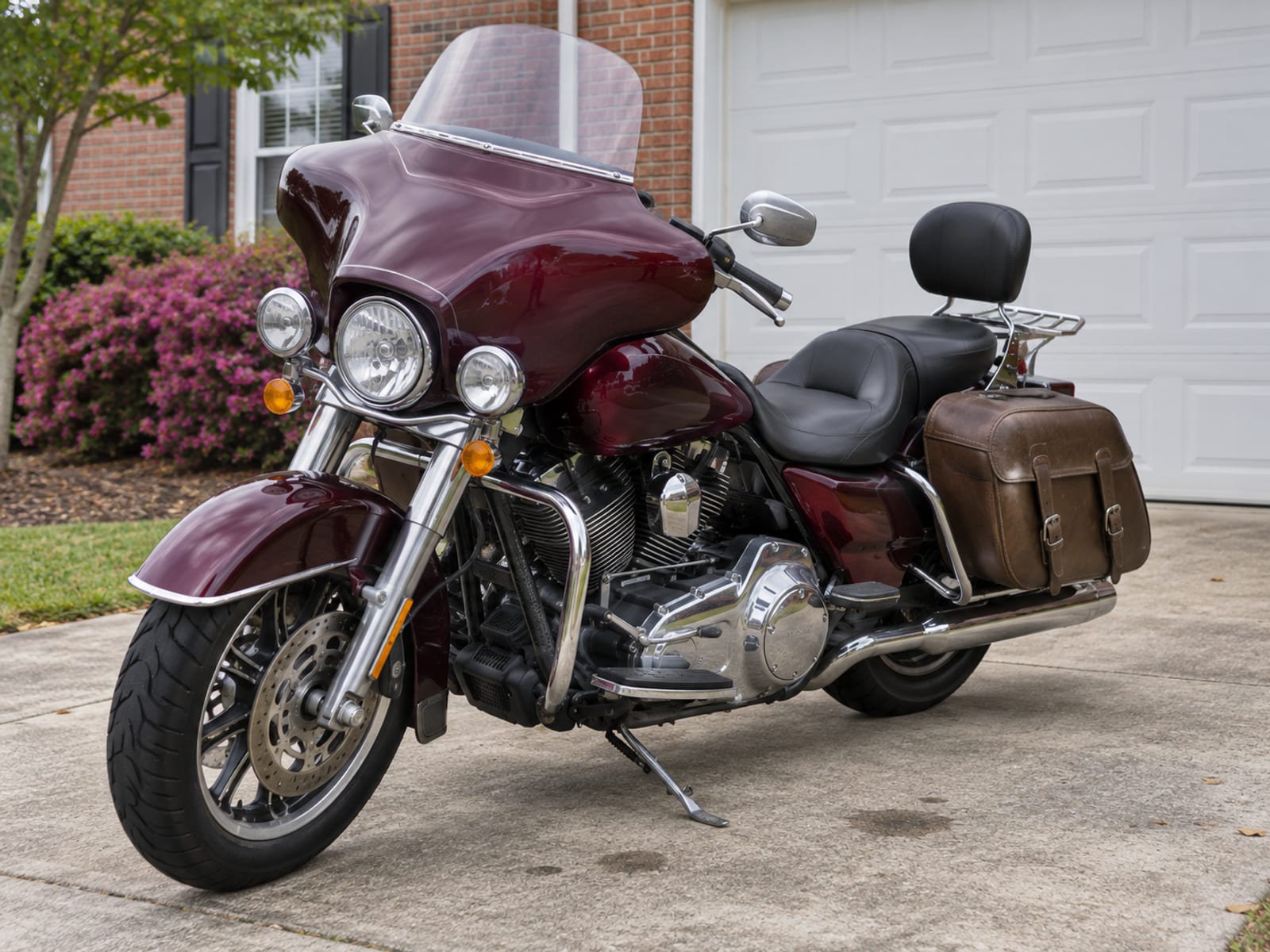
State law stops at liability and uninsured motorist coverage. Everything else is a choice, unless a contract makes it a condition. A loan agreement on a financed motorcycle commonly requires collision and comprehensive coverage, a maximum deductible and the lender listed on the policy, because the bike is the lender's collateral. The exact terms come from your loan contract, so read it and give a copy to the agency. The difference between comprehensive and collision coverage matters most here, since each one pays for a different kind of damage to the bike.
How much does motorcycle insurance cost in South Carolina?
South Carolina riders pay about $13 a month, or $160 a year, for minimum liability coverage and about $44 a month, or $527 a year, for full coverage, according to MoneyGeek's 2026 South Carolina estimates (opens in a new tab), updated December 29, 2025. Those figures are for one base profile: a 40-year-old rider with five years of riding experience and no violations, insuring a 2023 Honda CRF450RL. They're model-based estimates, not quotes or guaranteed prices.
What changes the price?
Insurers rate motorcycle policies on the rider and on the bike. The main factors are your age, driving record and where you live, the type or style of motorcycle, such as a sport bike, cruiser or custom build, the bike's age, how many miles you ride a year and where you store it, according to the Insurance Information Institute (opens in a new tab). Some insurers give a discount to graduates of a Motorcycle Safety Foundation rider course, though discounts vary by insurer and state. Ask the agency which discounts it can apply, and whether storage in a locked garage or a rider course changes the quote.
Can you pause coverage or insure the bike seasonally?
Lapses on a registered motorcycle carry real consequences in South Carolina, so line up the next step before you cancel or cut coverage. If a registered vehicle becomes uninsured, the owner must immediately insure it again or surrender the plate and registration certificate, under S.C. Code § 56-10-240 (opens in a new tab). When the Department of Motor Vehicles learns a policy was canceled or ended, it suspends the owner's driving privileges, plate and registration, and it won't reissue them until proof of insurance is filed and a $200 reinstatement fee is paid. A $5-a-day fine for the lapse can apply on top of that, under § 56-10-245 (opens in a new tab). An owner who voluntarily surrenders the plate and registration before a suspension isn't charged the reinstatement fee.
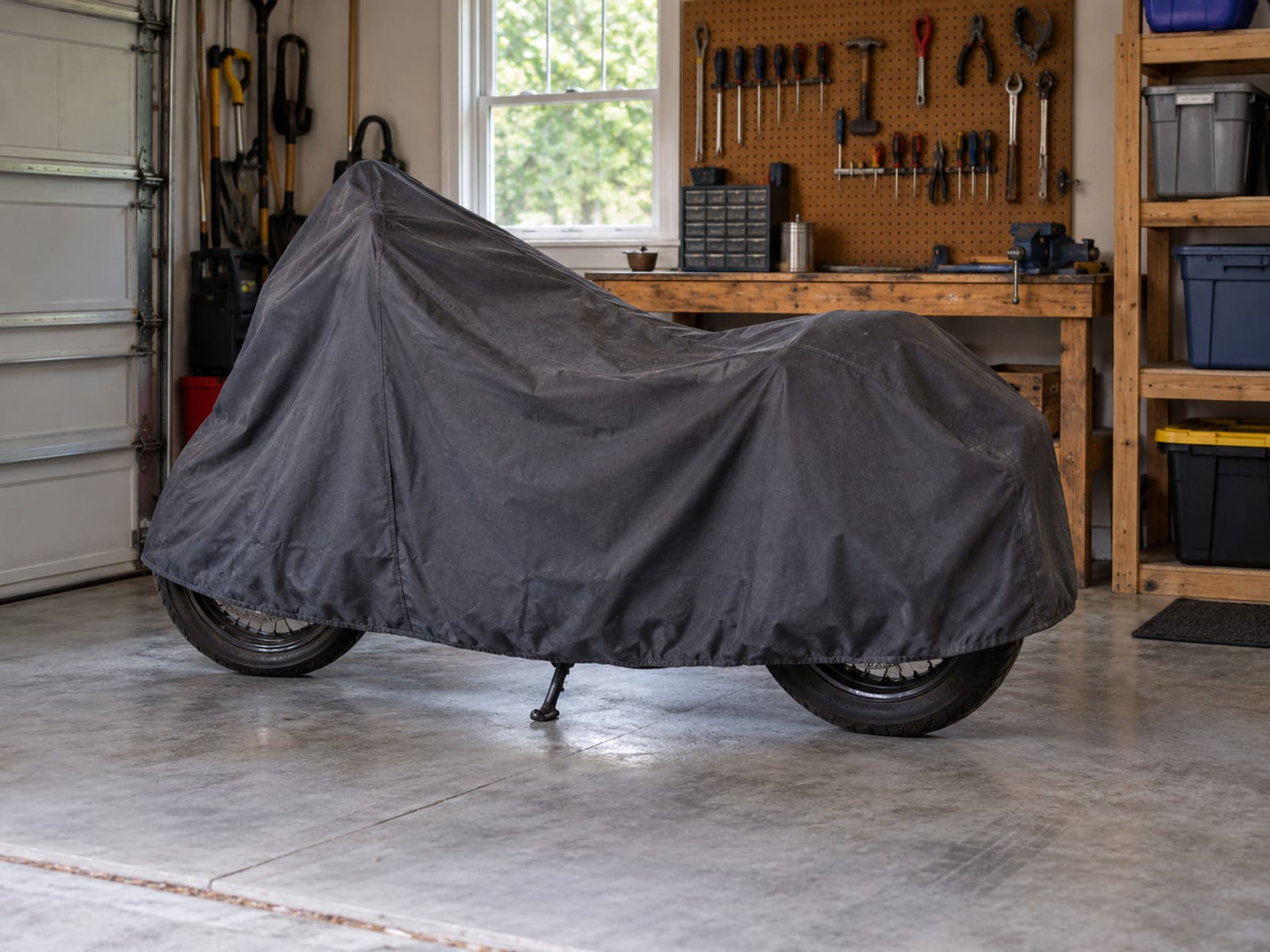
Some insurers sell "lay-up" policies that suspend everything except comprehensive while a bike is stored for the winter, though the Insurance Information Institute (opens in a new tab) notes they're available mainly in northern states. If you plan to park the bike for part of the year, ask your insurer whether it offers a lay-up option in South Carolina, whether changing coverage will be reported to the DMV as a lapse, and whether surrendering the plate first is the better route. Driving without insurance in South Carolina carries its own penalties beyond the registration steps.
What does the DMV require to register a motorcycle?
Registering and titling a motorcycle runs through the South Carolina Department of Motor Vehicles on SCDMV Form 400 (opens in a new tab), the title and registration application. Plan to bring:
- The completed Form 400.
- The assigned title or other ownership document.
- Proof of identity and a South Carolina address when the DMV requires them, as listed on SCDMV Form MV-93 (opens in a new tab).
- Insurance information from an insurer authorized in South Carolina.
- Lienholder information, if the bike is financed.
- The title fee, registration fee and any sales tax or infrastructure maintenance fee that applies.
Failing to register within 45 days of the purchase date, or of the date you start operating in South Carolina, brings a late penalty fee on top of the regular title and registration fees, according to Form 400 (opens in a new tab). New residents should finish the transaction inside that 45-day window and confirm the current fees with the SCDMV before the visit.
From buying a motorcycle to riding it legally
- Buy the bikeThe 45-day registration clock starts on the purchase date or the date you start operating in South Carolina.
- Insure itArrange 25/50/25 liability and the required uninsured motorist coverage before registration.
- Register and titleFile Form 400 with ownership documents, insurance information and fees within 45 days.
- Get your permitPass the knowledge test, and the vision test if it applies, for a 12-month motorcycle permit.
- Earn the licensePass the SCDMV skills test or bring an approved Motorcycle Safety Foundation skills test certificate.
How do you get a motorcycle endorsement?
You earn a South Carolina motorcycle license in two steps. First, you pass a knowledge test, and a vision test if it applies, to get a motorcycle permit, which is valid for 12 months, according to the SCDMV Motorcycle and Moped Operator Manual (opens in a new tab). Then you pass a skills test to move from the permit to a license.
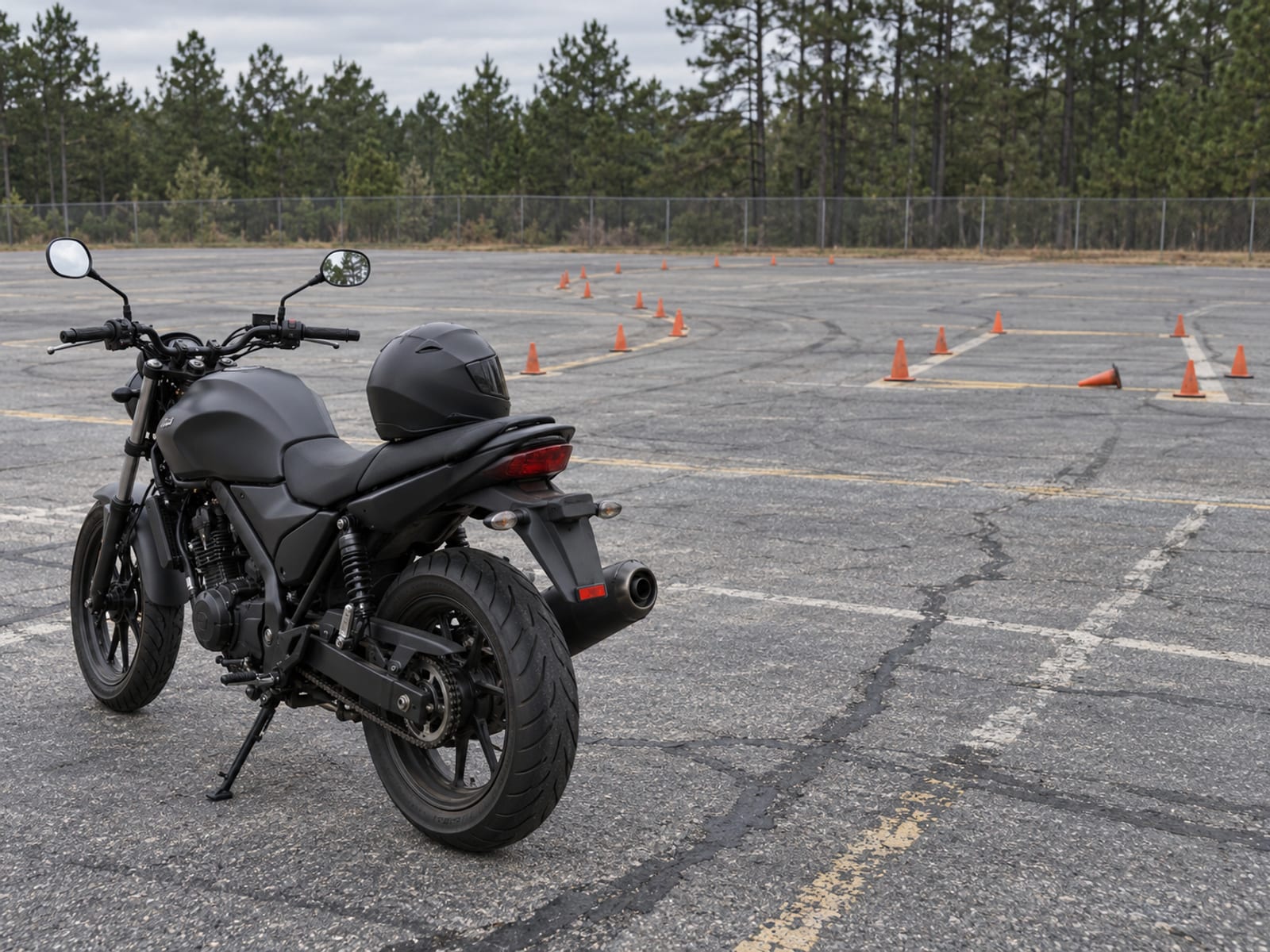
The skills test can be met another way. The SCDMV accepts a Motorcycle Safety Foundation skills test certificate from a rider education course if an SCDMV-approved, contracted third-party tester gave the test within 30 days of your application. A permit can't be renewed without a real attempt at the skills test, and an applicant who fails it three or more times at an SCDMV branch must complete an SCDMV-authorized safety course before testing again. Testing steps, fees and approved courses can change, so check the current manual and course list before you book.
What are the helmet, eye-protection and operating rules?
South Carolina's helmet law covers young riders. Anyone under 21 must wear an approved protective helmet to operate or ride on a two-wheeled motorized vehicle, under S.C. Code § 56-5-3660 (opens in a new tab), and an operator under 21 must also wear approved goggles or a face shield under § 56-5-3670 (opens in a new tab). The eye-protection rule doesn't apply to an operator whose motorcycle has a windscreen meeting state specifications, under § 56-5-3680 (opens in a new tab). A violation is a misdemeanor punishable by a fine of up to $100 or up to 30 days in jail, under § 56-5-3700 (opens in a new tab).
Lane splitting is illegal. A motorcycle is entitled to the full use of a lane, but it may not pass in the same lane as the vehicle it's overtaking, may not ride between lanes of traffic or between rows of vehicles, and may not ride more than two abreast in one lane, under § 56-5-3640 (opens in a new tab).
Carrying a passenger has its own rules. The motorcycle must be designed to carry more than one person, and the passenger rides on the permanent seat built for two or on another seat firmly attached at the rear or side, under § 56-5-3630 (opens in a new tab). A motorcycle carrying a passenger outside a sidecar or enclosed cab must have passenger footrests, and every motorcycle needs a rearview mirror that gives the operator a clear view behind, under § 56-5-3650 (opens in a new tab). Ask your agency how the policy treats passengers, since medical payments and liability both come into play when someone rides with you.
What should you do after a crash?
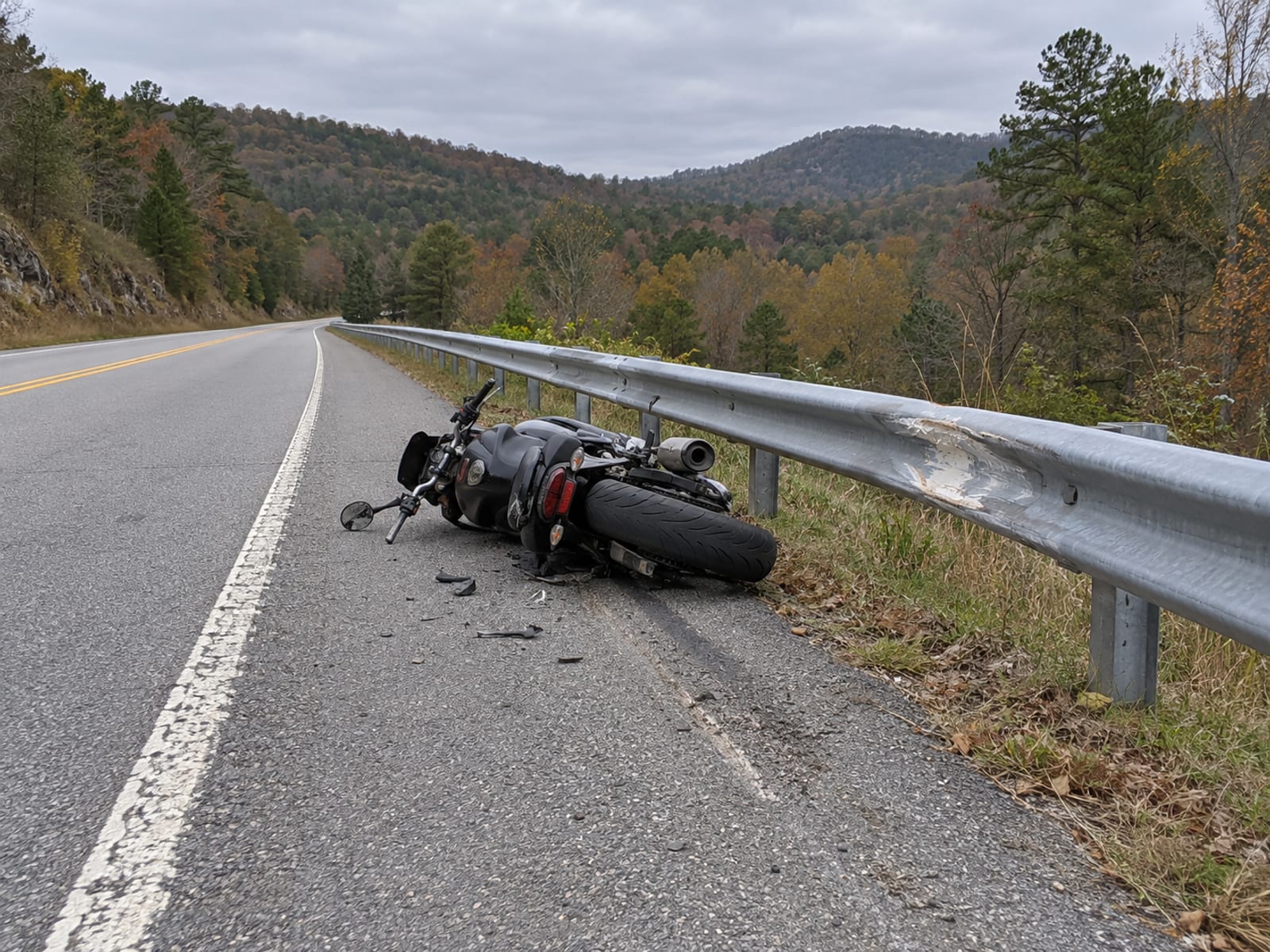
Your first steps protect people, then the claim:
- Get emergency medical care and call law enforcement when it's needed.
- Exchange information and document the scene when it's safe.
- Notify your insurer promptly, using the claim instructions in your policy.
- Send the police report, photos, medical records, repair information and witness details the insurer asks for.
- If you receive a summons or notice of a lawsuit, notify your insurer right away. Your liability coverage includes a defense, according to the SCDOI's auto insurance FAQ (opens in a new tab).
- Ask how medical payments, uninsured or underinsured motorist, collision and comprehensive claims will be handled.
- Keep records of every call, estimate, receipt and claim decision.
Insurers should pay claims in a prompt and reasonable time, though what counts as prompt varies from claim to claim, and claims that need a special investigation can take longer, according to the SCDOI (opens in a new tab). Follow the notice requirement in your own policy, and report the crash to your insurer as soon as you can. The steps in how to file a car insurance claim apply to a motorcycle claim as well.
How do you check an agent or file a complaint?
Check the agency's license before you share personal documents. The South Carolina insurance license lookup (opens in a new tab) shows whether an agent or agency holds a South Carolina license, and the SCDOI's Insurance Locator (opens in a new tab) lists licensed companies and producers.
If a problem comes up with an insurer or agent, contact them first and keep records of every exchange. Then gather the policy, claim number and supporting documents and file an online complaint or the SCDOI complaint form (opens in a new tab). By statute, insurance entities have 7 days to respond to the department, which aims to resolve issues within 7 to 10 days, according to SCDOI Consumer Services (opens in a new tab). The department can help with policy, claim, cancellation, premium and sales-misrepresentation issues, but it cannot determine liability or negligence or negotiate a settlement.
What should you ask an agent?
Bring these questions to the agency:
- What liability limits does this policy provide?
- What uninsured motorist coverage is included automatically, and what deductible applies to uninsured motorist property damage?
- What additional uninsured and underinsured motorist choices are available?
- Does the policy cover passengers, and what medical payments coverage is included?
- Does collision coverage pay actual cash value, agreed value or another basis?
- Are custom parts, paint, chrome, trailers and sidecars covered?
- Are racing, track use, delivery, commercial use or rentals excluded?
- What happens if I store the motorcycle for part of the year?
- What must I report if I modify the bike or use it differently?
- What does my lender require?
- How does the insurer report a cancellation or lapse to the DMV?
- What is the claim notice procedure?
Riskado's directory lists insurance agencies across the US, including South Carolina, by city and by category.
Check what you know about South Carolina motorcycle insurance
Frequently asked questions
Can I pause motorcycle insurance in the winter?
Ask your insurer and the SCDMV before changing coverage on a registered motorcycle. A registered bike must stay insured or have its plate and registration surrendered, and a reported lapse can lead to suspension, a $200 reinstatement fee and a $5-a-day fine under S.C. Code §§ 56-10-240 and 56-10-245 (opens in a new tab).
Is full coverage required on a motorcycle in South Carolina?
Not by state law. South Carolina requires liability and uninsured motorist coverage, while collision and comprehensive are optional under the statute. A lender can still require both as a condition of the loan.
How much notice does an insurer have to give before canceling?
An insurer's cancellation or refusal to renew takes effect only after it mails or delivers a written notice that states the effective date, at least 15 days after the notice, and the specific reason, under S.C. Code § 38-77-120 (opens in a new tab). Use that window to replace the coverage before the plate and registration are at risk.
Before you ride
Confirm the policy carries at least 25/50/25 liability with the required uninsured motorist coverage, decide on underinsured, collision and comprehensive coverage with your loan terms in hand, and keep proof of insurance with you. Register within 45 days, earn your permit and license, wear a helmet and eye protection if you're under 21, and talk to your insurer before storing the bike or changing coverage.
Key terms
Tap a term to see what it means.
25/50/25. Shorthand for South Carolina's minimum liability limits: $25,000 bodily injury per person, $50,000 per accident and $25,000 property damage.
Uninsured motorist coverage. Coverage for injuries or property damage caused by a hit-and-run driver or a driver with no insurance.
Underinsured motorist coverage. Coverage that applies when the at-fault driver's insurance is less than your damages.
Collision coverage. Coverage for damage to your motorcycle from a crash, usually after a deductible.
Comprehensive coverage. Coverage for non-collision losses such as theft, fire or vandalism.
Lay-up policy. A policy that suspends most coverage except comprehensive while a motorcycle is stored.
Reinstatement fee. The $200 fee to get a suspended plate and registration back after a lapse in South Carolina.
Endorsement. The motorcycle authorization on a driver's license, earned after the permit and skills test.