Pennsylvania Motorcycle Insurance Requirements: Required Coverage, Medical Benefits and Helmet Rules
Riskado
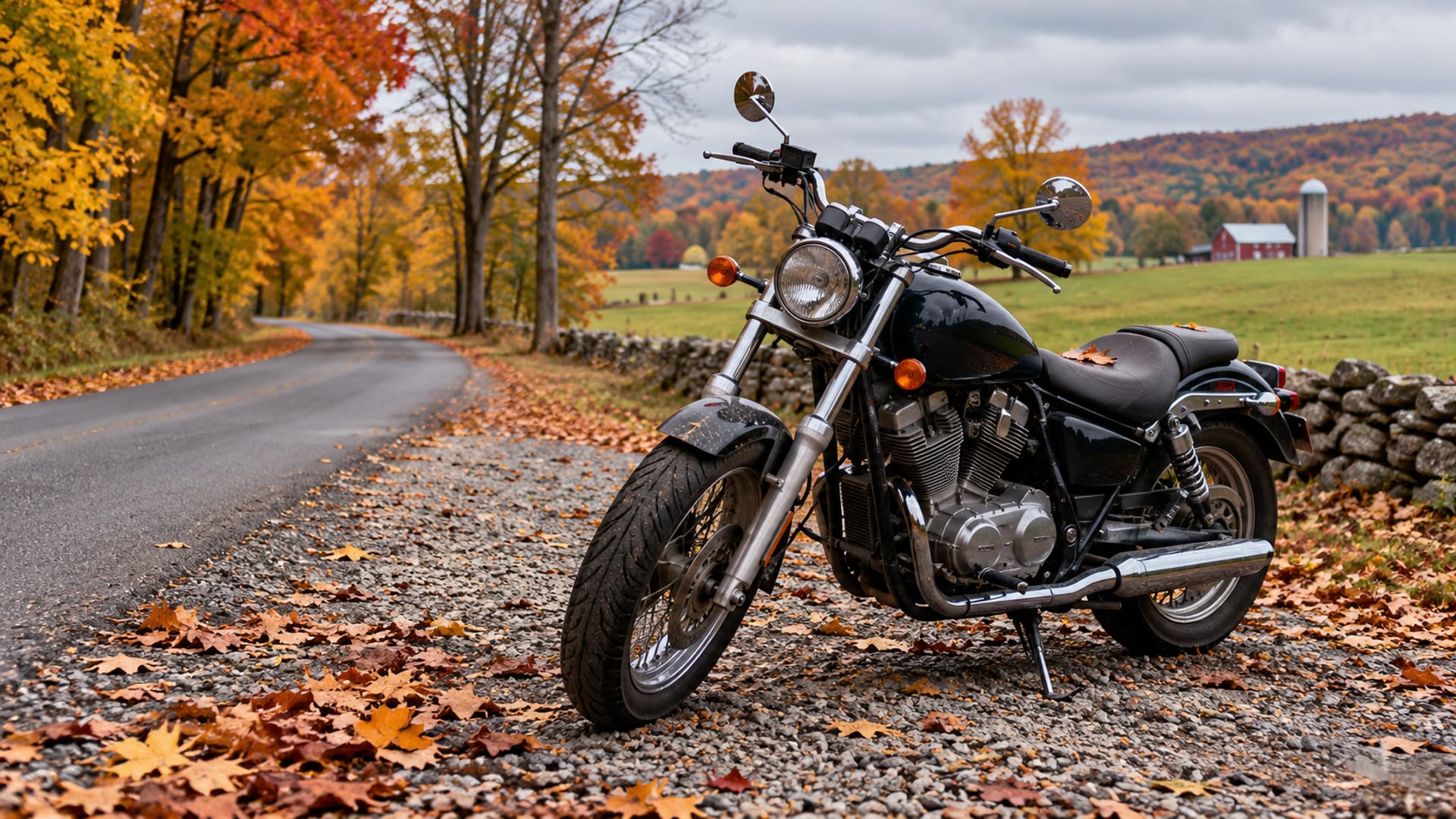
A motorcycle ridden on Pennsylvania roads must carry liability insurance with at least $15,000 for injury or death of one person, $30,000 for injury or death of two or more people, and $5,000 for property damage, according to PennDOT (opens in a new tab). The $5,000 medical benefit required on car policies does not apply to motorcycles under 75 Pa.C.S. § 1711 (opens in a new tab), and a separate section limits first-party benefits for motorcycle riders and passengers. Uninsured and underinsured motorist coverage must be offered to you but is optional to buy. A lapse in coverage can suspend the bike's registration, and helmet and eye-protection rules apply on top of all of this.
Key takeaways
- Liability minimumsAt least $15,000 for injury or death of one person, $30,000 for two or more people, and $5,000 for property damage.
- No required medical benefitThe $5,000 medical benefit required on car policies does not apply to motorcycles; section 1711 of Title 75 expressly excludes them.
- UM and UIMUninsured and underinsured motorist coverage must be offered to you but is optional to buy.
- LapsesA lapse in coverage can suspend the motorcycle's registration.
- Helmets and eyewearHelmet and eye-protection rules apply on top of the insurance rules.
What motorcycle insurance does Pennsylvania require?
Pennsylvania's financial responsibility law covers motorcycles subject to registration, the same way it covers cars, according to the Pennsylvania Insurance Department (opens in a new tab). Financial responsibility means you can pay for injuries and damage you cause to others, and for most riders that means a liability policy with these minimums:
Hover or tap a row to highlight it.
| Liability coverage | Minimum per accident |
|---|---|
| Injury or death of one person | $15,000 |
| Injury or death of two or more people | $30,000 |
| Damage to another person's property | $5,000 |
Those limits pay other people when you are at fault. They do nothing for your own motorcycle. Collision and comprehensive coverage, which pay for damage to or theft of your bike, are not required by the state, according to PennDOT's insurance overview (opens in a new tab). A lender on a financed or leased bike is a different matter. Lenders typically require physical-damage coverage when a motorcycle is financed or leased, according to Progressive (opens in a new tab), so check your loan or lease agreement for what it demands beyond the state minimum.
Does Pennsylvania require medical benefits on a motorcycle policy?
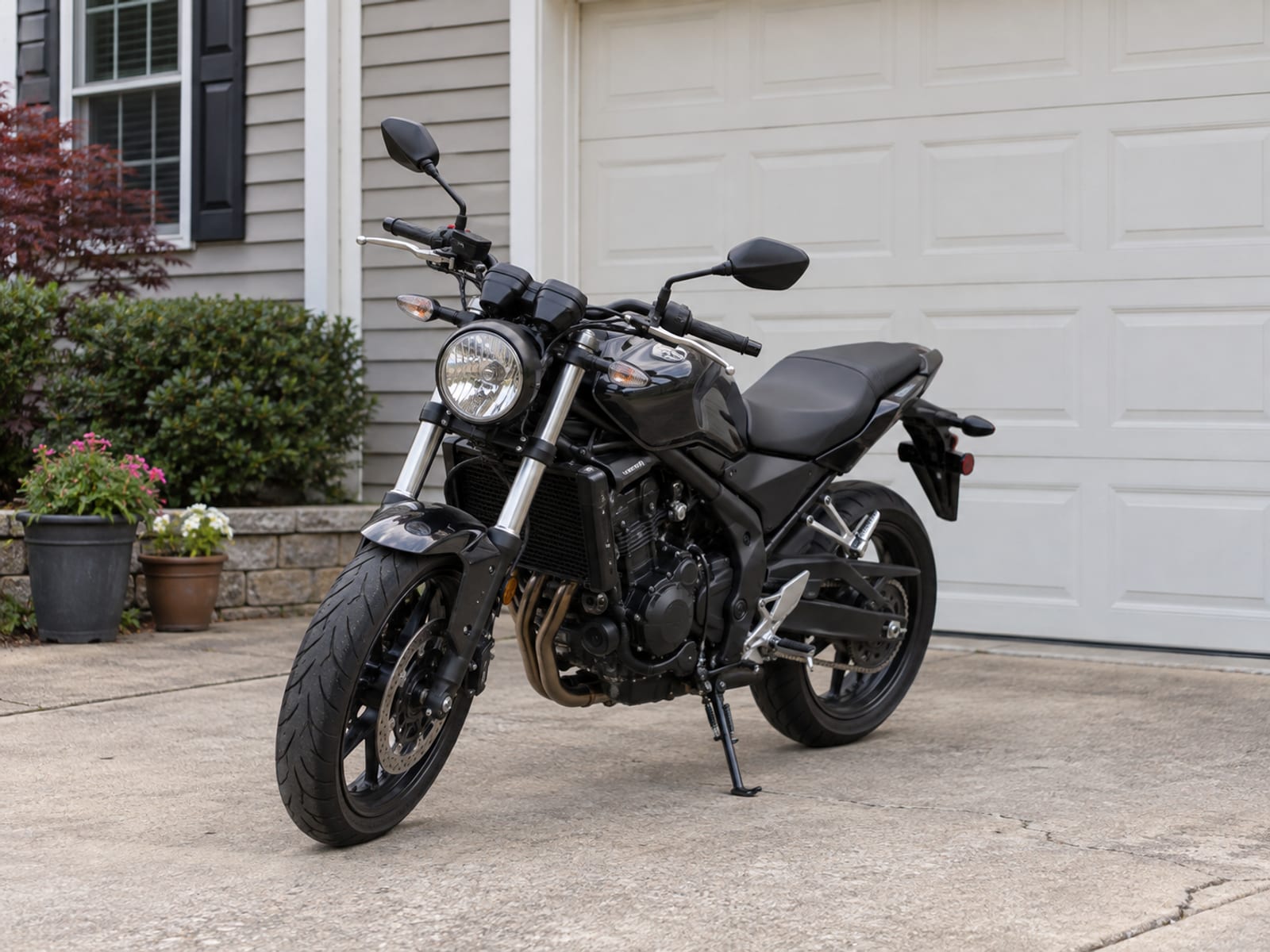
No. This is the biggest difference between a motorcycle policy and a car policy in Pennsylvania.
On a car, § 1711 (opens in a new tab) requires a $5,000 first-party medical benefit, which pays your own medical bills regardless of who caused the crash. The same section expressly excludes motorcycles, motor-driven cycles, motorized pedalcycles, and similar vehicles. Section 1712, which lists the additional first-party benefits insurers must make available for covered vehicles, also excludes motorcycles, under Chapter 17 of Title 75 (opens in a new tab).
Section 1714 goes a step further. An operator or occupant of a motorcycle that must be registered in Pennsylvania cannot recover first-party benefits under the statute, and the same section bars recovery by an owner of a currently registered vehicle who does not carry financial responsibility, under Chapter 17 (opens in a new tab).
The practical result is that medical bills after a motorcycle crash follow a different path than they would after a car crash. Ask a licensed agent how a proposed policy handles medical expenses for you and for a passenger, whether a medical-payments option is available on that insurer's motorcycle form, and how your health insurance and any other policies in your household would fit in.
Do limited tort and full tort apply to motorcycles?
Pennsylvania's limited tort and full tort options are built around the "private passenger motor vehicle." Under § 1705 (opens in a new tab), full tort keeps your right to seek both economic and noneconomic damages from an at-fault driver, while limited tort generally keeps economic-loss claims but restricts claims for pain and suffering unless an exception applies.
Section 1702 (opens in a new tab) defines a private passenger motor vehicle as a four-wheel vehicle meeting its other conditions. A motorcycle does not fit that definition, so the statute's tort election does not describe a motorcycle policy the way it describes a car policy.
That does not settle every rider's situation. If you, or someone in your household, also has a car policy with a tort election, that election may matter after a crash. Ask your agent whether a tort election appears on the motorcycle policy at all, and how any private passenger auto policy in your household could affect your rights. Riskado's guide to Pennsylvania limited tort vs full tort covers the car-policy rules in detail.
Is uninsured or underinsured motorist coverage required?
Insurers must offer it, but you do not have to buy it. Under § 1731 (opens in a new tab), uninsured motorist (UM) and underinsured motorist (UIM) coverage must be offered for vehicles registered or principally garaged in Pennsylvania, and purchase is optional. UM pays when the at-fault driver has no insurance; UIM pays when the at-fault driver's limits are too low to cover your losses.
Turning either coverage down takes a written, signed, and dated rejection form. If you want UM or UIM limits lower than your bodily injury liability limits, § 1734 (opens in a new tab) allows a written request for limits equal to or lower than those liability limits. Section 1731 (opens in a new tab) also limits recovery of noneconomic damages through UM or UIM where § 1705 would bar that recovery.
Because required medical benefits do not apply to motorcycles, ask your agent how UM and UIM would work for you and any passenger, and keep a copy of any form you sign.
What PennDOT needs to register a motorcycle
PennDOT requires proof of financial responsibility to register a motorcycle and keep that registration active. Acceptable proof includes, according to PennDOT's insurance overview (opens in a new tab):
- An insurance identification card.
- A declaration page.
- A valid insurance binder signed by a licensed agent or broker.
- An application to the Pennsylvania Assigned Risk Plan signed by a licensed producer.
- A letter from the insurer on official company letterhead verifying financial responsibility.
When you renew registration or submit proof of vehicle insurance (opens in a new tab) online, have the insurer's NAIC code, company name, policy number, effective and expiration dates, and an electronic copy of the proof document ready.
What happens if motorcycle insurance lapses?
A lapse in financial responsibility can lead to a three-month suspension of the motorcycle's registration, under 75 Pa.C.S. § 1786 (opens in a new tab). The statute includes a few exceptions:
- Short lapse without riding. The suspension can be avoided when the lapse lasted less than 31 days and you prove the motorcycle was not operated during the lapse.
- Seasonal registration. An exception applies involving the expiration of a seasonal registration.
- Civil penalty. You can pay a $500 civil penalty instead of serving the suspension, along with the restoration fee and proof of financial responsibility, under § 1786 (opens in a new tab). The current process is on PennDOT's civil penalty page (opens in a new tab).
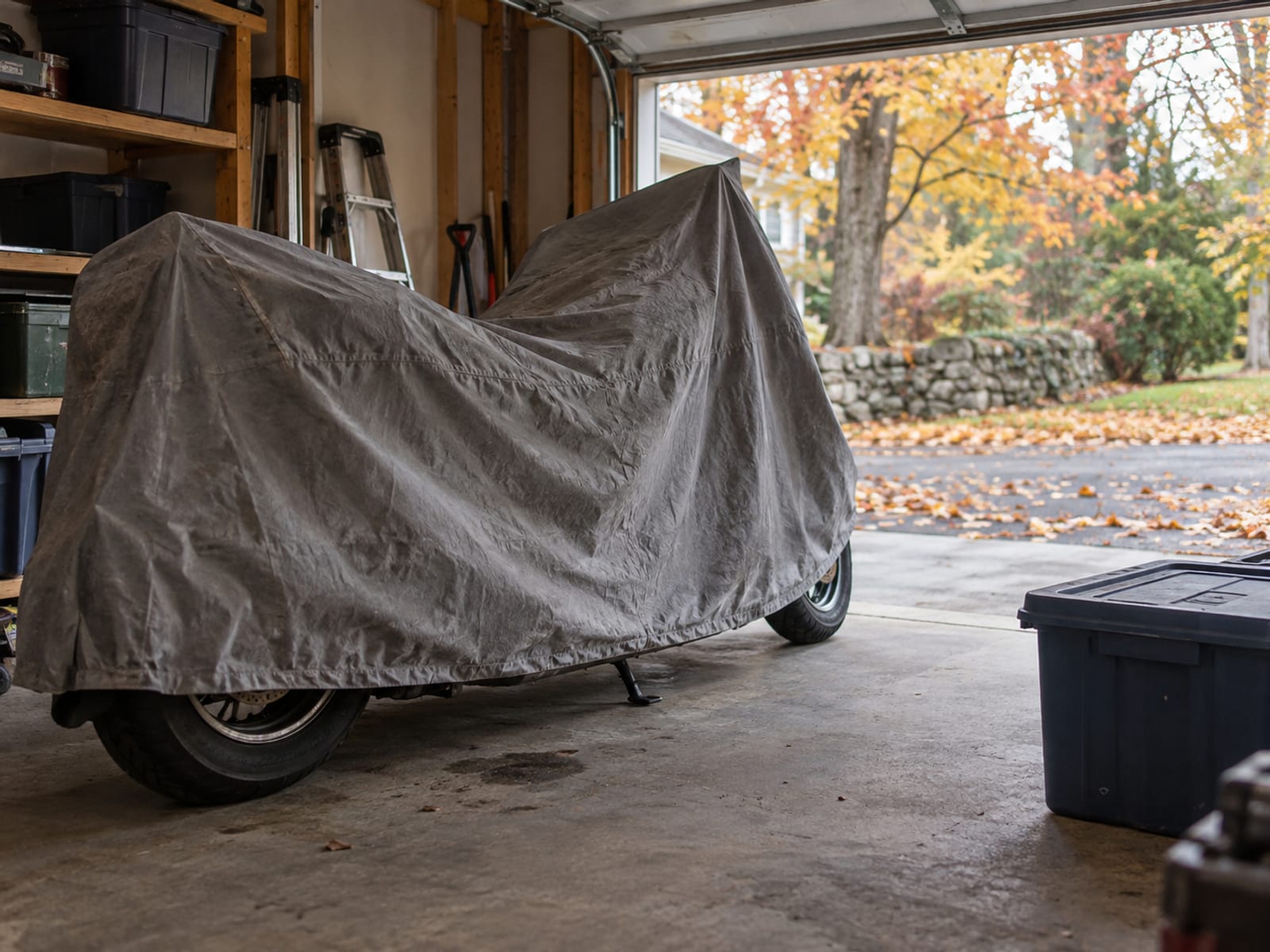
This is the question seasonal riders face every fall. A registered motorcycle stays subject to financial responsibility rules even while it sits in the garage, according to PennDOT's financial responsibility FAQs (opens in a new tab). Before you cancel for the winter, ask your agent whether the insurer has a lay-up or storage option, and check with PennDOT how your registration type is treated, so a storage decision does not turn into a suspension.
When must riders wear helmets and eye protection?
Pennsylvania requires protective headgear for motorcycle operators and riders unless an exception applies, under 75 Pa.C.S. § 3525 (opens in a new tab). The exceptions cover:
- A rider at least 21 years old who has been licensed to operate a motorcycle for at least two full calendar years.
- A rider at least 21 years old who has completed a motorcycle rider-safety course approved by PennDOT or the Motorcycle Safety Foundation.
- A passenger at least 21 years old riding with an operator who qualifies for the exception.
- The operator or occupant of an enclosed-cab three-wheeled motorcycle.
Being 21 is not enough by itself; the experience or course requirement also has to be met. A rider on a motorcycle learner's permit must wear a helmet regardless of age, according to PennDOT's motorcycle safety page (opens in a new tab) and its motorcycle permit FAQs (opens in a new tab).
Eye protection is a separate rule. Operators and riders must use an eye-protective device unless the vehicle is a motorized pedalcycle or an enclosed-cab three-wheeled motorcycle, under § 3525 (opens in a new tab), and qualifying for the helmet exception does not remove that requirement. PennDOT's helmet law fact sheet (opens in a new tab) summarizes both rules.
Hover or tap a row to highlight it.
| Rule | Figure | Where it comes from |
|---|---|---|
| Registration suspension after a lapse | Three months | 75 Pa.C.S. § 1786 (opens in a new tab) |
| Short-lapse exception | Lapse of less than 31 days, with proof the motorcycle was not operated | 75 Pa.C.S. § 1786 (opens in a new tab) |
| Civil penalty instead of suspension | $500, plus the restoration fee and proof of financial responsibility | 75 Pa.C.S. § 1786 (opens in a new tab) |
| Helmet exception age | At least 21 years old | 75 Pa.C.S. § 3525 (opens in a new tab) |
| Helmet exception experience | Licensed at least two full calendar years, or an approved safety course | 75 Pa.C.S. § 3525 (opens in a new tab) |
The Pennsylvania Motorcycle Safety Program
New riders often tie the permit, the license, the helmet rule, and insurance together through the Pennsylvania Motorcycle Safety Program (PAMSP). Pennsylvania residents can take a PAMSP-approved course at no cost if they hold a valid Pennsylvania motorcycle license or permit, according to PennDOT's Motorcycle Safety Program fact sheet (opens in a new tab).
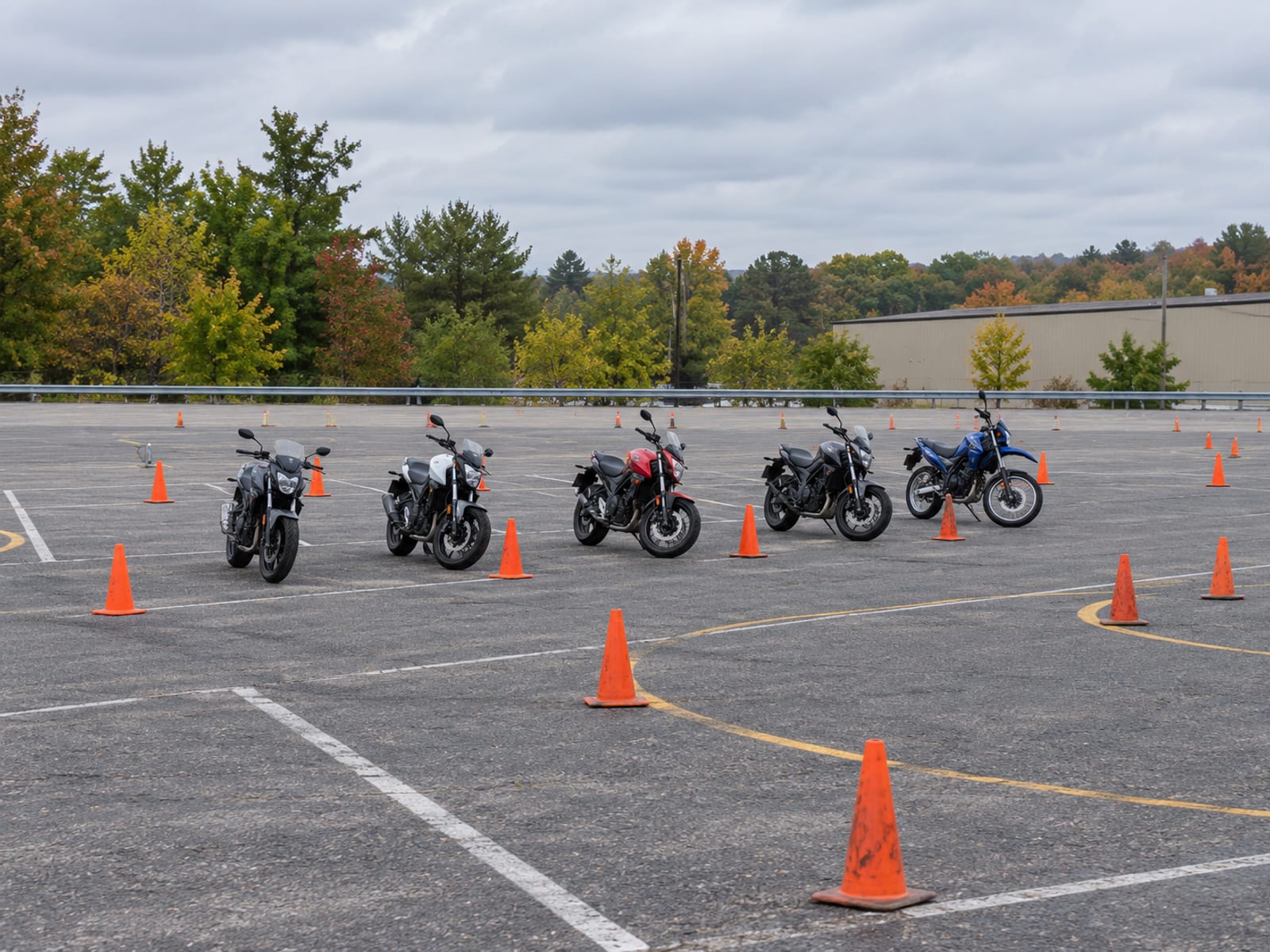
Courses come in beginner, intermediate, and advanced levels. The beginner course combines classroom and on-motorcycle instruction in basic riding skills, stopping, shifting, swerving, turning, and hazard avoidance. Passing it waives the skills test at a PennDOT Driver License Center and earns the rider a motorcycle license. If you train on your own motorcycle, bring proof of insurance, current registration, and current inspection, and every participant needs a helmet and protective gear.
Optional motorcycle coverage to ask about
Motorcycle policies contain coverages you can buy depending on your needs, according to the Pennsylvania Insurance Department (opens in a new tab). Depending on the insurer and policy form, a motorcycle policy may offer:
- Collision, for damage from a crash.
- Comprehensive or specified-cause coverage, for theft and damage not caused by a collision.
- UM and UIM coverage.
- Medical-payments or other medical coverage, where the policy and the law allow it.
- Custom parts and equipment, accessories, and permanently attached equipment.
- Passenger-related liability or coverage terms.
- Transport, towing, roadside assistance, or trip-interruption features.
- Storage, lay-up, or seasonal provisions.
None of these is a Pennsylvania requirement, and none is automatic. Ask for the definitions, exclusions, deductibles, valuation method, accessory limits, and passenger terms on the actual policy form before you rely on any of them.
What does motorcycle insurance cost in Pennsylvania?
Among Progressive customers, the average annual cost of a liability-only motorcycle policy in Pennsylvania was $151.40, or $12.62 a month, for the period May 2025 through April 2026, according to Progressive (opens in a new tab). That figure covers one insurer's liability-only policies. It is not a statewide market average and not a quote, and adding comprehensive or collision raises the cost. Price varies by location, age, motorcycle type, riding history, and the coverage you choose, according to the same Progressive page. For a real number, request quotes for the same limits and coverages from more than one insurer or agency.
Questions to ask a Pennsylvania motorcycle insurance agent
- Is this policy written specifically for a motorcycle, and does it meet the $15,000/$30,000/$5,000 minimums?
- How does the policy handle medical expenses for me and for a passenger, given the motorcycle exclusions in §§ 1711, 1712, and 1714 (opens in a new tab)?
- Is UM and UIM included, and which rejection or lower-limit forms apply?
- Does a limited or full tort election exist on this policy, or does it depend on a car policy in my household?
- What proof of insurance will I get for PennDOT registration?
- What happens if I suspend, cancel, or change coverage during storage, and is there a lay-up provision?
- Are custom parts, accessories, safety equipment, and permanently attached equipment covered, and up to what limit?
- Is a total loss paid at actual cash value, stated amount, agreed value, or another method?
- What deductibles and exclusions apply to theft, collision, and weather damage?
- Does my lender require coverage the state does not?
- Would delivery, instruction, rental, business ownership, or other commercial use require a different policy?
- How does completing a Pennsylvania-approved safety course affect eligibility or pricing with this insurer?
Riskado's directory lists insurance agencies across the United States, state by state, including Pennsylvania agencies by city and category, and our guides on comprehensive vs collision insurance and how to choose an insurance agent can help with the comparison.
Checking an agent's license and filing a complaint
You can search a producer or agency, and review complaint and enforcement information, through the Pennsylvania Insurance Department's Find and Research an Insurance Agent or Company (opens in a new tab) page. Keep your proposal, declarations page, ID card, binder, correspondence, and payment records together.
Complaints against insurers, producers, agents, brokers, and public adjusters go through the Pennsylvania Consumer Services Online Portal, where you can upload supporting documents and keep a complaint ID, according to the Consumer Services Portal FAQ (opens in a new tab).
Check what you know about Pennsylvania motorcycle insurance
Frequently asked questions
Can I register a motorcycle with an insurance binder?
Yes, if it is a valid binder signed by a licensed agent or broker. PennDOT also accepts an ID card, declaration page, Assigned Risk Plan application signed by a licensed producer, or an insurer letter on company letterhead.
Does a safety course let me skip the helmet?
Only if you are also at least 21. Completing a course approved by PennDOT or the Motorcycle Safety Foundation is one route to the exception for riders 21 and older, and a learner's permit holder must wear a helmet at any age.
Does the state require collision coverage on a financed bike?
No. The state requires liability coverage only, but a lender may require physical-damage coverage under the loan or lease agreement. Check the agreement and tell your agent what it requires.
What if my coverage lapsed for a couple of weeks while the bike was stored?
If the lapse lasted less than 31 days and you can prove the motorcycle was not operated, § 1786 (opens in a new tab) provides an exception to the three-month suspension. Get the new proof of insurance in place before you ride again.
Before you ride this season
Start with the three things the law requires: liability coverage at or above the state minimums, proof PennDOT will accept, and a helmet and eye protection that meet § 3525 (opens in a new tab) for your age and experience. Then turn to the parts the state leaves to you, especially medical expenses, UM and UIM, and protection for the bike itself. A licensed Pennsylvania agent can walk through each of those against a real policy form, and you can confirm that agent's license with the Insurance Department before you buy.
Terms used in this guide
Tap a term to see what it means.
Financial responsibility. The ability to pay for injuries and damage you cause to others, usually shown with a liability policy.
First-party benefits. Benefits paid under your own policy, such as medical benefits, regardless of who caused the crash.
Uninsured motorist (UM) coverage. Coverage that pays when the at-fault driver has no insurance.
Underinsured motorist (UIM) coverage. Coverage that pays when the at-fault driver's limits are too low to cover your losses.
Limited tort and full tort. The lawsuit options built around the private passenger motor vehicle under section 1705 of Title 75 of the Pennsylvania Consolidated Statutes.
Lay-up provision. A storage or seasonal option some insurers offer for a vehicle that is not being ridden.
PAMSP. The Pennsylvania Motorcycle Safety Program, which offers approved rider courses.