Alabama Flood Insurance: Flood Zones and Maps, What Coverage Costs, the 30-Day Wait, NFIP vs Private Policies and Coastal and River Flooding
Riskado
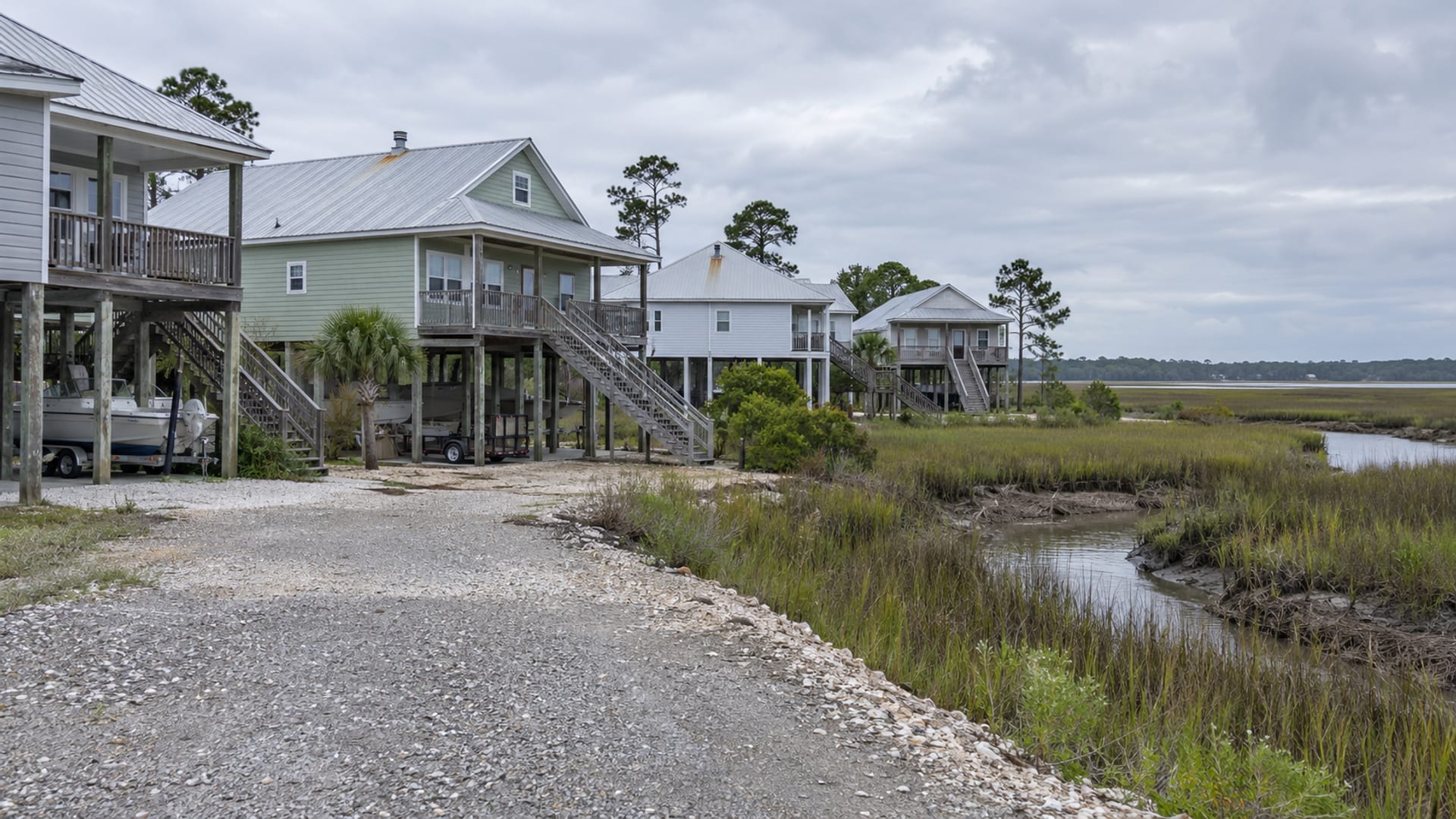
Flood insurance isn't required for every Alabama property. You're required to carry it if you own a home or business in a FEMA Special Flood Hazard Area, such as Zone AE or VE, and have a government-backed mortgage, and some lenders require it outside those zones too, according to FloodSmart (opens in a new tab). Most homeowners and renters policies don't cover flood damage. A National Flood Insurance Program (NFIP) policy usually takes effect 30 days after you buy it, with a few exceptions, and it covers up to $250,000 for a home's building and up to $100,000 for its contents, according to FloodSmart's policy page (opens in a new tab). Private flood policies set their own limits and terms. Start with your address on FEMA's flood map, then ask your lender what it requires.
Key takeaways
- When it's requiredIn a FEMA Special Flood Hazard Area, such as Zone AE or VE, when the mortgage is government-backed; a lender can require it elsewhere.
- Homeowners and renters policiesMost don't cover flood damage.
- The waitA new NFIP policy usually takes effect 30 days after purchase, with a few exceptions.
- NFIP limitsUp to $250,000 for a home's building and up to $100,000 for its contents.
- Private policiesSet their own limits and terms.
Is flood insurance required in Alabama?
The requirement comes from federal rules tied to your mortgage, not from a statewide Alabama mandate on every owner or renter. If the building sits in a Special Flood Hazard Area (SFHA) in a community that takes part in the NFIP, and the loan is government-backed, flood coverage is mandatory, according to FloodSmart (opens in a new tab). Alabama's Office of Water Resources lists the high-risk zones that trigger the purchase requirement as A, AE, AO, AH, numbered A, V and VE, and notes that lenders may require flood insurance for some areas outside the SFHA (ADECA (opens in a new tab)).
A lender's own terms can go further than the federal rule. If you're buying or refinancing, ask the lender for its flood requirement in writing, including the amount of coverage it wants and whether it accepts a private policy.
One more requirement follows the property rather than the owner. If a property has received federal disaster assistance before, it must carry flood insurance to qualify for future disaster assistance, including FEMA grants and SBA disaster loans, and that applies to a buyer who purchases the home from the person who got the aid, according to FloodSmart (opens in a new tab). If you're buying a home, ask the seller whether it ever received disaster aid.
How do you find your Alabama flood zone by address?
Two free tools show the official map for an Alabama address. AlabamaFlood (opens in a new tab), run by the Alabama Department of Economic and Community Affairs (ADECA) Office of Water Resources, displays FEMA's regulatory floodplain data and is searchable by address or county. The FEMA Flood Map Service Center (opens in a new tab) lets you search by address, view effective and preliminary Flood Insurance Rate Maps and print a FIRMette, a one-page map of your location.
Your community's floodplain administrator keeps the current effective map and can answer questions about permits and elevation data (ADECA (opens in a new tab)). Maps change through map revisions and letters of map change. ADECA says a simple letter of map amendment for a single structure can generally be issued in four weeks, while a revision that changes a base flood elevation takes about 90 days.
What do Zone AE, VE and the other flood zones mean?
The letter on your map describes the flood risk FEMA has measured for that spot. An AE zone is expected to flood in the 1% annual chance flood, sometimes called the 100-year flood, as determined by a detailed study, and the map gives a base flood elevation (BFE) for it, according to ADECA (opens in a new tab). A 1% annual chance doesn't mean the property floods every year. It means the property has a 1% chance of reaching that flood level in any given year.
Hover or tap a row to highlight it.
| Zone | Risk level | What it means |
|---|---|---|
| A, AE, AH, AO, AR, A99 | High | Inland high-risk areas near a pond, stream, river or protective barrier under construction; AE includes a base flood elevation |
| V, VE | High | Coastal high-risk areas with an added hazard from storm waves |
| B and shaded X | Moderate | Usually between the limits of the 100-year and 500-year floods, or shallow flooding |
| C and unshaded X | Minimal | Outside the moderate-risk area on the map |
| D | Undetermined | Possible flood hazards with no flood hazard analysis yet |
The zone definitions come from FloodSmart's flood zone page (opens in a new tab). In the high-risk A and V zones, flood insurance is mandatory for government-backed mortgages in participating communities. FloodSmart recommends coverage in the moderate-risk and undetermined zones.
The V in VE stands for velocity. Coastal VE zones account for the extra force of waves, and premiums are usually higher there than in riverine flood areas, according to ADECA (opens in a new tab).
What causes flooding in Alabama?
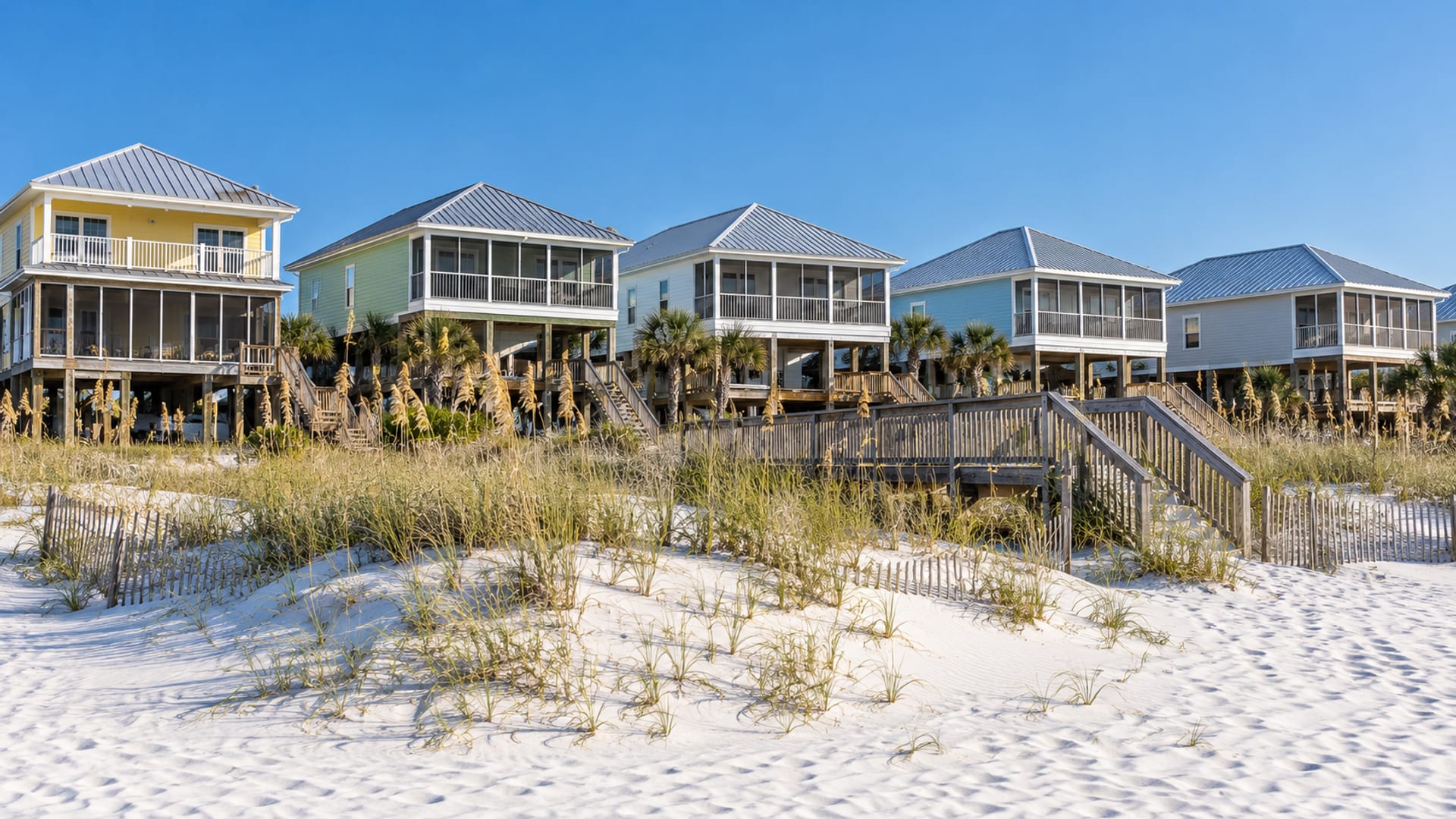
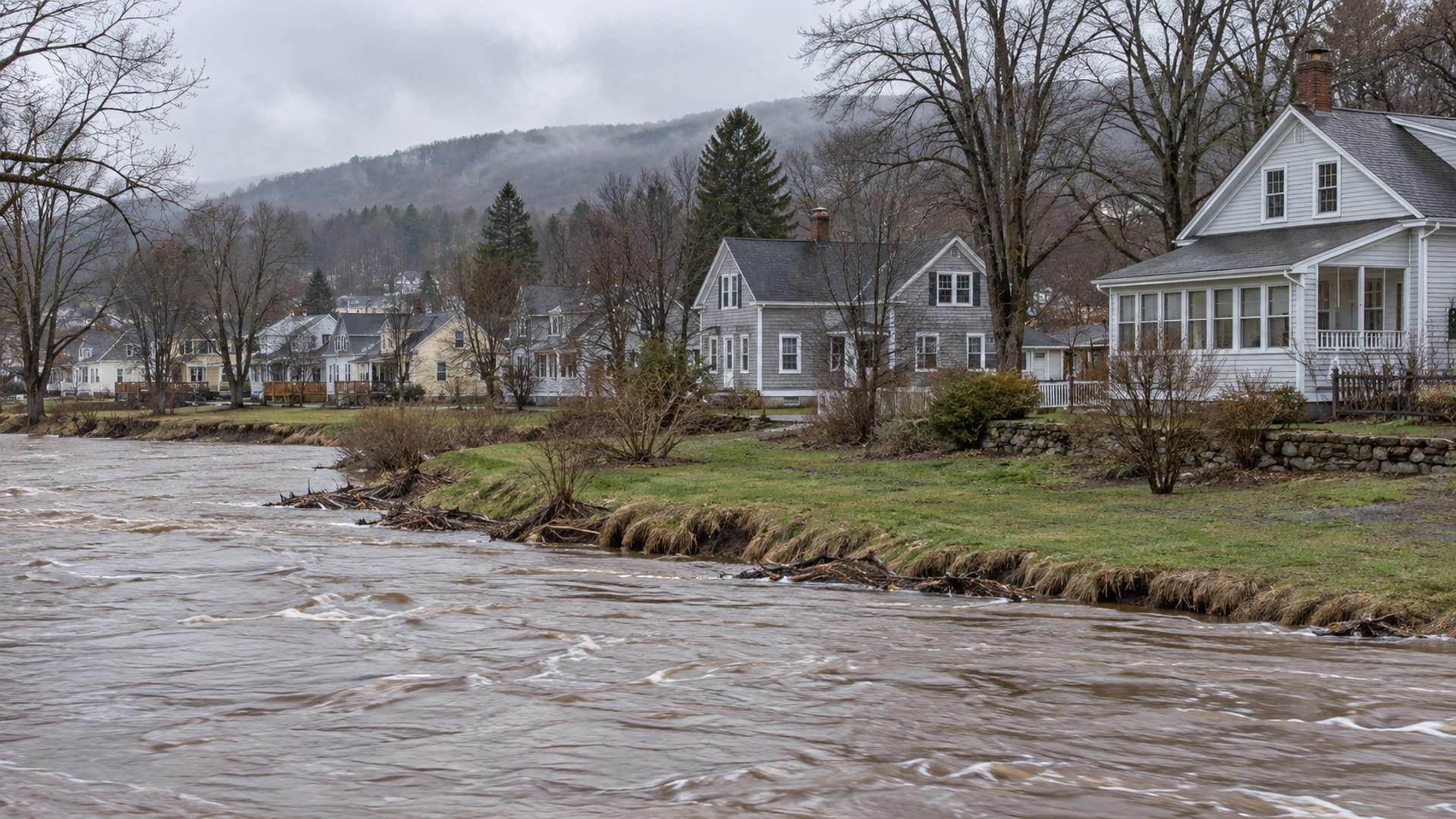
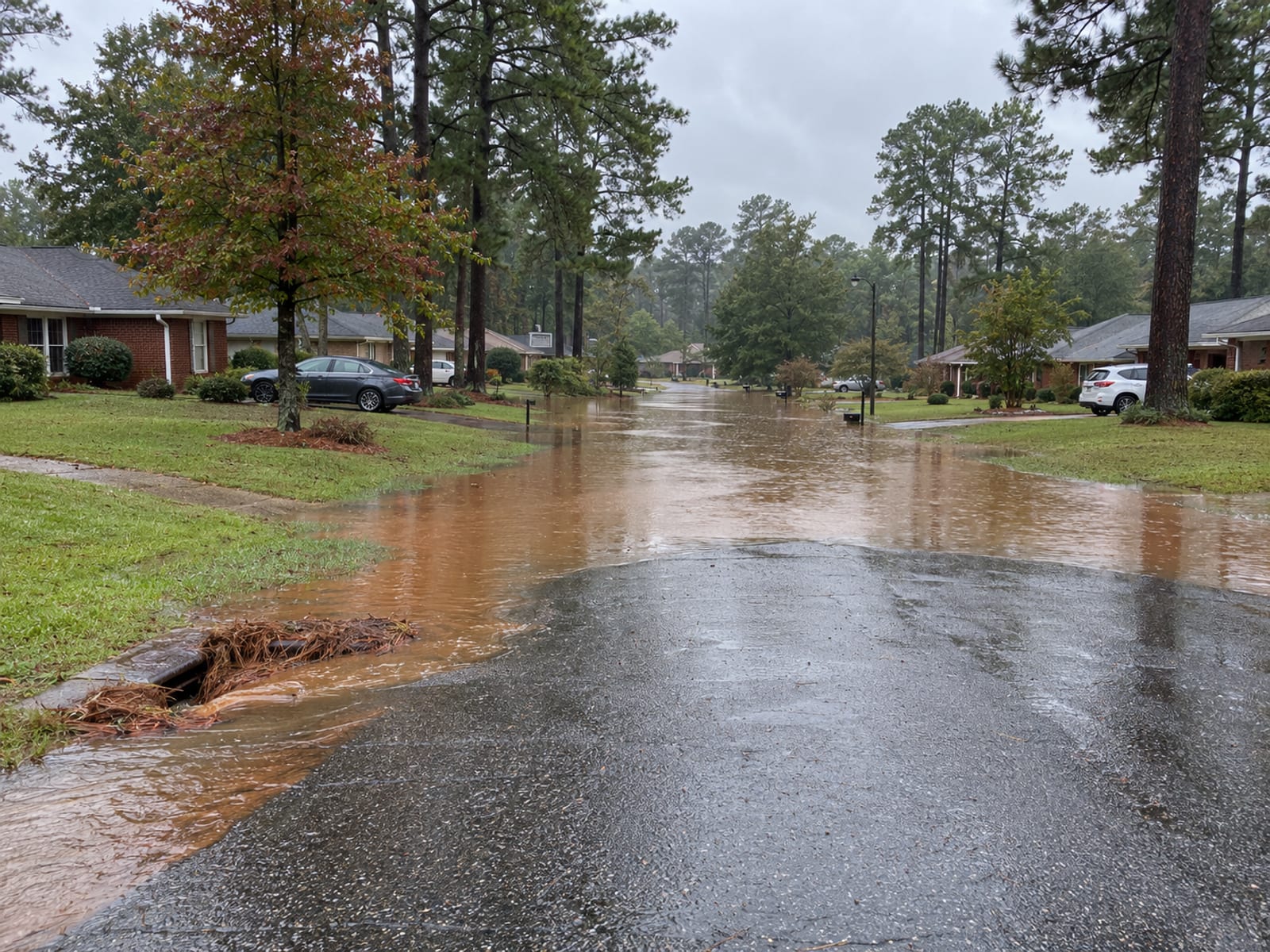
Alabama floods in more than one way. Along the Gulf, in Mobile and Baldwin counties, storm surge and waves push water inland, which is why the coast carries V zones. Inland, rivers and streams overflow after heavy rain, and A zones generally refer to these inland flood areas (ADECA (opens in a new tab)). Heavy rain can also cause flash flooding in neighborhoods far from any mapped floodplain.
You don't have to live near water to be at risk. The Alabama Department of Insurance (ALDOI) natural disasters guide (opens in a new tab) says floods are often caused by storms, hurricanes, wind-driven rain and dam failure, and suggests considering flood insurance wherever your property is located. A low-risk zone on the map lowers the odds; it doesn't rule a flood out.
What does NFIP flood insurance cover?
An NFIP policy pays for direct physical flood damage, and it splits into two coverages you buy separately, each with its own deductible (FloodSmart (opens in a new tab)).
Building coverage protects the structure and its systems: electrical and plumbing systems, furnaces and water heaters, refrigerators, stoves and built-in appliances, permanently installed carpeting and cabinets, foundation walls and staircases, detached garages, and fuel tanks, well water tanks, pumps and solar energy equipment. Contents coverage protects belongings such as clothing, furniture and electronics, curtains, a washer and dryer, portable and window air conditioners, and a microwave. Original artwork and furs are covered up to $2,500, and a business owner's merchandise and stored raw materials can be covered too.
Hover or tap a row to highlight it.
| Policy type | Building coverage | Contents coverage |
|---|---|---|
| Homeowner (residential) | Up to $250,000 | Up to $100,000 |
| Renter | Not applicable | Up to $100,000 |
| Business (non-residential) | Up to $500,000 | Up to $500,000 |
The limits come from FloodSmart (opens in a new tab). They're maximums under the program, not a recommendation for your home.
Some items and costs aren't covered no matter what caused the flood. They include currency, precious metals and stock certificates; cars and most self-propelled vehicles; personal property kept in basements; property outside the insured building, such as septic systems, decks, patios, fences and swimming pools; temporary housing and additional living expenses while your home is repaired; and financial losses from business interruption (FloodSmart (opens in a new tab)). Because living expenses and business income aren't covered, ask an agent how you'd pay for a hotel or lost income after a flood.
What does flood insurance cost in Alabama?
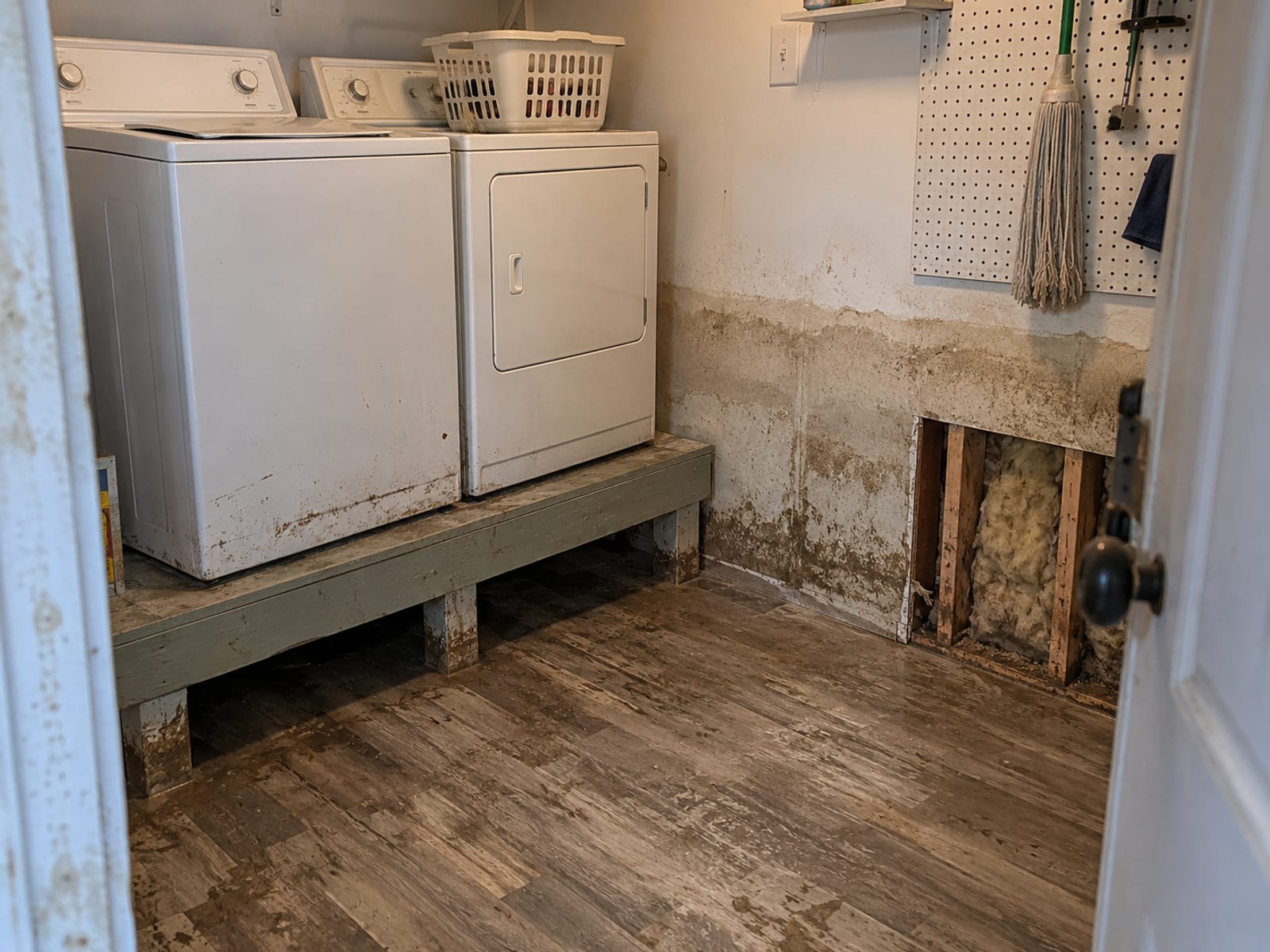
NFIP prices are set property by property. Three things drive the rate, according to FloodSmart (opens in a new tab): where the property is built, how it's built and what it would cost to replace. The NFIP works with more than 48 insurance companies and thousands of agents, and they all use FEMA's pricing approach, so the same NFIP policy carries the same rate wherever you buy it.
Your coverage amounts and deductibles change the price too. FloodSmart says elevating a water heater or electrical panel can lower the cost, and so can an elevation certificate, which documents your building's elevation. FloodSmart's online quote tool (opens in a new tab) gives a personalized estimate. For a real number, ask an agent to quote your address and to show the building limit, contents limit, deductible and effective date on the quote.
How does the 30-day waiting period work?
A new NFIP policy goes into effect 30 days after the date you buy it. FloodSmart lists four exceptions on its policy page (opens in a new tab):
- No wait if you buy flood insurance while making, increasing, extending or renewing a mortgage.
- No wait if you change your coverage while renewing your policy.
- A one-day wait if your property is in a newly designated high-risk flood zone and you buy within 12 months of the map update.
- A one-day wait for a flood caused or worsened by a wildfire on federal land, if you buy within 60 days of the containment date.
A forecast storm isn't on that list. If you buy a policy after a hurricane or tropical storm is headed for the coast, the 30 days still apply, so flood damage from that storm wouldn't be covered under the new policy. Ask for the effective date in writing before you pay.
From purchase to renewal on an NFIP policy
- Day you buyThe 30-day waiting period starts, unless an exception applies.
- Day 30Coverage takes effect.
- One yearThe policy term ends.
- 30-day grace periodClaims are honored if you renew and pay the full premium by the end of the period.
An NFIP policy lasts one year. Coverage stays good for 30 days after it expires, and claims are honored during that grace period as long as you renew and pay the premium in full by the end of it (FloodSmart (opens in a new tab)). Paying after the grace period ends can mean starting a new policy and a new wait.
NFIP or private flood insurance?
Private flood insurance is a separate product sold by private insurers. It can use different limits, deductibles, definitions, exclusions, waiting periods and replacement-cost terms than the NFIP, and some private policies are sold as excess coverage above an NFIP limit. The policy form controls, so compare the two side by side.
If your lender requires flood coverage, a private policy can work only if the lender accepts it. Get the lender's approval in writing before you cancel an NFIP policy the lender requires.
Ask whether the insurer is licensed in Alabama. Some private flood coverage is written through surplus lines, a market of unauthorized (non-admitted) insurers used for coverage that can't be procured from authorized insurers, placed by a licensed surplus line broker (ALDOI (opens in a new tab)). Policies issued by unauthorized insurance companies have no backing from Alabama's guaranty funds, so if the company becomes insolvent, the policy may not pay your benefits, according to ALDOI's shopping tips (opens in a new tab).
Hover or tap a row to highlight it.
| Question | NFIP policy | Private flood policy |
|---|---|---|
| Who sets the rate | FEMA's pricing approach, the same through every NFIP insurer | The private insurer |
| Residential limits | Up to $250,000 building and $100,000 contents | Set by the policy |
| Waiting period | 30 days, with four listed exceptions | Set by the policy |
| Living expenses | Not covered | Ask whether the policy includes them |
| Lender acceptance | Meets the federal requirement | Only if the lender accepts it |
| Alabama guaranty funds | Not applicable (federal program) | Backed only if the insurer is authorized in Alabama |
Does homeowners insurance cover flooding?
Standard homeowners policies don't insure you against flood, according to the ALDOI natural disasters guide (opens in a new tab), and most homeowners and renters policies don't cover flood damage, according to FloodSmart (opens in a new tab). The cause and the path the water took decide which policy responds.
- Rising water from storm surge, heavy rainfall or an overflowing river is flood, covered by a flood policy.
- Rain blown into the house by wind, or water coming through a wind-damaged roof, is wind damage, not flood, and falls under your homeowners or wind policy, according to FEMA's wind and floodwater fact sheet (opens in a new tab).
- A burst pipe is covered by most homeowners policies, though repairing the pipe itself may not be (ALDOI (opens in a new tab)).
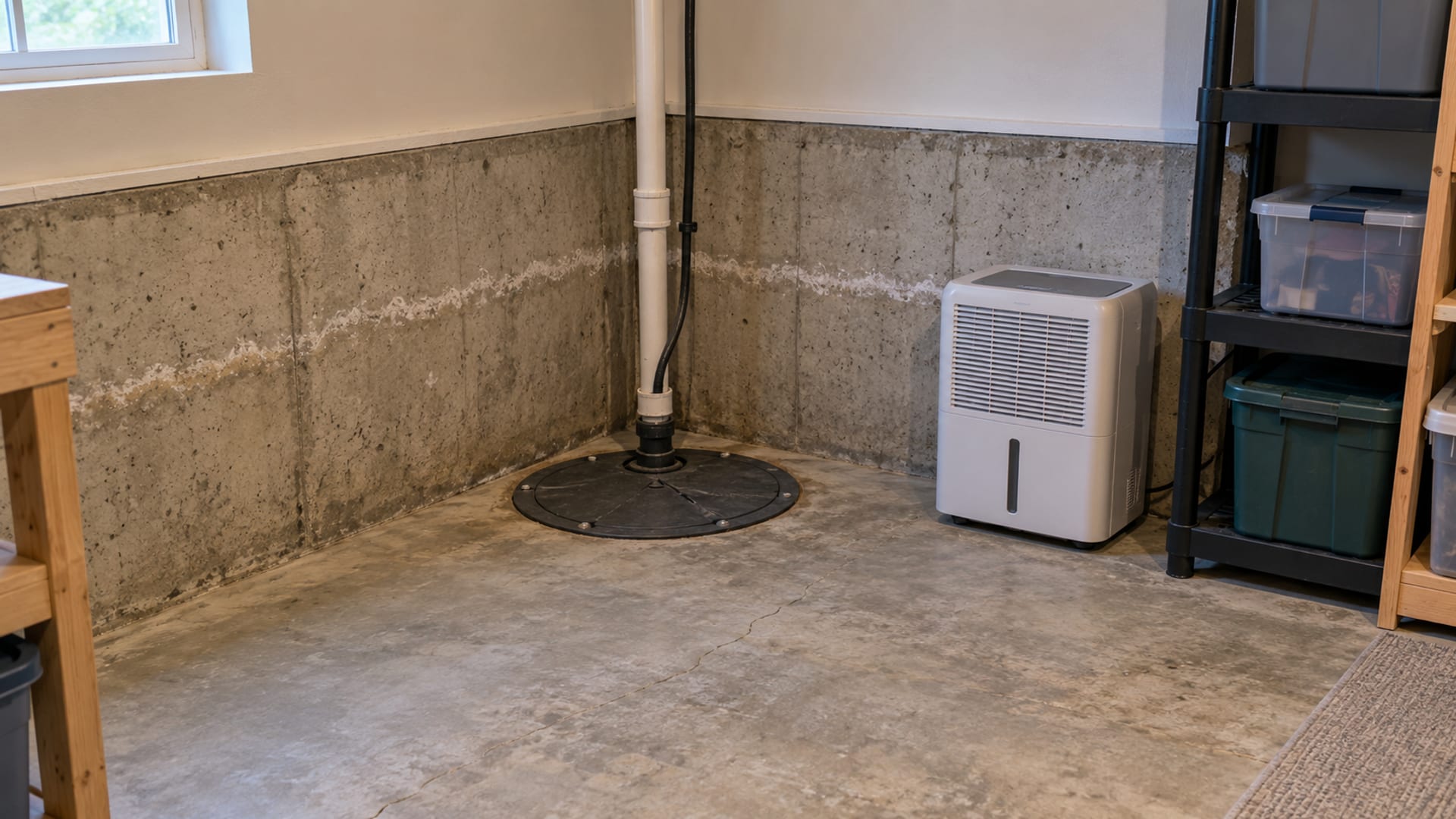
- Groundwater seeping into a basement is generally excluded by homeowners policies and isn't covered by a flood policy unless it results from a flood (ALDOI (opens in a new tab)).
- Sewer backup depends on the cause. A flood policy covers damage from a sewer that backed up during a heavy rainstorm, but not a backup caused by clogged pipes (FloodSmart (opens in a new tab)).
After a hurricane, you may need to file with both your homeowners or wind insurer and your flood insurer and work with more than one adjuster. Coastal homeowners can read more about the separate wind deductible in our article on the Alabama hurricane deductible.
How does a flood claim work?
Report the claim to your agent or insurance company as soon as possible, even before you can return to the property, and have your policy number ready, according to FEMA's NFIP claims checklist (opens in a new tab). Your insurer assigns an adjuster who should contact you within 48 hours of the report.
Filing an NFIP flood claim
- Right awayReport the claim to your agent or insurer and start a log of every conversation.
- Before cleanupPhotograph and video all damage, separate damaged from undamaged property and keep samples of carpet or flooring you must throw out.
- Within 48 hoursYour assigned adjuster should contact you.
- During the inspectionAsk to see the adjuster's Flood Control Number card and photo ID, and ask about an advance partial payment.
- Within 60 days of the floodSubmit your supporting documents, or meet the deadline your adjuster or insurer gives you.
- If you're deniedAppeal to FEMA within 60 days of the date on the denial letter.
Make a list of damaged contents with descriptions, values, make, model, serial number, quantity, approximate age and replacement cost. If you find more damage later, you can request an additional payment at any time, even after you think the claim is settled (FloodSmart (opens in a new tab)).
If the insurer denies your claim, you have 60 calendar days from the date on the letter to appeal to FEMA. You must file any lawsuit within one year of the denial, and an appeal doesn't extend that year. Choosing appraisal to settle a disagreement over the amount ends your right to a FEMA appeal (FloodSmart (opens in a new tab)).
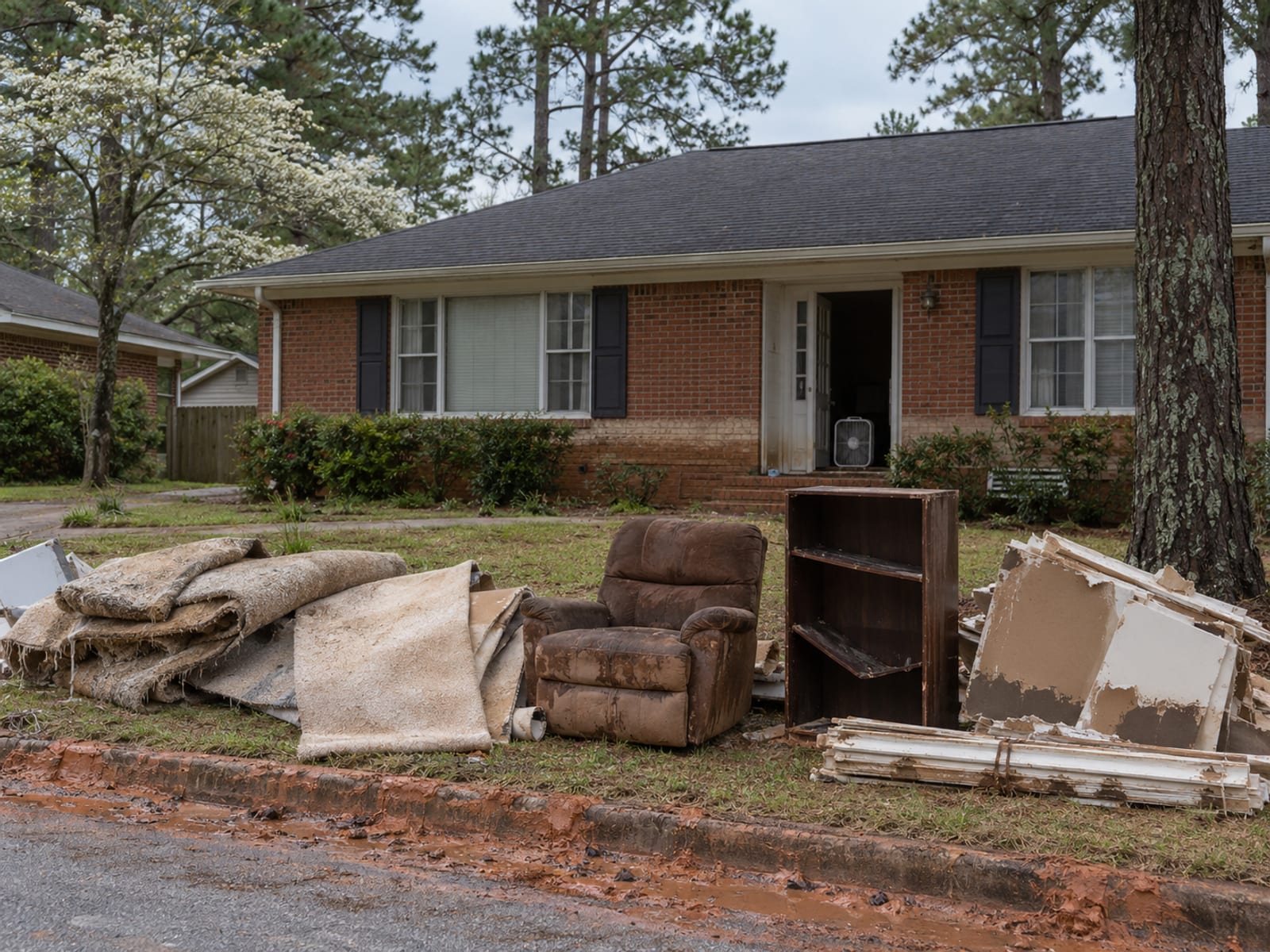
What help is there without flood insurance?
Federal disaster assistance is available only after a presidential disaster declaration and typically comes as a loan that must be repaid with interest, according to the NFIP renters brochure (opens in a new tab). The U.S. Small Business Administration (opens in a new tab) offers disaster loans to homeowners, renters and businesses in declared areas. A flood policy pays under its own terms whether or not a disaster is declared. If you do receive federal aid for the property, the property must carry flood insurance to qualify for aid again.
How do you check an agent or file a complaint?
Check the agent's license before you buy with the Alabama insurance license lookup (opens in a new tab). ALDOI also suggests confirming that the company itself is licensed to do business in Alabama, using its full name, because some names are similar (ALDOI (opens in a new tab)).
If you have a problem with an insurer or agent, contact them first. If that doesn't resolve it, file a complaint with ALDOI with your name, address and phone number, the company or agent involved, your policy number, the claim number and a detailed description (ALDOI (opens in a new tab)). ALDOI sends the complaint to the company, which must respond, and requires corrective action if the company didn't meet its obligations under the policy. ALDOI can't determine the value of a claim or the amount owed to you. An NFIP denial goes to FEMA on appeal.
Questions to ask your agent
- Is this an NFIP policy or a private flood policy?
- If it's private, is the insurer authorized in Alabama, or is this surplus lines coverage?
- Does my lender accept this exact policy?
- What is the effective date, and does the 30-day wait apply?
- What are the building and contents limits, and what deductible applies to each?
- How are my basement and anything stored there treated?
- Is my detached garage covered?
- Are contents paid at actual cash value or replacement cost?
- Does the policy pay any living expenses or business income after a flood?
- How are storm surge, river flooding, flash flooding and sewer backup treated?
- What happens if I renew late?
- What documents will I need for a claim, and what are the deadlines?
- How would a new flood map change my policy or price?
When you're ready to compare quotes, Riskado's directory lists insurance agencies across the US, including Alabama, by city and by category.
Check what you know about Alabama flood insurance
Frequently asked questions
Can I buy flood insurance if I'm not in a high-risk zone?
Yes. Any homeowner or renter in a community that takes part in the NFIP can buy a policy, and FloodSmart recommends coverage in moderate-risk B and shaded X zones. Some lenders require flood insurance outside the high-risk zones as well.
Does an NFIP policy cover my basement?
Building coverage protects some items in a basement, such as a furnace or water heater, but personal property kept in a basement isn't covered. Ask your agent which items in your basement or below the lowest elevated floor the policy would pay for.
Can renters buy flood insurance in Alabama?
Yes. A renter in a participating community can buy an NFIP contents-only policy that covers up to $100,000 of belongings; see Alabama renters insurance. The landlord's flood policy covers the building, not your things.
What if my flood map changes?
If your property is newly mapped into a high-risk zone, buying a policy within 12 months of the map update carries a one-day wait instead of 30 days. If you think your property was mapped into a high-risk zone by mistake, a letter of map amendment can correct a single structure, usually in about four weeks.
Does flood insurance cover my car?
No. Cars and most self-propelled vehicles are excluded from NFIP coverage. Comprehensive coverage on an auto policy pays if a storm or flood damages your car, according to the ALDOI natural disasters guide (opens in a new tab).
Start with the address and the date
Look up your address on AlabamaFlood or the FEMA Flood Map Service Center, then ask your lender what it requires. If you're buying coverage, count 30 days forward from the purchase date, and don't wait for a storm to form before you call. Keep your declarations page, photos of your home and a list of your belongings where you can reach them after a flood.
Key terms
Tap a term to see what it means.
Special Flood Hazard Area (SFHA). Land with a 1% or greater chance of flooding in any given year, shown on FEMA maps as an A or V zone.
Base flood elevation (BFE). The height floodwater is expected to reach in the 1% annual chance flood, shown for AE zones.
Zone AE. A high-risk inland flood zone with a base flood elevation from a detailed study.
Zone VE. A high-risk coastal flood zone with an added hazard from storm waves.
NFIP. The National Flood Insurance Program, the federal program that sells flood policies through insurers and agents.
Contents coverage. Flood coverage for belongings inside the insured building, bought separately from building coverage.
Surplus lines. Coverage placed with unauthorized (non-admitted) insurers through a licensed surplus line broker.
FIRMette. A one-page printout of the official flood map for a location.