Does Homeowners Insurance Cover Water Damage: Leaks, Rain, Sewer Backup and Flood
Riskado
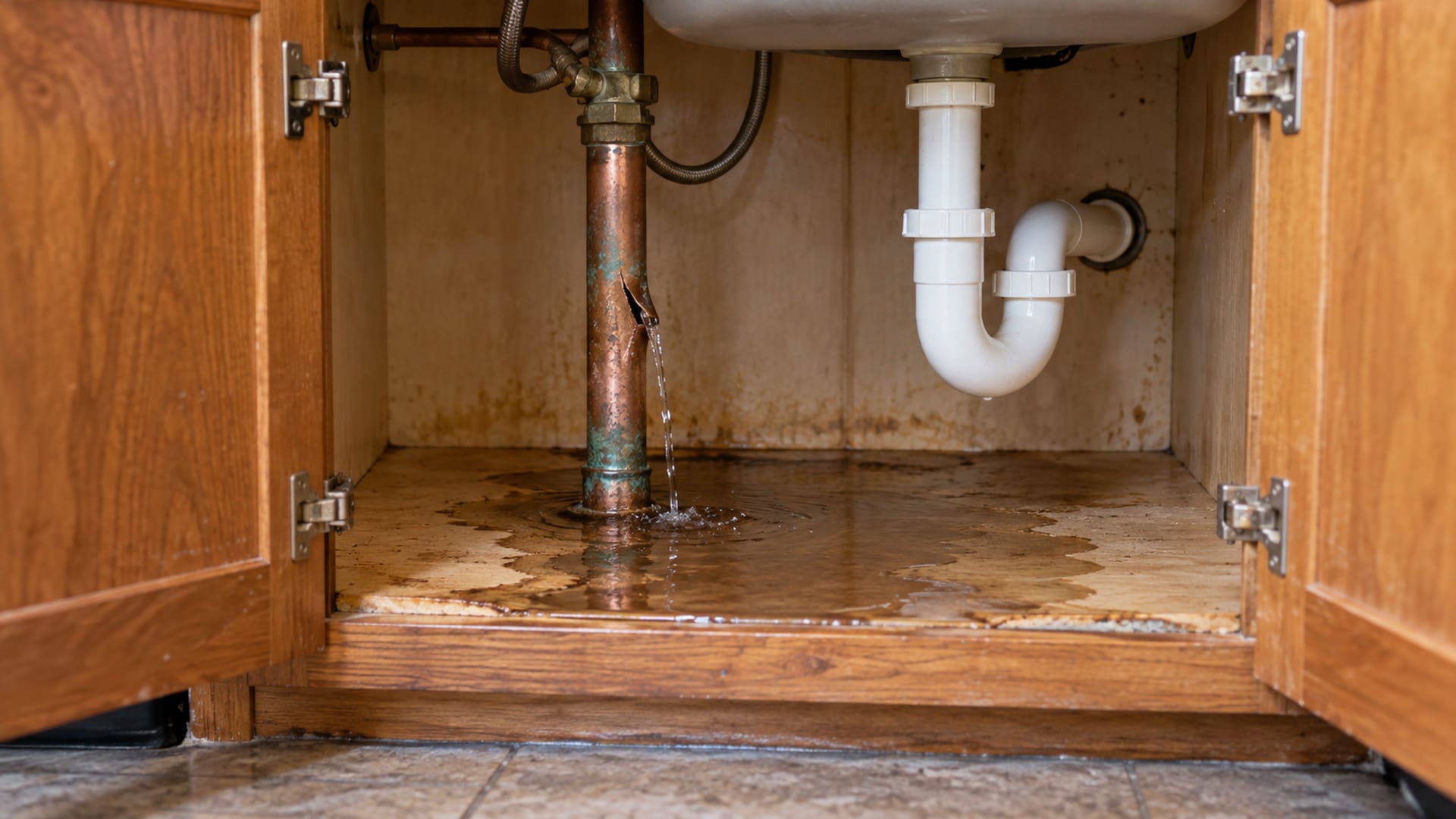
A standard homeowners policy generally treats water that escapes suddenly and accidentally inside your home differently from a slow leak, a maintenance problem, a sewer backup or floodwater. A burst pipe or a sudden appliance leak may be covered, subject to the policy's exclusions, deductible, limits and conditions. A slow leak, deterioration or skipped maintenance may be excluded. Sewer or drain backup often needs a separate endorsement. Floodwater, including rain runoff or rising water from outside, is generally excluded and needs separate flood insurance. If water is coming in now, stop the source if it's safe, prevent more damage, photograph everything, keep receipts and call your insurer promptly. Your policy and declarations page decide the rest.
Key takeaways
- Sudden and accidentalA burst pipe or a sudden appliance leak may be covered, subject to the policy's exclusions, deductible, limits and conditions.
- Slow leaks and maintenanceA slow leak, deterioration or skipped maintenance may be excluded.
- Sewer or drain backupOften needs a separate endorsement.
- FloodFloodwater, including rain runoff or rising water from outside, is generally excluded and needs separate flood insurance.
- Right nowStop the source if it's safe, prevent more damage, photograph everything, keep receipts and call your insurer promptly.
What to do right now after water damage
If you're looking at a wet floor or a fresh ceiling stain, the order of steps matters more than the coverage question. The NAIC's guide to filing a homeowners claim (opens in a new tab) and the Connecticut Insurance Department's July 2026 consumer notice (opens in a new tab) both point to the same sequence:
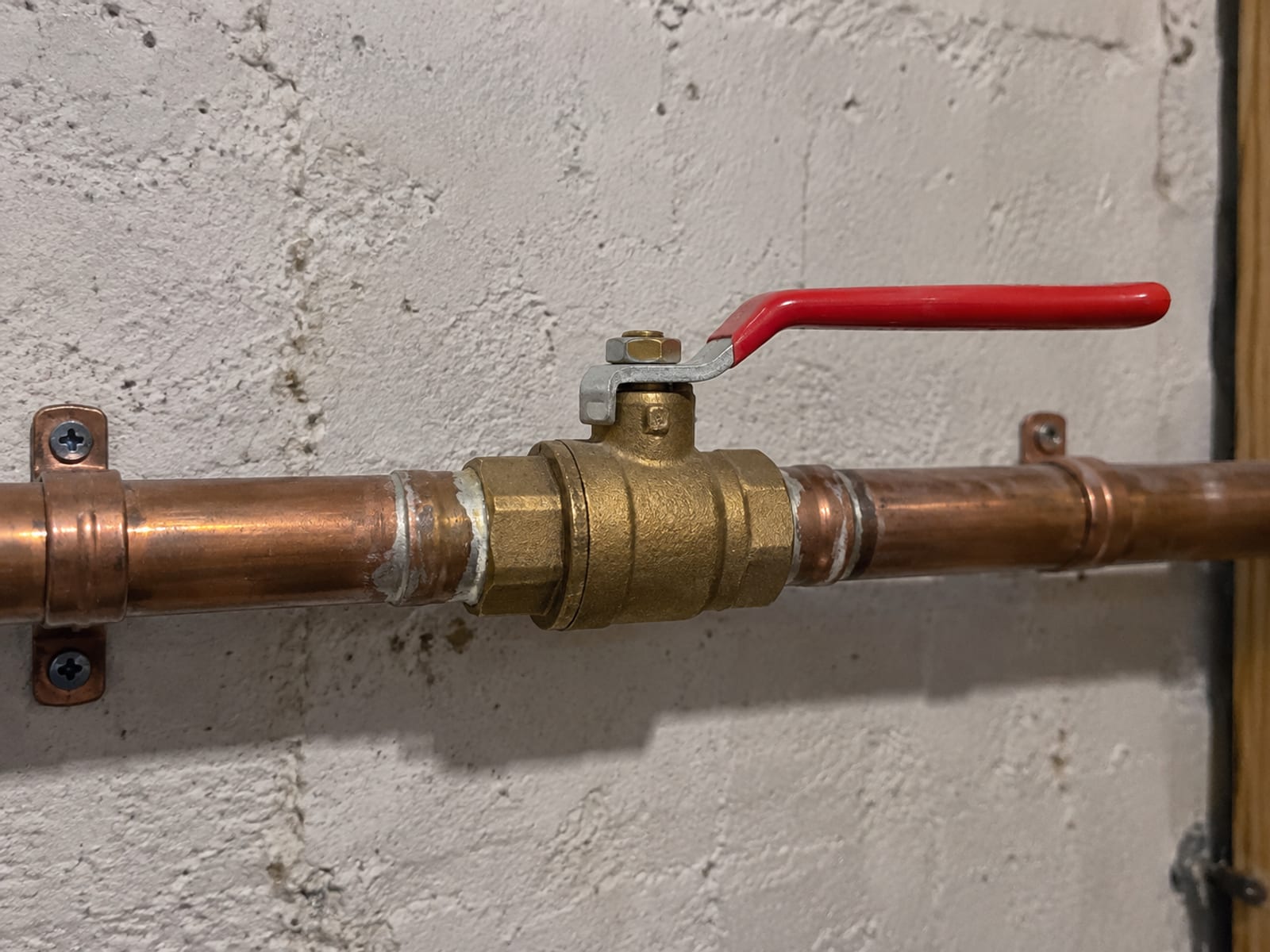
- Stop the water and make the area safe, if you can do it safely. Shut off the supply valve to the fixture or the main.
- Take photos and video before cleanup or repairs.
- Make temporary repairs to prevent more damage, such as tarping, patching or moving belongings out of the water.
- Hold off on permanent repairs until the insurer has had a chance to inspect, unless safety requires immediate work.
- Keep receipts for emergency repairs, materials, labor, lodging and other related costs.
- Keep damaged items when practical until the insurer has seen them.
- List damaged or destroyed belongings.
- Notify your insurer or agent promptly with your policy number, address, contact information and a description of what happened.
- Keep notes on every call: the date, the person's name, their instructions and your claim number.
Reporting deadlines vary by state and by policy, so check the notice requirements in your policy and report as soon as you can.
Does homeowners insurance cover a burst or leaking pipe?
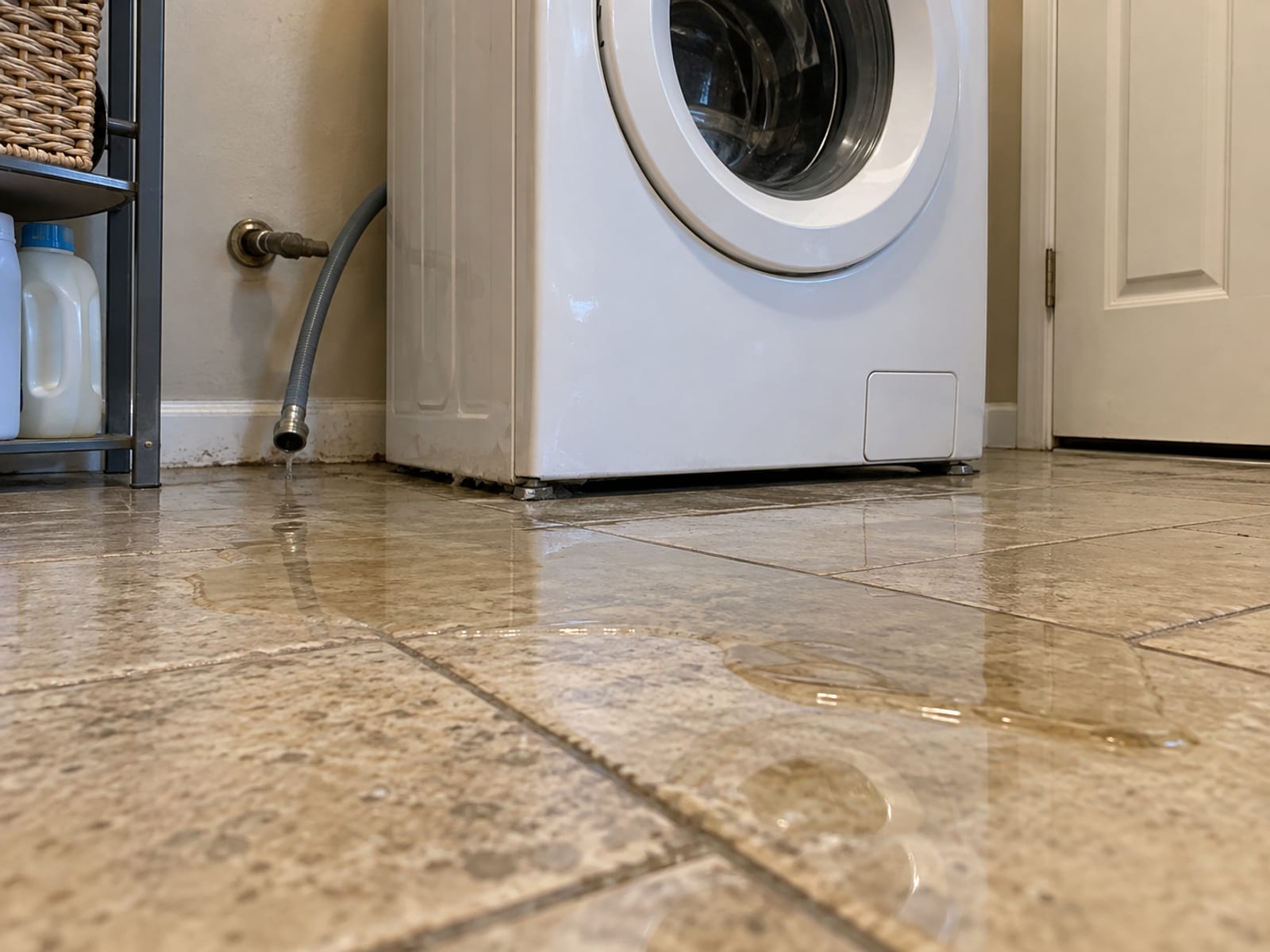
It depends on how the water got out. Most home policies cover water damage when the water comes from inside the house, such as from pipes, water heaters, washing machines, refrigerators and other devices that hold water, according to the Texas Department of Insurance (opens in a new tab). "Sudden and accidental" means a leak or overflow that happens all at once, not one that's been dripping for a long time.
Under broader homeowners forms, the freezing, rupturing or sudden and accidental overflow of plumbing, heating, air-conditioning or fire-sprinkler systems and household appliances is a listed peril, according to the NAIC consumer guide to home insurance (opens in a new tab).
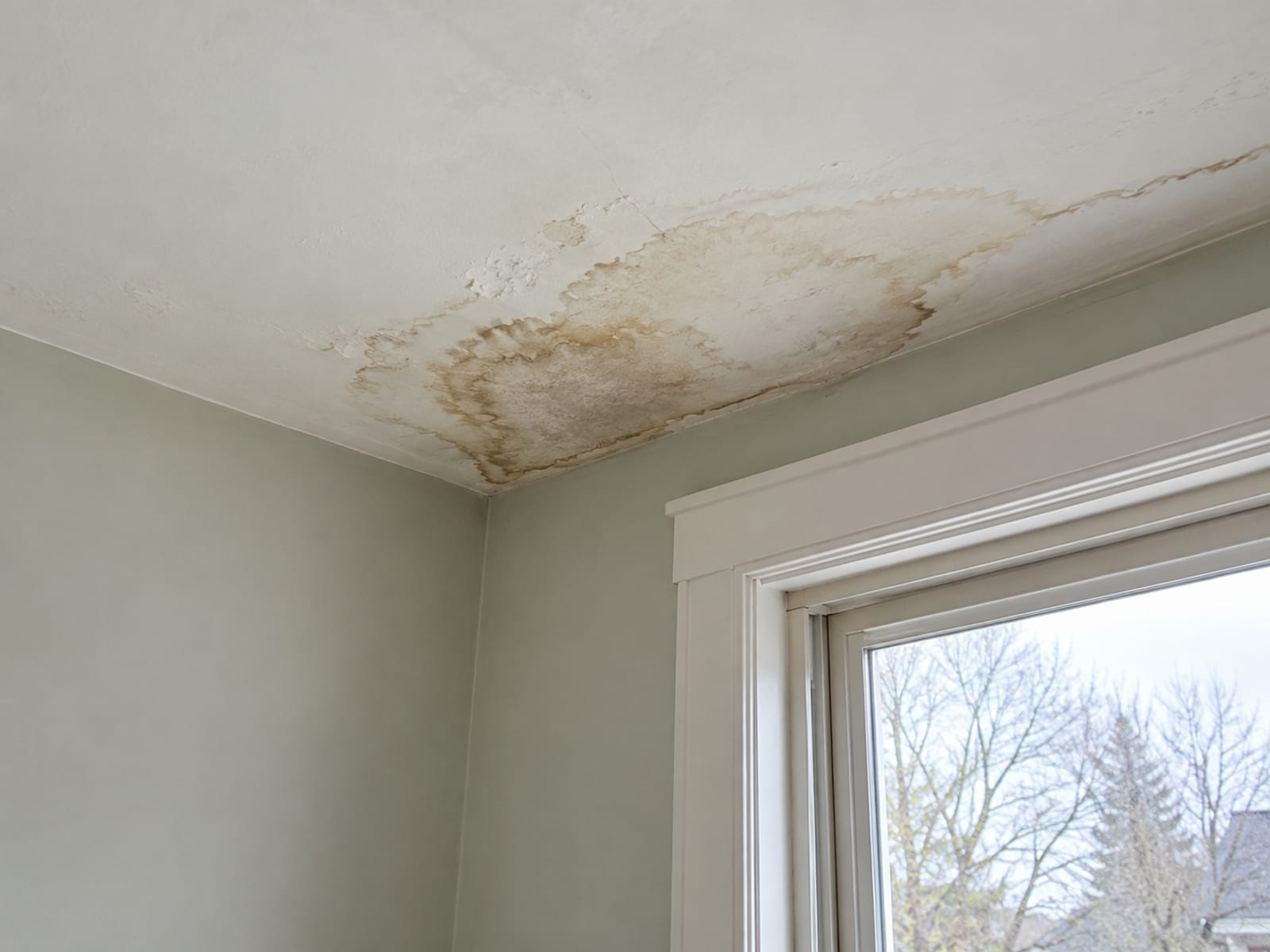
A slow, repeated or hidden leak is a different matter. Policies usually don't cover gradual leaks, according to the Texas Department of Insurance homeowners FAQ (opens in a new tab), and damage tied to wear and tear, deterioration, rust or rot can be excluded. If you've found damage behind a wall or under a sink, write down when you first noticed it and what you saw, and ask the insurer how it will decide whether the leak was sudden or gradual.
The broken pipe versus the damage it caused
The pipe or appliance that failed can be treated differently from the water damage it caused, and both can be treated differently from the cost of opening a wall to reach it. A state-approved Texas homeowners amendatory endorsement (opens in a new tab) addresses accidental discharge from plumbing, heating, air-conditioning systems and household appliances, and includes wording on tearing out and replacing building parts needed to repair the system. A separate Texas policy-form filing (opens in a new tab) states that the system the water escaped from isn't covered under that endorsement, while tear-out provisions may cover access to repair it. Those are specific forms, and your policy may read differently.
Ask your insurer or agent separately about each piece: the resulting damage to your home, the failed pipe, hose, appliance or water heater, opening and replacing a wall, floor, ceiling or slab, plumbing labor, mold testing and cleanup, and any water-damage sublimit or endorsement.
Does homeowners insurance cover rain through a roof or window?
How the water got in decides this one. Water damage from a leak in a roof is typically covered, while ground water from rain, runoff or snowmelt is not, according to the NAIC homeowners insurance consumer page (opens in a new tab).
When a storm damages your roof or a window and rain comes through the opening, the resulting interior damage may be covered as part of that storm loss. Water coming through an opening caused by wear, deterioration or poor maintenance can be excluded. Repair storm damage quickly, even with a temporary fix, because further water damage after a known opening can become a coverage question. Rain that runs across the ground and into your home, or water rising over normally dry land, is a flood issue rather than a roof-leak issue. Our page on whether homeowners insurance covers roof replacement covers the roof itself.
Does homeowners insurance cover sewer backup or sump pump overflow?
Usually not automatically. A standard homeowners policy generally excludes water or sewage that backs up through sewers or drains unless the policy adds that coverage. "Water backup of sewer" is an optional coverage that pays for losses to the house from sewer or drain backup, according to the NAIC homeowners insurance overview (opens in a new tab). Coverage for sewage entering through sewers or drains depends on the policy, according to the Texas Department of Insurance storm damage FAQ (opens in a new tab), and sewer or drain backup is among the losses standard homeowners policies may not cover, according to the Washington Office of the Insurance Commissioner (opens in a new tab).
A water backup endorsement can carry its own limit, deductible, exclusions, waiting period or definition of what counts as backup. Check your declarations page for the endorsement, and ask your agent whether the policy covers water from sewers, drains or sump pump backup and, if not, whether you can add it, as the NAIC homeowners shopping tool (opens in a new tab) suggests.
Why is flood excluded from homeowners insurance?
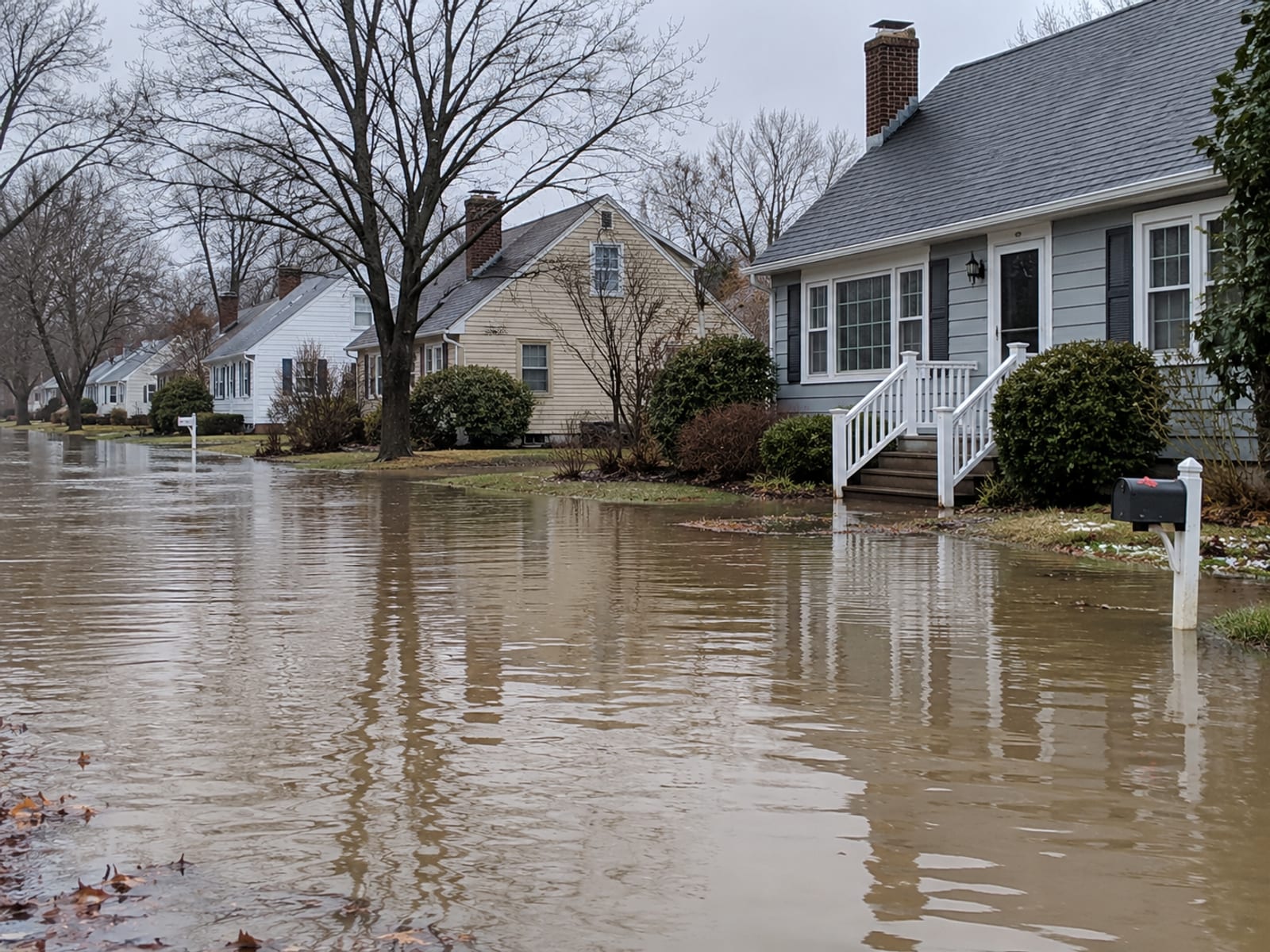
Flood is insured separately. In substance, flood means excess water on land that's normally dry. The Connecticut Insurance Department (opens in a new tab) gives the example of a river overflowing into nearby streets and yards and then damaging a home. Flood damage is water from a rainstorm or a body of water that suddenly rises over a dry area and enters the house, according to the Texas Department of Insurance (opens in a new tab). Standard homeowners policies generally exclude flood damage, and separate flood insurance is available through the National Flood Insurance Program (NFIP) or private insurers.
Hover or tap a row to highlight it.
| Where the water came from | General treatment under a standard homeowners policy | What to check |
|---|---|---|
| A burst pipe or a sudden appliance leak | May be covered as sudden and accidental, subject to exclusions, deductible, limits and conditions | Whether the failed pipe or appliance is treated differently from the damage it caused |
| A slow, repeated or hidden leak | May be excluded, along with wear and tear, deterioration, rust or rot | When you first noticed the damage and how the insurer decides sudden or gradual |
| Rain through a storm-damaged roof or window | The resulting interior damage may be covered as part of the storm loss | Whether the opening came from the storm or from wear or poor maintenance |
| Sewer or drain backup | Generally excluded unless the policy adds water backup coverage | The endorsement's limit, deductible and definition of backup |
| Flood, rain runoff or rising water from outside | Generally excluded | Separate flood insurance through the NFIP or a private insurer |
A mortgage requirement doesn't change this. A lender may require homeowners insurance and, in some situations, separate flood insurance, and the two policies aren't interchangeable.
What NFIP flood insurance covers
NFIP coverage comes in two parts, bought separately with separate deductibles, according to FloodSmart's guide to buying a flood policy (opens in a new tab):
- Building coverage includes electrical and plumbing systems, furnaces, water heaters, built-in appliances, permanently installed carpeting and cabinets, foundation walls, stairs, detached garages, tanks, pumps and certain equipment.
- Contents coverage includes clothing, furniture, electronics, curtains, washers and dryers, portable air conditioners, some carpeting, certain high-value items subject to limits, and business inventory held for sale.
Hover or tap a row to highlight it.
| NFIP program figure (FloodSmart, October 2026) | Amount or timing |
|---|---|
| Building coverage maximum, home and business | Up to $500,000 |
| Contents coverage maximum, home and business | Up to $500,000 |
| General waiting period for new coverage | 30 days after purchase |
| Newly designated high-risk zone exception | One-day wait when stated conditions apply |
| Post-wildfire exception | One-day wait when stated conditions apply |
These are program limits, not a suggestion of how much to buy. Other exceptions to the 30-day wait apply to certain mortgage transactions and policy renewals or changes, as described in the FEMA NFIP Flood Insurance Manual (opens in a new tab). For state detail, see Connecticut flood insurance or New York flood insurance.
Frozen pipes in a vacant or unheated home
A frozen pipe that bursts may be covered as a sudden and accidental discharge when you took reasonable steps to keep the plumbing from freezing. Policies generally require you to keep the home at a minimum temperature or shut off the water supply if the home is vacant, and if the insurer decides reasonable preventive steps were neglected, the damage may not be covered, according to the NAIC article on burst-pipe water damage (opens in a new tab).
The exact temperature, vacancy definition and winterizing requirements are in your policy. If you're leaving a home empty for the winter, read those conditions first and ask your agent what the policy expects.
Mold and a place to stay
Mold that follows water damage can be limited or excluded, and the treatment varies by policy. Ask whether your policy covers mold, and what exclusions or limits apply. Our page on whether homeowners insurance covers mold goes further.
If a covered loss makes your home unlivable, loss of use or additional living expense coverage may pay some of your extra costs while repairs are made, according to the NAIC (opens in a new tab). Keep every hotel, meal and mileage receipt.
How water claims are paid
Your deductible is the amount you pay before the insurer pays on a covered loss, and a policy can apply different deductibles to different coverages or perils.
How damaged property is valued makes a large difference. Actual cash value accounts for age, wear and depreciation, and it may not be enough to fully repair or replace the damage. Replacement cost pays to repair or rebuild with materials of similar kind and quality without subtracting depreciation, subject to the policy's conditions and limits, according to the NAIC consumer guide (opens in a new tab). See replacement cost vs actual cash value for a fuller comparison.
Some policies also cap water damage separately. The Washington Office of the Insurance Commissioner warned in 2024 about optional water-damage sublimits and gave the example of a $10,000 water-damage sublimit on a policy with a $500,000 overall benefit, according to its notice on policies that limit water damage coverage (opens in a new tab). That's a regulator's example, not a typical figure. Check your declarations page for any water-damage sublimit.
If the insurer denies or underpays your claim
Start by getting the decision in writing, with the policy provision the insurer relied on. Then send photos, estimates, receipts, maintenance records, your inventory and any other documents that support your claim, and keep a written record of every discussion.
If you and the insurer agree the loss is covered but disagree about the repair cost, look for an appraisal clause in your policy. Appraisal can resolve a disagreement about the amount of loss, but not a dispute about whether the loss is covered, according to the Connecticut Insurance Department's guidance on disputing a damage estimate (opens in a new tab).
Your state insurance department (opens in a new tab) is the next stop. Each department runs its own consumer complaint process and property-insurance instructions, and it typically sends the complaint to the insurer for a response. For example, Connecticut takes written complaints online, by form or by email and gives the insurer two weeks to respond, subject to extension, according to its complaint process (opens in a new tab). If the dispute still isn't resolved, a lawyer can advise you on litigation.
Questions to ask your agent before storm season
These questions, drawn from the NAIC homeowners shopping tool (opens in a new tab), are worth asking before a loss and again when you renew:
- What water damage isn't covered by this policy?
- Does the policy cover water from sewers, drains or sump pump backup, and is that an endorsement?
- What limit and deductible apply to water backup?
- Does the policy cover mold, and what exclusions or limits apply?
- How does the policy treat gradual leaks, deterioration and plumbing maintenance?
- Does the policy cover flood, or do I need separate flood insurance?
- Are there water-damage sublimits?
- Are water claims paid at actual cash value or replacement cost?
- Does the policy pay additional living expenses if I can't live in the home?
- What's required if the home is vacant or unheated?
- What temporary repairs can I make before an inspection?
- How quickly must a claim be reported?
- Is there an appraisal clause?
- Does the policy cover a business run from the home?
Get each answer from the policy or declarations page rather than a general description. If you're reviewing your limits at the same time, see how much homeowners insurance you need.
Check what you know about homeowners insurance and water damage
Frequently asked questions
Is water from a washing machine or water heater covered?
A sudden leak or overflow from an appliance that holds water is generally treated as sudden and accidental, according to the Texas Department of Insurance (opens in a new tab). The failed appliance itself may be treated differently from the resulting damage, so ask about both.
Does a mortgage lender's insurance requirement include flood?
No. A lender may require homeowners insurance and, in some situations, separate flood insurance, but a homeowners policy doesn't become flood coverage because a lender required it.
How long does NFIP flood insurance take to start?
New NFIP coverage generally begins 30 days after purchase, according to FloodSmart (opens in a new tab). A one-day wait can apply in a newly designated high-risk zone or certain post-wildfire situations when the stated conditions are met.
Can appraisal settle a denied water claim?
Appraisal settles disagreements about the amount of a covered loss, not whether the loss is covered. For a coverage denial, ask for the written reason and contact your state insurance department.
Getting answers before the next storm
Pull out your declarations page and look for three things: a water backup endorsement, any water-damage sublimit and your deductibles. Then take the questions above to a licensed agency. Riskado's directory lists insurance agencies across the US by state, city and category, and state guides such as Connecticut homeowners insurance cover the rules that apply in one state.
Terms used in this guide
Tap a term to see what it means.
Sudden and accidental. A leak or overflow that happens all at once, not one that has been dripping for a long time.
Peril. A cause of loss a policy names, such as the sudden and accidental overflow of plumbing or a household appliance.
Water backup coverage. Optional coverage that pays for losses from water or sewage backing up through sewers or drains.
Endorsement. An addition to a policy that changes its coverage, such as water backup coverage.
Flood. Excess water on land that is normally dry, generally excluded from homeowners policies.
NFIP. The National Flood Insurance Program, which offers building and contents flood coverage bought separately.
Loss of use. Also called additional living expense coverage, it may pay some extra costs when a covered loss makes the home unlivable.
Deductible. The amount you pay before the insurer pays on a covered loss.
Actual cash value. A payment basis that accounts for age, wear and depreciation.
Replacement cost. A payment basis that repairs or rebuilds with materials of similar kind and quality without subtracting depreciation.
Sublimit. A separate cap on one kind of loss, such as water damage, inside the overall policy limit.
Appraisal. A process in some policies that resolves a disagreement about the amount of loss, not whether the loss is covered.