Massachusetts Flood Insurance: When You Need It, What It Costs, and the State Disclosure Rule
Riskado
Standard Massachusetts homeowners, renters and condominium policies do not cover flood damage, according to the Massachusetts Division of Insurance (opens in a new tab), so flood protection is a separate policy. Massachusetts has no general state law requiring you to buy it, but a lender generally must require it for a federally backed mortgage on a building in a FEMA Special Flood Hazard Area. National Flood Insurance Program (NFIP) policies usually carry a 30-day waiting period and offer up to $250,000 for a home's building and $100,000 for contents, and up to $500,000 each for a commercial building and its contents, according to FEMA's FloodSmart (opens in a new tab) (checked October 1, 2026).
Key takeaways
- Home policies exclude floodStandard Massachusetts homeowners, renters and condominium policies do not cover flood damage, so flood protection is a separate policy.
- Who requires itNo general state law requires it, but a lender generally must require it for a federally backed mortgage on a building in a FEMA Special Flood Hazard Area.
- Waiting periodNFIP policies usually carry a 30-day waiting period.
- NFIP limitsUp to $250,000 for a home's building and $100,000 for contents, and up to $500,000 each for a commercial building and its contents.
Four different sets of rules can apply to one property: state law, federal lender rules, insurer or FAIR Plan rules, and the coverage you choose on your own. Sorting out which ones touch your home or business is the first step.
Does a Massachusetts homeowners policy cover flood?
No. Standard homeowners, renters and condominium policies do not cover water damage from flood to the building or your belongings, and standard commercial policies generally do not cover flood damage to a business building or its contents, although some commercial policies offer limited coverage by endorsement, according to the Division of Insurance flood FAQ (opens in a new tab).
For home and dwelling policies issued or renewed beginning January 1, 2026, insurers must include a notice in the policy packet stating that the policy does not cover flood and pointing to separate NFIP and private flood coverage, under the Division's 2025-R Mandatory Flood Exclusion Disclosure (opens in a new tab). If you see that notice at renewal, it is a prompt to ask your agent about separate flood coverage.
Wind is treated differently from flood. If a coastal storm brings both, the wind damage and the flood damage can fall under different policies, so ask your agent how each policy would respond to the same storm.

When is flood insurance required in Massachusetts?
Massachusetts has no general law requiring every homeowner, renter or business owner to buy flood insurance, according to the Division of Insurance (opens in a new tab). The requirement usually comes from a lender, a FAIR Plan rule or a contract instead.
The federal mandatory-purchase rule is the most common source. A federally regulated or federally backed lender must generally require flood insurance on a building that secures the loan when the building sits in a Special Flood Hazard Area on a FEMA Flood Insurance Rate Map, and the requirement generally lasts for the life of the mortgage, according to FEMA (opens in a new tab). The lender determines the zone through a standard flood hazard determination. This applies inland as well as on the coast, because Special Flood Hazard Areas follow rivers and other flood sources, not only the shoreline.
What can a Massachusetts lender require?
Massachusetts adds limits for residential property with one to four units. Under M.G.L. c. 183, § 69 (opens in a new tab), a creditor may not require flood coverage above the outstanding principal mortgage balance at the start of the policy year, or the applicable full credit line or outstanding principal for certain home equity and secondary loans. The creditor also may not require contents coverage or a deductible below $5,000.
The same statute, along with the Division of Banks regulation 209 CMR 57.00 (opens in a new tab), requires the lender and the insurance producer to give you a notice. That notice explains that lender-required coverage protects the lender's interest and may not pay for all repairs or your personal losses. The lender's minimum and the amount that would actually rebuild your home are two separate numbers, so ask for both.

Does Massachusetts require sellers or landlords to disclose flood risk?
Not under an enacted statewide law as of October 1, 2026. Massachusetts law is silent on a standardized flood-risk disclosure from sellers and landlords, according to the committee summary for H.1345 (opens in a new tab).
Bill H.1345 (opens in a new tab), filed January 15, 2025, would require a flood-risk form for prospective buyers, lessees and renters. The form would cover prior flooding, Special Flood Hazard Area status, the current zone designation, any prior lender-required flood insurance, and insurance requirements tied to federal disaster funds. The bill was later accompanied by a study order and, as of October 1, 2026, has no enactment or effective date.
The state disclosure rule that is in force is the insurer notice under 2025-R (opens in a new tab), which tells policyholders that their home policy excludes flood. It applies to insurers, not to sellers or landlords.
If you are buying or renting, ask the seller or landlord directly for:
- Any history of flooding at the property
- The FEMA flood zone and a copy of the map
- Prior flood insurance claims
- Elevation information, such as an elevation certificate
- Current and past flood insurance records, and any flood-related grants
How do you check a Massachusetts flood zone?
Start with the FEMA Flood Map Service Center (opens in a new tab), where you can search by address and view the effective Flood Insurance Rate Map (FIRM). The official FEMA FIRM and FIRM database are the regulatory sources for Special Flood Hazard Area designations.
Massachusetts offers additional map tools. The MassGIS FEMA National Flood Hazard Layer (opens in a new tab) incorporates FEMA's digital FIRM data and Letters of Map Revision where available, reflecting the information current when the dataset was created, while FEMA controls official map changes. MassMapper (opens in a new tab) lets you view Massachusetts GIS layers. Older Q3 flood zone data (opens in a new tab) does not replace official FIRMs and is not suitable for parcel-level decisions, according to MassGIS. The state's Floodplain Management guide (opens in a new tab) points to FEMA maps and your local floodplain official, and your town's building, conservation, planning or emergency-management office can address local floodplain rules.
A zone is not a forecast. Flooding can occur outside mapped high-risk areas, according to the Division of Insurance (opens in a new tab), from heavy rain, rivers and storm surge.
What does NFIP flood insurance cover?
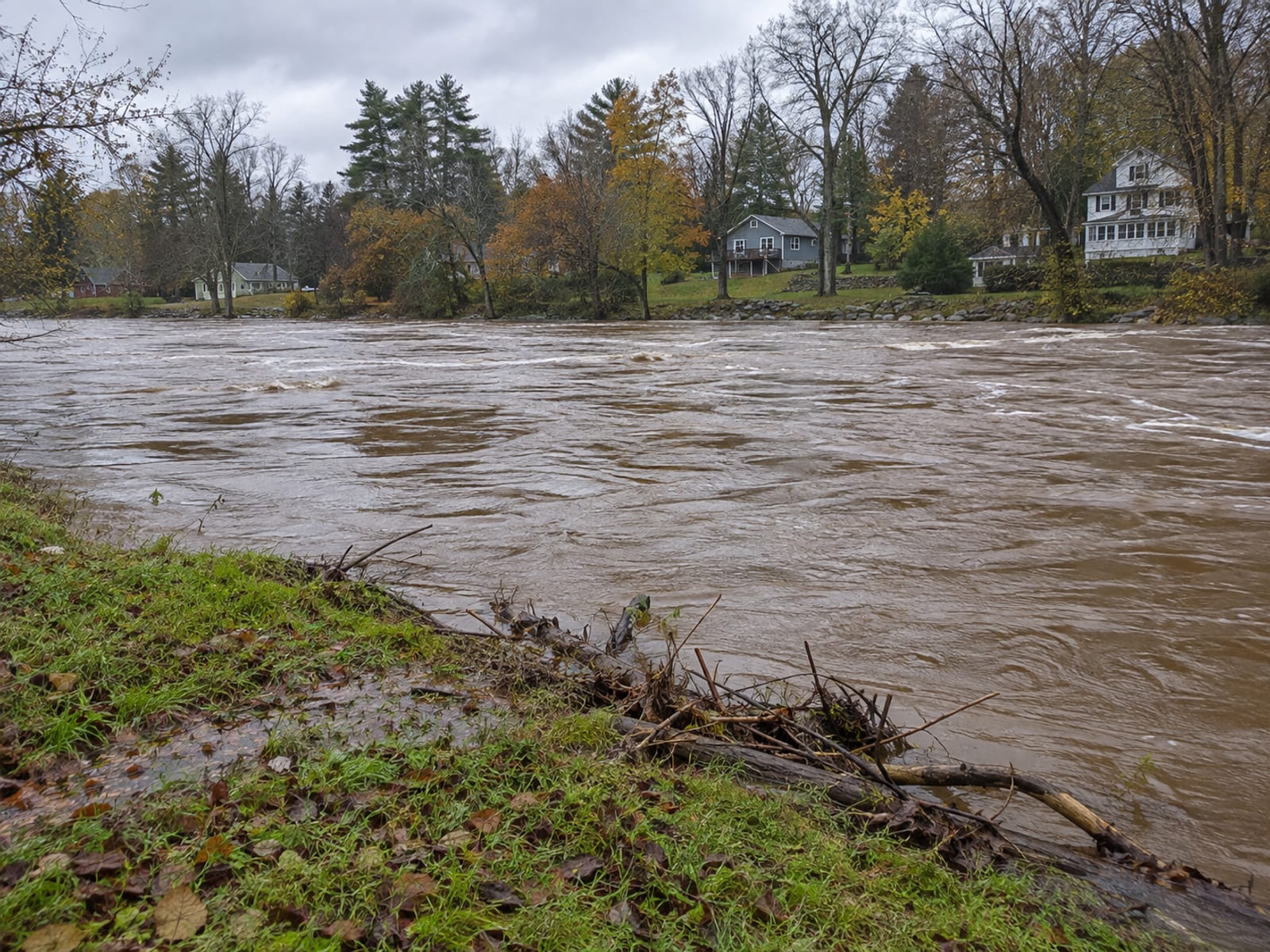
NFIP coverage comes in two parts: building coverage for the structure and its systems, and contents coverage for belongings. You can buy one or both, and a renter can buy contents-only coverage. The general limits, according to FloodSmart (opens in a new tab), are:
Hover or tap a row to highlight it.
| Policy type | Building limit | Contents limit |
|---|---|---|
| Single-family residential building | $250,000 | $100,000 |
| Renter, contents only | Not applicable | $100,000 |
| Non-residential commercial building | $500,000 | $500,000 |
Residential condominium buildings may carry a $250,000-per-unit limit under the condominium form, according to FEMA's NFIP answers brochure (opens in a new tab). Contents are generally settled at actual cash value, while a qualifying principal residence may receive replacement-cost treatment for certain building losses, subject to the policy's requirements.
What is covered in a basement?
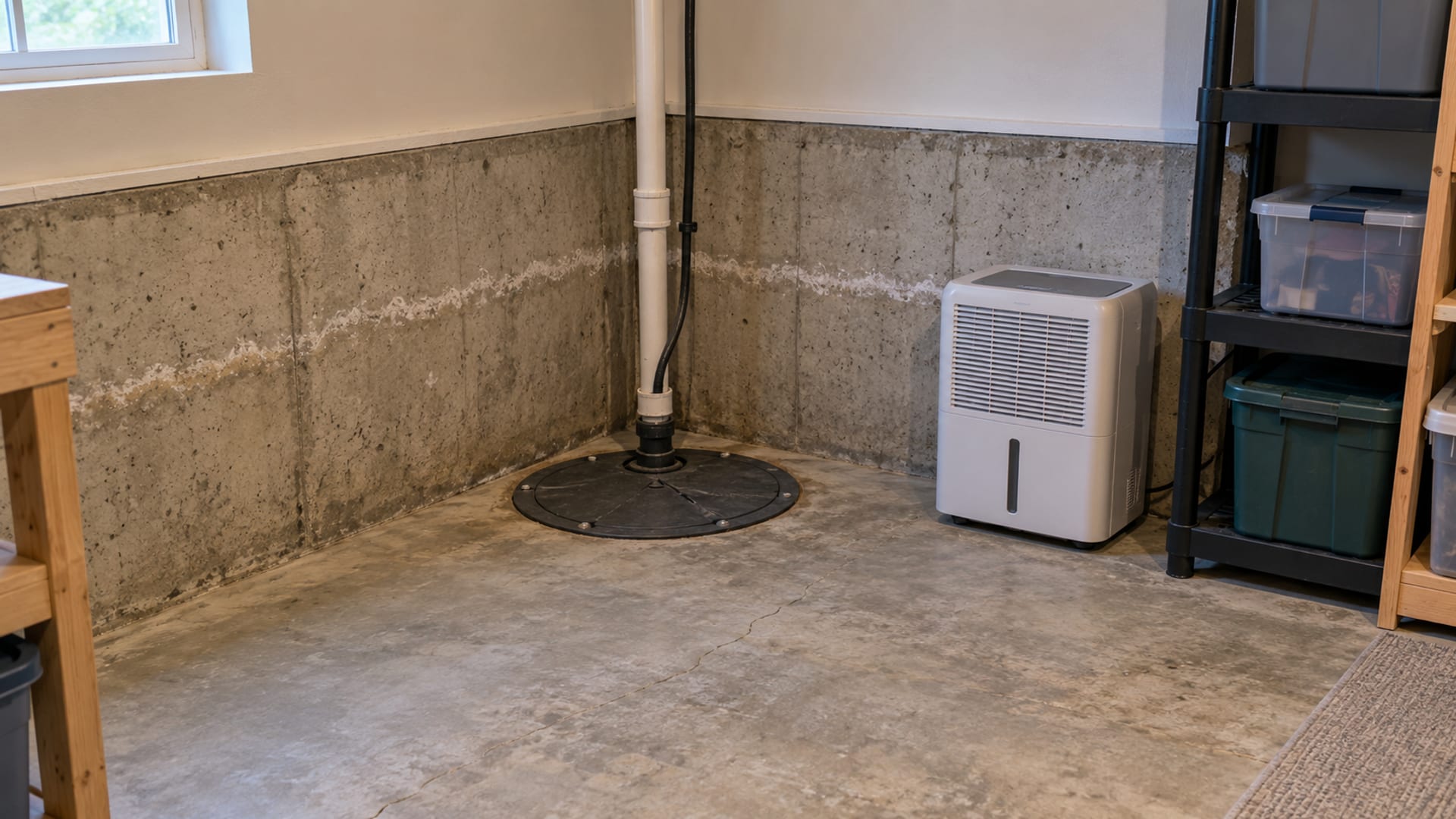
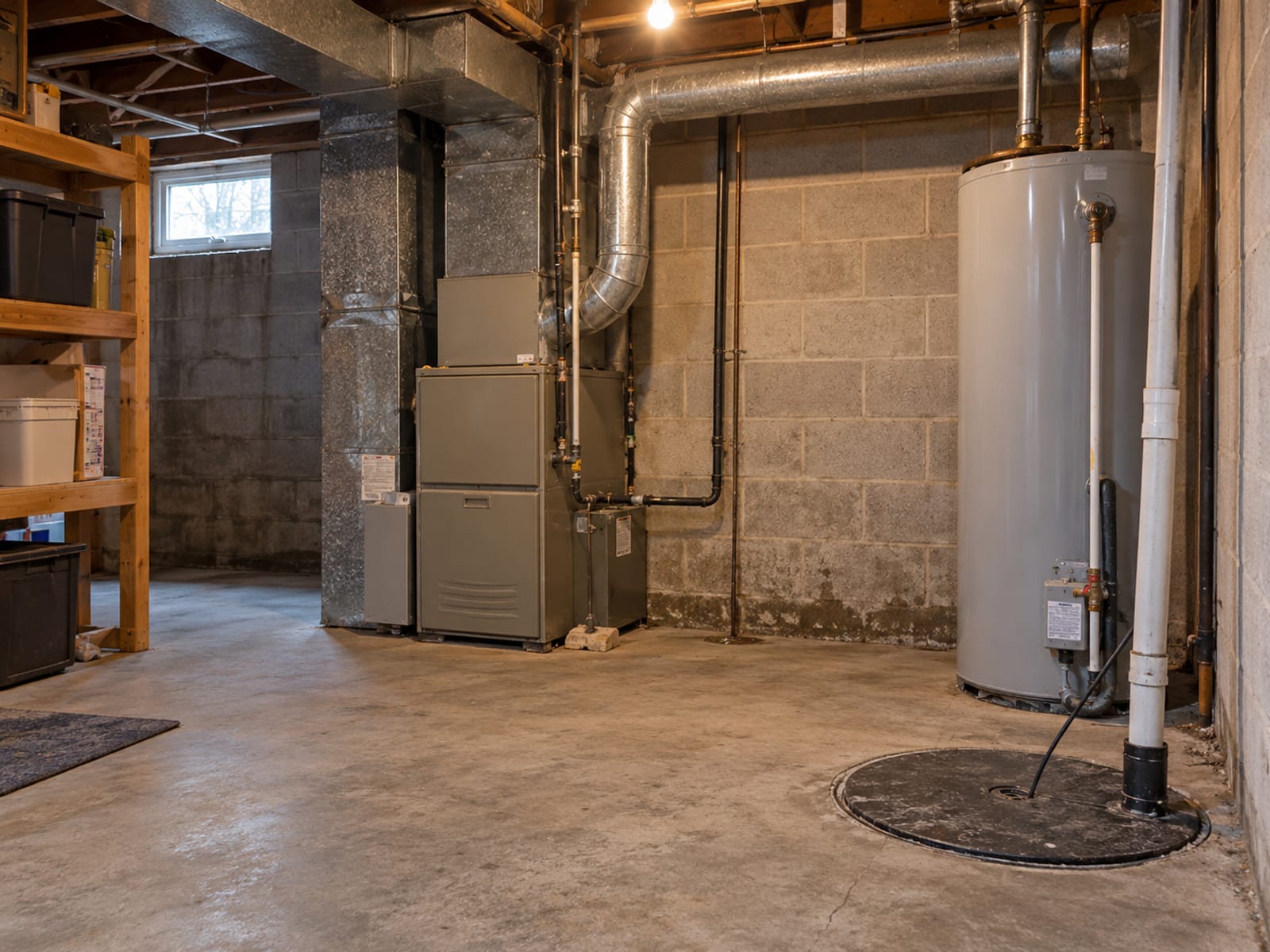
Basement coverage is limited under the NFIP Flood Insurance Manual (opens in a new tab). Building coverage in a basement can include items such as furnaces, water heaters, electrical components, sump pumps, foundation elements and cleanup for covered items. Contents coverage in a basement is limited to listed items such as clothes washers, dryers, food freezers and window air-conditioning units. Finished walls, floors, carpeting, furniture, televisions and many other belongings in a basement are not covered. Ask your agent what a basement loss would pay.
How long does flood coverage take to start?
The usual NFIP waiting period for a new policy, or for an endorsement that adds or increases coverage, is 30 days, according to the NFIP Flood Insurance Manual (opens in a new tab). FEMA lists exceptions:
- A policy bought in connection with making, increasing, extending or renewing a loan secured by the property can take effect at closing, if the application and payment arrive within the required timeframe.
- A building newly mapped into a Special Flood Hazard Area can qualify for a one-day waiting period during a set window after the map revision.
- Certain renewals and policy changes carry no new waiting period.
No policy covers a loss already in progress or damage that happened before the effective date. Because the transaction and its timing control which rule applies, confirm the effective date with your agent or insurer before a storm is in the forecast.
What does flood insurance cost in Massachusetts?
Your premium depends on your property, so the most useful number is a quote for your address. FEMA's Massachusetts Risk Rating 2.0 state profile (opens in a new tab), dated April 2025, gives statewide context:
- 58,500 NFIP policies were in force in Massachusetts.
- About 2.6 million Massachusetts properties had no NFIP policy.
- The average NFIP claim payout in Massachusetts over the prior 10 years was $18,600.
- The average individual assistance payout over the same period was $2,100.
The profile also shows how Risk Rating 2.0 moved premiums for existing policies: 22,599 policies (39%) saw average decreases of $0 to $10 per month, 28,787 (49%) saw increases of $0 to $10 per month, 3,413 (6%) saw increases of $10 to $20 per month, and 3,712 (6%) saw increases above $20 per month. These are statewide distribution figures, not an estimate for any single home.
Risk Rating 2.0 replaced a method that leaned more heavily on flood zone and elevation. It factors in flood frequency, multiple flood types, distance to water, property characteristics, elevation and rebuilding cost, according to the same FEMA profile (opens in a new tab).
Private flood insurance is a smaller market in the state. In 2024, private residential flood coverage accounted for $9,585,779 in direct written premium on 5,266 policies, plus $1,755,108 on 2,274 private flood endorsements, according to the Division's 2024 Massachusetts Market for Home Insurance (opens in a new tab) report. Those figures describe market activity, not an average premium.
What about private flood, excess flood and the FAIR Plan?
The Division of Insurance (opens in a new tab) lists private residential and commercial flood policies, limited flood endorsements and excess residential coverage. Excess flood coverage adds limits above an existing flood policy, which matters when a home's rebuilding cost exceeds the $250,000 NFIP building limit. Private policies and endorsements can differ from the NFIP in covered causes of loss, limits, deductibles, valuation, waiting periods, exclusions and whether your lender accepts them, so request the full policy form before comparing.
The Massachusetts Property Insurance Underwriting Association (MPIUA), also called the Massachusetts FAIR Plan, provides basic property coverage including windstorm or hail for applicants who cannot find it in the voluntary market, and flooding is not covered, according to the Division of Insurance (opens in a new tab). Beginning in 2025, a new FAIR Plan policy for a property in a Special Flood Hazard Area within a Massachusetts Office of Coastal Zone Management community requires a separate flood policy. That flood coverage can come from the NFIP, an admitted insurer or a non-admitted insurer, and proof is due within 30 days of each policy inception, including renewals, according to the MPIUA homeowners manual (opens in a new tab).
MPIUA also applies mandatory percentage windstorm or hail deductibles to applicable homeowners policies in Barnstable, Dukes and Nantucket Counties and for properties within one-half mile of the coast elsewhere in the state, according to its coastal proximity information (opens in a new tab). The policy and its deductible rules control.
How do you file a flood claim?
For an NFIP policy, FloodSmart's claim steps (opens in a new tab) and claims checklist (opens in a new tab) set out the process:
- Report the loss to your flood insurer or agent as soon as possible.
- When it is safe, photograph and video the building inside and out, the water lines, damaged contents, appliances and serial numbers.
- List damaged items with descriptions, quantity, age, value, make, model and serial numbers.
- Keep small samples of damaged carpet, drywall, flooring, insulation or blinds when practical.
- Save repair estimates, invoices, receipts and warranties.
- Separate damaged and undamaged property, and hold damaged items for inspection unless they pose a health risk or local law requires disposal.
- Meet the adjuster and verify their identification and Flood Control Number.
- Submit a signed, sworn proof of loss within 60 days after the loss unless FEMA grants an extension, according to the 2025 NFIP Claims Manual (opens in a new tab).
If the insurer denies the claim, you can appeal to FEMA within 60 days of receiving the denial letter. Private flood policies can use different procedures and deadlines, so follow the instructions in your policy.
Questions to ask before you buy, rent or renew
For your agent or insurer:
- Is this an NFIP policy, a private flood policy, an endorsement or excess flood?
- Does it cover the building, contents or both, and at what limits?
- What is the effective date, and does any waiting-period exception apply?
- Will my lender accept this policy?
- How are building and contents losses valued?
- What basement items are covered?
- Are sewer backup, seepage, sump pump failure, temporary living expenses, debris removal or business income covered?
- What deductibles apply, including any separate wind or named-storm deductible?
- What happens if the policy lapses or is not renewed?
- Is the insurer admitted in Massachusetts or writing through the surplus-lines market?
For your lender: is the loan federally backed, is the building in a Special Flood Hazard Area, and how does the required amount compare with what it would cost to rebuild?
The Division of Insurance can confirm whether an insurer or producer is authorized for the coverage offered and can take complaints. If you want to compare agencies, Riskado's Massachusetts agency directory lists agencies by city and by category, and you can check a producer on the Massachusetts insurance license lookup (opens in a new tab).
Check what you know about Massachusetts flood insurance
Frequently asked questions
Can I buy flood insurance after a storm warning?
You can apply, but an NFIP policy usually takes 30 days to start unless an exception such as a loan closing applies, according to the NFIP Flood Insurance Manual (opens in a new tab). No policy covers a loss already in progress.
How can a renter protect belongings from flood?
Standard renters policies exclude flood, according to the Division of Insurance (opens in a new tab). An NFIP contents-only policy offers up to $100,000 for a renter's belongings, according to FloodSmart (opens in a new tab). Ask your landlord what the building's own policy covers, since it is written for the owner.
Can my lender require more flood coverage than my loan balance?
For one-to-four-unit residential property, no. Under M.G.L. c. 183, § 69 (opens in a new tab), a creditor may not require coverage above the outstanding principal balance at the start of the policy year, may not require contents coverage, and may not require a deductible below $5,000.
Is my home safe from flooding if it is outside a high-risk zone?
A lower-risk zone means no federal lender requirement, not no flooding. Flooding can occur outside mapped high-risk areas, according to the Division of Insurance (opens in a new tab).
How long do I have to appeal a denied NFIP claim?
You can appeal to FEMA within 60 days of receiving the insurer's denial letter, according to the NFIP claims checklist (opens in a new tab).
Where to start
Look up your address on the FEMA map, read your current policy's flood exclusion notice, and check your mortgage paperwork for a flood requirement. With those three things in hand, an agent can quote building and contents coverage for your property, explain the waiting period that applies, and show you how the lender's minimum compares with what you would need to repair or rebuild.
Terms used in this guide
Tap a term to see what it means.
National Flood Insurance Program (NFIP). The federal program that offers flood policies for building and contents coverage.
Special Flood Hazard Area. A high-risk area on a FEMA Flood Insurance Rate Map where federally backed lenders generally must require flood insurance.
Flood Insurance Rate Map (FIRM). FEMA's official map of flood zones for a community.
Waiting period. The time between buying or increasing a flood policy and the date coverage starts, usually 30 days for the NFIP.
Excess flood coverage. Coverage that adds limits above an existing flood policy.
Proof of loss. The signed, sworn statement of the amount claimed after a flood.
MPIUA (Massachusetts FAIR Plan). The Massachusetts Property Insurance Underwriting Association, which provides basic property coverage for applicants who cannot find it in the voluntary market.
Risk Rating 2.0. FEMA's NFIP pricing method that factors in flood frequency, flood types, distance to water, property characteristics, elevation and rebuilding cost.