Georgia Flood Insurance: Finding Your Flood Zone by Address, Coastal and River Flooding, NFIP vs Private Flood and What It Costs
Riskado
Your Georgia property's flood zone comes from the current FEMA flood map, not from whether the area feels coastal or inland. Look up the address in FEMA's Flood Map Service Center (opens in a new tab), then check it against Georgia's own map tools. Standard homeowners and renters policies don't cover flood damage. If the property sits in a high-risk A or V zone and has a federally backed mortgage, flood insurance is a condition of the loan, according to FloodSmart (opens in a new tab). Outside that situation, the decision rests on the flood risk at your address, your lender's terms, the building and what you own. National Flood Insurance Program (NFIP) and private policies differ in limits, coverage and waiting periods.
Key takeaways
- Check the mapYour flood zone comes from the current FEMA flood map for your address, checked against Georgia's map tools.
- Homeowners policies exclude floodStandard homeowners and renters policies don't cover flood damage.
- Lender ruleA home in a high-risk A or V zone with a federally backed mortgage needs flood insurance as a loan condition.
- NFIP limitsUp to $250,000 for a home's building and $100,000 for contents, with a 30-day wait for most new policies.
How do you find a Georgia flood zone by address?
Start with FEMA. Flood Insurance Rate Maps are officially available on FEMA's Map Service Center, according to Georgia's Environmental Protection Division (EPD) (opens in a new tab). Search the address, note the zone, the map panel number, the community and the effective date, and download the panel if your lender or agent asks for it.
Georgia adds two more tools. EPD points property owners to GeorgiaDFIRM, where typing in an address returns a property-specific flood risk snapshot. The Georgia Emergency Management and Homeland Security Agency (GEMA) (opens in a new tab) lists Georgia Flood M.A.P., where all current digital flood maps can be viewed.
Maps change. Georgia develops and updates flood maps countywide for all 159 counties, and it puts communities with flood history, outdated maps or expected development first, according to EPD (opens in a new tab). When a community's map is updated, flood insurance requirements and the cost of a policy may change, according to FloodSmart (opens in a new tab). Use the current effective map, and ask whether a Letter of Map Amendment or Letter of Map Revision applies to the property, rather than relying on an old screenshot.
What do Zones X, A, AE and VE mean?
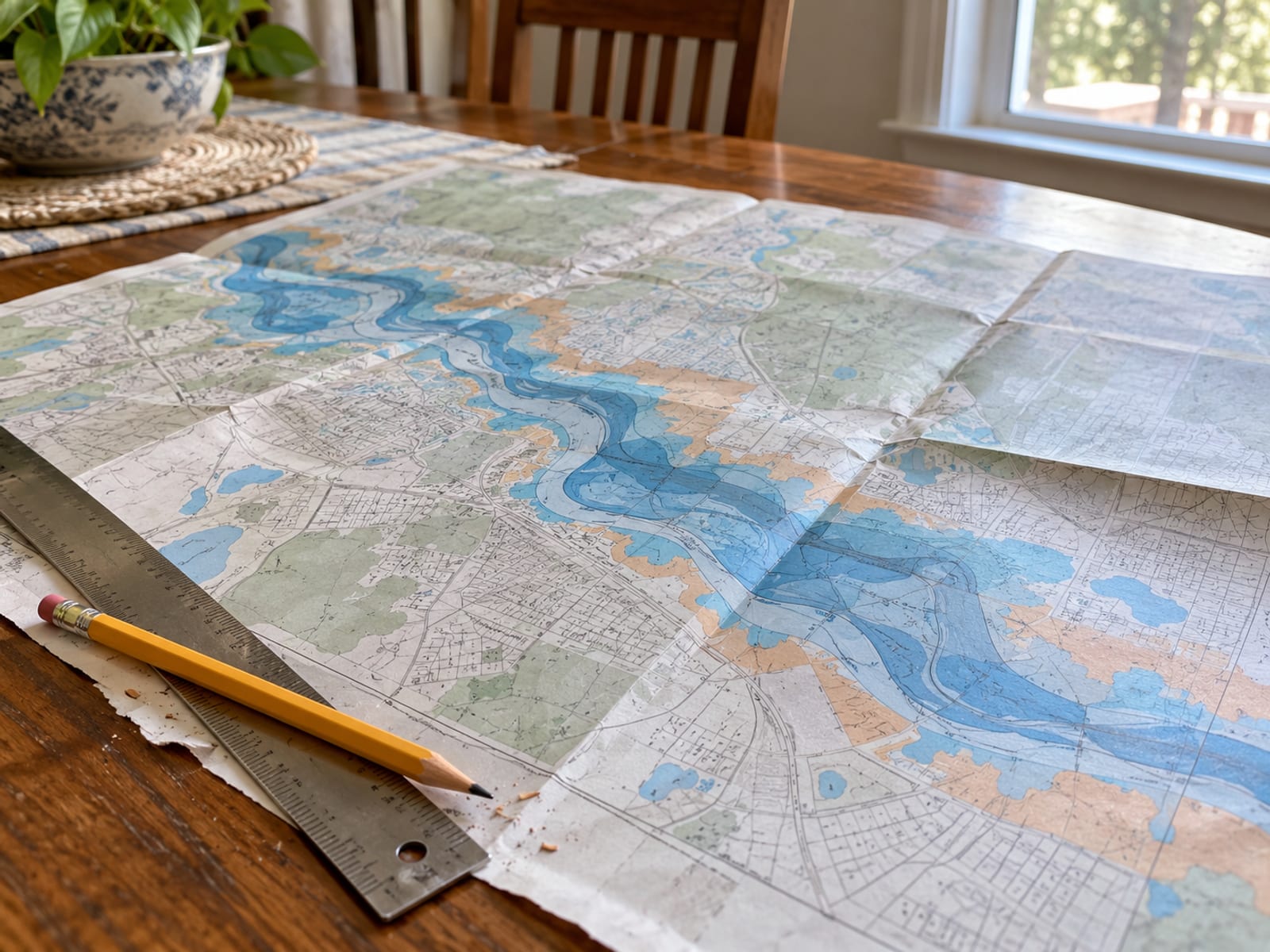
The letters describe mapped flood hazard:
- Zone A is a high-risk area. It is the 1% annual-chance floodplain, generally mapped without a base flood elevation.
- Zone AE is the same high-risk floodplain mapped in detail, with base flood elevations shown on the map, according to FEMA's map technical reference (opens in a new tab).
- Zone VE is a coastal high-risk area. V zones also face storm wave hazards, according to FloodSmart (opens in a new tab).
- Zone X is moderate or low risk. Shaded X marks the 0.2% annual-chance flood hazard area, and unshaded X marks areas of minimal flood hazard.
A and V zones are the Special Flood Hazard Areas, where the federal mortgage requirement applies.
Can a Georgia property outside a high-risk zone still flood?
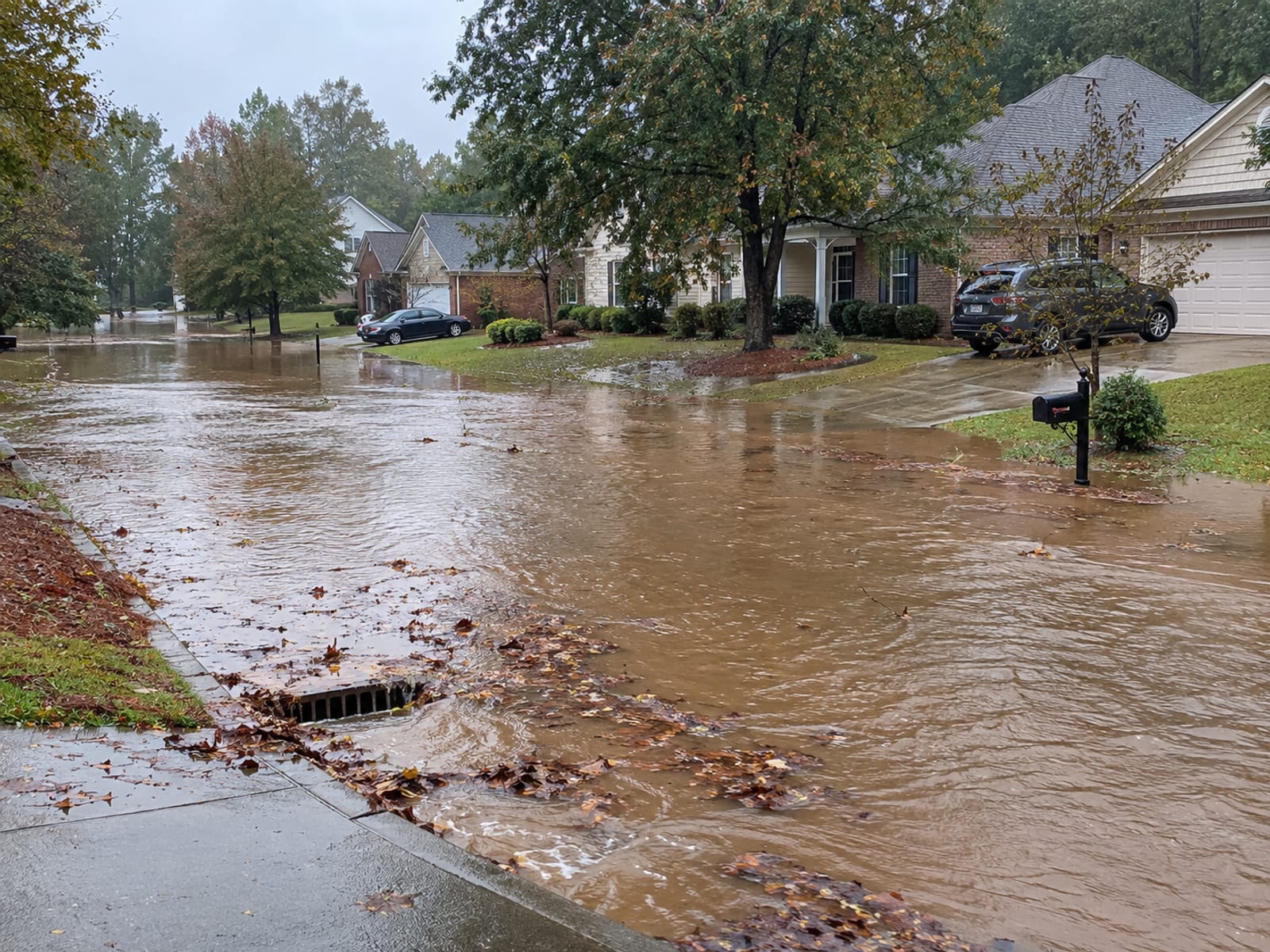
Yes. Every zone carries a flood risk, and 1 in 3 flood insurance claims come from low- and moderate-risk zones, according to FloodSmart (opens in a new tab). A zone label tells you the mapped hazard, not whether water will reach your house.
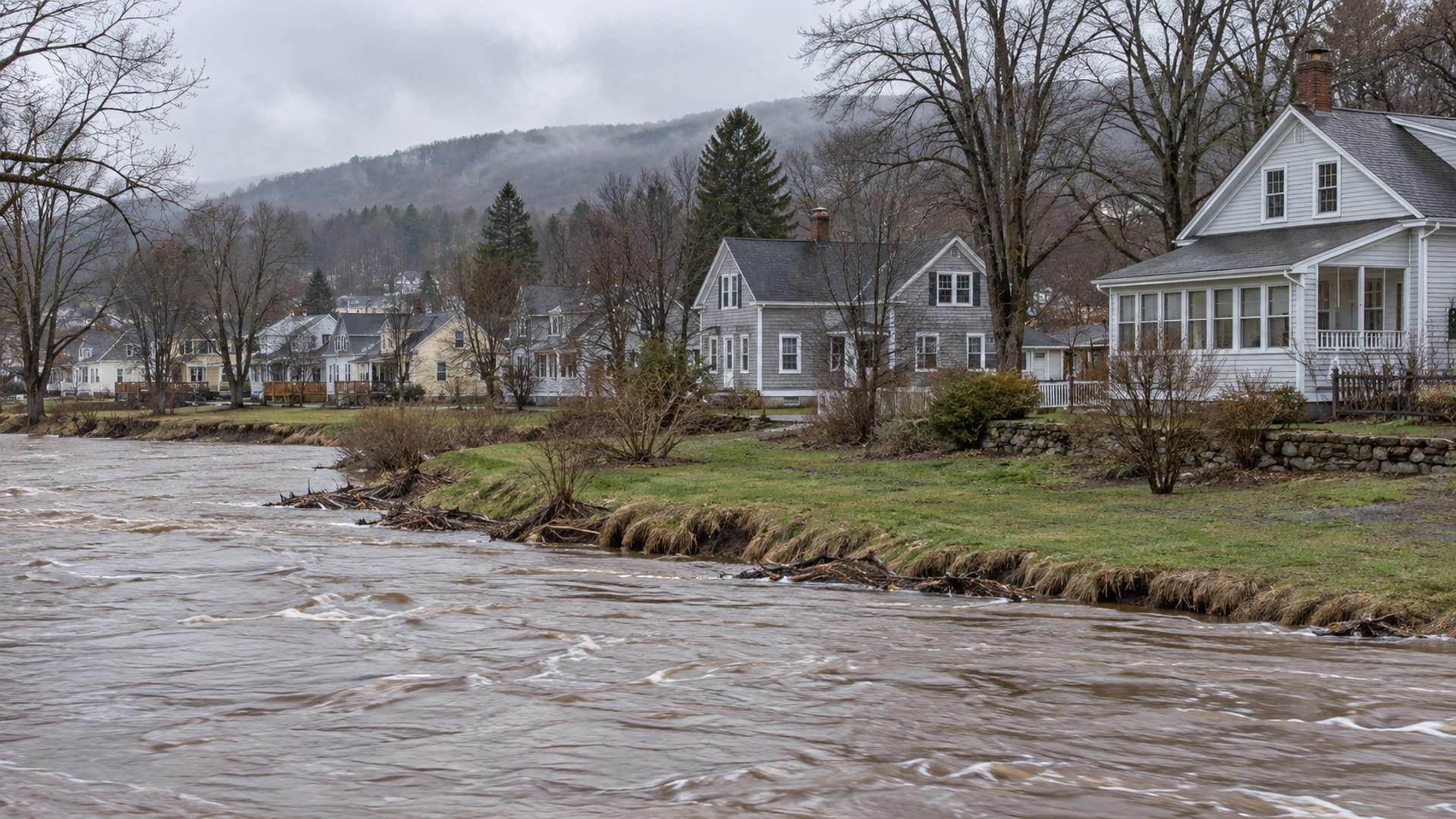
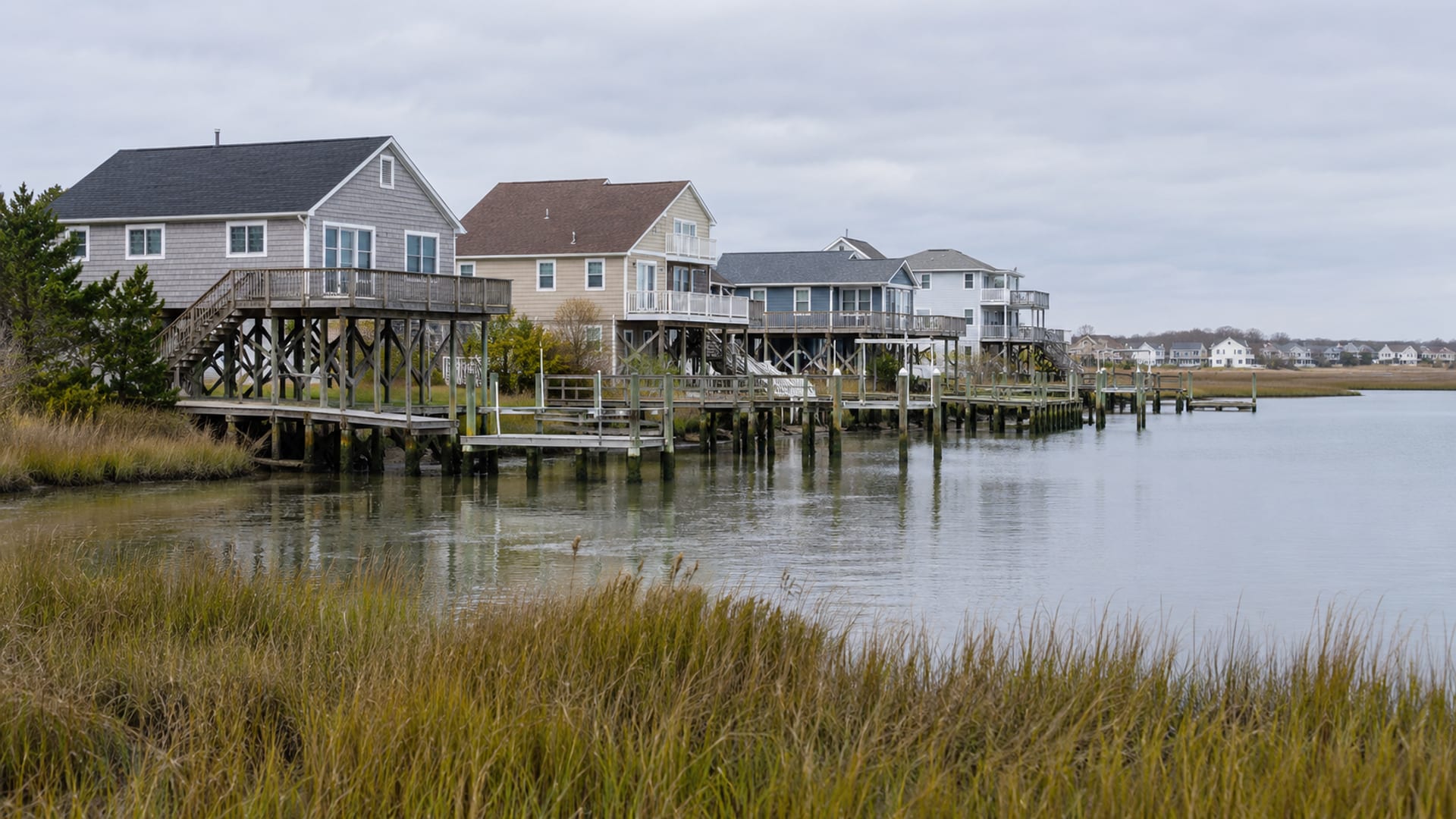
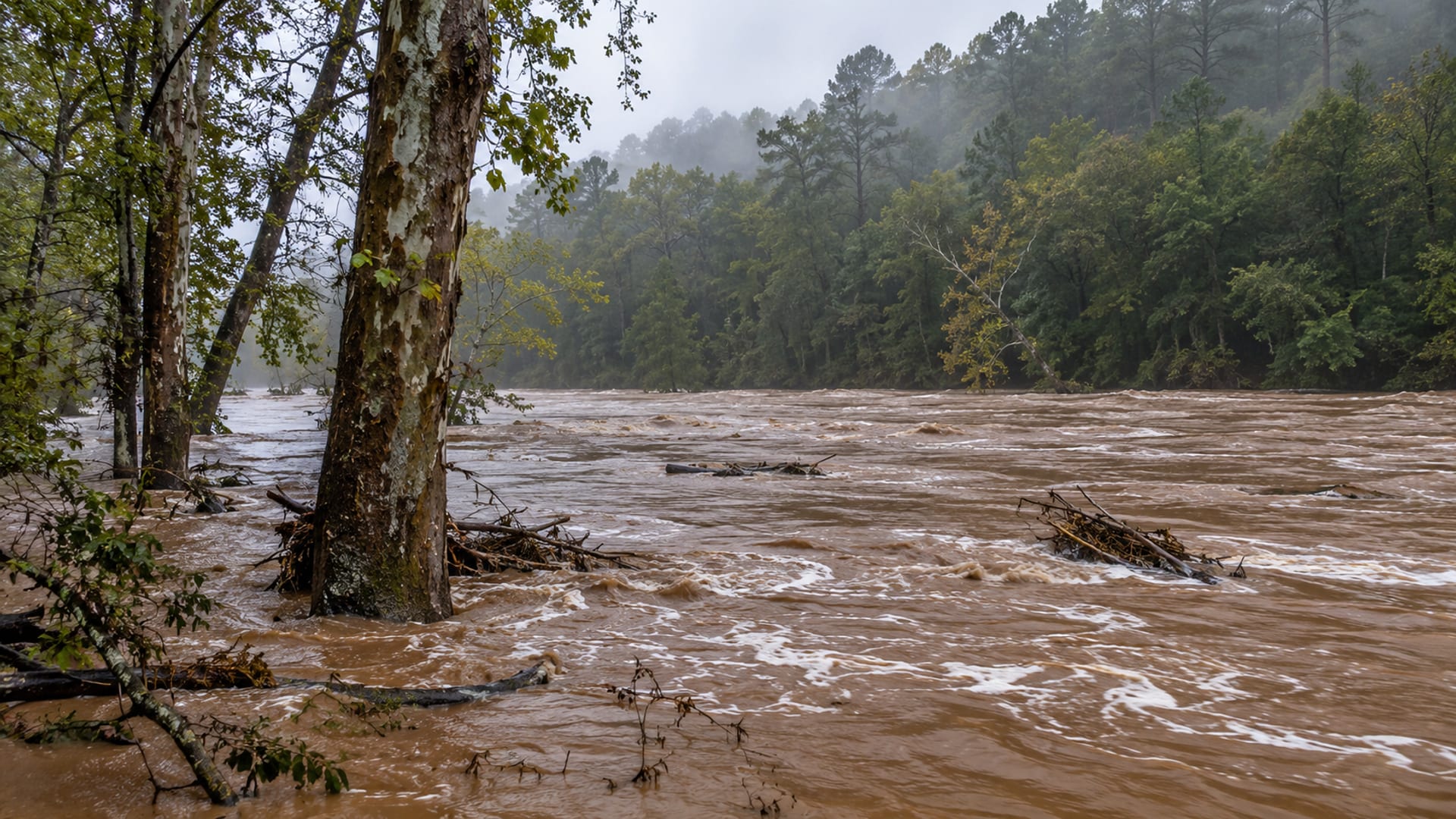
Georgia floods in more than one way. Many communities see flooding after spring rains or heavy thunderstorms, and flash floods can arrive with little or no warning and peak in minutes, according to GEMA (opens in a new tab). Communities in low-lying areas, near water or downstream from a dam face more risk. Along the coast, near Savannah, Tybee Island and Brunswick, storm surge, tides and waves drive flooding, while inland homes face river overflow along the Chattahoochee, Flint, Savannah, Altamaha and Ogeechee and creek and drainage flooding in places like metro Atlanta. If you aren't sure of your area's risk, GEMA suggests calling your local emergency management agency.
Does homeowners or renters insurance cover flood?
Property insurance doesn't typically cover flood damage, according to GEMA (opens in a new tab). A homeowners policy can cover other water losses, such as a burst pipe, a bathtub overflow or a roof leak that isn't from poor maintenance, according to the NAIC (opens in a new tab). Water backing up from an outside sewer typically needs a rider. Flood coverage handles overflowing inland or tidal waters. Because flood and sewer backup are different causes of loss, check both your homeowners endorsements and a flood policy. Our article on whether homeowners insurance covers water damage walks through the difference.
When is flood insurance required in Georgia?
Property owners in high-risk zones with federally backed mortgages must buy flood insurance as a condition of the loan, according to FloodSmart (opens in a new tab). A lender can set broader terms than that federal minimum, so read the loan documents and ask the lender for its flood requirements in writing.
Mapped risk, lender requirements and your own decision are three separate questions. A Zone X home with no mortgage requirement can still choose to buy coverage, and FloodSmart strongly recommends it even without a required mortgage.
What does NFIP flood insurance cover?
The NFIP splits coverage into building and contents, each bought and deducted separately. According to FloodSmart (opens in a new tab), the limits are:
- Up to $250,000 for a home's building coverage.
- Up to $100,000 for a homeowner's contents.
- Up to $100,000 for a renter's contents.
- Up to $500,000 each for a business's building and contents.
Building coverage can include the foundation, electrical and plumbing systems, furnaces, water heaters, built-in appliances, permanently installed carpeting, cabinets and certain detached garages, according to FloodSmart's coverage guide for agents (opens in a new tab). Contents coverage can include clothing, furniture, electronics, curtains, washers and dryers.
Key exclusions, according to FloodSmart (opens in a new tab):
- Personal property kept in basements.
- Property outside the insured building, such as landscaping, septic systems, decks, patios, fences and pools.
- Cars and most self-propelled vehicles.
- Currency, precious metals, stock certificates and similar papers.
- Temporary housing and additional living expenses during repairs.
- Business interruption losses.
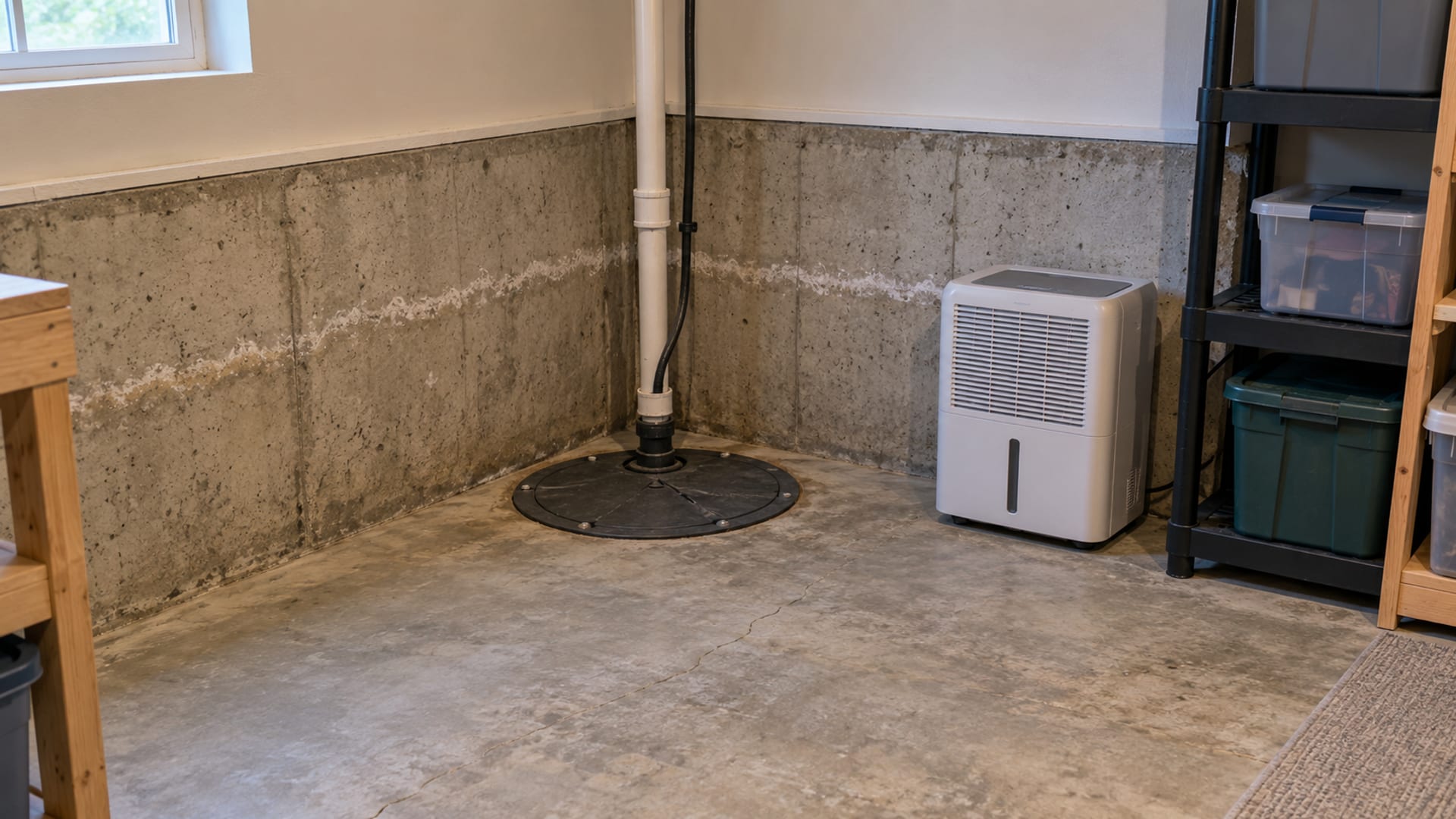
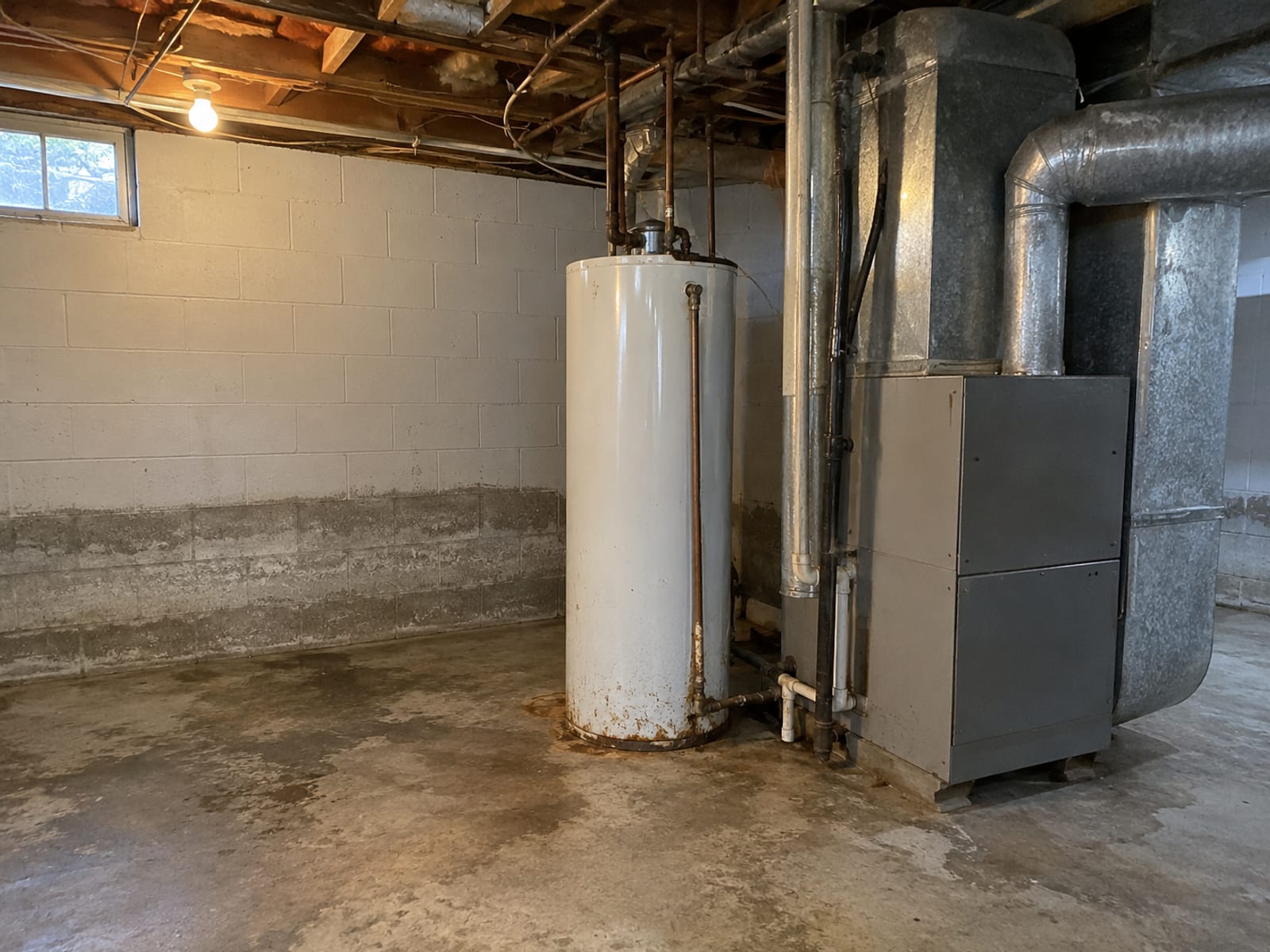
Basement coverage is narrow. Finished walls, floors, furniture and most belongings in a basement aren't covered, while certain installed equipment can be, according to FloodSmart's basement article (opens in a new tab). Ask your agent what the policy treats as a basement in your home.
How long is the NFIP waiting period?
NFIP coverage starts 30 days after purchase, according to FloodSmart (opens in a new tab). The exceptions are:
- No wait when the policy is bought with a mortgage being made, increased, extended or renewed.
- No wait when coverage changes at renewal.
- A one-day wait when FEMA newly maps the property into a high-risk zone and you buy within 12 months of that update.
- A one-day wait for flooding caused or worsened by a wildfire on federal land, bought within 60 days of containment.
A policy bought as a storm approaches won't cover that storm. NFIP policies run one year, and coverage continues for 30 days after expiration, but a claim in that grace period is paid only if you renew and pay in full by the end of it.
Hover or tap a row to highlight it.
| Item | Figure |
|---|---|
| Residential building coverage | Up to $250,000 |
| Homeowner or renter contents coverage | Up to $100,000 |
| Business building and contents coverage | Up to $500,000 each |
| Standard waiting period | 30 days, with listed exceptions |
| Policy term | One year |
| Renewal grace period | 30 days, if renewed and paid in full |
| Proof of loss and documentation | Within 60 days of the flood, unless your insurer gives another timeframe |
| Appeal to FEMA after a denial | Within 60 calendar days of the denial letter |
How does private flood insurance differ from the NFIP?
Private insurers may have higher limits or broader coverage than NFIP policies, according to the NAIC (opens in a new tab), and both NFIP and some private flood policies have a 30-day waiting period unless the policy is bought with a newly purchased home. A private policy can differ on replacement cost or actual cash value, other structures, temporary living costs, basements, deductibles, renewal terms and cancellation.
You can buy NFIP coverage through FEMA's NFIP Direct or a participating Write Your Own insurer (opens in a new tab), and FloodSmart's provider locator (opens in a new tab) lets you filter for Georgia. Private flood coverage has to come through an insurer or agency able to write it in Georgia. Ask an agent to put an NFIP quote and a private quote side by side and point out each exclusion and limit that differs.
What does flood insurance cost in Georgia?
Your premium depends on your property, not a Georgia average. FEMA prices NFIP policies under Risk Rating 2.0, which applies to new policies effective on or after October 1, 2021, according to FloodSmart's pricing page (opens in a new tab). The factors include distance to a water source, the building's first-floor height, building type and location, the cost to rebuild, your building and contents deductibles and mitigation such as elevating machinery and equipment, adding flood openings or elevating the building, according to FloodSmart (opens in a new tab).
So, a zone letter alone doesn't set the price. Two houses in the same zone can pay very different premiums. An agent needs the address, construction details, foundation, first-floor height and the coverage amounts you want to produce a quote.
Can renters buy flood insurance?
Yes. NFIP renters coverage insures your belongings inside the rented home, up to $100,000, according to FloodSmart (opens in a new tab). Your landlord's policy covers the building or the landlord's interests, not your furniture, clothes or electronics. Ask how the policy handles belongings in a basement, whether it pays replacement cost or actual cash value, and whether temporary relocation is covered. Our article on Georgia renters insurance covers the rest of a renter's policy.
How do you file a flood claim?
Once it's safe, report the loss to your flood insurer or agent right away. Your insurer will assign an adjuster to contact you within 48 hours of the report, according to FloodSmart's claims checklist (opens in a new tab).
- Photograph and film the damage inside and out from several angles, including the waterline.
- Record the make, model and serial number of damaged appliances and electronics.
- List each damaged item with its value and replacement cost, and keep receipts and estimates.
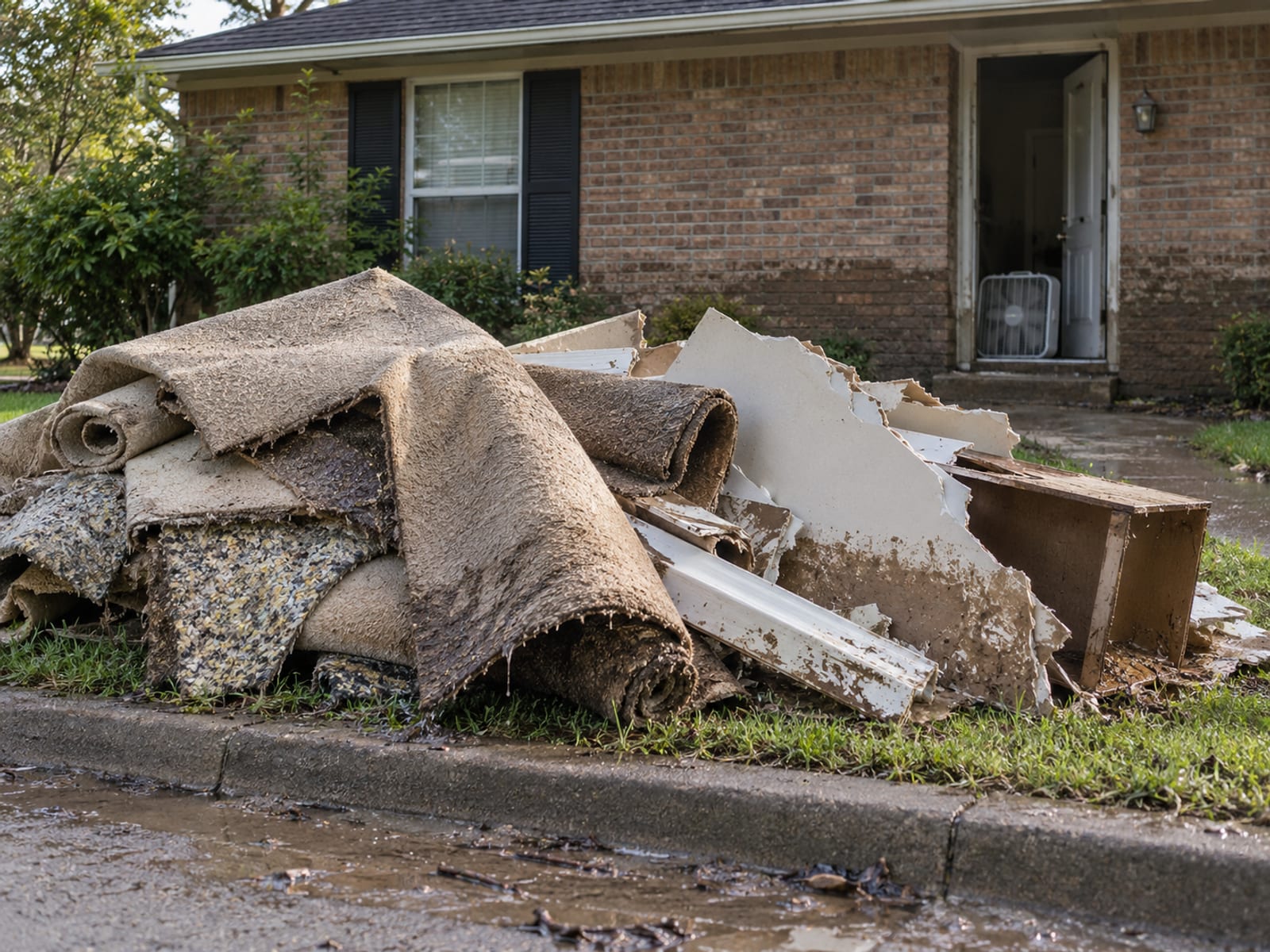
- Keep damaged items until the adjuster sees them, unless they're a health hazard or local law requires disposal.
- Keep samples of damaged flooring, carpet or walls if you have to tear them out, as FloodSmart's documentation page (opens in a new tab) describes.
- Review the adjuster's estimate for anything missing.
- Submit the required documentation and proof of loss within 60 days of the flood, or within the time your adjuster or insurer gives you.
If the claim is denied, you can appeal to FEMA within 60 calendar days of the date on the denial letter, according to FloodSmart's appeal page (opens in a new tab).
After a flood: the NFIP claim steps
- Right awayReport the loss to your flood insurer or agent once it's safe.
- Within 48 hours of the reportYour insurer assigns an adjuster to contact you.
- Before cleanupPhotograph and film the damage, record serial numbers and keep samples of torn-out materials.
- Within 60 days of the floodSubmit the documentation and proof of loss, or meet the timeframe your adjuster gives.
- Within 60 days of a denial letterFile an appeal with FEMA.
What help is available after a Georgia flood?
FEMA disaster assistance requires a presidential disaster declaration, which many flood events don't receive, and it isn't intended to restore a property to its pre-flood state, according to FloodSmart's guide to disaster assistance and flood insurance (opens in a new tab). A flood policy pays on its own terms, with or without a declaration.
For prevention, GEMA administers Flood Mitigation Assistance (opens in a new tab), which funds eligible mitigation projects through states and communities. Eligibility generally requires NFIP participation in good standing and an approved hazard mitigation plan.
How do you check a Georgia agency and file a complaint?
Use the Georgia insurance license lookup (opens in a new tab) to confirm an agent, agency or company is licensed in Georgia before you discuss a flood policy. A license confirms licensing, not that the agency writes every type of flood product, so ask.
If a dispute with an insurer or agent won't resolve, contact Georgia OCI's Consumer Services Division, which answers insurance questions and helps resolve disputes, and file a complaint through OCI's insurance resources page (opens in a new tab). Keep the policy, declarations page, emails, claim letters, estimates, any denial letter and a log of each contact. Riskado's directory lists insurance agencies across Georgia by city and by category.
Check what you know about Georgia flood insurance
Questions to ask your agent
- What zone, panel and effective date does the current FEMA map show for this address?
- Does a Letter of Map Amendment or Letter of Map Revision apply?
- Does my lender require flood insurance, and what are its written terms?
- Is this an NFIP or a private policy?
- What are the separate building and contents limits and deductibles?
- Does the policy pay replacement cost or actual cash value for each coverage?
- How are basements, crawlspaces, detached structures and outdoor property treated?
- Are temporary housing or business interruption covered?
- What waiting period applies, and does an exception fit this purchase?
- What property details do you need for the quote?
- How do I report a claim, and what proof-of-loss deadline applies?
- How do renewals, map changes and a lapse affect the policy?
Frequently asked questions
Does Zone X mean my house won't flood?
No. Every zone carries a flood risk, and 1 in 3 flood claims come from low- and moderate-risk zones, according to FloodSmart (opens in a new tab). Coverage is optional there unless your lender requires it.
Can I buy flood insurance right before a hurricane?
You can buy it, but the NFIP's standard 30-day waiting period means it won't cover a storm that arrives first, according to FloodSmart (opens in a new tab). The exceptions include a policy bought with a new, increased, extended or renewed mortgage.
Does flood insurance pay for a hotel while my home is repaired?
NFIP policies don't cover temporary housing or additional living expenses, according to FloodSmart (opens in a new tab). Some private flood policies offer loss-of-use coverage, so ask when you compare quotes.
Does the Georgia FAIR Plan cover flood?
No. The Georgia Underwriting Association's homeowners form excludes flood and storm surge, so a FAIR Plan policyholder needs a separate flood policy. Our article on the Georgia FAIR Plan explains what that coverage includes.
Start with the address
Look up the property on FEMA's map and GeorgiaDFIRM, write down the zone and effective date, and ask your lender for its written flood terms. Then get an NFIP quote and a private quote at least 30 days before you need coverage, and keep both policies' exclusion pages side by side when you choose.
Key terms
Tap a term to see what it means.
Flood Insurance Rate Map (FIRM). FEMA's official map of flood zones for a community.
Special Flood Hazard Area. The high-risk A and V zones, where the federal mortgage requirement applies.
Base flood elevation. The height floodwater is expected to reach in a 1% annual-chance flood, shown on detailed maps.
Letter of Map Amendment or Revision. A FEMA document that changes how the map applies to a property or area.
NFIP. The National Flood Insurance Program, FEMA's flood insurance program.
Risk Rating 2.0. FEMA's method for pricing NFIP policies based on each property's flood risk.
Proof of loss. A sworn statement of the amount you're claiming, with supporting documents.
Write Your Own insurer. A private insurance company that sells and services NFIP policies.