Florida Flood Insurance: What It Costs by Zone, the 30-Day Wait, NFIP vs Private Policies and the Citizens Flood Requirement
Riskado
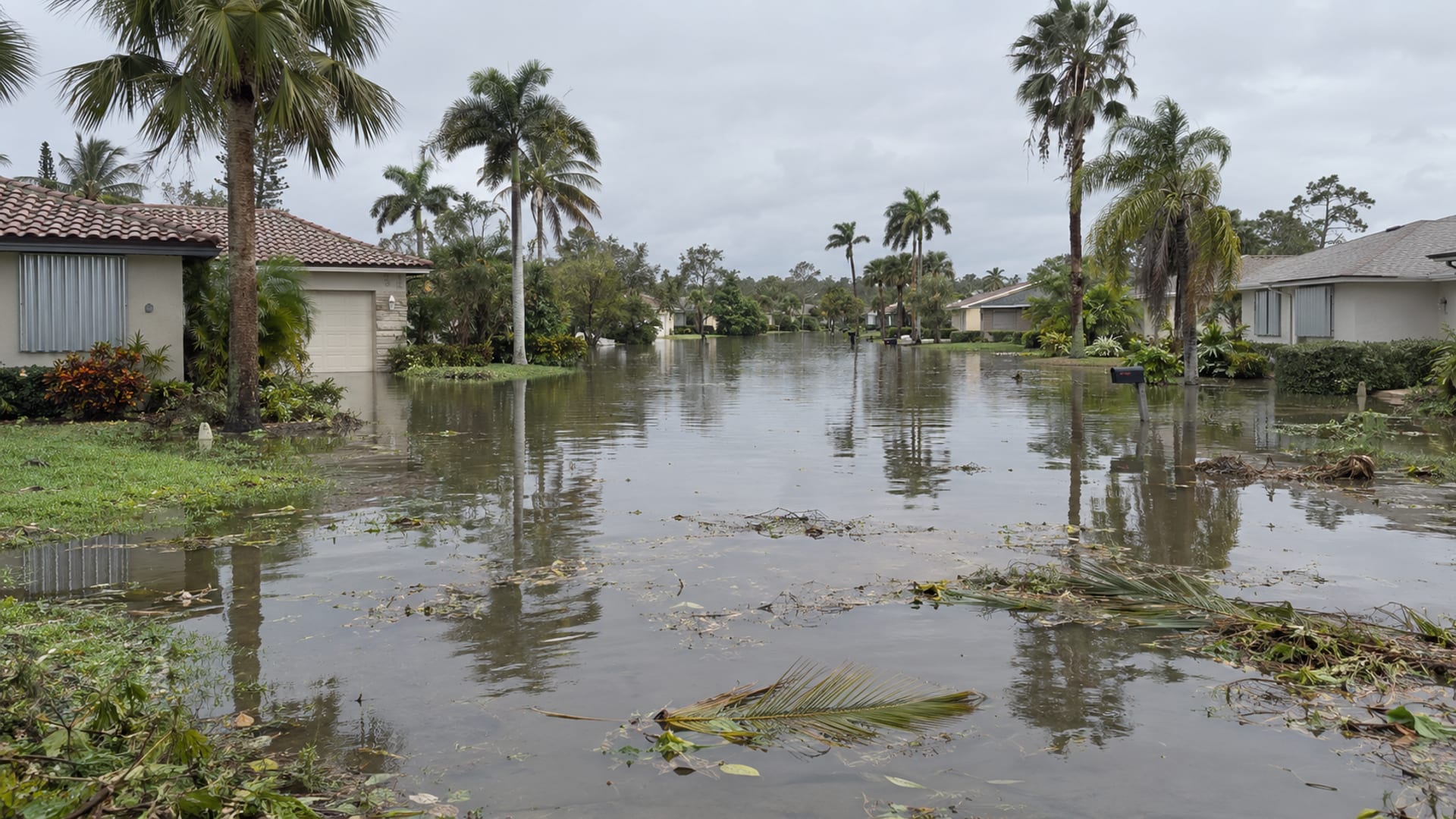
Florida law doesn't require every homeowner to buy flood insurance, but a lender can, and so can Citizens Property Insurance Corporation. A federally regulated or insured mortgage on a building in a high-risk Special Flood Hazard Area triggers a federal purchase requirement. Citizens has its own rule that phases in by home value and reaches all personal lines residential properties on January 1, 2027, except policies without wind coverage and condominium unit-owner policies, under Fla. Stat. § 627.351(6)(aa) (opens in a new tab). A National Flood Insurance Program (NFIP) home policy covers up to $250,000 for the building and $100,000 for contents, and coverage normally starts 30 days after you buy it, according to FloodSmart (opens in a new tab). Your price depends on the property, not just the zone.
Key takeaways
- State lawFlorida law doesn't require homeowners to buy flood insurance, but a lender or Citizens can.
- Lender ruleA federally regulated or insured mortgage on a building in a high-risk A or V zone requires flood insurance.
- CitizensFlood coverage phases in by home value and reaches all personal lines residential properties on January 1, 2027, with two exemptions.
- NFIP limitsUp to $250,000 for a home's building and $100,000 for contents, with a 30-day wait for most new policies.
Is flood insurance required in Florida?
For most homeowners, the requirement comes from a contract or an insurer, not from state law. Florida law doesn't require homeowners to have flood insurance, though a lender may, according to the Florida Insurance Consumer Advocate (opens in a new tab).
The federal rule applies by flood zone. In communities that take part in the NFIP, owners of buildings in high-risk areas who hold mortgages from federally regulated or insured lenders must buy flood insurance, according to FEMA's guide to reading a flood map (opens in a new tab). A property outside those zones can still flood, and a lender, Citizens, a lease or a condominium association can still require coverage there.
Citizens is the other common trigger. If your home insurance is with Citizens, flood coverage is a condition of keeping it on most personal lines residential policies, and the details are below. Read any letter from your lender or Citizens closely, because it names the coverage amount and the deadline you have to meet.
What does flood insurance cost in Florida?
An NFIP premium is unique to your property. It's based on where the building sits, how it's built and the coverage you buy, according to FloodSmart's premium page (opens in a new tab). FEMA's current pricing method, Risk Rating 2.0, looks at factors including:
- Distance to flooding sources, such as the ocean, a river or a lake.
- Ground elevation compared with nearby land and flood sources.
- The building's foundation type, first-floor height and number of floors.
- Construction type, flood openings and where machinery and equipment sit.
- The building's replacement cost.
- The building and contents limits you choose, and your deductibles.
Because so much of the price comes from the building itself, there's no single statewide flood insurance price that fits an individual home. The fastest way to a real number is a quote for your address, with your elevation details if you have them.
Does your flood zone change the price?
The zone still matters, but it isn't the whole price. Two homes in the same zone can pay different premiums because their elevation, construction, replacement cost, coverage and deductibles differ.
FEMA's flood maps sort land by flood hazard. Special Flood Hazard Areas are high-risk areas shown as zones beginning with A or V, such as AE or VE, and the federal mortgage requirement applies there. Moderate- to low-risk areas are shown as zones beginning with B, C or X, according to FEMA (opens in a new tab). Flooding still happens outside the high-risk zones: about 25% of flood claims come from low-risk areas, according to the Florida Insurance Consumer Advocate (opens in a new tab).
To find your zone, search your address on FEMA's Flood Map Service Center (opens in a new tab). Note the zone, the map panel and its effective date. Maps change, and when your community's map is revised, your lender's requirement and your price can change with it.
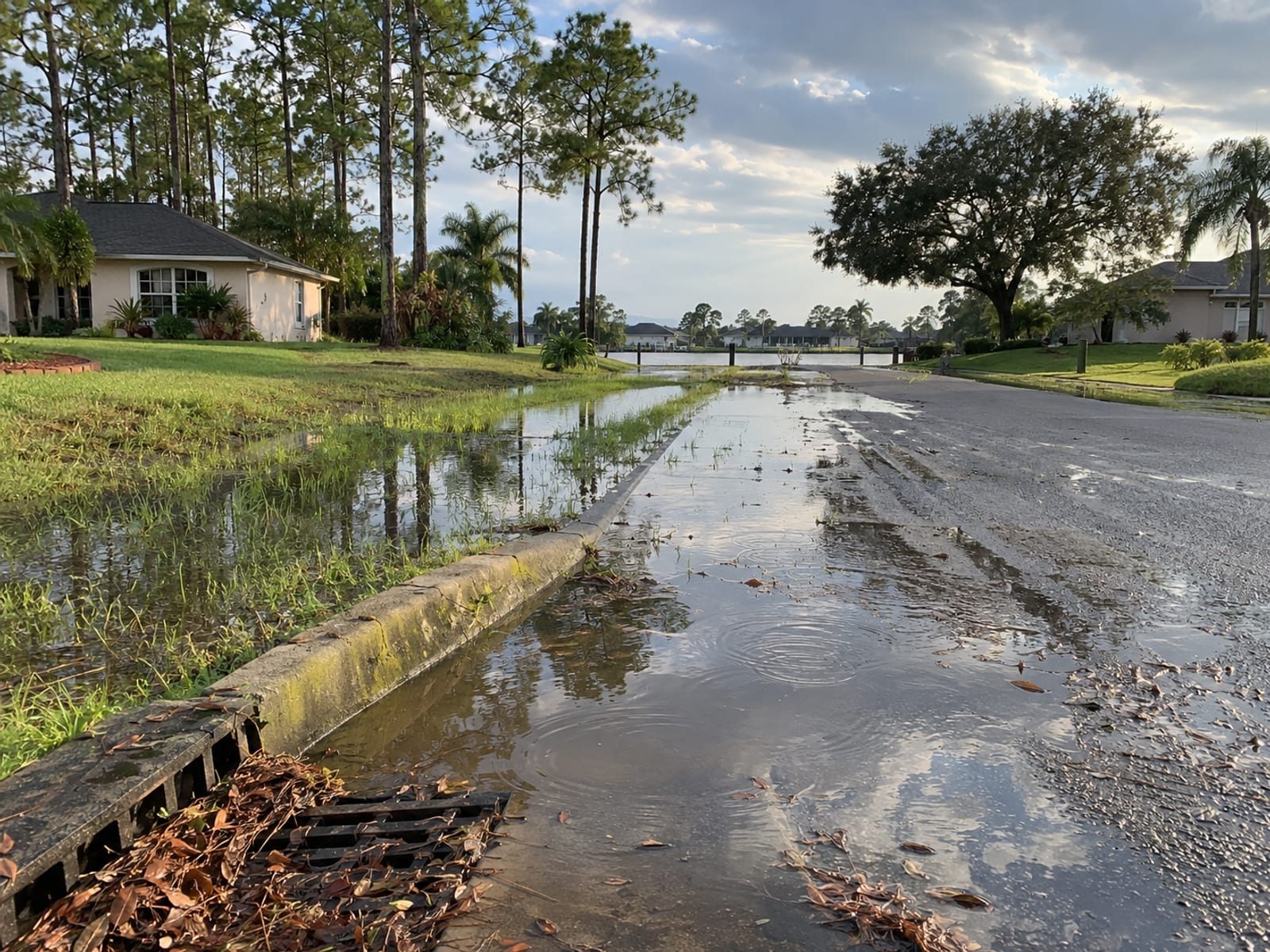
What does NFIP flood insurance cover?
NFIP policies cover direct physical damage from flooding to your building and your belongings, and the two are bought separately. Contents coverage isn't automatic. Each has its own limit and deductible, according to FloodSmart (opens in a new tab):
- Homeowners, including condominium and townhouse owners: building coverage up to $250,000 and contents coverage up to $100,000.
- Renters: contents coverage for the things you own inside your home.
- Businesses: up to $500,000 for the building and up to $500,000 for contents.
Building coverage includes electrical and plumbing systems, furnaces, water heaters, built-in appliances, permanently installed carpeting, cabinets, foundation walls and staircases. Contents coverage includes clothing, furniture, electronics, curtains, washers and dryers, portable air conditioners and microwaves. Original artwork, furs and similar items are covered up to $2,500.
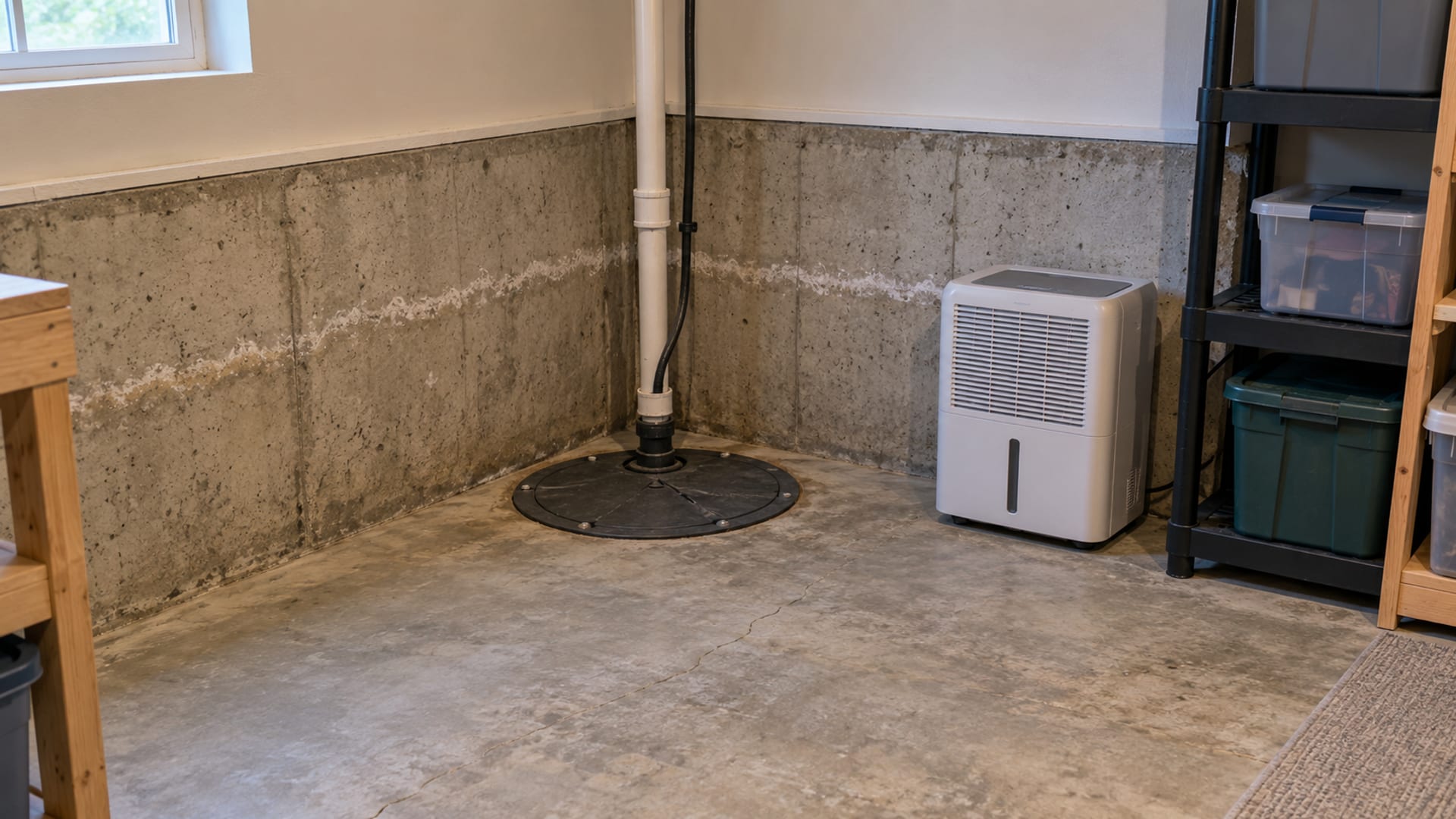
The limits matter most below ground and outside the main living area. Coverage in a basement, meaning any area with its floor below ground level on all sides, is limited, and finished-basement improvements and many personal items below the lowest elevated floor are restricted or excluded, according to FEMA's NFIP answer book (opens in a new tab). A detached garage has limited coverage that can count against the building limit. Vehicles, temporary living expenses, financial losses and most outdoor property are excluded or limited, so ask what your policy does with each.
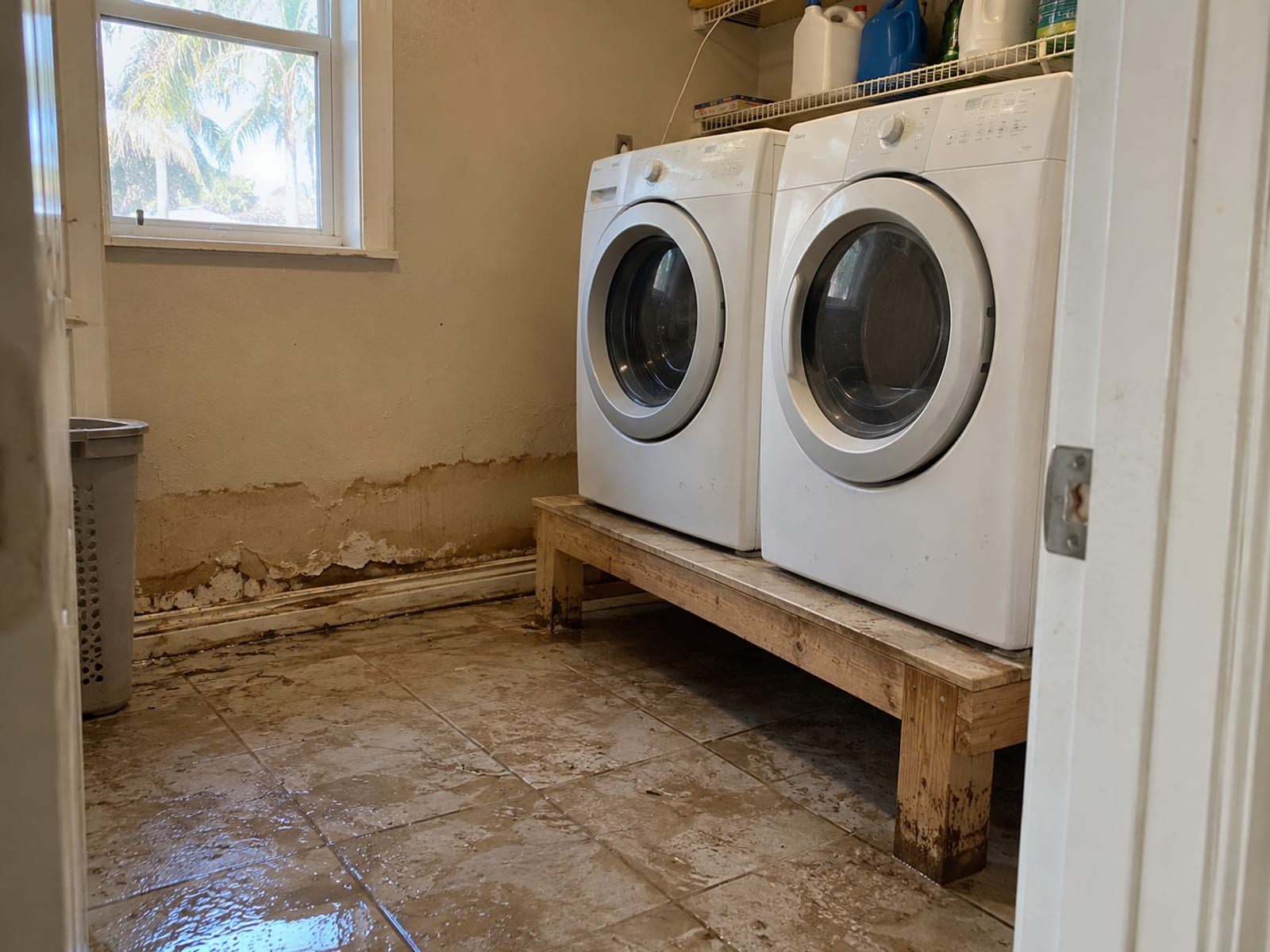
How does the 30-day waiting period work?
NFIP coverage goes into effect 30 days after the date you buy it. FloodSmart (opens in a new tab) lists four exceptions:
- No wait if you buy flood insurance while making, increasing, extending or renewing a mortgage.
- No wait if you change your coverage while renewing your policy.
- A one-day wait if your property is newly mapped into a high-risk zone and you buy within 12 months of the map change.
- A one-day wait if flooding is caused or made worse by a wildfire on federal land and you buy within 60 days of the fire's containment.
A forecast doesn't create an exception. A named storm, an evacuation order or a hurricane warning leaves the 30-day clock in place, so a policy bought once a storm is on the way may not start in time to cover it.
An NFIP policy lasts one year. If it expires, coverage continues for a 30-day grace period, and claims in that window are honored as long as you renew and pay the full premium by the end of it, according to FloodSmart.
Hover or tap a row to highlight it.
| Item | Figure |
|---|---|
| Home building coverage | Up to $250,000 |
| Home contents coverage | Up to $100,000 |
| Business building coverage | Up to $500,000 |
| Business contents coverage | Up to $500,000 |
| Normal waiting period | 30 days |
| New high-risk map or federal-land wildfire exception | 1 day |
| Proof of loss | Within 60 days after the flood |
| FEMA appeal | Within 60 days of the denial letter |
What does Citizens require?
Citizens doesn't sell flood insurance. You buy it from another insurer, and you sign a form confirming that without that flood coverage, the property won't be eligible for Citizens. The schedule comes from § 627.351(6)(aa) (opens in a new tab).
If the property is in a Special Flood Hazard Area, flood coverage was required at issuance for new Citizens policies issued on or after April 1, 2023, and by renewal for policies renewing on or after July 1, 2023.
Outside that area, the requirement phases in by the dwelling's replacement cost for policies effective on or after each date:
Hover or tap a row to highlight it.
| Effective date | Dwelling replacement cost |
|---|---|
| January 1, 2024 | $600,000 or more |
| January 1, 2025 | $500,000 or more |
| January 1, 2026 | $400,000 or more |
| January 1, 2027 | All other personal lines residential properties |
Two kinds of Citizens policies are exempt: policies that don't cover the peril of wind, and policies written on a condominium unit-owner form. If you rent and hold a Citizens tenant policy, ask Citizens or your agent whether the 2027 step applies to your policy.
The required flood coverage must at least match the dwelling coverage available from the NFIP or meet the private-flood standards in Fla. Stat. § 627.715 (opens in a new tab). On dwelling policies, Citizens asks for flood coverage equal to or greater than the Citizens Coverage A limit, and if that amount isn't available from the NFIP, it accepts the most coverage you're eligible for, according to Citizens' flood requirements sheet (opens in a new tab). A policyholder who doesn't keep required flood coverage can lose eligibility for Citizens.
How does private flood insurance differ from the NFIP?
Florida lets insurers sell personal lines flood insurance on five bases, under § 627.715 (opens in a new tab):
- Standard: the same coverage, deductibles and loss adjustment as a standard NFIP policy.
- Preferred: standard coverage plus water intrusion from outside the structure, additional living expenses and replacement-cost settlement for repaired or replaced contents, up to the policy limits.
- Customized: coverage broader than standard flood insurance.
- Flexible: flood coverage that can set a specific coverage amount, use a deductible allowed for hurricanes, settle the dwelling on actual cash value, limit coverage to the principal building, or include or exclude living expenses or contents.
- Supplemental: coverage that adds to an NFIP or standard policy, such as for jewelry, art, deductibles or additional living expenses.
Private flood can be bought from admitted carriers or surplus lines carriers, and it can come as a stand-alone policy or an endorsement on a homeowners policy, according to the Florida Department of Financial Services (DFS) (opens in a new tab). A qualifying private policy can satisfy a lender's flood requirement, but confirm with the lender before you buy.
The NFIP uses federal policy forms, set limits and FEMA's appeal process. Private policies can differ in limits, deductibles, exclusions, settlement basis, waiting periods, living expenses, claims handling and cancellation, so compare the policy pages side by side.

Does homeowners insurance cover flood or other water damage?
Flood damage isn't covered by a homeowners policy, according to the DFS homeowners overview (opens in a new tab). Flood typically means an overflow of inland or tidal waters, runoff of surface water from any source, or mudflow.
Which policy responds depends on where the water came from:
- Rising or moving water, including storm surge: a flood question, so the flood policy is the one to check.
- Rain through a roof or window the wind broke open: handled under the homeowners or wind policy, subject to its terms.
- A burst pipe or leaking appliance: usually a homeowners water-damage question, not a flood claim.
- Sewer or drain backup: often excluded from homeowners policies, though the coverage may be added by endorsement.
A storm can cause more than one kind of water damage at once. Report the loss to every insurer that may be involved, and ask each one which part of the damage it is handling and why.
What should you do after a flood?
Report the loss to your agent or flood insurer as soon as you can, and take reasonable steps to prevent more damage when it's safe. Then work through the claim:
- Photograph and video the damage before you throw anything away, and keep damaged items for the adjuster when possible.
- Build a room-by-room inventory with descriptions, purchase information, receipts and repair estimates.
- Meet the adjuster, ask questions and review the estimate. You can request an advance partial payment, according to FloodSmart's claims checklist (opens in a new tab).
- Send the insurer a signed and sworn proof of loss within 60 days after the flood, according to the DFS (opens in a new tab), or within the timeframe your adjuster or insurer gives you.
- If more covered damage turns up, ask for an additional payment.
If an NFIP claim is denied in whole or in part, you can appeal to FEMA within 60 days of the date on the denial letter, counting calendar days, according to FloodSmart's appeals page (opens in a new tab). An appraisal is a different route for disputes about the cost of a loss, and once you complete an appraisal you can't file a FEMA appeal. A lawsuit must be filed within one year of the date the insurer first denied all or part of the claim.
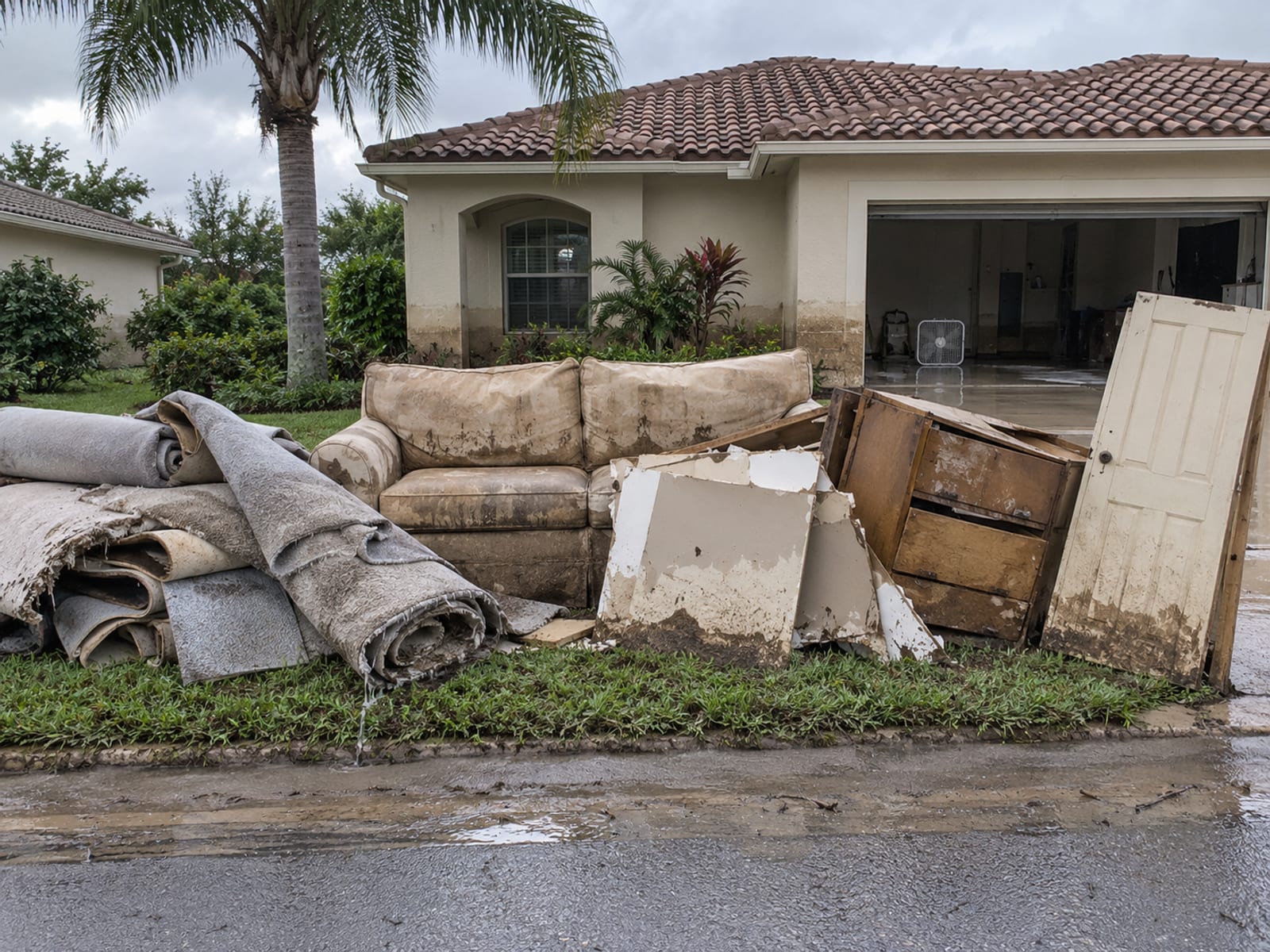
What help is there without flood insurance?
FEMA's Individuals and Households Program provides financial help and direct services to eligible people affected by a major disaster, for uninsured or underinsured expenses and serious needs, according to FEMA (opens in a new tab). Some of that help is available only if you aren't referred to, or don't qualify for, a disaster loan from the U.S. Small Business Administration (SBA), according to FEMA's assistance overview (opens in a new tab). A loan has to be repaid, and assistance depends on a disaster declaration and on eligibility, so it doesn't work like a policy you bought ahead of time.
How do you check an agent and get help?
Look up the agent or agency in the DFS Licensee Search (opens in a new tab), and confirm the insurer is authorized in Florida through the Office of Insurance Regulation's company search (opens in a new tab). Do both checks before you pay, as the DFS purchasing guide (opens in a new tab) advises.
For a question, an assistance request or a complaint about a policy or claim, the DFS Division of Consumer Services helpline is 1-877-MY-FL-CFO (1-877-693-5236), and the out-of-state number is 850-413-3089, according to the DFS contact page (opens in a new tab). Florida publishes consumer guides on flood insurance in English and Spanish through the Insurance Consumer Advocate (opens in a new tab).
Questions to ask your agent
- Is this an NFIP policy, a private admitted policy or a surplus lines policy?
- What building and contents limits can I buy, and what are the deductibles for each?
- Does the policy settle on replacement cost or actual cash value?
- How are basements, enclosures, detached garages, artwork and outdoor property handled?
- Does it pay additional living expenses?
- Does it cover only flood as defined, or water intrusion from outside the structure too?
- When does coverage start, and does a waiting-period exception apply to me?
- Will my lender accept it, and does it meet the Citizens requirement for my policy?
- How are renewals, cancellations and lapses handled?
- Who handles claims, and what notice and proof-of-loss deadlines apply?
When you're ready to compare an NFIP quote with private options, Riskado's directory lists Florida insurance agencies by city and by category.
Check what you know about Florida flood insurance
Frequently asked questions
Can I buy flood insurance for my contents only?
Yes. Building and contents coverage are bought separately under the NFIP, so a renter or an owner can choose contents coverage on its own. Ask the agent about the contents deductible and how belongings in a basement or below the lowest elevated floor are treated.
Does a condo owner with a Citizens policy need flood insurance?
Citizens policies written on a condominium unit-owner form are exempt from the Citizens flood requirement under section 627.351 (opens in a new tab). A lender or the condominium association can still require flood coverage, so ask whether the association's flood policy covers anything inside your unit.
Does an elevation certificate matter for the price?
Ground elevation and first-floor height are part of how Risk Rating 2.0 prices an NFIP policy. Ask the agent whether your elevation details can be used in the quote.
Does renewing my NFIP policy restart the 30-day wait?
No. Changing coverage at renewal has no waiting period, according to FloodSmart. Renew and pay before the 30-day grace period ends to keep coverage in place.
Start with the address and the deadline
Look up your address on FEMA's map, then read your lender's or Citizens' letter for the coverage amount and the deadline. Count back 30 days from that date and get both an NFIP quote and a private quote early enough to compare them before coverage has to be in force.
Key terms
Tap a term to see what it means.
NFIP. The National Flood Insurance Program, the federal flood insurance program run by FEMA.
Special Flood Hazard Area. A high-risk area on FEMA's flood map, shown as a zone beginning with A or V, where the federal mortgage requirement applies.
Risk Rating 2.0. FEMA's method for pricing NFIP policies by each property's flood risk.
Waiting period. The 30 days after purchase before most new NFIP coverage takes effect.
Proof of loss. A signed and sworn statement of the amount you're claiming, with supporting documents.
Private flood insurance. Flood coverage from an admitted or surplus lines insurer instead of the NFIP.
Storm surge. Ocean water pushed ashore by a storm, generally treated as flood.
Replacement cost. Settlement that pays to repair or replace without a deduction for depreciation.