Alabama Hurricane Deductible: How a Named-Storm Percentage Works on the Gulf Coast, When It Applies and What the Options Cost You at Claim Time
Riskado
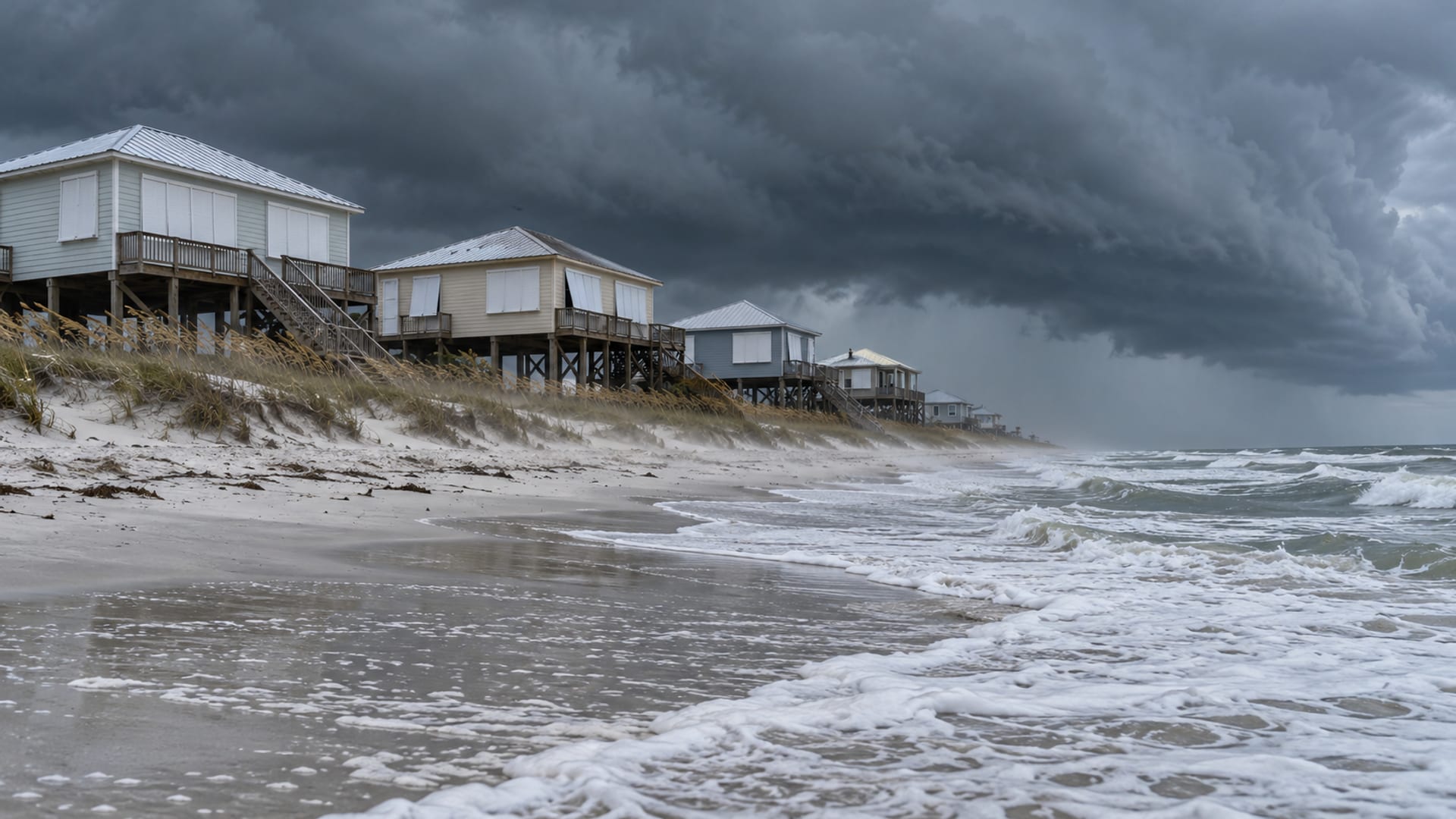
An Alabama hurricane or named-storm deductible is usually a percentage of your home's insured value, not a percentage of the repair bill. On a $300,000 house with a 5% named-storm deductible, you'd pay the first $15,000 of covered storm damage yourself, according to the Alabama Department of Insurance (ALDOI) (opens in a new tab). The special deductible applies only when the storm your policy names causes the damage: some policies apply it only to a declared hurricane, while others include tropical storms. Your policy also says whether you pay it once per storm, once per season or once per calendar year. The percentage, the dollar base and the trigger are on your declarations page and the deductible endorsement.
Key takeaways
- The baseUsually a percentage of the home's insured value, not of the repair bill.
- An exampleA 5% named-storm deductible on a $300,000 house is $15,000, according to ALDOI.
- The triggerSome policies apply it only to a declared hurricane; others include tropical storms.
- How oftenPer storm, per season or per calendar year, depending on the policy.
- Where to lookThe declarations page and the deductible endorsement.
What will the deductible cost you at claim time?
Multiply the percentage by the amount the policy names as its base, usually the dwelling limit (Coverage A) on your declarations page. ALDOI's consumer materials say wind, hail and hurricane deductibles are often shown as either a dollar amount or a percentage of the home's insured value, not a percentage of the loss itself (ALDOI natural disasters guide (opens in a new tab)).
Hover or tap a row to highlight it.
| Insured value of the home | 1% | 2% | 5% | 10% |
|---|---|---|---|---|
| $200,000 | $2,000 | $4,000 | $10,000 | $20,000 |
| $300,000 | $3,000 | $6,000 | $15,000 | $30,000 |
ALDOI published the $200,000 examples at 1% ($2,000) and 5% ($10,000) in a July 31, 2003 release (opens in a new tab) and the $300,000 example at 5% ($15,000) in a July 13, 2021 bulletin (opens in a new tab). The other cells apply the same arithmetic. Your own number comes from your policy's percentage and base.
The deductible comes off the covered loss, which can leave a small claim with no payment at all. The Alabama Insurance Underwriting Association (AIUA), which insures property in eligible Alabama territories, shows this in its Notice 1 to applicants (opens in a new tab), dated January 1, 2015: on a dwelling insured for $100,000 with a 5% wind, hail and hurricane deductible, a $10,000 roof claim carries a $5,000 deductible.
Hover or tap a row to highlight it.
| Step | Replacement cost form (DP-02 or DPW-02) | Actual cash value form (DP-01 or DPW-01) |
|---|---|---|
| Loss | $10,000 | $10,000 |
| Depreciation on a 10-year-old, 20-year roof | $0 | $5,000 (50%) |
| Deductible ($100,000 x 5%) | $5,000 | $5,000 |
| Net payment | $5,000 | $0 |
The same storm damage pays $5,000 under one form and nothing under the other, because the actual cash value form subtracts depreciation before the deductible. Our article on replacement cost vs actual cash value explains that difference.
What amount is the percentage based on?
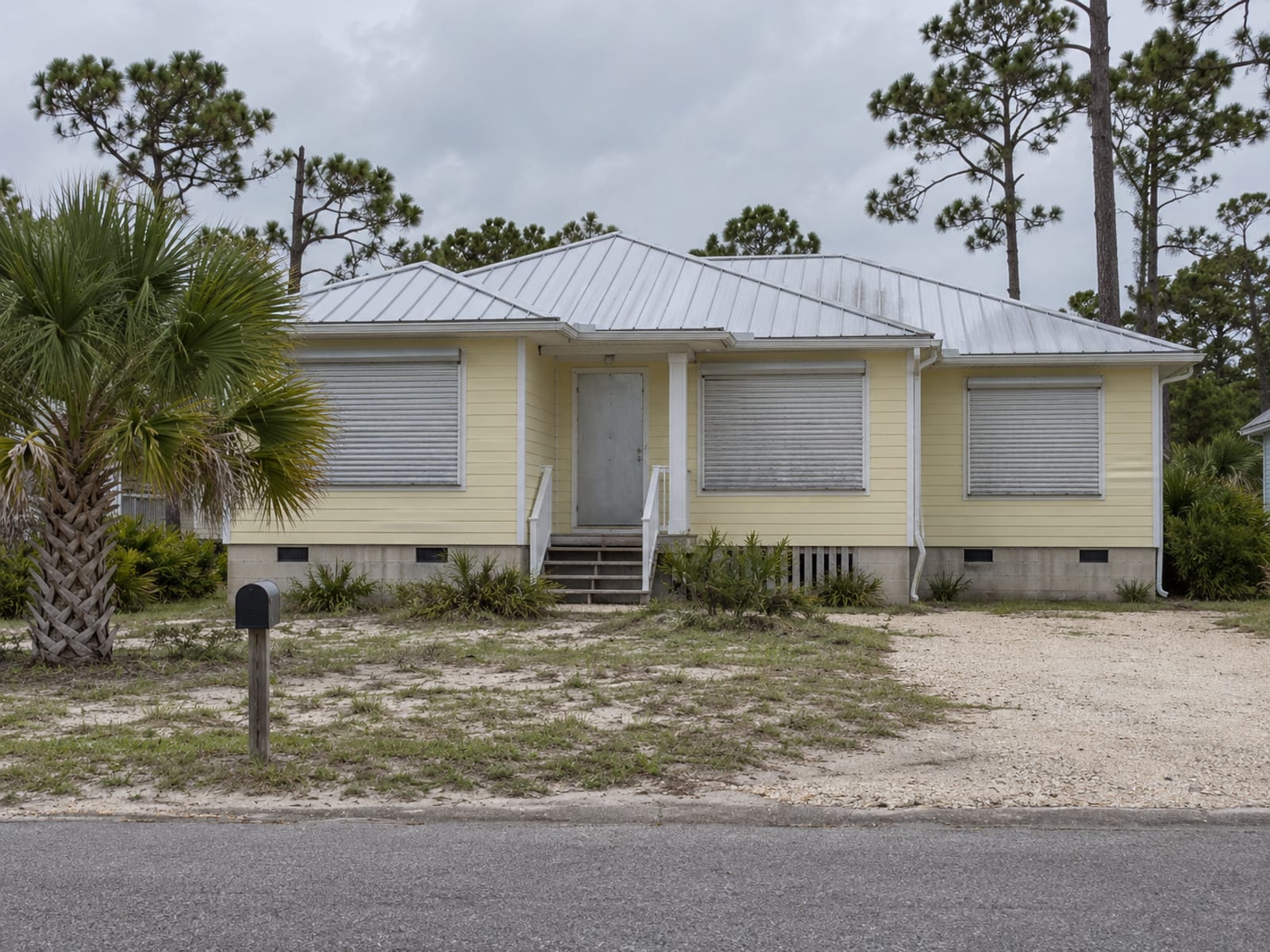
ALDOI describes the base as the insured value of the home (ALDOI (opens in a new tab)). On most homeowners policies, that means the dwelling limit shown as Coverage A. It isn't the home's market value, your mortgage balance or the total of every coverage on the policy, unless your policy says so. AIUA's notice makes the same point about replacement cost: it's the cost to repair or replace your home with like kind and quality, not its market value or mortgage value.
Because the base is your dwelling limit, raising the limit at renewal also raises the dollar amount of a percentage deductible. Check the dollar figure each year, not just the percentage.
When does the hurricane deductible apply?
The special deductible applies only when a named storm causes the damage, and it's separate from the normal deductible in a homeowners policy, according to ALDOI (opens in a new tab). Which storms count depends on the policy's wording:
- A hurricane deductible usually applies to damage from a hurricane declared by the National Weather Service or the National Hurricane Center.
- A named-storm deductible can also apply to other weather events the National Weather Service or National Hurricane Center names, such as tropical storms or tropical cyclones.
ALDOI explained the coastal practice in an August 15, 2009 notice (opens in a new tab): many companies in Mobile and Baldwin counties apply a percentage hurricane deductible, usually 1% to 5%, with some optional deductibles higher. Hurricane deductibles apply only when a hurricane has been declared and not during tropical storms, but some deductibles are for named storms, whether tropical storm or hurricane. In almost all cases, the notice said, the deductible applies to a loss that occurs from the issuance of a hurricane watch through 24 hours after the last hurricane watch or warning expires for the state.
When a typical Alabama hurricane deductible window runs (ALDOI, 2009)
- Hurricane watch issuedThe deductible window opens on many policies.
- Storm passesCovered wind damage during the window falls under the hurricane deductible.
- Last watch or warning expires for AlabamaThe 24-hour tail starts.
- 24 hours laterThe window closes on many policies.
Your policy's definition controls, so the dates and triggers in the endorsement are the ones that count. Some insurers use percentage hurricane or wind deductibles in Alabama's inland counties as well, so the question isn't only for coastal homes (ALDOI (opens in a new tab)).
Does it apply once per storm or once per season?
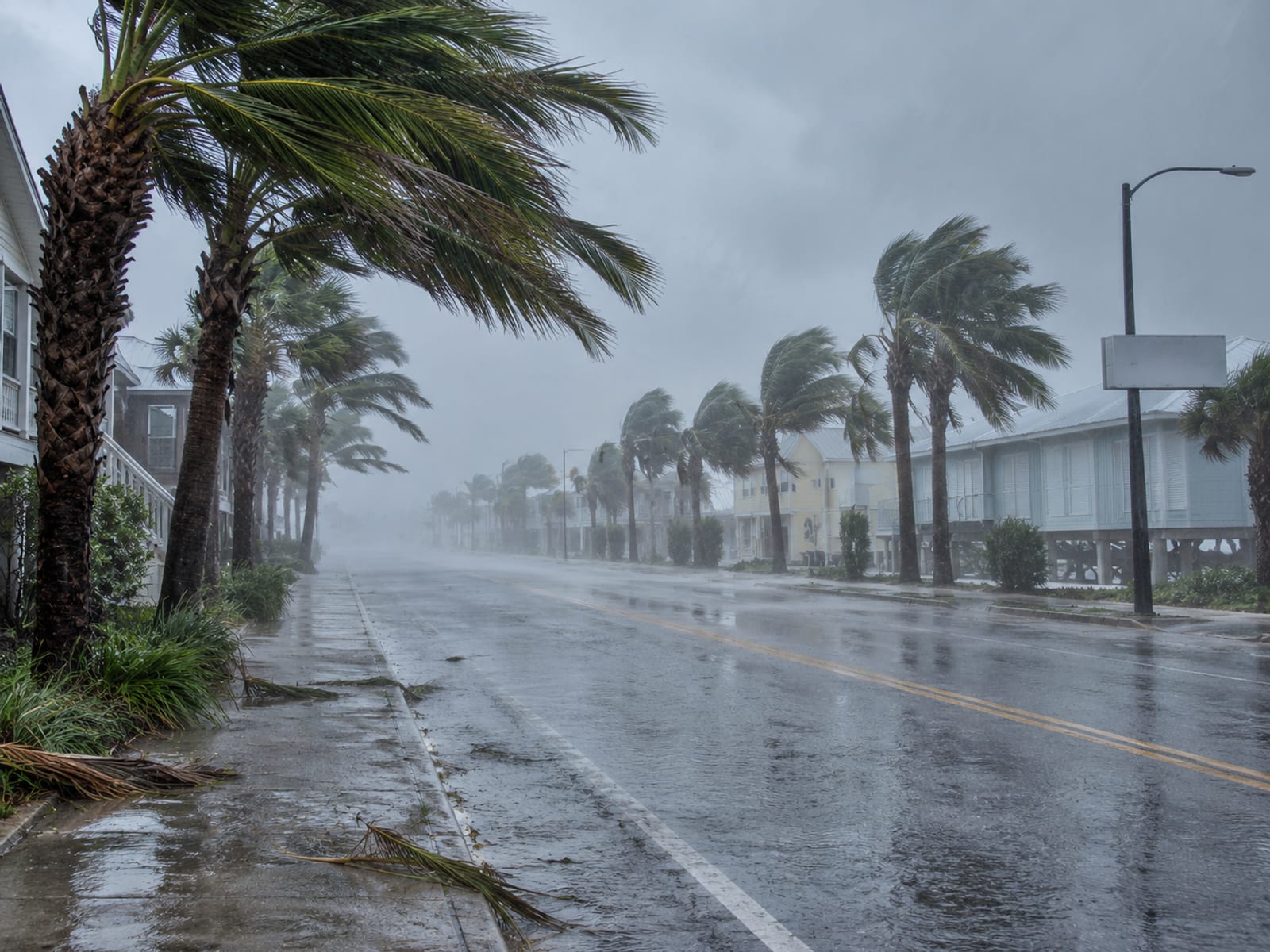
Alabama has no single rule. Read your policy to find out whether the deductible is per event, per season or per calendar year, ALDOI advises, and if more than one named storm damages your home during the coverage period, you may have to pay the deductible more than once (ALDOI (opens in a new tab)). A per-event deductible on a 5% policy could mean paying 5% twice in a busy season. Ask your agent which wording your policy uses before hurricane season starts.
How is it different from your other deductibles?
A homeowners policy can carry three deductibles, each tied to a cause of loss. In addition to your regular deductible, your policy may include a deductible specific to wind, hail or hurricane damage, according to the ALDOI natural disasters guide (opens in a new tab).
Hover or tap a row to highlight it.
| Deductible | When it applies | Usual form |
|---|---|---|
| Regular (all other perils) | Covered losses not assigned to another deductible, such as fire or theft | A dollar amount |
| Wind and hail | Covered wind or hail damage outside the hurricane or named-storm trigger | A dollar amount or a percentage of insured value |
| Hurricane or named storm | Covered wind damage when the policy's storm trigger is met | Usually a percentage of insured value; can be a fixed dollar amount |
AIUA policies include both a wind and hail percentage deductible and a hurricane percentage deductible, which AIUA warns could result in high out-of-pocket expense (AIUA Notice 1 (opens in a new tab)). In coastal areas, windstorm coverage may need to be bought separately or may carry separate percentage deductibles, according to ALDOI (opens in a new tab). If your wind coverage comes from AIUA, our article on the Alabama Beach Pool covers how that coverage works.
AIUA restricts new applications when a named storm threatens Alabama (AIUA (opens in a new tab)). Most insurers doing business in Alabama won't bind coverage once a storm has passed west of 80 degrees longitude or north of 20 degrees latitude, according to ALDOI (opens in a new tab). Change your deductible or coverage well before a storm forms.
What happens with roof damage, rain and flooding?
Wind and flood are separate perils with separate policies. A flood policy covers water that enters from the ground up because of storm surge, heavy rainfall or an overflowing river. Rain blown in by wind, or water coming through a roof the wind damaged, is wind damage and isn't covered by a flood policy, according to FEMA's wind and floodwater fact sheet (opens in a new tab). That roof-and-rain damage goes to your homeowners or wind insurer, under its wind or hurricane deductible.
Flood damage doesn't fall under the hurricane deductible at all, because standard homeowners policies don't cover flood (ALDOI (opens in a new tab)). AIUA policies don't include flood coverage either, and AIUA defines flood to include waves, tidal water and tidal surge, whether or not driven by wind. A National Flood Insurance Program policy has its own deductibles: building and contents coverage are typically bought separately with separate deductibles (FloodSmart (opens in a new tab)).
After a hurricane you'll likely file claims with both your property insurer and your flood insurer and work with more than one adjuster, FEMA says. That can mean a hurricane deductible on the wind claim plus flood deductibles on the flood claim. Our article on Alabama flood insurance covers the flood side, including the 30-day waiting period.
What should condo owners, renters and businesses check?
The same questions apply, with a few more. A condo unit-owner (HO-6) policy can carry its own wind or named-storm deductible, and the association's master policy has its own deductible. Ask the association how a master-policy deductible would be shared among owners, and ask your agent whether your HO-6 includes loss assessment coverage and how much it pays. Our article on condo insurance (HO-6) explains loss assessment.
Renters don't insure the building, but a renters policy can still carry a wind or hurricane deductible on personal property; see Alabama renters insurance. Business owners should look for the same trigger, base and per-event wording in the commercial property policy, where the policy form and deductible schedule control.
What deadlines apply after a storm claim?
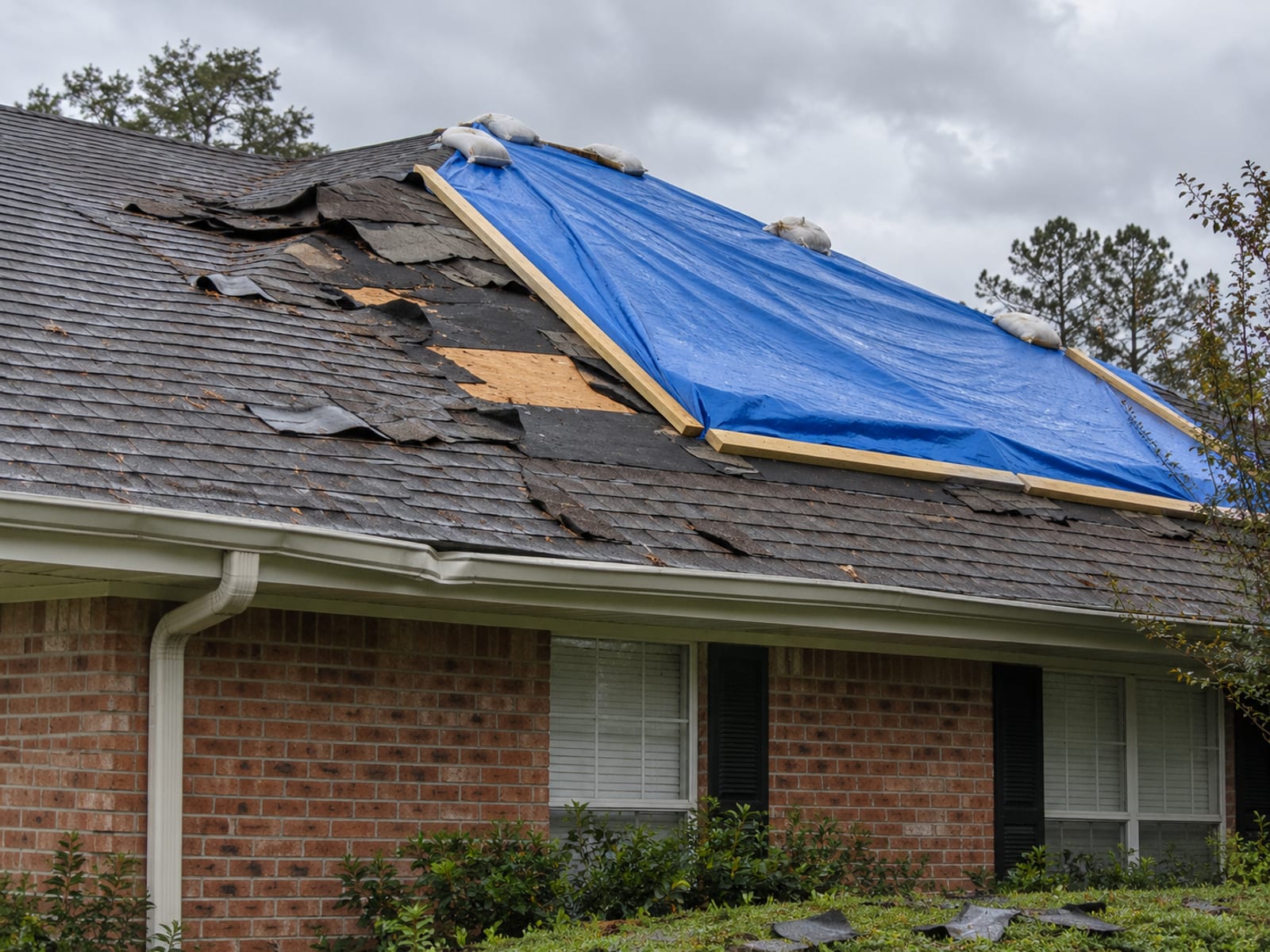
Report the claim right away, document the damage and take reasonable steps to prevent more, such as using tarps and plywood to protect the structure, the ALDOI natural disasters guide (opens in a new tab) advises. Most homeowners policies pay reasonable and necessary costs for temporary repairs that protect covered property from further immediate damage, so keep every receipt (ALDOI (opens in a new tab)).
Alabama's claim-handling rules set deadlines for the insurer once you report.
Hover or tap a row to highlight it.
| After you | The insurer must | Deadline |
|---|---|---|
| Report the claim | Acknowledge it, unless it pays within that time | 15 days |
| Report the claim | Send claim forms, instructions or reasonable help | 15 days |
| Send a properly executed proof of loss | Tell you whether the claim is accepted or denied, or explain why it needs more time | 30 days, or the period in the policy |
| Wait on an open investigation | Tell you why more time is needed | Every 45 days |
| Agree on the amount and send settlement documents | Pay | 30 days, or the period in the policy |
These deadlines come from Alabama Insurance Regulation Chapter 482-1-125 (opens in a new tab). A denial based on a policy provision, condition or exclusion has to refer to that provision. Your own deadlines for notice and proof of loss are in the policy's conditions section.
Where is the deductible on your policy?
Start with the declarations page, then the endorsements. Look for:
- The Coverage A or dwelling limit.
- The hurricane deductible, named-storm deductible, or both.
- The wind and hail deductible.
- The all-other-perils deductible.
- The percentage and the dollar amount it produces.
- The endorsement number for the storm deductible.
- The trigger wording that defines a hurricane or named storm.
- Per-event, per-season or calendar-year language.
The deductible may sit in a separate schedule or endorsement rather than next to the dwelling limit, so read every page that mentions a deductible. If anything is unclear, ask the agent to point to the exact provision.
Questions to ask your agent before renewal
- What is my hurricane or named-storm deductible percentage, and what dollar amount does it produce on my current Coverage A limit?
- Is the base my dwelling limit, total insured value or something else?
- Does the trigger cover hurricanes only, or tropical storms too?
- Who declares the storm under this policy, and when does the deductible window start and stop?
- Is it per event, per season or per calendar year?
- What deductible applies to wind or hail outside the storm trigger?
- Can more than one deductible apply to the same loss?
- Is the policy replacement cost or actual cash value on the dwelling?
- Is flood or storm surge excluded, and do I need a separate flood policy?
- What deductible applies to my contents and other structures?
- What higher or lower percentages are available, and what would each change in premium?
- Do mitigation features or a FORTIFIED roof affect my premium or deductible options?
- What documents will you need after a storm?
A higher deductible can lower your premium, but it means you take on more of a loss, so make sure you could pay the deductible if a claim arises, ALDOI advises (ALDOI (opens in a new tab)). When you're ready to compare options, Riskado's directory lists insurance agencies across the US, including Alabama, by city and by category.
How do you check an agent or file a complaint?
Check the agent's license with the Alabama insurance license lookup (opens in a new tab). If you think an insurer applied the wrong deductible, ask for the exact policy provision in writing. If that doesn't resolve it, file a complaint with ALDOI with your contact details, the company or agent involved, your policy number, your claim number and a detailed description (ALDOI (opens in a new tab)). ALDOI sends the complaint to the company, which must respond, and requires corrective action if the company didn't meet the policy's obligations. ALDOI can't determine the value of a claim or the amount owed to you.
Check what you know about the Alabama hurricane deductible
Frequently asked questions
Does a tropical storm trigger an Alabama hurricane deductible?
It depends on the wording. A hurricane deductible usually applies only to a declared hurricane, while a named-storm deductible can also apply to tropical storms. Your endorsement's definition decides which you have.
Can I pay the hurricane deductible twice in one year?
Yes, if your policy applies it per event. ALDOI says that if more than one named storm damages your home during the coverage period, you may have to pay the deductible more than once. A per-season or calendar-year deductible works differently.
Is the hurricane deductible a percentage of the damage?
No. It's usually a percentage of your home's insured value, and it can also be a fixed dollar amount. A 5% deductible on a $300,000 dwelling limit is $15,000 whether the damage is $20,000 or $100,000.
Does the hurricane deductible apply to flood damage?
No. Flood is excluded from standard homeowners policies and is covered by a separate flood policy with its own deductibles. Storm surge counts as flood.
Does AIUA have a hurricane deductible?
Yes. AIUA policies include both a wind and hail percentage deductible and a hurricane percentage deductible, and they don't cover flood. Ask an AIUA-authorized agent for the current deductible options.
Turn the percentage into a number
Find your Coverage A limit and your storm deductible percentage, multiply them, and write the dollar figure down. Then check whether the deductible runs per storm or per season and whether you have flood coverage, so you know what you'd owe on the wind claim and the flood claim before the next storm forms.
Key terms
Tap a term to see what it means.
Hurricane deductible. A separate deductible that applies to covered damage from a declared hurricane.
Named-storm deductible. A separate deductible that can apply to hurricanes and other named storms, such as tropical storms.
Coverage A. The dwelling limit on a homeowners policy, often the base for a percentage deductible.
All-other-perils deductible. The regular deductible for covered losses not assigned to another deductible.
Wind and hail deductible. A deductible for covered wind or hail damage outside the hurricane or named-storm trigger.
AIUA. The Alabama Insurance Underwriting Association, which insures property in eligible Alabama territories.
Declarations page. The page of a policy that lists coverages, limits, deductibles and dates.
Proof of loss. The claimant's formal statement of the loss, which starts the insurer's 30-day decision period.