Florida Homeowners Insurance: Why Rates Are High, What the 2022 and 2023 Reforms Changed, What Drives Your Price and What to Do at Renewal or Non-Renewal
Riskado
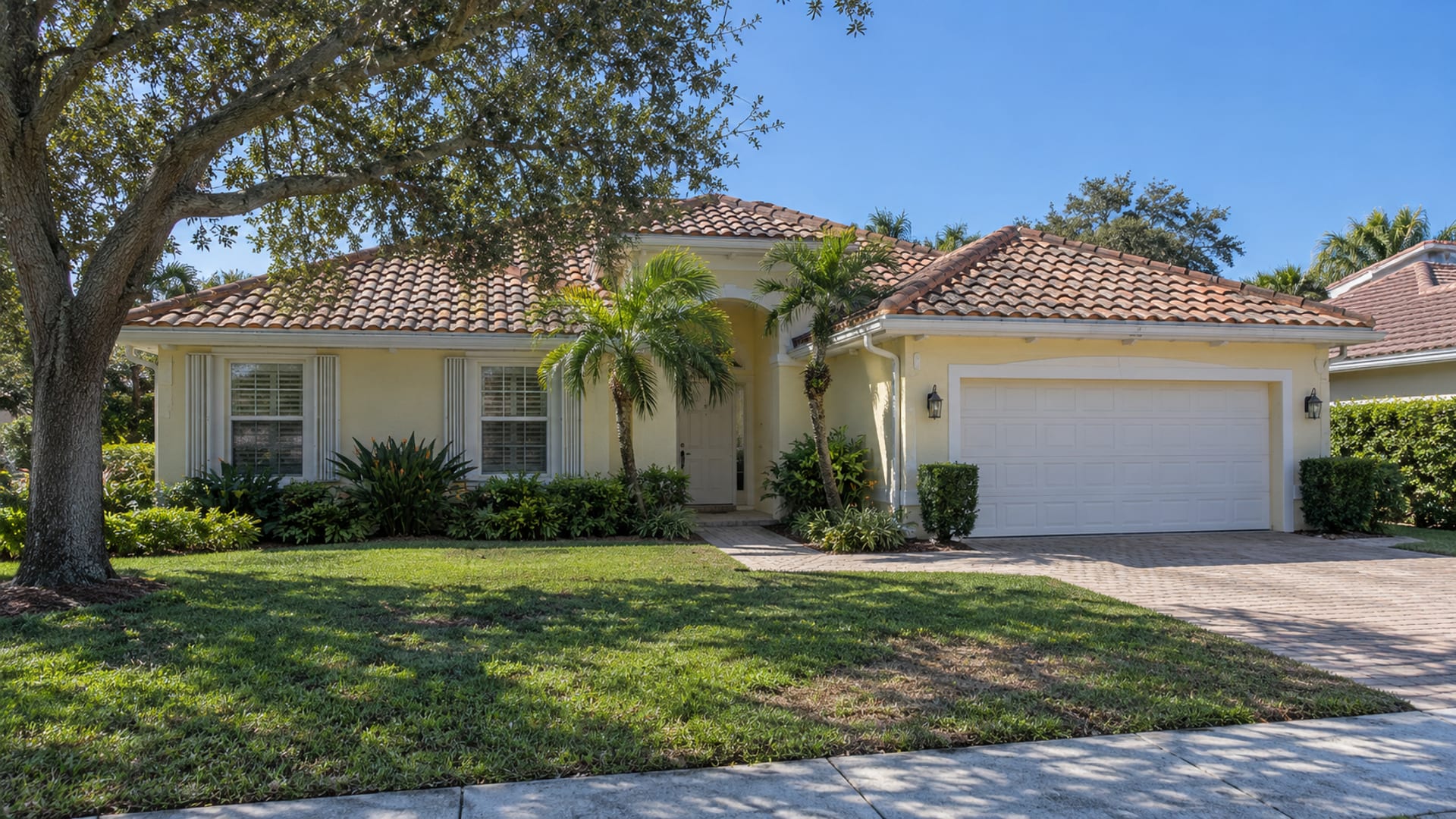
Florida homeowners insurance costs more than in most states because insurers price hurricane and catastrophe exposure, rebuilding costs, reinsurance, claims expenses and a history of costly litigation into their filed rates. Your own renewal then depends on where the home sits, how it's built, the roof's age and condition, any wind mitigation features, your claims history, the coverage and deductibles you pick and the insurer's approved rate filing. Wind and flood aren't automatically handled by the same policy. When a renewal or non-renewal notice arrives, compare the new declarations page with last year's, note the notice deadline, gather your roof and mitigation records and ask an agent about private-market, Citizens and flood options.
Key takeaways
- Why it costs moreInsurers price hurricane and catastrophe exposure, rebuilding costs, reinsurance, claims expenses and costly litigation into their filed rates.
- What sets your priceLocation, construction, roof age and condition, wind mitigation, claims history, coverage, deductibles and the insurer's approved rate filing.
- Wind and floodThey aren't automatically handled by the same policy.
- At renewalCompare declarations pages, note the notice deadline, gather roof and mitigation records and ask an agent about private-market, Citizens and flood options.
What should you do first after a big renewal increase or non-renewal?
Start with two documents: the new declarations page and the one from your current term. Line them up and look for changes in the dwelling limit, the hurricane and all-other-perils deductibles, any roof deductible, endorsements that were added or dropped and the premium itself. A higher dwelling limit or a new endorsement can explain part of an increase before rates come into it at all.
If the letter is a non-renewal or cancellation, find the effective date and the stated reason. Florida law requires a written reason for most residential non-renewals and cancellations, and it sets minimum notice periods under Fla. Stat. § 627.4133 (opens in a new tab). Ask the insurer or your agent whether the problem is something you can fix, such as an outdated roof report or a missing wind mitigation form, and whether the insurer will reconsider once you send it.
Then ask an agent to shop the home before the old policy ends. That search covers other private insurers, surplus lines carriers and, if no comparable private offer comes back, Citizens Property Insurance. The goal is a new policy whose effective date starts on or before the day the old one stops, so there's no gap in coverage.
What does Florida homeowners insurance cost, and why is your price different?
Florida had the highest average premium in the country for an owner-occupied HO-3 homeowners policy in 2022, at $2,677, according to the Insurance Information Institute's table of NAIC data (opens in a new tab). Louisiana came next at $2,603 and Texas at $2,397. That figure is a statewide average for one policy form and one data year, not a quote, and it doesn't reflect your county, coverage limit or deductible.
Your premium starts from a base rate the insurer files with the Florida Office of Insurance Regulation (OIR). Base rates depend on the property's location, the amount of dwelling coverage, the local fire protection class, mitigation credits and the home's construction, and insurers generally must charge the rates they've filed, according to the Florida Department of Financial Services (DFS) (opens in a new tab). Other rating factors then add surcharges or credits, and current assessments are added on top.
Several features of your own home and policy move the number:
- Location and exposure to hurricanes and windstorms.
- Construction type, age and materials.
- Roof age, condition, shape and any documented replacement.
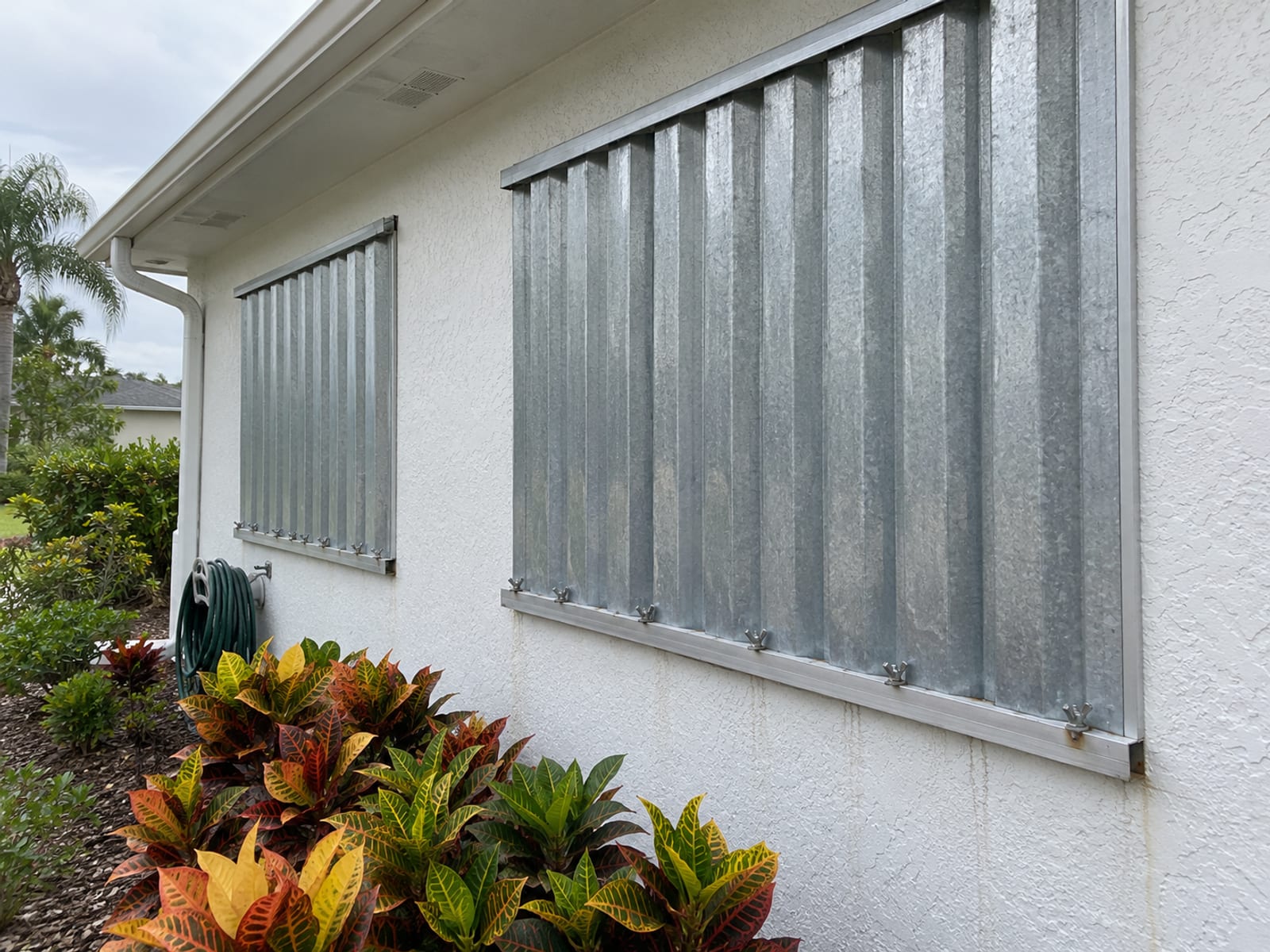
- Wind mitigation features, such as shutters, opening protection and roof-to-wall connections.
- Prior claims and loss history.
- Coverage limits, replacement-cost settlement and endorsements.
- Hurricane, all-other-perils and roof deductibles.
- Whether the home is owner-occupied, rented, a condo unit or a mobile home.
Credit information can play a part, within limits. Insurers can't non-renew a homeowners policy solely because of information in a credit report, a lack of credit history or adverse credit history caused by medical bills, according to DFS (opens in a new tab).
Why are Florida rates so high?
The main cost drivers in Florida's property market are catastrophic claims, adverse loss reserve development and higher reinsurance costs, all made worse by excessive and costly litigation, according to the OIR's 2023 Annual Report (opens in a new tab). The same report says insurers historically passed those costs to consumers through higher premiums.
Reinsurance is the insurance that insurers buy for themselves, and it's a large expense in a hurricane state. Insurers bought 16.6% more reinsurance coverage in 2021 at a cost about 52% higher than in 2020, on average, according to the OIR report. The Florida Hurricane Catastrophe Fund is part of the state's reinsurance structure, and the 2022 special sessions added reinsurance programs of their own. Reinsurance costs reach your bill through the insurer's approved rate filing, as one piece of the total premium.
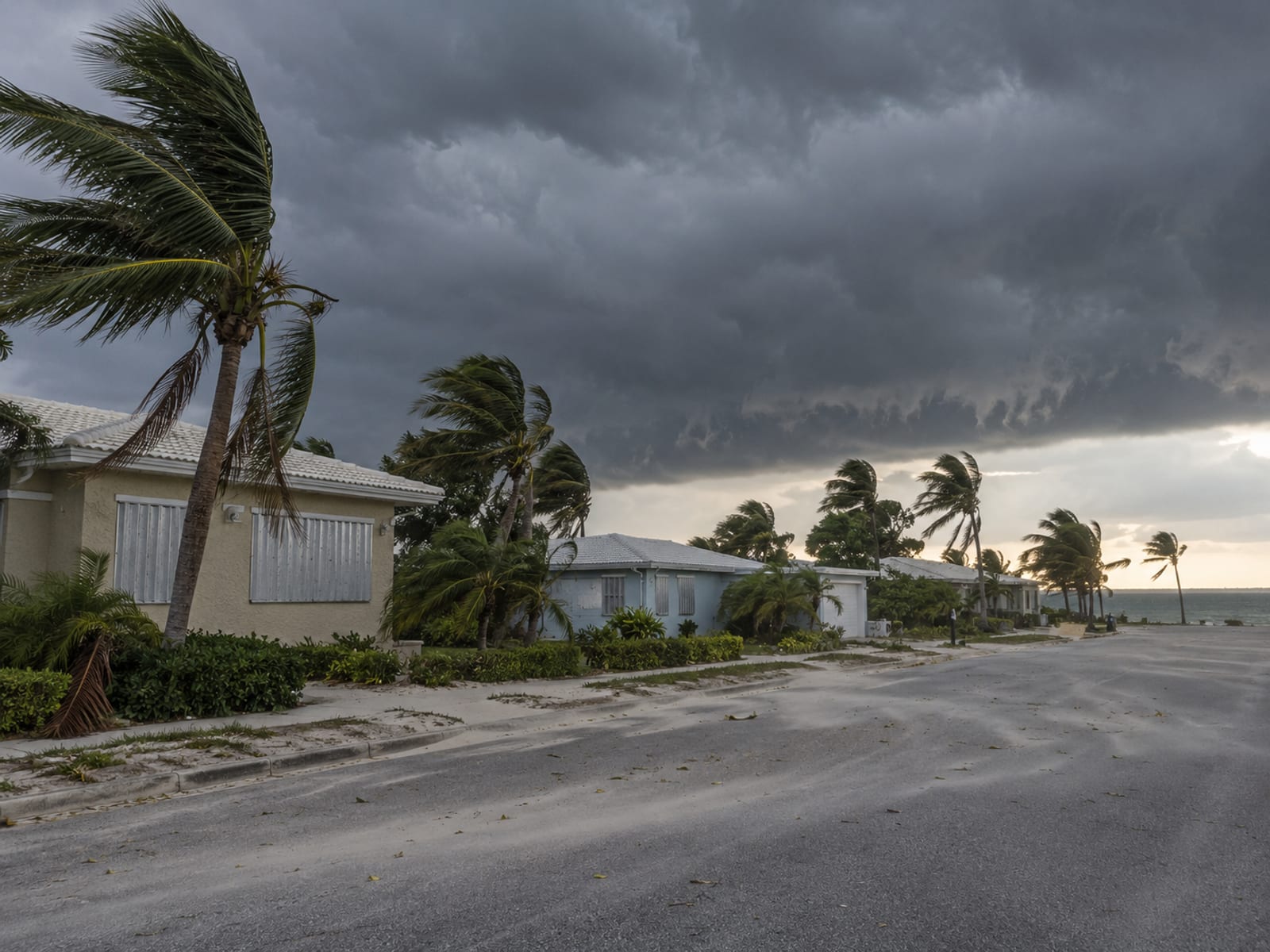
The Legislature passed several reform bills between 2021 and 2023 aimed at these drivers. Whether they lower any particular homeowner's premium depends on that insurer's filings, so a reform alone doesn't tell you what your renewal will be.
What changed in 2021, 2022 and 2023?
Five bills reshaped Florida property insurance between 2021 and 2023, according to the OIR's 2023 Annual Report (opens in a new tab) and 2023 Legislative Summary (opens in a new tab).
Hover or tap a row to highlight it.
| Bill | Chapter law | Effective | What it changed for homeowners |
|---|---|---|---|
| SB 76 (2021) | Chapter 2021-77 | July 1, 2021 | Claims litigation data reporting, presuit notice before certain property insurance suits under § 627.70152 (opens in a new tab) and attorney fee procedures |
| SB 2-D (May 2022 special session) | Chapter 2022-268 | May 26, 2022 | Reinsurance relief, $150 million for My Safe Florida Home, and a ban on refusing to write or renew a home solely because its roof is less than 15 years old, under § 627.7011 (opens in a new tab) |
| SB 2-A (December 2022 special session) | Chapter 2022-271 | December 16, 2022 | Ended one-way attorney fees for property insurance, cut the deadline to report a new or reopened claim from two years to one, tightened prompt-pay rules and created the Florida Optional Reinsurance Assistance program |
| HB 837 (2023) | Chapter 2023-15 | On becoming law in March 2023 | Repealed one-way attorney fee statutes for insurance cases and changed bad faith rules |
| SB 7052 (2023) | Chapter 2023-172 | July 1, 2023 | Insurer accountability, higher OIR fines, mitigation discount updates and a rule that once a roof deductible applies, no other deductible applies to the same covered peril |
Today's claim deadlines come from those changes. Notice of a new or reopened claim must reach the insurer within one year after the date of loss, and a supplemental claim within 18 months, under Fla. Stat. § 627.70132 (opens in a new tab). Insurers must acknowledge a claim communication within 7 calendar days and pay or deny a claim within 60 days after notice, subject to the exceptions in Fla. Stat. § 627.70131 (opens in a new tab).
What does the policy cover, and what does it exclude?
A standard homeowners policy covers the dwelling, other structures, personal property, loss of use and personal liability, subject to the policy form, covered perils, limits, deductibles, endorsements and exclusions, according to DFS (opens in a new tab). Wind may be covered in the homeowners policy itself or through a separate wind policy, depending on how the coverage is structured.
Flood is a different matter. Most homeowners insurance doesn't cover flood damage, so flood coverage usually comes from a separate policy, according to FloodSmart, the National Flood Insurance Program's site (opens in a new tab). Storm surge after a hurricane is flood, so a home with wind coverage and no flood policy can still face a large uninsured loss. Our article on Florida flood insurance covers the NFIP and private flood options.
Water damage depends on the cause. A sudden plumbing leak the policy covers is treated differently from flood, sewer backup, seepage or repeated leakage over time, and mold coverage turns on the cause, the policy wording and any sublimit. Sinkhole coverage follows its own statutory treatment: catastrophic ground cover collapse has specific rules, while broader sinkhole coverage may be optional. Wear and tear, deterioration, faulty maintenance and ordinary aging are generally excluded.
The declarations page lists your limits, deductibles, forms and endorsements, but it works alongside the full policy wording. If you can't tell from the documents whether a cause of loss is covered, ask the insurer or agent to point you to the policy language in writing.
How do hurricane and other deductibles work?
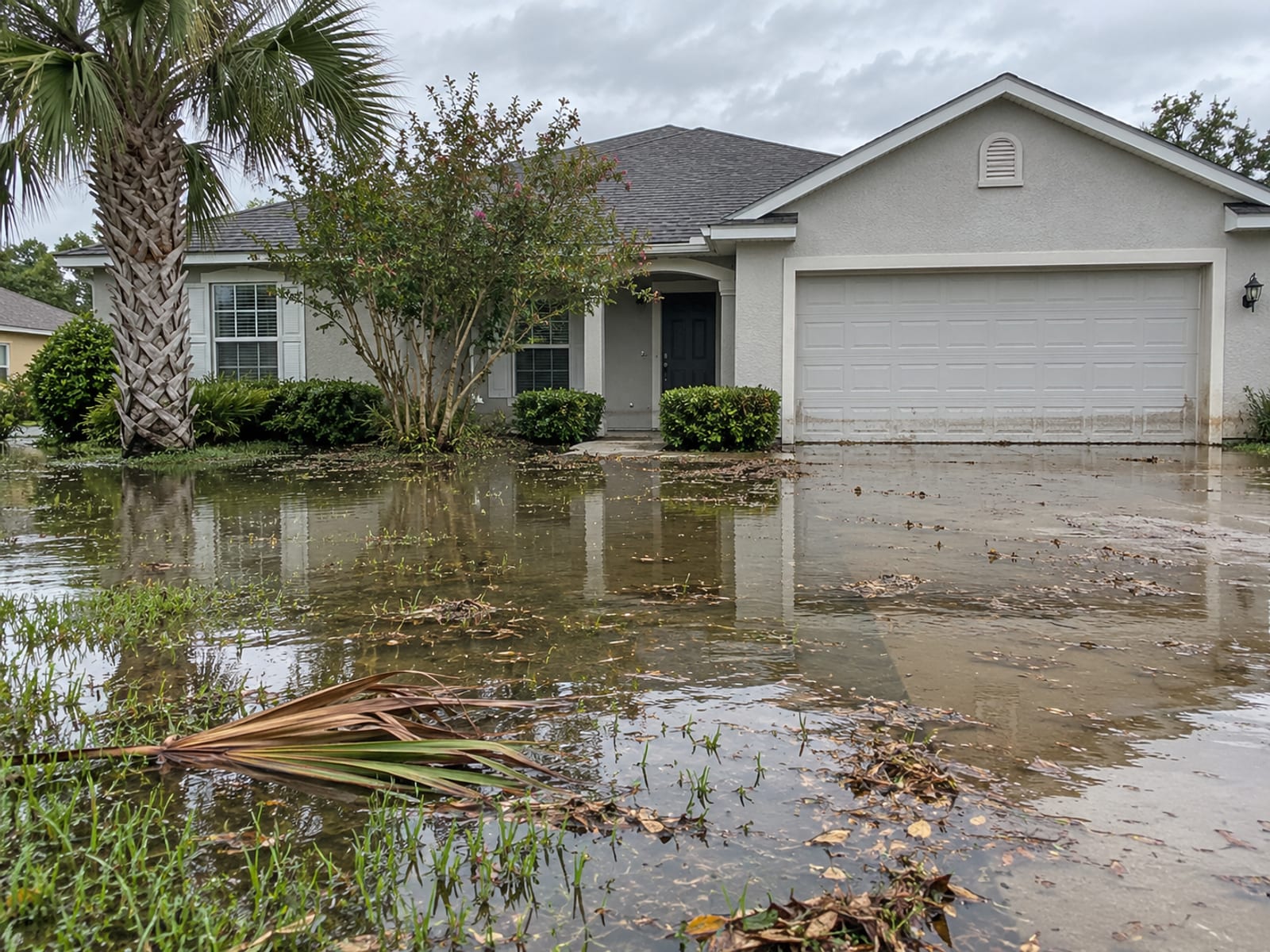
Florida policies usually carry two main deductibles. The all-other-perils deductible is generally a fixed dollar amount and applies to losses like fire, theft or a covered plumbing leak. The hurricane deductible applies to covered hurricane losses and can be a dollar amount or a percentage of the dwelling limit.
Before issuing a personal residential policy, an insurer must offer hurricane deductibles of $500, 2%, 5% and 10% of the dwelling limit, unless a percentage works out to less than $500, under Fla. Stat. § 627.701 (opens in a new tab). The hurricane deductible applies on an annual basis to all covered hurricane losses in a calendar year. If a second hurricane hits in the same year, the insurer may apply the greater of whatever remains of the hurricane deductible or the all-other-perils deductible.
A percentage deductible is calculated on the dwelling limit, not on the damage. On a home with a $400,000 dwelling limit, a 2% hurricane deductible is $8,000.
Some policies also carry a separate roof deductible. Under the same statute, it can't exceed the lesser of 2% of the dwelling limit or 50% of the cost to replace the roof, it applies only to claims adjusted on a replacement cost basis and it doesn't apply to hurricane roof losses. The insurer must show its actual dollar amount on the declarations page or renewal notice. The Florida hurricane deductible article goes through the hurricane rules in more detail.
What happens after a cancellation or non-renewal?
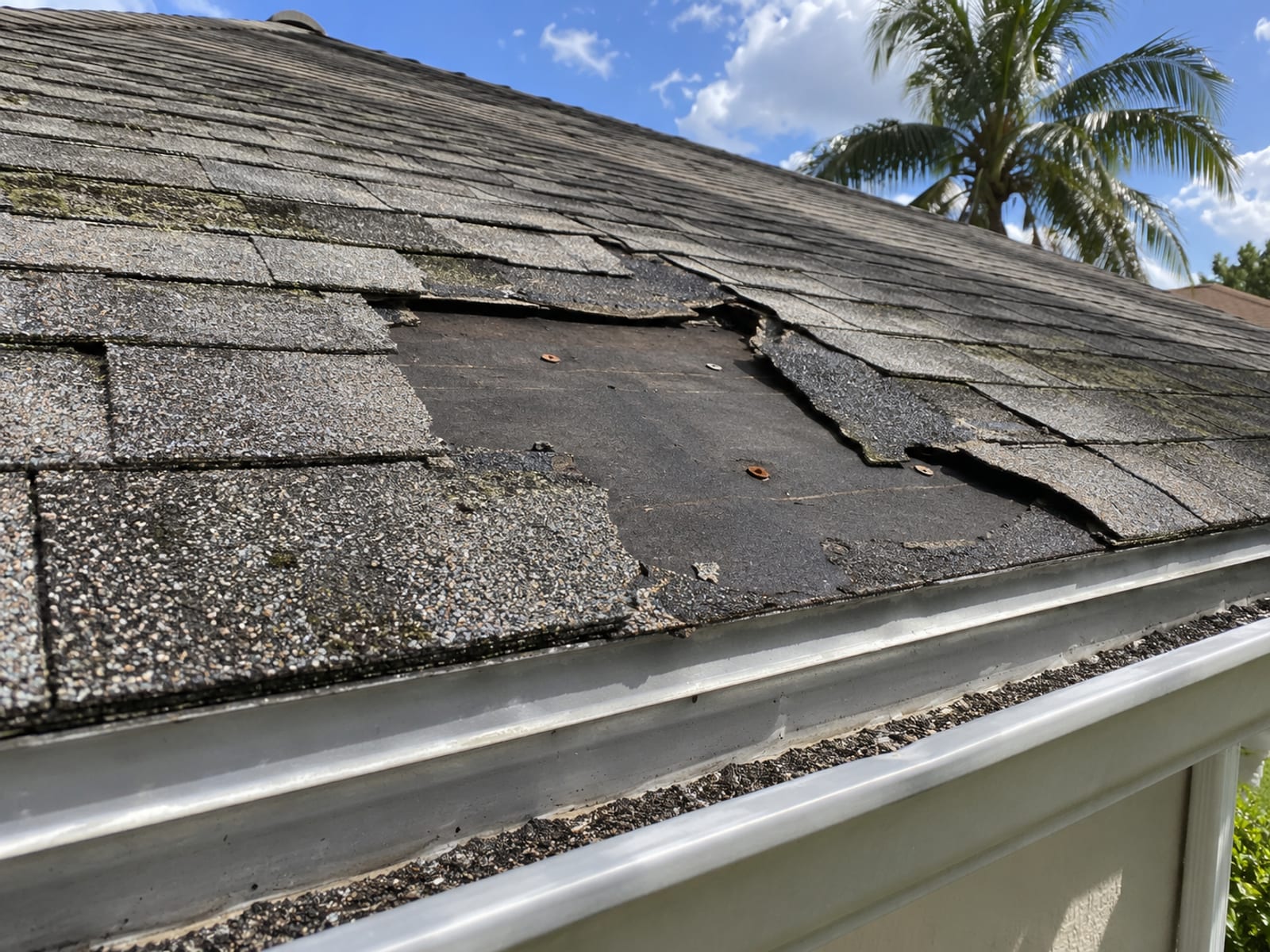
For a residential property policy, the insurer must give at least 45 days' written notice of the renewal premium, and at least 120 days' written notice of a non-renewal, cancellation or termination, with the reason, under Fla. Stat. § 627.4133 (opens in a new tab). The statute lists exceptions, including a 10-day notice when the policy is canceled for nonpayment.
Homes damaged in a hurricane have added protection. An authorized insurer may not cancel or non-renew a residential policy until 90 days after the home has been repaired, if the damage came from a hurricane or wind loss covered by a declared emergency and an order from the Commissioner of Insurance Regulation, under the same section. The statute also lists exceptions, such as nonpayment, material misstatement or fraud, and unreasonable delay in repairs.
Florida notice rules for residential property policies
- At least 45 days before renewalWritten notice of the renewal premium.
- At least 120 days before the end dateWritten notice of a non-renewal, cancellation or termination, with the reason.
- At least 10 daysNotice of cancellation for nonpayment of premium.
- 90 days after hurricane repairsThe earliest an authorized insurer may cancel or non-renew a home damaged in a declared hurricane or wind emergency, subject to the statute's exceptions.
Once a notice arrives:
- Read the effective date and the stated reason.
- Ask whether it's a cancellation, a non-renewal, a premium change or a request for information.
- Get a copy of any inspection, roof or mitigation report the insurer relied on.
- Ask whether the insurer will reconsider after repairs or new documentation.
- Start the search for replacement coverage well before the end date.
- Confirm the new policy's effective date before the old policy ends.
Our article on homeowners insurance non-renewal covers the general steps for any state.
What options exist if private insurers won't write the home?
An agent can check other authorized insurers first, then surplus lines carriers. Surplus lines coverage comes with different regulation and guaranty protections than an authorized insurer's policy, so ask the agent to explain those differences before you buy.
Citizens Property Insurance Corporation is the state-created option. A new applicant whose home is a primary residence generally qualifies when no authorized insurer offers comparable coverage, or when the comparable private offer is more than 20% higher than the Citizens premium, according to the Citizens Clearinghouse page (opens in a new tab). Agents must run eligible applications through the Clearinghouse and remarket Citizens policies at renewal, so a qualifying private offer later can end your eligibility. The Citizens article covers eligibility, coverage and the flood requirement.
If the roof is part of the problem, the Florida roof age insurance article covers the 15-year rule and inspections.
What can affect your next premium?
A wind mitigation inspection is the usual starting point. A qualified inspector documents features like roof shape, roof-to-wall connections, secondary water resistance and opening protection on the OIR-B1-1802 form, also called the Uniform Mitigation Verification Inspection Form, and you send it to your insurer, according to DFS (opens in a new tab). The insurer can reinspect to verify the credits, and it pays for that reinspection. Ask the insurer to apply every credit your inspection supports.
The My Safe Florida Home program offers free hurricane mitigation inspections and matching grants. For each $1 a homeowner spends on eligible improvements, the program provides $2, up to $10,000, with exceptions for low-income homeowners, according to the DFS mitigation page (opens in a new tab). Eligibility includes a homestead home insured at $700,000 or less, an initial construction permit issued before January 1, 2008, and an acceptable hurricane mitigation inspection after July 1, 2008. Senate Bill 1452, effective June 26, 2026, replaced the program's townhouse category with attached homes of no more than three stories and made clear that roof covering replacement is grant eligible when the final inspection identifies it, according to DFS's summary of property insurance changes (opens in a new tab).
Deductibles matter too. A higher hurricane deductible can lower the premium and raise what you'd pay after a storm, so compare both numbers side by side. A discount isn't guaranteed for every improvement; the insurer's approved rating plan and your inspection documents control the credit.
How do you check an agent, complain or find guides in Spanish?
Check an agent or adjuster with the Florida insurance license lookup (opens in a new tab) before you send documents. For a problem with a rate, claim, cancellation or non-renewal, DFS Consumer Services takes questions and complaints through its Insurance Consumer Helpline (opens in a new tab) at 1-877-693-5236. Have your policy number, the insurer and agent names, the notice, any claim number, the dates you were in contact, the declarations pages and any inspection reports or photos ready. DFS also runs a residential property mediation program for claim disputes.
DFS publishes Spanish versions of many homeowner guides, including the Homeowners Insurance Toolkit, the Homeowner Claims Bill of Rights, the hurricane deductible guide and the residential property mediation guide, on its consumer guides page (opens in a new tab).
Questions to ask your agent
- What policy form is this, and what are the dwelling, other structures, personal property, liability and loss of use limits?
- Is the dwelling covered at replacement cost?
- What are the hurricane, all-other-perils and roof deductibles in dollars?
- Is wind covered here, or by a separate policy?
- Does the policy cover flood, storm surge, sewer backup, sinkhole, mold or water damage, and are there sublimits?
- What roof age, condition and inspection documents does the insurer need?
- Which mitigation features earn credits, and are all of mine applied?
- What's the deadline to report a claim?
- Is this offer from an authorized insurer, a surplus lines carrier or Citizens?
- If Citizens is involved, what Clearinghouse offers came back?
Riskado's directory lists insurance agencies across the US, including Florida, by city and by category.
Check what you know about Florida homeowners insurance
Frequently asked questions
Does the hurricane deductible apply to every storm?
No. It applies only to covered losses that meet the policy's hurricane definition, and it runs on a calendar-year basis under Fla. Stat. § 627.701 (opens in a new tab). Other storm losses generally fall under the all-other-perils deductible.
How long do I have to report a claim?
Notice of a new or reopened claim must reach your insurer within one year after the date of loss, and a supplemental claim within 18 months, under Fla. Stat. § 627.70132 (opens in a new tab). Report damage as soon as you can after a storm.
Does a new roof guarantee I'll get coverage?
No. Roof age and condition matter, but underwriting also considers location, construction, claims history and the rest of the property. A new roof can help with eligibility and wind mitigation credits.
Is Citizens always less expensive than a private policy?
Not necessarily. Citizens eligibility depends on what private insurers offer, and Citizens policyholders can face a surcharge of up to 15% of premium if Citizens runs a deficit after a major storm, according to Citizens (opens in a new tab). Compare total cost and coverage, not just the premium.
Before your renewal date
Pull both declarations pages, your roof records and your latest wind mitigation report. Check the notice dates, confirm the deductibles in dollars and decide whether you need a separate flood policy. Then ask an agent to compare equivalent coverage from private insurers and, if it comes to that, Citizens, so the new policy is in place before the old one ends.
Key terms
Tap a term to see what it means.
HO-3. The standard homeowners policy form for an owner-occupied house.
Declarations page. The page of a policy that lists the coverages, limits, deductibles, forms and endorsements.
Hurricane deductible. The deductible for covered hurricane losses, often a percentage of the dwelling limit, applied on a calendar-year basis in Florida.
All-other-perils deductible. The deductible for covered losses other than a hurricane, usually a fixed dollar amount.
Roof deductible. A separate deductible for roof losses, capped at the lesser of 2% of the dwelling limit or 50% of the roof replacement cost.
Reinsurance. Insurance that insurers buy to cover part of their own losses.
Surplus lines. Coverage from insurers that aren't authorized in Florida, sold through licensed agents, with different regulation and guaranty protections.
Citizens Clearinghouse. The system agents use to check private-market offers before Citizens writes or renews a policy.
Wind mitigation inspection. An inspection that documents features that resist hurricane winds, recorded on the OIR-B1-1802 form.