Does Massachusetts Require Boat Insurance? Registration Rules, Marina Requirements and What Coverage Includes
Riskado
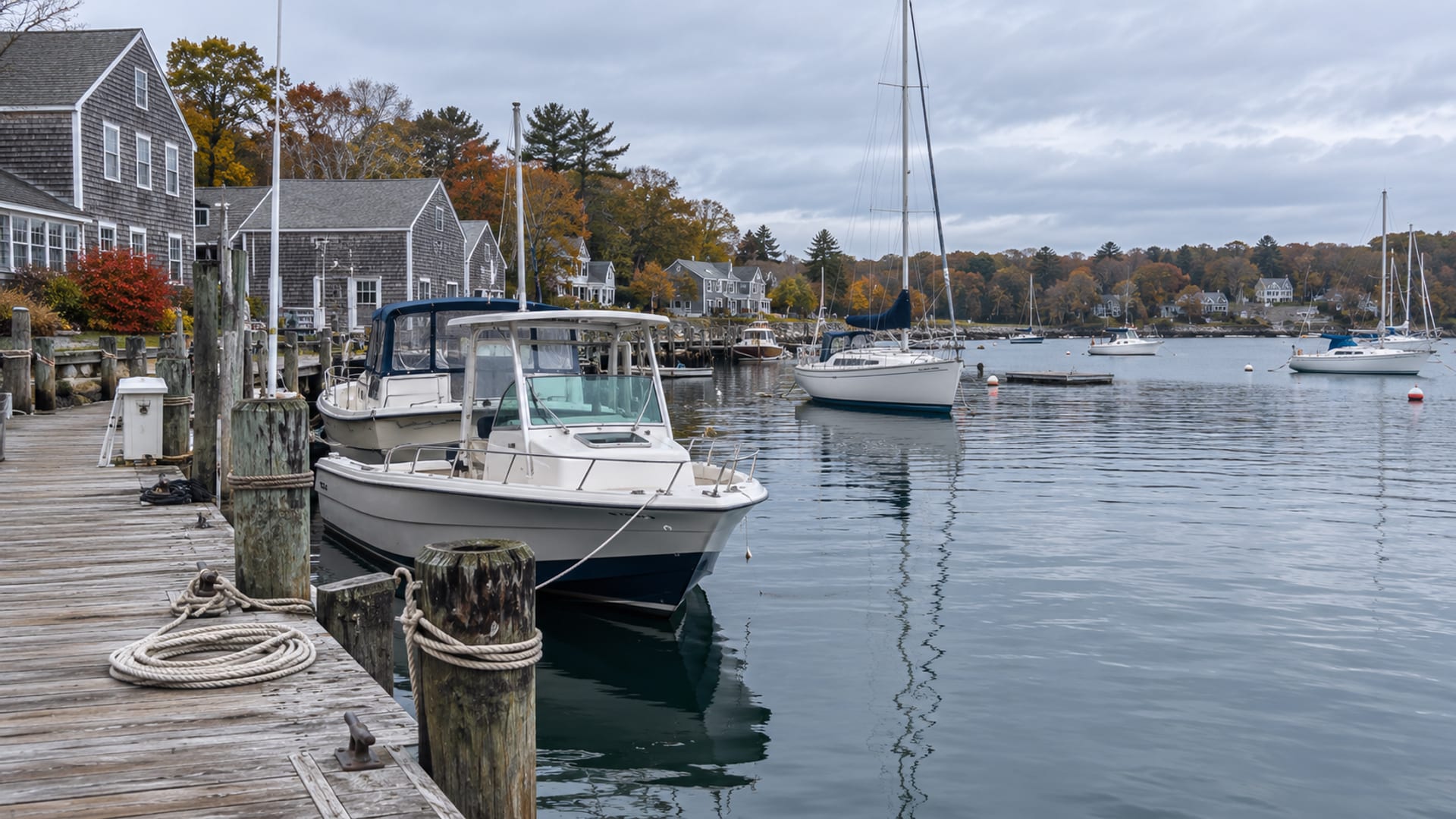
No. No Massachusetts law requires boat insurance, according to the Massachusetts Division of Insurance (opens in a new tab), and you do not need proof of insurance to register a boat, according to the Massachusetts Environmental Police (opens in a new tab). Registration is a separate requirement that applies to most motorized boats used on Massachusetts public waterways, including motorboats, sailboats with auxiliary motors and personal watercraft. Insurance can still be required by someone else: a lender, a marina, a storage yard, a mooring provider or a club can make it a condition of their contract. Before you finance, launch, store or moor a boat, check the registration rules, the boater safety certificate rules and every contract you are about to sign.
Key takeaways
- Is it required by law?No Massachusetts law requires boat insurance, and you do not need proof of insurance to register a boat.
- RegistrationA separate requirement for most motorized boats used on Massachusetts public waterways, including personal watercraft.
- Who can require coverageA lender, a marina, a storage yard, a mooring provider or a club, as a condition of their contract.
- Before you launchCheck the registration rules, the boater safety certificate rules and every contract you are about to sign.
Why you may still need boat insurance
State law is only one source of requirements. The contracts around the boat are usually where insurance comes in.
Lenders. A bank or lender may refuse to finance a boat unless you buy and keep insurance, according to the Division of Insurance (opens in a new tab). If coverage is dropped or premiums stop, some loan agreements let the lender accelerate the loan and demand the full balance at once. The lender cannot require you to use a particular insurer or to insure the boat for more than it is worth.
Marinas and storage yards. Facility contracts often set their own coverage terms, and they vary. Two Massachusetts examples show the range:
- The Marina at Amesbury Point dockage agreement (opens in a new tab) requires hull and liability coverage, proof before you use the dock, 30 days' notice of cancellation, and the marina named as an additional insured. It calls for hull coverage of at least 75% of current market value and liability of $100,000 per person and $300,000 per incident.
- Crocker's Boat Yard 2025 storage agreement (opens in a new tab) requires proof of insurance, at least $300,000 in liability coverage, and the yard named as an additional insured.
Town marinas. Local rules can set requirements too. Barnstable's dock and marina regulations (opens in a new tab) require boats using the covered town marina facilities to carry a full marine insurance package that includes personal injury, fire, property damage indemnity and liability coverage, with proof of insurance and the Town of Barnstable named as an additional insured.
These are contract and facility terms, not state law limits. Ask your own marina, mooring provider, club or lender what coverage, limits and certificate wording they require before you sign.
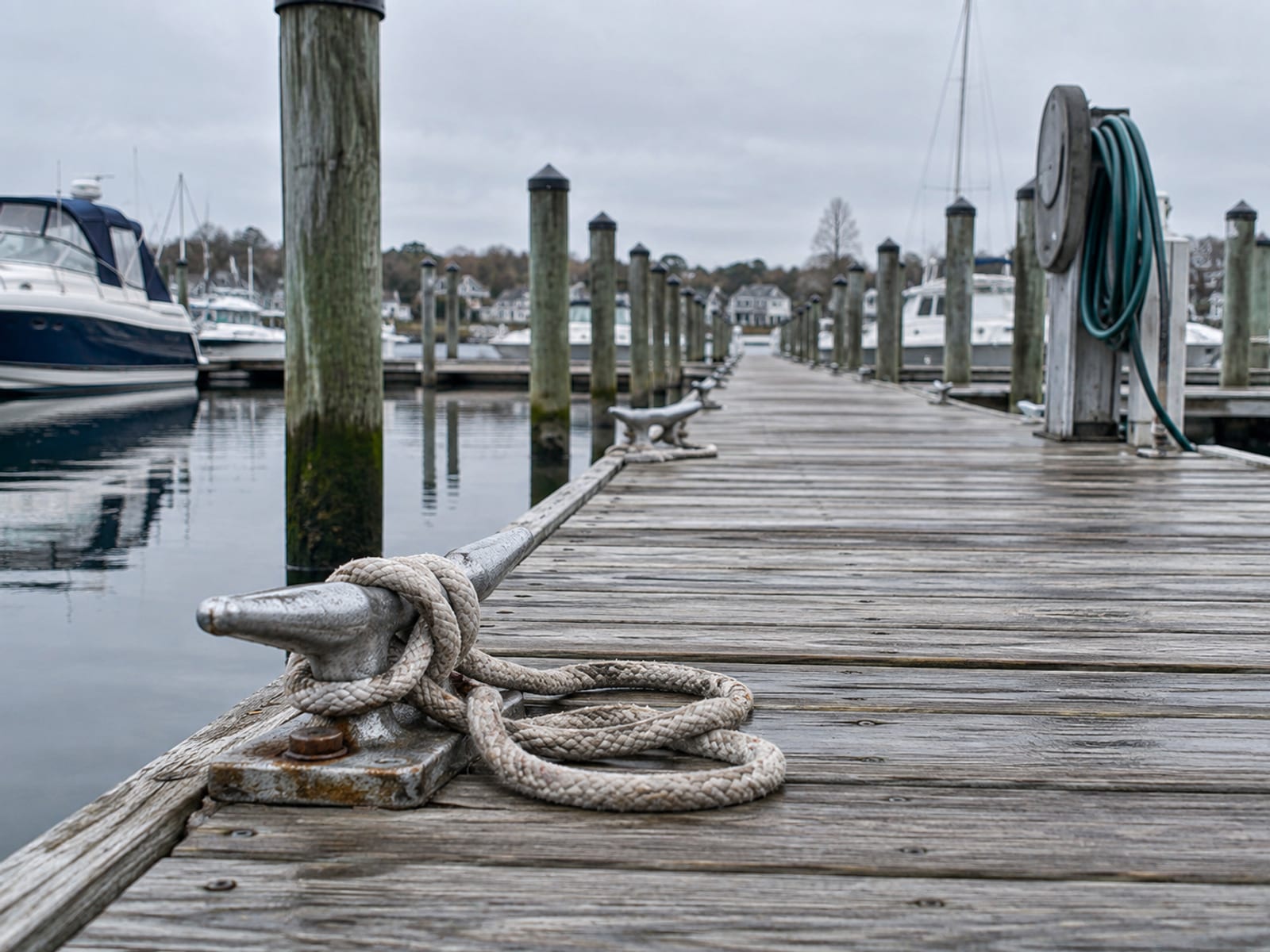
Does your boat need Massachusetts registration?
Massachusetts generally requires registration and numbering for motorized boats used on public waterways, under M.G.L. c. 90B, § 2 (opens in a new tab). That includes recreational motorboats, fishing boats with motors, sailboats with motors, canoes with motors, and personal watercraft such as Jet Skis and wet bikes, according to the Environmental Police (opens in a new tab). Adding a motor, even an electric one, can bring a sailboat or canoe under the requirement. Boats without motors generally do not need registration.
The statute lists exceptions, including certain government-owned boats, ships' lifeboats, documented vessels, qualifying foreign vessels, and boats numbered in another state that stay in Massachusetts no more than 60 consecutive days.
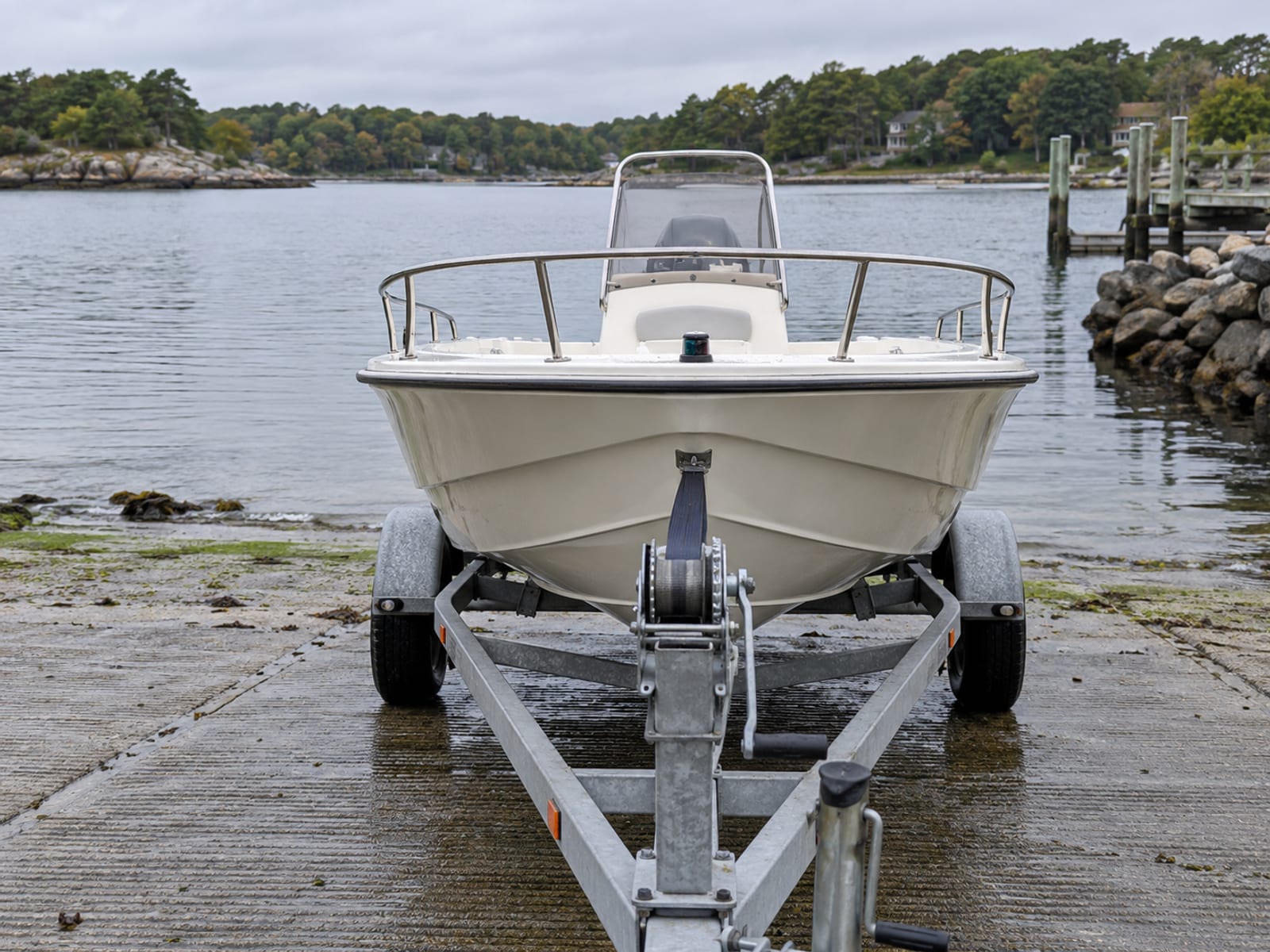
What registration requires and costs
For a first-time registration, Mass.gov (opens in a new tab) lists these documents:
- Bill of sale.
- Manufacturer's Statement of Origin for a new boat bought from a dealer.
- Proof that Massachusetts sales tax was paid.
- A pencil tracing or digital image of the hull identification number (HIN).
- Inspection information if the boat has no conforming HIN or was built before 1972.
- The registration fee.
Hover or tap a row to highlight it.
| Item | Fee |
|---|---|
| Boat under 16 feet | $44 for two years |
| 16 feet to less than 26 feet | $66 for two years |
| 26 feet to less than 40 feet | $88 for two years |
| 40 feet and greater | $110 for two years |
| Boat title | $27.50 |
| Duplicate title | $16.50 |
| Adding a lien holder | $16.50 |
Source: Mass.gov first-time boat registration (opens in a new tab).
Registration lasts two years. The number must appear on both sides of the forward part of the boat in contrasting block characters at least three inches high, and the certificate of number must be available for inspection while the boat is running, under M.G.L. c. 90B, § 3 (opens in a new tab).
Sales tax is 6.25% of the purchase price, due by the 20th day of the following month. Boat excise tax is a separate, locally administered tax under chapter 60B, described on the Massachusetts boat excise form (opens in a new tab).
The 2026 boater safety certificate rule
Massachusetts now requires a valid boater safety certificate for covered motorboat and personal watercraft operation, beginning April 1, 2026, subject to statutory exceptions, under M.G.L. c. 90B, § 9E (opens in a new tab). The phase-in, according to the Environmental Police Hanson-Milone Boater Safety Act FAQ (opens in a new tab):
- People born after January 1, 1989, need a certificate after April 1, 2026.
- People born on or before January 1, 1989, must get one before April 1, 2028.
- No operator was to be penalized until September 1, 2026.
- A child under 12 may not operate a motorboat unless accompanied and directly supervised by someone at least 18 who holds a valid certificate.
- Personal watercraft operators must be at least 16.
- The certificate must be on board and available for inspection, with statutory exceptions.
The certificate covers operator education. It is not insurance and does not replace it.
Massachusetts boater safety certificate phase-in
- April 1, 2026People born after January 1, 1989, need a certificate for covered motorboat and personal watercraft operation.
- September 1, 2026The date before which no operator was to be penalized.
- April 1, 2028The deadline for people born on or before January 1, 1989, to get a certificate.
What boat insurance can cover
Boat policies vary, and the Division of Insurance (opens in a new tab) describes the coverage they may include:
- Physical damage to the boat, whether it is an outboard, inboard, stern drive, jet drive, sailboat, houseboat or Jet Ski.
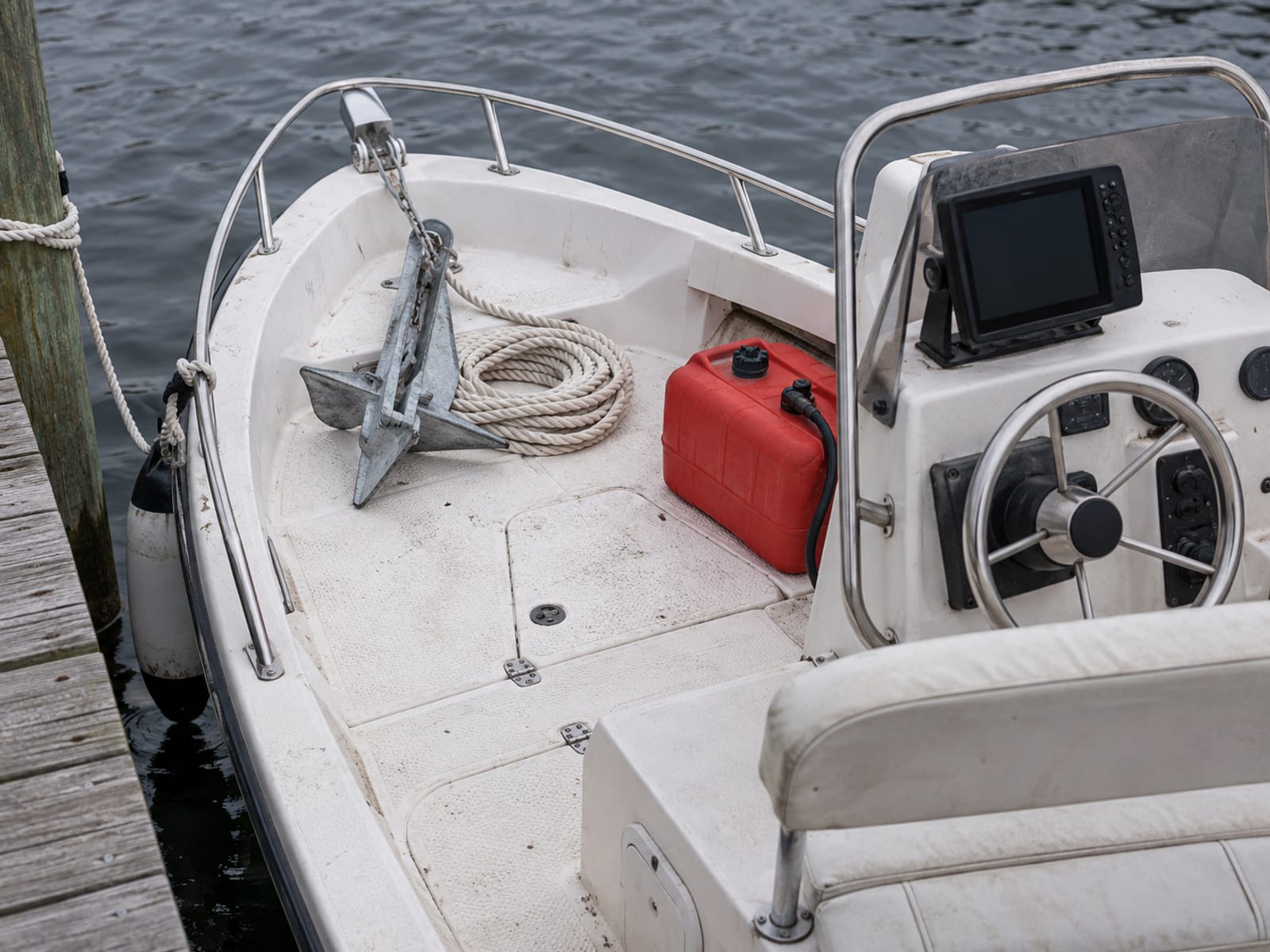
- Permanently attached equipment such as anchors, fuel tanks, motors, masts, depth finders, horns, lights, mooring cleats, lines, oars, radios and spars.
- Personal liability for bodily injury or property damage caused by owning, maintaining or using the boat.
- Limited medical payments for people other than family or household members who are hurt while in, boarding or leaving the boat.
- Uninsured boat owner coverage, if you buy it, for injuries caused by an uninsured or hit-and-run operator.
- Personal effects coverage, if you buy it, for items like clothing, fishing equipment, radios and water skis.
Towing, salvage, wreck removal, fuel spill and pollution costs depend on the policy. Ask the insurer to point to each one in the policy, along with any limit that applies.
What boat insurance commonly leaves out
Boat insurance is not meant to pay for routine maintenance or expected repairs, such as a worn deck, according to the Division of Insurance (opens in a new tab). Common exclusions and limits include:
- Routine maintenance, expected repairs and damage from poor maintenance.
- War-related damage.
- Personal property, unless an endorsement adds it.
- Racing or speed contests, which can also exclude sails, masts or spars during official races.
- Use outside the waters or the dates the policy covers.
If you race, keep the boat outside Massachusetts for part of the year, or use it into the late fall, raise that with your agent before you buy.
Where and when the boat is covered, and winter layup
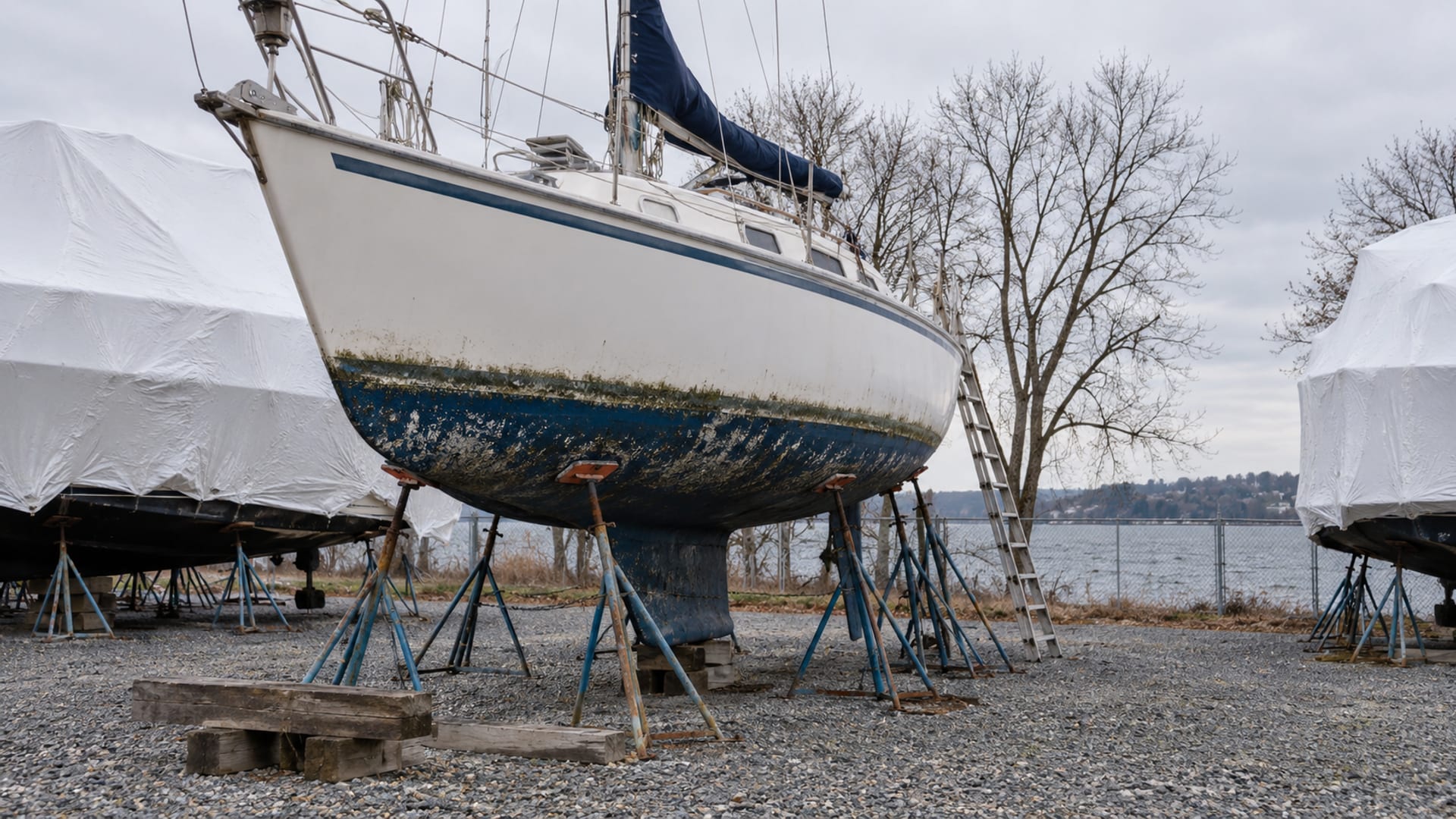
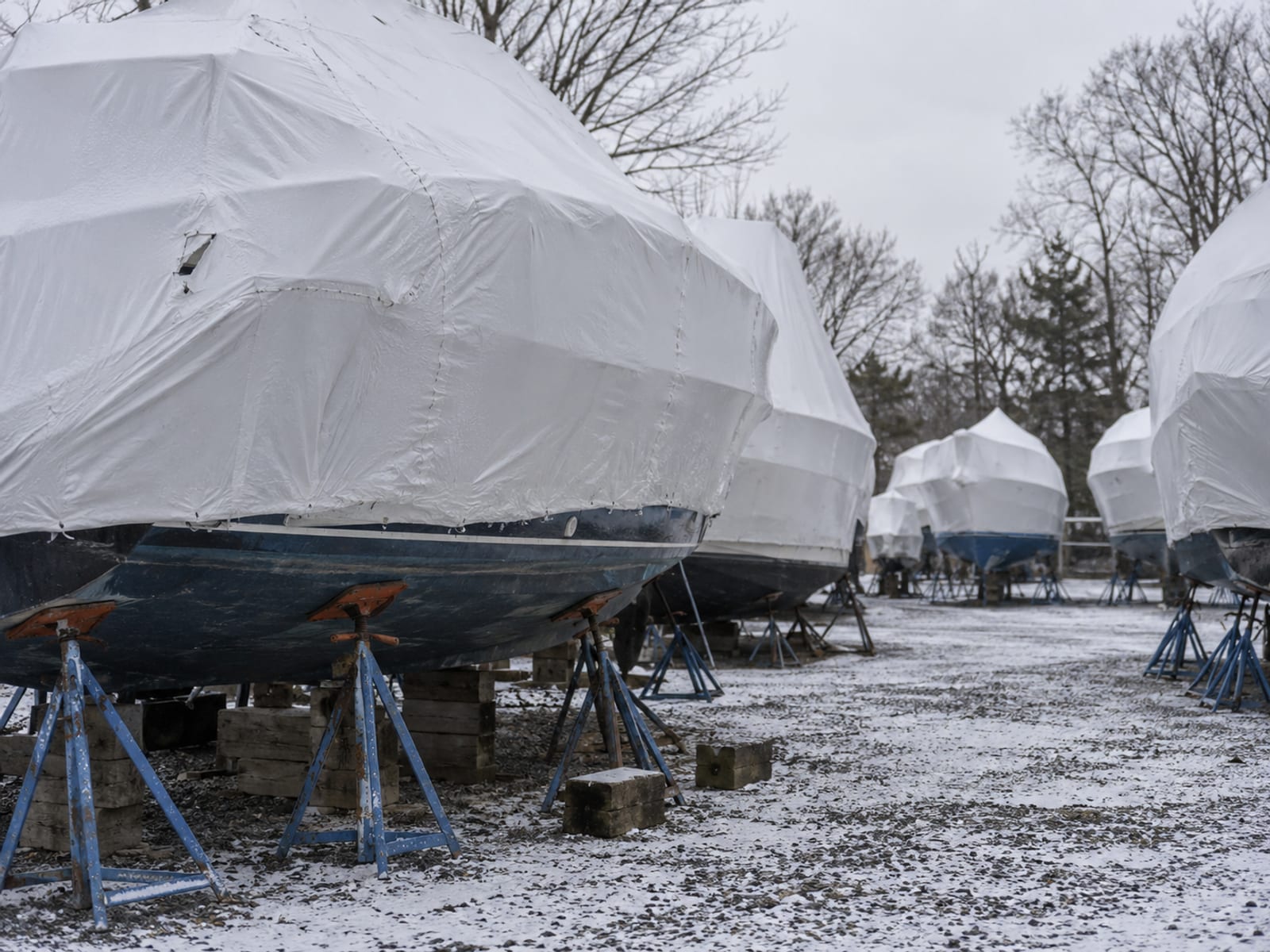
Where and when you use the boat affects both the price and the coverage. The waters the policy covers and the length of the season it covers can change your premium and what the policy covers, according to the Division of Insurance (opens in a new tab). Ask whether the policy covers Massachusetts coastal waters, inland lakes and rivers, trips outside the state, the full boating season, and winter storage. Layup terms, the period when the boat is out of the water, are set by each policy, so confirm the dates and storage conditions in writing.
How boats are valued after a loss
The valuation method decides how much a claim pays, and the Division of Insurance (opens in a new tab) describes four:
- Market value: what the boat would sell for.
- Actual cash value: current value after ordinary wear and depreciation.
- Replacement cost value: what it costs to repair or replace the boat.
- Agreed value: an amount you and the insurer negotiate when the policy is issued.
These figures can differ substantially for the same boat. Ask which one your policy uses before you compare prices, since a cheaper policy may be paying on a different basis.
Does homeowners insurance cover your boat?
Only in a limited way, and sometimes not at all. Homeowners policies may cover small boats, sometimes with as little as $1,000 for physical damage to the boat, motor, trailer and accessories, according to the Division of Insurance (opens in a new tab).
Anything much larger than a small sailboat of 26 feet or less, or a powerboat with a small motor, may be excluded from homeowners property and liability coverage, according to the Division's Insured for Summer Fun advisory (opens in a new tab). Jet Skis will likely need a separate boat policy, though some homeowners insurers offer specialized coverage. An umbrella policy can add liability protection only if both the underlying policy and the umbrella include the boat. Ask your home insurer for the exact terms on your boat, motor and trailer.
How much does boat insurance cost in Massachusetts?
Your price depends on the boat and how you use it. The Division of Insurance (opens in a new tab) lists these cost factors:
- How much coverage you buy.
- Your deductible.
- The boat's age and condition.
- Your accident history.
- The waters you boat in.
- How long your boating season runs.
- Discounts the insurer offers.
For a real figure, ask for a dated quote based on the boat's type, value, age and condition, how and where you use it, the coverages and valuation method you want, your deductible, your claims history and where you store it.
Questions to ask an insurance agent
- Is the boat insured on an agreed value, actual cash value, replacement cost or other basis?
- Which boat, motor, trailer, attached equipment and personal effects are covered?
- What liability coverage applies to bodily injury and property damage?
- Are medical payments included, and who qualifies?
- Is uninsured boater coverage included or optional?
- Are towing, salvage, wreck removal, fuel spill and pollution costs covered?
- What exclusions apply to wear and tear, maintenance, racing, theft, storms and vandalism?
- What waters and dates are covered, and what are the winter layup terms?
- Are a Jet Ski, tender, dinghy, trailer, fishing gear and water sports equipment covered?
- Is commercial or charter use excluded?
- What cancellation and nonrenewal terms apply?
- Can a marina, lender or town be listed as an additional insured or loss payee, and what documents do they need?
Check what you know about Massachusetts boat insurance
Massachusetts boat insurance: quick answers
Can a lender pick my insurance company? No. A lender can require you to insure a financed boat, but it cannot require a particular insurer or coverage for more than the boat's value, according to the Division of Insurance (opens in a new tab).
What happens if I let boat insurance lapse while the boat is financed? Some loan agreements allow the lender to accelerate the loan and demand the full balance if coverage is dropped or premiums stop, according to the Division of Insurance (opens in a new tab). Marina and storage contracts can also require notice before cancellation, so check each contract.
Does an out-of-state boat need Massachusetts registration? A boat numbered in another state does not need Massachusetts numbering if it stays in Massachusetts no more than 60 consecutive days, under M.G.L. c. 90B, § 2 (opens in a new tab). Past that point, the out-of-state exception no longer applies.
Who can run a personal watercraft in Massachusetts? Operators must be at least 16 and, under the 2026 rule, hold a boater safety certificate on the phase-in schedule, according to the Environmental Police (opens in a new tab).
Before you launch
Register the boat, carry the right safety certificate, and gather every contract tied to it: the loan, the slip or mooring agreement and the storage contract. Once you know what each one requires, an agency conversation about hull value, liability limits, covered waters and additional insured wording will be short and specific.
Terms used in this guide
Tap a term to see what it means.
Registration and numbering. The Massachusetts requirement for most motorized boats on public waterways, renewed every two years.
Boater safety certificate. Proof of completed operator education, required for covered motorboat and personal watercraft operation beginning April 1, 2026.
Additional insured. A party, such as a marina or town, named on your policy as a condition of a contract.
Loss payee. A party, such as a lender, named to receive claim payments for a financed boat.
Agreed value. A boat value you and the insurer negotiate when the policy is issued.
Actual cash value. Current value after ordinary wear and depreciation.
Layup. The period when the boat is out of the water, with terms set by each policy.
Hull identification number (HIN). The identifying number on a boat's hull, traced or photographed for registration.