Does Pennsylvania Require Boat Insurance? Registration Rules, Marina Requirements and What Coverage Includes
Riskado
Pennsylvania has no general state requirement to insure a recreational boat. What the state does require is registration: a motorboat must be registered before it is operated on Pennsylvania waters, under 30 Pa.C.S. § 5301 (opens in a new tab), and an unpowered boat such as a kayak or canoe using Pennsylvania Fish and Boat Commission (PFBC) or state park and forest access must display a registration or a launch permit. Insurance can still be required of you by contract. A marina, lender, club or private facility can make coverage a condition of a slip or a loan. And a boat policy covers damage and liability that registration and a launch permit never touch. So, check three things separately: the boat's registration status, any marina or loan agreement, and the policy itself.
Key takeaways
- No general insurance lawPennsylvania has no general state requirement to insure a recreational boat.
- RegistrationA motorboat must be registered before it is operated on Pennsylvania waters.
- Unpowered boatsA kayak or canoe using PFBC or state park and forest access must display a registration or a launch permit.
- ContractsA marina, lender, club or private facility can make coverage a condition of a slip or a loan.
- What a policy addsA boat policy covers damage and liability that registration and a launch permit never touch.
Does Pennsylvania require boat insurance by law?
The state's answer starts with liability, not insurance. Under 30 Pa.C.S. § 5504 (opens in a new tab), the owner of a watercraft and the person operating it are jointly and severally liable for damages that arise from operating it. In practice, that means if your boat hits a dock or injures someone, you and the operator can both be held responsible for the cost. That rule is a duty to pay for damage you cause; it is worded differently from a rule that says you must buy a policy to cover it.
For ordinary recreational boats, including pontoons, sailboats, kayaks, canoes and personal watercraft, the state's registration and boating rules center on registration, permits, safety certificates and equipment, according to the PFBC Boating FAQs (opens in a new tab). Commercial operations are a different story. Boats carrying passengers for hire that are subject to inspection under 58 Pa. Code Chapter 115 (opens in a new tab) must have a current certificate of insurance. If you run a charter, guide service or rental, ask an agency about the commercial rules that apply to your operation.
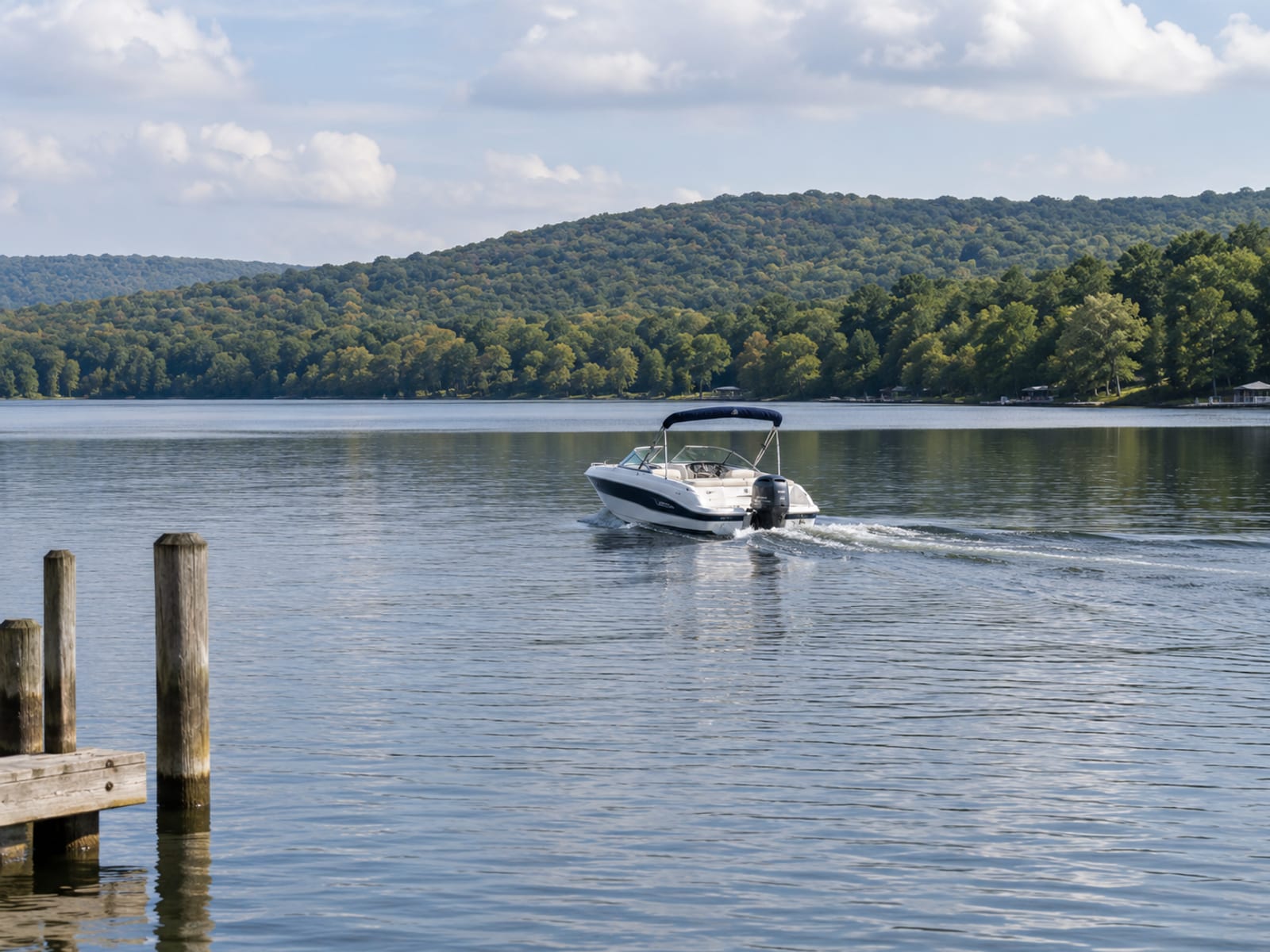
What must be registered in Pennsylvania?
Every motorboat must be registered when operated, subject to statutory exemptions, under 30 Pa.C.S. Chapter 53 (opens in a new tab). A motorboat principally operated in another state may get temporary reciprocal treatment here. Once Pennsylvania becomes the place where the boat is principally operated, you have 60 days to get Pennsylvania registration.
Proof of insurance is not part of the registration application, according to the PFBC Boat Registration and Titling FAQs (opens in a new tab). The application covers registration, title, numbering and fees. Current PFBC fees include:
Hover or tap a row to highlight it.
| Item | Fee |
|---|---|
| Certificate of title, new or corrected | $30 |
| Lien recording | $20 |
| Duplicate title | $20 |
| Transfer of remaining registration to a newly acquired boat (same owner) | $10 |
| Temporary-registration agent fee | $2 |
| Unpowered launch permit | $12 for one year; $22 for two years |
| Commercial passenger boat registration | $50 |
Source: PFBC Boat Registration and Titling FAQs (opens in a new tab), as of October 2, 2026. Launch permit prices are before agent, transaction or service fees.
If you finance the boat, keep the title and lien documents with your loan papers, since the loan agreement is also where any insurance condition will appear.
Can an unpowered boat use a launch permit instead of registration?
Yes. A kayak, canoe, rowboat or paddleboard does not need registration just because you own it. If you launch it at a PFBC access area or a state park or forest, though, it must display either a boat registration or an applicable launch permit, according to the PFBC launch permit page (opens in a new tab) and the PFBC unpowered boats page (opens in a new tab). You need one or the other for the same access, not both.
A launch permit is an access pass. It does not pay for damage to your kayak or for an injury you cause on the water. If you want either kind of protection, that is a separate insurance question, which may start with your homeowners policy.

What do Pennsylvania state parks require?
All motorboats in Pennsylvania state parks and forests must display current PFBC registration, according to the Pennsylvania DCNR boating page (opens in a new tab). Non-powered boats launched in state parks or forests must display one of these:
- A PFBC boat registration.
- A PFBC launch permit.
- A Pennsylvania State Park launch permit.
- A Pennsylvania State Park mooring permit.
Boaters have to follow both PFBC rules and the rules of the specific park or forest district. DCNR offers shoreline mooring, marinas and dry-land mooring at various parks, and availability, cost and reservations are handled by the individual park. Current prices are on the DCNR state park boating prices page (opens in a new tab).
The general state park rules list registration and permits rather than insurance. Individual facilities can add their own terms, though. The Prince Gallitzin State Park marina manual (opens in a new tab), for example, recommends insurance for marina users. If you plan to rent a slip or mooring at a state park, ask the park office for the current rules before you sign up.
Can a marina or lender require boat insurance?
Yes. These requirements come from private contracts rather than state law. A lender's requirement comes from the financing agreement. It may call for physical-damage coverage, liability coverage, a certificate of insurance or specific wording that lists the lender, and the loan documents control.
Marina requirements come from the slip, storage, club or mooring contract. Two Pennsylvania examples show how specific these terms can be:
- The Moraine-Corry Marina rules (opens in a new tab) require comprehensive general public-liability insurance that includes watercraft, with stated minimum limits, and a certificate delivered to the marina.
- The Five Star Boat Center 2025 slip rental agreement (opens in a new tab) requires a valid certificate of insurance naming the marina as an additional insured, along with valid boat and trailer registration.
These are individual contracts, not statewide rules. Before you sign a slip or storage agreement, ask the marina for its current insurance wording, the liability limits it requires, whether it must be named as certificate holder or additional insured, how much cancellation notice it expects, and whether it wants coverage for storage, the trailer, passengers or pollution.
Hover or tap a row to highlight it.
| Item | Where it comes from | What it involves |
|---|---|---|
| Motorboat registration | 30 Pa.C.S. § 5301 (opens in a new tab) | Required before operating on Pennsylvania waters, subject to statutory exemptions |
| Unpowered boat at PFBC or state park and forest access | PFBC and DCNR rules | A boat registration or an applicable launch permit |
| Passenger boat for hire subject to inspection | 58 Pa. Code Chapter 115 (opens in a new tab) | A current certificate of insurance |
| Slip, mooring or storage | The marina, club or mooring contract | Terms vary; some set liability limits or require a certificate naming the marina |
| Financed boat | The loan agreement | May call for physical-damage or liability coverage and wording that lists the lender |
| Boating Safety Education Certificate | PFBC | Every personal watercraft operator, and anyone born on or after January 1, 1982, operating a boat with a motor over 25 horsepower |
What does boat insurance typically cover?
A boatowners or personal watercraft policy covers damage to pleasure boats, motors, trailers, boating equipment and personal watercraft, along with liability for bodily injury and property damage to others, according to the NAIC consumer guide to property insurance (opens in a new tab) and the NAIC glossary of insurance terms (opens in a new tab).
Beyond those core parts, features vary by policy. A policy may include medical payments, uninsured boater coverage, towing or on-water assistance, and fuel spill, pollution or wreck removal costs, but each depends on the actual policy form and endorsements. Common exclusions or restrictions involve wear and tear, maintenance, racing, excluded operators, areas where the boat is not covered, unapproved commercial use and certain watercraft types. The declarations page, the policy form and its endorsements decide what applies to your boat.
How do agreed value and actual cash value differ?
This choice decides how a total loss gets paid. Actual cash value is the payment for loss or damage, in most cases replacement cost minus depreciation, according to the NAIC glossary (opens in a new tab). Since boats lose value over time, an actual cash value payout on an older boat reflects that loss in value.
An agreed value arrangement sets the boat's value in advance under the policy terms, according to the Texas Department of Insurance boat insurance guide (opens in a new tab), which explains these terms in general rather than as Pennsylvania law. Ask how the policy treats partial losses, total losses, deductibles, depreciation, salvage and equipment under whichever method it uses.
Two other terms show up often. A policy may limit where the boat is covered, such as restrictions on ocean use, and a Pennsylvania policy may set its own boundaries for Lake Erie, rivers and inland lakes. A lay-up period suspends or limits coverage during set months when the boat is out of use. If your boat sits in storage over the winter, ask how physical damage, liability, theft and storage coverage work during lay-up, and whether moving or launching the boat in that period is covered.
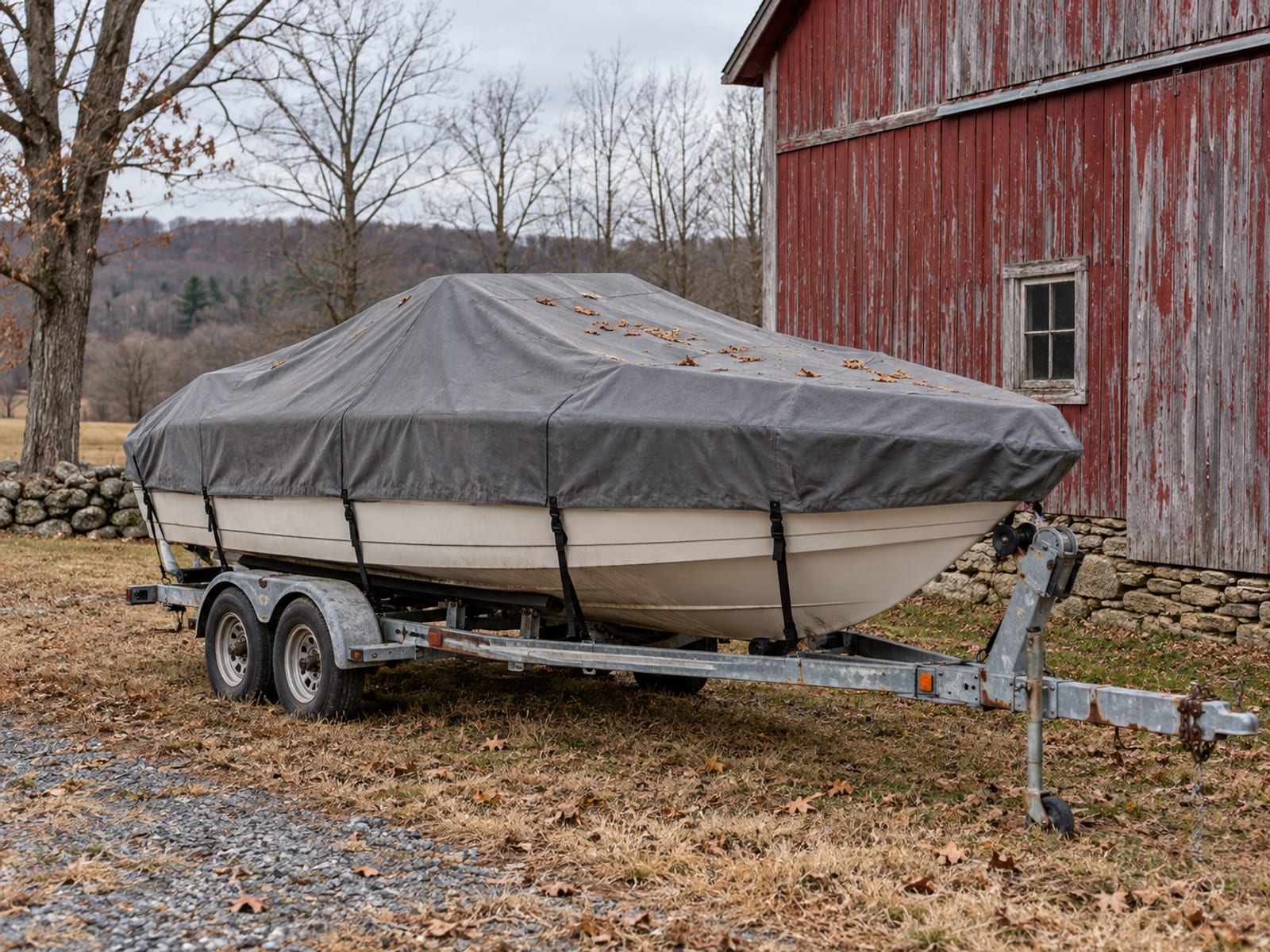
Does homeowners insurance cover a boat?
Sometimes, and usually only a little. A homeowners policy may cover a small boat for physical damage, with personal property coverage sometimes limited to $1,500 or less, and its liability coverage for boats is limited, according to the NAIC (opens in a new tab). Liability eligibility typically extends to small sailboats up to 26 feet and powerboats with small motors, such as 50 horsepower for inboard and inboard/outboard motors and 25 horsepower for outboards. A boat of significant size may be excluded from both property and liability coverage, and personal watercraft will likely need a separate boat policy.
Those figures describe typical homeowners policies, not a Pennsylvania rule, so your own policy's watercraft section is what counts. If you carry an umbrella policy, ask whether it covers your specific boat or personal watercraft, who may operate it, where it is used, any business use, and what underlying insurance the umbrella requires.
What safety certificate and age rules apply?
Every personal watercraft operator in Pennsylvania must carry a Boating Safety Education Certificate. Anyone born on or after January 1, 1982, also needs the certificate to operate a boat powered by a motor greater than 25 horsepower, according to the PFBC boating safety certificate page (opens in a new tab). Approved courses are offered online and in person, and the PFBC certificate is valid for life once you pass.
Personal watercraft carry extra age rules under the PFBC personal watercraft regulations (opens in a new tab):
- Anyone 11 or younger may not operate a personal watercraft.
- Operators ages 12 through 15 may not carry passengers age 15 or younger.
- No one under 16 may operate a rented personal watercraft.
- Operators must carry the certificate while operating.
Pennsylvania residents generally need a PFBC-issued certificate, while nonresidents may use a certificate from a NASBLA-approved course or another certificate PFBC recognizes, per the PFBC powered boating basics page (opens in a new tab). If several people in your household will drive the boat, ask your agency whether the policy has any conditions about who may operate it.
What does boat insurance cost in Pennsylvania?
One insurer's figures give a rough sense of scale. The average annual cost of Progressive's Pennsylvania boat policies (opens in a new tab) was $283.63 in 2023, and the same page, updated February 13, 2025, advertises a liability-only starting price of $100 a year. Those numbers reflect one company's customers, not a statewide average, and cost depends on factors such as the type of watercraft and your boating experience. For a figure that fits your situation, request a dated quote based on the boat's type, age, value and horsepower, where you use it, how you use it, who operates it, how it is stored, and the features you want.
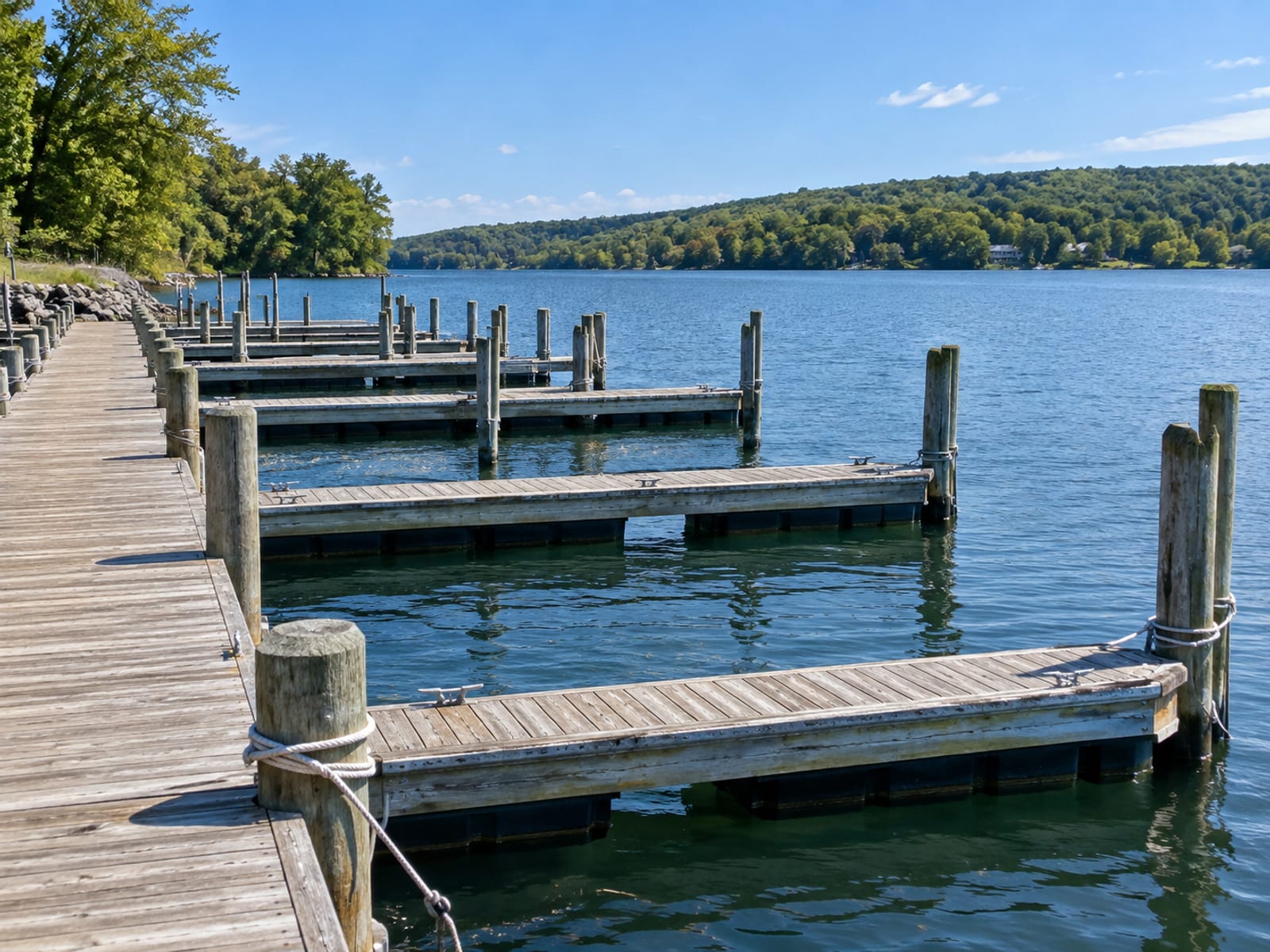
Questions to ask an agency
Bring your registration, any marina or loan agreement, and your current homeowners policy, then ask:
- Does my homeowners policy cover this boat, or do I need a separate policy?
- What physical damage coverage applies to the hull, motor, trailer and equipment?
- Is a loss settled on agreed value or actual cash value, and how is depreciation applied?
- What liability limits apply to bodily injury and property damage?
- Are medical payments, uninsured boater, towing, fuel spill, salvage or wreck removal included?
- Where is the boat covered, and is there a lay-up period?
- Who may operate the boat, and are rentals, racing or charter use excluded?
- What proof does my marina or lender need, and must it be listed as certificate holder, additional insured or loss payee?
- What happens if the policy expires, is cancelled or is suspended?
Riskado's directory lists insurance agencies in Pennsylvania and across the US, by city and by category, if you want to find one near you to talk through these questions.
Check what you know about Pennsylvania boat rules
Frequently asked questions
Do I need insurance to register a boat in Pennsylvania?
No. The PFBC registration and title application covers registration, title, numbering and fees, with no proof-of-insurance step. A lender or marina can still require coverage separately.
Does a Jet Ski need insurance in Pennsylvania?
State law does not set a general insurance requirement for personal watercraft, but every operator must carry a Boating Safety Education Certificate. Personal watercraft will likely need their own boat policy, since homeowners coverage for them is limited.
Does a launch permit include insurance?
No. A launch permit is an access credential for an unpowered boat at PFBC or state park and forest access areas. It gives no liability or physical damage protection.
What happens if my boat insurance lapses?
State registration does not depend on insurance, but a marina or lender contract may. A lapse can put you out of compliance with a slip agreement or loan, so ask your agency how cancellation notices work and tell the marina or lender before coverage ends.
Terms used in this guide
Tap a term to see what it means.
Launch permit. A PFBC or state park permit that lets an unpowered boat use public access areas; it is not insurance.
Joint and several liability. A rule under which the owner and the operator can each be held responsible for the full damages.
Agreed value. A way of setting the boat's value in advance under the policy terms.
Actual cash value. A payment for loss or damage, in most cases replacement cost minus depreciation.
Lay-up period. Set months when coverage is suspended or limited because the boat is out of use.
Additional insured. A party, such as a marina, added to your policy as an insured under the policy terms.
Personal watercraft. A small vessel such as a Jet Ski that carries its own operator age and certificate rules.
Boating Safety Education Certificate. The PFBC credential required for personal watercraft operators and for some operators of boats over 25 horsepower.