Rhode Island Boat Insurance: What Is Required, What It Covers, and What Marinas and Lenders Ask For
Riskado
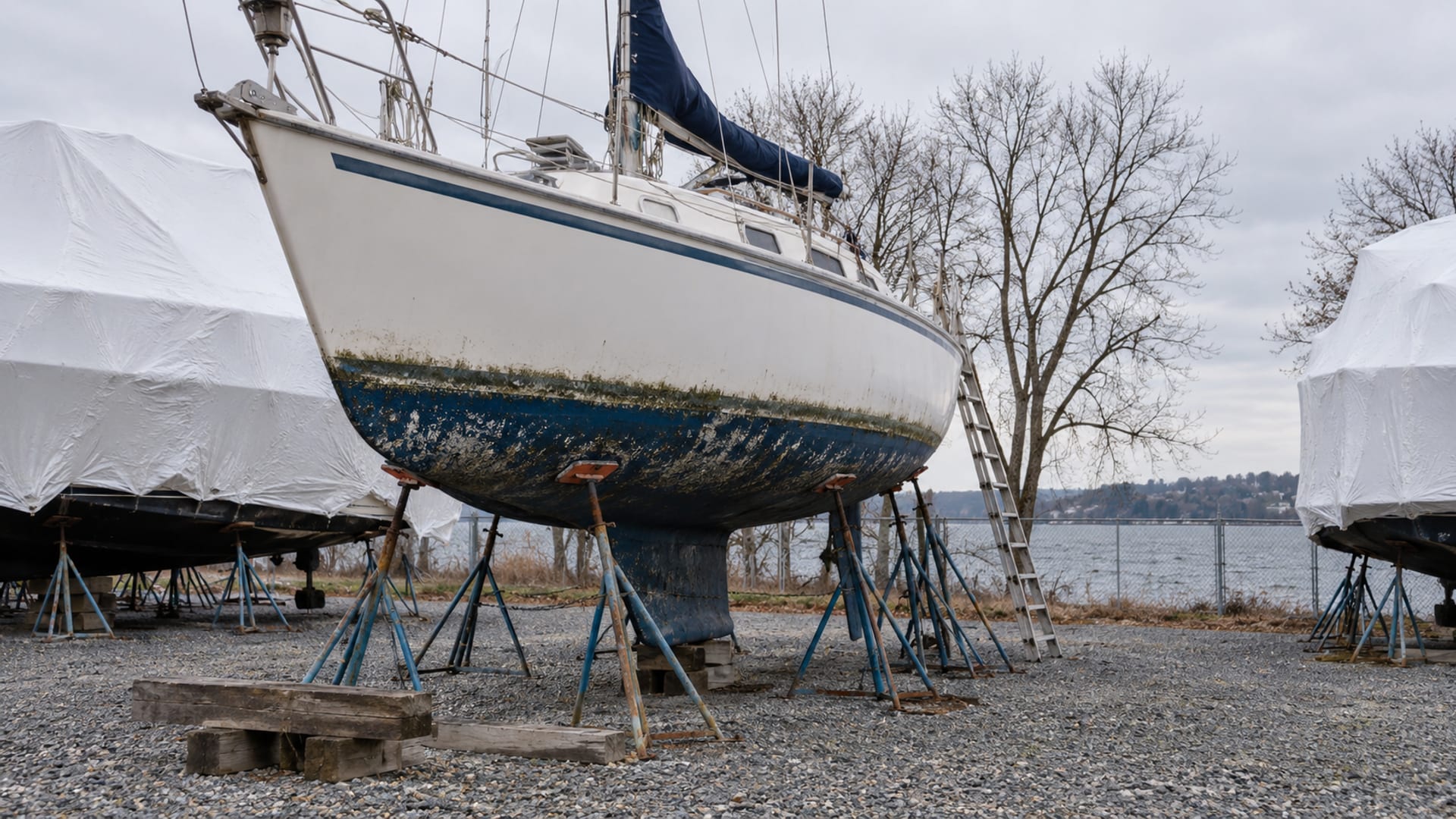
In Rhode Island, registering a boat and insuring it are two separate steps. The Department of Environmental Management (DEM) requires motorboats and personal watercraft to be registered, and its registration checklist (opens in a new tab) covers ownership papers, titles, the hull identification number (HIN) and fees, with no boat insurance listed among the registration documents. Your lender, marina or mooring arrangement may still require a policy. Boat insurance can cover damage to the hull and equipment, liability for injuries or property damage, medical payments, theft, towing and salvage, but the policy's exclusions, territory limits, storm terms, deductibles and valuation method decide what it pays.
Key takeaways
- Two separate stepsDEM requires motorboats and personal watercraft to be registered, and boat insurance is not among the registration documents.
- Who may require a policyYour lender, marina or mooring arrangement.
- What a policy can coverDamage to the hull and equipment, liability for injuries or property damage, medical payments, theft, towing and salvage.
- What decides the payoutThe policy's exclusions, territory limits, storm terms, deductibles and valuation method.
So, the practical questions are what you need to register, who else is asking for proof of insurance, and what a policy will and won't pay for once you have one.
Is boat insurance required in Rhode Island?
Registration law and insurance requirements come from different places. Under R.I. Gen. Laws § 46-22-4 (opens in a new tab), motorboats must be registered and the owner pays the registration fee. DEM's registration checklist (opens in a new tab) asks for ownership, title, HIN and application documents, and insurance is not on it.
Owning a boat still carries legal responsibility. Under R.I. Gen. Laws § 46-22-15 (opens in a new tab), a vessel owner can be held civilly liable for damage caused by negligent operation. That liability exists whether or not you carry insurance.
The other common source of an insurance requirement is a contract. A boat loan, a marina slip agreement or a mooring arrangement can each require proof of coverage, specific limits or particular wording, and those terms apply because you signed them.
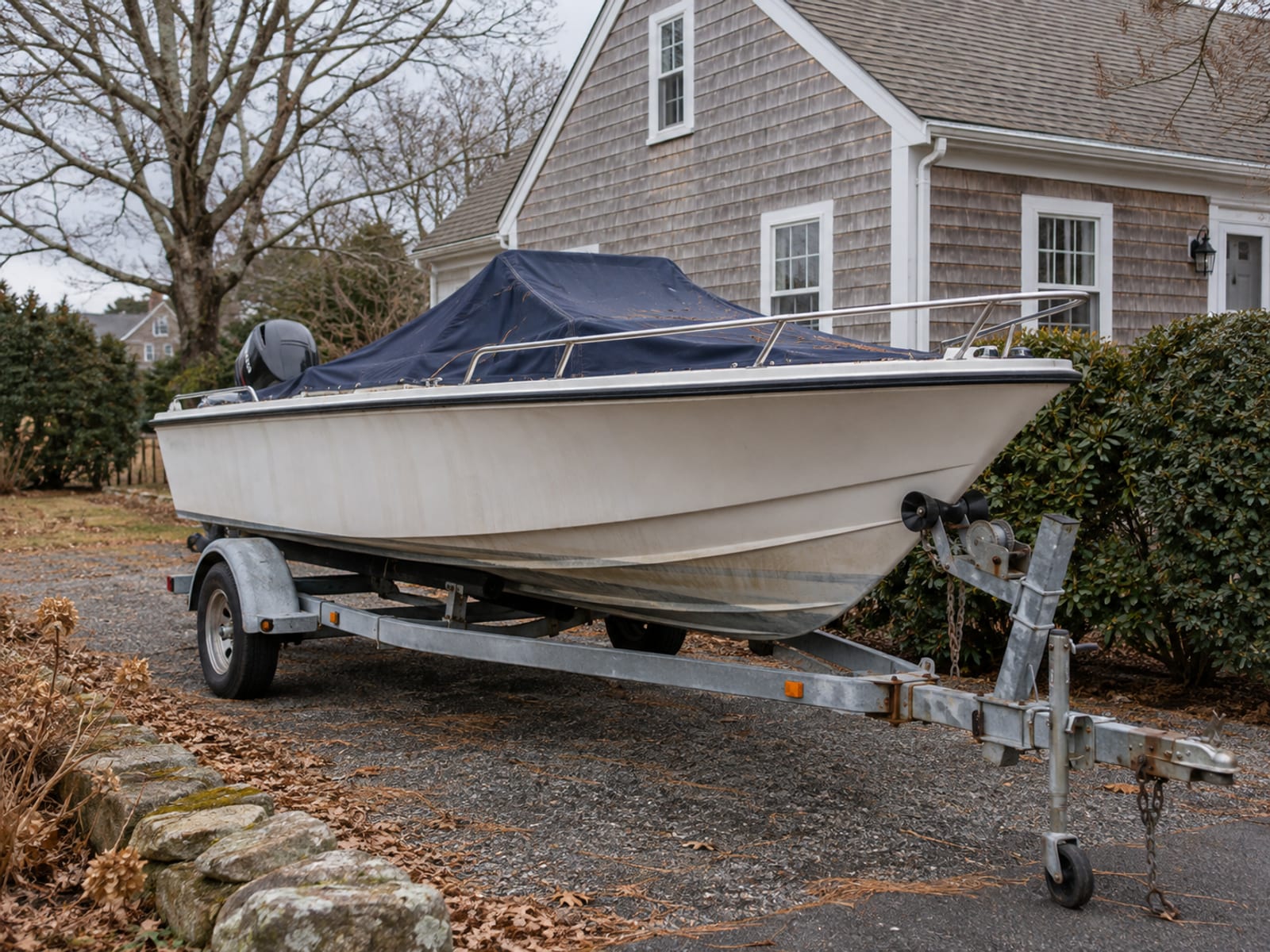
What do you need to register a boat in Rhode Island?
The paperwork depends on whether the boat is new, used or documented with the Coast Guard. For a new boat, DEM lists (opens in a new tab) the dealer bill of sale, the Manufacturer's Statement of Origin, the boat registration application and fee, an outboard motor registration application and fee where one applies, an initial title application and fee where titling applies, notarized Rhode Island forms, and a pencil tracing of the HIN.
For a used boat, DEM asks for a notarized bill of sale or gift statement, the seller's signed and notarized title (or the most recent registration if the boat comes from a state that doesn't title boats), registration and title applications, the HIN tracing and any outboard motor paperwork. A documented vessel needs a U.S. Coast Guard Documentation Certificate in the owner's name and a completed state registration application. A boat that was previously documented may also need a notarized bill of sale and a Coast Guard letter of deletion.
Titling has its own rule. Under R.I. Gen. Laws § 46-22.1-3 (opens in a new tab), vessels principally used on Rhode Island waters generally need a title, with exceptions that include documented vessels and vessels 14 feet or shorter. When titling applies, the application is due within 30 days of taking possession.
Registration and title fees
Registration fees rise with length. These figures come from the DEM registration FAQ (opens in a new tab), checked October 1, 2026:
Hover or tap a row to highlight it.
| Boat length | Registration fee |
|---|---|
| 1 to 15 feet | $32 biennial |
| 16 to 20 feet | $42 biennial |
| 21 to 25 feet | $66 biennial |
| 26 to 30 feet | $108 biennial |
| 31 to 35 feet | $212 biennial or $106 annual |
| 36 to 40 feet | $264 biennial or $132 annual |
| 41 to 45 feet | $316 biennial or $158 annual |
| 46 to 50 feet | $418 biennial or $209 annual |
| Over 50 feet | $620 biennial or $310 annual |
An initial Rhode Island title without a bank lien costs $25, and the title filing fee is $15 per outstanding loan. Outboard motor registration is a one-time $20. DEM's 2026 registration page (opens in a new tab) also lists enhanced access fees for online renewals.
According to DEM, boats generally aren't subject to sales tax unless they were purchased before July 29, 1993, but an outboard motor bought from a retailer needs a 7% sales-tax receipt. Boat trailers are registered through the Rhode Island DMV. If you sell the boat, it's destroyed or you move, you have 15 days to notify the state under § 46-22-4 (opens in a new tab).
Hover or tap a row to highlight it.
| Item | Figure | Source |
|---|---|---|
| Initial title without a bank lien | $25 | DEM registration FAQ (opens in a new tab) |
| Title filing fee | $15 per outstanding loan | DEM registration FAQ (opens in a new tab) |
| Outboard motor registration | $20, one time | DEM registration FAQ (opens in a new tab) |
| Title application when titling applies | Within 30 days of taking possession | R.I. Gen. Laws § 46-22.1-3 (opens in a new tab) |
| Notice after a sale, destruction or move | 15 days | R.I. Gen. Laws § 46-22-4 (opens in a new tab) |
| Boating-safety compliance for new residents | 60 days | R.I. Gen. Laws § 46-22-9.8 (opens in a new tab) |
| Second boating-safety offense | Fine of up to $100 | R.I. Gen. Laws § 46-22-9.8 (opens in a new tab) |
Are Jet Skis treated differently?
Personal watercraft, including Jet Skis, are registered the same way as other vessels, according to the DEM registration FAQ (opens in a new tab). A new one needs a dealer bill of sale and Manufacturer's Statement of Origin; a used one needs a notarized bill of sale plus title or prior registration documents where they apply.
The operator has a separate requirement. Under R.I. Gen. Laws § 46-22-9.8 (opens in a new tab), anyone operating a personal watercraft must complete an approved boating-safety education program, at any age. Anyone born after January 1, 1986, must also complete one before operating a vessel with more than 10 horsepower. New residents have 60 days to comply, and a second offense carries a fine of up to $100. Confirm approved courses through DEM's boating safety certification program (opens in a new tab).
Insurance stays separate from both registration and the safety certificate, though a lender or marina may require a policy on the watercraft.
What does a boat insurance policy cover?
Boat policies combine damage to your boat with liability to other people. Common coverages, according to the Insurance Information Institute (Triple-I) (opens in a new tab), include:
- Physical loss or damage to the hull
- Machinery, fittings, furnishings and permanently attached equipment
- Theft
- Bodily injury liability to others
- Property damage liability
- Guest passenger liability
- Medical payments for you and your passengers
- Trailers and boat accessories
- Towing after an accident or breakdown
Some policies add more. Salvage expenses, fuel-spill liability, personal effects such as fishing gear, and uninsured boater coverage are available where the policy provides them, according to Triple-I's boat coverage overview (opens in a new tab). Labels vary between companies, so ask for the actual policy form and endorsements and read the definitions rather than relying on the name of a coverage.
What does boat insurance exclude or limit?
Physical-damage coverage commonly excludes or limits normal wear and tear, insects, mold, animals, zebra mussels, defective machinery and machinery damage, according to Triple-I (opens in a new tab).
Where you use the boat matters too. Every policy lists a territory where the boat is covered, and a loss outside that area may not be covered, according to Triple-I (opens in a new tab). If you plan to run out of Narragansett Bay into the Atlantic or along the coast to another state, confirm that those waters are inside the listed territory. Other common limits include racing or high-performance use, lay-up periods when the boat is supposed to be out of service, charter or commercial use, and separate sublimits for salvage, towing, fuel spills, personal effects, trailers and accessories.
Storms, hurricanes and storm surge
Coastal storms deserve their own look at the policy. Hurricane and named-storm deductibles vary by policy and by what triggers them, and flood or storm-surge damage generally requires separate flood insurance in property policies, according to the NAIC (opens in a new tab). Some boat policies include a hurricane haul-out provision, according to Triple-I (opens in a new tab); ask what it pays for and what it requires of you.
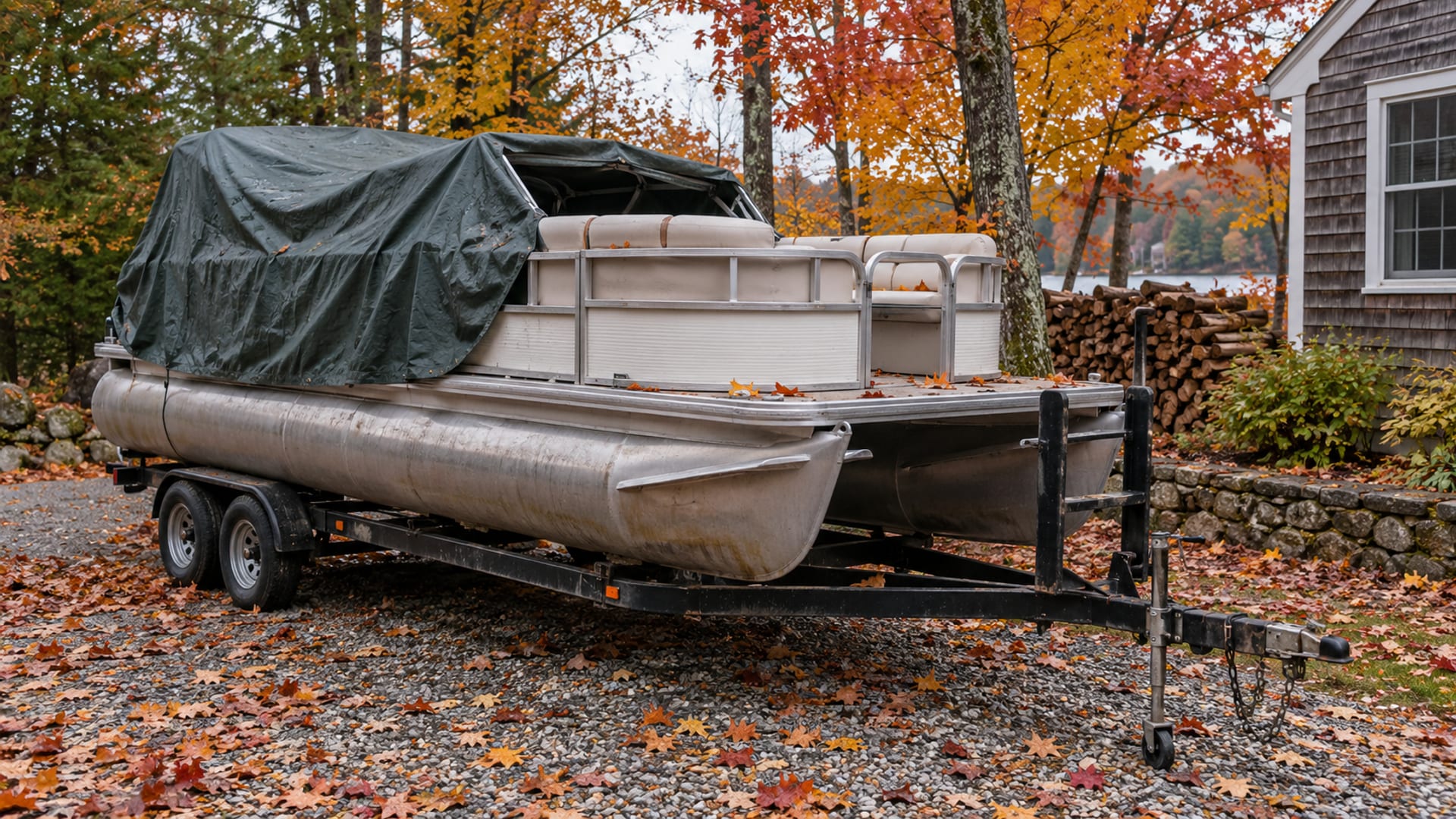
FEMA's hurricane guidance (opens in a new tab) advises securing a boat or moving it to a designated safe place when a hurricane threatens, if time permits. Whether failing to haul out or secure the boat affects a claim depends on the wording of your policy, so ask your agent to show you the storm-preparation conditions in writing.
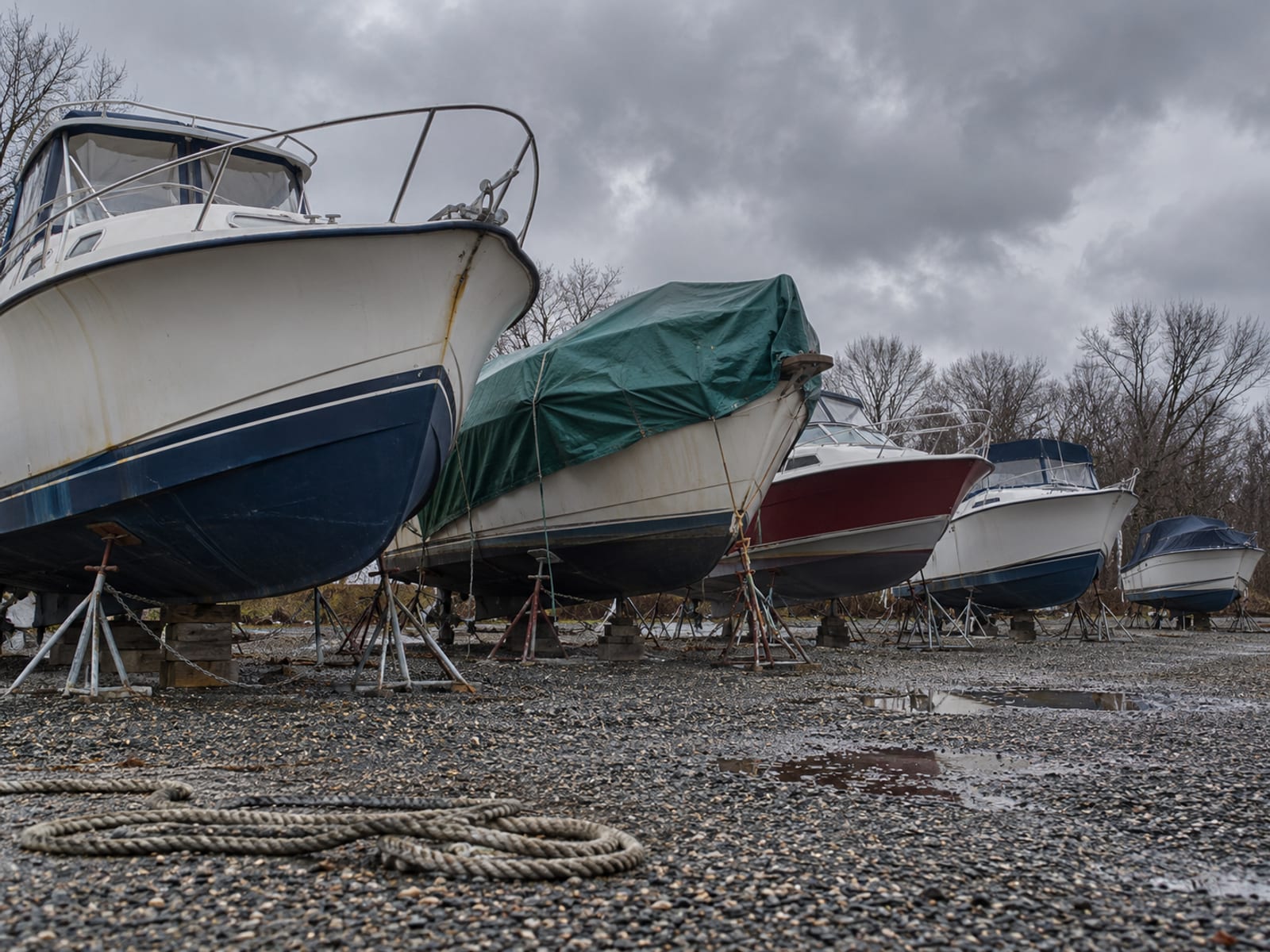
Agreed value or actual cash value: how losses are paid
The valuation method decides the check you receive after a loss. An agreed value (or agreed amount) policy uses a boat value that you and the insurer settle on up front. A total loss pays that agreed amount, subject to policy terms, and partial losses may replace old items with new ones without deducting depreciation, according to Triple-I (opens in a new tab).
An actual cash value policy uses the boat's value at the time of the loss, calculated as replacement or repair cost minus depreciation. Used-boat pricing guides and similar resources may be used to value a total loss. With either method, the policy wording controls how partial losses, deductibles, salvage and repairs are handled, so ask for an example of how a claim would be calculated on your boat.
Hover or tap a row to highlight it.
| Question | Agreed value | Actual cash value |
|---|---|---|
| What sets the value | A boat value you and the insurer settle on up front | The boat's value at the time of the loss |
| Total loss | Pays the agreed amount, subject to policy terms | Replacement or repair cost minus depreciation |
| Partial loss | May replace old items with new ones without deducting depreciation | Depreciation is deducted |
| What controls the details | The policy wording | The policy wording |
Does homeowners or umbrella insurance cover your boat?
A homeowners or renters policy may give a small boat limited property coverage, sometimes for the boat, motor and trailer together, according to Triple-I (opens in a new tab). Liability is typically not included and may need to be added by endorsement. Larger or faster boats, yachts and personal watercraft such as Jet Skis generally need their own policy.
An umbrella policy can add liability protection over your boat, home and auto policies, according to the NAIC (opens in a new tab), but its own rules decide what it covers. Ask whether the umbrella recognizes your specific boat, the people who operate it, where you use it and the underlying boat liability policy it expects you to carry.
What do lenders, marinas and mooring authorities ask for?
Lender requirements are part of the loan contract. Truist's marine loans (opens in a new tab), for example, require physical-damage insurance on the vessel and a loss-payable clause naming Truist. A lender may also ask for evidence of insurance before funding, its name as loss payee or lienholder, notice of cancellation or nonrenewal, coverage for its full collateral interest, a specified territory, and limits on commercial use, chartering, racing or bareboat use. If you're working toward a closing date, ask the lender for its insurance requirements early so your agent has time to match the wording.
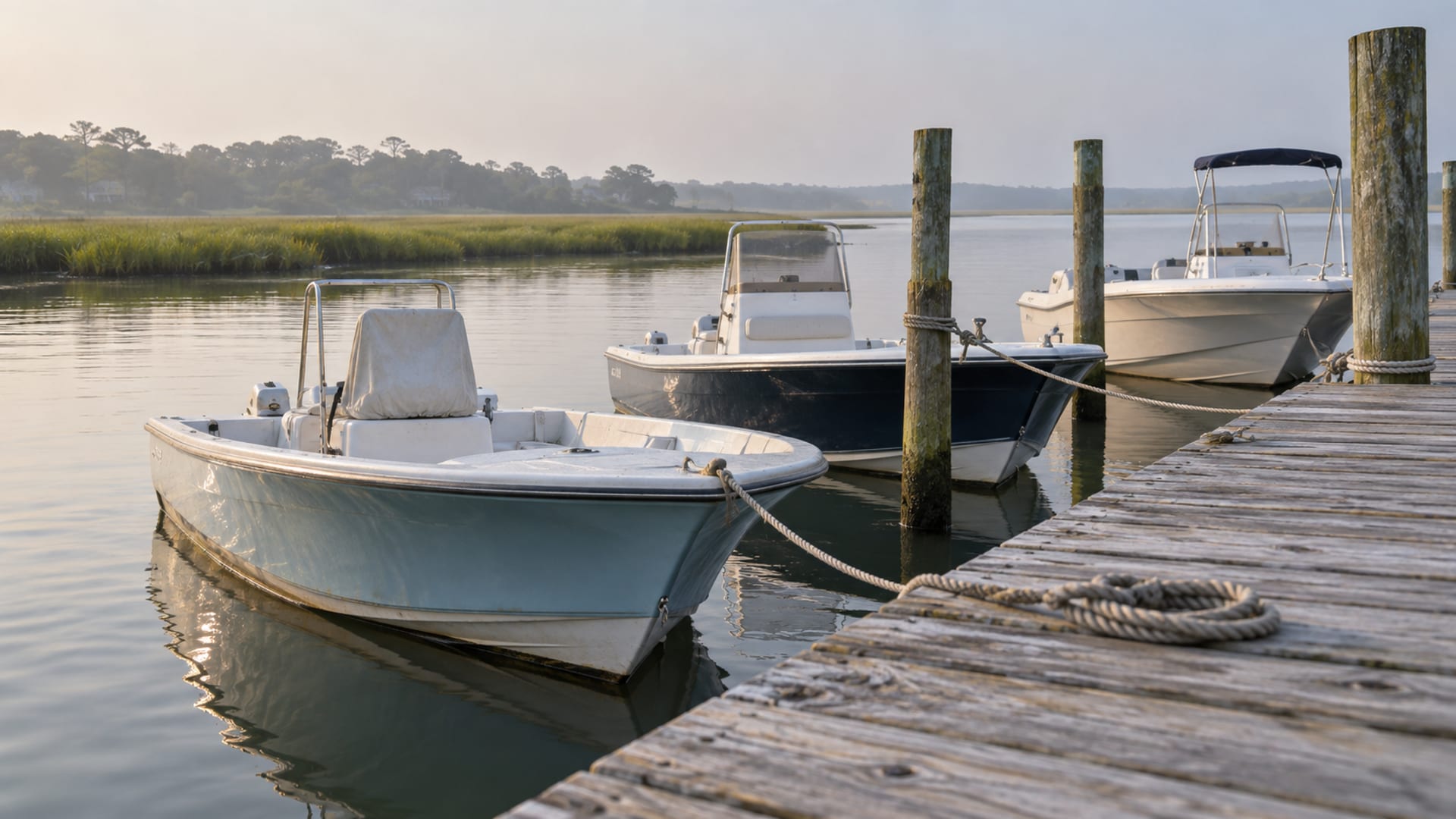
Marina and mooring requirements vary by facility and agreement. Common requests include a certificate or other evidence of insurance, naming the marina or authority as an additional interest, liability coverage, storm-preparation duties and notice of cancellation. The Rhode Island DEM berth form (opens in a new tab) asks for insurance information. Ask your marina or mooring authority for its current insurance clause, certificate wording, required limits, additional-interest language and cancellation-notice terms, and pass that to your agent.
How much does boat insurance cost in Rhode Island?
Progressive reported that its average annual boat policy cost in 2024 to 2025 ranged from $274.42 in Wisconsin to $867.86 in Florida. Its high-cost state group, which includes Rhode Island, averaged $662.51 a year, according to Progressive's boat insurance cost page (opens in a new tab), updated November 14, 2024 and checked October 1, 2026.
Those are Progressive's own policy averages, not a Rhode Island market average or a quote. Progressive names location, boat type, boating history, claims history, horsepower, age and coverage as rating factors, so your price depends on your boat and how you use it.
Questions to ask an insurance agent
Bring the boat's details, your lender's and marina's insurance requirements, and these questions:
- Is the boat insured on an agreed value or actual cash value basis?
- What hull, machinery, electronics, trailer and personal-effects coverage applies?
- What are the deductibles for collision, theft, windstorm, hurricane and named storms?
- What territory is listed, and does it include Narragansett Bay, offshore Atlantic waters, coastal passages and winter storage?
- Is racing, chartering, fishing for hire or other commercial use excluded?
- Is towing on-water assistance, or only towing after a covered loss?
- Are salvage and fuel-spill liability included, and do they have separate limits?
- Are uninsured boater coverage and medical payments available?
- What storm-preparation or haul-out conditions apply?
- Does the policy cover the boat while it's stored on land?
- What notice comes before cancellation or nonrenewal, and what happens if the policy lapses before a loss?
- What loss-payee or certificate wording can you issue for my lender and marina?
How to verify an agent or file a complaint
Rhode Island's Department of Business Regulation (DBR) offers an online license lookup (opens in a new tab) run with the NAIC, so you can confirm that a producer is licensed before you buy. DBR also accepts insurance complaints online and offers consumer assistance (opens in a new tab) at 401-462-9520. Include the policy, correspondence, dates, names and supporting documents with a complaint.
Check what you know about Rhode Island boat insurance
Frequently asked questions
Does registration prove my boat is insured?
No. Registration and insurance are separate documents with separate purposes, according to the DEM registration FAQ (opens in a new tab). A marina or lender that wants proof of coverage will ask for a certificate or policy declarations instead.
Do I need a title for a 14-foot boat?
Vessels 14 feet or shorter are among the exceptions to Rhode Island's titling rule under § 46-22.1-3 (opens in a new tab). The boat still needs to be registered if it's a motorboat.
Does boat insurance cover hurricane damage in Rhode Island?
It depends on the policy's windstorm, named-storm and hurricane terms, deductibles and haul-out conditions. Storm surge and flooding are treated separately in many property policies, according to the NAIC (opens in a new tab), so ask how your boat policy handles each.
Can I name my lender on the policy?
Yes, and many lenders require it. Truist, for example, requires a loss-payable clause in its favor on marine loans (opens in a new tab).
Before you buy or renew
Start with registration through DEM, since that is the state's requirement. Then collect the written insurance terms from your lender, marina or mooring authority, and bring them to a licensed agent along with the questions above. Comparing the territory, storm terms, valuation method and exclusions against how you actually use the boat will tell you more about a policy than the price alone.
Terms used in this guide
Tap a term to see what it means.
Hull identification number (HIN). The identifying number on a boat's hull, traced in pencil for Rhode Island registration.
Documented vessel. A boat documented with the U.S. Coast Guard, which still needs a state registration application in Rhode Island.
Agreed value. A valuation method that uses a boat value you and the insurer settle on up front.
Actual cash value. The boat's value at the time of the loss, calculated as replacement or repair cost minus depreciation.
Territory. The waters listed in a boat policy where the boat is covered.
Lay-up period. A time when the boat is supposed to be out of service under the policy.
Hurricane haul-out provision. A boat policy feature tied to taking the boat out of the water before a hurricane.
Loss payee. A lender named on the policy to receive claim payments for its interest in the boat.