Does Delaware Require Boat Insurance? Registration Rules, Marina Requirements and What Coverage Includes
Riskado
No, Delaware law doesn't require insurance on a recreational boat, according to the Delaware Department of Insurance (opens in a new tab). What the state does require is registration: motorized boats need a Delaware registration when Delaware is the state of principal use, and some nonresident boats used, docked or stored here for more than 60 days must register too. Registration and insurance are separate. A marina, a lender or a private slip agreement can still require liability coverage, physical-damage coverage, a certificate of insurance or an additional insured endorsement. And a homeowners policy may cover a boat only in a limited way, depending on its value, size and horsepower.
Key takeaways
- No state insurance mandateDelaware law doesn't require insurance on a recreational boat.
- Registration is requiredMotorized boats need a Delaware registration when Delaware is the state of principal use.
- Nonresident boatsSome nonresident boats used, docked or stored here for more than 60 days must register too.
- Contracts can require coverageA marina, a lender or a private slip agreement can require liability coverage, physical-damage coverage, a certificate of insurance or an additional insured endorsement.
- Homeowners limitsA homeowners policy may cover a boat only in a limited way, depending on its value, size and horsepower.
So, before you buy, launch or sign a slip lease, the useful questions are what your registration needs, what your contracts require, and what your current policies actually cover.
Can a marina or lender still require boat insurance?
Yes. State law sets the floor, but the contracts you sign set the terms that apply to you.
Marina and slip agreements often carry insurance conditions, and they vary. The Town of Milton boat-slip lease agreement (opens in a new tab) is one Delaware example. It requires fire and casualty insurance on the boat and personal property, comprehensive general liability insurance of at least $500,000 per occurrence and in the aggregate, an endorsement naming the town as an additional insured, a waiver of subrogation, and certificates of insurance within 10 business days. Those are the town's contract terms, not a statewide minimum, and another marina's agreement can ask for something different. If you're renting at a state-run marina or park, ask that office for the current slip or mooring agreement and its insurance language before you sign.
Lenders work the same way. When a boat secures a loan, the loan documents commonly make insurance a condition, which can include physical-damage coverage, proof of insurance, naming the lender as loss payee and keeping coverage in force. The exact requirement is whatever your loan agreement says, so read it before you choose a policy or let one lapse.
What Delaware requires for boat registration
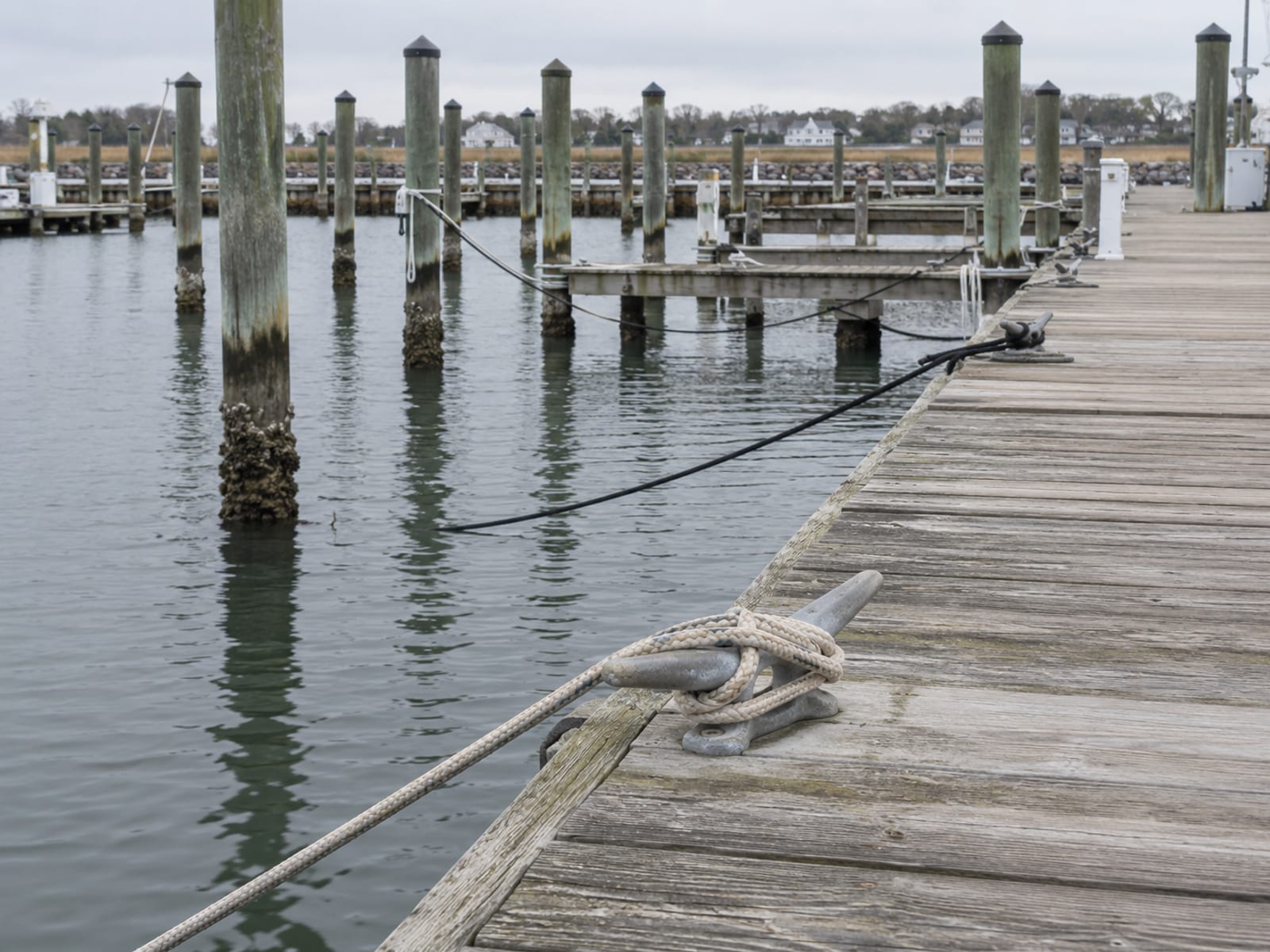
Delaware requires registration of motorboats, including boats with electric motors, when Delaware is the state of principal use, according to DNREC's boat registration page (opens in a new tab). Delaware becomes the state of principal use when a vessel is used, docked or stored here for more than 60 consecutive days. The Delaware DMV's boat FAQ (opens in a new tab) puts it the same way: Delaware residents operating motorized boats on Delaware waterways must register them, and certain nonresident boats must register once Delaware is the principal-use state for more than 60 days or the boat is docked or stored in Delaware for more than 60 days.
DNREC's vessel registration application (opens in a new tab) calls for documents such as:
- The completed registration application.
- Proof of ownership.
- The original title from another state, when one applies.
- A notarized bill of sale, when one applies.
- The manufacturer's certificate of origin for a new boat.
- A tracing or photograph of the Hull Identification Number.
- Owner identification.
- The current Delaware registration card for certain transfers.
For a boat with a federal Certificate of Documentation, the application asks for the seller's most recent Certificate of Documentation and a notarized bill of sale in the relevant situations.
Fees depend on boat length, according to DNREC:
Hover or tap a row to highlight it.
| Class | Length | Annual fee | Three-year fee |
|---|---|---|---|
| Class A | Under 16 feet | $20 | $60 |
| Class I | 16 to under 26 feet | $40 | $120 |
| Class II | 26 to under 40 feet | $60 | $180 |
| Class III | 40 to under 65 feet | $100 | $300 |
| Class IV | 65 feet or longer, not federally documented | $120 | $360 |
A tidal ramp certificate costs $35, and registration is valid for no more than three years under Title 23, §§ 2112 and 2113 of the Delaware Code (opens in a new tab).
Does registration require proof of insurance?
No. Proof of insurance isn't among the documents DNREC lists for registering a boat. The registration card proves registration, not insurance, so if a marina asks for proof of coverage, you'll need a separate certificate from your insurer. Carry the registration card on board, and keep any certificate a marina or lender requires where you can produce it.
Does homeowners insurance cover your boat?
For a small boat, partly. A homeowners policy might cover a small boat for $1,500 or less in physical damage, and its liability coverage for boats can be limited, according to the Delaware Department of Insurance's summer boating guidance (opens in a new tab). Insurers generally extend homeowners liability coverage to small sailboats of 26 feet or less and to powerboats with small motors, which the Department identifies as 50 horsepower for inboard and inboard/outboard motors and 25 horsepower for outboard motors. A boat of significant size may be excluded from both property and liability coverage, and a personal watercraft will likely need its own boat policy.
Hover or tap a row to highlight it.
| Item | What the Delaware Department of Insurance describes |
|---|---|
| Physical damage to a small boat | Might be covered for $1,500 or less |
| Liability for small sailboats | Generally extended to sailboats of 26 feet or less |
| Liability for inboard and inboard/outboard powerboats | Generally extended to motors of 50 horsepower |
| Liability for outboard powerboats | Generally extended to motors of 25 horsepower |
| Boats of significant size | May be excluded from both property and liability coverage |
| Personal watercraft | Will likely need its own boat policy |
Check your own homeowners policy for its boat size, horsepower, location and liability terms, and ask your agent whether the trailer and motor are included.
An umbrella policy is a different question. It may add excess liability for a boat only when its underlying-insurance requirements are met, and it won't stand in for hull, towing, fuel-spill or wreck-removal coverage. Ask about the umbrella's watercraft definitions, size and horsepower limits, exclusions, and required underlying limits.
What a separate boat policy can cover
A standalone boat policy can include a wider set of coverages than a homeowners policy, depending on the insurer and the options you select. According to the Insurance Information Institute's boat insurance guide (opens in a new tab) and the Delaware Department of Insurance, these commonly include:
- Hull and permanently attached equipment, including collision and other physical damage.
- Bodily injury and property damage liability.
- Medical payments for injuries to people on board.
- Uninsured boater coverage.
- On-water towing and assistance.
- Fuel-spill liability.
- Wreck removal.
- Personal effects such as fishing equipment.
Policies also carry limits and exclusions. Common ones include wear and tear, mechanical breakdown unless it's specifically covered, racing or speed-related use, operation outside the policy's navigation territory, unapproved operators or uses, and storage conditions that weren't followed. The exact wording of your policy controls, so ask the agent to point to each of these in the policy itself.
Agreed value, actual cash value, navigation limits and lay-up
How a policy values the boat matters most after a total loss. Under an agreed-value policy, you and the insurer set the boat's value up front, and a total loss is paid at that agreed amount, subject to the policy terms, according to the Insurance Information Institute (opens in a new tab). Actual cash value pays the boat's value at the time of loss, after depreciation and wear, so it can pay less than agreed value for an older boat.
Navigation limits define where the boat is covered. A loss outside the stated territory may be restricted or excluded, so if you plan to run from the Inland Bays into Delaware Bay or the Atlantic, confirm the policy's territory covers it.
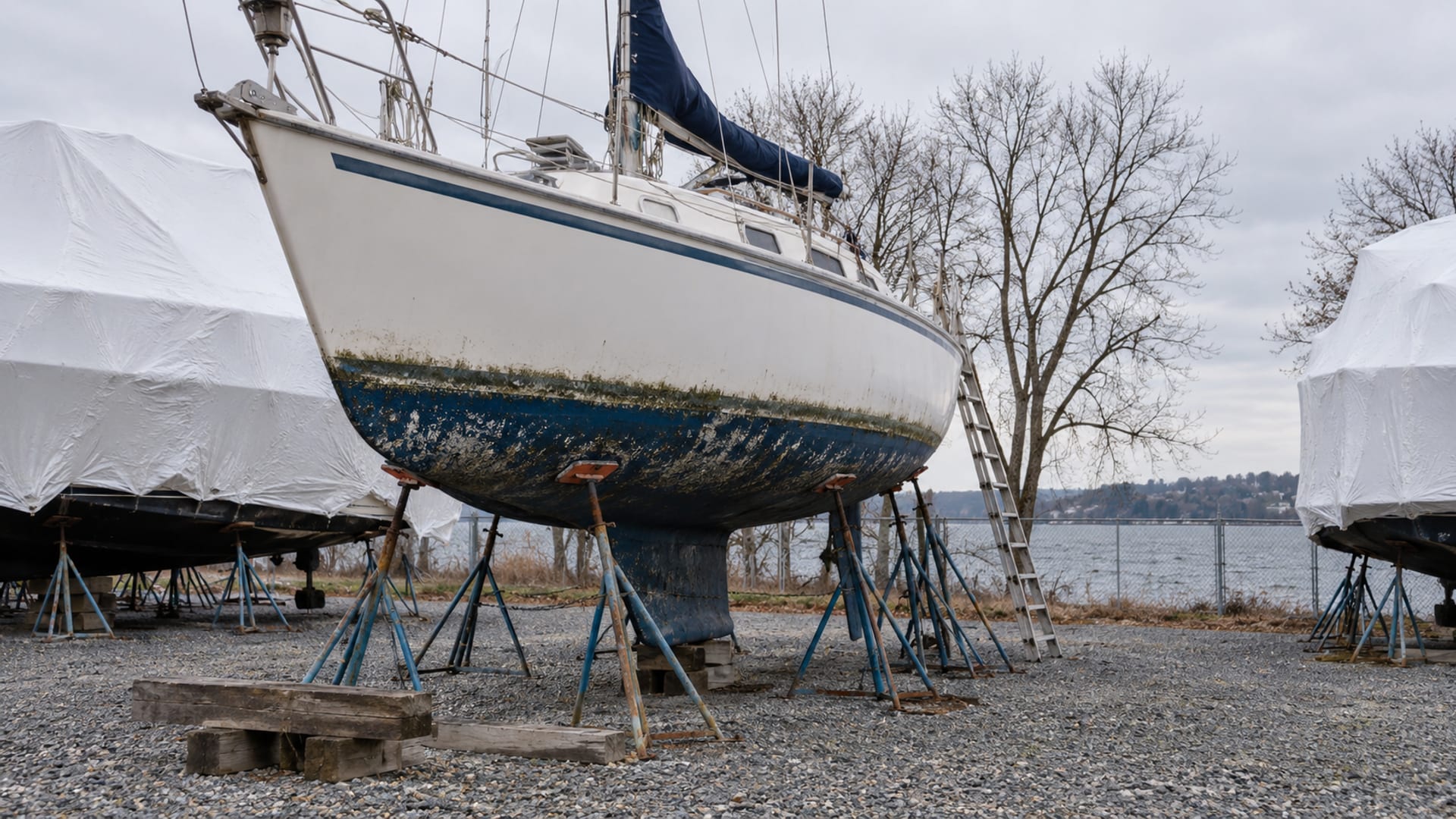
A lay-up period covers the off-season when the boat is stored or out of the water. The boat can still be damaged by theft, storms, fire or freezing while it sits, so ask what coverage stays active during lay-up and what storage conditions you have to meet.
Safety rules that affect Delaware boat owners
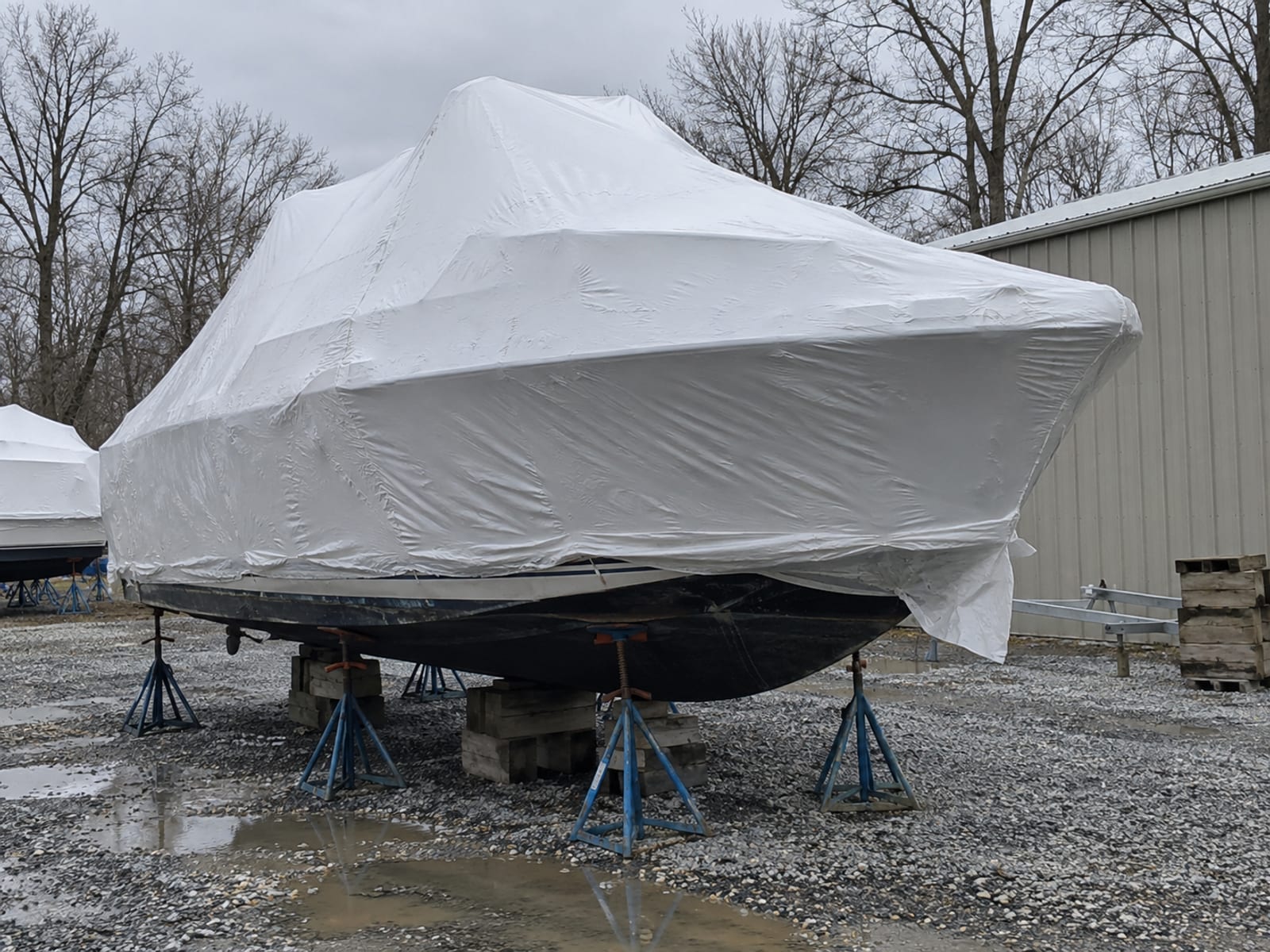
Anyone born on or after January 1, 1978 must complete an approved boating-safety course before operating a motorized boat, including a personal watercraft, on Delaware waters, according to DNREC's boating safety page (opens in a new tab). Completing the course may also earn an insurance discount, subject to the insurer's rules, so ask about it when you get a quote.
Personal watercraft have extra rules. PWC operators must be at least 14 and carry proof of an approved boating-safety course, and operators aged 14 or 15 need an adult on board, according to DNREC. Under Title 23, § 2212 (opens in a new tab), a person 16 or older may operate a PWC, and a person 14 to under 16 may operate one under the direct supervision of a parent or legal guardian. The statute also requires an approved personal flotation device, restricts nighttime operation unless the craft has navigation lights, and requires an engine cut-off or self-circling device.
Boating under the influence carries real penalties. Title 23, § 2302 (opens in a new tab) prohibits operating a vessel while under the influence of alcohol, drugs or both, or with an alcohol concentration of 0.08 or more. Under § 2303 (opens in a new tab), operators give implied consent to chemical testing when an officer has probable cause, and refusing a required test can bring a one-year ban on operating a vessel on Delaware waters. A first conviction under § 2305 (opens in a new tab) carries a fine of $200 to $1,000, 60 days to six months in jail, or both, with higher penalties for repeat offenses. Policies have their own intoxication and criminal-act provisions, so ask how the policy treats a claim connected to either.
How much boat insurance costs in Delaware
Published figures for Delaware come from individual insurers rather than the whole market. Progressive reported a 2025 average annual cost of $487.99 for its Delaware boat policies, according to its Delaware boat insurance page (opens in a new tab). It also reported a 2024-2025 average of $662.51 for a group of higher-cost states that includes Delaware, according to its average boat insurance cost page (opens in a new tab). Both are one insurer's averages, not a statewide market figure or a quote.
Your premium depends on the boat type, length, number of engines, horsepower, how you use the boat, where it's stored, your experience and your claims history, according to the BoatUS boat insurance FAQ (opens in a new tab). Navigation territory, physical-damage coverage, liability limits, deductible, and the boat's age and value also move the price.
Questions to ask before you buy, launch or dock
The Delaware Department of Insurance suggests asking an agent whether the liability limits are adequate, whether a boating-safety course earns a discount, who is covered to operate the boat or PWC, and whether towing skiers or tubes is covered. These questions fill in the rest:
- Is the boat insured on an agreed-value or actual-cash-value basis?
- What hull, equipment and personal-effects coverage applies?
- Are medical payments and uninsured boater coverage included?
- Are fuel-spill liability and wreck removal covered?
- What navigation territory applies, and what are the lay-up and storage conditions?
- Are racing, chartering, commercial use or high-performance use excluded?
- Is the trailer covered?
- Can the marina be named as an additional insured, and can you provide a certificate and waiver of subrogation?
- What happens if the policy lapses?
Ask the marina for its current slip agreement, the liability limit it requires, and the exact certificate wording it needs. Ask your lender which coverages the loan requires, whether it must be named as loss payee, and what happens if coverage ends. Riskado's directory lists insurance agencies across the US, state by state, including Delaware agencies in Wilmington, Dover, Lewes, Rehoboth Beach and other cities, so you can find an agent who writes boat coverage.
Check what you know about Delaware boat insurance
Frequently asked questions
Does Delaware require insurance for a Jet Ski?
Delaware law doesn't generally require insurance for recreational boats, and that includes personal watercraft. A marina or lender may still require it, and a homeowners policy will likely not be enough, since a PWC usually needs a separate boat policy, according to the Delaware Department of Insurance (opens in a new tab).
Do nonresidents have to register a boat in Delaware?
Certain nonresident boats must register once Delaware is the state of principal use for more than 60 days, or the boat is docked or stored in Delaware for more than 60 days, according to the Delaware DMV (opens in a new tab).
Is a ramp certificate the same as registration?
No. A tidal ramp certificate is a separate $35 item under Title 23, § 2112 (opens in a new tab). Ask DNREC or a registration agent which one your situation calls for.
Can a boating-safety course lower my premium?
It may. DNREC says completing an approved course may enable an insurance discount, subject to the insurer's rules, so ask each agent whether the insurer offers one.
Before your first launch
Delaware leaves boat insurance to you, your marina and your lender. Register the boat, read your slip agreement and loan documents for their insurance terms, check what your homeowners policy actually covers, and then ask an agent to quote a boat policy that meets those terms. Having the certificate in hand before you dock saves a scramble at the marina office.
Terms used in this guide
Tap a term to see what it means.
State of principal use. The state where a vessel is used, docked or stored for more than 60 consecutive days, which triggers Delaware registration.
Additional insured. A party, such as a marina, named on your policy by endorsement so the coverage extends to it.
Waiver of subrogation. A contract term that stops your insurer from seeking recovery from the other party, such as the marina, after paying a claim.
Loss payee. A lender named on the policy to receive payment for a covered loss to the boat.
Agreed value. A valuation in which you and the insurer set the boat's value up front, and a total loss is paid at that amount, subject to the policy terms.
Navigation territory. The waters where the policy covers the boat.
Lay-up period. The off-season when the boat is stored or out of the water.