Rhode Island Homeowners Insurance: What It Costs, What It Covers, and Coastal Deductibles Explained
Riskado
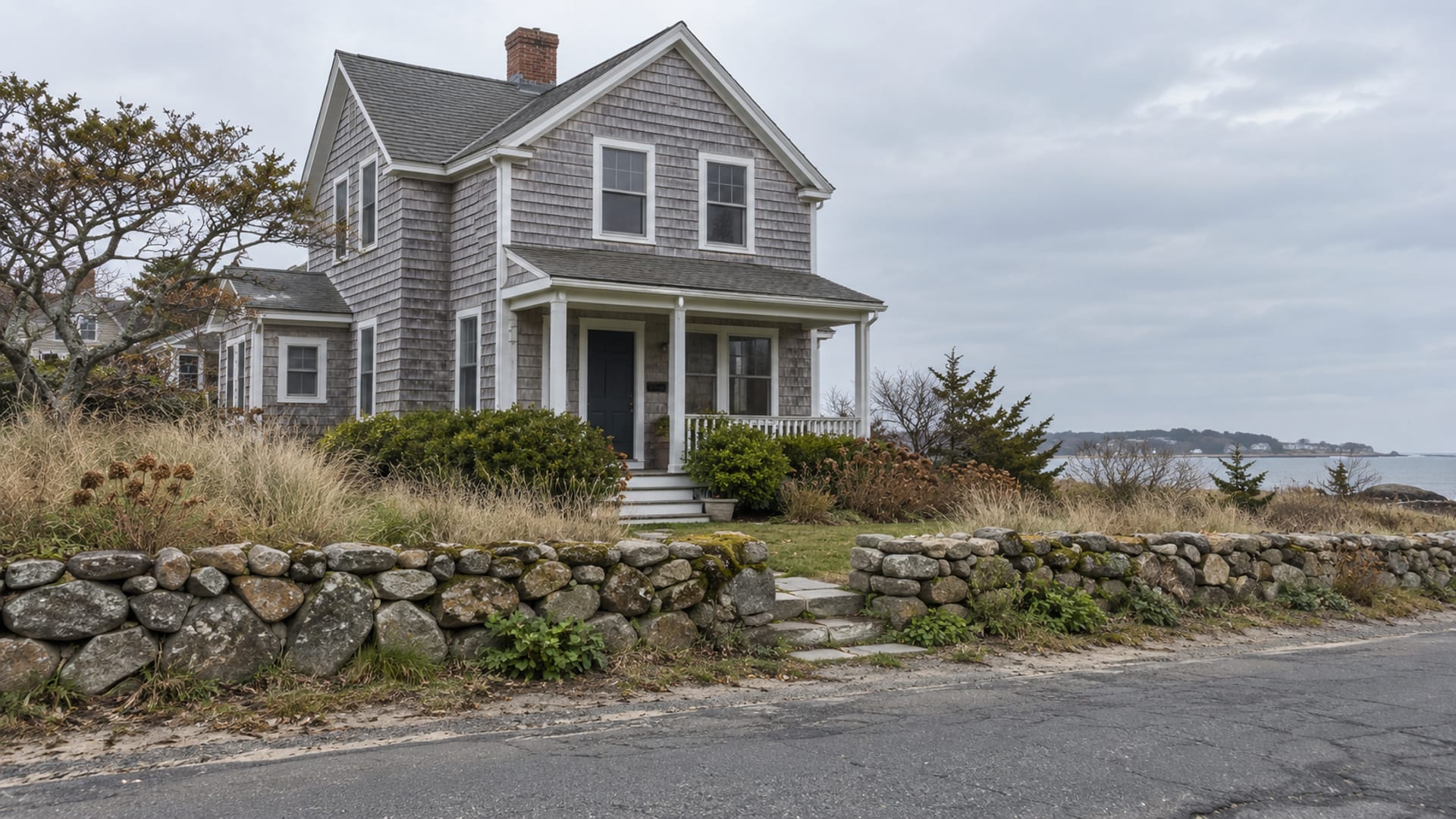
Rhode Island homeowners insurance is usually an owner-occupied policy such as an HO-3, which covers the dwelling, other structures, personal property, loss of use, personal liability and medical payments. The 2023 Rhode Island HO-3 average premium was $2,318, compared with $1,737 nationally, according to the NAIC 2023 Homeowners Report (opens in a new tab). Those are historical averages, not quotes. A standard policy does not cover flood damage, according to the Rhode Island Department of Business Regulation (opens in a new tab), and earthquake and sewer backup protection may need a separate policy or endorsement. Coastal policies can also carry a separate hurricane deductible, which Rhode Island law caps, requires insurers to disclose clearly, and limits to one application for hurricane losses in a calendar year.
Key takeaways
- The usual policyAn owner-occupied policy such as an HO-3, covering the dwelling, other structures, personal property, loss of use, personal liability and medical payments.
- Average premium$2,318 for a Rhode Island HO-3 in 2023, compared with $1,737 nationally; historical averages, not quotes.
- FloodA standard policy does not cover flood damage.
- Earthquake and sewer backupMay need a separate policy or endorsement.
- Hurricane deductibleRhode Island law caps it, requires clear disclosure and limits it to one application for hurricane losses in a calendar year.
Whether you're buying a home, facing a higher renewal or checking what your coastal policy really pays after a storm, the useful questions are the same: what the policy covers, what it leaves out, how the deductible is figured and what notice you're owed if anything changes.
How much does homeowners insurance cost in Rhode Island?
The most recent NAIC figure puts the Rhode Island HO-3 average premium at $2,318 for 2023, against a countrywide HO-3 average of $1,737, according to the NAIC 2023 Homeowners Report (opens in a new tab). That puts Rhode Island $581 higher, or about 33.4% above the national average.
Treat that number as a backdrop, not a budget line. Averages are imperfect price measures because premiums vary with property value, hazards, policy limits, covered perils, deductibles and other factors, according to the same NAIC report. A two-family house near the water and a small inland ranch with a high deductible both feed into one average, and neither is likely to pay it.
Why renewal prices have climbed
Premiums rose across the country from 2018 through 2024, alongside higher claim frequency and severity and more company-initiated nonrenewals, according to the NAIC's 2026 national market analysis (opens in a new tab). In Rhode Island, weather risk, catastrophe exposure, hurricane models, rebuilding costs and reinsurance costs are all rate-filing considerations under 230-RICR-20-05-13 (opens in a new tab). An insurer that asks for a rate increase based on higher reinsurance costs has to explain the increase and how those costs are allocated to Rhode Island. If your renewal jumped, ask your agency which of these factors drove the change on your policy.

What does a standard homeowners policy cover?
A standard homeowners policy commonly bundles six coverages, according to the NAIC Consumer's Guide to Home Insurance (opens in a new tab) hosted by Rhode Island DBR:
- Dwelling: the house and attached structures, often called Coverage A
- Other structures: fences, detached garages, sheds and similar property
- Personal property: your belongings
- Loss of use: some additional living expenses if a covered loss forces you out
- Personal liability: covered injury or property damage you're legally responsible for
- Medical payments: certain injuries to people on your property or caused by covered pets
Typical limits in the NAIC guide are 10% of dwelling coverage for other structures, 50% for personal property and 20% for loss of use, though actual policy terms can differ. Your declarations page shows the real numbers. Ask whether the policy pays replacement cost or actual cash value, since that choice changes what a claim check looks like for the same damage.
Hover or tap a row to highlight it.
| Coverage | Typical limit |
|---|---|
| Other structures | 10% of dwelling coverage |
| Personal property | 50% of dwelling coverage |
| Loss of use | 20% of dwelling coverage |
What does Rhode Island homeowners insurance leave out?
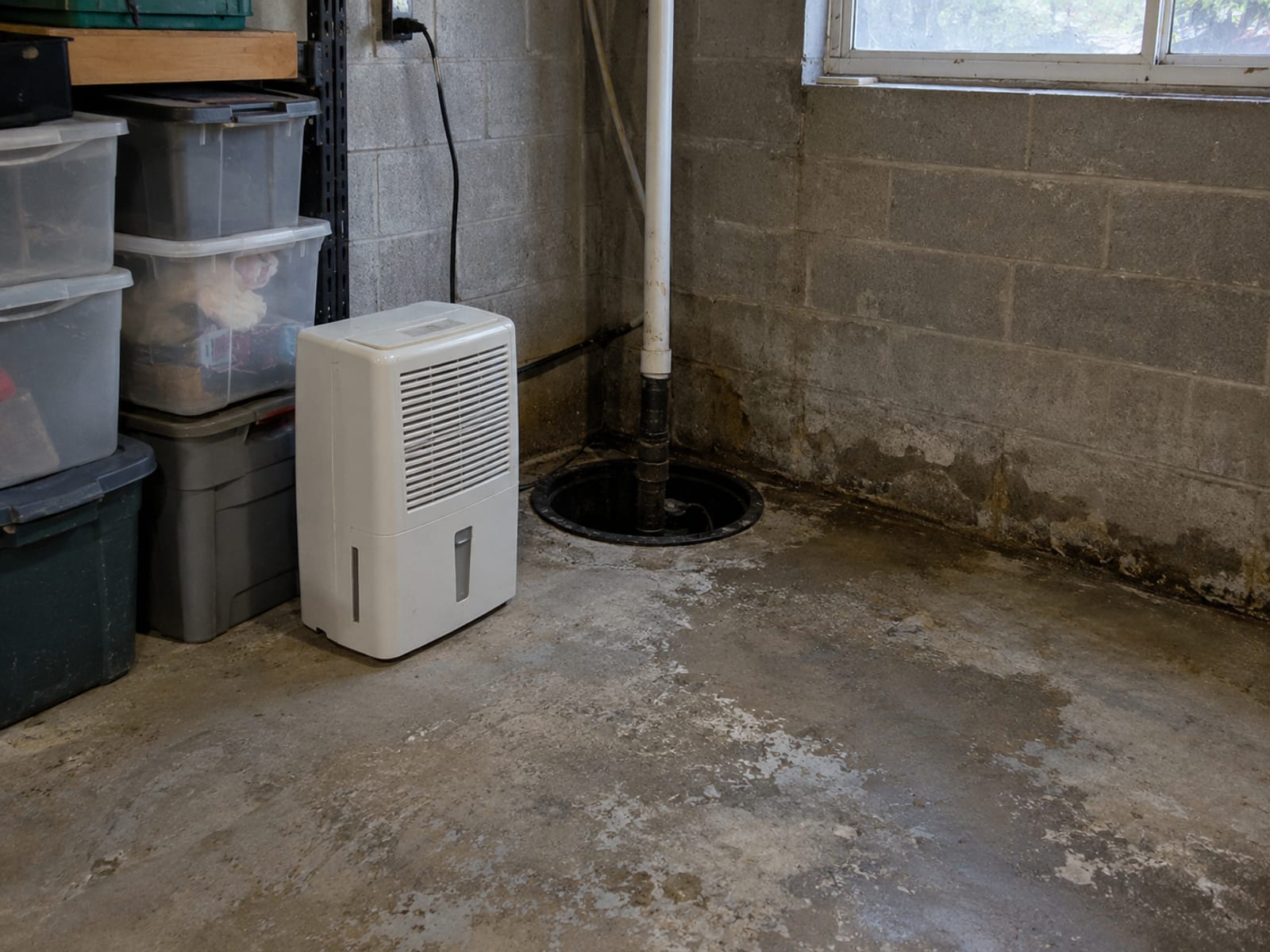
Flood is the big one. Standard homeowners insurance does not cover flood damage, according to Rhode Island DBR (opens in a new tab), so flood protection needs its own policy. Earthquake and other earth movement are common exclusions too, and sewer or drain backup and sump-pump overflow are usually excluded unless an endorsement adds them, according to the NAIC Consumer's Guide (opens in a new tab).
Some coastal policies also limit or exclude wind or hail, and many policies limit coverage for business use of the home. Read the exclusions section and endorsements list, and ask the agency directly about each one that fits your property.
How do coastal wind and hurricane deductibles work?
A flat all-perils deductible is a set dollar amount you pay on a covered claim. A coastal Rhode Island policy may add a separate hurricane, windstorm or named-storm deductible that is a percentage instead. Rhode Island sets the rules for that second deductible.
Under R.I. Gen. Laws § 27-76-2 (opens in a new tab):
- A windstorm deductible must be specifically approved by the insurance director.
- It may not exceed 5% of the insured value.
- A hurricane deductible may apply from the time the National Hurricane Center issues a hurricane warning for any part of Rhode Island until 24 hours after the last warning ends.
- For Block Island, the trigger uses hurricane-force sustained winds reported by the National Weather Service for Block Island; elsewhere, it uses hurricane-force sustained winds reported for another Rhode Island location.
- The insurer must give prominent, clear notice of deductibles and mitigation measures in the issuance or renewal package.
- An insurer generally may not nonrenew you solely because of catastrophe exposure after you complete requested mitigation measures, subject to listed exceptions.
The notice has to be specific. Under 230-RICR-20-05-13 (opens in a new tab), it must explain whether the percentage is figured on the amount of the loss or on Coverage A, explain the trigger, show the applicable dollar amount on the declarations page, and include a hurricane example.
That distinction changes your out-of-pocket cost. A percentage of Coverage A grows with the insured value of the house, while a percentage of the loss grows with the size of the damage. Ask for the actual dollar amount on your declarations page so you know which one you have.
Two ways a percentage deductible is figured
- Percentage of Coverage AGrows with the insured value of the house.
- Percentage of the lossGrows with the size of the damage.
- Where to checkThe applicable dollar amount must appear on your declarations page.
The deductible also has a once-a-year rule. Under R.I. Gen. Laws § 27-76-3 (opens in a new tab), the hurricane deductible may be applied only once to covered hurricane losses during a calendar year. For a later hurricane in the same year, the insurer may apply the remaining amount of that deductible or the all-perils deductible, whichever is greater.
What protections apply when a policy changes or ends?
Rhode Island gives you advance notice before coverage disappears or shrinks:
- Nonrenewal: written notice to the first-named insured and the producer of record at least 60 days before expiration. If the notice comes later, coverage continues until 60 days after the notice, under R.I. Gen. Laws § 27-29-17.2 (opens in a new tab).
- Material changes at renewal: at least 30 days' written notice of coverage reductions, eliminations or increased deductibles you didn't request, under R.I. Gen. Laws § 27-8-11 (opens in a new tab) and 230-RICR-20-05-14 (opens in a new tab). If that notice isn't given, the expiring coverage stays in effect without the change until notice is given or replacement coverage begins.
Weather claims have their own protection. The weather-related claims rule in 230-RICR-20-05-13 (opens in a new tab) restricts nonrenewal, cancellation and premium increases based solely on certain catastrophe losses, claim inquiries, losses with no payout, losses under $500, or claims that belonged to a former owner. So, a phone call to ask whether something is covered should not, by itself, be the reason your policy ends.
For a midterm cancellation, the cancellation clause in your policy and the applicable law control. If you receive one, ask the insurer in writing for the reason and the notice period that applies.
What happens if your coverage lapses?
If you have a mortgage, your lender may buy coverage for you. That lender-placed dwelling fire coverage may cost more than your own policy and may protect only the structure, not your belongings or your liability, according to the NAIC Consumer's Guide (opens in a new tab). Keeping your own policy in force, even while you shop, avoids that gap.
What if insurers decline your property?
When voluntary insurers won't write a home, the Rhode Island Joint Reinsurance Association, also known as the Rhode Island FAIR Plan, provides basic property insurance for eligible applicants who can't get coverage in the voluntary market, according to RIJRA (opens in a new tab). It offers Homeowners, Dwelling Fire and Commercial Property programs approved by the Rhode Island Division of Insurance. Applicants must meet reasonable underwriting standards, and coverage is provided without considering environmental conditions tied to the property's location.
The FAIR Plan is a fallback market. It may not offer every coverage, limit or endorsement a voluntary policy would, so compare the two side by side before you decide. Confirm current application instructions directly with RIJRA or DBR.
How are homeowners claims handled in Rhode Island?
Claim timelines are set by 230-RICR-20-40-2 (opens in a new tab):
Hover or tap a row to highlight it.
| Step | Deadline |
|---|---|
| Written acknowledgment of your claim | Within 15 days, unless payment is made in that time |
| Acceptance or denial after a properly executed proof of loss | Within 21 days |
| Status updates if more time is needed | An explanation within the 21 days, then every 45 days |
| Payment of undisputed amounts | Within 30 days after liability is affirmed |
The insurer must also give you the claim forms, instructions and reasonable help you need. A denial has to be in writing, name the policy provision, condition or exclusion it relies on, and tell you the matter may be reviewed by the Rhode Island DBR Division of Insurance.
If you and the insurer disagree on the amount, appraisal rights and deadlines depend on the appraisal clause in your policy. Read that clause and ask the insurer or DBR how it applies.
Before any loss, keep your declarations page, policy and endorsements, a home inventory, photos or video of the property, and receipts for major items. After a loss, keep claim forms, the proof of loss, estimates and receipts together, according to the Rhode Island DBR claims guide (opens in a new tab).pdf).

Who sells homeowners insurance in Rhode Island, and how do you check them?
The current list of licensed and approved property and casualty insurers is published quarterly by Rhode Island DBR (opens in a new tab). It includes companies such as Amica Mutual Insurance Company and Farmers Casualty Insurance Company, among many others. A listing is not a ranking, and it doesn't mean the company is accepting every type of home right now, so confirm availability with an agency.
Before you work with an agent, confirm their license through the DBR license status verification service (opens in a new tab), which connects to the Rhode Island insurance license lookup (opens in a new tab). For a complaint, contact the insurer or licensee first. If that doesn't resolve it, file with the Rhode Island Division of Insurance online, by email at DBR.Insurance@dbr.ri.gov, or by phone at (401) 462-9520, and send copies of documents rather than originals, according to DBR (opens in a new tab).
Questions to ask an agency before you buy or renew
Bring these questions to any agency quote; most come from the NAIC Consumer's Guide (opens in a new tab), and the deductible questions follow Rhode Island's disclosure rules:
- What does the policy cover, what does it exclude, and what are the limits?
- Which types of water damage are excluded, and is mold covered?
- Is sewer backup included, or do I need an endorsement?
- Should I consider flood insurance or earthquake coverage for this property?
- Is the home covered for replacement cost or actual cash value?
- Is there a separate hurricane, windstorm or named-storm deductible, and is it a flat amount or a percentage?
- If it's a percentage, is it applied to the loss or to Coverage A, and what is the dollar amount on the declarations page?
- What event triggers it, and is wind or hail excluded or limited?
- How could a claim affect my renewal, and how does credit history affect the premium?
- What is the home's prior claims history?
- What happens if the voluntary market declines the property?
Our guides to how much homeowners insurance you need, replacement cost versus actual cash value, and Rhode Island flood insurance pick up where these questions leave off. Our agency directory includes Rhode Island agencies, so for a Rhode Island home, confirm any agency's Rhode Island license through DBR first.
Check what you know about Rhode Island homeowners insurance
Frequently asked questions
Does homeowners insurance cover hurricane damage in Rhode Island?
Hurricane wind damage can be a covered loss, subject to any separate hurricane deductible and any wind or hail limits in the policy. Flood damage is a different matter, because standard homeowners insurance does not cover flood, according to Rhode Island DBR (opens in a new tab).
How high can a Rhode Island hurricane deductible be?
An approved windstorm deductible may not exceed 5% of the insured value, under R.I. Gen. Laws § 27-76-2 (opens in a new tab). The dollar amount must appear on your declarations page.
Can my insurer nonrenew me after a storm claim?
Rhode Island restricts nonrenewal and premium increases based solely on catastrophe losses, claim inquiries, no-payout losses or losses under $500, under 230-RICR-20-05-13 (opens in a new tab). Any nonrenewal still requires at least 60 days' written notice.
How fast must an insurer acknowledge a claim?
In writing within 15 days, unless it pays the claim within that time, under 230-RICR-20-40-2 (opens in a new tab). A decision is due within 21 days after a properly executed proof of loss.
Before you sign or renew
Pull out your declarations page and check three things: the dwelling limit, the all-perils deductible, and the dollar amount of any hurricane deductible. Then decide whether flood and sewer backup coverage belong on your list, and bring the questions above to a licensed agency. Premiums and availability shift with each renewal cycle, so ask for the reasons behind any change in writing.
Terms used in this guide
Tap a term to see what it means.
HO-3. A common owner-occupied homeowners policy form.
Coverage A. The dwelling coverage for the house and attached structures.
All-perils deductible. A set dollar amount you pay on a covered claim.
Hurricane deductible. A separate deductible, often a percentage, that applies to hurricane losses under the conditions in the policy and Rhode Island law.
Declarations page. The page of your policy that lists the coverages, limits and deductibles.
Lender-placed coverage. Coverage a mortgage lender buys when the owner's own policy lapses.
FAIR Plan. The Rhode Island Joint Reinsurance Association, which provides basic property insurance for eligible applicants who cannot get coverage in the voluntary market.
Proof of loss. The formal statement of a claim that starts the insurer's decision deadline.