Delaware Homeowners Insurance: What It Costs, What It Covers, and What Delaware Rules Protect You
Riskado
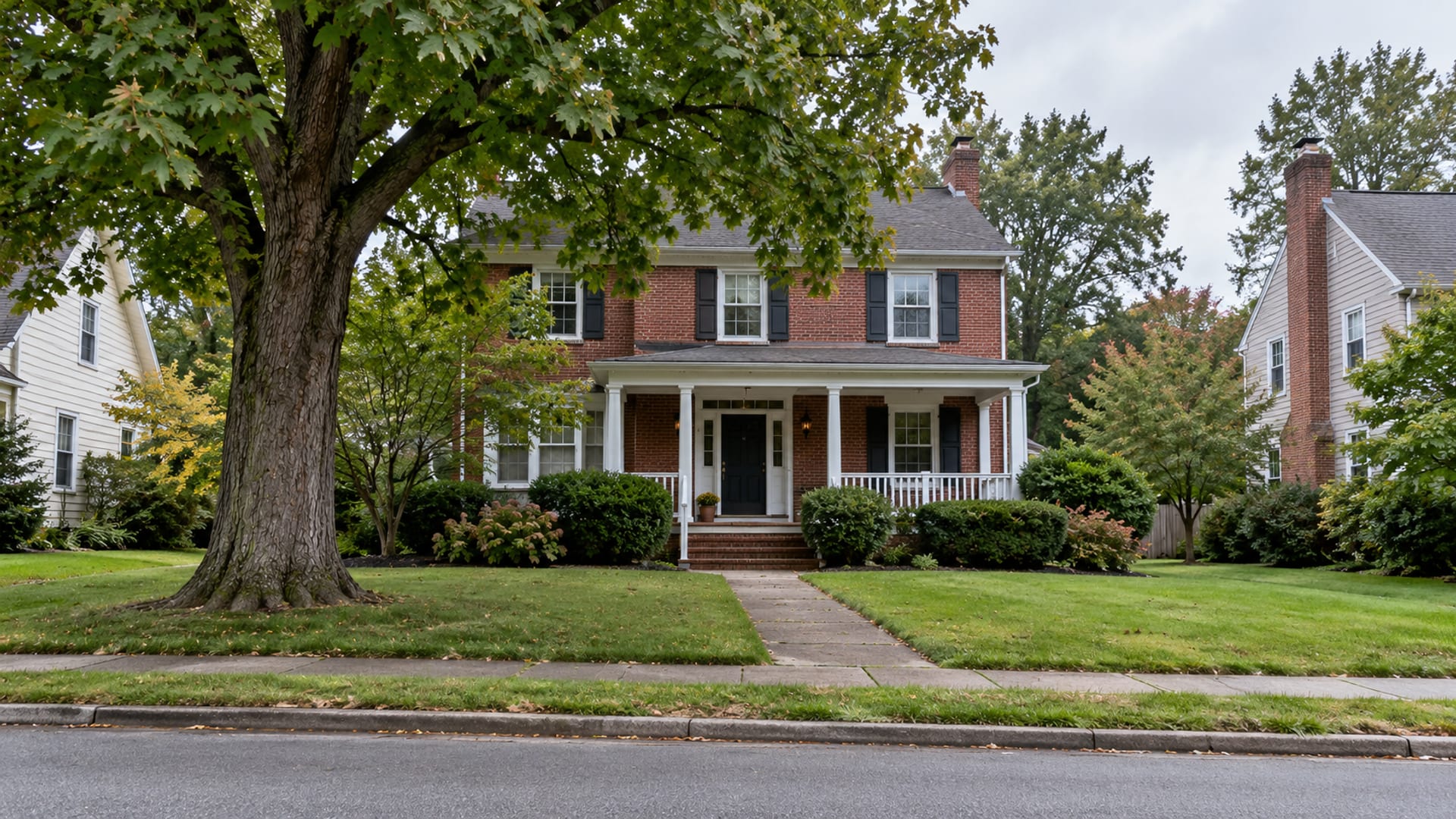
A Delaware homeowners policy commonly covers your house, other structures on the property, your belongings, personal liability, medical payments to others and extra living costs after a covered loss, according to the Delaware Department of Insurance Homeowners Guide (opens in a new tab). Flood, earthquake, earth movement and sewer backup are commonly excluded unless you add separate coverage. Your mortgage lender, not state law, is usually what requires the policy, while Delaware regulates notices, cancellations, nonrenewals, deductibles and claims handling. In 2023, the average Delaware HO-3 premium was $1,191, compared with $1,737 countrywide (NAIC 2023 Homeowners Report (opens in a new tab)). Those are historical averages, not a quote for your home.
Key takeaways
- What it coversYour house, other structures, belongings, personal liability, medical payments to others and extra living costs after a covered loss.
- Common exclusionsFlood, earthquake, earth movement and sewer backup, unless you add separate coverage.
- Who requires itYour mortgage lender, not state law, is usually what requires the policy.
- What Delaware regulatesNotices, cancellations, nonrenewals, deductibles and claims handling.
- 2023 averageThe Delaware HO-3 premium averaged $1,191, compared with $1,737 countrywide; historical averages, not a quote.
What a Delaware homeowners policy covers
Most owner-occupied homes are insured on an HO-3 form, a package policy with several coverage sections (NAIC 2023 Homeowners Report (opens in a new tab)). Each section answers a different question after a loss:
- Dwelling: the house itself.
- Other structures: detached items such as a garage, shed or fence.
- Personal property: your furniture, clothing, electronics and other belongings.
- Loss of use or additional living expenses: extra costs of living elsewhere while covered damage is repaired.
- Personal liability: claims that you're legally responsible for someone else's injury or property damage.
- Medical payments: medical bills for people hurt on your property.
Certain belongings, such as money, jewelry, firearms, computers and collectibles, may carry special sublimits (Delaware Homeowners Guide (opens in a new tab)). If you own anything expensive in those categories, ask what the policy pays for them and whether a separate endorsement would raise the limit. Coverage always depends on the policy form, endorsements, exclusions, limits and deductibles, and the policy language controls any claim.
How much homeowners insurance costs in Delaware
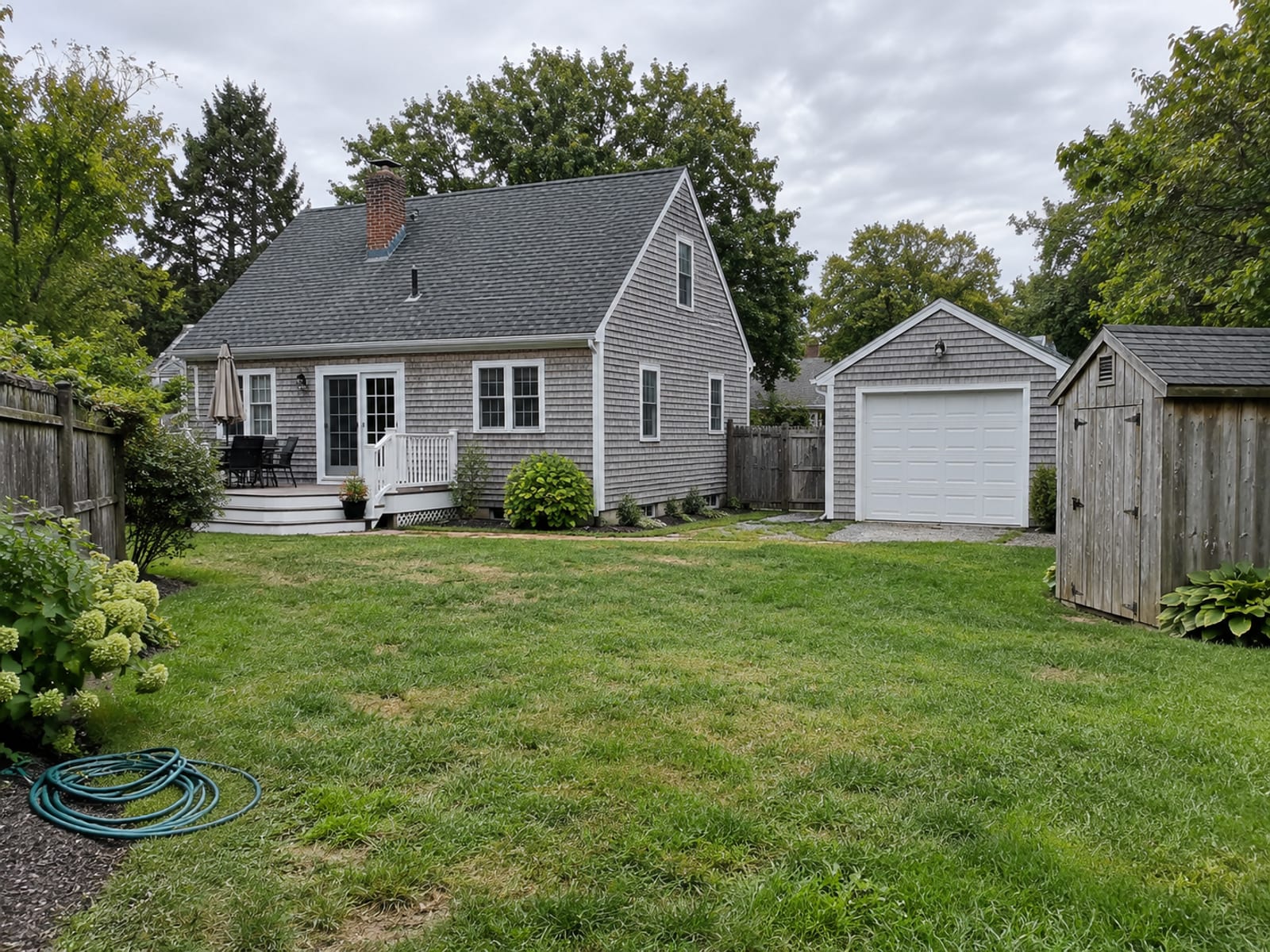
The most recent NAIC Homeowners Report (opens in a new tab) puts the 2023 Delaware HO-3 average at $1,191 a year, which is $546, or about 31%, below the countrywide HO-3 average of $1,737. These averages blend homes of every size, value, deductible and location, so your own price can land well above or below them.
Your premium depends on the home and the coverage you choose. Premiums vary with construction, the age of the home, location, fire protection, the deductible, property features, the coverage levels you pick, pets and exposure to storms (Delaware Homeowners Guide (opens in a new tab)). A beach house in Sussex County and a home in Wilmington face different storm exposure, and that can show up in the price.
One thing that does not set your premium is a property tax reassessment. Reassessments do not determine homeowners insurance premiums, according to the Delaware Department of Insurance (opens in a new tab) in 2026.
If your renewal price jumped, ask the agency which rating factors changed. Insurers' approved rate and form filings are public through SERFF, and the Department's Rates and Forms Division (opens in a new tab) reviews them for compliance with actuarial standards and Delaware law. You can search filings through the Delaware SERFF public access page (opens in a new tab).

What a standard policy leaves out
A standard Delaware policy commonly excludes flood, mudslide and landslide, earthquake and earth movement, war, nuclear accidents, sinkholes and sewer backup (Delaware Homeowners Guide (opens in a new tab)).
Flood is the exclusion with the biggest practical effect for many Delaware homes. Separate flood coverage comes through the National Flood Insurance Program or a private insurer, and it covers both inland and coastal properties. Our guide to Delaware flood insurance covers flood zones, waiting periods and NFIP limits. For sewer or water backup and earthquake, ask whether an endorsement or separate policy is available and what it would cost.
How Delaware wind and hurricane deductibles work
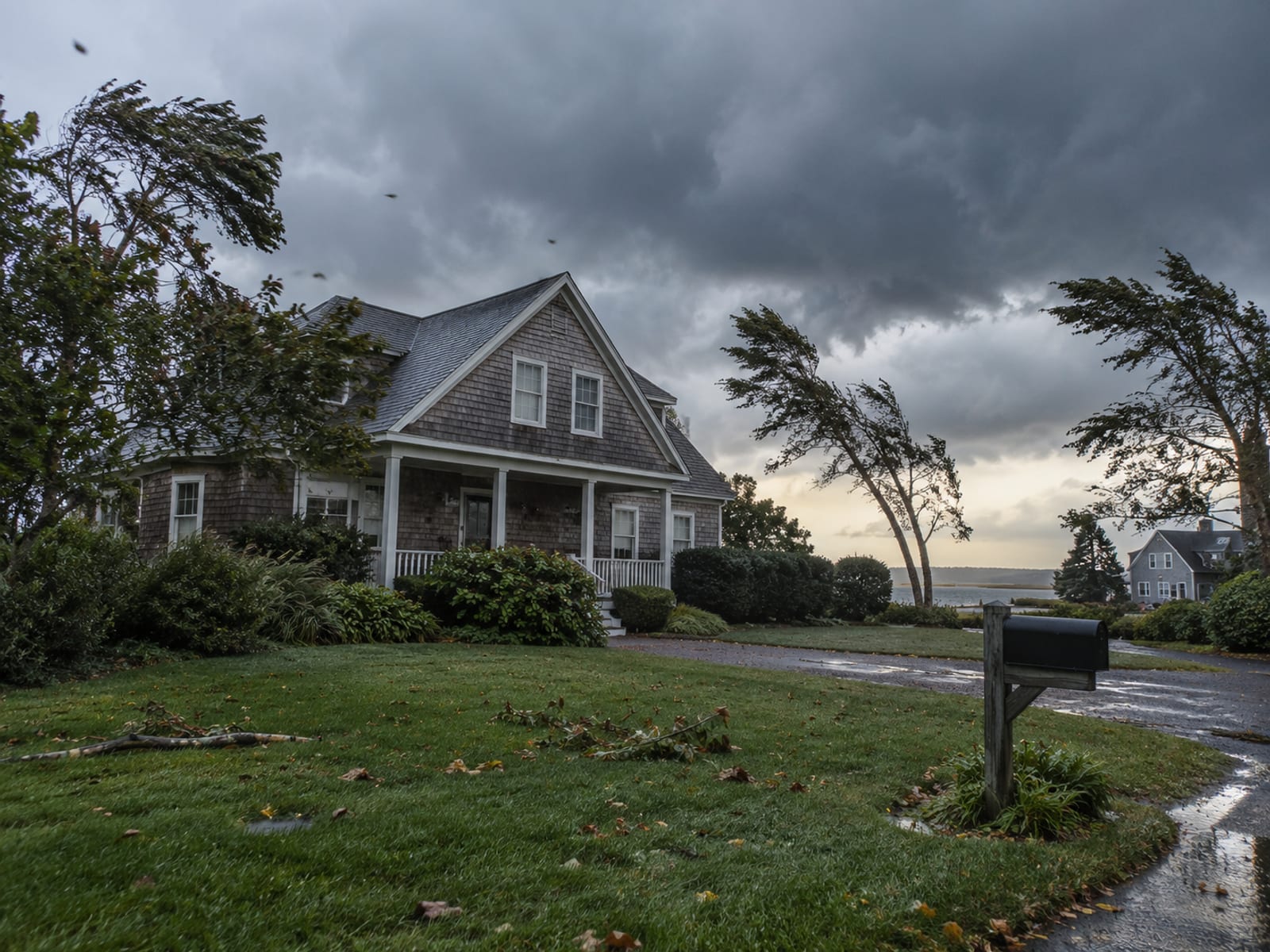
Many Delaware policies carry a separate deductible for wind, hail or hurricane losses, and it's often a percentage rather than a flat dollar amount. Delaware requires insurers to give clear and prominent notice of these deductibles, explain what event triggers them, and say whether the deductible is a percentage or a dollar amount (18 Del. C. § 4140 (opens in a new tab)).
When the deductible is a percentage, the insurer must show you an example. The statute's own example: a 2% deductible on a house insured for $300,000 equals $6,000 for a covered wind, hail or hurricane loss (18 Del. C. § 4140 (opens in a new tab)). That $6,000 comes out of the claim before the insurer pays, regardless of the size of the repair bill.
Hurricane deductibles are commonly a percentage of the property's insured value and may apply to damage from wind, rain, hail, tornadoes or cyclones directly caused by a hurricane (Delaware Homeowners Guide (opens in a new tab)). If your home is near the coast, including in Sussex County, ask the agency four things: what event triggers the deductible, what amount it's calculated from, which perils it applies to, and whether you need separate flood or wind coverage (Delaware Department of Insurance storm preparation (opens in a new tab)).
Is homeowners insurance required in Delaware?
The requirement usually comes from your mortgage. Delaware's insurance code regulates how property policies are sold, renewed, canceled and paid (18 Del. C. Chapter 41, Subchapter III (opens in a new tab)), and it doesn't set out a general rule that every homeowner must buy a policy. A mortgage lender, though, generally requires homeowners or hazard insurance as a condition of the loan (CFPB (opens in a new tab)).
If your coverage lapses while you have a mortgage, the lender may buy force-placed insurance and charge you for it after giving the required notice. That coverage may protect only the lender and may cost more than a policy you buy yourself (CFPB (opens in a new tab)). Ask your lender for its written insurance requirements before closing or switching insurers.
Your protections on cancellation and nonrenewal
Delaware sets firm limits on when an insurer can end your policy. Once coverage has been in force more than 60 days, or after a renewal takes effect, an insurer can cancel only for reasons listed in 18 Del. C. § 4123 (opens in a new tab): nonpayment, fraud or material misrepresentation, willful or reckless acts that increase a hazard, a substantial increase in risk, certain fire, health, safety, building or construction code violations, or a determination by the Insurance Commissioner.
Nonrenewal has its own rules under 18 Del. C. § 4122 (opens in a new tab):
- The insurer must give at least 30 days' notice before the policy period ends, whether it is offering to renew or planning not to.
- A nonrenewal notice must state the specific reason.
- Most termination and nonrenewal notices, other than for nonpayment, go by certified mail or USPS Intelligent Mail barcode.
- If the insurer fails to send the required notice, your coverage is treated as renewed until you accept replacement coverage or agree to the nonrenewal.
Your claims history is also protected. Under 18 Del. C. § 4130 (opens in a new tab), weather claims alone generally can't support a nonrenewal unless you had three or more in the preceding 36 months. Non-weather claims alone require two or more in 60 months, and a mix of the two requires three or more in 48 months. A claim closed without payment can't be the sole reason for nonrenewal. Calling to ask whether something might be covered, without filing a claim, can't be treated as a claim for underwriting decisions (18 Del. C. § 4131 (opens in a new tab)).
If you're turned down for a policy, you can ask in writing for an explanation, generally within 90 days of the declination notice, and the insurer must respond within 21 days of a timely request (18 Del. C. § 4122 (opens in a new tab)).
Hover or tap a row to highlight it.
| Claims | Generally needed before nonrenewal |
|---|---|
| Weather claims alone | Three or more in the preceding 36 months |
| Non-weather claims alone | Two or more in 60 months |
| A mix of weather and non-weather claims | Three or more in 48 months |
| A claim closed without payment | Can't be the sole reason |
| A coverage question without a filed claim | Can't be treated as a claim |

Rules for how Delaware claims are handled
Delaware's Regulation 902 (opens in a new tab) bars unfair claims practices when an insurer commits them often enough to show a general business practice. Among the practices it lists:
- Failing to acknowledge and respond to claim communications within 15 working days.
- Failing to begin an investigation within 10 working days after notice of a loss.
- Failing to affirm or deny coverage, or explain why it can't yet, within 30 days after receiving proof-of-loss statements.
- Refusing to pay without a needed investigation, or misrepresenting facts or policy terms.
- Failing to explain the policy basis for a denial or compromise settlement when you ask.
Claims handling time standards under Regulation 902
- Claim communicationsAcknowledge and respond within 15 working days.
- InvestigationBegin within 10 working days after notice of a loss.
- Coverage decisionAffirm or deny coverage, or explain why it can't yet, within 30 days after receiving proof-of-loss statements.
While a property claim is open, the insurer must tell you in writing about the statute of limitations or contractual time limit that applies to it (18 Del. C. § 4129 (opens in a new tab)). Regulation 902 on its own doesn't create a right to sue over a violation, so a complaint to the Department is the place to raise a claim that isn't meeting these standards.
The Delaware FAIR Plan when coverage is hard to find
If you can't get basic property insurance in the regular market, the Delaware FAIR Plan, run by the Insurance Placement Facility of Delaware, is the residual-market option for people with an insurable interest in Delaware property (Insurance Placement Facility of Delaware (opens in a new tab)). A denial in the private market should follow a physical inspection and a fair look at the property's characteristics.
A FAIR Plan policy isn't the same as a standard homeowners policy. It may cost more and cover less, with basic covered losses such as fire, vandalism, riot and windstorm, and you may need to make property improvements, since failing to fix hazardous conditions can lead to a denial (Delaware Department of Insurance (opens in a new tab)). The facility can be reached at (800) 462-4972.
Checking an agent and filing a complaint
Before you buy, confirm the agent or agency holds a Delaware license through the Delaware Department of Insurance producer licensing page (opens in a new tab), which links to the public licensee lookup.
If a problem comes up, contact the insurer, agent or adjuster first. Keep your policy, declarations page, notices, claim letters, photos, estimates and payment records. If the issue isn't resolved, submit a complaint with your documents through the Delaware Department of Insurance complaint page (opens in a new tab), or reach Consumer Services at 1-800-282-8611 in Delaware, (302) 674-7310 or consumer@delaware.gov. The Department can get explanations from the company, review compliance with the law and explain policy language, though it doesn't act as your lawyer.
Questions to ask before you buy or renew
These questions draw on the Delaware Homeowners Guide (opens in a new tab) and 18 Del. C. Chapter 41 (opens in a new tab):
- Which policy form is this, such as HO-3 or HO-5, and how was the dwelling amount calculated?
- Does the policy pay replacement cost or actual cash value?
- Which losses are excluded, and is separate flood, sewer backup or earthquake coverage available?
- Is there a wind, hail or hurricane deductible, what triggers it, and what amount is the percentage based on?
- What sublimits apply to jewelry, firearms, collectibles, computers, money or business property?
- Are you using credit information, prior claims or a CLUE loss-history report in pricing, and how would I dispute an error?
- What repairs or property conditions could affect my renewal?
- Does my lender have specific requirements?
- If regular coverage isn't available, is the Delaware FAIR Plan an option?
Have your declarations page, the full policy and endorsements, your lender's requirements, a home inventory with photos and receipts, your claims history and any flood-zone information ready when you call.
Check what you know about Delaware homeowners insurance
Frequently asked questions
Does homeowners insurance cover hurricane damage in Delaware?
Wind damage from a hurricane is commonly covered, subject to the policy's hurricane or windstorm deductible (Delaware Homeowners Guide (opens in a new tab)). Flood damage is excluded from a standard policy, so ask whether storm surge would fall under a separate flood policy.
Can my insurer drop me after one storm claim?
Weather claims alone generally can't support a nonrenewal unless there were three or more in the past 36 months (18 Del. C. § 4130 (opens in a new tab)). Other reasons, such as a substantial increase in risk, can still apply.
Does the insurer have to tell me how long I have to sue?
Yes. While a property claim is pending, the insurer must notify you in writing of the statute of limitations or contractual limitations period (18 Del. C. § 4129 (opens in a new tab)).
What happens if I miss my lender's insurance requirement?
The lender may buy force-placed insurance and bill you after giving notice. That coverage may protect only the lender (CFPB (opens in a new tab)).
Finding an agency
Start with the exclusions and the deductible, because those shape what a claim actually pays. When you're ready to compare, Riskado's directory lists insurance agencies across the US, including Delaware cities such as Wilmington, Dover and Newark, so you can find one near you and bring the questions above.
Terms used in this guide
Tap a term to see what it means.
HO-3. The package policy form most owner-occupied homes are insured on, with several coverage sections.
Dwelling coverage. The section of a homeowners policy that covers the house itself.
Other structures. Detached items such as a garage, shed or fence.
Loss of use. Extra costs of living elsewhere while covered damage is repaired, also called additional living expenses.
Sublimit. A lower limit inside the policy for certain belongings, such as money, jewelry, firearms, computers and collectibles.
Hurricane deductible. A deductible, commonly a percentage of the property's insured value, for damage directly caused by a hurricane.
Nonrenewal. An insurer's decision not to renew a policy at the end of its period.
Force-placed insurance. Coverage a lender buys and charges you for after a lapse, which may protect only the lender.
SERFF. The system through which insurers' approved rate and form filings are public.
Delaware FAIR Plan. The residual-market option, run by the Insurance Placement Facility of Delaware, for people who can't get basic property insurance in the regular market.