Maine Renters Insurance: What It Costs, What It Covers, and Whether Your Landlord Can Require It
Riskado
Maine law does not generally require tenants to carry renters insurance; renters have a choice, according to the Maine Bureau of Insurance renters guide (opens in a new tab). Your lease is a different matter. A landlord can make proof of insurance a condition of the lease, so the insurance clause in your rental agreement sets what you owe before move-in. A renters policy (often called an HO-4) usually covers your belongings after a covered loss, your personal liability, some medical payments to others, and extra living costs if a covered loss makes the unit unlivable. It does not insure the landlord's building, flood damage, or a roommate's things by default. The average Maine HO-4 premium was $162 in 2023, according to the NAIC homeowners report (opens in a new tab).
Key takeaways
- Is it required?Maine law does not generally require tenants to carry renters insurance, but a landlord can make proof of insurance a condition of the lease.
- What it coversYour belongings after a covered loss, your personal liability, some medical payments to others and extra living costs if the unit becomes unlivable.
- What it leaves outThe landlord's building, flood damage and a roommate's things by default.
- Average costThe average Maine HO-4 premium was $162 in 2023, according to the NAIC.
Do you need renters insurance in Maine?
The answer depends on two separate questions: what the state requires and what your lease requires. Maine does not impose a statewide rule that every residential tenant carry renters insurance, according to the Maine Bureau of Insurance (opens in a new tab). Maine's landlord-tenant statutes, including 14 M.R.S. § 6001 (opens in a new tab) on tenancies and 14 M.R.S. § 6021 (opens in a new tab) on habitability, address rental agreements, deposits, repairs and disclosures, and they set no general insurance mandate for tenants.
A private lease condition is where most tenants actually meet the requirement. If your lease says you must carry renters insurance, the clause will usually spell out the timing, any minimum limits, and the proof the landlord wants to see. Read it closely and ask the landlord for the exact requirement in writing. Useful questions include:
- Does the landlord need to be listed as an interested party or certificate holder?
- Is there a minimum liability limit?
- Does proof need to be renewed each year?
- Will the landlord receive notice if the policy is canceled?
If you disagree with how an insurance clause is written or enforced, Maine housing or legal assistance is the right place to sort it out. The Maine Attorney General's tenant-rights guidance (opens in a new tab) is a good starting point for lease questions.
What does renters insurance cost in Maine?
Maine's average HO-4 premium was $162 in 2023, based on total HO-4 premium of $84,361,915 across 519,838.2 house-years of coverage, according to the NAIC 2023 Homeowners Tenant and Condominium/Cooperative Unit Policy Forms report (opens in a new tab). That is an historical statewide average, not a quote. Your price will reflect your own limits, deductible, location and insurer.
The same report breaks the average out by how much personal property coverage the policy carried. A few of the 2023 Maine figures give a sense of the spread:
Hover or tap a row to highlight it.
| Amount of insurance | 2023 Maine average HO-4 premium |
|---|---|
| Under $10,000 | $100 |
| $10,000 to $14,999 | $132 |
| $15,000 to $19,999 | $150 |
| $20,000 to $24,999 | $143 |
| $25,000 to $29,999 | $153 |
| $30,000 to $34,999 | $184 |
| $35,000 to $39,999 | $179 |
| $40,000 to $49,999 | $203 |
| $50,000 to $59,999 | $217 |
| $60,000 to $69,999 | $232 |
| $70,000 to $79,999 | $255 |
| $80,000 to $99,999 | $291 |
| $100,000 to $124,999 | $322 |
| $125,000 to $199,999 | $381 |
| $200,000 and over | $617 |
Source: NAIC 2023 report (opens in a new tab). These are reported averages, and they do not move in a perfectly straight line from one band to the next.
Hover or tap a row to highlight it.
| Figure | Value | Source |
|---|---|---|
| Average Maine HO-4 premium, 2023 | $162 | NAIC 2023 report (opens in a new tab) |
| Time to claim the replacement-cost difference | Generally 180 days after the actual cash value settlement | Maine Bureau FAQ (opens in a new tab) |
| NFIP renters contents coverage | Up to $100,000 | FloodSmart (opens in a new tab) |
| NFIP waiting period | Normally 30 days after purchase, with listed exceptions | FloodSmart (opens in a new tab) |
| Statutory grace period for premium payments | None | Maine Bureau FAQ (opens in a new tab) |
What a Maine renters policy covers
A standard renters package has four main parts, according to the Maine Bureau's coverage page (opens in a new tab).
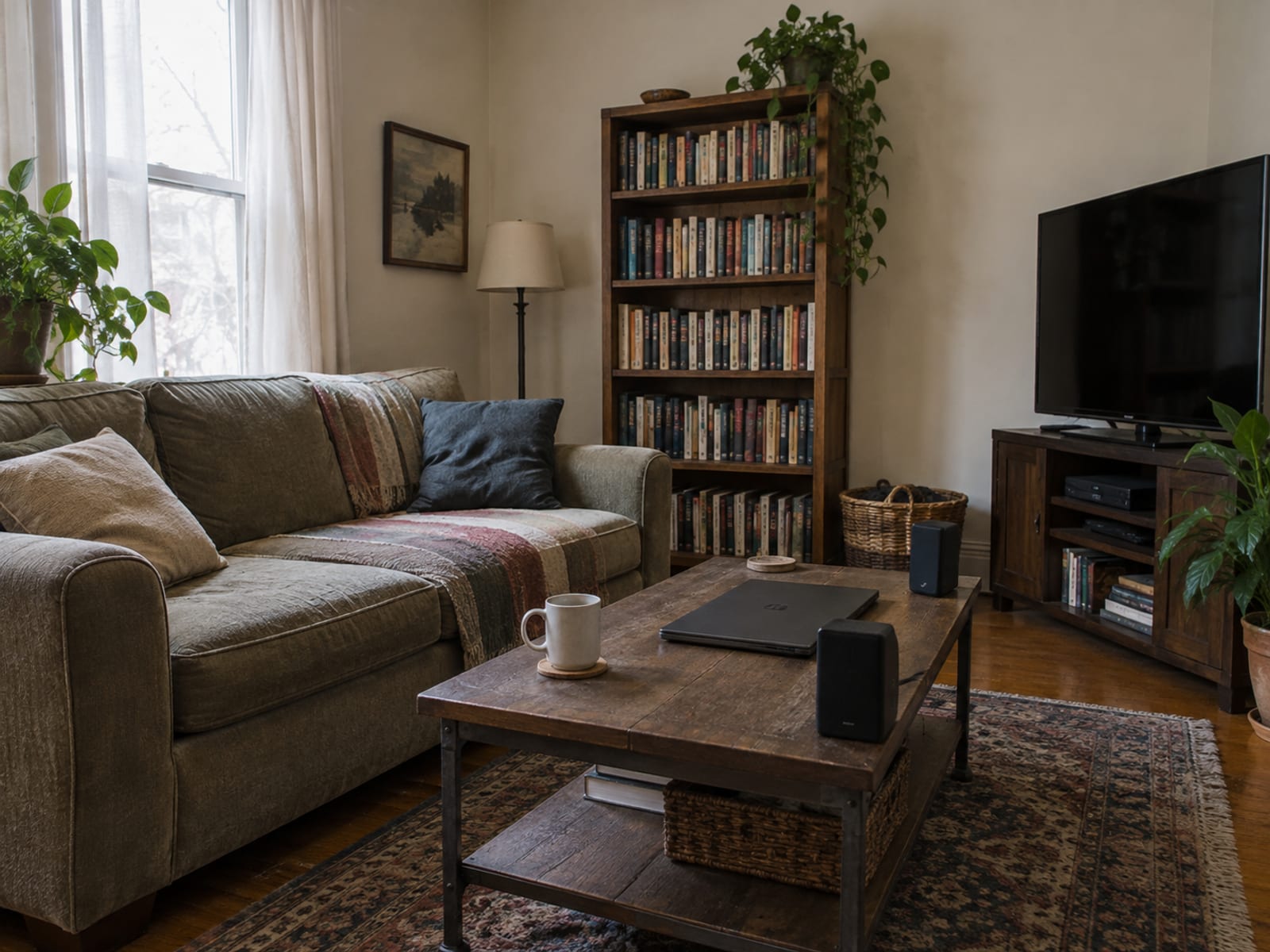
Personal property. This pays for your belongings, such as furniture, electronics, appliances and clothing, when they are damaged, destroyed or lost because of a covered peril like fire, smoke, theft or vandalism. Coverage can follow your things away from the apartment, including items in off-site storage or with a child at college. The Bureau's renters guide (opens in a new tab) gives property stolen from a car as one example, though the policy wording decides each case.
Loss of use. If a covered loss leaves your rental unlivable while repairs are made, this part pays some of your additional living expenses, such as temporary lodging above your normal costs.
Personal liability. This responds when you are responsible for injuring another person or damaging someone else's property.
Medical payments. This may pay medical bills for other people injured on the property.
Each of these sits under the policy's covered perils, exclusions, limits, deductible and definitions, so the declarations page and policy form are what tell you exactly how much protection you have.
What renters insurance leaves out
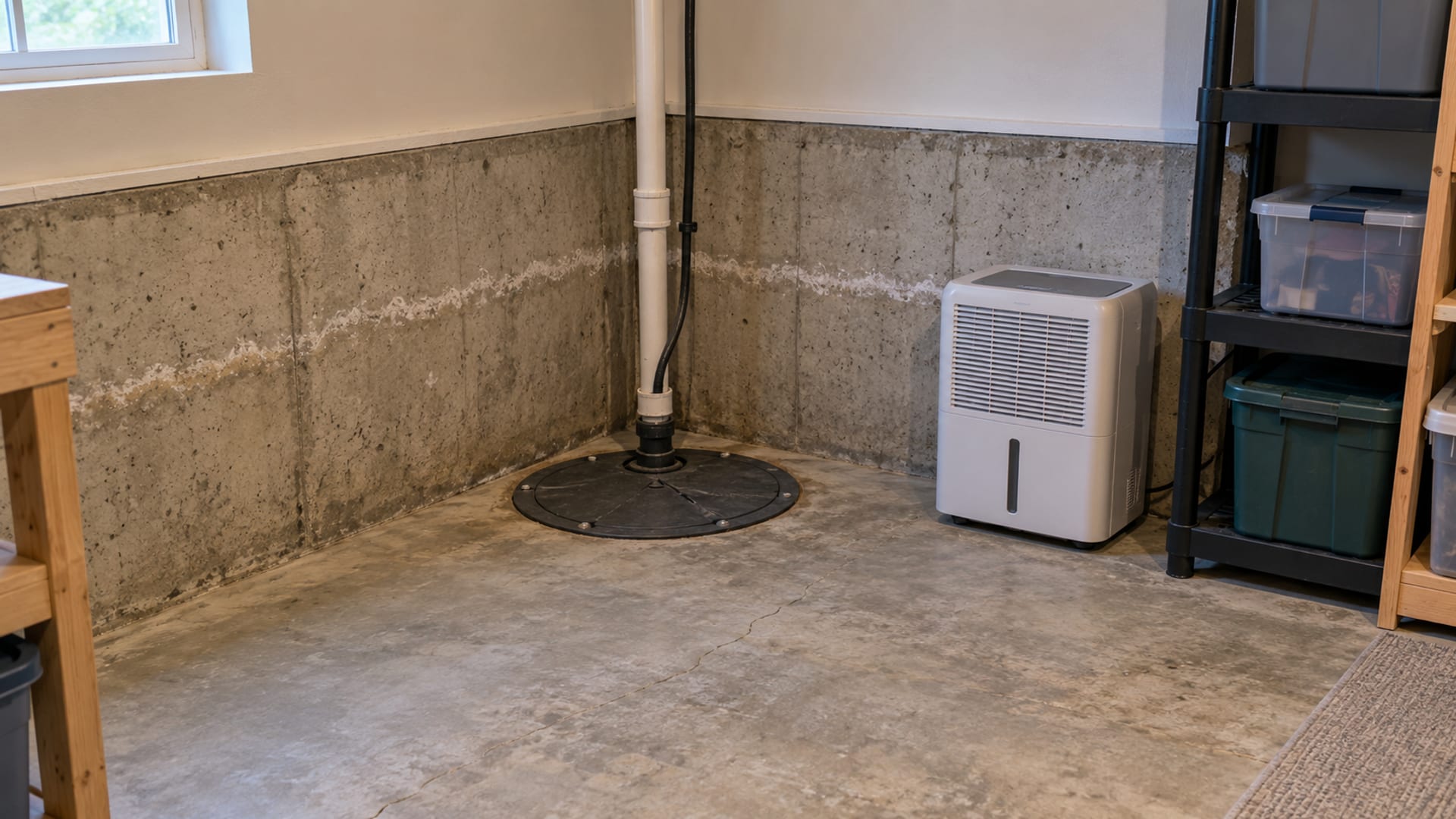
The landlord's building and the landlord's own property are outside a renters policy. Flood and earthquake damage are generally excluded from standard renters and homeowners policies in Maine, according to the Maine Bureau FAQ (opens in a new tab). Water damage depends on its cause, and flood damage generally needs a separate flood policy.
Roommates are another common gap. Coverage generally extends to related people who live with you, and a boyfriend, girlfriend or unrelated roommate may need a separate policy, according to the Bureau FAQ (opens in a new tab). If you share an apartment, ask the agent how the policy defines an "insured" before assuming your roommate's laptop is protected.
Does your landlord's insurance cover your belongings?
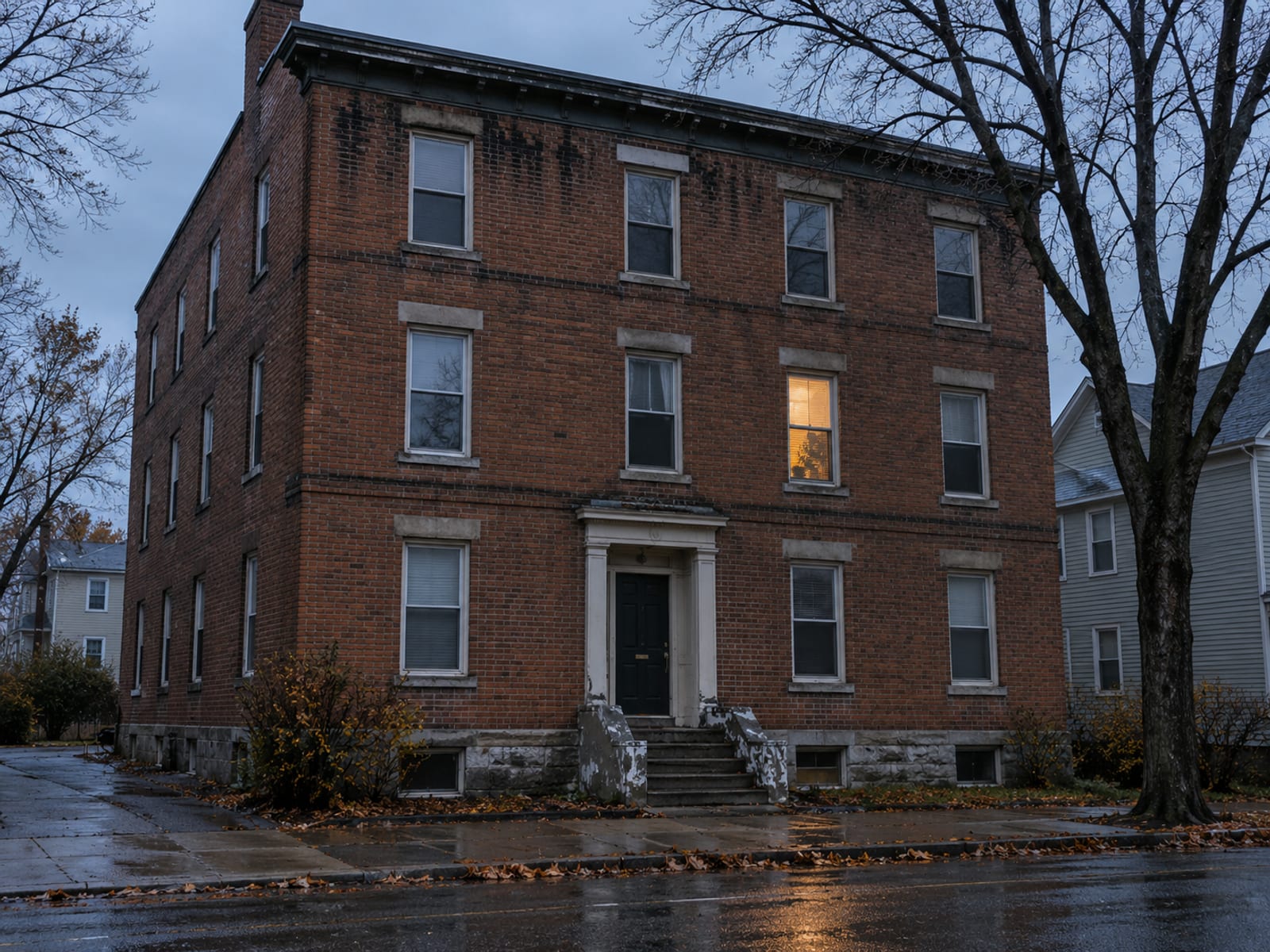
No. The landlord's policy covers the building structure, not your furniture, clothing, appliances or television, according to the Maine Bureau FAQ (opens in a new tab). The landlord insures the building and carries the owner's liability coverage. Your renters policy handles your own belongings and your own covered liability. If you cause damage to the building, how each policy responds depends on the facts and the language of both policies.
How your belongings are valued after a claim
Two valuation methods show up in renters policies. Actual cash value is an item's current value after depreciation and obsolescence. Replacement cost is the amount needed to buy an identical or nearly identical new item, according to the Maine Bureau glossary (opens in a new tab).
With replacement-cost coverage, the insurer commonly pays actual cash value first. Once you buy the replacement, the policy may pay the difference up to your limit. You generally have 180 days after receiving the actual cash value settlement to submit the supplemental claim for that extra amount, according to the Bureau FAQ (opens in a new tab). Keeping replacement receipts matters for that second payment.
Jewelry, collectibles, fine art, instruments, firearms, cameras and similar items may carry special limits or need to be scheduled separately on the policy. Maine-filed insurer material (opens in a new tab) shows how scheduling and appraisal requirements can work. Ask the agent which of your items fall under special limits and whether an appraisal is required.
Flood insurance for Maine renters
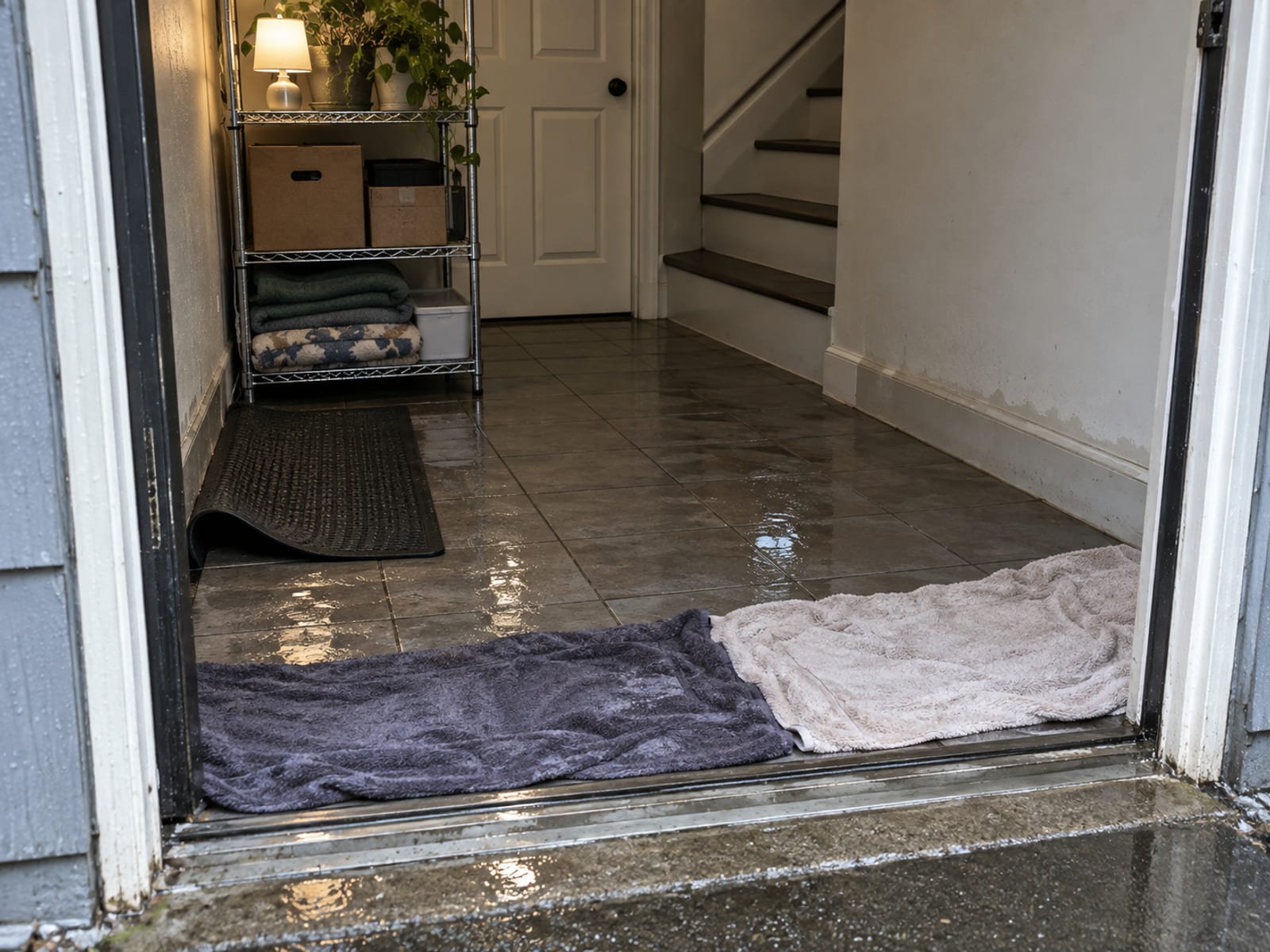
A standard renters policy generally will not pay for flood damage, so tenants who want that protection need a separate flood policy. The National Flood Insurance Program sells renters policies that cover belongings inside the home, including furniture, clothing, televisions, computers, rugs and some artwork, with contents coverage available up to $100,000, according to FEMA's FloodSmart site (opens in a new tab). The renter's flood policy covers contents only, not the landlord's building.
NFIP coverage normally begins 30 days after purchase, with listed exceptions, so timing matters if you want flood protection in place. NFIP contents coverage also has its own exclusions, including certain property in basements, currency, important papers, vehicles and additional living expenses, according to FloodSmart (opens in a new tab).
Students and off-campus renters
A student's belongings can sometimes be covered under a parent's policy when the student is away at college, according to the Maine Bureau's coverage page (opens in a new tab). An off-campus apartment raises separate questions, because the policy's definition of an insured and of the residence premises controls the answer. Before move-in, a student renter should ask the agent:
- Is the student an insured under the parent's policy?
- Does the off-campus address qualify as an insured residence, or does the student need an individual policy?
- Are roommates covered?
- Is property in storage or in a car covered?
The lease may also require the student to show proof of insurance, so confirm that with the landlord too.
How to file a renters insurance claim in Maine
You must prove the cause and extent of the damage, and the insurer is not responsible for taking your inventory, finding temporary lodging or acting as your contractor, according to the Maine Bureau's claims page (opens in a new tab). A clear record makes that much easier. After a loss:
- Notify your insurer or agent promptly.
- Take reasonable temporary steps to prevent more damage, and keep the receipts.
- Photograph or video the damage before permanent repairs.
- Report theft, vandalism or robbery to the police right away.
- List each damaged or stolen item with brand, model, quantity, purchase date, purchase price and the amount claimed.
- Keep receipts for additional living expenses, and document your normal expenses so the insurer can calculate the difference.
- Hold on to damaged property until the insurer says you may dispose of it.
- Cooperate with the insurer's investigation, including any required examination under oath.
A home inventory built before anything goes wrong is the strongest version of step five. Photos, videos, receipts and serial numbers saved somewhere outside the apartment cover most of what an adjuster will ask for.
Lapses and missed payments
Maine has no statutory grace period for property and casualty premium payments, according to the Maine Bureau FAQ (opens in a new tab). A missed payment can lead to cancellation, which leaves your belongings unprotected and may also put you out of compliance with a lease that requires coverage. Ask your insurer how and when late payments are handled, and set up a reminder or automatic payment if your lease depends on continuous proof.
How to verify a Maine agent or insurer
The Maine Bureau of Insurance Licensee Search (opens in a new tab) lets you look up individuals and companies by name, license number or identification number. If you cannot find an agent or company there, contact the Maine Bureau of Insurance (opens in a new tab) directly to confirm whether they are licensed in Maine. The online search is offered as a public service and is not meant to be relied on for legal purposes.
Questions to ask before you buy or send proof to your landlord
These questions come from the Maine Bureau's renters guide (opens in a new tab) and the Bureau FAQ (opens in a new tab):
- What hazards does the policy cover, and are flood and earthquake excluded?
- Is personal property paid at actual cash value or replacement cost?
- What special limits apply to jewelry, electronics, bicycles, firearms or business property?
- How much liability coverage does the policy provide?
- What deductible applies?
- Does coverage apply away from the rental, including storage and college housing?
- Are roommates covered?
- What optional coverage is available?
- What happens if a premium is paid late?
- What document will satisfy the landlord's lease requirement?
Check what you know about Maine renters insurance
Renters insurance in Maine: quick answers
Does Maine renters insurance cover theft from my car? Many policies cover insured belongings stolen from a vehicle or damaged away from home, according to the Maine Bureau renters guide (opens in a new tab). The car itself is not covered by renters insurance, and the policy wording sets the limits.
How long do I have to claim the replacement-cost difference? Generally 180 days after you receive the actual cash value settlement, according to the Bureau FAQ (opens in a new tab). You usually need to buy the replacement item first and send proof.
When does NFIP flood coverage for renters start? Normally 30 days after purchase, with some listed exceptions, according to FloodSmart (opens in a new tab). Contents coverage for renters goes up to $100,000.
Who pays for damage to the building itself? The landlord's policy covers the building structure. If a tenant caused the damage, the outcome depends on both policies and the facts, so report it to your insurer promptly.
Before you sign the lease
Start with the lease's insurance clause and the exact proof your landlord wants. Then build a quick inventory of what you own, decide whether you want replacement-cost coverage, and ask about roommates, high-value items and flood. With those answers in hand, a conversation with a licensed Maine agent will be short and specific, and you will know what your policy will and will not pay before you need it.
Terms used in this guide
Tap a term to see what it means.
HO-4. The renters policy form, which covers a tenant's belongings, personal liability, some medical payments to others and loss of use.
Loss of use. Coverage for additional living expenses when a covered loss leaves the rental unlivable during repairs.
Actual cash value. An item's current value after depreciation and obsolescence.
Replacement cost. The amount needed to buy an identical or nearly identical new item.
Scheduled property. Valuable items, such as jewelry or instruments, listed separately on the policy because special limits apply.
NFIP. The National Flood Insurance Program, which sells separate flood policies, including contents coverage for renters.