Maine Flood Insurance: Coastal and Inland Flood Maps, NFIP Coverage and What It Costs
Riskado
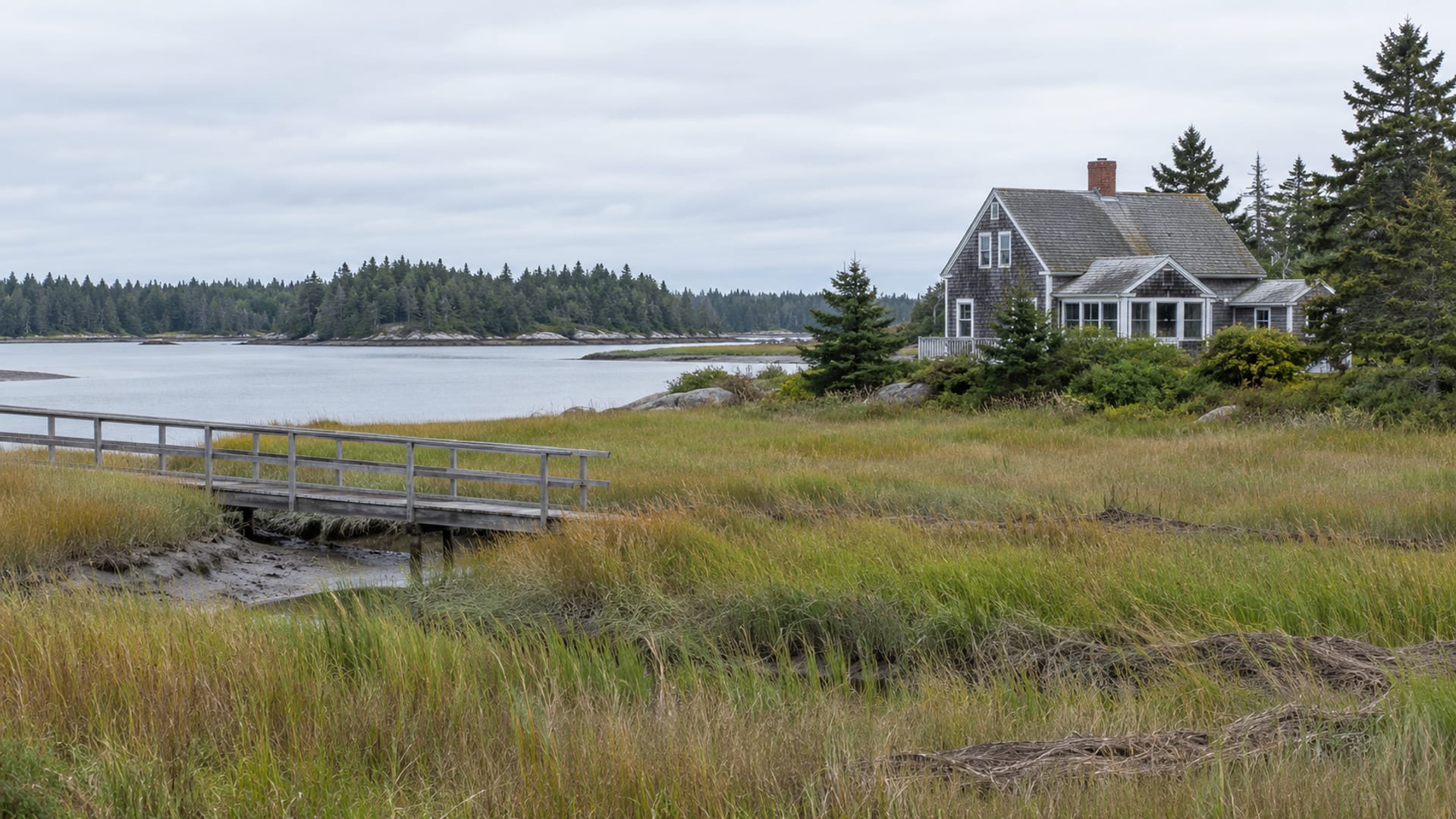
Flood insurance in Maine is a separate policy from most homeowners, renters and business insurance. Start by searching your address on FEMA's Flood Map Service Center (opens in a new tab), then confirm local floodplain details through Maine's Floodplain Management Program (opens in a new tab). A lender generally requires flood insurance when a building securing a government-backed loan sits in a Special Flood Hazard Area, and some lenders require it elsewhere too. A National Flood Insurance Program (NFIP) policy covers direct physical flood damage to eligible buildings and contents, subject to limits, exclusions, deductibles and a usual 30-day wait. FEMA prices each policy by the property's own location, construction and replacement cost.
Key takeaways
- A separate policyFlood insurance in Maine is a separate policy from most homeowners, renters and business insurance.
- Check the addressSearch FEMA's Flood Map Service Center, then confirm local floodplain details through Maine's Floodplain Management Program.
- When a lender requires itGenerally when a building securing a government-backed loan sits in a Special Flood Hazard Area, and some lenders require it elsewhere too.
- What NFIP coversDirect physical flood damage to eligible buildings and contents, subject to limits, exclusions, deductibles and a usual 30-day wait.
- What sets the priceThe property's own location, construction and replacement cost.
Does your homeowners or renters policy cover floods?
Usually it does not. Flood damage and damage from rising groundwater, rivers, streams or lakes is typically not covered by a standard homeowners or renters policy, according to the Maine Bureau of Insurance (opens in a new tab). Separate flood insurance, most often through the NFIP, is the usual way to cover those losses.
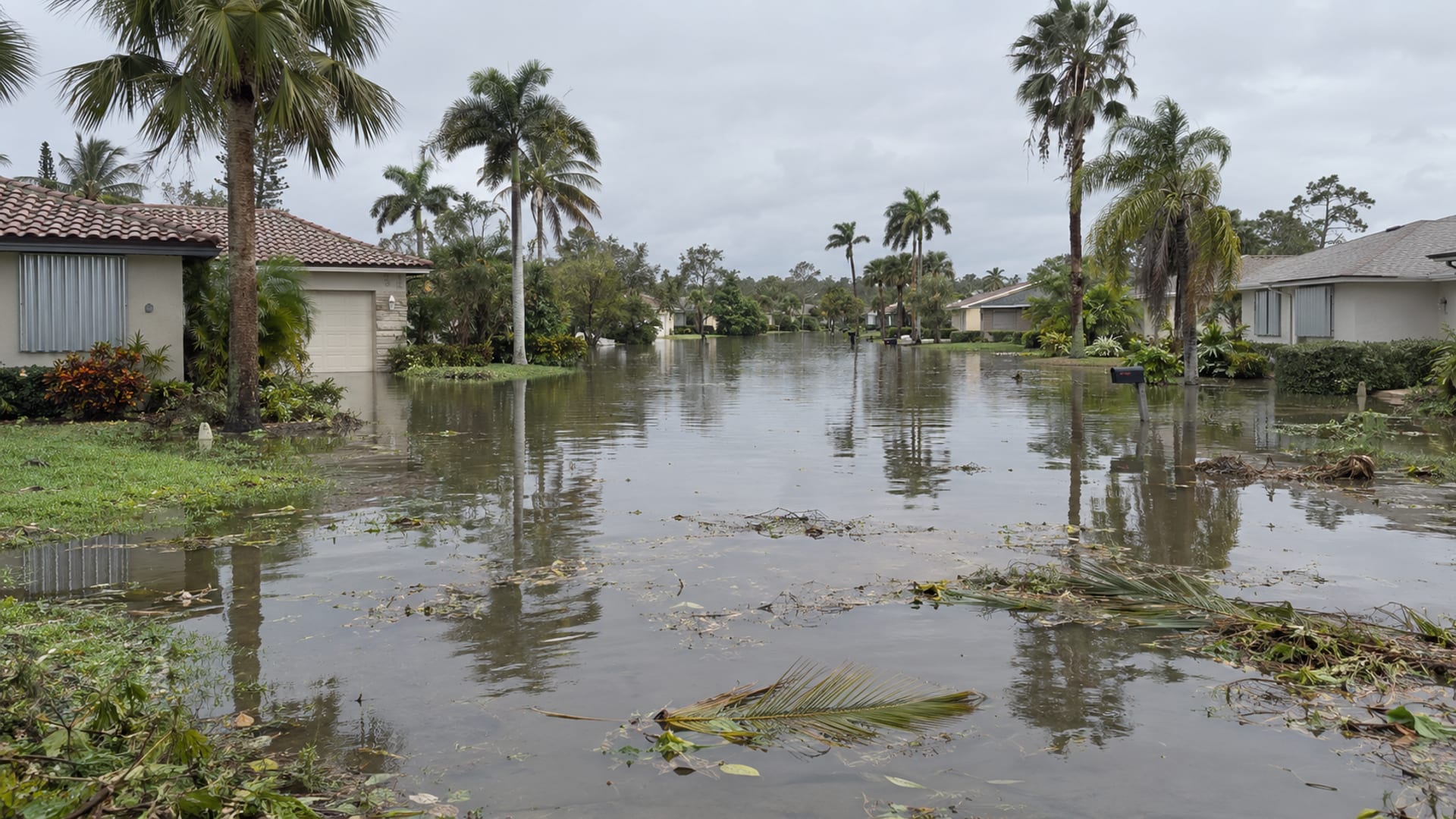
The cause of the water decides which policy responds. Your homeowners policy may cover wind or rain that comes in through a storm-damaged roof, falling objects or some power-loss damage, depending on its terms. Water from a roof leak, a burst pipe or a clogged sewer backup is not automatically a flood claim, according to FEMA's guidance for NFIP agents (opens in a new tab). Flood insurance responds to qualifying flood damage from storm surge, heavy rainfall, runoff and water overflowing a river, lake or other body of water, according to FloodSmart (opens in a new tab).
How to check a Maine flood zone by address
Search the exact address on the FEMA Flood Map Service Center (opens in a new tab) and open the effective Flood Insurance Rate Map. Write down the zone and the map's effective date. A town's reputation, or the fact that a property is "inland" or "on the coast," is not a map determination for that address.
If the map is hard to read or the property sits near a zone boundary, your local floodplain administrator can explain the map and local permitting rules. Questions about base flood elevations, riverine and coastal high-hazard areas, flood studies and map revisions can also go to Maine's Floodplain Management Program (opens in a new tab).

What the flood-zone letters mean
FEMA's zone letters describe how a mapped area is expected to flood, according to FEMA's floodplain materials (opens in a new tab):
- A and AE: areas subject to the 1-percent-annual-chance flood, often called the 100-year flood. AE zones include base flood elevations.
- AH: shallow flooding, often one to three feet deep.
- AO: shallow sheet-flow flooding.
- V and VE: coastal areas subject to the 1-percent-annual-chance flood plus storm-wave hazards. VE zones include base flood elevations.
- Shaded X: moderate-risk areas, including the 0.2-percent-annual-chance floodplain.
- Unshaded X: areas outside the mapped 0.2-percent-annual-chance floodplain.
Zones A, AE, AH, AO, A99, AR, V and VE generally fall within the Special Flood Hazard Area, the high-risk area that triggers federal purchase requirements. A Zone X designation does not mean a property cannot flood, and it does not stop a lender from requiring coverage.
Does a Maine lender require flood insurance?
Federal mandatory-purchase rules generally apply when a building securing a federally regulated or government-backed loan is in a Special Flood Hazard Area in a participating community, according to FEMA (opens in a new tab). Some banks also require flood insurance outside high-risk areas, according to FloodSmart (opens in a new tab). The written requirement in your loan papers controls, so ask your lender directly before closing or refinancing.
Past federal help can create a requirement too. If a property received federal disaster assistance, it may need to keep flood insurance to qualify for future aid, including FEMA disaster grants and Small Business Administration disaster loans.
Who can buy NFIP coverage in Maine
NFIP policies are available to homeowners, renters and businesses in communities that participate in the program, according to FloodSmart (opens in a new tab). A past flood generally does not make a property ineligible when the community participates. Participation is set town by town and can change, so check your city or town in FEMA's Maine Community Status Book (opens in a new tab), which also shows map information and any suspension or withdrawal.
You do not buy an NFIP policy from FEMA itself. Policies are sold and serviced through NFIP Direct and through private insurers called Write Your Own companies, which issue the federal policy under their own name, according to FloodSmart (opens in a new tab).
What NFIP flood insurance covers
NFIP coverage comes in two parts, building and contents, and you buy them separately with separate deductibles, according to FloodSmart (opens in a new tab).
For a home, building coverage goes up to $250,000 and contents coverage up to $100,000. For a non-residential building such as a shop, office or warehouse, building and contents coverage each go up to $500,000. The Maine Bureau of Insurance 2025 market presentation (opens in a new tab) shows the same non-residential limits.
Building coverage can include electrical and plumbing systems, furnaces, water heaters, built-in appliances, permanently installed carpeting, cabinets, foundation walls, stairs, detached garages, fuel tanks, wells, pumps and solar equipment.
Contents coverage can include clothing, furniture, electronics, curtains, washers and dryers, portable air conditioners, microwaves and carpet laid over wood floors. Original artwork and furs have a $2,500 limit. Renters can buy contents coverage on its own.
Hover or tap a row to highlight it.
| Coverage | Maximum | Source |
|---|---|---|
| Residential building | $250,000 | FloodSmart (opens in a new tab) |
| Residential contents | $100,000 | FloodSmart (opens in a new tab) |
| Non-residential building | $500,000 | FloodSmart (opens in a new tab) |
| Non-residential contents | $500,000 | FloodSmart (opens in a new tab) |
| Original artwork and furs, within contents | $2,500 | FloodSmart (opens in a new tab) |
| Increased Cost of Compliance, for eligible policyholders | $30,000 | FloodSmart (opens in a new tab) |
What NFIP flood insurance excludes
The exclusions and limits matter as much as the coverage. These are excluded or limited, according to FloodSmart (opens in a new tab):
- Currency, precious metals and stock certificates
- Cars and most self-propelled vehicles
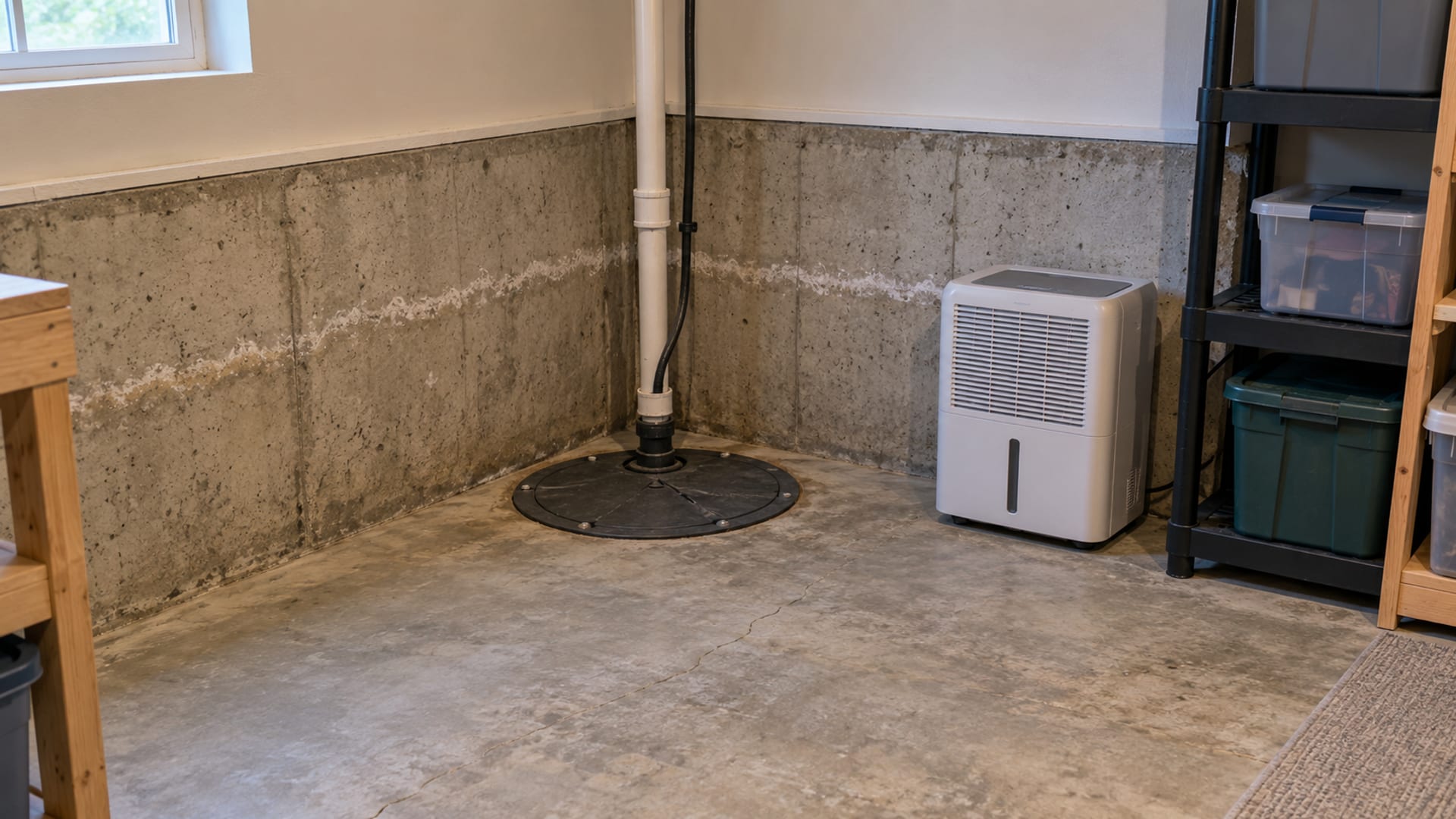
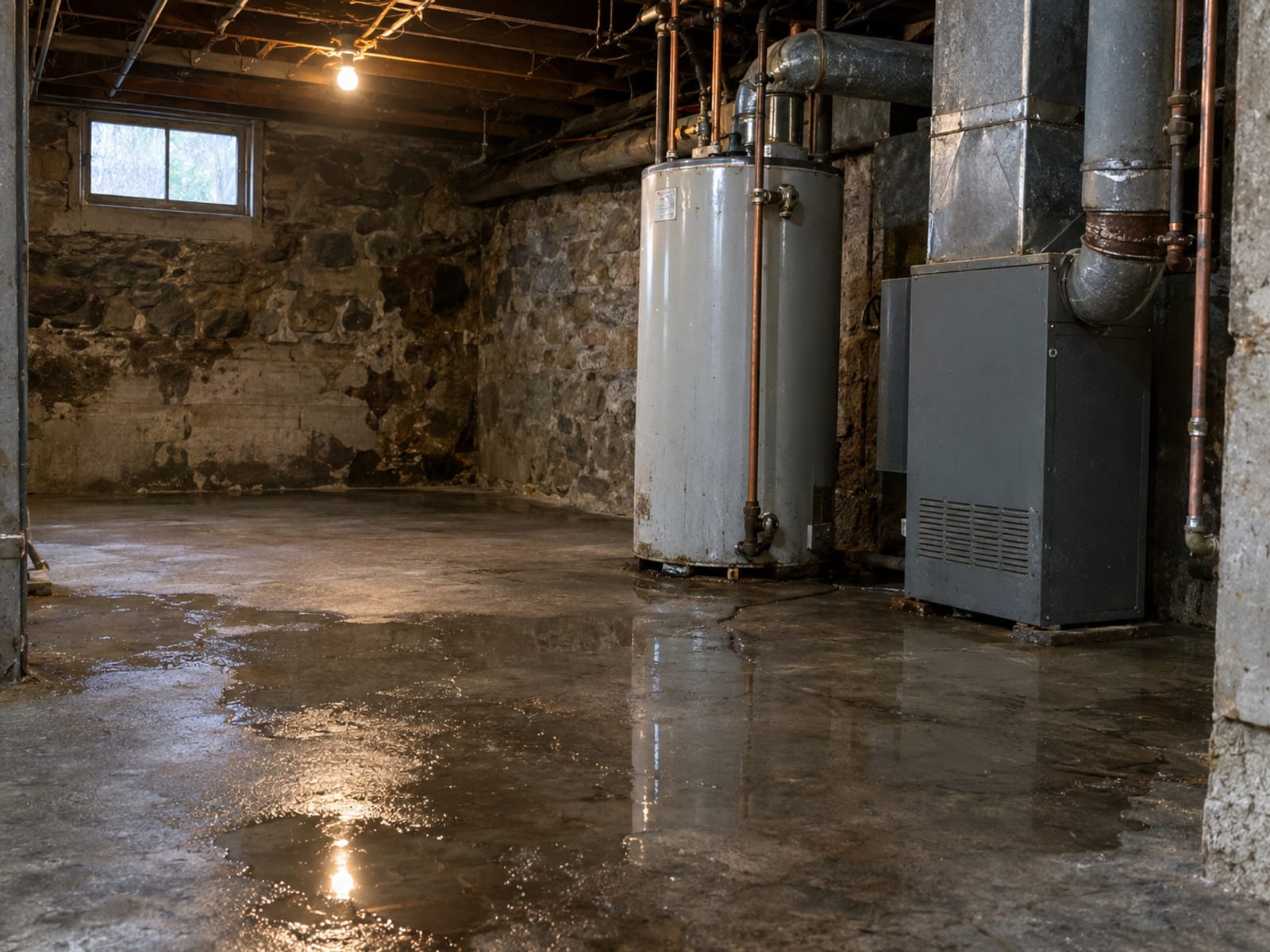
- Many items kept in basements
- Landscaping, septic systems, decks, patios, fences and swimming pools
- Temporary housing and additional living expenses
- Business-interruption losses
If you finish a basement, keep equipment there or rely on a business income stream, ask the agent how those items would be handled and whether a separate policy is needed for business interruption.
How long before coverage starts?
An NFIP policy generally takes effect 30 days after purchase, according to FloodSmart (opens in a new tab). That means buying a policy when a storm is already forecast normally will not protect you from that storm.
Some exceptions apply:
- No waiting period when you buy coverage while making, increasing, extending or renewing a mortgage.
- No waiting period when you change coverage at renewal.
- A one-day wait when your property is newly mapped into a high-risk zone and you buy within the allowed period after the map update.
- A one-day wait when a flood is caused or worsened by a wildfire on federal land and you buy within 60 days of the wildfire's containment date.
NFIP policies run for one year. If you let one expire, ask your agent what a gap would mean for your lender's requirement and for the waiting period on a new policy.
Hover or tap a row to highlight it.
| Situation | Wait before coverage starts | Source |
|---|---|---|
| Standard purchase | 30 days | FloodSmart (opens in a new tab) |
| Bought while making, increasing, extending or renewing a mortgage | None | FloodSmart (opens in a new tab) |
| Coverage changed at renewal | None | FloodSmart (opens in a new tab) |
| Property newly mapped into a high-risk zone, bought within the allowed period | 1 day | FloodSmart (opens in a new tab) |
| Flood caused or worsened by a wildfire on federal land, bought within 60 days of containment | 1 day | FloodSmart (opens in a new tab) |
How much does flood insurance cost in Maine?
The price is set property by property. FEMA's pricing approach, called Risk Rating 2.0, looks at where the building is, how it is built and what it would cost to replace, according to FloodSmart (opens in a new tab). The factors include:
- Distance to the coast, rivers and other flood sources
- Ground elevation and how the building sits relative to nearby flood sources
- Community characteristics, including possible Community Rating System discounts
- Foundation type, construction, occupancy and other building details
- Replacement cost
- Coverage amounts, deductibles, fees and surcharges
The zone letter alone does not set the premium, according to FEMA's Risk Rating 2.0 methodology (opens in a new tab). An NFIP policy is priced the same way whether you buy it through NFIP Direct or a Write Your Own company.
For a sense of the market, Maine personal and excess personal flood written premium was about $2.1 million in 2023, according to the Maine Bureau of Insurance 2025 market presentation (opens in a new tab). That is a statewide written-premium total, not what any one owner pays. For your own price, an agent will need the address, the building's construction and foundation, its replacement cost and the coverage and deductible you want.
NFIP or private flood insurance?
Maine has a very small private flood market, and the Bureau of Insurance has no jurisdiction over the NFIP itself, according to the Maine Bureau of Insurance (opens in a new tab). Private flood policies can differ from the federal Standard Flood Insurance Policy in limits, deductibles, exclusions, conditions, cancellation terms and protection for the mortgage holder, according to FEMA's materials for agents (opens in a new tab). Your lender decides whether a particular private policy meets its requirement, so get that answer in writing before you switch.
Coastal and inland flood risk in Maine
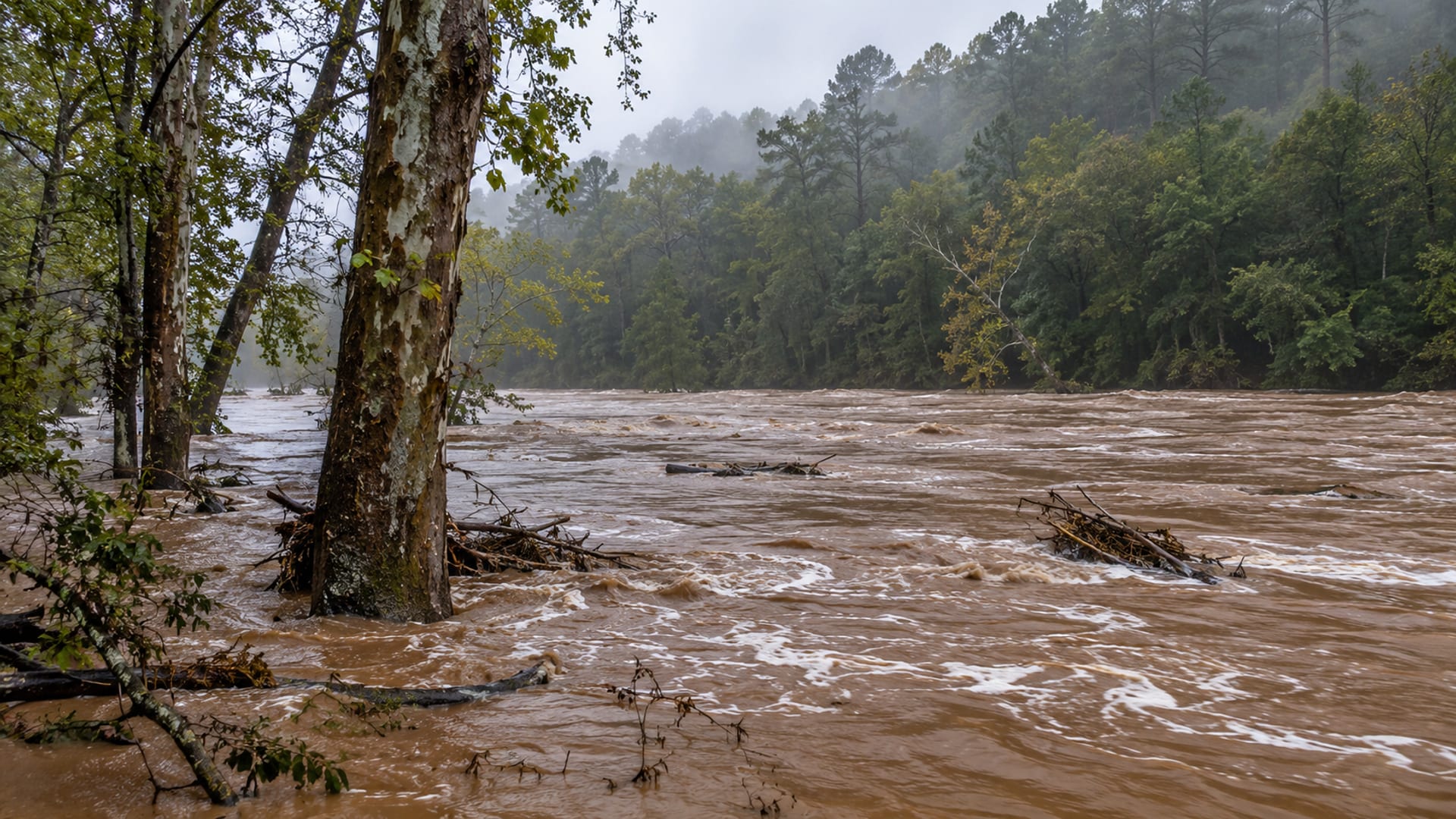
Maine's flood exposure is not only on the ocean. NFIP coverage applies to river, lake, rainfall, runoff and coastal flooding, and riverside and inland properties can flood.
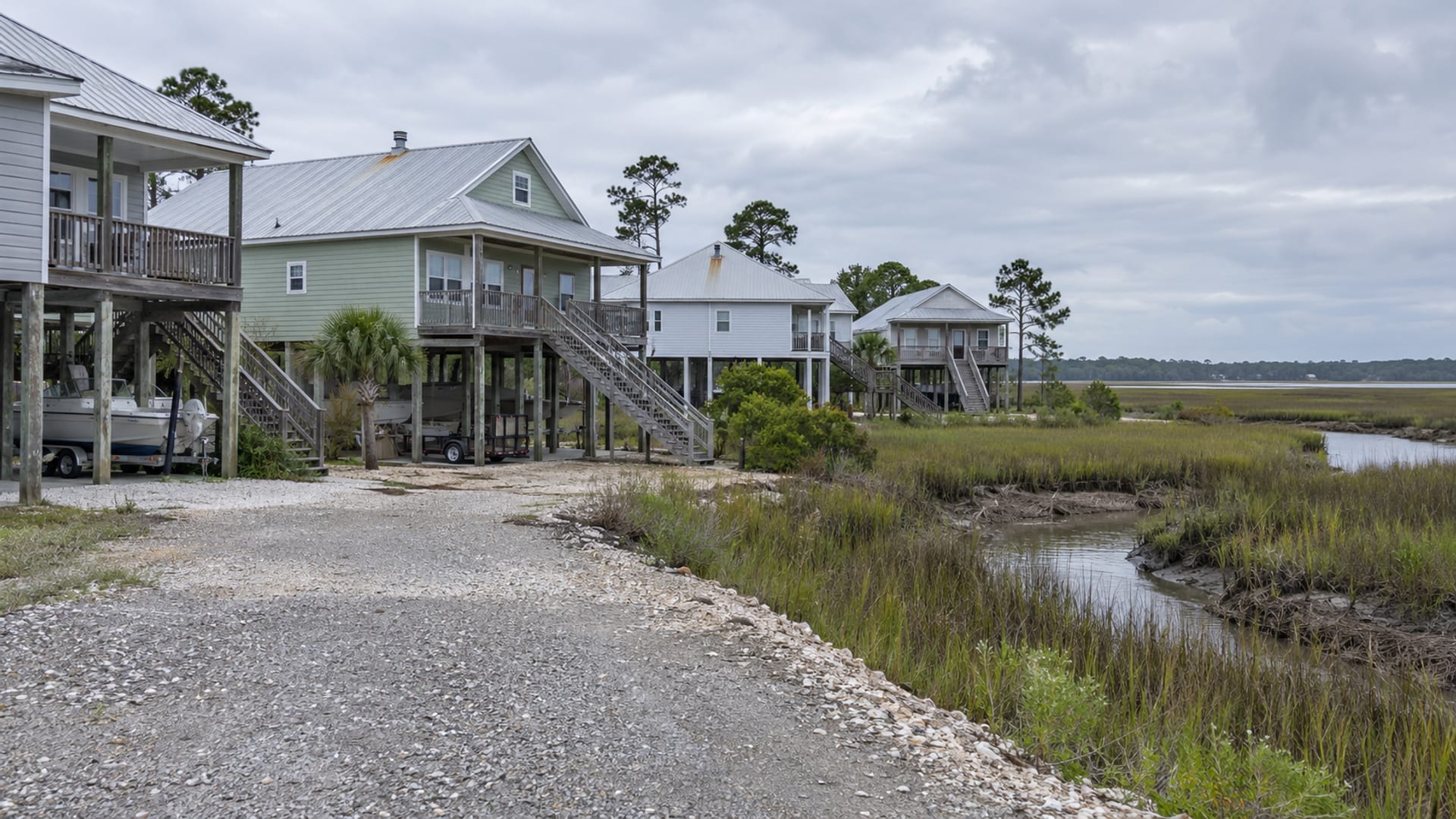
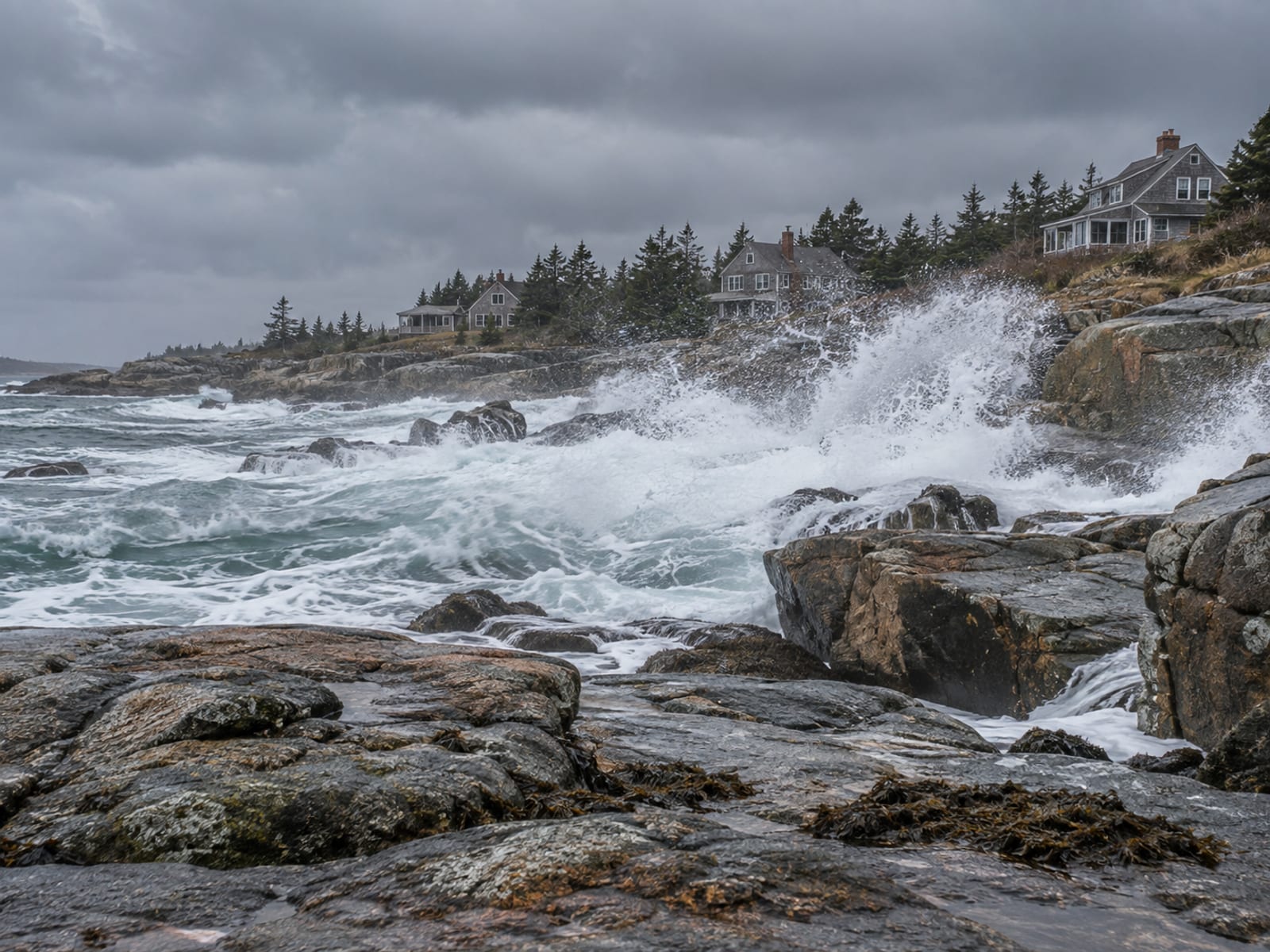
On the coast, the major hazards are storm surge, sea-level rise, erosion and inlet migration, according to the Maine Geological Survey (opens in a new tab). Storm surge can temporarily raise sea level by one to three feet under a storm's center, and flooding is worse when surge arrives at high tide. Combined coastal sinking and global warming may produce about 0.5 to 1.0 meters, or 20 to 40 inches, of sea-level rise along the Maine coast by 2090, an estimate the Survey expects later studies to refine. Rising seas also change coastal floodplains over time, according to the Survey's erosion FAQ (opens in a new tab).
These hazards shape physical risk, but your address's mapped zone and your policy terms still decide whether coverage is required and whether a specific claim is paid.
How NFIP claims work
After a flood, report the loss to your flood insurer as soon as you can, according to FloodSmart (opens in a new tab). Then:
- Photograph and record damage to the building and your belongings.
- Keep receipts and records of repairs and replacement items.
- Meet the adjuster and check the adjuster's identification.
- Send the required documents and proof of loss within 60 days of the flood, or by the deadline your insurer or adjuster gives you.
- Review the estimate and ask for additional payment if covered damage was missed or underestimated.
If your claim is denied, you can appeal to FEMA (opens in a new tab) within 60 days of receiving the denial letter.
Rebuilding to current floodplain rules can cost more than the repair itself. Increased Cost of Compliance coverage can pay up to $30,000 to eligible NFIP policyholders in a Special Flood Hazard Area when a building is substantially or repeatedly damaged and must be brought up to floodplain-management requirements, according to FloodSmart (opens in a new tab). Eligibility and policy conditions apply.

Questions to ask your agent and lender
- Is this an NFIP policy or a private flood policy?
- Am I buying building coverage, contents coverage or both, and what are the separate limits and deductibles?
- Which flood causes are covered, and which basement items are excluded?
- Are decks, septic systems, landscaping, vehicles, temporary housing or business interruption covered under any part of my insurance?
- What is the effective date, and does the 30-day wait apply?
- What property details went into the Risk Rating 2.0 price?
- Does my lender accept this policy?
- What happens if the policy lapses?
- What is the proof-of-loss deadline, and what records should I keep?
- Could the property qualify for Increased Cost of Compliance coverage after a major flood?
- Is my town currently in the NFIP, and which local official can explain the map?
- For a private policy, which Maine Bureau of Insurance complaint process applies?
Check what you know about flood insurance in Maine
FAQ
Can I buy flood insurance if my property has flooded before?
Generally yes, if your community participates in the NFIP, according to FloodSmart (opens in a new tab). Confirm participation in FEMA's Maine Community Status Book (opens in a new tab).
What if my town is not in the NFIP?
NFIP coverage is available only in participating communities. Ask your local floodplain administrator about the town's status, and ask an agent whether a private flood policy is available for the property.
What if FEMA remaps my property into a high-risk zone?
If you buy within the allowed period after the map update, the waiting period is one day instead of 30, according to FloodSmart (opens in a new tab). A new high-risk designation may also bring a lender requirement if you have a government-backed mortgage.
Can I get flood insurance at closing without waiting 30 days?
Yes. There is no waiting period when coverage is bought in connection with making, increasing, extending or renewing a mortgage, according to FloodSmart (opens in a new tab).
Does flood insurance pay for a hotel while my home is repaired?
No. Temporary housing and additional living expenses are excluded from NFIP coverage. Ask your agent whether any other policy you carry addresses those costs after a flood.
Before you decide
Look up the address, note the zone and map date, and confirm your town is in the NFIP. Then ask your lender what it requires and ask an agent to price building and contents coverage separately. With those answers, you can decide how much flood coverage you want and when it needs to start.
Terms used in this guide
Tap a term to see what it means.
NFIP. The National Flood Insurance Program, the federal program that sells flood policies through NFIP Direct and Write Your Own companies.
Special Flood Hazard Area. The high-risk area, including zones A, AE, AH, AO, A99, AR, V and VE, that triggers federal purchase requirements.
Flood Insurance Rate Map. The FEMA map that shows the flood zone and its effective date for an address.
Base flood elevation. The expected height of the 1-percent-annual-chance flood, shown in AE and VE zones.
Write Your Own company. A private insurer that issues and services the federal flood policy under its own name.
Risk Rating 2.0. FEMA's pricing approach, which rates each building by its location, construction and replacement cost.
Proof of loss. The document that supports the amount you are claiming after a flood.
Increased Cost of Compliance. NFIP coverage of up to $30,000 to bring a substantially or repeatedly damaged building up to floodplain-management requirements.