New Hampshire Homeowners Insurance: What It Costs, What It Covers, and Whether You Have to Carry It
Riskado
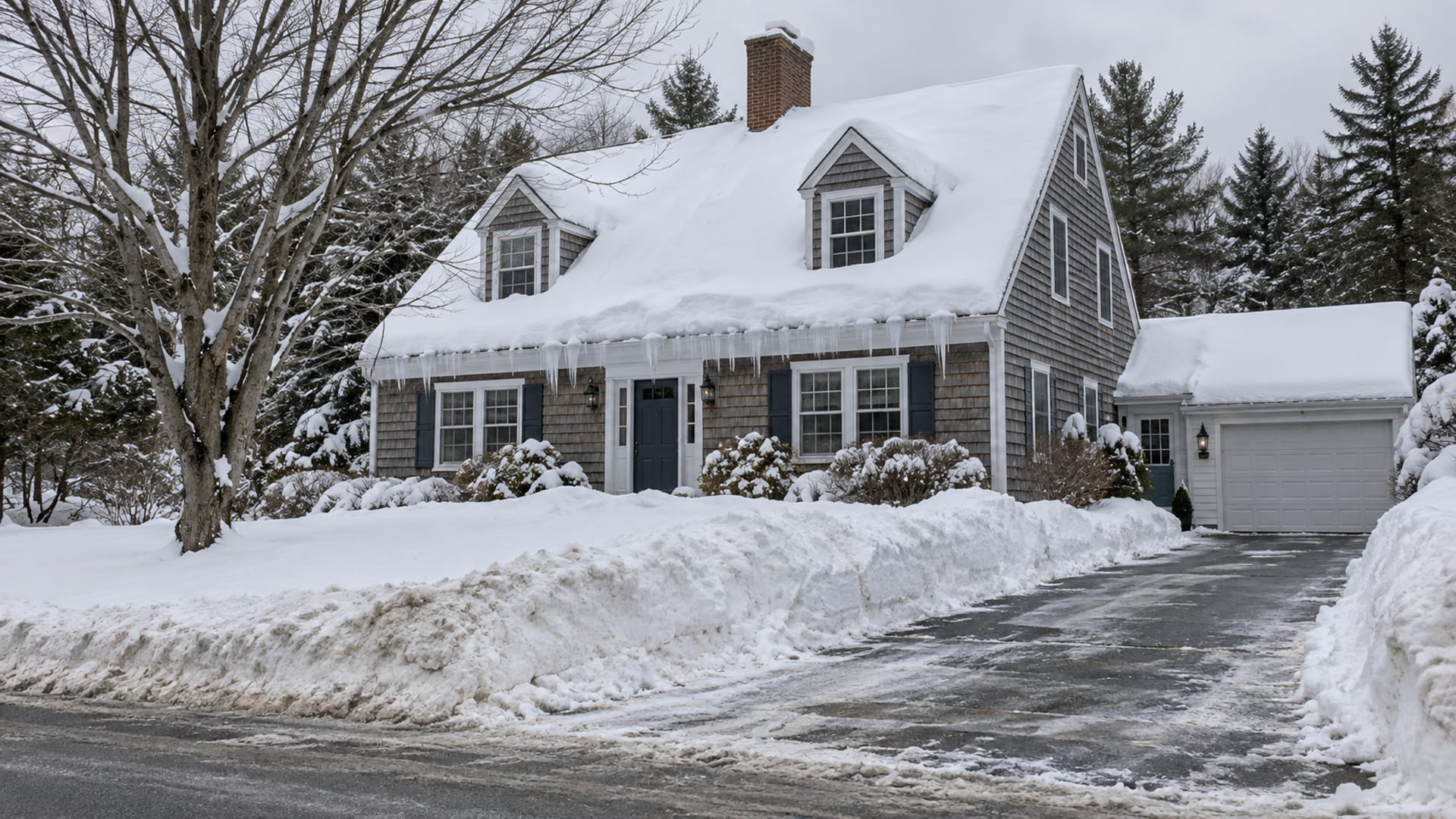
New Hampshire law generally does not require every homeowner to carry homeowners insurance, but if you have a mortgage, your lender usually requires it as a condition of the loan. The average New Hampshire premium for the common HO-3 policy was $1,332 in 2023, compared with $1,737 nationwide, according to the NAIC 2023 Homeowners Report (opens in a new tab). A standard policy covers the dwelling, other structures, personal property, additional living expenses, liability and medical payments, subject to its terms. Flood, earthquake and sewer backup usually need separate coverage or an endorsement, and your own premium depends on the property, location, construction, claims history and insurer.
Key takeaways
- Is it required?New Hampshire law generally does not require every homeowner to carry it, but a mortgage lender usually requires it as a condition of the loan.
- Average premiumThe New Hampshire HO-3 average was $1,332 in 2023, compared with $1,737 nationwide.
- What a policy coversThe dwelling, other structures, personal property, additional living expenses, liability and medical payments, subject to its terms.
- What usually needs separate coverageFlood, earthquake and sewer backup.
- What sets your priceThe property, location, construction, claims history and insurer.
How much does homeowners insurance cost in New Hampshire?
The 2023 average HO-3 premium in New Hampshire was $1,332, which is $405 or about 23% below the $1,737 countrywide average, per Table 4 of the NAIC 2023 Homeowners Report (opens in a new tab). HO-3 is the most common homeowners policy form, with broad coverage for the house and named-peril coverage for belongings.
Hover or tap a row to highlight it.
| Figure | Value | Source |
|---|---|---|
| New Hampshire average HO-3 premium, 2023 | $1,332 | NAIC 2023 Homeowners Report |
| Countrywide average HO-3 premium, 2023 | $1,737 | NAIC 2023 Homeowners Report |
| Statewide homeowners premium written, 2022 | About $523 million | NH Insurance Department |
| Statewide homeowners premium written, 2023 | About $584 million | NH Insurance Department |
An average is built from written premium across many policies, so it is a benchmark rather than a quote. Your price reflects your home's location, construction, age and replacement cost, plus your claims history and the insurer's rating rules. If a renewal comes in well above the state figure, that's a reason to ask the agency which factors moved, not proof of an error.

Why are New Hampshire premiums going up?
Statewide homeowners premium rose from about $523 million in 2022 to about $584 million in 2023, an 11.7% increase, according to the New Hampshire Insurance Department's 2024 homeowners market analysis (opens in a new tab). Average filed rate changes were 4.2% in 2022 and 8.5% in 2023.
Several forces sit behind those numbers. Rebuilding costs that are indexed to inflation raise the coverage amount, and the premium rises with it. Property values and home sales also push premium up. Insurers increasingly use predictive models built on detailed personal, geographic and building characteristics, and in isolated cases those model-based adjustments reached about 50%, per the same market analysis (opens in a new tab). Across the country, construction costs, inflation, catastrophe exposure, local climate, building rules, fire protection and the home's own features all shape rates, according to the NAIC (opens in a new tab).
New Hampshire puts one limit on how insurers price you. Under RSA 417:4 (opens in a new tab), an insurer may not charge a higher homeowners premium based solely on information from a credit rating, credit history or credit-scoring model. Other rating information can still count, so ask the insurer to explain any adverse rating decision in writing.
Is homeowners insurance required by New Hampshire law?
State law generally doesn't make homeowners insurance mandatory for every owner. The main homeowners chapter, RSA 417-B (opens in a new tab), applies to personal, family and household property and liability policies and governs how those policies are cancelled and renewed. The requirement most owners face comes from the mortgage.
Because the home secures the loan, most lenders require insurance on mortgaged homes, according to Fannie Mae's insurance coverage guide (opens in a new tab). If the servicer doesn't receive acceptable evidence of coverage, it may buy lender-placed insurance under Fannie Mae's lender-placed insurance requirements (opens in a new tab). New Hampshire also limits how much a lender can demand: RSA 397-A:14 (opens in a new tab) bars a residential mortgage licensee from requiring property insurance above the replacement cost of the improvements.
If you're buying a home, ask the lender early what evidence of insurance it needs at closing, what coverage amount and deductible it accepts, and whether the premium will be escrowed. If you own your home outright, the decision is yours, but the house, your belongings and your liability to others are then uninsured unless you buy a policy.
What does a standard homeowners policy cover?
A standard homeowners package generally includes six parts, according to the NAIC homeowners insurance overview (opens in a new tab):
- Dwelling: the house itself.
- Other structures: structures apart from the house, such as detached garages and sheds.
- Personal property: your belongings.
- Loss of use: additional living expenses if a covered loss forces you out.
- Personal liability: claims that you caused injury or property damage to others.
- Medical payments: medical bills for guests injured on your property.
The exact limits, deductibles, sublimits and endorsements come from your declarations page and policy form, so read those first. For help setting the dwelling amount, see how much homeowners insurance you need.
Replacement cost or actual cash value
How a claim is settled matters as much as what is covered. Replacement cost pays to repair or replace covered property with similar property, subject to limits, deductibles and any requirement to finish repairs. Actual cash value generally pays replacement cost minus depreciation, per the NAIC (opens in a new tab). On an older roof or older furniture, that gap can be large. Our comparison of replacement cost vs actual cash value walks through it.
What does homeowners insurance leave out?
Flood is the exclusion with the most at stake. Under RSA 407:23-a (opens in a new tab), an insurer that issues a homeowners policy excluding flood must notify you of the exclusion and give you information on contacting the National Flood Insurance Program. Flood coverage is a separate policy; see New Hampshire flood insurance for zones, limits and waiting periods.
Other common exclusions or separate coverages, per the NAIC (opens in a new tab):
- Earthquake and other earth movement.
- Sewer or drain backup and sump-pump overflow, which are usually available as an optional endorsement.
- Wear and tear, deterioration and maintenance-related damage.
- Business property or business liability beyond what the policy allows.
A home warranty is a different product; home warranty vs home insurance compares the two.
Does homeowners insurance cover ice dams, frozen pipes and roof damage?
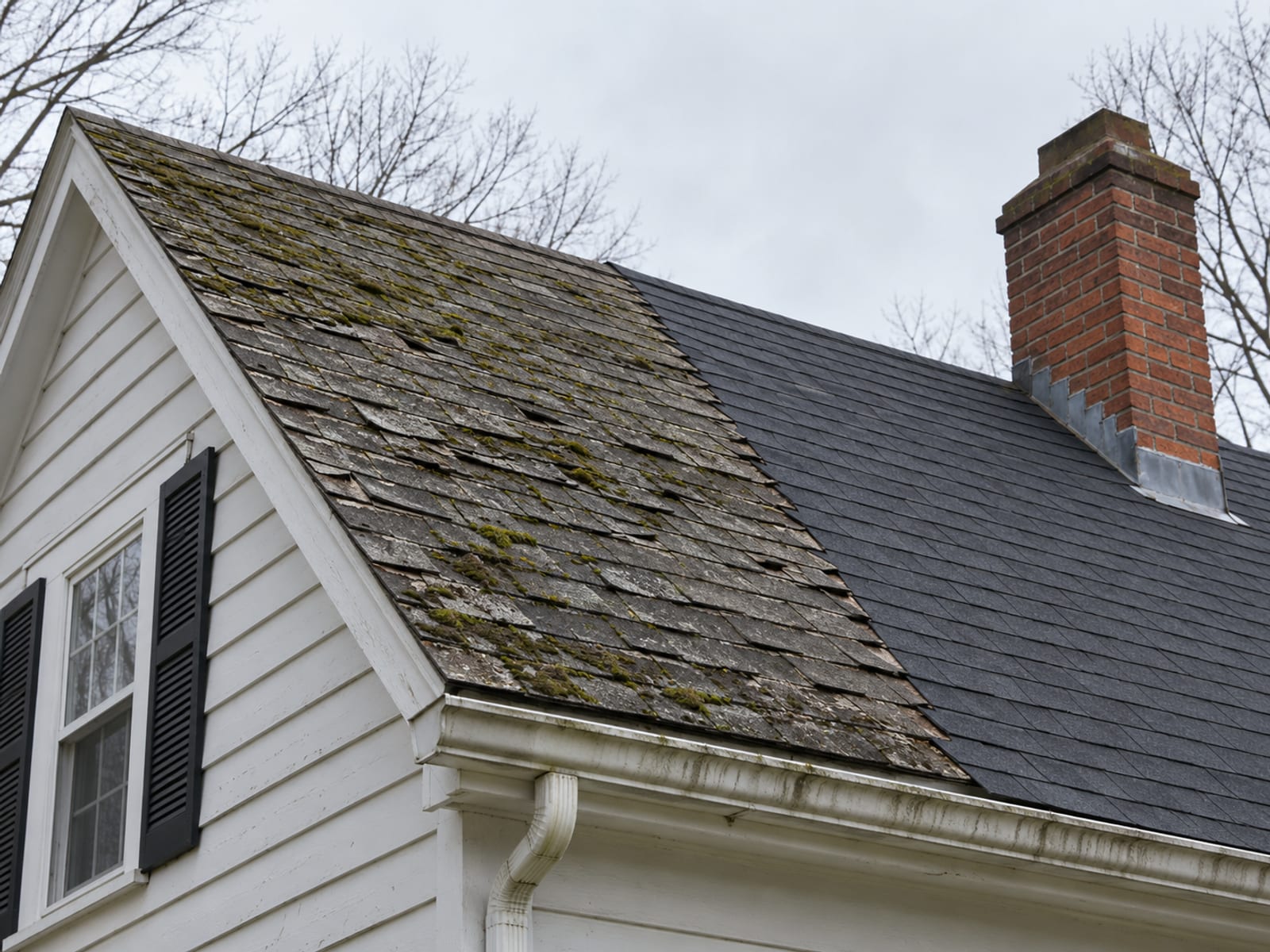
It depends on the policy wording and the cause of the loss. Ice dams, frozen pipes and the water damage that follows turn on the covered-peril language, any requirement to take reasonable precautions, the exclusions, ensuing-loss wording and endorsements, according to the NAIC (opens in a new tab). A roof damaged by a covered storm is treated differently from a roof that failed through age, poor installation or lack of maintenance.
Roof claims may be settled on replacement cost or actual cash value terms depending on the policy, the roof's age and condition, any roof endorsement and the insurer's claim practice. Before winter, ask your agency to point you to the exact policy language on:
- Ice dams and resulting interior water damage.
- Frozen pipes.
- Snow and roof leaks.
- How an older roof is settled.
Can a New Hampshire insurer cancel or nonrenew your policy?
Yes, but only with written notice that follows state rules. RSA 417-B:4 (opens in a new tab) requires written notice of cancellation or refusal to renew, stating the effective date and the specific reason. The effective date generally must be at least 45 days after the notice is mailed or delivered. A 10-day notice is allowed when:
- The policy is cancelled or not renewed for nonpayment of premium.
- The policy is not a renewal and the notice goes out within 90 days of the policy's effective date.
A policy written for less than a year is treated as a one-year term for this rule. A single claim also has limits as a reason: RSA 417-B:3-a (opens in a new tab) prohibits nonrenewal based solely on one valid claim filed within a previous or current policy term.
If you get a notice, read the stated reason and the date, then compare it with your policy. Questions or complaints about a notice can go to the New Hampshire Insurance Department's Consumer Services Division. Ask what private-market options remain for the property, including any current residual-market option, if you're having trouble placing coverage.
Hover or tap a row to highlight it.
| Rule | Requirement | Source |
|---|---|---|
| Cancellation or nonrenewal notice | Written, stating the effective date and specific reason, generally at least 45 days ahead | RSA 417-B:4 (opens in a new tab) |
| Shorter notice | 10 days for nonpayment, or for a new policy within 90 days of its effective date | RSA 417-B:4 (opens in a new tab) |
| Nonrenewal after one claim | Not allowed based solely on one valid claim in a previous or current term | RSA 417-B:3-a (opens in a new tab) |
| Starting a claim investigation | Procedures to begin within five working days after notice of loss, unless the law provides otherwise | Ins 1002.05 (opens in a new tab) |
| Insurer claim-file retention | The calendar year the claim closes plus five years | RSA 400-B:5 (opens in a new tab) |

What happens if your homeowners insurance lapses?
A lapse leaves you without protection for any loss that happens during the gap. If you have a mortgage, it also puts you out of compliance with the loan, and the servicer may buy lender-placed insurance when acceptable evidence of coverage is missing, under Fannie Mae's lender-placed insurance requirements (opens in a new tab). If you're switching insurers, set the new policy to start the day the old one ends and send the lender the new evidence of insurance.
How New Hampshire claims are handled
New Hampshire sets basic rules for how insurers treat claims. Under Insurance Rule Ins 1002.05 (opens in a new tab), unless the law provides otherwise, an insurer must have procedures to start investigating a claim within five working days after receiving notice of loss. RSA 417:4 (opens in a new tab) treats knowingly misrepresenting policy provisions, failing to acknowledge and act promptly on claim communications, and failing to adopt standards for prompt, reasonable claim investigation as unfair practices.
Insurers must keep claim files that include notices, proof of loss, estimates, correspondence and records supporting a payment or denial, for the calendar year the claim closes plus five years, under RSA 400-B:5 (opens in a new tab). Keep your own matching file: the policy, declarations page, notices, photographs, receipts, estimates and every letter. Appraisal rights, proof-of-loss deadlines and suit limits come from your policy, so ask the insurer to identify them in writing.
If a dispute stays unresolved after you raise it with the insurer or agent, you can file a written complaint with the Insurance Department's Consumer Services Division using its complaint form (opens in a new tab).

Questions to ask a New Hampshire agency
Before you buy or renew, ask for the agent's legal name and license information, and confirm through the New Hampshire insurance license lookup (opens in a new tab) that both the agent and the insurer are authorized for property coverage in the state. Then work through these:
- What policy form is this, and are belongings covered on named-peril or broader terms?
- Is the dwelling settled on replacement cost or actual cash value, and how are older roofs settled?
- How does the policy treat ice dams, frozen pipes, snow and roof leaks?
- Is flood excluded, and is sewer or drain backup available by endorsement?
- Is earthquake or earth-movement coverage available?
- What deductibles and sublimits apply?
- What information affects the premium, and how is claims history used?
- What evidence of insurance will my lender need?
- What is the proof-of-loss deadline, and is there an appraisal procedure?
Comparing nearby states can help frame the numbers; see Connecticut homeowners insurance and New York homeowners insurance.
Check what you know about New Hampshire homeowners insurance
Frequently asked questions
Is it illegal to not have homeowners insurance in New Hampshire?
State law generally doesn't require it of every owner. The obligation usually comes from your mortgage, and going without coverage while you have a loan can lead the servicer to buy lender-placed insurance.
Can my lender require more coverage than the house is worth to rebuild?
No. RSA 397-A:14 (opens in a new tab) bars a residential mortgage licensee from requiring property insurance above the replacement cost of the improvements.
Can one claim get my policy nonrenewed?
Not on that basis alone. RSA 417-B:3-a (opens in a new tab) prohibits nonrenewal based solely on one valid claim within a previous or current policy term, and any nonrenewal notice must state the specific reason.
How fast must an insurer start on my claim?
Insurers must have procedures to begin investigating within five working days after notice of loss, unless the law provides otherwise, under Ins 1002.05 (opens in a new tab).
Getting the policy right
Start with your declarations page and the lender's written requirements, then ask an agency the questions above, especially on flood, sewer backup, winter water damage and how your roof would be settled. Keep every notice and policy document in one place so that a renewal change, a cancellation or a claim can be checked against the rules New Hampshire sets.
Terms used in this guide
Tap a term to see what it means.
HO-3. The most common homeowners policy form, with broad coverage for the house and named-peril coverage for belongings.
Declarations page. The page of your policy that lists its limits, deductibles, sublimits and endorsements.
Replacement cost. A settlement that pays to repair or replace covered property with similar property, subject to limits, deductibles and any requirement to finish repairs.
Actual cash value. A settlement that generally pays replacement cost minus depreciation.
Endorsement. An addition to a policy, such as sewer or drain backup coverage.
Lender-placed insurance. Coverage a mortgage servicer may buy when it does not receive acceptable evidence of insurance.
Nonrenewal. An insurer's refusal to renew a policy at the end of its term, which in New Hampshire requires written notice and a specific reason.