New York Homeowners Insurance: What It Costs, What It Covers, and How to Compare Quotes
Riskado
New York homeowners insurance is usually a package policy for the home, other structures, personal property, additional living expenses, personal liability and medical payments, according to the New York Department of Financial Services (DFS) (opens in a new tab). A 2022 NAIC report (opens in a new tab) placed New York's average HO-3 premium at $1,628, compared with a national average of $1,569. That is an exposure-weighted historical average, not a quote for a particular home. Flood, earthquake and some water-backup losses are commonly outside the standard policy, and coastal properties can carry percentage windstorm or hurricane deductibles. When you compare quotes, line up the same policy form, limits, deductibles, exclusions and endorsements from licensed agencies or brokers.
Key takeaways
- What a policy coversThe home, other structures, personal property, additional living expenses, personal liability and medical payments.
- Average premiumThe NAIC's 2022 report puts New York's average HO-3 premium at $1,628, against $1,569 nationally. It is not a quote for any one home.
- Commonly left outFlood, earthquake and some water-backup losses.
- Coastal deductiblesCoastal properties can carry percentage windstorm or hurricane deductibles.
- Comparing quotesLine up the same policy form, limits, deductibles, exclusions and endorsements.
How much does homeowners insurance cost in New York?
The NAIC's 2022 homeowners report (opens in a new tab), released May 21, 2025, lists $1,628 as New York's average premium for HO-3 owner-occupied policies and $1,569 as the national average. New York was $59 higher, about 3.8 percent above the national figure. Those are the most recent dated averages for the HO-3 form, and they do not predict the price of any one house.
Hover or tap a row to highlight it.
| Measure | Figure | Source |
|---|---|---|
| New York HO-3 average premium | $1,628 | NAIC 2022 Homeowners Report (opens in a new tab) |
| National HO-3 average premium | $1,569 | NAIC 2022 Homeowners Report (opens in a new tab) |
That is why a search for the cost of insurance on a $400,000 or $500,000 house in New York or New York City has no single answer. A quote reflects the policy form, the dwelling limit, the deductibles, the endorsements and the individual property. The dwelling limit relates to the cost to rebuild, not the sale price, so two homes with the same market value can carry different limits and different premiums. For help setting a dwelling amount, see how much homeowners insurance you need.
What does a standard policy cover?
A typical New York homeowners policy has six parts, according to the DFS basic coverage guide (opens in a new tab):
- Dwelling coverage for the house itself.
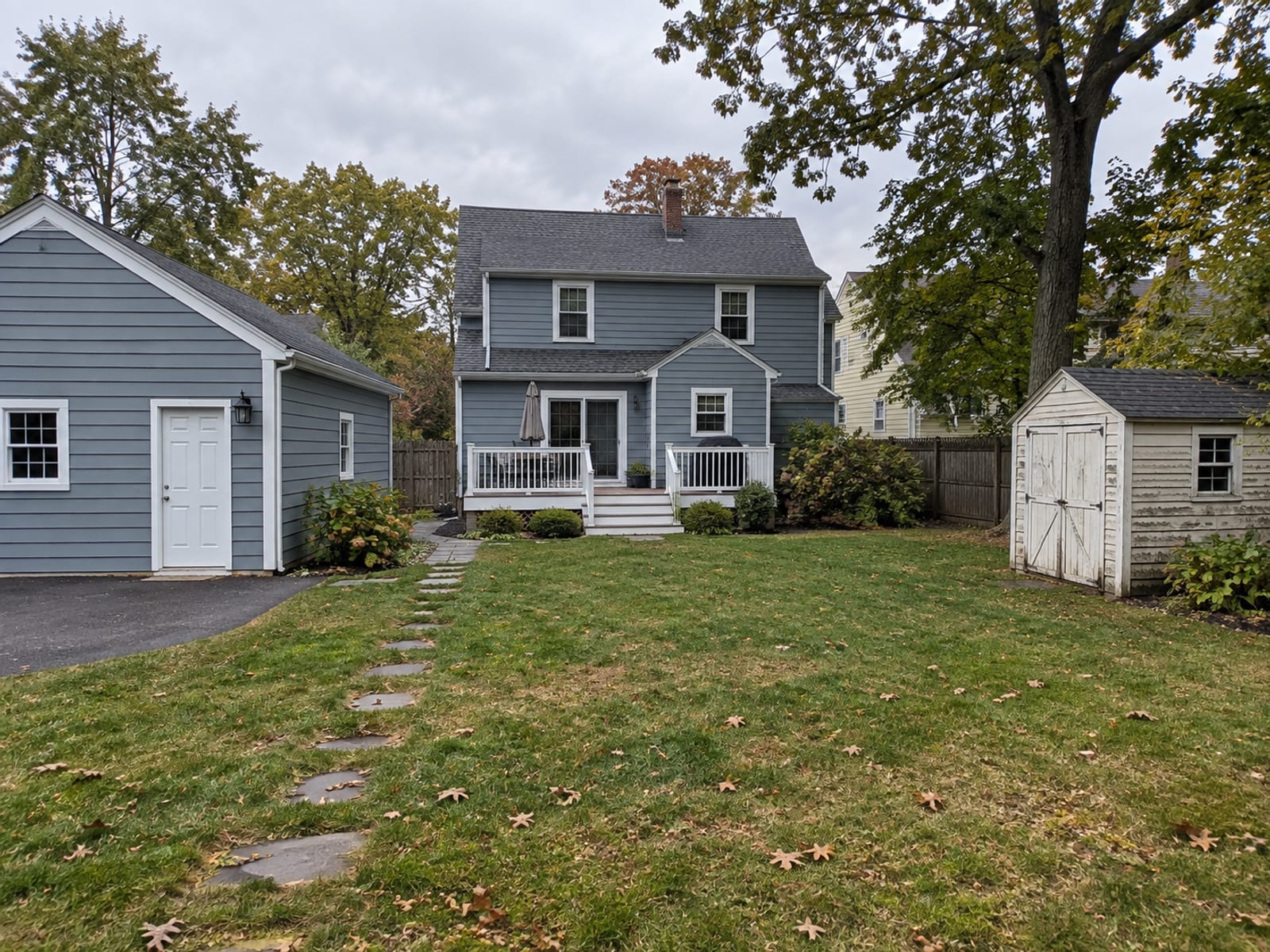
- Other structures coverage for garages, sheds and similar buildings.
- Personal property coverage for your belongings.
- Additional living expenses, also called loss of use, when covered damage makes the home unlivable.
- Personal liability coverage.
- Medical payments coverage for necessary medical expenses when a guest is injured.
On a Special Form policy, DFS describes the usual relationships as about 10 percent of the dwelling limit for other structures, 50 percent for personal property on the premises, 10 percent for personal property off the premises and 20 percent for additional living expenses. Those are typical form relationships, not universal limits, so read the declarations page for your actual numbers. Special limits can also apply to money, jewelry, firearms and business property.
Hover or tap a row to highlight it.
| Coverage | Typical relationship | Source |
|---|---|---|
| Other structures | About 10 percent of the dwelling limit | DFS basic coverage guide (opens in a new tab) |
| Personal property on the premises | About 50 percent | DFS basic coverage guide (opens in a new tab) |
| Personal property off the premises | About 10 percent | DFS basic coverage guide (opens in a new tab) |
| Additional living expenses | About 20 percent | DFS basic coverage guide (opens in a new tab) |
What does standard homeowners insurance leave out?
Standard policies generally exclude flood and mudslide damage, and separate National Flood Insurance Program (NFIP) or private flood insurance may apply, according to DFS (opens in a new tab) and Insurance Law § 3444 (opens in a new tab). They also generally exclude earthquake and other earth movement, though separate coverage or an endorsement may be available. If flood is a concern where you live, our guide to New York flood insurance goes deeper.
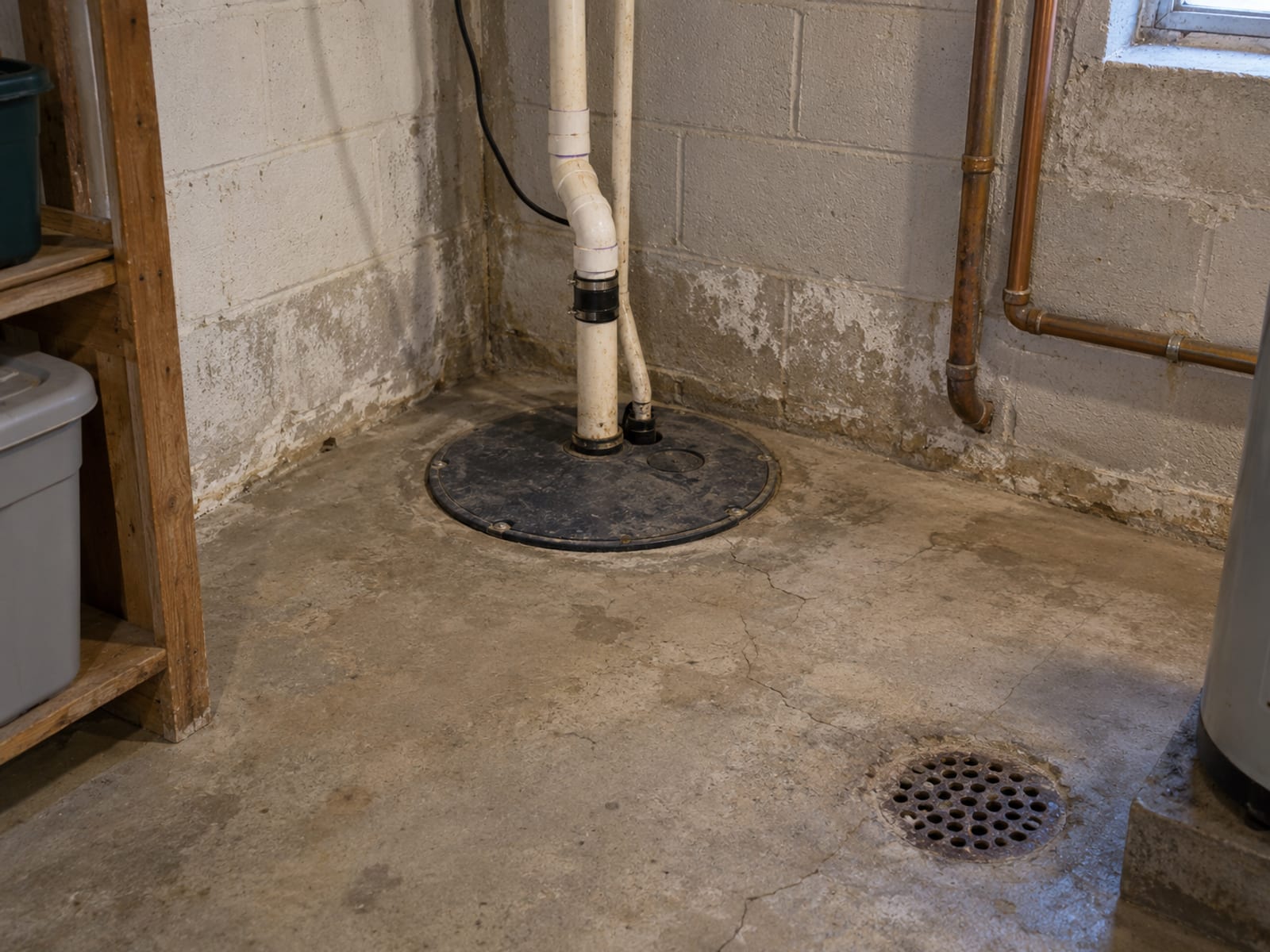
Sewer backup and sump-pump failure are generally excluded unless an endorsement applies. Flood and sewer backup are different losses, so ask about each one. A storm that damages your car belongs under auto comprehensive coverage, not your homeowners policy.
How do New York windstorm and hurricane deductibles work?
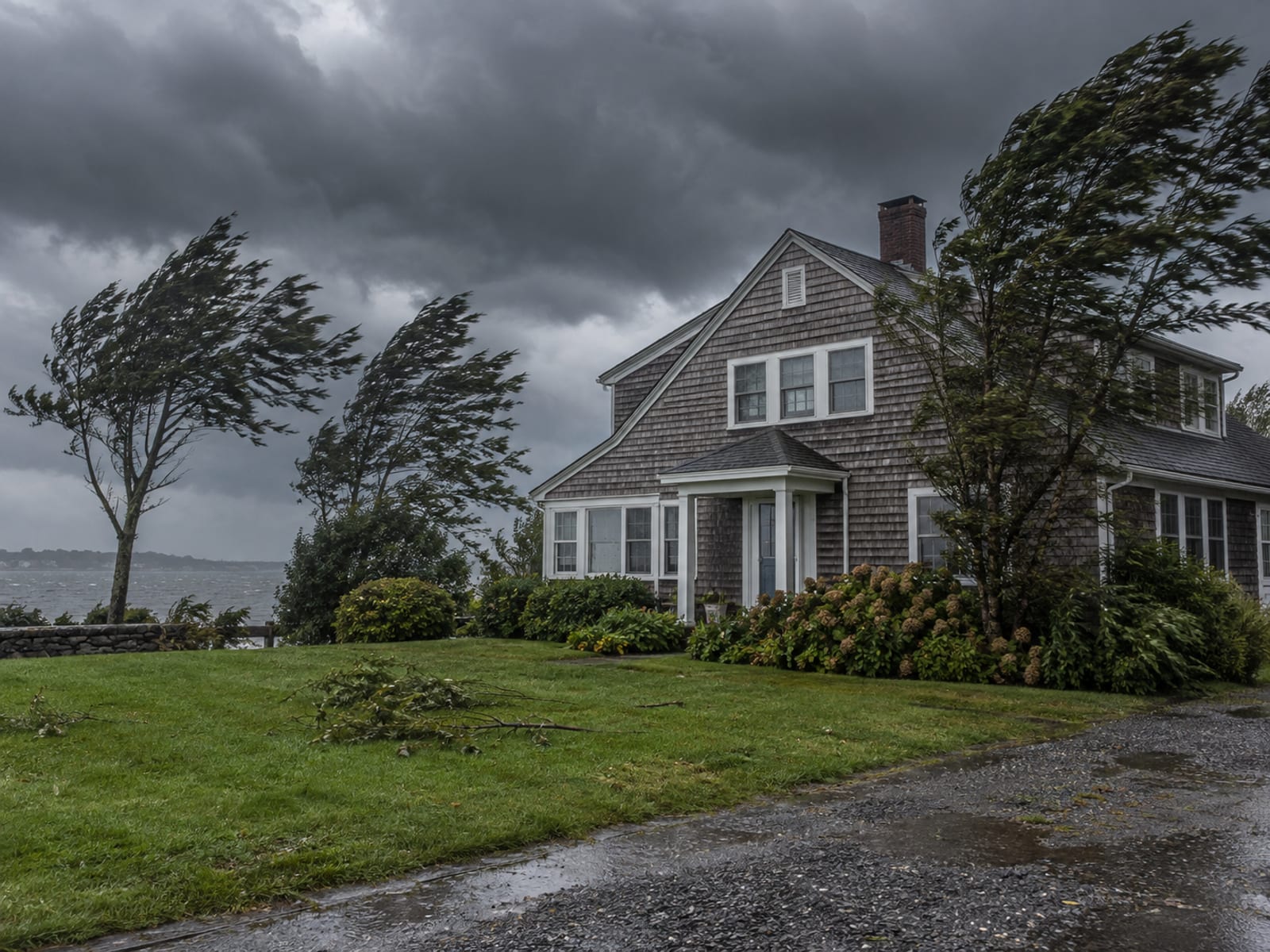
A windstorm or hurricane deductible is usually a percentage of the dwelling amount, not a flat dollar figure. Optional windstorm deductibles commonly run from 1 percent to 5 percent, and hurricane deductibles are commonly 1 percent to 5 percent. Some insurers require hurricane deductibles in New York City's five boroughs, Nassau, Suffolk and coastal Westchester, according to DFS (opens in a new tab).
Insurance Law § 3445 (opens in a new tab) directs the Superintendent to require a disclosure notice that explains the deductible amount and the circumstances in which it applies, and it directs standards for hurricane triggers. When the deductible is attached to the policy, it must appear as a dollar amount on the declarations page, and Regulation 159 requires disclosure of policy deductibles. The trigger is set by the policy itself. DFS publishes approved hurricane deductible filings (opens in a new tab) where individual insurers' terms differ, including 3 percent and 5 percent triggers tied to National Weather Service wind speeds and hurricane timing, so one insurer's trigger does not describe another's. The DFS storm preparedness page (opens in a new tab) has more on these deductibles.
Why can a New York premium increase?
DFS and its 2026 statement from the Acting Superintendent (opens in a new tab) point to catastrophe losses, higher repair and material costs from inflation, rising claims costs, reinsurance costs and social inflation. Your own premium can also move because of individual claims history, policy changes or added insured value, anticipated losses in your rating territory and coastal storm exposure.
A new rule adds an explanation. Insurance Law § 2356 (opens in a new tab) took effect August 24, 2026. For covered residential policies, the premium bill must carry a notice when the total renewal increase exceeds 10 percent, not counting increases from added insured value, and the notice must identify the primary rating factors behind the increase. Those factors can include claims history, policy changes, anticipated losses in the territory and increased claims costs.
What happens if an insurer cancels or nonrenews?
Insurance Law § 3425 (opens in a new tab) covers personal-lines policies, including insurance on residential real property with no more than four dwelling units. For a nonrenewal or conditional renewal, the insurer must mail or deliver written notice 45 to 60 days before the policy period ends, and the notice must state the specific reasons. If the notice is late, you may be entitled to renew under the statute's terms.
A three-year required policy period applies to covered personal-lines policies issued or voluntarily renewed by an authorized insurer, subject to exceptions, and during that period a nonrenewal generally has to rest on a ground for which cancellation could have been made, according to DFS Opinion 07-07-06 (opens in a new tab). Cancellation grounds depend on the policy's age and conditions. Section 3425 lists nonpayment, fraud or material misrepresentation, increased hazard and physical changes that make the property uninsurable, among others, and DFS Opinion 04-11-20 (opens in a new tab) interprets them. Read any notice you receive closely, and check it against your mortgage terms, since a lender can require continuous coverage under the loan agreement.
What is NYPIUA and when does it matter?
The New York Property Insurance Underwriting Association (NYPIUA) (opens in a new tab), commonly called the FAIR Plan, is the state's residual-market association, an association of insurers writing fire insurance in New York. It is meant for eligible properties that cannot get voluntary-market coverage, and the NYPIUA application instructions (opens in a new tab) control whether a property qualifies.
Its Basic form covers fire, wind including hurricane, hail, explosion except steam boilers, riot, civil commotion, aircraft, vehicles, smoke, vandalism and malicious mischief. The Broad form adds perils such as burglary damage, falling objects, the weight of ice, snow or sleet, accidental discharge of water or steam, freezing and sudden electrical damage. NYPIUA policies are generally written on an actual-cash-value basis and do not include liability, flood or theft coverage, so some owners pair one with a voluntary-market wraparound policy. Broad Form properties in specified counties can face a 2 percent hurricane deductible. Coastal properties can also involve C-MAP or other market-assistance arrangements. For more on how valuation works, see replacement cost vs actual cash value.
What happens after a claim?
After a loss, DFS advises you to notify the insurer, protect the property from further damage, keep photographs and records, and cooperate with the adjuster, as its disaster and flood recovery guidance (opens in a new tab) explains.
The deadlines come from the statutes. Under Insurance Law § 3407 (opens in a new tab), when the insurer asks for proof of loss on its form, you generally have 60 days after receiving the notice and form, or longer if the notice says so. The standard fire policy provisions in Insurance Law § 3404 (opens in a new tab) call for immediate written notice, protection from further damage, an inventory and a sworn proof of loss, generally within 60 days unless extended in writing. Under 11 NYCRR § 216.6(c), cited in DFS enforcement material (opens in a new tab), the insurer owes written acceptance or rejection within 15 days after it receives a properly executed proof of loss and all required items.
If you and the insurer disagree about the amount of the loss, New York property policies provide an appraisal process. Insurance Law § 3408 (opens in a new tab) limits appraisal to valuation and the amount of loss, and it does not decide whether the policy covers the loss.
Hover or tap a row to highlight it.
| Situation | Rule | Source |
|---|---|---|
| Nonrenewal or conditional renewal notice | 45 to 60 days before the policy period ends, with specific reasons | Insurance Law § 3425 (opens in a new tab) |
| Proof of loss after the insurer asks for it | Generally 60 days after receiving the notice and form, unless a longer period is stated | Insurance Law § 3407 (opens in a new tab) |
| Insurer acceptance or rejection of a proof of loss | Within 15 days after a properly executed proof of loss and all required items | 11 NYCRR § 216.6(c), cited in DFS enforcement material (opens in a new tab) |
| Premium-increase notice on covered residential policies | Required when the total renewal increase exceeds 10 percent, effective August 24, 2026 | Insurance Law § 2356 (opens in a new tab) |

How should you compare agencies or brokers?
Start by confirming the license. You can check whether an agent, broker or adjuster is licensed through the Producer/Licensee Search described on the DFS Who We Supervise page (opens in a new tab), and DFS advises dealing only with licensed agents and brokers and asking to see proof of licensing. DFS describes brokers as representing the buyer, while agents generally represent insurers, so ask which one you are talking to and which insurers the agency can reach. Producer disclosures are covered in the DFS Regulation 194 FAQ (opens in a new tab).
Then put the same questions to each one, using the DFS homeowner guide (opens in a new tab) and basic coverage guide (opens in a new tab) as a reference:
- Which policy form is being quoted?
- Is the dwelling amount based on an estimated reconstruction cost rather than market value?
- Are other structures, personal property and additional living expenses calculated as percentages or scheduled separately?
- Is personal property paid at replacement cost or actual cash value?
- Which flood, mudslide, earthquake, sewer backup and sump-pump exclusions apply?
- Is a windstorm or hurricane deductible attached, is it a percentage or a dollar amount, and what event triggers it?
- Are jewelry, firearms, collectibles, business property or watercraft subject to special limits?
- What changes if the property is vacant, rented or used for a business?
- What compensation or broker fee applies?
- What are the cancellation and nonrenewal terms?
- If voluntary insurers decline the property, are NYPIUA or C-MAP relevant?
- How are claims reported, and what proof-of-loss deadline applies?
When you have a quote, ask for the declarations page and policy form, then compare quotes only against the same form, deductibles, limits and endorsements. If a problem comes up with an insurer, agent or broker, raise it with them first and keep the policy, declarations page, endorsements, bills, correspondence and notes of your conversations. You can then file a complaint through the DFS consumer complaint portal (opens in a new tab) or the DFS complaint form (opens in a new tab), attaching copies rather than originals. DFS regulates and investigates, but it is not your private attorney.
What about co-ops, condos, rentals and home businesses?
The phrase usually means a policy on an owner-occupied one-to-four-family home. A co-op or condominium unit, a rental property, a landlord's risks or a home-based business can need separate or modified coverage, according to DFS (opens in a new tab). If you own a co-op unit, start with our guide to co-op insurance in NYC. Tell any agency up front if the property is rented, vacant or used for business, because it changes what a policy will cover.
If you are comparing Connecticut coverage as well, see our page on Connecticut homeowners insurance, and when you are ready to talk with someone, our agency directory lists local agencies. A listing in Connecticut does not mean the agency writes New York policies, so confirm that and the agency's New York license before you share details.
Check what you know about New York homeowners insurance
FAQ
Is homeowners insurance required in New York?
State rules do not require every homeowner to carry it, but a mortgage lender can require coverage under the loan agreement. Check your loan documents for the coverage and deductible terms your lender sets.
Does a hurricane deductible apply to every wind claim?
No. The policy defines the deductible and what triggers it, and the notice must explain the amount and the circumstances. It is commonly a percentage of the dwelling amount, in the 1 to 5 percent range according to DFS (opens in a new tab).
Does standard homeowners insurance cover earthquakes?
Generally no. Standard policies exclude earthquake damage, and separate coverage or an endorsement may be available.
Does standard homeowners insurance cover flooding?
Generally no. Flood coverage is usually bought through a separate NFIP or private flood policy.
What is NYPIUA?
NYPIUA is New York's residual-market property association for eligible risks that cannot get coverage in the voluntary market. Its policies generally exclude liability, flood and theft coverage, according to NYPIUA (opens in a new tab).
Terms used in this guide
Tap a term to see what it means.
HO-3. A common homeowners policy form for owner-occupied homes.
Dwelling coverage. Coverage for the house itself.
Additional living expenses. Coverage, also called loss of use, for temporary housing costs when covered damage makes the home unlivable.
Hurricane deductible. A deductible, usually a percentage of the dwelling amount, that applies under the conditions set in the policy.
Nonrenewal. An insurer's decision not to renew a policy, which requires advance written notice stating the specific reasons.
NYPIUA. The New York Property Insurance Underwriting Association, the state's residual-market property association.
Proof of loss. A sworn statement of the loss that an insurer can ask you to submit after a claim.
Appraisal. A process for settling a disagreement about the amount of a loss, not whether the policy covers it.