South Carolina Homeowners Insurance Tax Credit: The Excess Premium Credit (TC-44), Who Qualifies, How to Claim and Mitigation Grants
Riskado
Yes, South Carolina has a tax credit for high homeowners insurance costs. The Excess Insurance Premium Credit lets an individual taxpayer claim a state income tax credit for property and casualty insurance premiums on a legal residence that exceed 5% of adjusted gross income, under S.C. Code § 12-6-3670 (opens in a new tab). You claim it on Schedule TC-44 (opens in a new tab), the credit is capped at $1,250 for a tax year, and any credit you can't use because it exceeds your state tax can be carried forward for five years. It's an income tax credit, not a discount on the insurance bill. Separate credits cover qualifying hurricane, flood and windstorm fortification work, and SC Safe Home is a separate grant program with its own rules and application windows.
Key takeaways
- The creditSouth Carolina's Excess Insurance Premium Credit, claimed on Schedule TC-44.
- ThresholdProperty and casualty premiums on your legal residence above 5% of adjusted gross income.
- Cap$1,250 for a tax year, with unused credit carried forward for five years.
- Not a discountIt's a state income tax credit, not a reduction in the insurance bill.
- Separate helpFortification tax credits and SC Safe Home grants have their own rules.
Who can use the Excess Insurance Premium Credit?
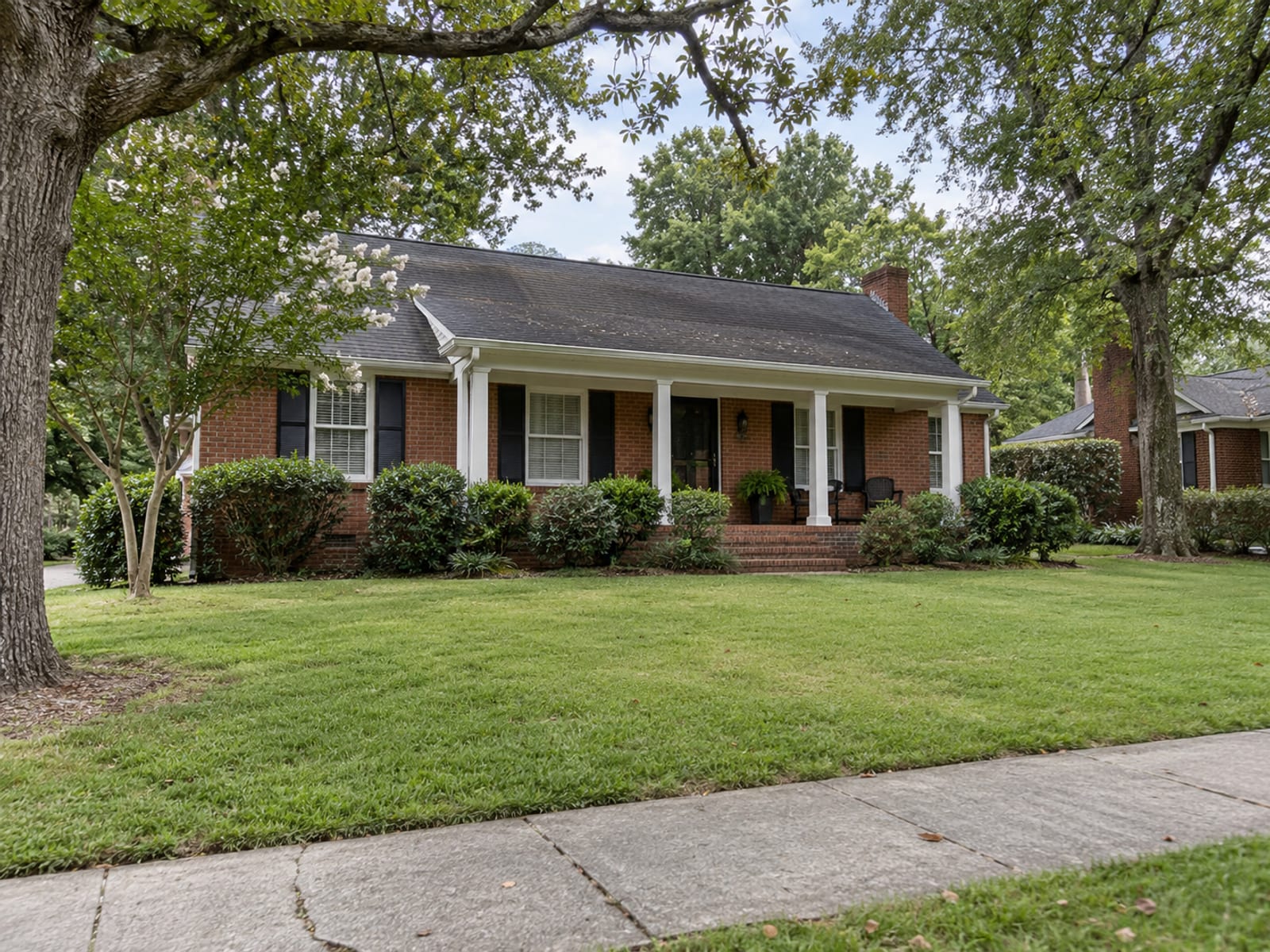
The credit is for an individual taxpayer, and the insurance has to cover the taxpayer's legal residence, under S.C. Code § 12-6-3670 (opens in a new tab). The statute borrows its definition of legal residence from S.C. Code § 12-43-220(c) (opens in a new tab), the same standard behind the 4% property tax assessment ratio: a home owned and occupied by the owner, which must be the owner's domicile.
That leaves out a rental property, a second home or an investment property, because none of them is your legal residence. If you own a beach rental and live inland, only the premiums on the home you live in can go on TC-44.
The SC Department of Insurance's coastal insurance page (opens in a new tab) puts the test simply: if the cost of insuring your home is more than 5% of your income, you may be eligible.
How is the credit calculated?
TC-44 walks through the math line by line. You enter the property and casualty premiums you paid during the tax year for your legal residence and your federal adjusted gross income, multiply the AGI by 5%, and subtract that from the premiums. The credit is the lesser of that excess and the $1,250 maximum, according to Schedule TC-44 (opens in a new tab).
Then the form adds any credit carried forward from earlier years and compares the total with your current-year South Carolina tax liability after all other credits. You use the smaller of the two this year. Whatever is left over carries forward, for up to five years.
As an example with round numbers: on a federal AGI of $60,000, the 5% threshold is $3,000. If you paid $4,500 in qualifying premiums, the excess is $1,500, and the credit is capped at $1,250. If your South Carolina tax after other credits is $900, you use $900 this year and carry $350 forward.
The statute sets the cap at a fixed $1,250, not a percentage of the premium, and that's the limit printed on the current form.

How do you file TC-44?
Fill out Schedule TC-44, Excess Insurance Premium Credit. If you file on paper, attach it to your South Carolina income tax return. If you file electronically, keep a copy with your tax records, according to TC-44 (opens in a new tab).
The credit then goes on the SC1040TC (opens in a new tab), where the Excess Insurance Premium Credit is code 044. On the 2025 form, total nonrefundable credits are limited on line 18 to your South Carolina tax, and that amount goes on SC1040, line 13. Attach the credit schedules, the SC1040TC worksheet and the SC1040TC to your return; the SC Department of Revenue (SCDOR) may disallow credits if the necessary schedules aren't attached.
For tax year 2025, the return was due April 15, 2026. You can get more time to file by paying your balance through MyDORWAY or filing an extension, but at least 90% of the tax due had to be paid by April 15, 2026, according to SCDOR's 2025 SC1040 instructions (opens in a new tab).
Claiming the Excess Insurance Premium Credit
- Add up premiumsTotal the property and casualty premiums paid during the tax year for your legal residence.
- Apply the thresholdSubtract 5% of your federal adjusted gross income on TC-44.
- Apply the capTake the lesser of the excess and $1,250, then add any carryforward.
- Limit to your taxUse the smaller of that total and your South Carolina tax after other credits.
- Report itEnter it on the SC1040TC under code 044; the total goes on SC1040, line 13.
- Carry the restUnused credit carries forward for up to five years.
Which insurance premiums count?
The statute counts property and casualty insurance as defined in Articles 1, 3 and 5 of Chapter 75, Title 38, providing coverage on your legal residence, under S.C. Code § 12-6-3670 (opens in a new tab). Those articles cover property insurance generally, hazard insurance on mobile homes, and wind and hail insurance, in Chapter 75 of Title 38 (opens in a new tab). TC-44 has one line for all of those premiums combined, with no separate boxes for homeowners, wind and hail, or flood coverage.
Coastal homeowners often pay two or three premiums: a homeowners policy, a separate wind and hail policy from the South Carolina wind and hail pool, and a flood policy. Before you add a separately billed wind and hail or flood premium to line 1, ask SCDOR whether it qualifies. Individual income tax questions go to SCDOR at 1-844-898-8542, option 1, or IITax@dor.sc.gov, according to SCDOR's contact page (opens in a new tab).
If your premiums are paid through a mortgage escrow account, the escrow statement shows what was paid during the year. Our article on South Carolina flood insurance covers flood policies themselves.
Can homeowners insurance premiums be deducted federally?
On rental property, yes. Insurance is one of the rental expenses that reduce taxable rental income, generally reported on Schedule E, according to IRS Topic 415 (opens in a new tab). If you pay a premium more than one year in advance, you deduct only the part that applies to each year of coverage, according to IRS Publication 527 (opens in a new tab).
Those rental rules don't turn the premium on the home you live in into a federal deduction. If you rent out part of your home or use it partly for personal purposes, the IRS rules on personal use decide how expenses are split, and a home office follows its own rules under the IRS home office deduction (opens in a new tab). A tax professional can apply them to your return.
Are there tax credits for hurricane mitigation?
Yes, two of them, both separate from TC-44. The first is an income tax credit for the cost of retrofitting your legal residence to make it more resistant to loss from a hurricane, rising floodwater or another catastrophic windstorm, under S.C. Code § 12-6-3660 (opens in a new tab). It can't exceed 25% of the cost or $1,000, whichever is less, for any tax year. Ordinary repair or replacement of existing items doesn't qualify.
The second is a credit for South Carolina sales or use tax paid on the materials used in that retrofit. It equals 6% of the purchase price, up to $1,500, under S.C. Code § 12-6-3665 (opens in a new tab).
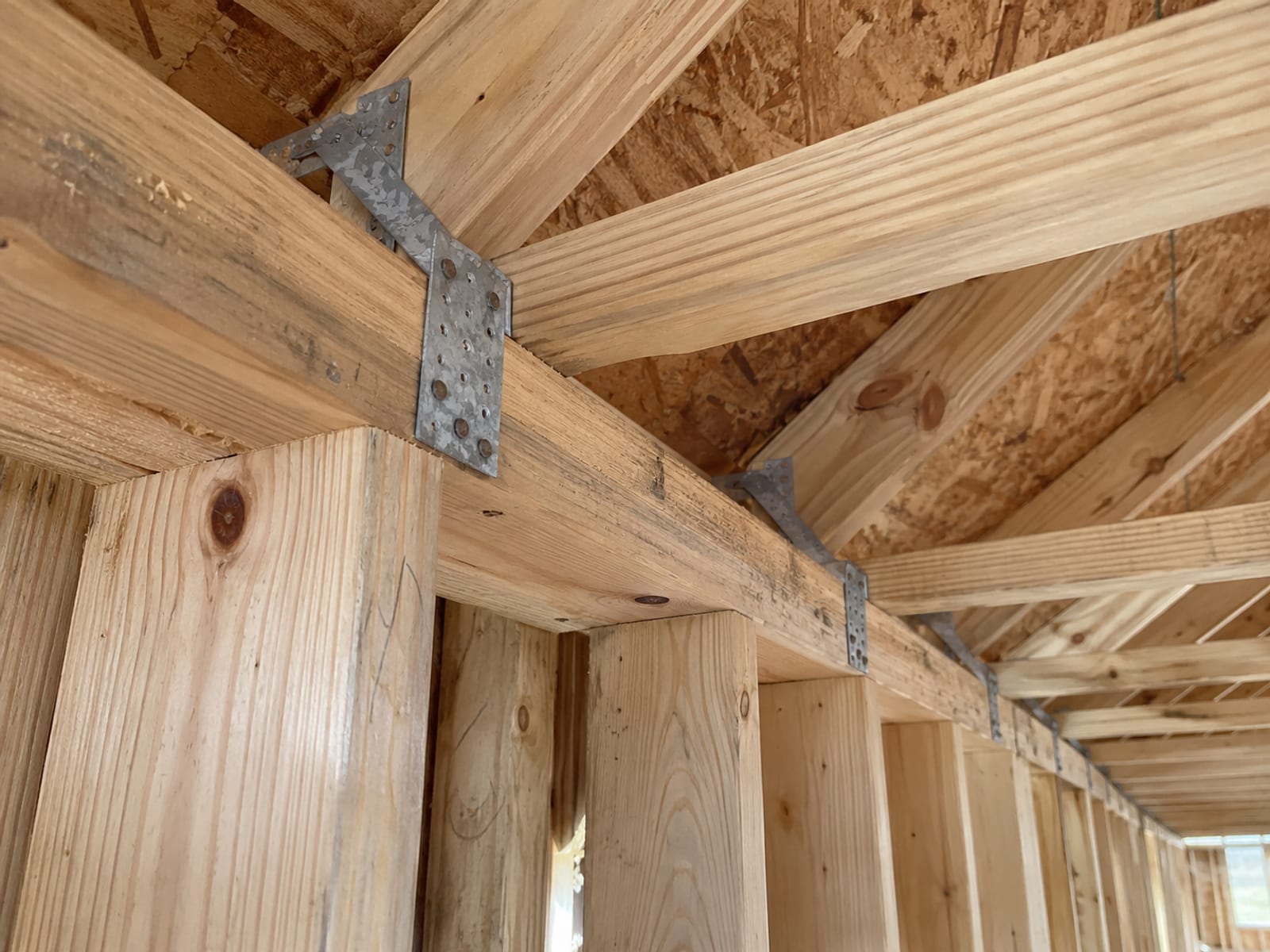
Qualifying measures include roof attachment, roof-to-wall connections, secondary water resistance and opening protection, built to the standards in Regulation 69-75 and the SC Safe Home resource document, according to SCDOI's fortification tax credit page (opens in a new tab). To support the credit, keep either a written certification report from a construction professional with your receipts attached, or your own affidavit that the measures were installed, with receipts.
Costs paid with an SC Safe Home grant that isn't included in your income aren't eligible for either credit, under § 12-6-3660 and § 12-6-3665 (opens in a new tab).
Hover or tap a row to highlight it.
| Credit or grant | Amount | Source |
|---|---|---|
| Excess Insurance Premium Credit (TC-44) threshold | Premiums above 5% of adjusted gross income | S.C. Code § 12-6-3670 (opens in a new tab) |
| Excess Insurance Premium Credit cap | $1,250 per tax year | S.C. Code § 12-6-3670 (opens in a new tab) |
| Carryforward | Five succeeding tax years | S.C. Code § 12-6-3670 (opens in a new tab) |
| Residential retrofit credit | Lesser of 25% of cost or $1,000 per tax year | S.C. Code § 12-6-3660 (opens in a new tab) |
| Sales or use tax credit on retrofit materials | 6% of the purchase price, up to $1,500 | S.C. Code § 12-6-3665 (opens in a new tab) |
| SC Safe Home resilient mitigation grant | Up to $7,500 non-matching or $6,000 matching | SCDOI SC Safe Home (opens in a new tab) |
| SC Safe Home sustainable mitigation grant | Up to $5,000 non-matching or $4,000 matching | SCDOI SC Safe Home (opens in a new tab) |
| SC Safe Home hurricane shutters or protective barriers | Up to $3,000 | SCDOI SC Safe Home (opens in a new tab) |
Can SC Safe Home help pay for roof or opening upgrades?
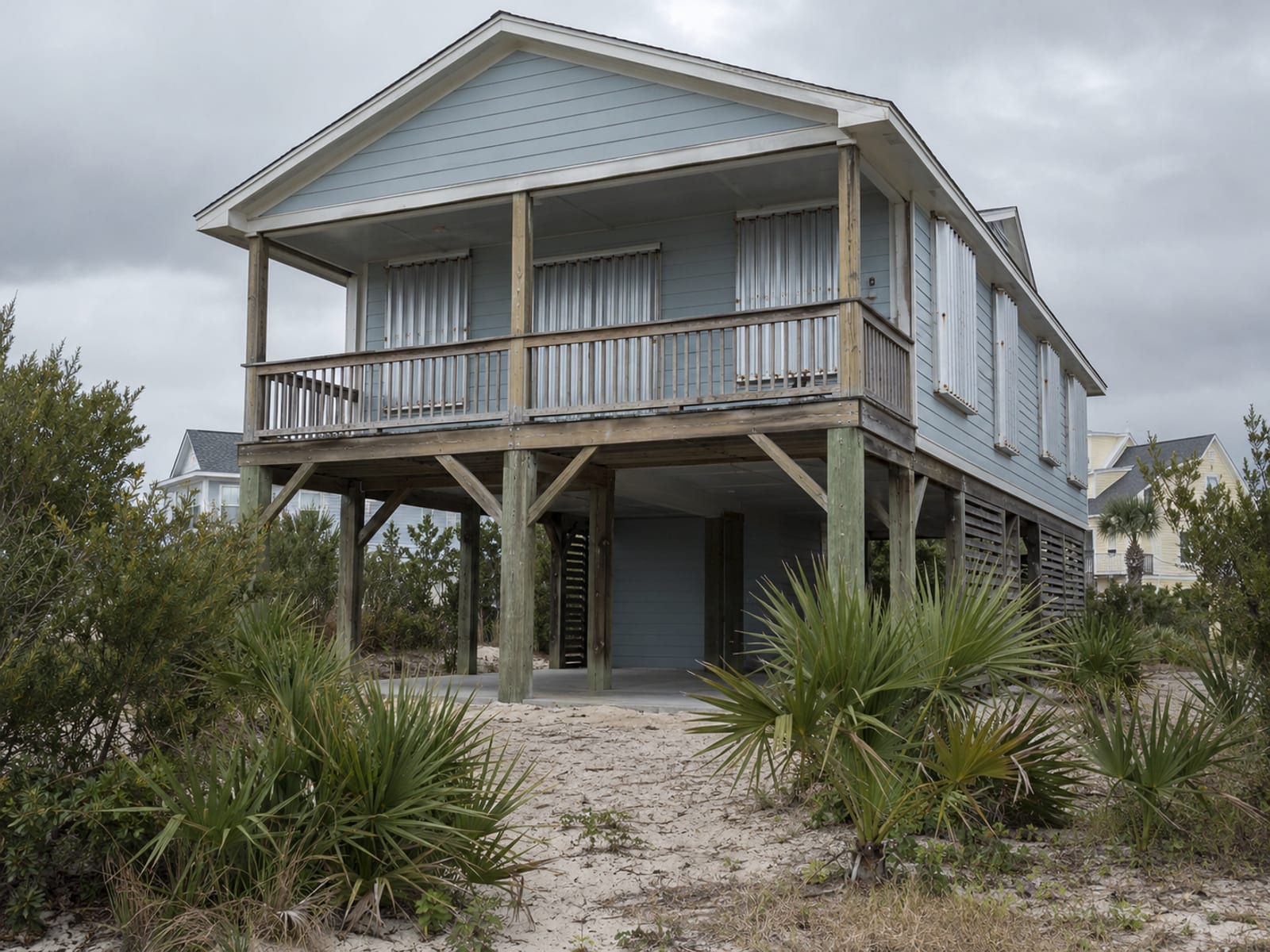
SC Safe Home is an SCDOI grant program that helps homeowners make their homes more resistant to wind damage. It isn't accepting applications right now; applications open twice a year, according to SCDOI's SC Safe Home page (opens in a new tab).
To qualify, you must live in a designated South Carolina coastal county, own and occupy a single-family, freestanding home as your primary residence, and keep an active homeowners insurance policy. You also can't have received and used a Safe Home grant before, and the home can't have prior storm-related damage or insurance claim payouts. You pay any project cost above the grant.
You must have an inspection and receive grant approval before the work is done. The program can't reimburse retrofits you've already finished, according to the SC Safe Home FAQ (opens in a new tab). For questions, the program can be reached at 803-737-6087 or scsafehome@doi.sc.gov.
Can mitigation work lower my insurance premium?
It can. South Carolina law requires insurers to offer premium discounts or credits for qualifying mitigation, and the savings can vary significantly from one insurer to another, according to SCDOI's mitigation credits brochure (opens in a new tab). SCDOI describes mitigation credits as discounts insurers offer when a home has approved wind-resistant features, such as impact-rated windows or a fortified roof, on its key terms page (opens in a new tab). Its cost of homeowners insurance page (opens in a new tab) lists enhanced roofing systems, hurricane shutters and gable-end bracing among the upgrades that can reduce costs.
The discount comes from the insurer, not the state, so the insurer decides what proof it needs. Ask your agent what inspection, certification, photos, permits, SC Safe Home records or FORTIFIED documentation the insurer accepts, and ask for the discount decision in writing. Our article on South Carolina homeowners insurance covers rates, coverage and deductibles.
What if the insurer misses a discount or bills the wrong premium?
Contact the insurer or agent first and explain the problem. Ask for a written explanation, and keep records of every conversation. If it isn't resolved, gather the insurer's name, the agent's name, your policy number, premium documents, the declarations page and your correspondence, then file a complaint with SCDOI's Office of Consumer Services (opens in a new tab), which handles premium and policy issues. You can reach it at 803-737-6180, toll-free at 800-768-3467, or at consumers@doi.sc.gov. Insurance entities have 7 days by statute to respond to the department.
To check an agent before you share documents, use the South Carolina insurance license lookup (opens in a new tab). To compare insurers that offer mitigation credits, Riskado's directory lists insurance agencies in South Carolina by city and by category.
Documents to keep
- Your completed TC-44 and SC1040TC.
- Your federal return showing AGI.
- The insurer's premium statement for the tax year and the declarations page naming the insured residence.
- Separate wind and hail or flood premium statements, if you have them.
- Escrow statements, if your mortgage servicer paid the premiums.
- Prior TC-44 schedules supporting any carryforward.
- For retrofit credits: receipts, the professional certification or your affidavit, permits and any grant records.
Questions to ask your agent
- Which wind, roof, shutter, security or bundling discounts does the insurer offer?
- Does the insurer require a wind inspection, and who can do it?
- What documents prove roof age, roof attachment, opening protection or FORTIFIED status?
- Does the insurer accept SC Safe Home documentation?
- Does my premium statement separate homeowners, wind and hail, flood, endorsements, fees and taxes?
- How much did I pay during the tax year, and what policy period does it cover?
- How are discounts shown on the declarations page?
- What happens to a discount if the roof changes or documentation expires?
Check what you know about the South Carolina homeowners insurance tax credit
Frequently asked questions
Is the Excess Insurance Premium Credit refundable?
No. The credit is limited to your South Carolina income tax liability, and any unused amount carries forward for five succeeding tax years, under S.C. Code § 12-6-3670 (opens in a new tab).
Can I claim TC-44 for a rental property?
No. The insurance has to cover your legal residence, meaning a home you own, occupy and treat as your domicile, under § 12-43-220(c) (opens in a new tab). Insurance on a rental is a rental expense on your federal return, according to IRS Topic 415 (opens in a new tab).
Where does the credit go on my South Carolina return?
On the SC1040TC under code 044, and the total allowable nonrefundable credits from line 18 go on SC1040, line 13, according to the 2025 SC1040TC (opens in a new tab). Paper filers attach TC-44; electronic filers keep a copy.
Is SC Safe Home a tax credit?
No. SC Safe Home is a mitigation grant program run by SCDOI, with its own eligibility rules and application windows, according to SCDOI (opens in a new tab). Grant-funded costs that aren't included in your income can't also be claimed for the fortification credits.
Can a fortified roof qualify for a tax credit?
Qualifying retrofit work on your legal residence, such as roof attachment and roof-to-wall connections, can qualify for the retrofit credit of up to 25% of the cost or $1,000, plus the sales and use tax credit of up to $1,500, if it meets SCDOI's standards, according to SCDOI (opens in a new tab).
Putting it together
Add up the premiums you paid this year for the home you live in and compare the total with 5% of your federal AGI. If the premiums are higher, complete TC-44, carry the credit to the SC1040TC and keep your premium statements. Ask SCDOR about any separate wind and hail or flood premium before you include it. Then look at the other side of the bill: ask your agent which mitigation credits your insurer offers, keep the records that support the fortification credits, and watch for the next SC Safe Home application window.
Key terms
Tap a term to see what it means.
Excess Insurance Premium Credit. South Carolina's income tax credit for property and casualty premiums on a legal residence above 5% of adjusted gross income.
TC-44. The South Carolina schedule used to calculate and claim the Excess Insurance Premium Credit.
SC1040TC. The South Carolina form that totals nonrefundable tax credits for an individual return.
Adjusted gross income (AGI). Total income minus certain adjustments, as reported on your federal return.
Legal residence. A home you own, occupy and treat as your domicile.
Carryforward. Unused credit that can be applied in later tax years.
Mitigation credit. An insurer's discount for approved wind-resistant features.
SC Safe Home. The SCDOI grant program for wind-mitigation work on eligible coastal homes.