South Carolina Renters Insurance: What It Costs, What It Covers, Whether Flood Is Included and What a Landlord Can Require
Riskado
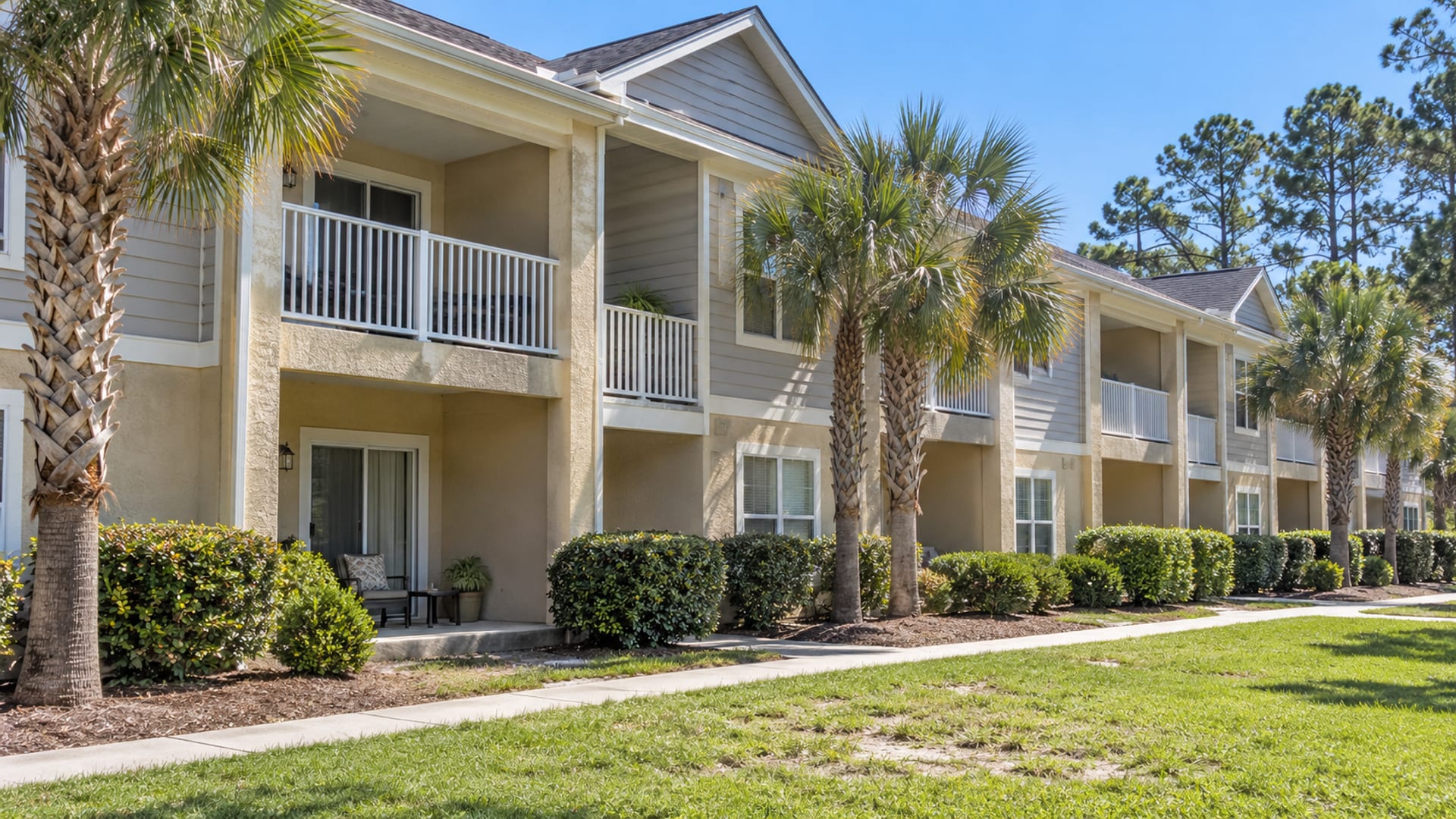
A South Carolina renters policy, usually called an HO-4, protects your personal belongings, your personal liability and your additional living expenses after a covered loss, and it often includes medical payments coverage, according to the South Carolina Department of Insurance (opens in a new tab) (SCDOI). The landlord's insurance covers the building, not your furniture, clothing or electronics. A standard renters policy doesn't cover flood, including storm surge and overflowing waterways, but you can buy contents-only flood insurance through the National Flood Insurance Program. South Carolina law doesn't require every tenant to carry renters insurance, but your lease can make it a condition of renting.
Key takeaways
- What it coversYour belongings, your personal liability, additional living expenses after a covered loss and, often, medical payments.
- What it doesn'tThe building, which the landlord insures, and flood damage.
- CostThe average South Carolina HO-4 premium was $187 for 2023.
- FloodContents-only NFIP flood coverage is available to renters, up to $100,000.
- The lawNo statewide mandate, but a lease can require a policy.
How much does renters insurance cost in South Carolina?
The average HO-4 premium in South Carolina was $187 for 2023, or about $15.58 a month, according to the NAIC 2023 Homeowners Report (opens in a new tab). That figure is a statewide average across renters policies of every coverage amount, not a quote and not a price for Charleston, Columbia, Greenville or any other city. Policies with more personal property coverage averaged more, as the NAIC's breakdown by amount of insurance shows.
Hover or tap a row to highlight it.
| Personal property coverage | Average annual premium |
|---|---|
| $9,999 and under | $124 |
| $10,000 to $14,999 | $153 |
| $15,000 to $19,999 | $175 |
| $20,000 to $24,999 | $169 |
| $25,000 to $29,999 | $179 |
| $30,000 to $34,999 | $217 |
| $40,000 to $49,999 | $240 |
| $50,000 to $59,999 | $220 |
| $100,000 to $124,999 | $358 |
| All HO-4 policies | $187 |
SCDOI's February 2015 renters guide (opens in a new tab) put the typical premium at $15 to $30 a month, depending on the location, the size of the unit and what you own. That range is more than a decade old, so treat it as background, not a current price. Your own premium depends on how much personal property coverage you choose, the rental's location, your deductible, whether you pick actual cash value or replacement cost, and any added coverage. Our article on how much renters insurance you need goes through choosing a coverage amount.
Is renters insurance required in South Carolina?
No South Carolina statute requires every renter to buy renters insurance. A landlord can still require it, because S.C. Code § 27-40-310 (opens in a new tab) lets a landlord and tenant put terms in a rental agreement that the Residential Landlord and Tenant Act or another rule of law doesn't prohibit. If your lease includes an insurance clause, the lease sets what you have to carry and how you prove it.
A lease can't say just anything. Under S.C. Code § 27-40-330 (opens in a new tab), a rental agreement can't make you waive your rights under the Act, authorize someone to confess judgment against you, or make you excuse or indemnify the landlord for the landlord's own liability under the law. An insurance clause can't get around those rules.
Before you sign or renew, read the insurance section of the lease for:
- The personal property coverage it requires, if any.
- The liability limit it requires.
- How you must show proof, such as a declarations page or certificate.
- Whether the landlord must be listed as an interested party or additional insured.
- What notice you must give if the policy lapses or renews.
- What happens if you don't keep coverage in force.
What does the landlord's insurance cover, and what does yours cover?
The split is simple: the landlord insures the building, and you insure your things and your liability. Renters insurance doesn't cover the building or structure of the apartment, which is usually the landlord's responsibility, according to SCDOI (opens in a new tab). If a fire damages the walls and your sofa, the landlord's policy is the one that responds to the walls, and your policy is the one that responds to the sofa.
The same goes for theft and liability. If your laptop is stolen from the apartment or a guest is hurt inside your unit, the landlord's building policy isn't the place to look; your renters policy is. Check your lease for any responsibility it gives you for damage to the unit.
What does a standard South Carolina renters policy cover?
A typical renters policy has four parts, as SCDOI (opens in a new tab) describes them:
- Personal property. Your belongings, for losses from fire or smoke, lightning, vandalism, theft, explosion, windstorm and certain water damage, such as a burst pipe.
- Personal liability. Lawsuits for bodily injury or property damage caused by you, your family members or your pets, including the cost of defending you in court, up to the policy limit.
- Medical payments. No-fault coverage that lets someone injured on your property send their medical bills to your insurer without a lawsuit.
- Additional living expenses. Extra costs, such as a hotel or temporary rental, when a covered loss makes your home unlivable, subject to limits.
Every policy is written a little differently, so ask your agent to walk through what yours covers. Our article on what renters insurance covers explains each part in general terms, and the article on whether renters insurance covers theft covers stolen property in detail.
What does renters insurance leave out?
Flood and earthquake are the two big exclusions. Most renters policies don't cover either, according to SCDOI (opens in a new tab); flood coverage comes from the NFIP and a few private insurers, and earthquake coverage can be bought as a separate policy or added as an endorsement.
Other gaps depend on the policy. Damage to the building belongs to the landlord's coverage. A roommate's belongings aren't covered unless the policy covers that roommate. Jewelry, collectibles and other high-value items usually have sublimits unless you schedule them. Ask your agent about each of these before you buy.
Does renters insurance cover flood in South Carolina?
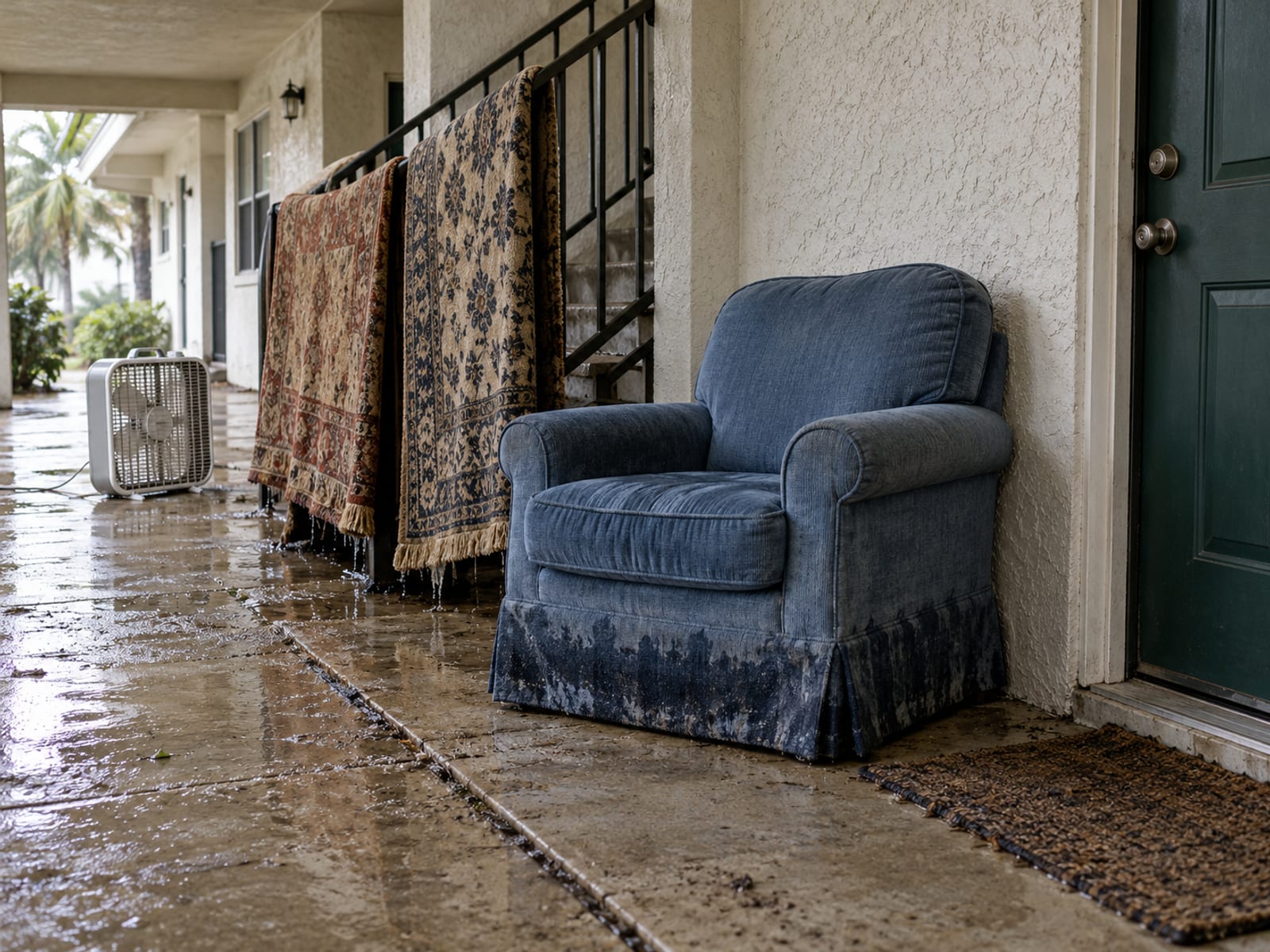
No. Water that enters from street flooding, an overflowing creek, river or stream, or a storm surge is generally covered by flood insurance, not a renters policy, according to SCDOI's flood insurance page (opens in a new tab). That matters across the coast and along South Carolina's rivers, where a storm can push water into a ground-floor apartment.
A renter can buy NFIP flood insurance without the landlord. The policy is contents-only and protects things like furniture, clothes, televisions, computers, rugs and some artwork, up to $100,000, according to FloodSmart (opens in a new tab). A new policy normally takes effect 30 days after purchase, with limited exceptions, so buy it before a storm is in the forecast. Our article on South Carolina flood insurance covers flood zones, the waiting-period exceptions and what NFIP coverage excludes.
How are your belongings valued?
When you buy a policy, you choose between two ways of valuing your things, according to SCDOI (opens in a new tab):
- Actual cash value pays what an item was worth after depreciation is deducted.
- Replacement cost pays what it costs to replace the item, subject to the policy's limits. It costs more than actual cash value coverage.
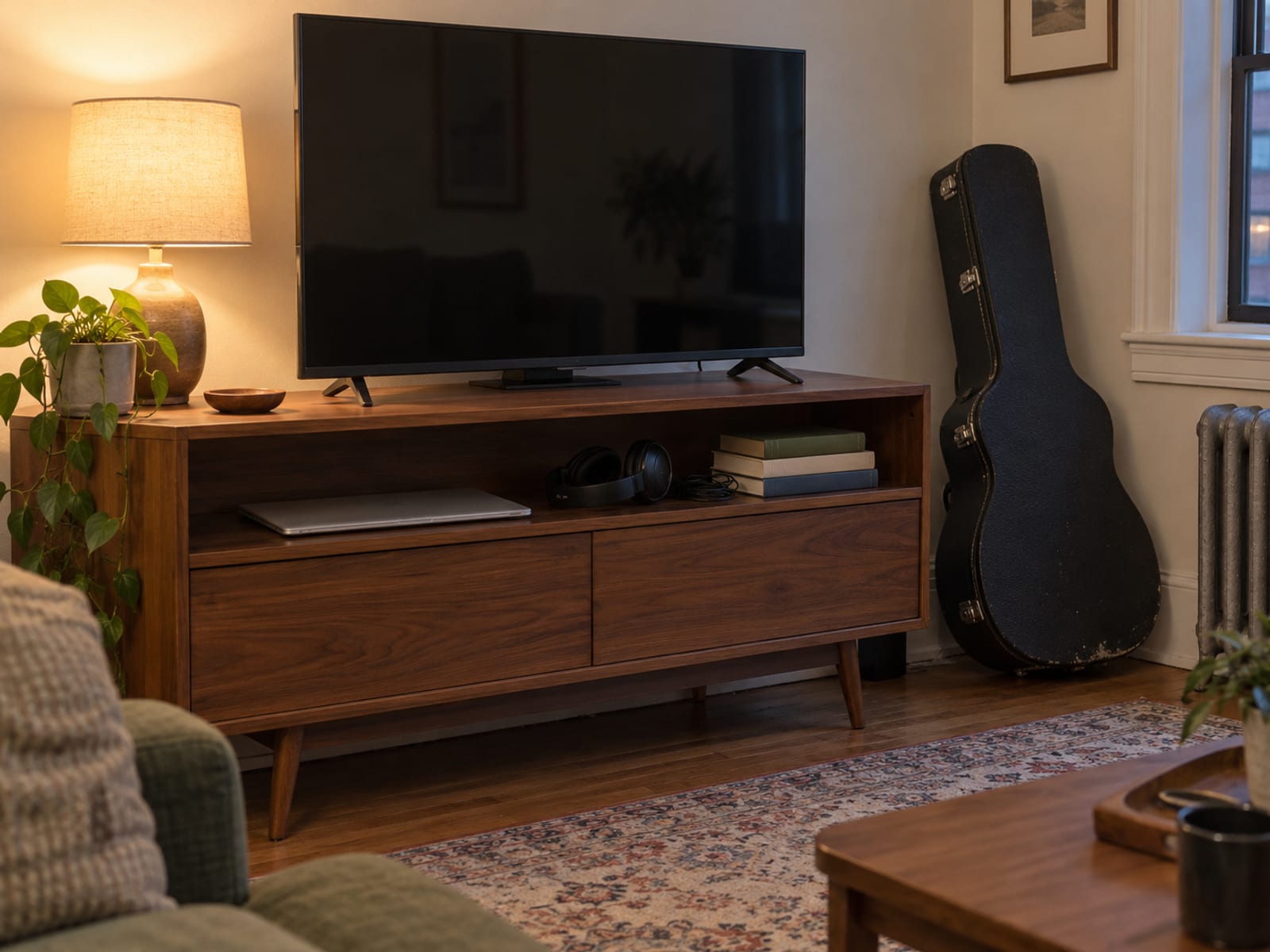
The difference shows up on older items. A five-year-old television paid at actual cash value brings far less than the price of a new one, while replacement cost aims to cover the new one, minus your deductible.
For jewelry, furs, collectibles, sports equipment or musical instruments worth more than the policy's sublimits, ask about a floater or scheduled personal property coverage. Your declarations page and policy form set the valuation, deductible and sublimits that apply.
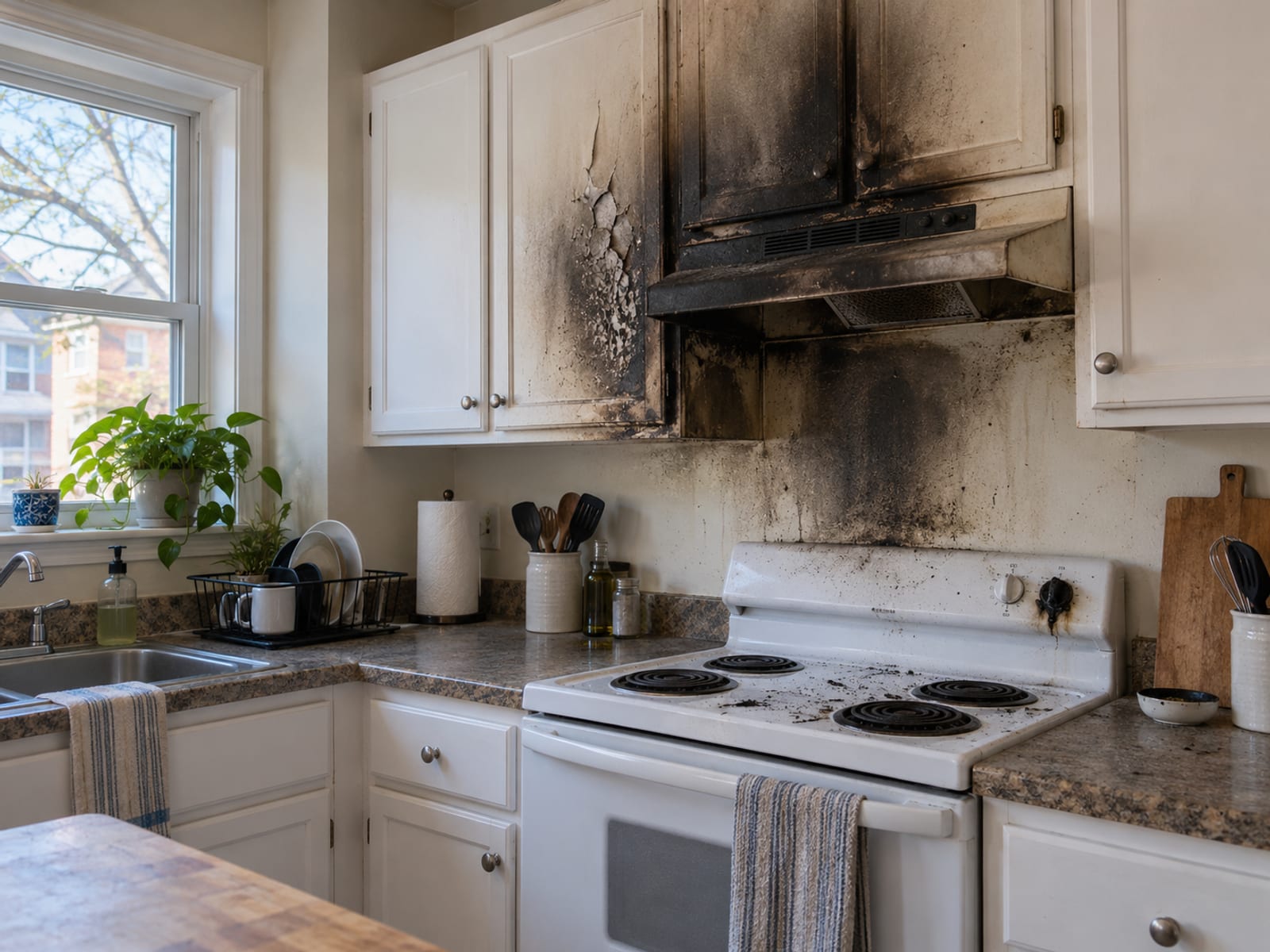
What happens after a fire or other casualty in your rental?
S.C. Code § 27-40-650 (opens in a new tab) gives you options when a fire or other casualty damages the unit so badly that normal use is substantially impaired. You can move out right away and notify the landlord in writing within seven days that you intend to end the lease, and the lease ends on the day you move out. If it's lawful to stay, you can move out of the unusable part, and your rent drops in proportion to the lost rental value.
If the lease ends, the landlord must return your recoverable security deposit and all prepaid rent, unless the fire or casualty was caused by your negligence or otherwise by you. Under S.C. Code § 27-40-410 (opens in a new tab), the landlord must itemize any deductions from the deposit in writing within 30 days after the tenancy ends and you deliver possession and make a demand, whichever is later.
Your renters policy and the statute work side by side. The statute governs the lease and the deposit; the additional living expenses coverage in your policy is what can help pay for a hotel or temporary rental while you sort out where to live.
What should students and roommates check?
Some colleges set their own insurance rules. The University of South Carolina requires students in on-campus housing to carry personal property coverage of at least $5,000 for fire and water damage, theft and vandalism, plus a $50,000 liability policy, according to USC Housing (opens in a new tab). Clemson recommends renters insurance because the university can't be held responsible for damage to personal property, according to Clemson's housing policies (opens in a new tab). For any other school, check the housing contract.
A parent's homeowners policy may extend some coverage to a student. Dependents such as college students may be partially covered under a parent's policy, and a common provision covers them for up to 10 percent of the parent's coverage, according to SCDOI's 2015 renters guide (opens in a new tab). Confirm the limits and conditions with the parent's agent before counting on it.
Roommates should never assume one policy covers everyone. Ask whether each person is named on the policy, and whether the policy covers a roommate's belongings and liability or only yours.
How do claims and complaints work?
Report a loss to your insurer or agent promptly, and keep:
- Photos and video of the damage and of your belongings before the loss.
- A home inventory with receipts, model and serial numbers.
- A police report for a theft.
- Copies of your lease and declarations page.
- Receipts for a hotel or temporary housing.
- Written messages with your insurer and your landlord.
Your policy sets the notice, proof-of-loss and payment rules for a claim. The 90-day rule in S.C. Code § 38-59-40 (opens in a new tab) is about attorneys' fees, not a general payment deadline: it makes an insurer liable for your reasonable attorneys' fees if it refuses to pay a covered claim within 90 days after your demand and a court finds the refusal was without reasonable cause or in bad faith.
If you can't resolve a problem with the insurer, you can file a complaint with SCDOI's Office of Consumer Services (opens in a new tab). Contact the company first and give it a chance to fix the issue; most issues can be resolved within 30 days, according to SCDOI. Once a complaint is filed, the insurer or agency has seven days by statute to respond to the department.
How do you check an agent?
Use the South Carolina insurance license lookup (opens in a new tab) to confirm an agent, also called a producer, is licensed before you buy. Riskado's directory lists insurance agencies across South Carolina by city and category if you want to compare quotes from more than one.
Questions to ask your agent
- Is the agent, and the insurer, licensed in South Carolina?
- Is this an HO-4 renters policy?
- Is my property covered at actual cash value or replacement cost?
- Which perils are covered?
- Is flood excluded, and can I buy contents-only flood coverage separately?
- What are the deductible and the sublimits?
- Are my roommates or household members covered?
- Should I schedule jewelry, instruments or other high-value items?
- What documents will I need for a claim?
- What proof should I send my landlord?
- What happens if the policy lapses or is canceled?
Check what you know about South Carolina renters insurance
Frequently asked questions
I own a condo instead of renting. Is the policy the same?
No. A condominium unit owner usually buys an HO-6 policy, and the average South Carolina HO-6 premium was $628 for 2023, according to the NAIC 2023 Homeowners Report (opens in a new tab). The HO-4 renters form is for tenants who don't own the unit.
Does renters insurance cover a burst pipe?
Certain water damage, such as water from a burst pipe, is among the losses a typical renters policy covers, according to SCDOI (opens in a new tab). Water that comes in from outside as a flood is a different peril, so ask your agent how your policy words each one.
Is the 2023 average what I'll pay?
No. The $187 average is a statewide figure across all HO-4 policies in the NAIC's 2023 data, and South Carolina renters with more personal property coverage paid more on average. A quote for your address and coverage amount is the only way to see your price.
Before you sign the lease
Read the lease's insurance clause, make a quick inventory of what you own, and decide between actual cash value and replacement cost. Ask separately about flood if you live near the coast or a river, and send your landlord the proof the lease asks for before move-in day.
Key terms
Tap a term to see what it means.
HO-4. The standard policy form for renters, covering belongings, liability and additional living expenses.
Personal property coverage. The part of a renters policy that pays for your belongings after a covered loss.
Personal liability. Coverage for lawsuits over injuries or property damage you, your family or your pets cause.
Medical payments coverage. No-fault coverage for medical bills of someone injured on your property.
Additional living expenses. Extra costs, such as a hotel, when a covered loss makes your home unlivable.
Actual cash value. Payment for an item's value after depreciation.
Replacement cost. Payment for what it costs to replace an item, subject to limits.
Scheduled personal property. Added coverage for listed high-value items, such as jewelry, above the policy's sublimits.
NFIP. The National Flood Insurance Program, which sells contents-only flood policies to renters.