Georgia Fair Plan: What the Georgia Underwriting Association Is, Who Qualifies, What It Covers and Excludes and How to Apply Through an Agent
Riskado
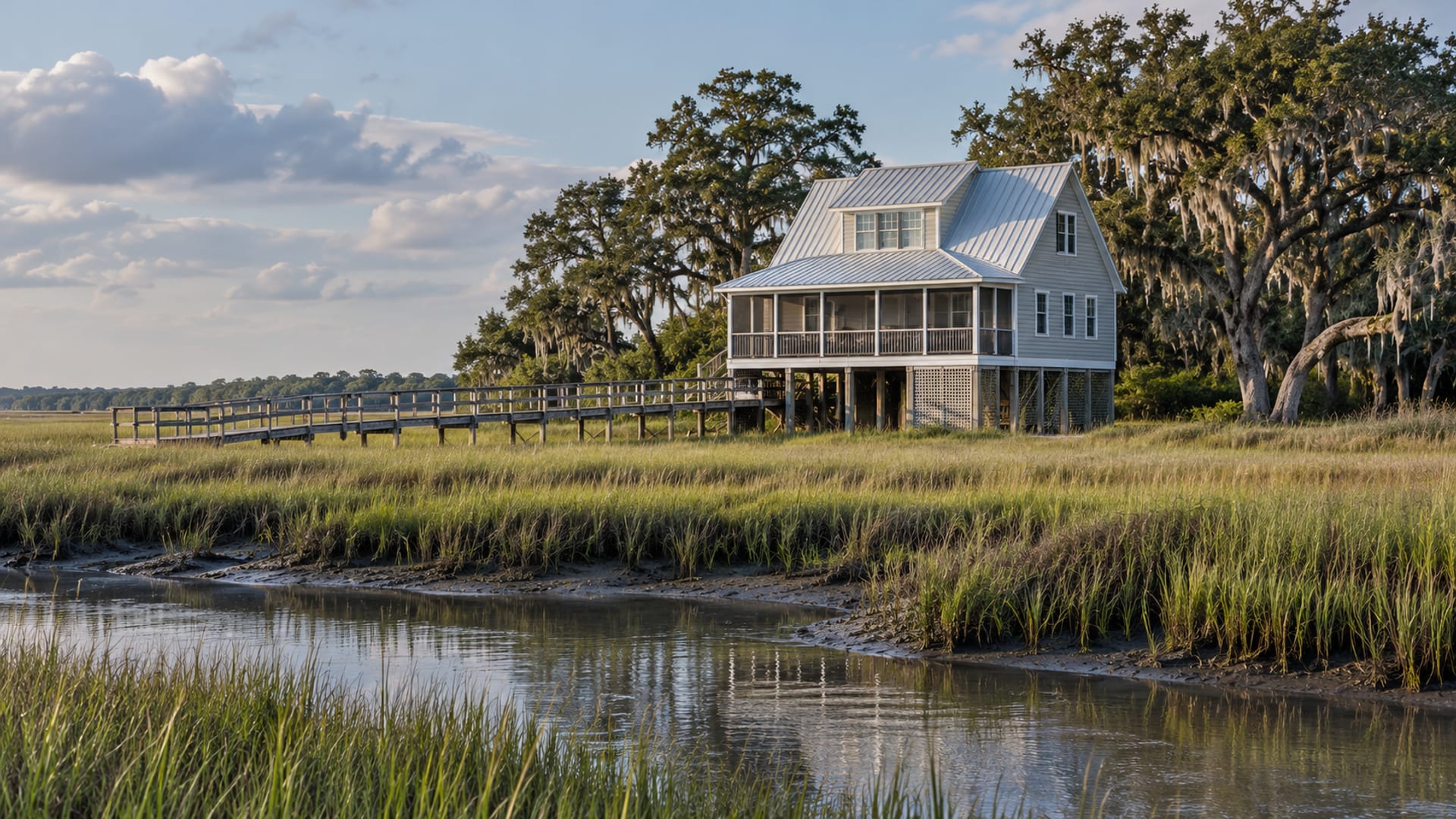
The Georgia Underwriting Association, or GUA, runs Georgia's FAIR Plan. It is a residual property insurance market for homes, rentals and commercial buildings that can't get coverage through the regular private market, and you apply through a licensed insurance agent, not directly. GUA policies are basic. The property may need an inspection or repairs first, and the forms and declarations page decide whether property, liability, theft, wind, hail or water losses are covered. The GUA homeowners form excludes flood, storm surge and several kinds of water damage, so ask your agent about separate flood coverage before you rely on a FAIR Plan policy alone.
Key takeaways
- What it isThe Georgia Underwriting Association runs Georgia's FAIR Plan, a residual market for property private insurers won't write.
- How to applyApplications go through a licensed insurance agent representing you.
- Basic coverageThe forms and declarations page decide which perils are covered, and the property may need an inspection or repairs first.
- Flood is excludedThe homeowners form excludes flood, storm surge and several kinds of water damage, so flood needs a separate policy.
What is the Georgia Underwriting Association?
GUA functions as a residual insurance market, and it is not affiliated with any local, state or federal government entity, according to the GUA (opens in a new tab). It administers the Georgia Fair Access to Insurance Requirements Plan under O.C.G.A. § 33-33-1 et seq. (opens in a new tab), as its Plan of Operation states, and every insurer authorized to write property insurance in Georgia is a member. Members share in GUA's writings, expenses, profits and losses in proportion to their Georgia premiums, and the board can assess members when needed. That assessment falls on member insurers under the plan.
GUA calls itself the insurer of last resort and provides only basic property insurance, according to its policyholder information page (opens in a new tab). OCI's Property and Casualty section reviews property forms and rates and coordinates with the FAIR Plan Governing Committee, according to OCI (opens in a new tab).
When should you ask an agent about GUA?
Ask about GUA when private insurers have declined the property, when your insurer has sent a nonrenewal and you can't find a replacement, or when a coastal home can't get wind coverage. A lender's insurance deadline often makes the question urgent, because a lapse can lead the lender to act on its own.
You can't apply on your own. An application must go through a licensed insurance producer representing you, under the GUA Plan of Operation (opens in a new tab). Our article on Georgia homeowners insurance covers what to do first after a renewal increase or nonrenewal.
Who can apply, and what property is eligible?
Anyone with an insurable interest in Georgia real property that is a personal lines risk or a commercial risk can apply, under the Plan of Operation (opens in a new tab). Personal lines risks include owner-occupied and tenant-occupied homes, second homes, mobile homes and other manufactured housing. GUA applies its own rates, rating plans, underwriting rules and guidelines, so a decline from a private insurer doesn't guarantee acceptance.
GUA's agent pages list separate homeowners (opens in a new tab), dwelling (opens in a new tab), mobile home (opens in a new tab) and commercial (opens in a new tab) products. The Plan of Operation names the policy types: a dwelling or fire policy that can add extended coverage and vandalism coverage, a policy covering only windstorm and hail, a basic homeowners policy and builder's risk for personal lines, and commercial property and builder's risk for commercial risks.
The coastal windstorm and hail area
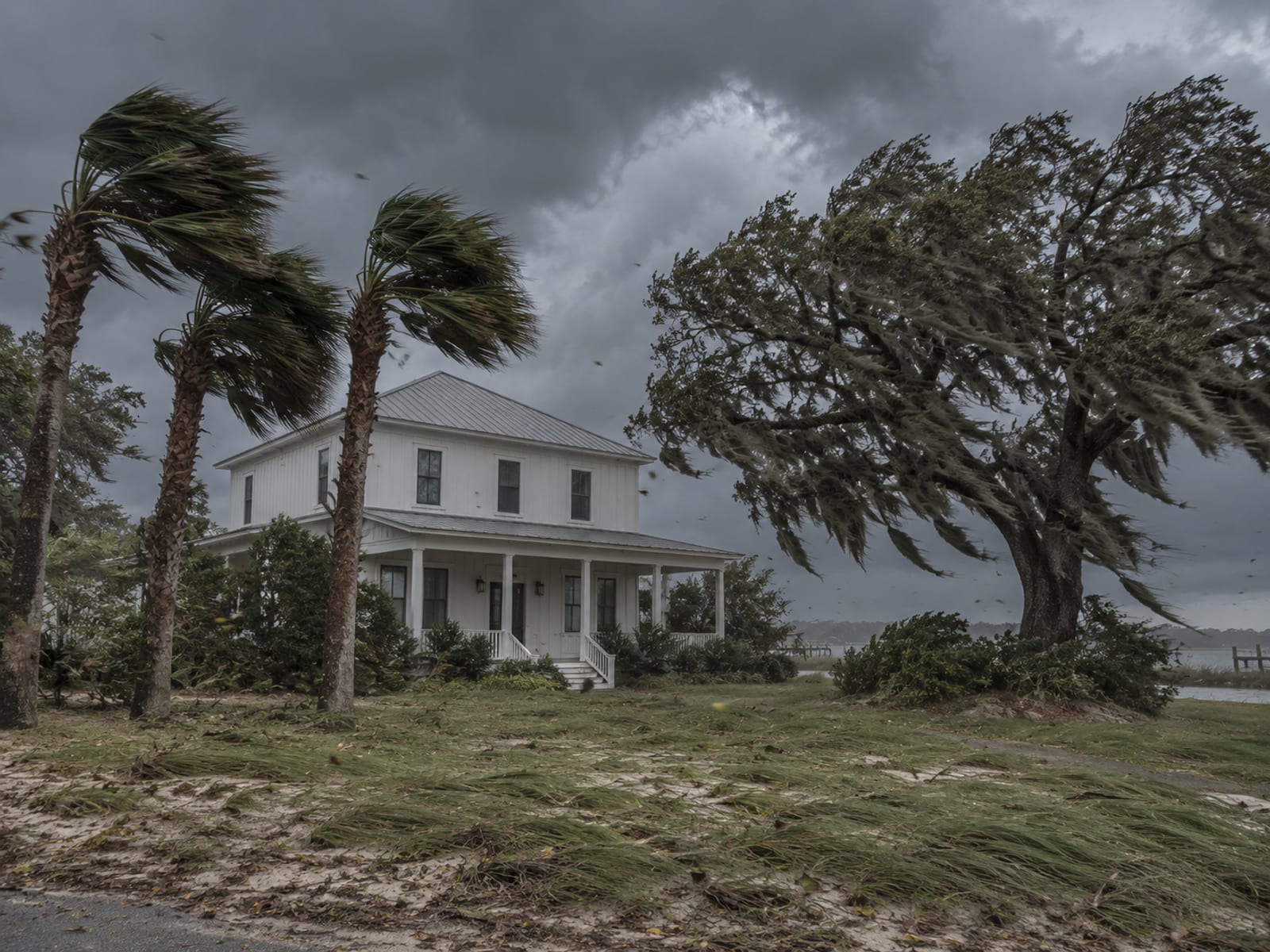
The Plan defines a Windstorm and Hail Area that covers named offshore islands, including Tybee, Jekyll, Cumberland, St. Simons, Sea Island and Sapelo, and every other property in Bryan, Camden, Chatham, Glynn, Liberty and McIntosh counties. In that area, a structure built within 10 years before the application must meet the International Code Council building code, or its equivalent, including design-wind requirements. The application needs a letter from a local building inspector, contractor, engineer or architect confirming it.
GUA also won't take a new application or a coverage increase while a hurricane underwriting restriction is in effect, which begins when a named hurricane enters a defined area of the Atlantic and lasts until 24 hours after the hurricane warning is lifted. Apply well before storm season pressure builds.
How the application, inspection and binder work
Your agent submits the GUA application on GUA's form. GUA may order a survey of the property covering its construction, occupancy, maintenance, condition and surrounding structures, and photographs may be taken, under the Plan of Operation (opens in a new tab). A copy of the survey report is available to you or your agent on request.
After the survey, GUA tells you or your agent one of three things:
- The risk is acceptable, possibly with a surcharge and listed improvements that would remove it.
- The risk will be acceptable once the improvements in the action report are made and confirmed by reinspection.
- The risk isn't acceptable, for reasons stated in the action report.
GUA can decline for physical condition, such as construction, heating, wiring, prior fires or general deterioration; for the property's use, such as vacancy or stored flammable materials; for violations of law that raise the exposure to loss; for a requested amount out of line with the property's value; and for frequency of losses. A risk can't be declined because of its neighborhood or area, or an environmental hazard beyond the owner's control. If GUA declines or requires improvements, it must send the survey and action reports to you and the Commissioner within 10 days and explain your right to appeal.
If GUA hasn't accepted or declined within 20 days after receiving the application, you can ask for a temporary binder. Your agent sends a copy of the original application with a deposit of the estimated annual premium.
GUA issues the policy once it approves the application and receives the premium. It accepts check, certified check, bank check, money order, a licensed lending institution's check and credit cards, and it may offer an installment plan with a service fee for each installment.
From application to a GUA policy
- ApplicationA licensed agent representing you submits the GUA application.
- SurveyGUA may order a survey of the property's construction, occupancy, maintenance and condition.
- Action reportGUA accepts the risk, accepts it once listed improvements are made, or declines it, with reasons.
- Within 10 days of a declineGUA sends the survey and action reports to you and the Commissioner and explains your right to appeal.
- After 20 days with no decisionYou can request a temporary binder with a copy of the application and a deposit of the estimated annual premium.
- Policy issuedGUA issues a one-year policy after it approves the application and receives the premium.
What does a GUA homeowners policy cover?
Coverage depends on the product, form, endorsements and declarations page. The GUA Homeowners 8 form (opens in a new tab) is a modified coverage form with coverages for the dwelling, other structures, personal property and loss of use, plus Section II personal liability and medical payments. It lists named perils, including fire or lightning, windstorm or hail, explosion, riot or civil commotion, aircraft, vehicles, smoke, vandalism and theft. Theft is limited: the form doesn't cover theft that happens away from the residence premises.
The Dwelling Property 1 basic form (opens in a new tab), used for dwellings including rentals, starts with fire or lightning and internal explosion. When the declarations show extended coverage, more listed perils apply, including windstorm or hail, explosion, riot, aircraft, vehicles and smoke.
What does GUA exclude?
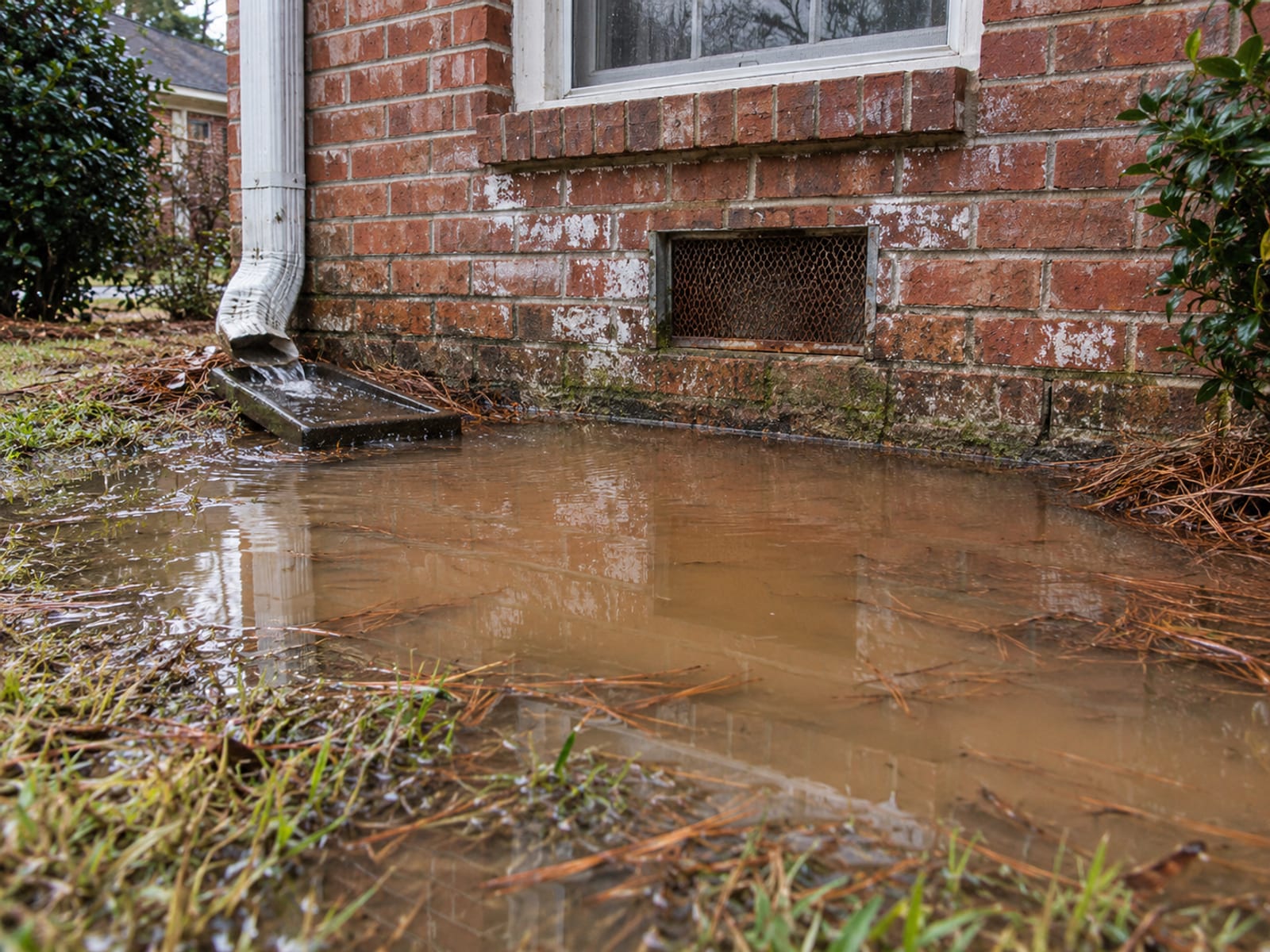
The Homeowners 8 water exclusion removes flood, surface water, waves, tides, tidal water, overflow of any body of water and storm surge, whether or not driven by wind. It also excludes water that backs up through sewers or drains, overflow from a sump or sump pump and water below the ground's surface that seeps or leaks through a foundation or other structure. The form contains other exclusions, including earth movement.
Ask about separate flood insurance through the NFIP or a private flood insurer, which is its own policy with its own limits, deductibles, exclusions and waiting periods, according to FloodSmart (opens in a new tab). Our article on Georgia flood insurance covers flood zones and NFIP limits.
Does GUA include liability coverage?
It depends on the product. The Plan of Operation sets maximum homeowners Section II limits of $100,000 per occurrence for personal liability and $1,000 per person for medical payments. GUA's commercial product carries no liability coverage, according to its commercial page (opens in a new tab). A landlord or business owner on a GUA dwelling or commercial policy should ask the agent where liability coverage will come from.
What are the limits and deductibles?
The Plan of Operation (opens in a new tab), effective January 1, 2019, caps coverage at $2 million for any one building, for personal lines and commercial risks alike. A complex or related set of buildings is capped at $20 million in total and $2 million per building. Every GUA policy has a one-year term.
Hover or tap a row to highlight it.
| Item | Figure or rule |
|---|---|
| Maximum for one building | $2,000,000 |
| Maximum for a complex or related set of buildings | $20,000,000 in total, $2,000,000 per building |
| Homeowners personal liability maximum | $100,000 per occurrence |
| Homeowners medical payments maximum | $1,000 per person |
| Dwelling windstorm or hail deductible options | 1%, 2%, 3%, 5%, 7.5% or 10% |
| Windstorm or hail deductible minimum | $500 |
| Policy term | One year |
The GUA windstorm or hail form (opens in a new tab) for dwellings uses a percentage deductible of 1%, 2%, 3%, 5%, 7.5% or 10%, as shown in the declarations, with a $500 minimum. It applies separately to each dwelling, each other structure, personal property in each building and personal property in the open. That form also removes fair rental value coverage unless you request it and pay extra, and it excludes wind or hail damage to fences, docks, piers and similar property.
GUA can use deductibles and other underwriting devices for hard-to-insure property, and higher deductibles may be available on request for eligible risks, with a premium adjustment.
What does a GUA policy cost?
GUA premiums depend on the product, property, territory, construction, limits, deductibles, inspection results, surcharges and approved rating rules. Georgia property and casualty rates must not be excessive, inadequate or unfairly discriminatory, according to OCI (opens in a new tab). Ask your agent for the current GUA quote, the rating worksheet, the effective date and any surcharge, and look up filings through OCI's SERFF access (opens in a new tab).
Paying, logging in and filing a claim
Policyholders can pay through GUA's credit card payment page (opens in a new tab) or the customer portal (opens in a new tab), where you can also view your policy. GUA isn't affiliated with doxo.com and doesn't authorize or recommend paying through it, according to the GUA (opens in a new tab).
Report a loss through your agent or GUA's claim submission page (opens in a new tab), and keep the policy number, loss date, photos, receipts and messages. GUA is at 3355 Annandale Lane #3, Suwanee, GA 30024, and its phone number is 770-923-7431.
GUA must give at least 10 days' notice before canceling for nonpayment or within a policy's first 60 days. For other reasons it gives at least 30 days' notice on a personal lines policy and 45 days on a commercial policy, with the reason stated. You can appeal a GUA decision to its board within 15 days, and the board's decision to the Commissioner within 30 days, under the Plan of Operation.

Will your mortgage lender accept a GUA policy?
That depends on your lender's requirements and on the policy's declarations, mortgagee clause, limits, covered perils and exclusions. Homeowners insurance becomes a requirement when a lender makes it a loan condition, and your lender decides how much coverage you need, according to OCI (opens in a new tab). Give the lender the actual GUA evidence of insurance and ask whether it also needs separate wind, flood or liability coverage. If private insurers have turned you down, tell the lender early and share the decline or nonrenewal notice.
Getting back to the private market
GUA tells policyholders to shop at least once a year for coverage with other insurers, and to ask an agent for help finding broader coverage, including coverage GUA doesn't offer, according to its policyholder page (opens in a new tab). A new insurer will run its own underwriting, so repairs, a new roof or updated wiring can change the answer. Re-shop before each renewal.
Checking your agent and filing a complaint
Georgia requires insurance agents, agencies and companies doing business in the state to be licensed, and OCI's licensing page explains the rules, according to OCI (opens in a new tab). Use the Georgia insurance license lookup (opens in a new tab) to confirm your agent before you share documents.
If a dispute with GUA, an agent or a claim stays unresolved, contact the company or agent first, then file through OCI's Consumer Complaint Portal (opens in a new tab). OCI may send the complaint to the company or agent, ask for a written response, investigate and request corrective action. To find an agent who can submit a GUA application, Riskado's directory lists insurance agencies across Georgia by city and by category.
Check what you know about the Georgia FAIR Plan
Questions to ask your agent
- Which GUA product fits: homeowners, dwelling, mobile home or commercial?
- Which policy form and endorsements will be issued?
- Is an inspection required, and what improvements might the action report list?
- Is wind and hail included, or written on a separate form?
- What deductible applies to each covered peril?
- Are personal liability and medical payments included, and if not, where can I get liability coverage?
- Are flood, storm surge, sewer backup, sump overflow and subsurface water excluded?
- Will my lender accept this policy and its limits?
- What payment methods and installment options apply, and what happens if a payment is late?
- How do I report a claim?
- How do I appeal a declination or an action report?
- When should we shop the private market again?
- Is your Georgia license active?
Frequently asked questions
Is the Georgia FAIR Plan a government insurance program?
No. GUA is not affiliated with any local, state or federal government entity, according to the GUA (opens in a new tab). Every insurer authorized to write property insurance in Georgia is a member and shares in its results.
Does the Georgia FAIR Plan cover flood?
The GUA homeowners form excludes flood, surface water, tidal water and storm surge, along with sewer backup, sump overflow and subsurface water, under the Homeowners 8 form (opens in a new tab). Flood coverage comes from a separate NFIP or private flood policy.
How long does a GUA application take?
GUA decides after any survey and action report. If it hasn't accepted or declined within 20 days of receiving the application, you can request a temporary binder with a copy of the application and a deposit of the estimated annual premium, under the Plan of Operation (opens in a new tab).
Can a coastal home get only wind coverage?
The Plan of Operation lists a policy that insures only windstorm and hail among GUA's personal lines policies. New coastal construction in the Windstorm and Hail Area must meet the building code, including design-wind requirements, to be insurable.
A short plan for this week
Gather the decline or nonrenewal notice, your current declarations page, roof and wiring records and your lender's insurance letter. Ask a licensed agent to submit the GUA application and to quote separate flood coverage at the same time. Read the action report as soon as it arrives, and set a reminder to shop the private market before the policy's one-year term ends.
Key terms
Tap a term to see what it means.
Georgia Underwriting Association (GUA). The association that administers Georgia's FAIR Plan.
FAIR Plan. Georgia's Fair Access to Insurance Requirements Plan, the residual market for property insurance.
Residual market. Coverage for property that can't get insurance through the regular private market.
Action report. GUA's written decision after a property survey, listing any required improvements or reasons for a decline.
Temporary binder. Short-term coverage you can request if GUA hasn't accepted or declined an application within 20 days.
Windstorm and Hail Area. The coastal islands and six coastal counties where GUA's wind construction rules apply.
Licensed producer. A licensed insurance agent who submits the application for you.
Mortgagee clause. The part of a policy that names the lender and protects its interest.