Citizens Property Insurance in Florida: Who Qualifies, What It Covers, How the Clearinghouse and Takeout Offers Work and the Flood Requirement
Riskado
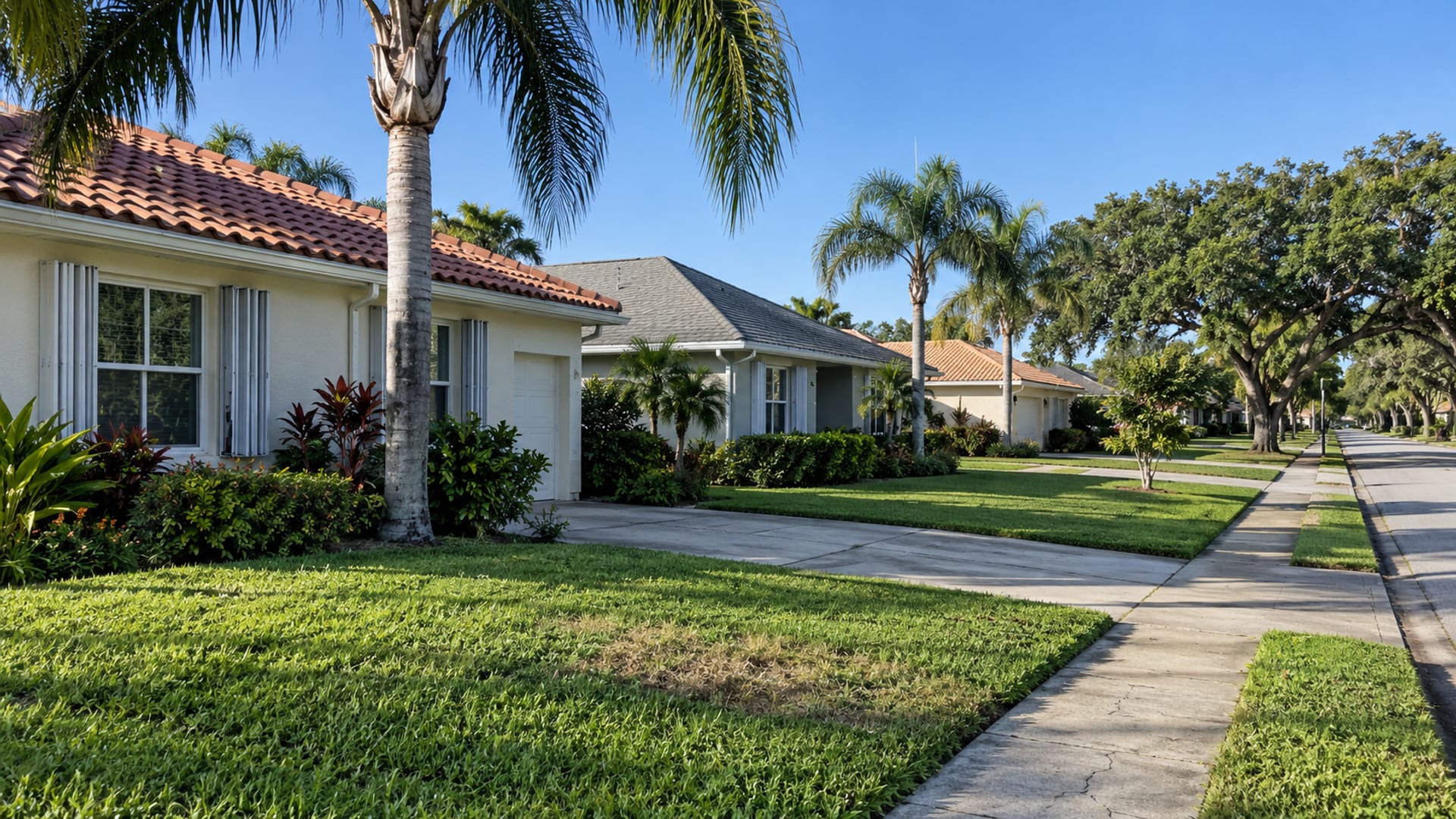
Citizens Property Insurance Corporation is a not-for-profit government entity the Florida Legislature created to insure eligible property owners who can't find comparable coverage in the private market. A primary residence generally qualifies when no authorized insurer offers comparable coverage, or when the private offer for comparable coverage is more than 20% higher than the Citizens premium. Your agent has to test the private market through the Citizens Clearinghouse first, and again at each renewal. Citizens doesn't sell flood insurance, and most personal residential policyholders with wind coverage must now carry a separate flood policy under a phase-in that finishes on January 1, 2027. A private takeout offer can also end your eligibility to stay.
Key takeaways
- What Citizens isA not-for-profit government entity created by the Florida Legislature for owners who can't find comparable private coverage.
- The 20% testA primary residence generally qualifies when no authorized insurer offers comparable coverage, or the private offer is more than 20% higher than Citizens.
- ClearinghouseAgents test the private market first and again at each renewal.
- FloodCitizens doesn't sell flood insurance, and most personal residential policies with wind need a separate flood policy by January 1, 2027.
- TakeoutsA qualifying private takeout offer can end your eligibility to stay.
Is Citizens backed by the state of Florida?
Citizens was created by the Florida Legislature in August 2002 as a not-for-profit, tax-exempt government entity, and it's governed by a Board of Governors under rules the Legislature sets, according to Citizens' governance page (opens in a new tab). Florida law describes it as a government entity that is an integral part of the state and not a private insurance company, under Fla. Stat. § 627.351(6) (opens in a new tab).
That status doesn't mean the state pays every claim or waives the policy's terms. Citizens is funded by policyholder premiums, and if it runs short after a major storm, it can levy assessments on its own policyholders and, in a larger deficit, on most Florida property and casualty policyholders. Your policy form, exclusions and deductibles still decide what a claim pays.
People also ask whether Citizens is a good company. The practical answer depends on what it offers you: Citizens' forms, deductibles and assessment exposure differ from a private policy, so compare coverage line by line with your agent rather than by premium alone.
Who qualifies for Citizens?
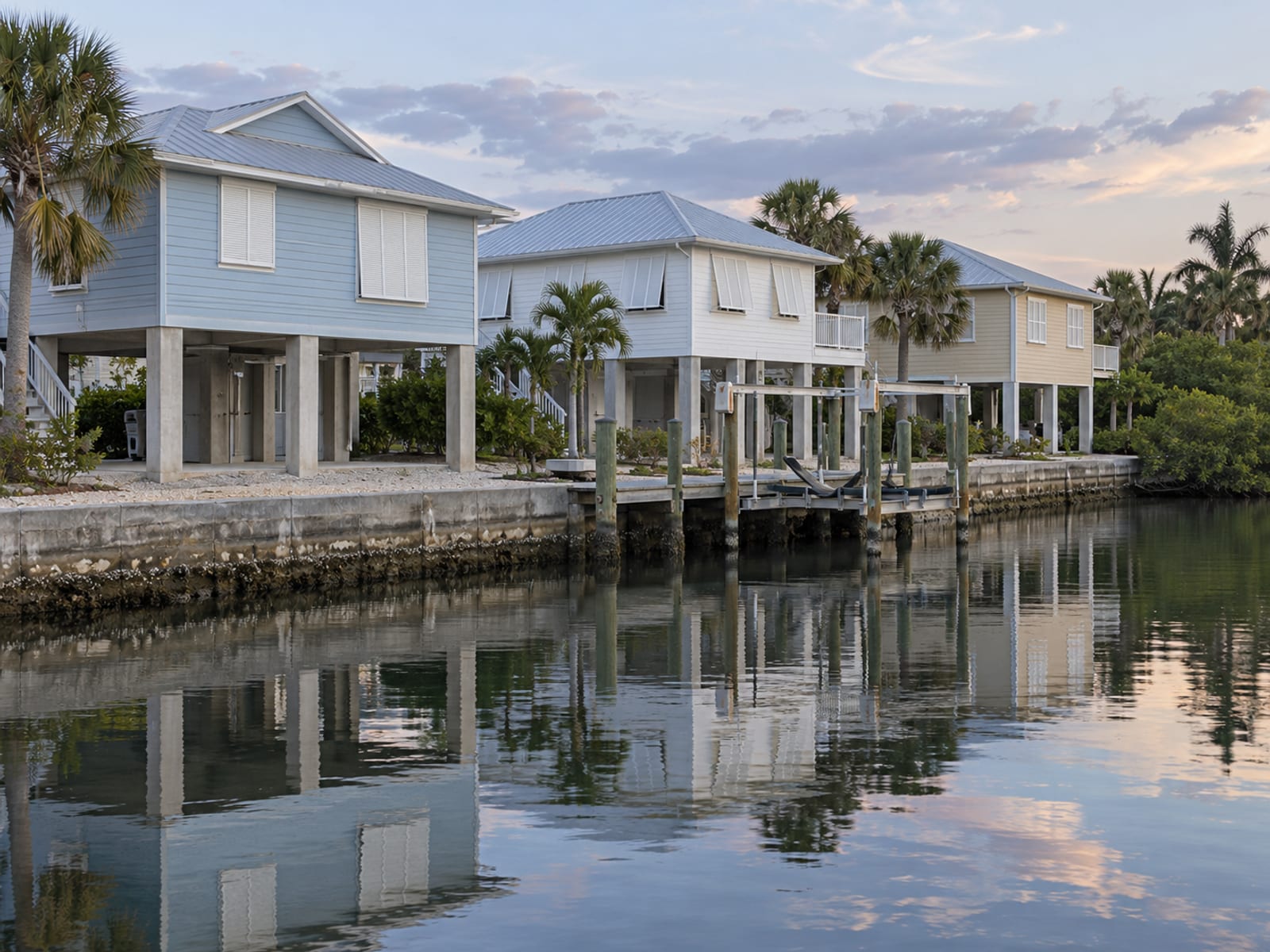
Eligibility turns on what private insurers offer for the same home. For a personal residential risk that's a primary residence, a new applicant isn't eligible if an authorized insurer offers comparable coverage at its approved rate, unless that private premium is more than 20% greater than the comparable Citizens premium, under § 627.351(6) (opens in a new tab). If no private insurer will offer coverage, the home is eligible.
Renewals follow the same 20% test. For a primary residence, the more-than-20% standard applies to policies renewing on or after April 1, 2023. For a personal residential home that isn't a primary residence, the statute applies the more-than-20% renewal standard to policies renewing on or after July 1, 2024, and it counts offers from approved surplus lines takeout insurers as well as authorized insurers.
Commercial policies run on their own rules. Since June 16, 2026, Senate Bill 1028 has required agents to submit commercial residential and business commercial applications to new Citizens commercial clearinghouses before Citizens can write them, according to the Florida Department of Financial Services (DFS) (opens in a new tab).
The word that matters in every test is "comparable." A cheaper private quote with a higher deductible or fewer covered perils isn't the same coverage. Ask your agent to show the limits, deductibles and perils side by side for both offers.
Citizens eligibility rules by date
- April 1, 2023Primary residences renewing on or after this date stay eligible only if private offers are more than 20% above the Citizens renewal premium.
- July 1, 2024The same more-than-20% renewal standard applies to personal residential homes that aren't primary residences.
- June 16, 2026Senate Bill 1028 requires commercial residential and business commercial applications to go through new Citizens commercial clearinghouses first.
What happens in the Clearinghouse?
The Clearinghouse is the system agents use to check private-market offers before Citizens writes or renews a policy. For new business, agents quote HO-3, HO-6, DP-1 and DP-3 policies through the Clearinghouse and other forms, including HO-4 and HO-8, through Citizens' own system, according to the Citizens Clearinghouse page (opens in a new tab).
The agent must document one of two results: no private insurer will offer coverage at its approved rates, or the private offers for comparable coverage are more than 20% higher than Citizens. Acceptable proof includes a comparative rater screenshot, a carrier's website quote or a carrier's declination, with coverages that match the final policy.
At renewal, agents must remarket every policy placed with Citizens. Any offer not more than 20% above the Citizens renewal premium results in a non-renewal of the Citizens policy, and the agent then writes a new policy with the private carrier, according to the Clearinghouse page. If you're in Citizens now, expect this check every year.
What does Citizens coverage include?
Citizens writes several personal residential forms, described on its personal policies page (opens in a new tab):
- HO-3 homeowners: the dwelling, other structures, personal property, additional living expenses and personal liability.
- HO-8 modified homeowners: a restricted form covering 11 named perils, with major exclusions.
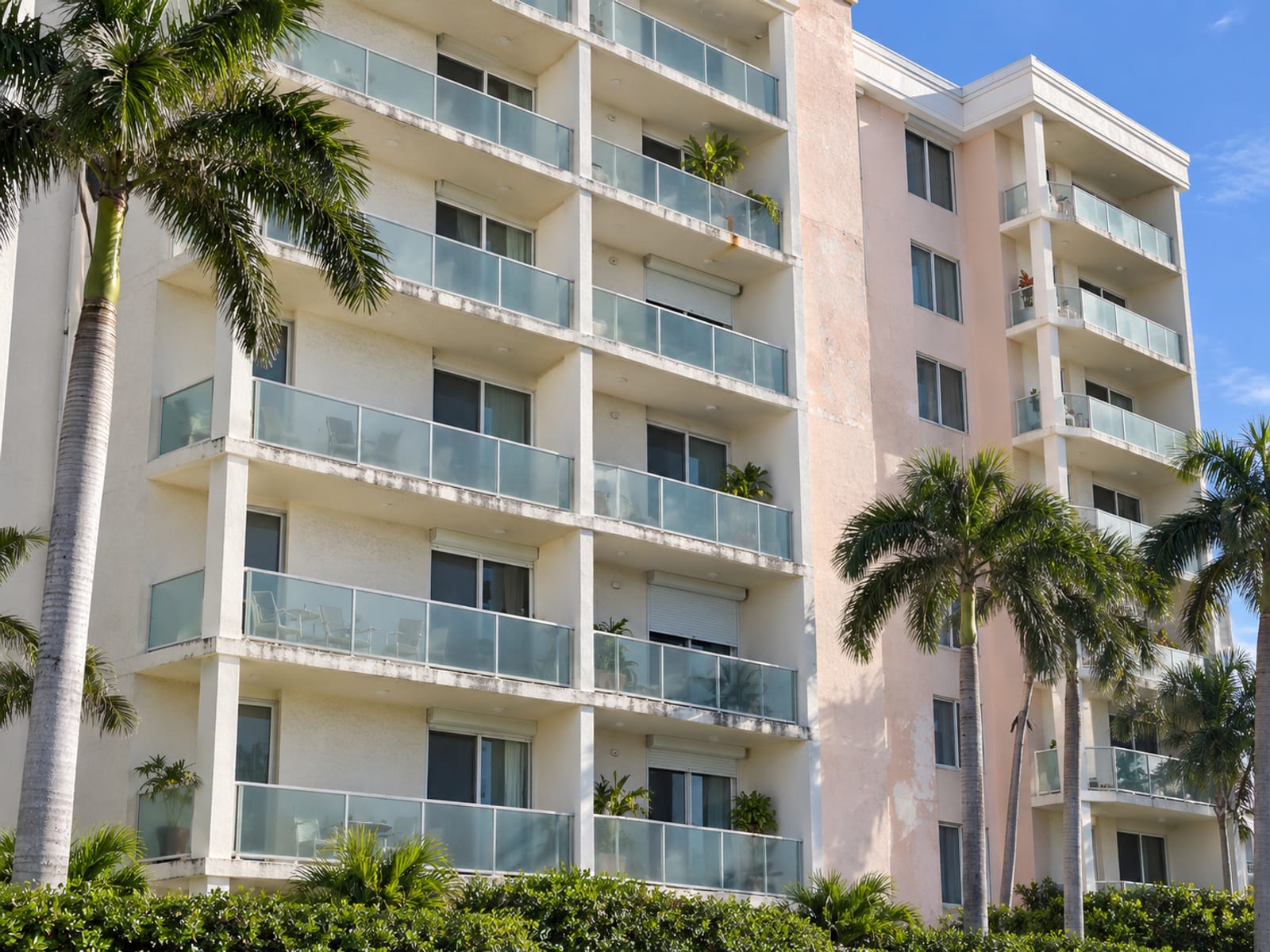
- HO-6 condominium unit owners: certain interior features of the unit, personal property, additional living expenses and liability, but not the building's exterior.
- MHO-3 mobile and manufactured homes: the home, other structures, personal property and liability, for an owner who lives there as a primary residence.
- HO-4 and MHO-4 renters: the tenant's personal property, additional living expenses and liability.
- DP-1 and DP-3 dwelling fire: for tenant-occupied homes and others that may not qualify for an HO-3 or HO-8.
- Wind-only policies: in certain areas of the state, covering only wind and hail damage.
The HO-8 deserves a close look before you accept it. Its most notable exclusion is water damage, which accounts for roughly half of Citizens' homeowner claims, and it uses an alternate calculation for replacement cost or actual cash value that can result in much lower claim payments, according to Citizens. HO-8 policies may not meet many mortgage lenders' requirements, so confirm with your lender before you buy one.
Each form carries its own deductibles, including a hurricane deductible. The Florida hurricane deductible article explains how those work.
Is flood insurance required?
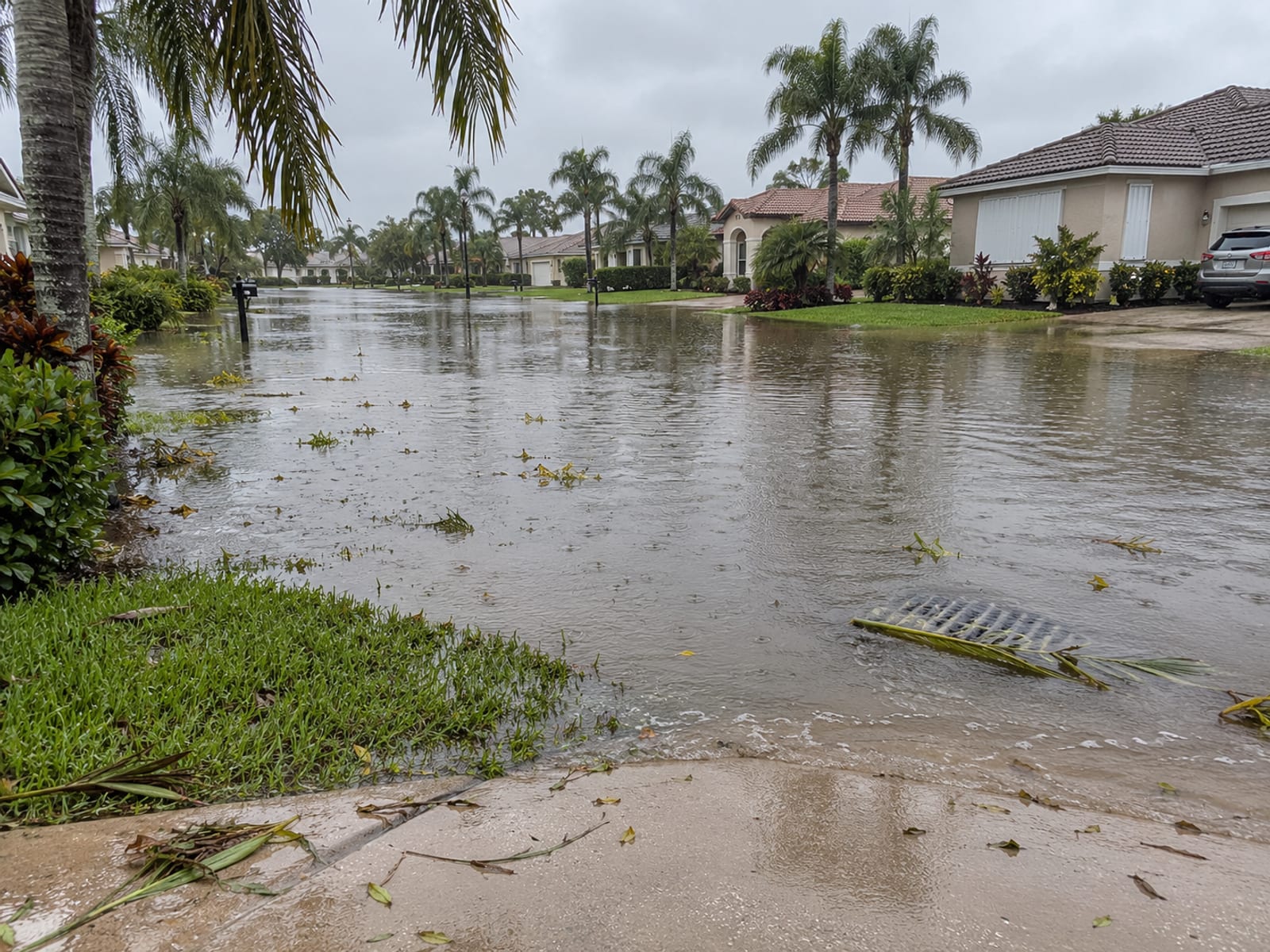
Citizens doesn't provide flood insurance, and standard multiperil policies don't cover flood, according to Citizens' flood requirement page (opens in a new tab). Florida law now makes separate flood coverage a condition of most personal residential Citizens policies that include wind, under § 627.351(6) (opens in a new tab).
Hover or tap a row to highlight it.
| Who must have flood coverage | Deadline |
|---|---|
| New policies on homes in a FEMA Special Flood Hazard Area | April 1, 2023, at issuance |
| Existing policies on homes in a Special Flood Hazard Area | Renewals on or after July 1, 2023 |
| Dwelling replacement cost of $600,000 or more | Policies effective on or after January 1, 2024 |
| Dwelling replacement cost of $500,000 or more | Policies effective on or after January 1, 2025 |
| Dwelling replacement cost of $400,000 or more | Policies effective on or after January 1, 2026 |
| All other personal residential policies | Policies effective on or after January 1, 2027 |
Two kinds of policies are exempt: policies that don't cover wind and policies written on a condominium unit owners form. The flood policy must meet at least the dwelling coverage available from the National Flood Insurance Program or the private flood standards in Fla. Stat. § 627.715 (opens in a new tab). Since May 13, 2024, Citizens policyholders only need flood coverage on the dwelling, not on personal contents, to meet the requirement, according to DFS (opens in a new tab).
People often ask what homeowners insurance costs on a $400,000 house in Florida. There isn't one figure for a home of a given value, since location, construction, roof and deductibles drive the price. For a Citizens policyholder, though, a dwelling replacement cost of $400,000 or more has required separate flood coverage on policies effective since January 1, 2026, so budget for both policies. The Florida flood insurance article covers NFIP and private flood options.
What is a takeout or depopulation offer?
A takeout offer happens when a private insurer approved by the Florida Office of Insurance Regulation offers to assume Citizens policies. When people ask who took over Citizens insurance, this is usually what happened: a private company made a takeout offer on their policy. It's done policy by policy, not by one company taking over Citizens.
Citizens mails a depopulation packet that tells you whether you can choose between the offer and staying with Citizens. A policy becomes ineligible to remain only when it receives at least one offer that is not more than 20% above Citizens' estimated renewal premium, according to Citizens' depopulation resources (opens in a new tab) and the renewal rule in § 627.351(6) (opens in a new tab). To submit your choice, you need the policy number and the registration code from your offer form. Commercial nonresidential policies can't elect to remain with Citizens.
The response deadline is printed in your packet, and the packet controls the dates. If you're eligible to stay and do nothing, ask your agent what the packet says happens by default before the deadline passes. Citizens also posts Spanish versions of its depopulation materials on its Spanish depopulation page (opens in a new tab).
What assessments can apply?
Citizens can levy two kinds of charges if it runs a deficit after a catastrophic storm, according to the Citizens assessments page (opens in a new tab):
- A Citizens policyholder surcharge of up to 15% of premium, charged only to Citizens policyholders.
- An emergency assessment of up to 10% per year on assessable statewide premium, if a deficit remains after the surcharge. It applies to Citizens and private-market policyholders, including renters, auto, boat and pet insurance, for as many years as needed.
These are potential charges, not part of today's premium. When you compare a Citizens renewal with a private offer, ask your agent how the possible 15% surcharge affects the total cost, since a private policyholder wouldn't owe it.
What should you confirm about roofs and inspections?
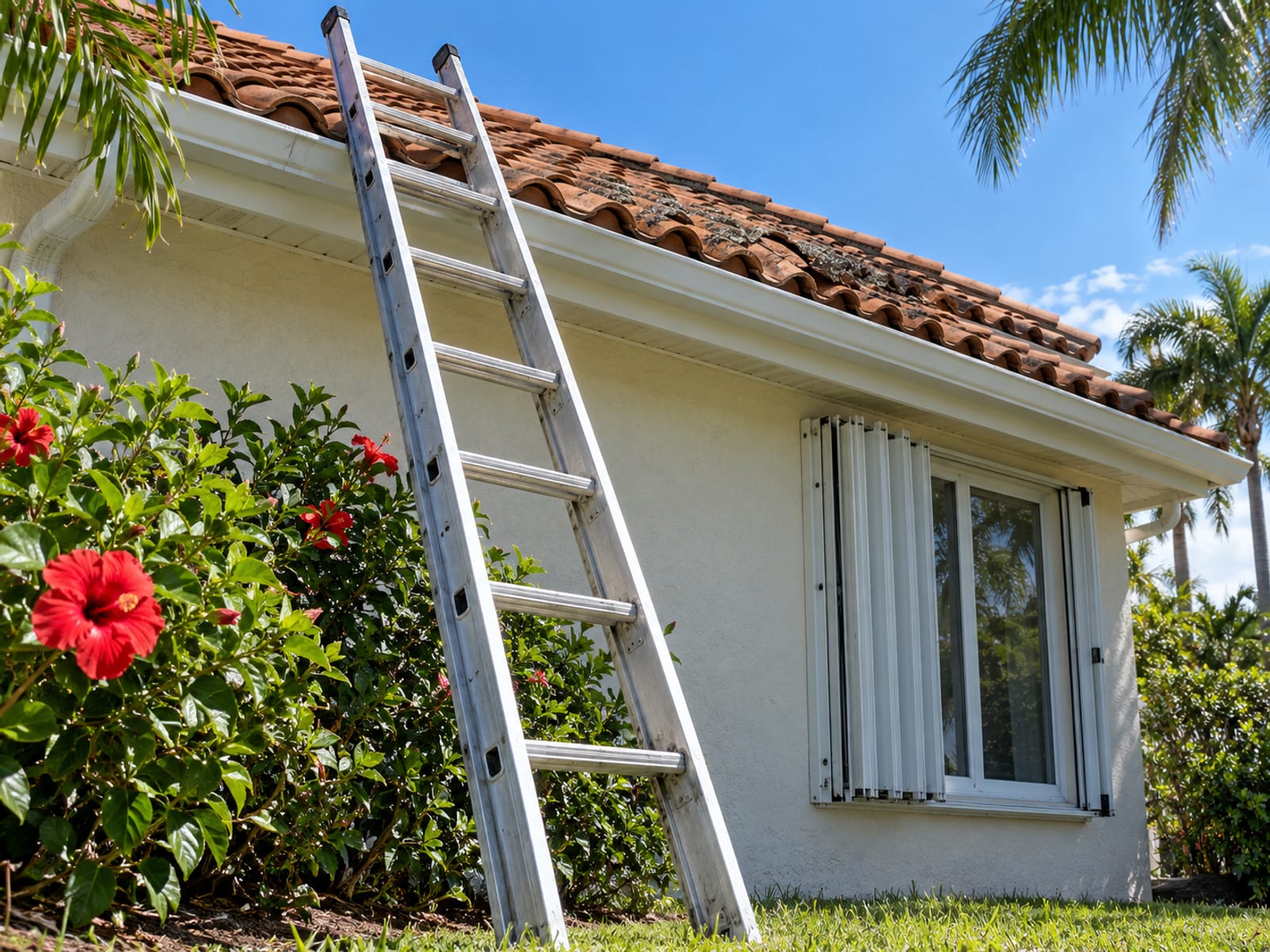
Citizens requires a four-point inspection of the electrical, plumbing, heating and cooling systems and roof for homeowner, dwelling and mobile home applications on properties more than 20 years old, according to Citizens' inspections page (opens in a new tab). Roofs older than 25 years for shingle or similar roofs, or 50 years for tile, slate, clay, concrete or metal, need a Florida-licensed inspector's documentation showing at least five years of remaining useful life. If a roof has less than five years left, the owner must show proof of a full roof replacement before Citizens writes the policy.
Wind mitigation credits need documentation too. Citizens may also order an exterior or interior underwriting survey during the policy at no cost to you, and it may require you to repair hazards it finds. Private insurers set their own roof rules, so the Florida roof age insurance article covers the state law that applies to private homeowners policies.
How do you pay, renew and file a claim?
Citizens' myPolicy portal handles policy documents, billing, payments and claims, and Citizens asks policyholders to review coverage and deductibles with their agent at least once a year. To report a claim, call Citizens' 24/7 claims line at 866-411-2742 or report it online in myPolicy, according to Citizens' claims page (opens in a new tab).
Florida law sets the claim timelines. An insurer must acknowledge a claim communication within 7 calendar days, and it must pay or deny a claim within 60 days after notice, subject to the exceptions in Fla. Stat. § 627.70131 (opens in a new tab).
How can you verify an agent or file a complaint?
Check an agent or agency with the Florida insurance license lookup (opens in a new tab), which searches by name, agency name, license number or National Producer Number. For a problem with a Citizens policy or takeout, contact the agent or Citizens first and keep a record of every call and letter.
If the issue isn't resolved, file through the DFS Consumer Assistance Portal, as the DFS consumer help page (opens in a new tab) describes. Have the company name, agent or adjuster name, policy number, any claim number and loss date, the declarations page, the Citizens notice or takeout packet and a clear description of the problem ready. DFS can help with coverage issues, claim disputes, premium questions, cancellations, non-renewals and refunds.
Questions to ask your agent
- Which form is this policy: HO-3, HO-8, HO-6, dwelling fire, mobile home, renters or wind-only?
- Which perils are covered and excluded, and does the policy include wind?
- Is separate flood insurance required for this home, and will the flood policy satisfy Citizens and my lender?
- What are the hurricane and other deductibles in dollars?
- Is the private quote comparable to Citizens in limits, deductibles and covered perils?
- Did this application go through the Clearinghouse, and what offers came back?
- Is my roof documentation current, and do I need a four-point or wind mitigation inspection?
- If a takeout offer arrives, can I stay with Citizens, and what is the exact deadline?
- How would a 15% policyholder surcharge change my total cost?
If you need an agency that writes Citizens and private policies, Riskado's directory lists insurance agencies across the US, including Florida, by city and by category.
Check what you know about Citizens Property Insurance
Frequently asked questions
Can I go straight to Citizens without trying private insurers?
No. For most personal residential policies, your agent must check private offers through the Clearinghouse or document that no comparable offer came within 20% of the Citizens premium, according to the Citizens Clearinghouse page (opens in a new tab). Citizens is meant for homes the private market won't cover at a comparable price.
Does a Citizens condo policy need flood insurance?
No. Policies written on a condominium unit owners form are exempt from the Citizens flood requirement, as are policies that don't cover wind, under § 627.351(6) (opens in a new tab). A lender can still require flood coverage on its own terms.
Can a mortgage lender refuse an HO-8 policy?
Yes. Citizens says the HO-8 may not meet many mortgage holders' requirements, so confirm with your lender before you accept it. Ask your agent whether an HO-3 or another form is available for your home.
Can emergency assessments reach people who aren't Citizens policyholders?
Yes. An emergency assessment of up to 10% per year applies to Citizens and private-market policyholders, including auto, renters, boat and pet policies, according to Citizens (opens in a new tab). The 15% policyholder surcharge applies only to Citizens policyholders.
What if I miss the takeout response deadline?
The packet you received states what happens by default, so read it or ask your agent right away. If you're unsure whether you can still remain with Citizens, call Citizens or your agent with the policy number and registration code from the offer form.
Keeping the coverage in place
Citizens fills a gap, and its rules check every year whether you still need it. Keep your roof and inspection records current, line up flood coverage before your policy's effective date if your home falls under the phase-in, and open every Citizens letter the day it arrives, since takeout and renewal deadlines are printed there. When a private offer comes in, compare it with Citizens on the same limits, deductibles and perils before you choose.
Key terms
Tap a term to see what it means.
Citizens Property Insurance Corporation. Florida's not-for-profit government entity that insures eligible property owners who can't find comparable private coverage.
Clearinghouse. The system agents use to check private-market offers before Citizens writes or renews a policy.
Comparable coverage. A private offer with matching limits, deductibles and covered perils, used for the 20% eligibility test.
Takeout offer. A private insurer's offer to assume a Citizens policy through the depopulation program.
Depopulation. The process of moving policies out of Citizens and into private insurers.
HO-8. A restricted homeowners form covering 11 named perils, with water damage excluded.
Special Flood Hazard Area. An area FEMA maps as having a high risk of flooding.
Policyholder surcharge. A charge of up to 15% of premium that Citizens can levy on its own policyholders after a deficit.
Emergency assessment. A charge of up to 10% per year on most Florida property and casualty premiums, levied if a Citizens deficit remains after the surcharge.