New Jersey Flood Insurance: When You Need It, What It Costs, and the State Flood Rules
Riskado
Standard New Jersey homeowners and renters policies do not cover property damage caused by flood, according to the New Jersey Department of Banking and Insurance (opens in a new tab). Flood coverage is a separate policy, sold through the National Flood Insurance Program (NFIP) and private insurers. If your building secures a loan from a federally regulated or federally insured lender and sits in FEMA's Special Flood Hazard Area, the lender generally must require flood insurance, and any lender can set its own requirement. NFIP residential policies cover up to $250,000 for the building and $100,000 for contents. New Jersey also requires covered sellers and landlords to disclose specified flood-risk information.
Key takeaways
- Not in standard policiesStandard New Jersey homeowners and renters policies do not cover property damage caused by flood.
- A separate policyFlood coverage is sold through the National Flood Insurance Program (NFIP) and private insurers.
- Lender ruleIf your building secures a loan from a federally regulated or federally insured lender and sits in FEMA's Special Flood Hazard Area, the lender generally must require flood insurance.
- NFIP limitsResidential policies cover up to $250,000 for the building and $100,000 for contents.
- DisclosureNew Jersey requires covered sellers and landlords to disclose specified flood-risk information.
Does homeowners or renters insurance cover flood in New Jersey?
No. Homeowners policies exclude water damage caused by flood, and New Jersey's flood notice rule, N.J.A.C. 11:1-5.5 (opens in a new tab), requires insurers to tell policyholders that their homeowners insurance does not cover flood damage and that separate flood insurance may be available. Flood coverage is also not part of most business, condominium-owner, or renters policies, according to an NJDOBI consumer release (opens in a new tab).
That separation matters because "water damage" and "flood" are not the same thing on a policy. A pipe that bursts inside your home is a different claim from rising water that enters from outside. If you rent, flood damage to your belongings is a contents question, so ask an agent about contents-only flood coverage.
When does a mortgage lender require flood insurance?
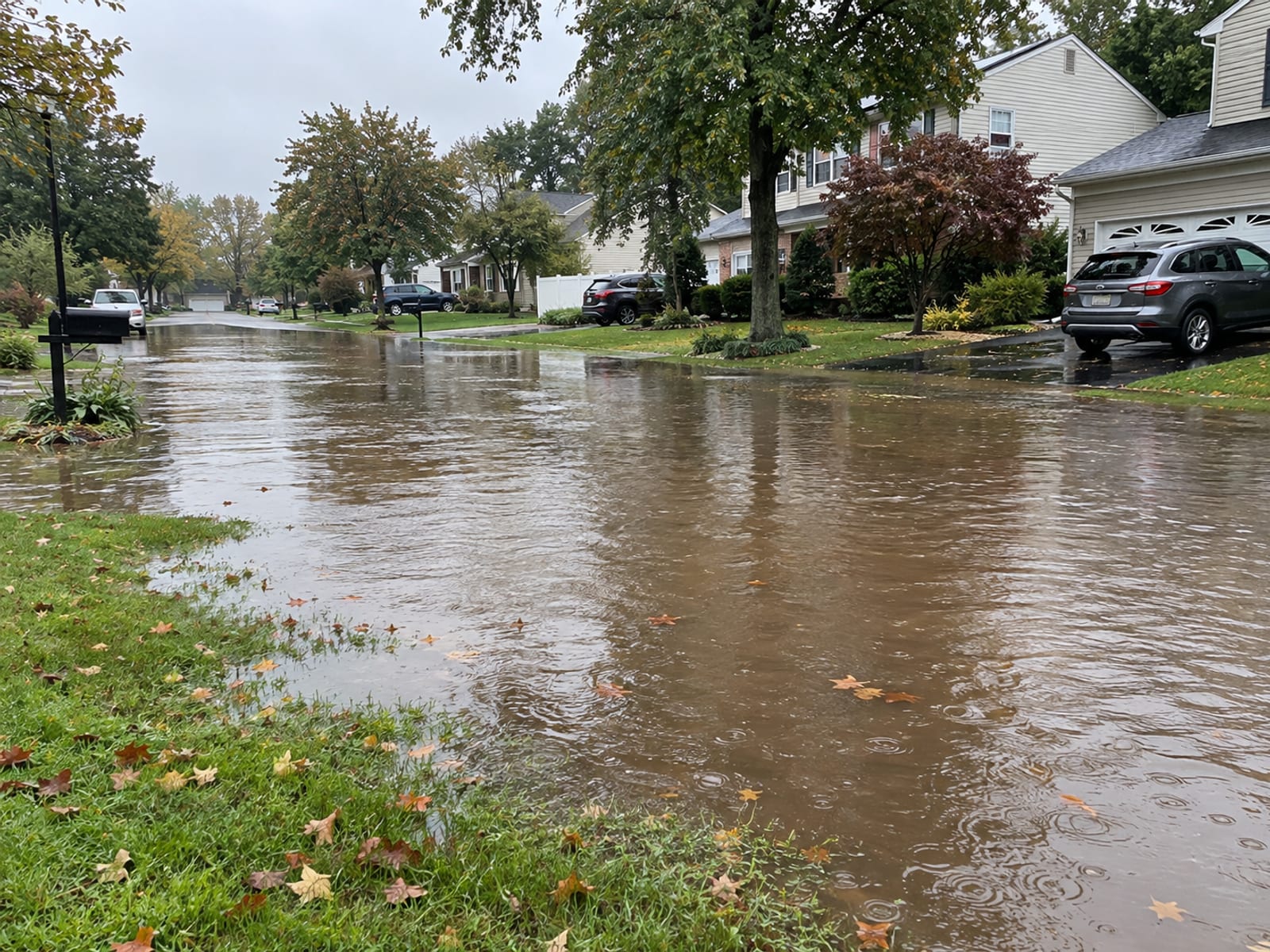
The federal rule is narrow and specific. A federally regulated or federally insured lender generally may not make, increase, extend, or renew a loan secured by an improved building in a Special Flood Hazard Area (SFHA) unless flood insurance is in place, according to FEMA (opens in a new tab). The required amount is at least the outstanding principal balance or the maximum NFIP coverage available, whichever is less.
Lenders decide whether the rule applies using the current effective Flood Insurance Rate Map (FIRM), according to FEMA's agent guidance on Risk Rating 2.0 (opens in a new tab). Risk Rating 2.0 changed how flood insurance is priced, not how lenders make that map determination.
Outside the federal rule, two things still apply. A lender may require flood coverage anyway, and you can buy coverage voluntarily even when nobody requires it. Before closing, ask your lender in writing whether the property is subject to the federal requirement and whether it will accept a private flood policy.
How to check a New Jersey flood zone
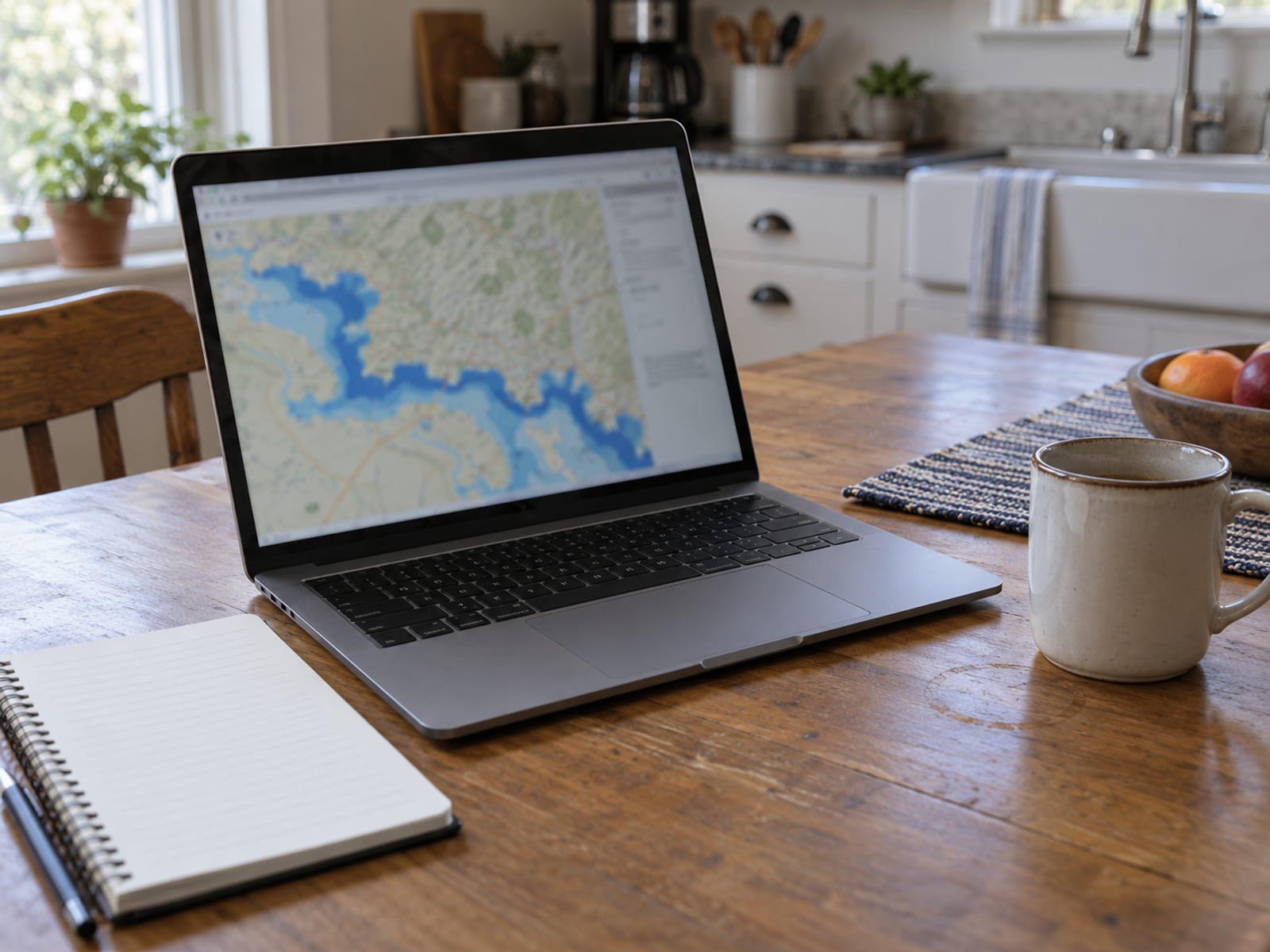
Start with your address in the FEMA Flood Map Service Center (opens in a new tab), which returns effective FIRMs, preliminary maps, panels, and studies. The New Jersey Department of Environmental Protection also points residents to FEMA's National Flood Hazard Layer viewer, FEMA's preliminary map comparison tools, and its own Flood Indicator Tool (opens in a new tab) and NJ FloodMapper.
The Flood Indicator Tool shows indicators such as waterbodies, FEMA flood zones, state flood hazard areas, design flood elevations, and tidal climate-adjusted flood elevations. It is a screening tool and does not calculate actual risk. If no indicator shows up for your property, that does not mean the property is free from flood risk, according to NJDEP.
Effective and preliminary maps play different roles. The federal lender requirement follows the current effective map. A preliminary map does not automatically replace it for that purpose, though NJDEP technical guidance (opens in a new tab) compares effective and preliminary maps for state and local regulatory decisions. If a preliminary map moves your property into a high-risk zone, talk to an agent before the new map takes effect, because a one-day waiting period exception applies for a limited time after a map update (more on that below).
What New Jersey sellers and landlords must disclose
New Jersey's flood disclosure law, P.L. 2023, c.93 (opens in a new tab), was enacted July 3, 2023, and its requirements began applying March 20, 2024, according to NJDEP (opens in a new tab).
Sellers of covered property must disclose on the property condition disclosure statement whether the property is in FEMA's Special Flood Hazard Area or Moderate Risk Flood Hazard Area, along with the seller's actual knowledge of flood risks and other flood questions on the revised form. The disclosure must come before the buyer is bound by a purchase contract.
Landlords must give prospective renters a flood-risk notice stating whether the rental is in FEMA's Special or Moderate Risk Flood Hazard Area, and whether the landlord actually knows of flooding at the premises or a related area, such as tenant parking. The Department of Community Affairs (opens in a new tab) publishes the notice. The law covers landlords renting commercial space or residential units for at least one month, with exclusions for certain small owner-occupied properties and transient or seasonal lodging. For certain nondisclosures, tenants have remedies that include ending the lease and recovering rent paid in advance after termination.
A disclosure is information, not coverage. A landlord's flood notice does not insure your belongings, and a seller's disclosure is not a substitute for checking the map yourself.
NJDEP flood rules are building rules, not insurance rules
The Inland Flood Protection Rule (opens in a new tab) took effect July 17, 2023. It updates New Jersey's flood hazard area protections using climate-informed rainfall data, and it affects DEP permits, floodplain design, design flood elevations, new construction, and reconstruction. Its standards conform to or exceed minimum NFIP requirements in the relevant permitting contexts, according to NJDEP.
The rule does not create an insurance policy, set an NFIP premium, or change the federal lender requirement. If you are planning construction or a major rebuild, confirm the current rule and local standard with NJDEP or your local floodplain administrator before you start.
What NFIP flood insurance covers and limits
NFIP policies cover direct physical flood damage under the Standard Flood Insurance Policy's definitions, exclusions, deductibles, and limits, according to FEMA's agent coverage page (opens in a new tab). Building and contents are separate coverages with separate limits:
Hover or tap a row to highlight it.
| Property type | Building limit | Contents limit |
|---|---|---|
| Residential | $250,000 | $100,000 |
| Non-residential or commercial | $500,000 | $500,000 |
Source: FloodSmart agent coverage guidance (opens in a new tab).
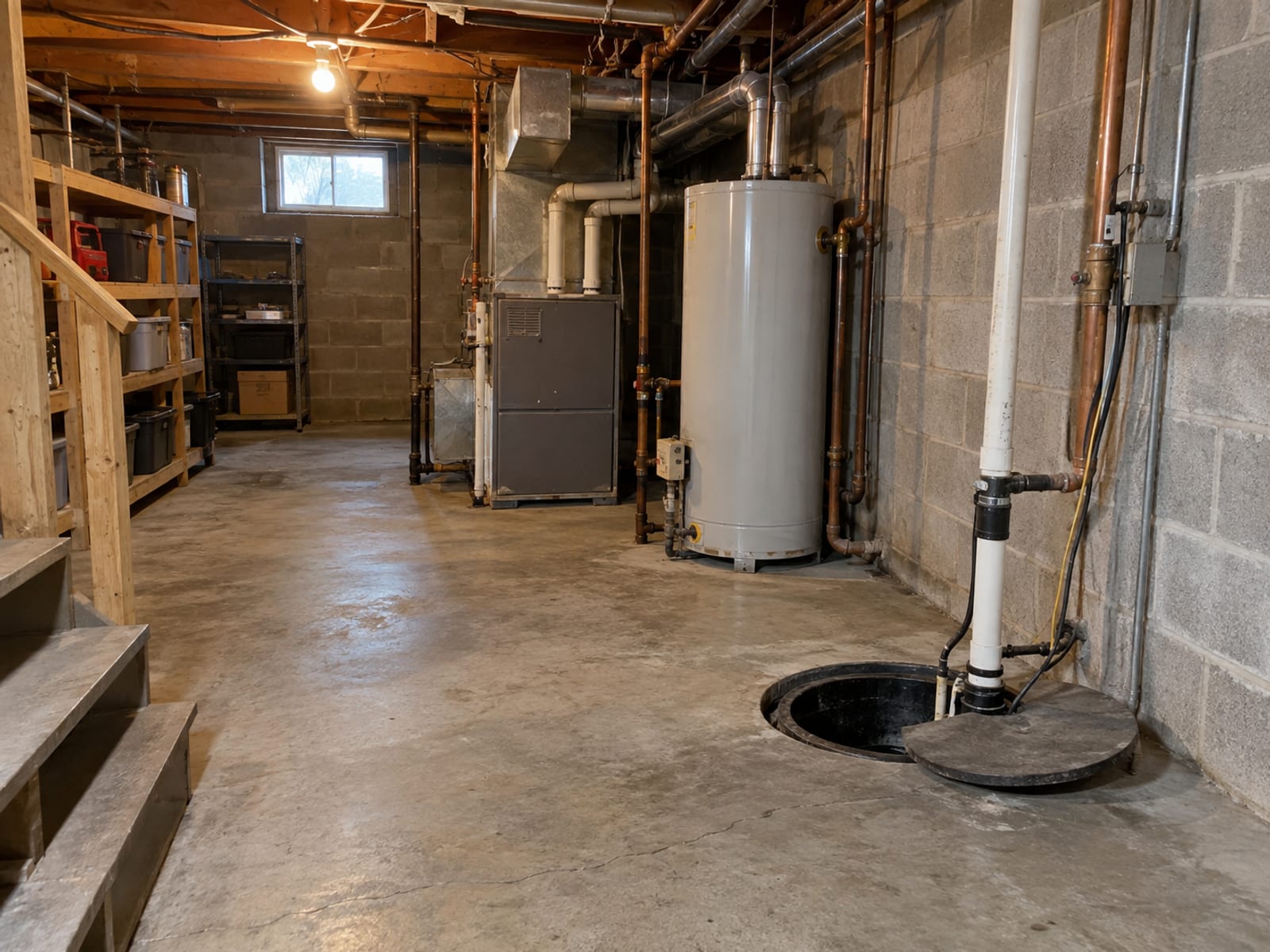
The $250,000 residential building limit is not a combined limit, so contents need their own coverage. NFIP contents are generally paid at actual cash value, which is the item's value at the time of loss, not what it costs to buy new. Basements get limited coverage: certain installed equipment and systems may be covered, but basement contents and finished improvements face restrictions under the policy form.
An NFIP policy also does not automatically pay for every kind of water damage, temporary living costs, business interruption, or property outside the insured building, according to FloodSmart (opens in a new tab). If you need any of those, ask whether a private or excess policy fills the gap.
What does flood insurance cost in New Jersey?
As of July 31, 2023, New Jersey had 178,285 NFIP policies in force, covering more than $46.9 billion in insurance, with annual premiums totaling more than $146 million, according to the New Jersey State Hazard Mitigation Plan (opens in a new tab). Dividing those rounded totals gives a rough statewide average of about $819 per policy per year. That is dated program data, not a quote, and your own premium can be far from it.
The reason is Risk Rating 2.0, FEMA's pricing method. It applied to new policies starting October 1, 2021, and was fully in place by April 1, 2023. It prices each property using factors such as flood frequency, multiple flood types, distance to water, elevation, first-floor height, and rebuilding cost, so premiums can rise, fall, or stay about the same, according to FEMA's Risk Rating 2.0 FAQ (opens in a new tab). Increases for most policies are subject to an 18% annual cap set by Congress.
Your town can also affect the price. Under FEMA's Community Rating System (CRS), communities whose floodplain management goes beyond NFIP minimums earn premium discounts in 5% steps by class. The state mitigation plan reports 92 New Jersey municipalities participating as of October 2023, with discounts ranging from 5% for Class 9 to 45% for Class 1. Ask your agent whether your municipality participates and what class it holds.
New Jersey NFIP at a glance
- Policies in force178,285 NFIP policies as of July 31, 2023.
- Insurance in forceMore than $46.9 billion.
- Annual premiumsMore than $146 million in total.
- Annual capIncreases for most policies are subject to an 18% annual cap set by Congress.
- CRS towns92 New Jersey municipalities participating as of October 2023, with discounts from 5% for Class 9 to 45% for Class 1.
Private and excess flood insurance
New Jersey has three broad flood markets, according to NJDOBI's flood market list (opens in a new tab): NFIP coverage through FloodSmart and participating insurers, private primary flood coverage written as an endorsement or a standalone policy, and excess flood coverage that sits above an NFIP or private primary limit. Some private policies offer higher limits or options the NFIP does not. NJDOBI's insurer list is for information and is not an endorsement of any company.
If your home would cost more than $250,000 to rebuild, or your contents exceed $100,000, ask about excess coverage. If you are considering a private policy instead of NFIP, confirm first that your lender will accept it.
The waiting period and what happens after a lapse
A new NFIP policy generally takes effect 30 days after purchase, according to FloodSmart (opens in a new tab). The exceptions are:
- No wait when you buy coverage for a new, increased, extended, or renewed mortgage.
- No wait when you change coverage at renewal.
- A one-day wait when your property is newly mapped into a high-risk zone and you buy within 12 months of the map update.
- A one-day wait for flooding caused or worsened by wildfire on federal land, if you buy within 60 days of containment.
Hover or tap a row to highlight it.
| Situation | Waiting period |
|---|---|
| Standard new policy | 30 days after purchase |
| Coverage for a new, increased, extended or renewed mortgage | No wait |
| Coverage change at renewal | No wait |
| Property newly mapped into a high-risk zone, bought within 12 months of the map update | One day |
| Flooding caused or worsened by wildfire on federal land, bought within 60 days of containment | One day |
A policy bought after a flood has already started will not cover damage from that flood, even if the damage happens after the effective date, under FEMA's flood-in-progress exclusion (opens in a new tab). Buying well before a storm is forecast avoids both problems.
NFIP policies last one year. If you renew and pay in full within 30 days after expiration, coverage continues for claims during that window, according to FloodSmart's renewal page (opens in a new tab). Miss it, and a new policy generally comes with a new 30-day wait.
How to file a flood claim
Report the loss to your flood insurer as soon as you can; the insurer assigns an adjuster, according to FloodSmart (opens in a new tab). Then, when it is safe, follow FEMA's claims checklist (opens in a new tab):
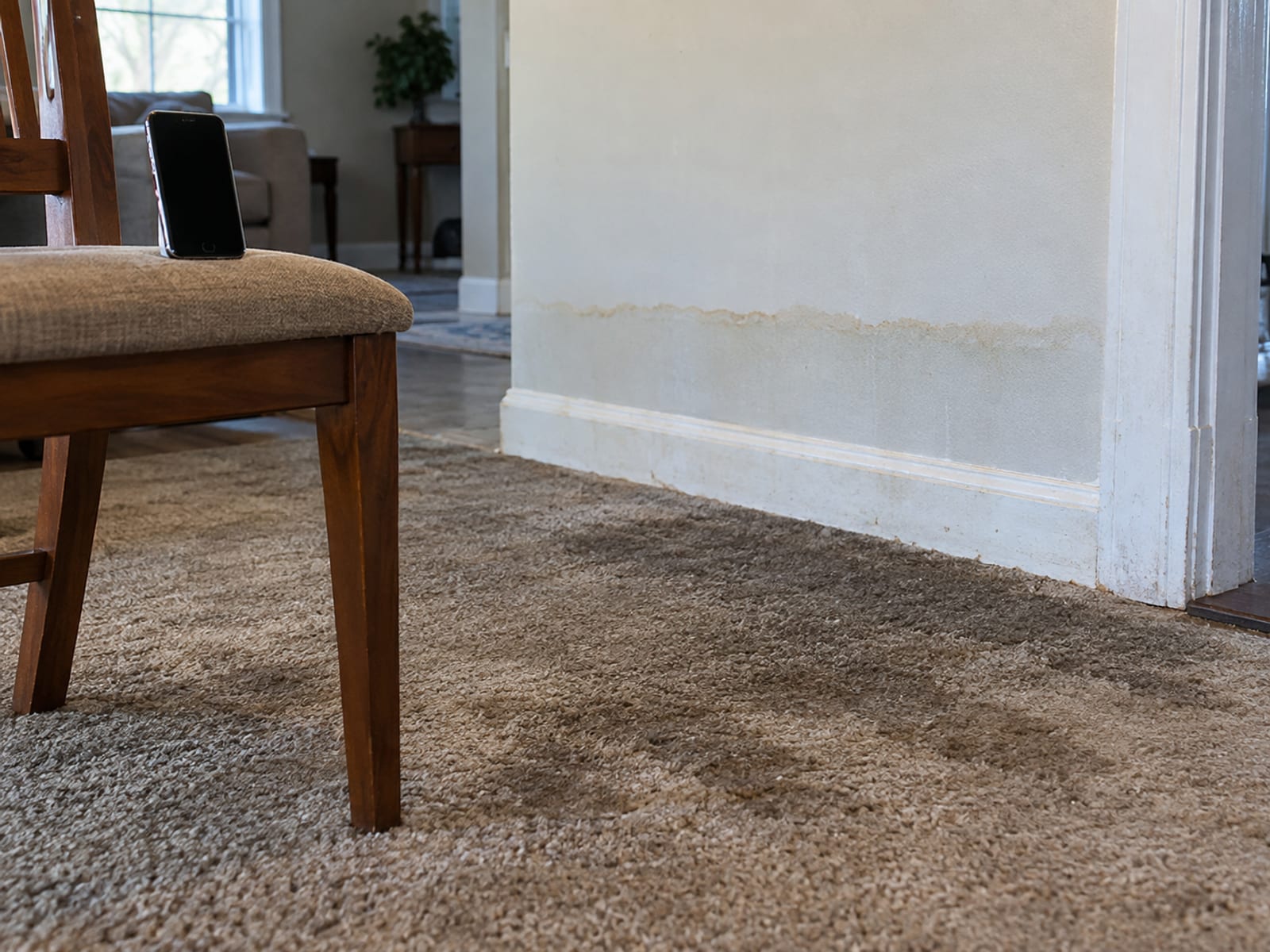
- Photograph and video every room, the water line, floors, ceilings, foundation, and damaged items.
- Record make, model, and serial numbers for appliances and electronics.
- List damaged contents with description, age, quantity, and value.
- Keep small samples of carpet, flooring, drywall, or insulation.
- Save receipts for emergency repairs, cleanup, and replacement purchases.
- Throw out health hazards only after documenting them.
- Ask the adjuster for a Flood Control Number card and government ID.
Submit your documentation within 60 days of the flood or within the timeframe your adjuster or insurer gives you. If your claim is denied, you may appeal within 60 days of receiving the denial letter, according to the checklist. When you can, contact your insurer before signing repair contracts or discarding property.
Questions to ask a flood insurance agent
These questions come from FEMA, FloodSmart, and NJDOBI materials:
- Is this an NFIP policy or a private one, and is it primary or excess?
- Does it cover the building, contents, or both, and what are the limits and deductibles?
- How are basements, crawlspaces, and raised equipment treated?
- Are contents paid at actual cash value or another method?
- Which waiting period applies, and does an exception fit my situation?
- Will my lender accept this policy?
- Which Risk Rating 2.0 factors drive my premium, and does my town get a CRS discount?
- Does the policy address temporary living costs or business interruption?
- What documents will you need if I file a claim?
Check what you know about New Jersey flood insurance
Riskado's directory lists insurance agencies across New Jersey by city and category, so you can find a local office that writes flood coverage.
New Jersey flood insurance FAQ
If my property is outside a high-risk flood zone, can it still flood?
Yes. The absence of a flood indicator on NJDEP's screening tool (opens in a new tab) does not mean a property is free from flood risk. Outside the SFHA, the federal purchase rule may not apply, but you can still buy flood coverage voluntarily.
Will a new preliminary FEMA map change my mortgage requirement right away?
No. Lenders use the current effective FIRM for the federal requirement, according to FEMA (opens in a new tab). Once a map update newly places you in a high-risk zone, buying within 12 months gets you a one-day waiting period instead of 30 days.
Can a business buy more than the residential limits?
Yes. NFIP non-residential policies go up to $500,000 for the building and $500,000 for contents. Private and excess policies may offer more.
Does a landlord's flood disclosure mean my things are insured?
No. The disclosure tells you about flood risk and known flooding. Your belongings need your own contents coverage, which standard renters insurance does not provide for flood.
What happens if my NFIP policy expires?
You have 30 days after expiration to renew and pay in full while keeping coverage for claims in that window. After that, a new policy generally has a new 30-day waiting period.
Your next step
Look up your address on the FEMA map and NJDEP's tool, then ask your lender whether flood insurance is required. Whether it is or not, get a flood quote before storm season, since a new policy usually needs 30 days to take effect.
Terms used in this guide
Tap a term to see what it means.
National Flood Insurance Program (NFIP). The federal program that sells flood insurance through FloodSmart and participating insurers.
Special Flood Hazard Area (SFHA). FEMA's high-risk flood zone, where the federal lender requirement applies to loans from federally regulated or federally insured lenders.
Flood Insurance Rate Map (FIRM). FEMA's flood map; lenders use the current effective map for the federal requirement.
Risk Rating 2.0. FEMA's pricing method, which prices each property using factors such as flood frequency, distance to water, elevation and rebuilding cost.
Community Rating System (CRS). A FEMA program that gives premium discounts in 5% steps to communities whose floodplain management goes beyond NFIP minimums.
Excess flood coverage. Coverage that sits above an NFIP or private primary limit.
Actual cash value. The item's value at the time of loss, not what it costs to buy new.
Flood-in-progress exclusion. The rule that a policy bought after a flood has started will not cover damage from that flood.