Landlord Insurance vs Homeowners Insurance: What Changes When You Rent Out the House
Riskado
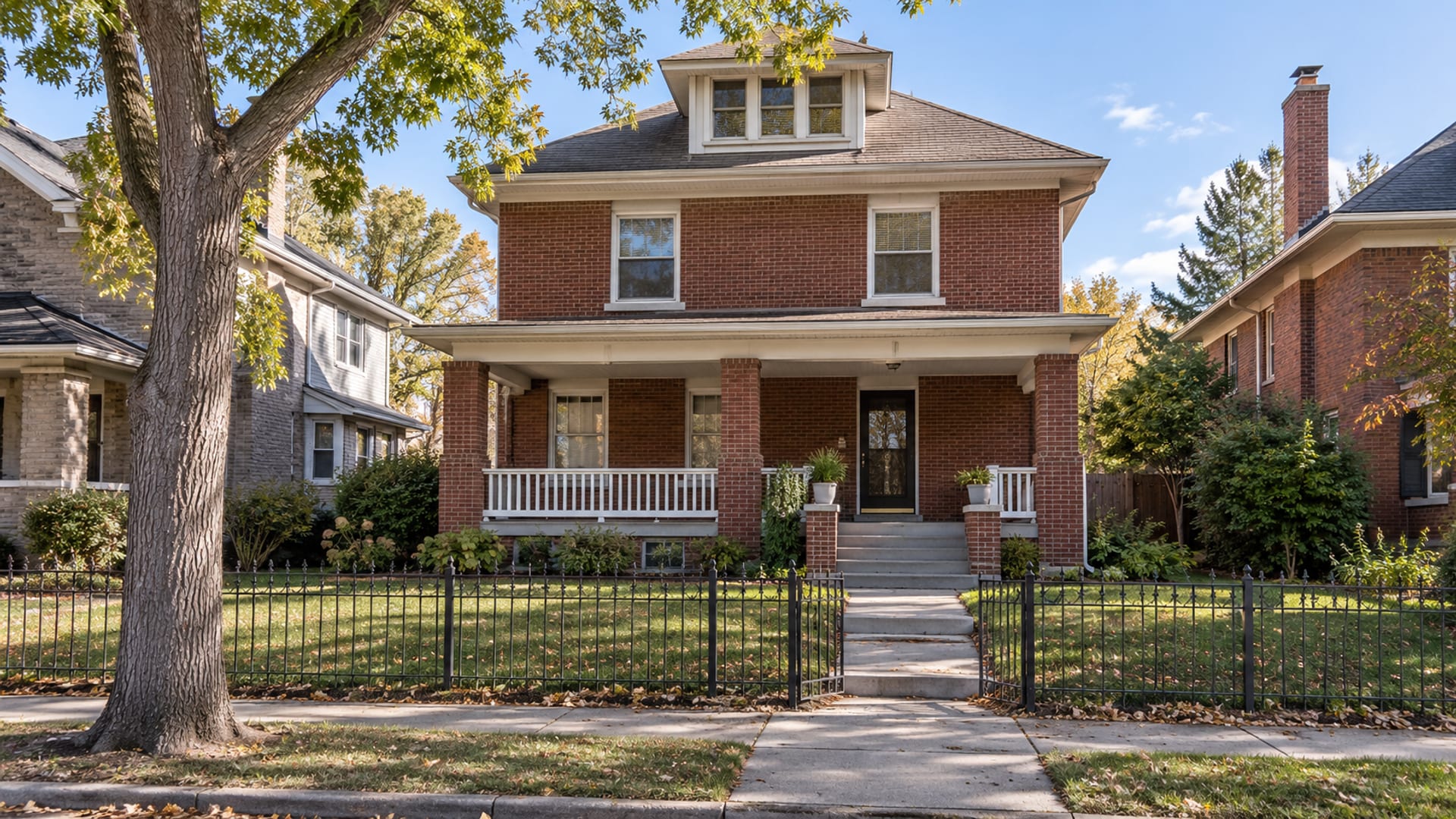
If you move out and rent the whole house to a tenant, tell your insurer before the tenant moves in. A homeowners policy is built around a home the owner lives in, while a landlord policy, also sold as rental dwelling or dwelling fire insurance, is built for a home someone else occupies. A landlord policy can cover the building, other structures, appliances or furnishings you leave for the tenant, liability claims and lost rent after a covered loss, according to the NAIC home-sharing white paper (opens in a new tab). The tenant's own belongings sit outside it and belong on a renters policy. Which policy fits depends on who lives there, the lease, the property type, your lender and the policy wording.
Key takeaways
- Tell the insurer firstIf you move out and rent the whole house, tell your insurer before the tenant moves in.
- Two different policiesA homeowners policy is built around a home the owner lives in; a landlord, rental dwelling or dwelling fire policy is built for a home someone else occupies.
- What a landlord policy can coverThe building, other structures, appliances or furnishings you leave for the tenant, liability claims and lost rent after a covered loss.
- The tenant's belongingsThey sit outside your policy and belong on the tenant's renters policy.
- What decides the fitWho lives there, the lease, the property type, your lender and the policy wording.
What changes when you rent out the house?
Occupancy is the line between the two policies. A homeowners policy assumes you live in the home, and its coverage for your belongings, your liability and your extra living costs all follow from that. Once a tenant lives there and pays rent, the home is a rental, and renting can count as a business activity under a policy that limits business use.
Most homeowners insurance won't cover damage to a rental property, or it may limit what it pays, according to the Texas Department of Insurance (opens in a new tab) (updated December 10, 2025). Landlord insurance is mainly meant for traditional long-term leases. Short-term rentals through a home-sharing site are a separate question, because most homeowners and dwelling policies are not designed for accidents that arise from short-term rentals, according to the NAIC (opens in a new tab).
The practical step comes before the lease is signed. Call the insurer or your agency, describe the rental plan, and ask which form fits: a change to the homeowners policy, an endorsement, or a separate landlord policy. Texas regulators give the same advice: ask whether it makes sense to add the coverage to the homeowners policy or to buy a separate one.
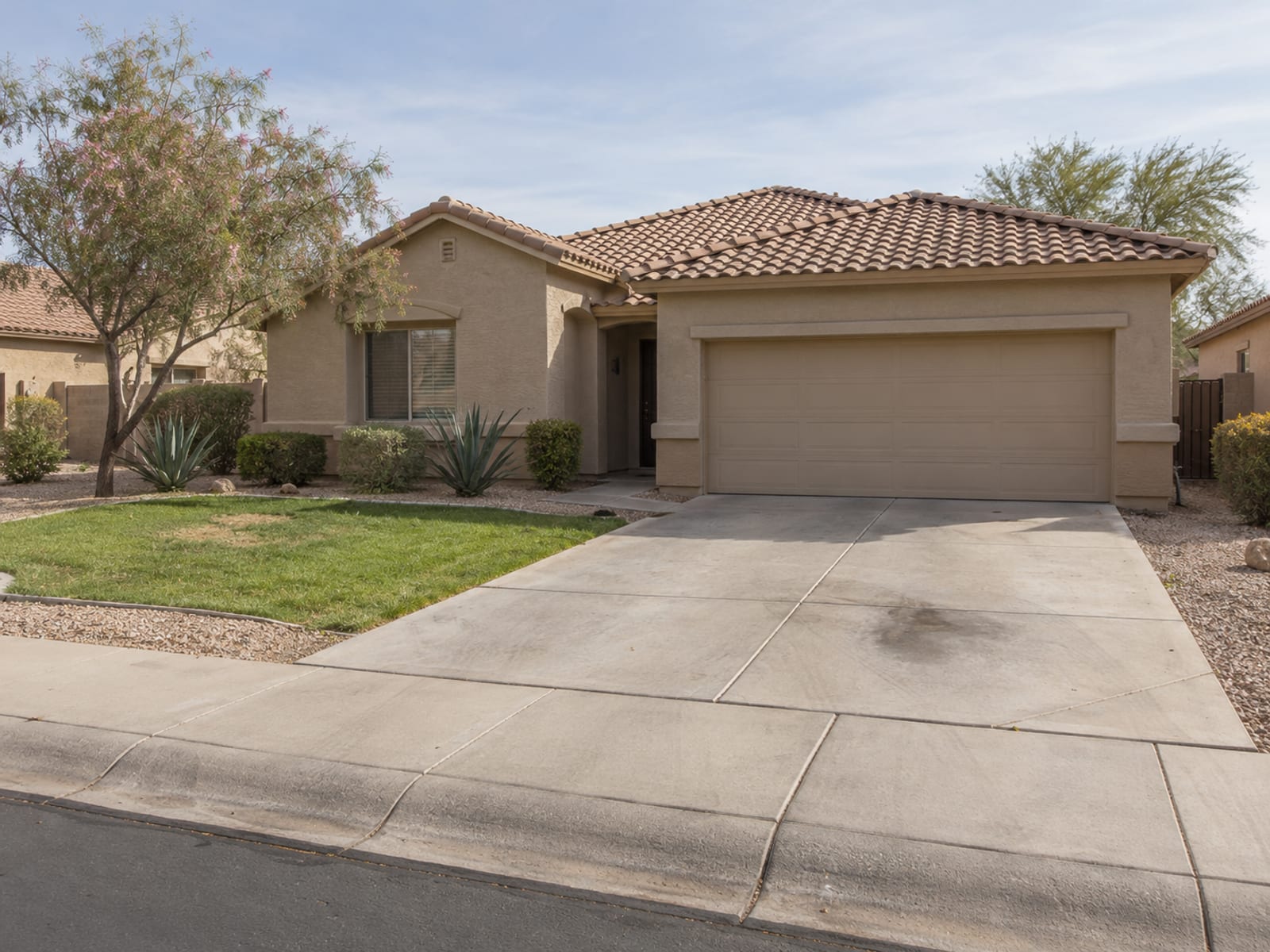
Do you need homeowners insurance, landlord insurance, or both?
You need coverage that matches each property and how it is used, which is different from carrying two policies on the same house. The common arrangements look like this:
- You move out and lease the whole house. A landlord or rental dwelling policy usually takes the place of the homeowners policy on that house.
- You live in the house and rent out a room. The homeowners policy still insures your residence, but tell the insurer about the arrangement, because it may call for an endorsement or a different form.
- You live in one side of a duplex and rent the other. The insurer may write a form designed for mixed occupancy. Ask how your unit, the rented unit and your liability are each covered.
- You moved to a new home and kept the old one as a rental. The new home carries its own homeowners policy, and the former residence carries landlord coverage.
- You inherited a house and plan to rent it. The same rule applies: insure it for how it will be used, and tell the insurer about any period when it sits empty.
Dwelling policies can insure both owner-occupied and nonowner-occupied homes, including condominium units and, in some states, houseboats, according to the NAIC home-sharing white paper (opens in a new tab). That flexibility is why the same company may offer you more than one route.
What does landlord insurance cover?
A landlord policy pays for physical damage to the structure from fire, lightning, wind, hail, ice, snow and other covered perils, according to the Insurance Information Institute (opens in a new tab). It also reaches items you leave on site for the tenant or for upkeep, such as appliances and a lawnmower, and it includes liability coverage when a tenant or a tenant's guest is hurt on the property.
Lost rent is the coverage a homeowners policy has no reason to carry. Most landlord policies cover loss of rental income while the home can't be rented because covered damage is being repaired, generally for a set period. Dwelling policies can pay for loss of fair rental value when the property becomes unfit for use because of a covered peril, according to the NAIC. That payment follows a covered loss. Vacancy between tenants, a tenant who stops paying and repairs from normal upkeep sit outside it.
Two pieces vary more than people expect. Landlord furnishings are typically excluded under a dwelling policy, although they can be added back by endorsement. Personal liability and medical payments coverage is often excluded from a dwelling policy, and both can be added through a personal liability supplement, depending on the carrier. So, read the declarations page for a liability line before assuming it is there.
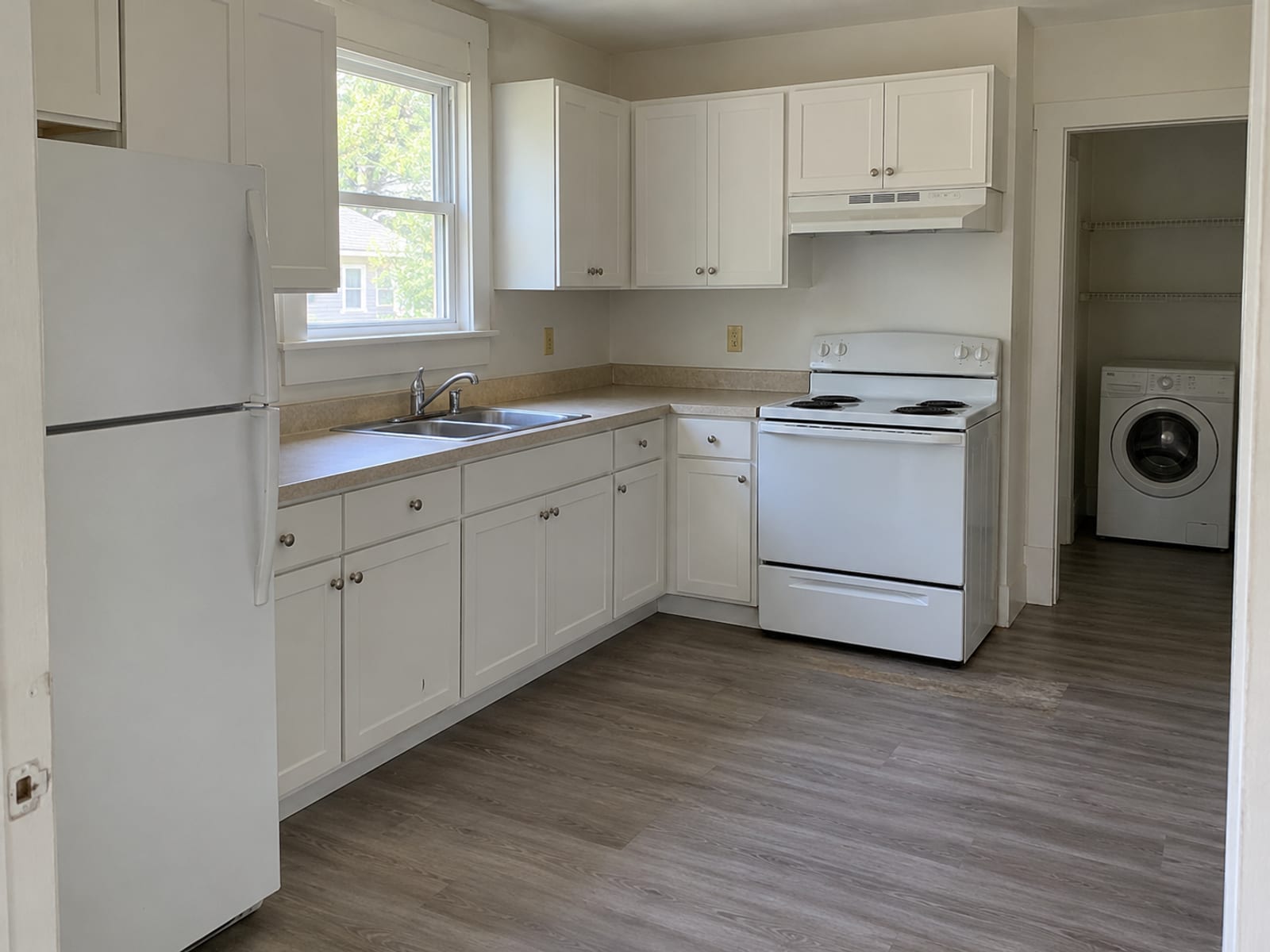
How do DP-1, DP-2 and DP-3 differ?
Landlord policies are often written on dwelling property forms numbered DP-1, DP-2 and DP-3. The numbers describe how the policy decides what is covered:
- DP-1, basic form: covers a short list of named perils. Ask whether it pays replacement cost or actual cash value, because basic forms often settle at actual cash value.
- DP-2, broad form: covers a longer list of named perils. In Texas, for example, the DP 00 02TX form covers dwellings, other structures and personal property on a broad named-peril basis, according to Texas Department of Insurance Commissioner's Order CO-03-0110 (opens in a new tab).
- DP-3, special form: covers the dwelling against any cause of loss the policy does not exclude. The Texas DP 00 03TX form is written on an all-risk basis and includes loss of use and fair rental value when the residence becomes uninhabitable.
A named-perils policy covers only the events listed in it, and an all-risk or open-perils policy covers any event it doesn't specifically exclude, according to the Texas Department of Insurance (opens in a new tab). Open perils still has exclusions, so a DP-3 is broader, not unlimited.
How a claim is paid matters as much as what is covered. Replacement cost pays to repair or replace at current prices, while actual cash value pays replacement cost minus depreciation, according to the Texas Department of Insurance home insurance guide (opens in a new tab). Our guide to replacement cost vs actual cash value shows how the difference plays out after a loss.
Hover or tap a row to highlight it.
| Form | How coverage is decided | Example form | Source |
|---|---|---|---|
| DP-1, basic | A short list of named perils | Varies by insurer and state | Ask the insurer for the form |
| DP-2, broad | A longer list of named perils for the dwelling, other structures and personal property | Texas DP 00 02TX | TDI Order CO-03-0110 (opens in a new tab) |
| DP-3, special | Any cause of loss the policy does not exclude, for the dwelling and other structures | Texas DP 00 03TX | TDI Order CO-03-0110 (opens in a new tab) |
What does a landlord policy leave out?
The exclusions on a landlord policy look a lot like the ones on a homeowners policy, plus a few that come from the rental itself:
- The tenant's belongings. The tenant's possessions are outside your policy, according to the Insurance Information Institute.
- Flood. Flood coverage is excluded on most homeowners and dwelling fire policies, according to the California Department of Insurance (opens in a new tab). Separate flood insurance fills that gap.
- Earthquake. Most homeowners and dwelling fire policies do not include earthquake damage, according to the same California page.
- Wear and tear, termites and sewer backup. All-risk policies usually leave these out, along with mold removal and foundation repair, according to the Texas Department of Insurance. An endorsement can add some of them back, sewer backup most often.
- Long vacancy. Losses to a house vacant for 60 days or more are generally not covered under the homeowners policy described in the California residential insurance guide (opens in a new tab). Ask how your landlord policy treats the gap between tenants; our vacant home insurance guide covers longer empty periods.
- Short-term or business use. A policy that excludes business use can lead to a denied claim, or to cancellation or nonrenewal, when rental activity conflicts with its terms, according to the NAIC.
Who insures the tenant's belongings?
The tenant does. Personal belongings damaged or stolen from a rented home are not covered by a landlord's or property manager's policy, according to the NAIC (opens in a new tab). Landlord insurance protects the building, and renters insurance protects the tenant's personal property, according to the Connecticut Insurance Department (opens in a new tab).
A renters policy can also give the tenant liability protection and living expenses if a covered loss forces them out. Many landlords write a renters insurance requirement into the lease. Whether and how a lease can require it depends on state law and the lease itself; Connecticut, for example, says renters insurance may be required by landlords, in a 2025 consumer advisory (opens in a new tab). Check your own state's rules before making it a lease term, and point tenants to a guide on what renters insurance covers.
Hover or tap a row to highlight it.
| Item | Policy that covers it | Source |
|---|---|---|
| The building and other structures | The owner's landlord or dwelling policy | Connecticut Insurance Department (opens in a new tab) |
| Appliances and equipment left for upkeep | The owner's dwelling policy; landlord furnishings may need an endorsement | NAIC home-sharing white paper (opens in a new tab) |
| Lost rent after a covered loss | The owner's policy, as fair rental value or loss of rental income | NAIC home-sharing white paper (opens in a new tab) |
| The tenant's belongings | The tenant's renters policy | NAIC (opens in a new tab) |
| Flood damage | A separate flood policy | California Department of Insurance (opens in a new tab) |
Is landlord insurance more expensive than homeowners insurance?
Landlord policies generally cost about 25 percent more than a standard homeowners policy because of the added protections, according to the Insurance Information Institute (opens in a new tab). That figure is broad context, not a quote for your house. The extra cost reflects lost-rent coverage, liability for tenants and guests, and the fact that the owner is not living in the home to spot a leak or a break-in early.
Your own premium depends on the location, the construction, the age and condition of the roof and systems, the claims history, the limits, the deductible and the endorsements you add. Some of the cost can come back at tax time, as the next section explains, which changes the comparison more than the sticker price suggests.
Is landlord insurance a tax write-off?
Insurance premiums are a rental expense under IRS Publication 527 (opens in a new tab), the edition for 2025 returns. A premium paid in advance for more than one year can't be deducted all at once; you deduct only the part that applies to each year of coverage.
Two rules change the answer for a home that is part personal and part rental. Expenses are divided between personal and rental use when you use the dwelling both ways. And when you rent out a home you also use for fewer than 15 days in the year, the rent stays out of your income and the expenses don't count as rental expenses. Ask a tax professional how the rules apply to your property and tax year.
What can affect coverage or a claim after you start renting?
Several facts can change whether a claim is paid or whether a policy is renewed, and most of them come back to telling the insurer how the home is used:
- Rental use the insurer was never told about
- Short-term or home-sharing rentals under a policy written for a regular residence
- Vacancy longer than the policy allows
- An unpermitted unit, an illegal use or a zoning violation
- Inaccurate answers on the application about occupancy, condition or prior damage
- Missed duties after a loss, such as prompt notice
None of these automatically voids every policy. The result depends on the policy conditions, the insurer's underwriting rules, state law and the facts. Disclosing the rental in writing, and keeping the insurer's written reply, is the simplest protection.
What should you ask an agency before the tenant moves in?
Bring the declarations page, the full policy and endorsements, the planned lease term, the number of units, whether you will live on site, your lender's insurance requirements and a list of appliances or furnishings you will leave. Then ask:
- Which form fits this rental: a homeowners endorsement, DP-1, DP-2, DP-3 or another landlord policy?
- Is liability included, or does it need a personal liability supplement?
- Does the policy pay for lost rent or fair rental value, and for how long?
- How does the policy treat vacancy between tenants?
- Does it pay replacement cost or actual cash value on the building?
- Are my appliances and furnishings covered, or do they need an endorsement?
- What does the policy exclude, and do I need separate flood, earthquake or sewer backup coverage?
- Does my mortgage lender require specific wording, a mortgagee clause or proof of coverage?
- Would an umbrella policy sit on top of this landlord policy, and what underlying limits would it require?
For higher liability limits, our guide to umbrella vs excess liability insurance explains how a second layer works.
Check what you know about landlord and homeowners insurance
Frequently asked questions
Do I need homeowners insurance if I have landlord insurance?
On the rented house, a landlord policy usually takes the place of the homeowners policy rather than sitting beside it. Your own residence, if it is a different home, keeps its homeowners policy for your belongings and personal liability.
What type of insurance should a landlord have?
A landlord or dwelling policy on the rented home is the starting point, with liability and fair rental value coverage confirmed on the declarations page. Depending on the location and lender, separate flood or earthquake coverage and an umbrella policy may also come up with the agency.
Why is landlord insurance more expensive?
It adds protections a homeowners policy doesn't carry, such as lost rent and liability for tenants and guests, which is why the Insurance Information Institute puts it at about 25 percent more. Condition, location and claims history also feed into the price for a specific house.
Does landlord insurance cover damage the tenant causes?
It depends on the cause and the policy. Damage from a covered peril, such as a fire, is treated differently from wear and tear or intentional damage, so ask the insurer how the policy handles tenant-caused losses and whether an endorsement applies.
The next step
Call your insurer or an agency before the lease is signed, describe how the house will be used, and get the answer on the policy form in writing. The Riskado agency directory lists insurance agencies across the US, and you can confirm an agent's license with your state insurance department (opens in a new tab).
Terms used in this guide
Tap a term to see what it means.
Landlord policy. Insurance for a home occupied by a tenant, also sold as rental dwelling or dwelling fire insurance.
Dwelling policy. A policy form that insures the structure of an owner-occupied or tenant-occupied home, written as DP-1, DP-2 or DP-3.
Named perils. Coverage only for the events listed in the policy.
Open perils. Coverage for any event the policy does not specifically exclude, also called all-risk.
Fair rental value. Coverage for rent the owner loses when covered damage makes the property unfit for use.
Personal liability supplement. An addition that brings personal liability and medical payments coverage to a dwelling policy.
Replacement cost. A payment basis that pays to repair or replace at current prices.
Actual cash value. A payment basis that pays replacement cost minus depreciation.
Endorsement. A change added to a policy that adds, removes or changes coverage.
Renters insurance. A tenant's policy for personal belongings, liability and extra living costs after a covered loss.