Earthquake Insurance: What It Covers, What It Costs, and Whether It Matters Outside California
Riskado
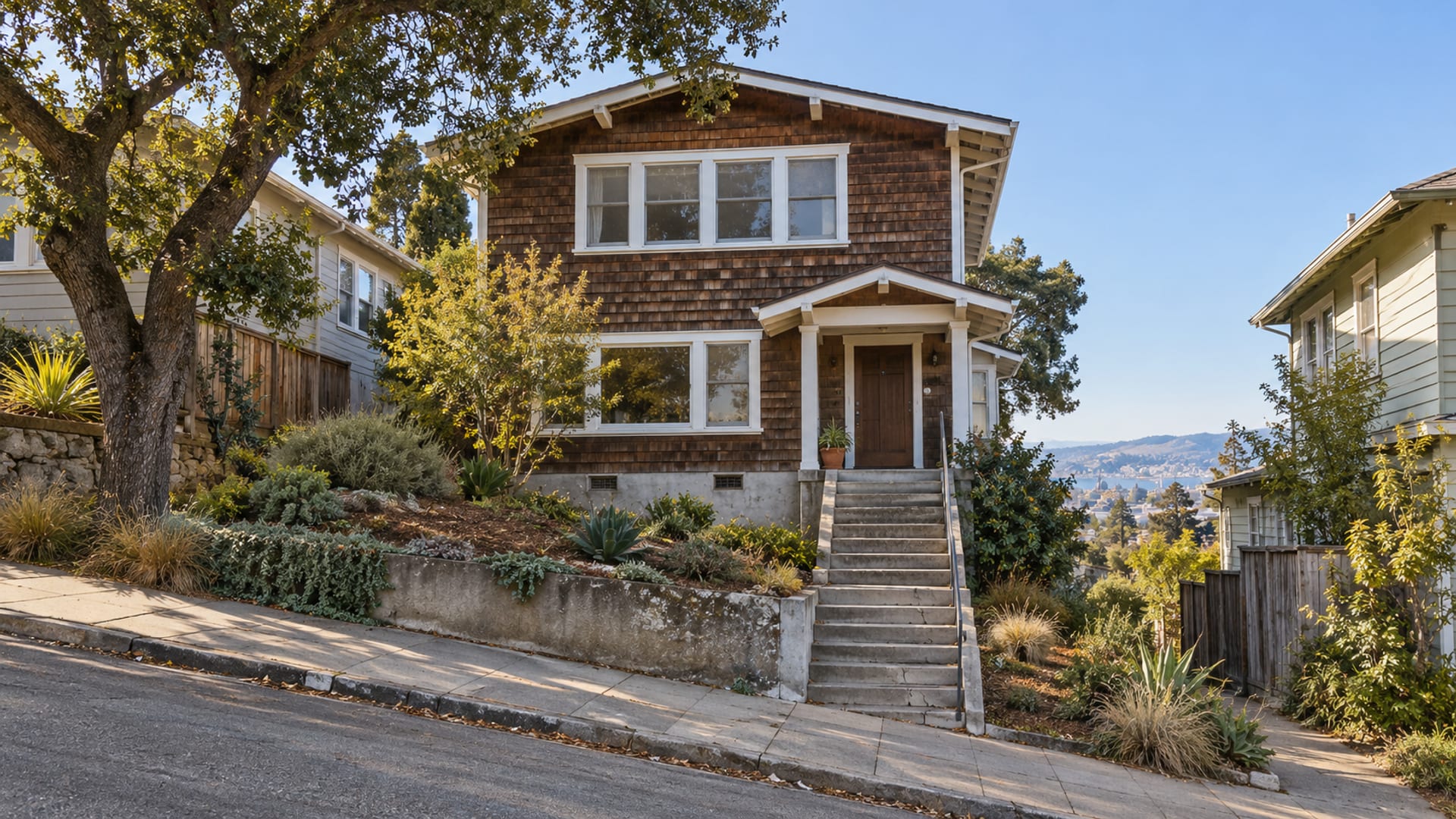
Standard homeowners, renters and condo policies exclude direct earthquake damage, and earthquake coverage is added by endorsement or bought as a separate policy, according to the NAIC consumer guide to earthquake insurance (opens in a new tab). Depending on the policy, it pays for damage to the dwelling, personal property and extra living costs while the home is repaired. The deductible is usually a percentage of the coverage limit, often 10 to 20 percent, rather than a flat $500 or $1,000. Land, vehicles, flood and outside water damage are common exclusions, and fire that follows a quake is handled by the homeowners policy. Availability, deductibles and claim rules vary by state and insurer.
Key takeaways
- Standard policiesHomeowners, renters and condo policies exclude direct earthquake damage; coverage comes by endorsement or a separate policy.
- What it paysDepending on the policy, damage to the dwelling, personal property and extra living costs while the home is repaired.
- The deductibleUsually a percentage of the coverage limit, often 10 to 20 percent, rather than a flat $500 or $1,000.
- Common exclusionsLand, vehicles, flood and outside water damage; fire after a quake goes to the homeowners policy.
- Where it variesAvailability, deductibles and claim rules vary by state and insurer.
Does your current policy respond to an earthquake?
The place to start is the earth movement exclusion in your homeowners, renters or condo policy. Separate policies are sold for floods and earthquakes, according to the Texas Department of Insurance (opens in a new tab), and the exact wording differs from one policy form to another, so read the exclusion in your own policy. Fire is the main exception, and some homeowners and renters policies also cover direct loss from explosion, theft or breaking glass caused by an earthquake, even without earthquake coverage, according to the California Department of Insurance earthquake guide (opens in a new tab). Report earthquake damage to your insurer and ask how the policy applies before deciding a loss is not covered.
What earthquake insurance covers
Earthquake coverage pays for repairs to your dwelling and insures your personal property against earthquake damage. It pays the cost to remove debris and the extra living expenses you have while the home is rebuilt or repaired, according to the NAIC (opens in a new tab). Other structures not attached to the house, the added cost of meeting current building codes, and the cost to stabilize the land under the home are coverage a policy may include rather than coverage every policy carries, according to the Washington Office of the Insurance Commissioner (opens in a new tab). Ask the agency which of those items are in the policy and what limit applies to each.
Renters can buy earthquake coverage for their belongings and for the cost of living elsewhere while the rented home is repaired. Condo owners can cover belongings and living costs too, and may also need coverage for their share of an association assessment to repair the building. An association's master policy may cover common areas and the exterior structure but leave out earthquake damage to them, so ask the association for its earthquake coverage, its deductible and how it assesses unit owners.
What earthquake insurance leaves out
Exclusions vary by insurer and are listed in your earthquake coverage and declarations page. The most common ones, according to the NAIC (opens in a new tab):
- Fire, because the homeowners policy already covers it, even when a quake ruptures a gas line and starts the fire.
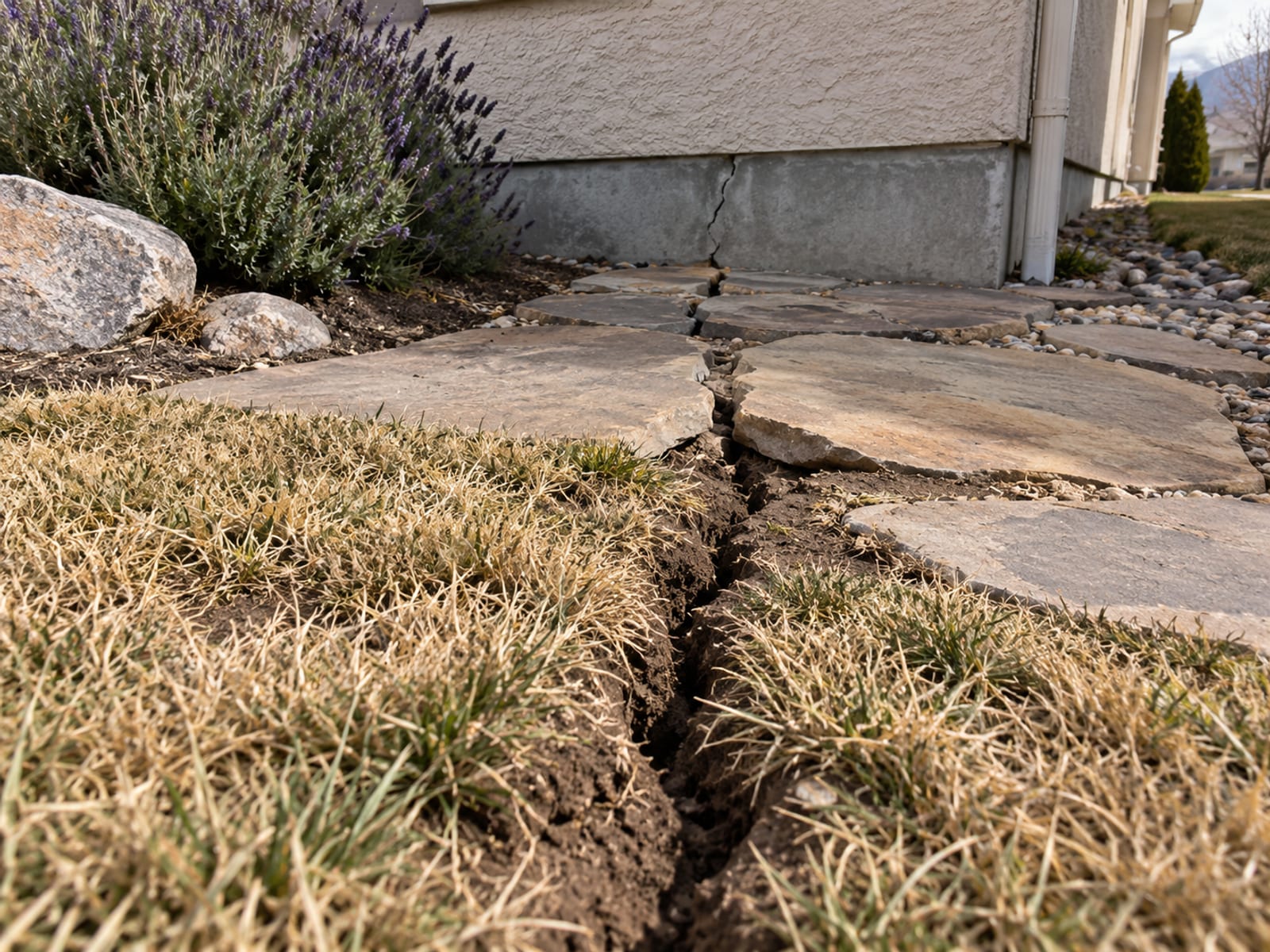
- Land, such as large cracks or sinkholes in the yard. Engineering costs coverage, where included, pays at least part of the cost to stabilize the land that supports the home.
- Vehicles, even when they were in the garage. An auto policy may cover that damage.
- Damage that was there before the earthquake.
- Water damage from outside sources, such as flood or sewer and drain backup.
- Masonry veneer in some policies, meaning the brick, rock or stone covering the outside of the home. When veneer is excluded, the insurer usually deducts its value from the loss before applying the deductible.
Landscaping, pools, fences, masonry and separate buildings are left out of most earthquake policies, and tsunami is among the outside water losses excluded, according to the California Department of Insurance (opens in a new tab). Landslides and mudflows generally call for their own policy, according to the Washington Office of the Insurance Commissioner's recovery steps (opens in a new tab). Ask the agency how the policy treats landslide, liquefaction, settling and tsunami, and whether flood insurance fits your location.
How fire, flood and shaking split across policies
A single earthquake can produce several kinds of loss, and each goes to a different policy. Shaking damage goes to the earthquake policy. Fire damage, even fire started by the quake, goes to the homeowners, renters or condo policy; in California, state law requires homeowners and renters policies to cover fire caused by or following an earthquake. Flood damage, including flooding from a lake or a tsunami after a quake, goes to a flood policy, and damage to cars goes to the auto policy. Know which company holds each policy and how to reach its claims line before anything happens.
Hover or tap a row to highlight it.
| Kind of loss | Policy that responds | Source |
|---|---|---|
| Shaking damage to the home and belongings | Earthquake endorsement or separate earthquake policy | NAIC (opens in a new tab) |
| Fire, including fire started by the quake | Homeowners, renters or condo policy | NAIC (opens in a new tab) |
| Flood or tsunami after the quake | Flood policy | California Department of Insurance (opens in a new tab) |
| Damage to vehicles | Auto policy, where it covers the damage | NAIC (opens in a new tab) |
| Landslides and mudflows | A separate landslide policy, where available | Washington Office of the Insurance Commissioner (opens in a new tab) |
How the earthquake deductible works
The earthquake deductible is usually 10 to 20 percent of the coverage limit, and a policy can set separate deductibles for the dwelling, outside structures and personal property, according to the NAIC (opens in a new tab). Extra living expenses may carry no deductible, depending on the policy. In Washington, deductibles usually run 10 to 25 percent of the maximum the policy pays for the building, and the policy pays only for damage that costs more than the deductible.
The percentage is taken from the limit, not from the repair bill. As an illustration only, a dwelling limit of $300,000 with a 20 percent deductible means a $60,000 deductible on the house. Covered damage of $45,000 to the house would produce no payment on the dwelling; damage of $100,000 would produce up to $40,000 before any other limits. Those figures are arithmetic, not a quote or a recommended limit. Ask the agency to run the same calculation with the limits on your own quote, for each coverage that has its own deductible.
Earthquake policies also have a time window. Typically, all earthquake events in a 72-hour period count as one event, with one claim and one set of deductibles, and aftershock damage more than 72 hours after the first quake could mean a second claim with a second set of deductibles, according to the NAIC (opens in a new tab). The window is not 72 hours in every policy, so ask what yours says. The deductible you pay is an uninsured loss; federal disaster loans can help cover it after a declared disaster, and those loans have to be repaid.
Hover or tap a row to highlight it.
| Item | Figure | Source |
|---|---|---|
| Typical earthquake deductible | 10 to 20 percent of the coverage limit | NAIC (opens in a new tab) |
| Example: Washington | Usually 10 to 25 percent of the building limit | Washington Office of the Insurance Commissioner (opens in a new tab) |
| Example: California Earthquake Authority homeowner options | 5, 10, 15, 20 or 25 percent; 15 percent minimum for some homes | California Earthquake Authority (opens in a new tab) |
| Typical event window | All shocks within 72 hours count as one event; varies by policy | NAIC (opens in a new tab) |
| Illustration only | $300,000 dwelling limit at 20 percent = $60,000 deductible | Worked example |

How much earthquake insurance costs
A premium depends on the property, the policy and the insurer. Location, the cost to rebuild, the type of construction, the coverages selected and the deductible all affect it, and prices run higher for older homes, brick or masonry homes, homes with more than one story, homes on sandy soil and homes that are not up to code, according to the California Department of Insurance (opens in a new tab). The home's age, foundation type, roof type, proximity to a fault and soil type also enter the rate in California Earthquake Authority policies, according to its homeowners coverage page (opens in a new tab).
Brick homes, wood frame homes with crawl spaces and multi-story homes are more likely to be damaged in an earthquake, and a qualified contractor or engineer can help assess a home's risk, according to the NAIC (opens in a new tab). When you request quotes, have the year built, foundation type, construction type, roof type and any retrofit records ready.
Can a seismic retrofit change the premium?
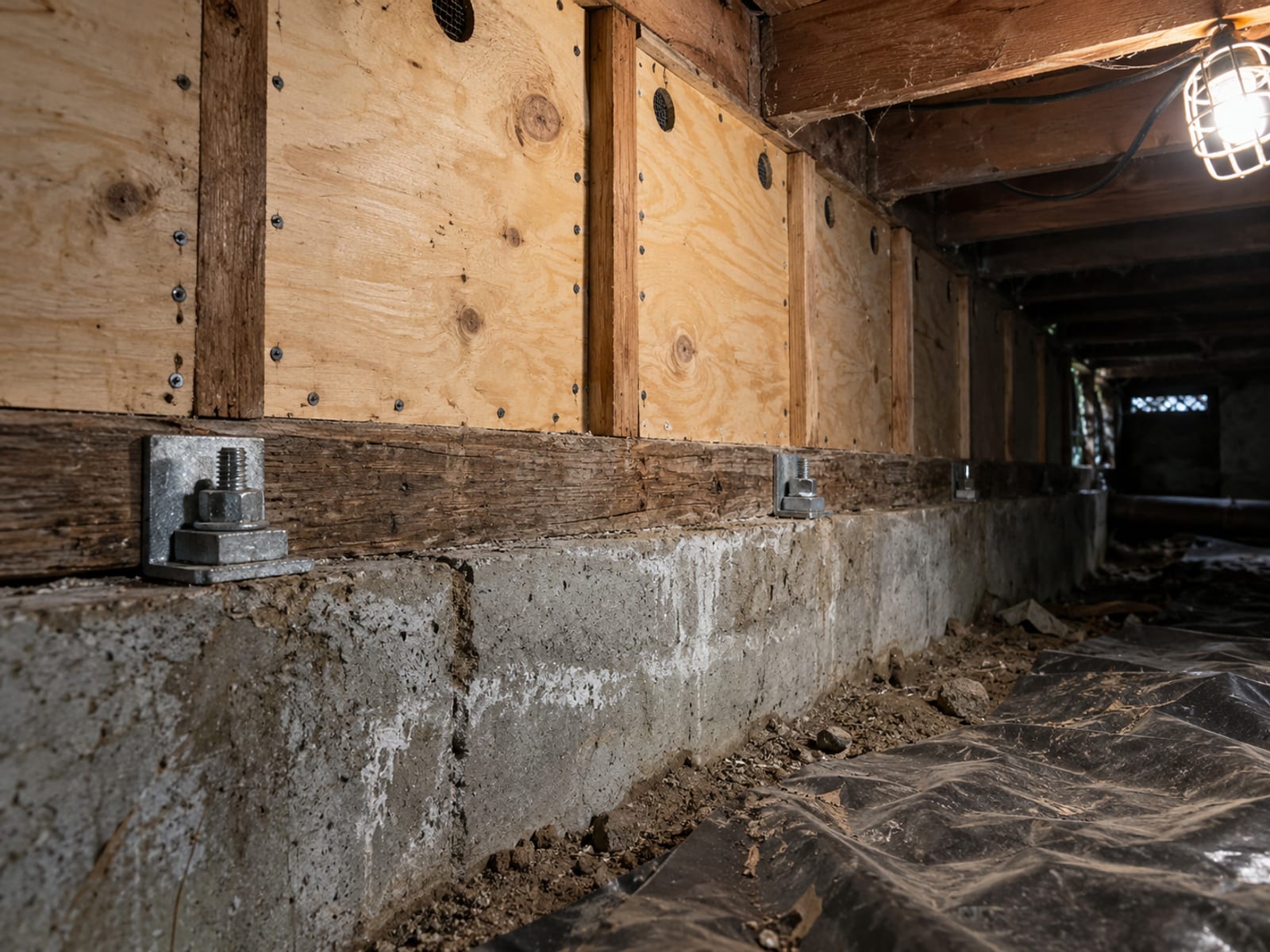
A seismic retrofit strengthens a house against shaking. Common retrofits include bolting the house to its foundation, bracing the chimney, bracing the water heater to a wall, installing automatic gas shut-off valves and using plywood to strengthen cripple walls. A retrofit can reduce damage and, with some insurers, reduce the premium or deductible.
The California Earthquake Authority is one example. Qualifying houses built before 1980 can receive a premium discount of up to 25 percent after a retrofit that is properly completed and verified, either on the authority's Dwelling Retrofit Verification form completed with an inspection professional or with a valid Brace + Bolt verification number, and mobile homes with qualifying earthquake-resistant bracing can receive 21 percent, according to its discount page (opens in a new tab). Other insurers and states set their own rules, so ask whether a retrofit changes the price or the deductible options on your policy and what proof the insurer wants.
Does earthquake insurance matter where you live?
Earthquakes can happen in all 50 states and U.S. territories, and about 90 percent of people in the U.S. live in areas that have earthquakes, according to the NAIC (opens in a new tab). California has the most frequent damaging earthquakes and Alaska the largest, and some of the most violent have struck the central U.S. Nearly 75 percent of the country could experience damaging earthquake shaking over the next 100 years, according to the U.S. Geological Survey's 2023 National Seismic Hazard Model (opens in a new tab).
In the Pacific Northwest, the chance over the next 50 years is 85 percent for a magnitude 6.5 or greater deep earthquake in the Puget Sound region, 10 to 15 percent for an approximately magnitude 9 earthquake on the Cascadia Subduction Zone, and 17 percent for a magnitude 6.5 or greater crustal fault earthquake in the Puget Sound region, according to a 2025 USGS fact sheet (opens in a new tab). In the central and eastern U.S., the New Madrid seismic zone is the most seismically active region, and the Charleston seismic zone in South Carolina produced the magnitude 7 earthquake of 1886, according to USGS fault studies of the central and eastern United States (opens in a new tab).
Hazard is one part of the decision. The other is how you would pay to repair or rebuild, rent somewhere else in the meantime, and keep paying a mortgage on a damaged home, according to the NAIC (opens in a new tab). Availability, pricing and policy terms differ by state and insurer, so an agency in your state can tell you what is offered for your address.
How state programs differ
States set different rules for how earthquake coverage is offered. In California, a company that sells homeowners insurance must offer earthquake insurance every other year, and most of that coverage comes from the California Earthquake Authority, which sells homeowner, mobile home, condo unit and renter policies through member insurance companies rather than directly. You must have a residential policy in place and buy the earthquake policy from the same company, according to the California Department of Insurance (opens in a new tab).
The authority's homeowner policies offer deductibles of 5, 10, 15, 20 and 25 percent, and homes with a dwelling limit above $1,000,000, or homes built before 1980 on a raised or other non-slab foundation without a verified retrofit, can choose only 15, 20 or 25 percent, according to its homeowners coverage page (opens in a new tab). Its loss of use coverage never has a deductible, the first $1,500 of emergency repairs has no deductible, $10,000 of building code upgrade coverage is included, and its condo unit policies pay up to $100,000 toward certain assessments for covered earthquake damage. Those figures belong to that program. Elsewhere, earthquake coverage may come as an endorsement from your homeowners insurer or as a stand-alone policy from another company, and your state insurance department can explain how its market works.
Can you buy coverage right after a tremor?
Insurance cannot cover damage that has already happened. After an earthquake, insurers are likely to stop selling coverage for a period, and premiums may be higher when sales resume, according to the NAIC (opens in a new tab); in Washington, buyers usually have to wait a while after a quake, according to the Washington Office of the Insurance Commissioner (opens in a new tab). If a recent quake prompted the question, ask the agency whether sales are open for your area and when coverage would take effect. A mortgage lender requires homeowners insurance, and earthquake coverage is a separate question answered by your loan documents; in California, for example, a mortgage requires homeowners insurance but not earthquake insurance. Check your lender's written insurance requirements.
What FEMA and SBA assistance can do
Federal Individual Assistance helps people whose property was damaged and whose losses are not covered by insurance, for critical expenses that cannot be covered in other ways, and most federal disaster assistance to individuals comes as loans administered by the Small Business Administration, according to FEMA training material on Individual Assistance (opens in a new tab). It depends on a federal disaster declaration for your area and an application, and the loans are expected to be repaid. After a declared disaster, file with your insurer first and check FEMA eligibility separately.
How to file an earthquake claim
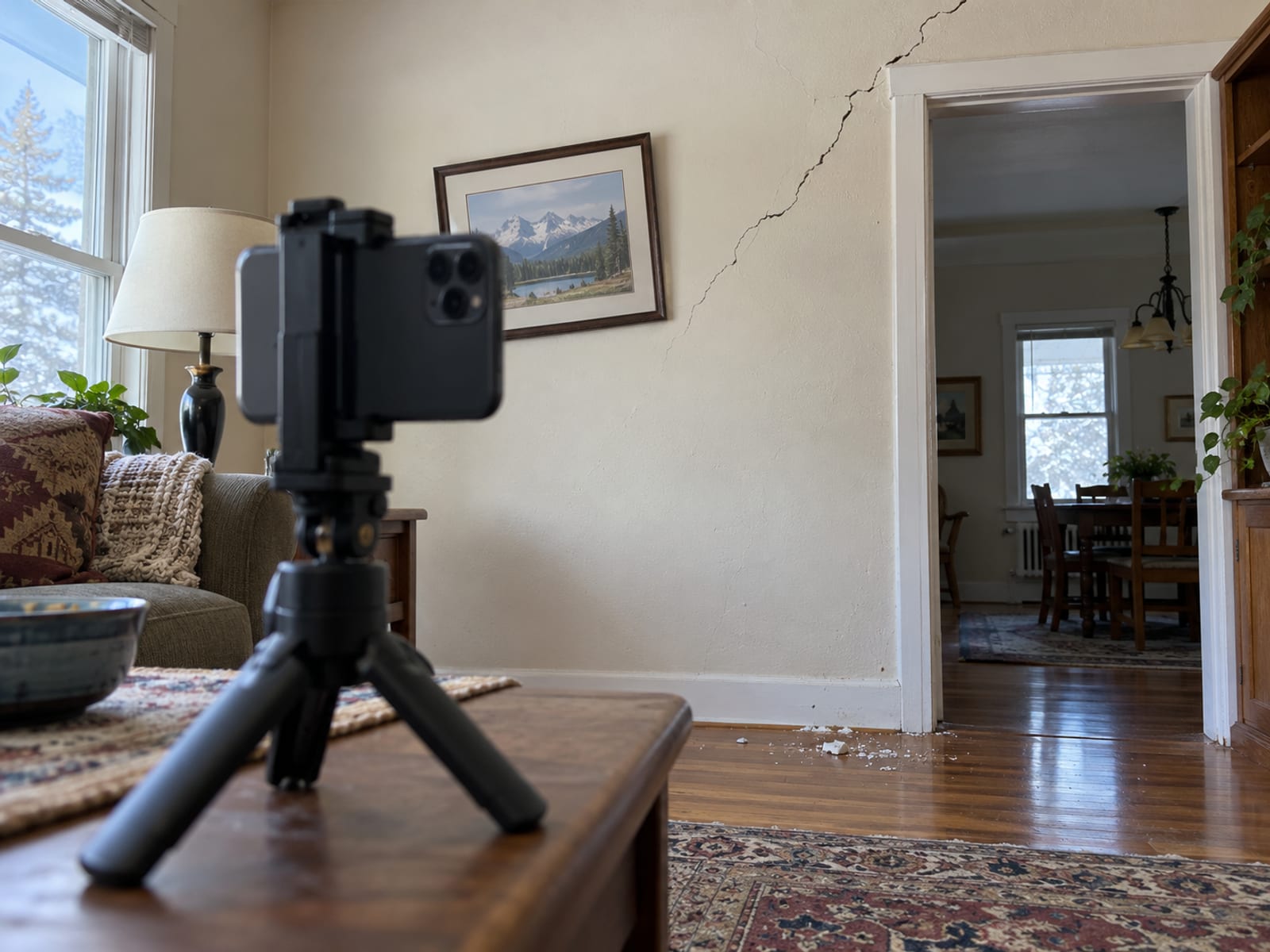
Stay out of a structure that may be unsafe. When it is safe, take reasonable steps to prevent more damage, keep receipts and photograph the damage before repairs. Then:
- Contact the company that wrote the earthquake policy, as the Washington Office of the Insurance Commissioner (opens in a new tab) directs for earthquake claims.
- Contact your homeowners, renters or condo insurer for fire or other losses that policy covers.
- Ask what proof the insurer needs: inventories, receipts, estimates, engineering reports and records of living expenses.
- Ask how each deductible applies and how the policy treats aftershocks.
- Keep copies of every notice, claim number, estimate and message, with the date and the name of the person you spoke to.
Report damage even when you think it is below the deductible, according to the NAIC (opens in a new tab). Some earthquake damage is hard to find at first, so ask the adjuster to inspect basements, crawl spaces, slabs and raised foundations, and report damage you find later.
Deadlines and inspection timing come from state rules and the policy. In Washington, an insurer should inspect within 30 days from the date you file. In California, an insurer must open a claim when you report it, and a claim not reported within one year of when you first noticed the damage, or should have noticed it, can be denied, according to the California Department of Insurance (opens in a new tab). Confirm the deadline, inspection timing and proof requirements with your insurer and your state insurance department (opens in a new tab).
Steps after earthquake damage
- Stay safeStay out of a structure that may be unsafe.
- Prevent more damageTake reasonable steps once it is safe, keep receipts and photograph the damage before repairs.
- Report to each insurerShaking damage to the earthquake insurer; fire and other covered losses to the homeowners, renters or condo insurer.
- InspectionAsk the adjuster to check basements, crawl spaces, slabs and raised foundations, and report damage found later.
- Deductibles and aftershocksAsk how each deductible applies and how the policy treats aftershocks.
- Keep recordsSave every notice, claim number, estimate and message, with dates and names.
Questions to take to an insurance agency
- Does my current policy exclude earth movement, and does it cover explosion, glass breakage or fire after a quake?
- Is earthquake coverage sold as an endorsement or a separate policy here, and is it available for my address now?
- What limits apply to the dwelling, other structures, belongings, loss of use, building code upgrades and loss assessment?
- What is the deductible for each coverage in dollars, and how long is the event window for aftershocks?
- How does the policy treat masonry veneer, land, landslide, flood and tsunami?
- Would a retrofit change the premium or the deductible options, and what proof is needed?
Bring your declarations page, the year built, the foundation and construction type, retrofit records, a home inventory and, for a condo, the association's master policy summary.
Check what you know about earthquake insurance
FAQ
Does earthquake insurance pay for my foundation?
Earthquake coverage pays for repairs to the dwelling, while land under the home is a common exclusion. Engineering or land stabilization coverage, where included, pays at least part of the cost to stabilize the land supporting the home. Ask whether foundation repairs fall under the dwelling limit and how the policy separates the foundation from the ground beneath it.
Does earthquake insurance pay for temporary housing?
Loss of use, also called additional living expenses, pays the extra cost of living elsewhere while the home is repaired or rebuilt. In California Earthquake Authority policies, it also applies when a civil authority keeps you out of the home because of earthquake damage, and it never has a deductible. You may still be paying the mortgage while renting elsewhere, so ask how the limit compares with your housing costs.
Is there one national deadline for earthquake claims?
No. Deadlines and inspection timing depend on the state and the policy. Your insurer and your state insurance department can confirm the rules for your claim.
Where to go next
Earthquake coverage comes down to the limits, the deductible in dollars, the event window and the exclusions. Gather your declarations page and home details, then ask a licensed agency in your state what is available for your address and how it would pay on a loss like the ones above.
Terms used in this guide
Tap a term to see what it means.
Earthquake endorsement. A written change to a homeowners, renters or condo policy that adds earthquake coverage for an extra premium.
Earth movement exclusion. The part of a standard property policy that leaves out damage from earthquakes and other ground movement.
Percentage deductible. A deductible set as a percentage of the coverage limit, so the dollar amount grows with the limit.
Event window. The period, typically 72 hours, in which all shocks count as one event with one claim and one set of deductibles.
Loss of use. Also called additional living expenses, it pays the extra cost of living elsewhere while the home is repaired.
Loss assessment. A charge a condo association places on unit owners to share repair costs or the association's deductible.
Masonry veneer. Brick, rock or stone covering the outside of a home, which some earthquake policies exclude.
Seismic retrofit. Work that strengthens a house against shaking, such as bolting it to the foundation and bracing cripple walls.
Building code upgrade coverage. Coverage for the added cost of rebuilding to current building codes, also called ordinance or law coverage.