Home Insurance Cancelled After an Inspection: Why It Happens, How Long You Have, and How to Get Covered Again
Riskado
An insurer can send a cancellation or a non-renewal notice after inspecting your home, and the two are different actions. A cancellation ends the policy before its expiration date; a non-renewal ends it when the policy expires, according to the NAIC Consumer Home Insurance Guide (opens in a new tab). The deadline, the reasons allowed and the notice period depend on your state, how long the policy has been in force and the wording of the letter. Read the effective date and the stated reason first. Then ask the insurer or your agent whether repairs, documents or a re-inspection can be considered, and arrange replacement coverage before the current policy ends. If you have a mortgage, send your servicer proof of the new coverage so there is no gap and no reason for force-placed insurance.
Key takeaways
- Two different actionsA cancellation ends the policy before its expiration date; a non-renewal ends it when the policy expires.
- Rules varyThe deadline, the reasons allowed and the notice period depend on your state, the policy's age and the wording of the letter.
- First movesRead the effective date and the stated reason, then ask whether repairs, documents or a re-inspection can be considered.
- Line up coverageArrange replacement coverage before the current policy ends.
- MortgageSend your servicer proof of the new coverage so there is no gap and no reason for force-placed insurance.
Is the letter a cancellation or a non-renewal?
Start with the wording and the dates. A cancellation notice names an effective date before your policy's normal end date. A non-renewal notice says the insurer will not continue the policy after the current term ends. Some letters are neither yet: they ask you to repair a condition by a deadline and say the insurer may cancel or not renew if you do not. Compare the date in the letter with the expiration date on your declarations page, and look for words such as "cancellation effective," "non-renewal" or "renewal date."
The distinction changes everything that follows. Illinois defines cancellation as ending a policy before its expiration date and non-renewal as ending it at expiration, according to the Illinois Department of Insurance (opens in a new tab), and other states use the same split. If your letter is a non-renewal, what a homeowners insurance non-renewal letter means covers notice periods and next steps for that path.
What date does your coverage end?
The date printed in the notice is the one to plan around. With a non-renewal, coverage generally runs to the policy's expiration date. With a cancellation, it ends earlier, on the effective date in the notice. Cancellation notice can be short: Texas requires 10 days' notice before a company cancels, according to the Texas Department of Insurance home insurance guide (opens in a new tab), and Illinois requires at least 10 days for nonpayment and at least 30 days for other reasons. Treat the date in the letter as your deadline unless the insurer confirms a different one in writing.
Hover or tap a row to highlight it.
| Rule | Figure | Source |
|---|---|---|
| Typical early period for a new policy | Often about 60 days, during which the insurer can cancel for any reason | NAIC guide (opens in a new tab) |
| Texas cancellation notice | 10 days before the company cancels | Texas Department of Insurance (opens in a new tab) |
| Texas non-renewal notice | 60 days for policies bought or renewed in 2024; 30 days for 2023 or earlier | Texas Department of Insurance (opens in a new tab) |
| Illinois cancellation for nonpayment | At least 10 days | Illinois Department of Insurance (opens in a new tab) |
| Illinois cancellation for other reasons | At least 30 days | Illinois Department of Insurance (opens in a new tab) |
| Illinois property-condition repairs | Time to repair, not more than 90 days | Illinois Department of Insurance (opens in a new tab) |
| Illinois hearing request | At least 20 days before the cancellation date | Illinois Department of Insurance (opens in a new tab) |
| Force-placed insurance first notice | At least 45 days before the servicer charges you | CFPB Regulation X (opens in a new tab) |
| Force-placed insurance reminder | At least 15 days before the charge and 30 days after the first notice | CFPB Regulation X (opens in a new tab) |
Can an insurer cancel your policy after an inspection?
Yes, but how and when depends on the policy's age and your state's rules. New policyholders typically have a limited period, often 60 days, during which the insurer can cancel for any reason; after that, it can generally cancel only for nonpayment, a lie on the application or a substantial change in the risk, according to the NAIC guide (opens in a new tab). The exact rule is set state by state.
Two state examples show the pattern. In Texas, a company may cancel in the first 60 days if it learns about a risk you did not disclose that was not part of a previous claim, or if it does not accept a copy of a required inspection report before the policy starts; at any time, it may cancel if you stop paying, file a fraudulent claim, if continuing the policy would violate the law, or if there is an increase in risk within your control that would raise your premium, according to the Texas Department of Insurance (opens in a new tab). In Illinois, the company may cancel for almost any reason during a new policy's first 60 days; after that, or on a renewal policy, it may cancel only for nonpayment, misrepresentation or fraud, or an increase in the risk it originally accepted, according to the Illinois Department of Insurance (opens in a new tab).
So, the age of your policy is worth checking right away. Find the effective date on the declarations page and count from there. A policy in its first weeks sits under broader cancellation rules than one that has been in force for years.
What inspection findings can lead to a cancellation?
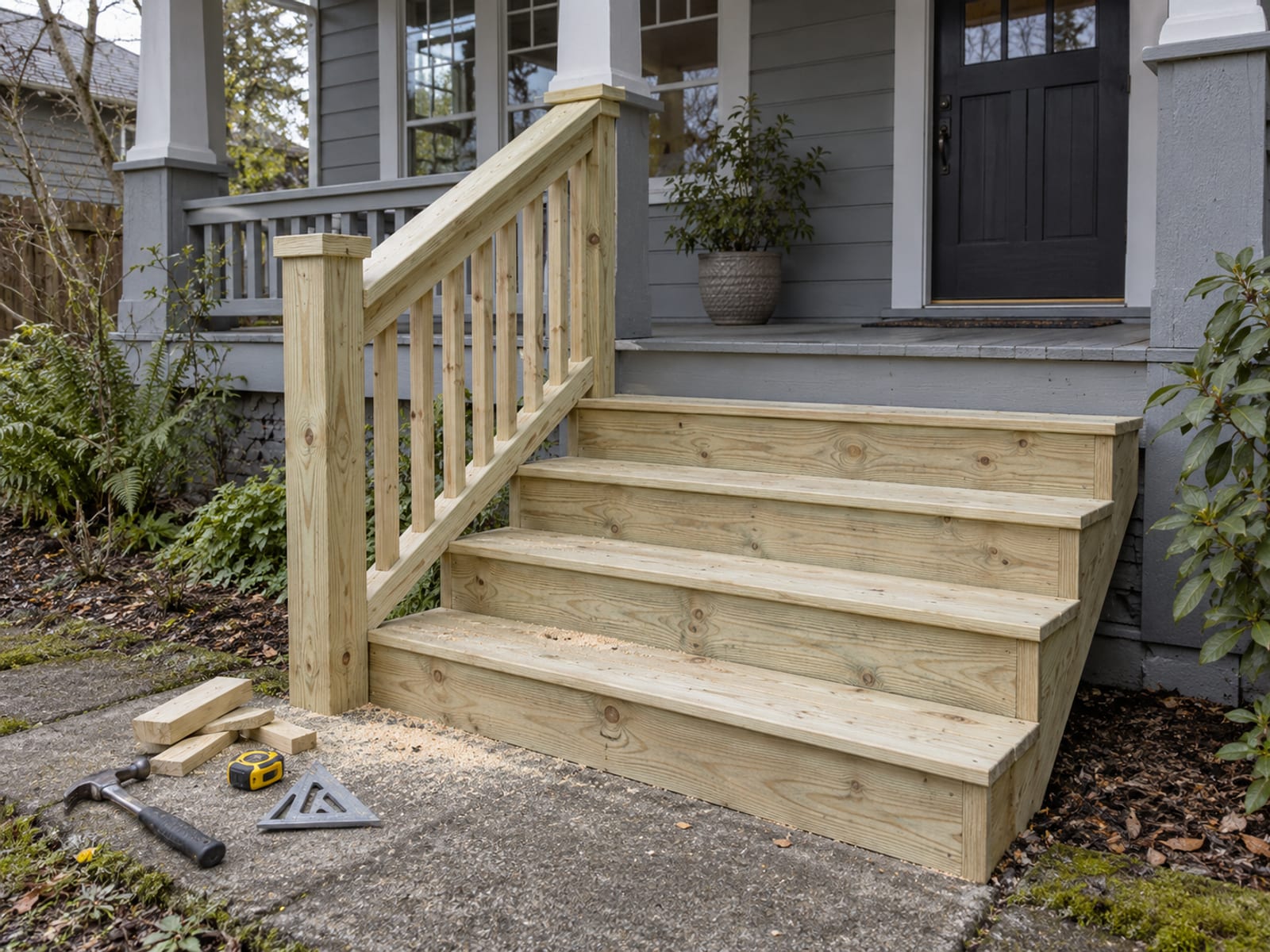
Inspections, whether a visit or a review of aerial images, look at the condition of the house and features that change the risk. Insurers consider a home's age and condition and its claims history, and a swimming pool, a trampoline, pets or a business run from the home all factor in, according to the NAIC (opens in a new tab). Backyard items such as a trampoline or pool may call for more liability coverage, and some insurers may cancel a policy because of them, according to the NAIC (opens in a new tab). Letters also point to roof condition, porches, stairs and railings, wiring, plumbing, debris and structural issues.
These are insurer underwriting standards, not national legal rules. One insurer may accept a roof another declines, and there is no single national roof-age rule. What the insurer may legally do about a finding is set by your state's cancellation and non-renewal law and the reason stated in the notice.
How long do you have to fix the problem?
There is no single national repair period. The deadline may appear in the inspection letter, the cancellation or non-renewal notice, the policy itself or a state law. Read every document you received for a date.
Some states set a minimum. In Illinois, when an insurer cancels or non-renews because the property's condition has declined, it must allow time, not more than 90 days, to make required repairs, according to the Illinois Department of Insurance (opens in a new tab). Texas guidance says that instead of non-renewing a house in bad condition, a company might require repairs first, and that companies usually give at least six months, according to the Texas Department of Insurance (opens in a new tab). That six-month figure describes common practice, not a guaranteed deadline, so the date in your letter still controls unless the insurer confirms a different date in writing.
If the work cannot be finished by the deadline, tell the insurer in writing what is scheduled and when, and ask whether it will extend the date. Start replacement shopping in parallel.
What should you ask the insurer or agent?
Put your questions in writing so you have a record of the answers. Useful ones:
- What specific condition did the inspection find, and which policy or underwriting rule does it fall under?
- What is the exact effective date of the cancellation or non-renewal?
- Can I get a copy of the inspection report and the photos or aerial images you relied on?
- What repair standard do you need met, and what proof will you accept, such as photos, invoices, permits or a contractor's statement?
- Will you reconsider after repairs, and will you schedule a re-inspection?
- Can coverage continue to a stated date while the work is done?
You can ask for the report and photos; whether you have a right to receive them depends on your state and the insurer. Several states do require a written reason. Texas lets you ask for the reason, and for decisions after January 1, 2026, requires a written statement of why a policy was declined, canceled or not renewed, according to the Texas Department of Insurance (opens in a new tab). Illinois requires a written notice explaining the reason for cancellation.
A repair does not automatically withdraw a notice. The insurer's written answer decides that, so keep shopping until you have it.
Documents to keep and send
- The noticesThe cancellation or non-renewal notice, the inspection letter and your declarations page.
- The findingThe written reason, plus the inspection report and photos if the insurer supplies them.
- The repairRepair estimates, completed-work invoices, and permits or contractor statements where they apply.
- The recordEmails and notes of calls, with dates and names.
- The replacementYour mortgage servicer's contact details and the new policy or binder.
How do you get covered again?
Line up replacement coverage before the current policy ends. An agency can work through the options in order.
The first stop is admitted insurers, the standard companies licensed in your state. An independent agency can submit the house to several of them; each applies its own underwriting rules to the inspection findings. If standard companies decline, a surplus lines insurer may write the property. Surplus lines companies insure risks that standard companies will not, and in Texas, an agent must try to find coverage with a licensed company first, according to the Texas Department of Insurance (opens in a new tab).
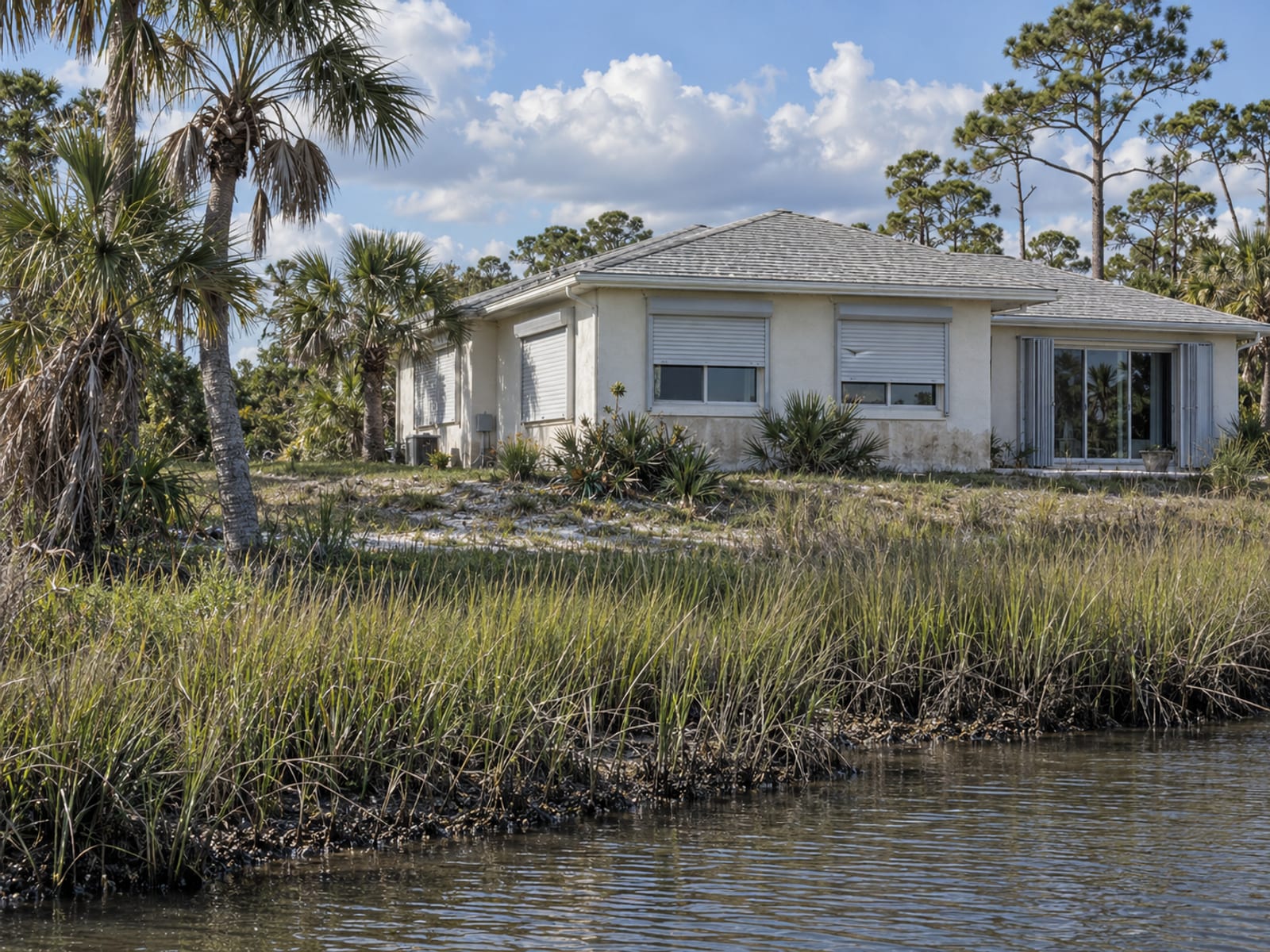
The last stop is a residual market plan such as a FAIR Plan or coastal pool. In Texas, if at least two companies refuse to insure your home, you may buy a policy through the Texas FAIR Plan Association, according to the Texas Department of Insurance (opens in a new tab). North Carolina's FAIR Plan, run by the North Carolina Joint Underwriting Association, offers named-peril coverage for homes outside the beach area and does not include liability coverage, and the Coastal Property Insurance Pool serves eligible coastal counties, according to the North Carolina Department of Insurance (opens in a new tab); the regulator describes these plans as a temporary solution for most owners. More detail is in the North Carolina coastal property insurance pool guide.
When you apply, bring the notice, the inspection letter, your declarations page, repair estimates and invoices, and any permits. You can find an agency in the Riskado agency directory, which lists agencies across the US by state and city.
What happens to your mortgage?
Mortgage contracts generally require hazard insurance. If your coverage lapses or you cannot show that it meets the loan's requirements, the servicer can buy force-placed insurance and charge you for it. Under Regulation X (opens in a new tab), the servicer must send a written notice at least 45 days before charging you, then a reminder at least 15 days before the charge and at least 30 days after the first notice. Once it receives evidence that you had compliant coverage, it must cancel the force-placed policy within 15 days and refund the charges for any overlap.
Force-placed insurance usually protects the lender, not you, and it often costs more than a policy you buy yourself, according to the CFPB (opens in a new tab). Send the servicer your new policy or binder as soon as you have it.
What if the cancellation seems improper?
Try to resolve it with the insurer first. If that fails, you can file a complaint with your state insurance department, usually online, by mail or by phone, and a cancellation or non-renewal you believe is unjustified is one of the issues a department can look into, according to the NAIC (opens in a new tab). Include your policy number, the notice, the declarations page, the inspection letter, photos, invoices and permits, emails and notes of calls with dates and names, a short timeline and the result you want.
Some states add a hearing right. In Illinois, if you were canceled for a reason other than nonpayment and believe the company did not follow the required steps, you can request a hearing before the Director of Insurance, with your written request delivered at least 20 days before the cancellation date, according to the Illinois Department of Insurance (opens in a new tab). A complaint or hearing does not move the cancellation date, so keep your replacement search going.

Will a cancellation affect future applications?
It can come up. Insurers often run a Comprehensive Loss Underwriting Exchange (C.L.U.E.) report or a similar report on new customers and use that claims history to help set the cost of insuring the home, according to the NAIC (opens in a new tab). A C.L.U.E. report tracks claims, and a cancellation or an inspection is a different kind of event. Applications, though, commonly ask about prior cancellations, non-renewals and property conditions. Answer accurately, and ask the agency what documents will help, such as proof that the inspection issue was repaired.
Check what you know about cancellation after an inspection
Frequently asked questions
Can homeowners insurance be cancelled after an inspection?
Yes, within your state's cancellation rules. How much freedom the insurer has depends mainly on whether the policy is still in its early period, often about 60 days.
How long do I have to fix the condition?
Check the date in your notice first, because it sets the immediate deadline. Some states set a minimum; Illinois requires up to 90 days for certain property-condition repairs.
Will fixing the problem stop the cancellation?
Not automatically. Ask the insurer in writing whether it will accept proof of repairs or schedule a re-inspection, and keep shopping until it answers.
Can I get a refund if my policy is cancelled?
In Texas, when either you or the company cancels, the company must refund unearned premium within 15 days after the cancellation date, according to the Texas Department of Insurance. Refund rules differ by state, so ask your insurer how it will calculate yours.
What if no insurer will take the house?
Ask an agency about surplus lines insurers and your state's FAIR Plan or coastal pool. Each has its own eligibility rules and coverage, which can be narrower than a standard homeowners policy.
Your next steps
Find the effective date and stated reason, then ask the insurer in writing for the inspection details and what it will accept as proof of repair. Get repair quotes and replacement insurance quotes at the same time. If you have a mortgage, send the servicer proof of new coverage before the old policy ends. If the notice does not follow your state's rules, contact your state insurance department.
Sources: NAIC Consumer Home Insurance Guide (opens in a new tab); Texas Department of Insurance home insurance guide (opens in a new tab); Illinois Department of Insurance (opens in a new tab); North Carolina Department of Insurance (opens in a new tab); CFPB Regulation X, 12 CFR 1024.37 (opens in a new tab); NAIC complaint guidance (opens in a new tab).
Terms used in this guide
Tap a term to see what it means.
Cancellation. Ending a policy before its expiration date.
Non-renewal. An insurer's decision not to continue a policy after its expiration date.
Underwriting. How an insurer decides whether to accept a property and on what terms.
Admitted insurer. A standard insurance company licensed in your state.
Surplus lines insurer. An insurer that takes risks standard companies will not.
FAIR Plan. A state residual market plan that offers basic property coverage when the regular market will not.
Binder. Temporary written proof that coverage is in place until the policy is issued.
Force-placed insurance. Hazard insurance a mortgage servicer buys when your required coverage is missing or not enough.
C.L.U.E. report. A Comprehensive Loss Underwriting Exchange report of past claims that insurers use when pricing a home.